The first time I saw a clown loach, I had no idea what I was looking at. I was halfway through a long drive from Medan to Kualanamu Airport in northern Sumatra, eyes still tired from a week of trekking through Gunung Leuser searching for orangutans, gibbons, macaques, and other monkeys. Our driver pulled over at a small roadside aquarium shop, and there, drifting between rocks in a dim tank, was this striped, orange-and-black fish that looked like it had wandered out of a coral reef and into the wrong river.
I snapped a photo and kept moving. Days later, scrolling through field images, I came back to that funny-looking fish. A few hours of reading turned into a small obsession. Loaches turned out to be a wildly diverse family of small fishes scattered across the world, from Borneo and Sumatra to central Europe and even parts of northern Africa. Below are 15 magnificent types of loaches I have researched, observed, or kept — every one worth knowing.
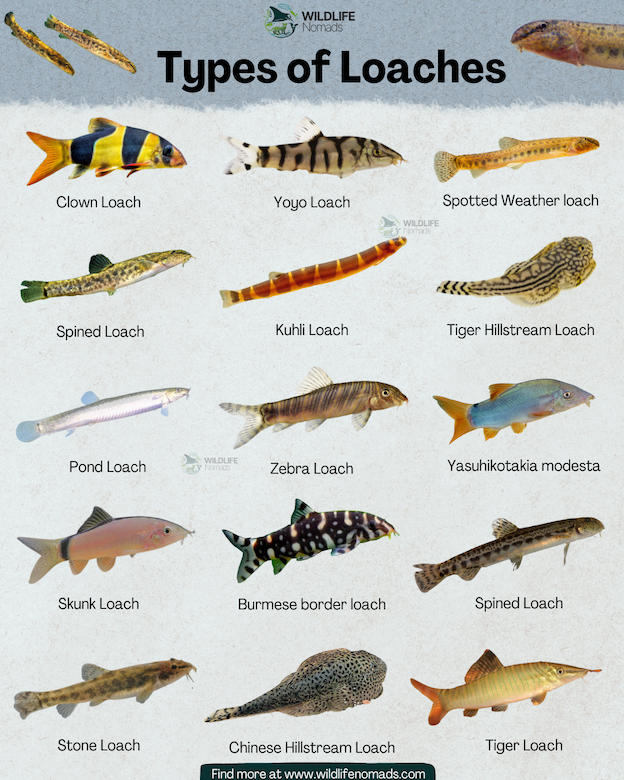
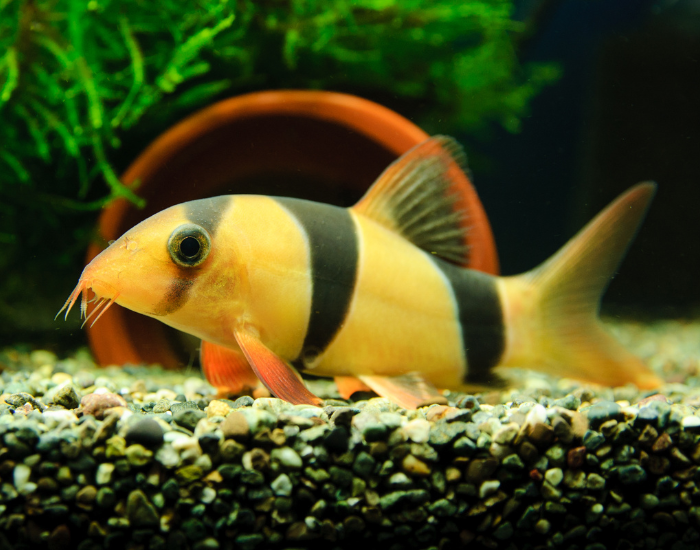
1. Clown Loach (Chromobotia macracanthus)
The clown loach is the species that started this whole rabbit hole for me. Native to Sumatra and Borneo, it lives in slow, tannin-stained rivers full of submerged rocks, leaf litter, and pebbles. Adults can reach 30 cm in the wild, though most aquarium specimens stay smaller. They are social, peaceful, and almost always kept in a group of five or more.
Clown loaches have been a backbone of the aquarium trade for decades, yet they remain almost entirely wild-caught. The species rarely produces success in captive breeding, so its populations depend on healthy habitats across Indonesia. Wild fish thrive in soft, slightly acidic water around pH 6.0–7.0.
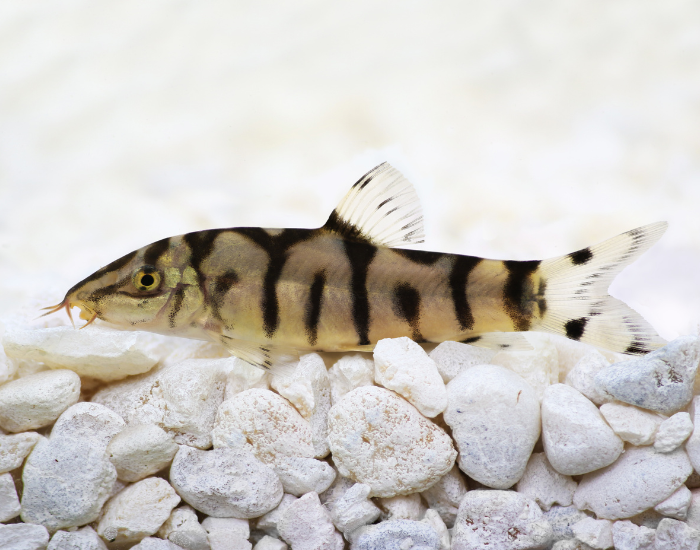
2. Yoyo Loach (Botia almorhae)
The yoyo loach earned its nickname from the dark “Y-O-Y-O” markings stamped along its silver flanks. It is native to clear hill streams of northern India and Nepal, where it patrols sand, pebbles, and smooth rocks.
Yoyo loaches are bold and a bit cheeky. They constantly rearrange the substrate by digging and shifting pebbles. Their barbels probe for tiny microorganisms, worms, and crustaceans hidden in the gravel. Like most loaches, they appreciate caves and shaded crevices for daytime rest. I have watched them at fish markets in Kolkata, where vendors mix juveniles with carps and small ornamental species before exporting them globally.
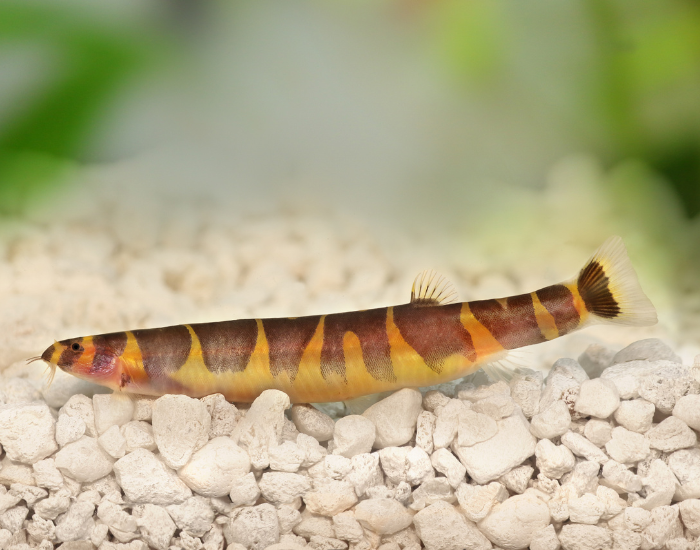
3. Kuhli Loach (Pangio kuhlii)
If most loaches resemble small catfish, kuhli loaches look more like a tiny eel that wandered in from the wrong family. These slim, banded specimens are native to Southeast Asia — Indonesia, Malaysia, Thailand — where they hide under leaf litter and tangled roots in shallow blackwater.
Many aquarists meet kuhli loaches as their first bottom dwelling fish. They are nocturnal, peaceful, and surprisingly hardy if water conditions stay stable. Soft, slightly acidic water with sand or fine pebbles works best, since rough substrate can damage their delicate skin. Despite being small fishes, kuhli loaches commonly live a decade or more in well-kept aquariums.
4. Dojo Loach / Pond Loach (Misgurnus anguillicaudatus)
The dojo loach, also known as the pond loach or oriental weatherfish, is one of the most adaptable loach species on the planet. Native to East Asia, the oriental weatherfish has been introduced to ponds and rivers across North America, Europe, and Australia, where feral populations now occur in several watersheds.
This species is famous for predicting weather. Before storms drop the air pressure, dojo loaches become restless and swim toward the surface. In Japan, they are bred for food and even entertainment. In aquariums, they grow up to 25 cm, demand cool water, and consume almost anything — algae wafers, sinking pellets, frozen worms, and microorganisms living in the substrate.
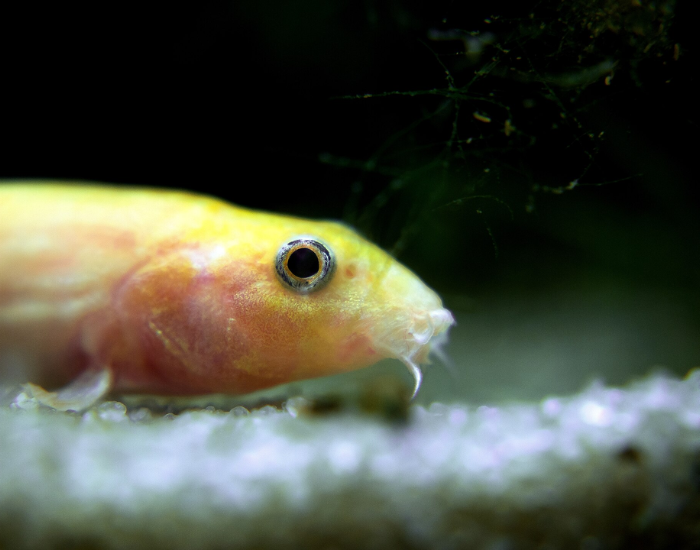
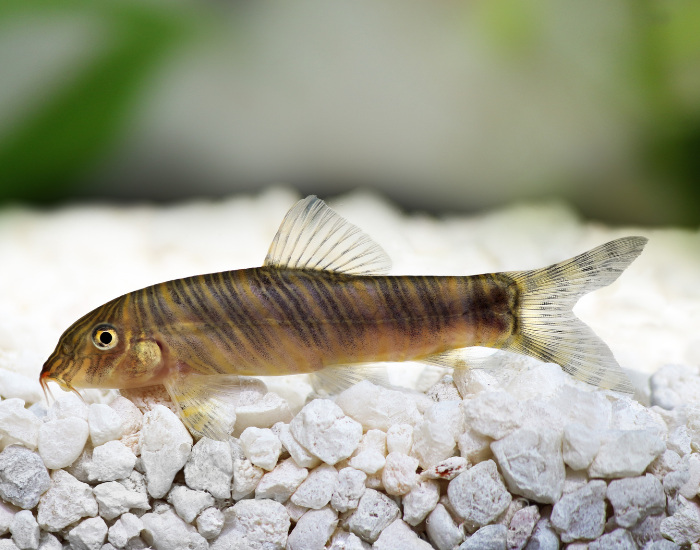
5. Zebra Loach (Botia striata)
The zebra loach is a small, striped beauty native to the Western Ghats of India. Adults rarely exceed 9 cm, making them one of the more aquarium-friendly loaches for moderate-sized tanks. The IUCN lists wild populations as endangered due to pollution and habitat loss in their narrow range.
Zebra loaches do best in a group of six or more, kept over fine sand with plants, driftwood, and rocks for cover. They are peaceful and rarely bother tankmates. Their small mouth is perfect for nipping at pest snails, which has made them a favorite of many aquarists fighting outbreaks. They appreciate dim lights and steady water conditions.
6. Reticulated Hillstream Loach (Sewellia lineolata)
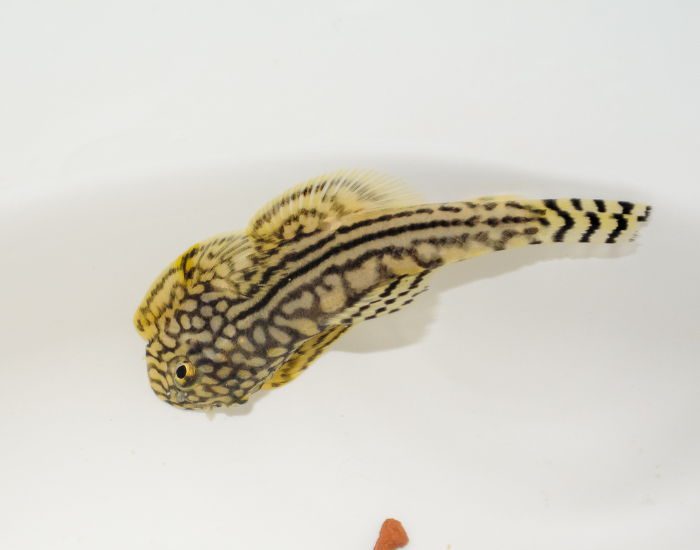
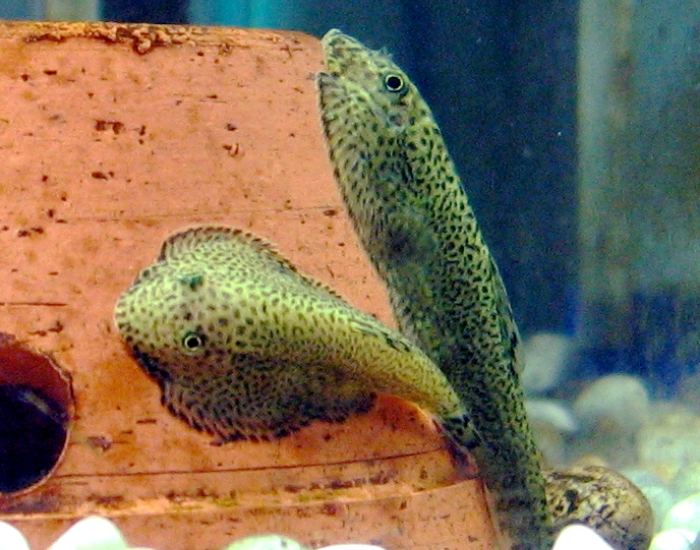
Hillstream loaches look like a flounder, a sucker fish, and a stingray fused into one. The reticulated hillstream loach is native to Vietnam and southern China, where it lives in cool, fast, oxygen-rich rivers full of polished stones and biofilm-covered rocks.
This species is built for current. Its flattened body and strong pectoral fins anchor it to rocks while it grazes algae and microorganisms. In an aquarium, it demands powerful filtration and proper water temperature, ideally 20–24 °C. Hillstream loaches are increasingly popular among aquarists who want active, daytime fish that are not the usual goldfish or tetra. They thrive only in clean, well-oxygenated systems.
7. Skunk Loach (Ambastaia morleti)
The skunk loach is a striking species from the Mekong basin in southeast Asia. A single black stripe runs from snout to tail across a creamy body, hence the name. Adults reach about 10 cm and live in slow rivers, flooded forests, and seasonal wetlands.
Honest warning: skunk loaches are not the gentle, peaceful loaches new aquarists imagine. They are territorial, especially in pairs, and can harass slower tankmates. In a group of five or more they bicker among themselves and leave others alone.
8. Horseface Loach (Acantopsis dialuzona / Acantopsis choirorhynchos)
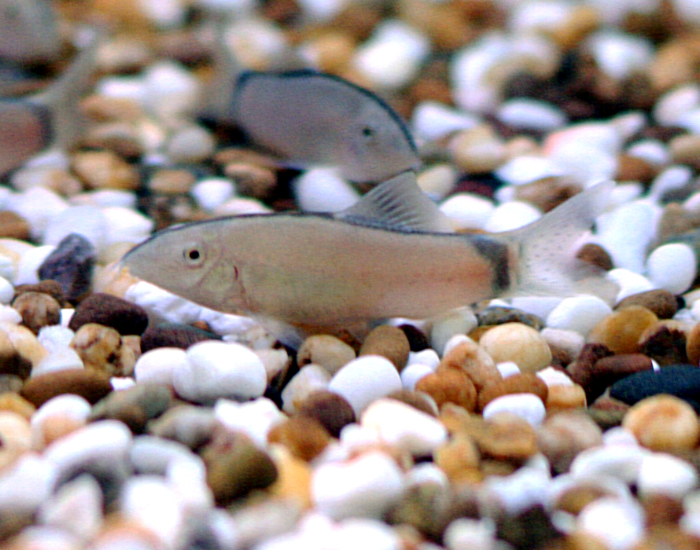
The horseface loach owns its name with a long, downturned snout that resembles a tiny seahorse. This species ranges across mainland southeast Asia — Thailand, Cambodia, Vietnam, and parts of Borneo — where it buries itself in soft sand on river bottoms.
Horseface loaches spend most of the day with only their eyes visible. At night they emerge to feed on insect larvae, worms, and microorganisms. Keeping them properly means giving them a deep bed of fine sand, no sharp rocks, and peaceful tankmates. Many aquarists never see them for hours at a time, then catch a glimpse of bright eyes peeking from the substrate.
9. Burmese border loach (Botia kubotai)
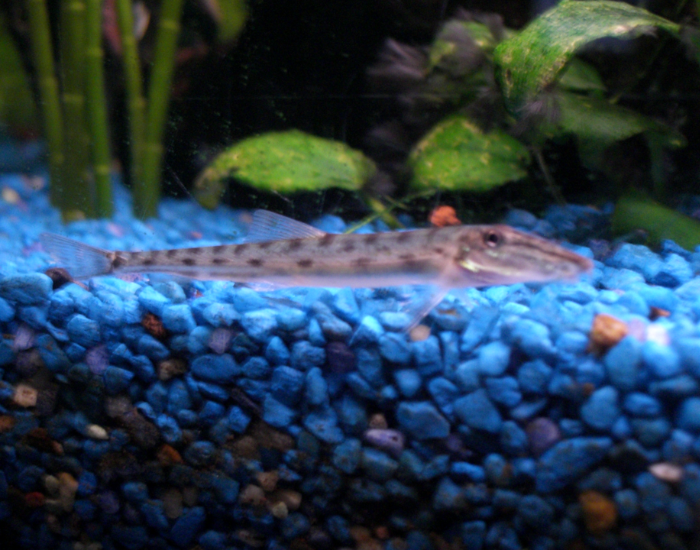
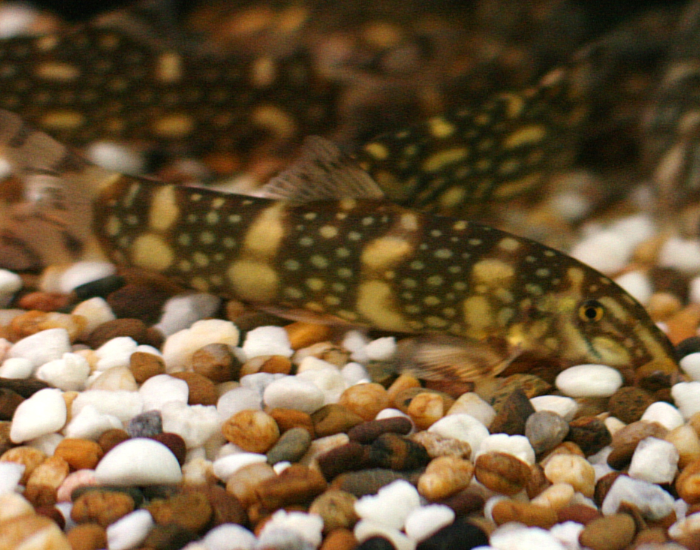
The polka dot loach, sometimes called the Burmese Border loach, was only described to science in 2004 by the American Museum of Natural History collaborator Maurice Kottelat. It comes from a small range of clear rivers along the Myanmar–Thailand border, where it lives among smooth pebbles and rocks.
Adults reach about 12 cm and look like a swimming galaxy of cream-colored spots — one of the more unusual shapes in the genus. Polka dot loaches are active, curious, and best kept in a group of six or more. They are sensitive to pollution and demand pristine water conditions. The species has gained popularity in the aquarium trade, raising concern about wild populations in its narrow native range.
10. Spined Loach (Cobitis taenia)
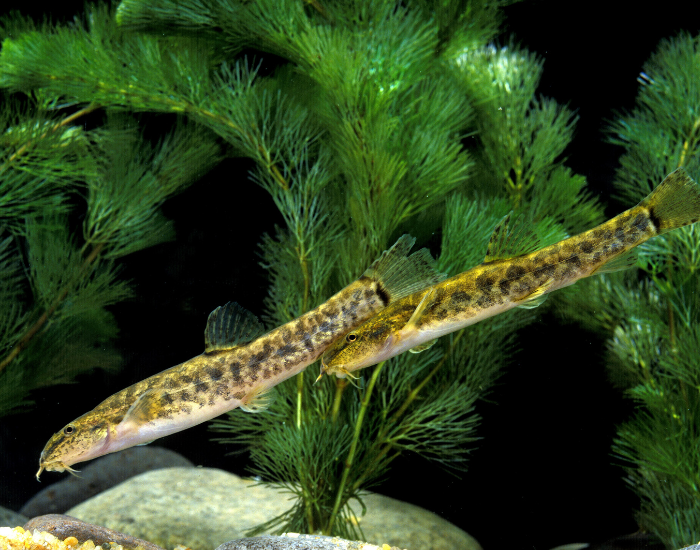
Not all loaches come from the tropics. The spined loach is a small, slender species native to rivers, ponds, and slow streams across central Europe and northern Asia. In the United Kingdom, it is one of the few protected freshwater fish, listed under the EU Habitats Directive.
Spined loaches grow to about 11 cm and have a tiny, retractable spine beneath each eye. They use it to escape predators that try to swallow them. In northern France you could sample spined loaches from a chalk stream, slow, careful work with a fine net, releasing each specimen back to its natural beauty unharmed.
11. Stone Loach (Barbatula barbatula)
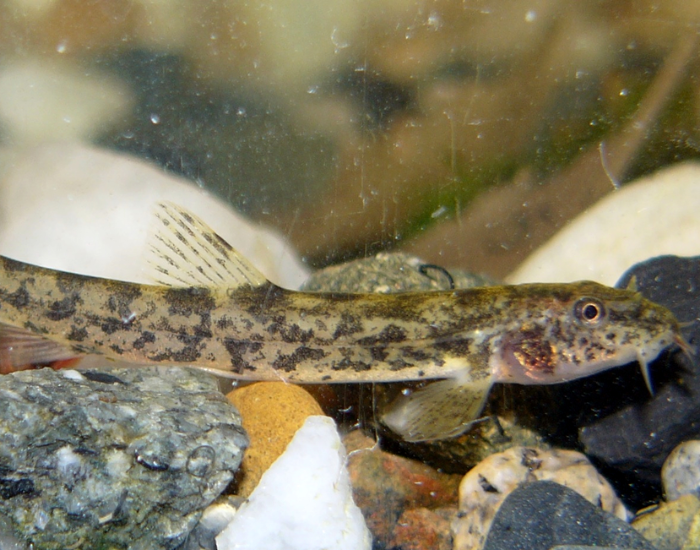
The stone loach is another European native, found from Ireland to Russia. Unlike the spined loach, it has six prominent barbels around its mouth. It hides under rocks during the day and forages over gravel at night for tiny insects and microorganisms. Stone loaches are bioindicator fish, sensitive to pollution and used by ecologists to monitor river health.
If you are a biologist, you probably know that conducting surveys to track water qualityis a reguralr practice. Catching one always means the river was still relatively clean. They aren’t aquarium fish in the usual sense, but in cool coldwater systems some aquarists keep small groups successfully.
12. Tiger Loach (Syncrossus hymenophysa)
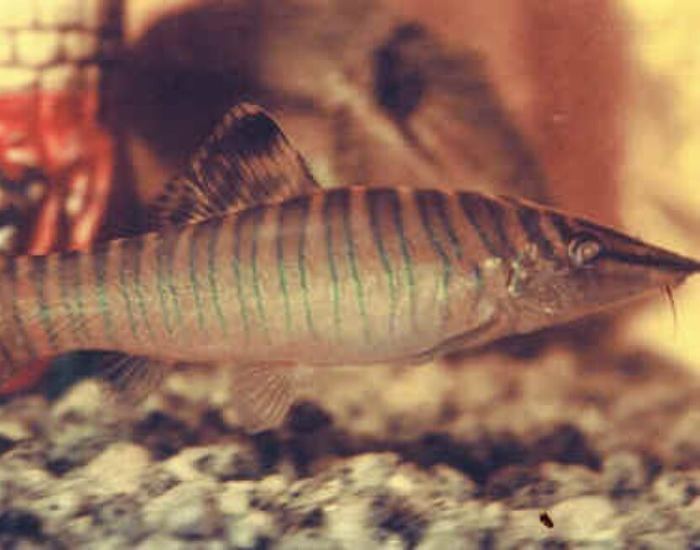
The tiger loach is a striking species from rivers in Sumatra, Borneo, and parts of mainland southeast Asia. Adults grow to 20 cm and patrol the lower water column in tightly knit groups of five or more.
Tiger loaches are not for beginners. They are semi-aggressive, demand large tanks, and need plenty of caves, rocks, and driftwood to define territories. In their natural range, they occur in fast rivers with oxygen-rich water. I have seen them at the floating fish markets near Pekanbaru, sold mixed with other loaches, small carps, and oriental weatherfish to wholesale buyers feeding the global aquarium trade.
13. Chinese Hillstream Loach (Beaufortia kweichowensis)
The Chinese hillstream loach, also known as the butterfly hillstream loach, is one of the most-photographed loach species in the world. Native to the upper Pearl River system in southern China, it occupies fast, clean mountain streams with smooth stones and abundant algae.
Adults reach about 8 cm. Their flattened, suction-cup bodies cling to rocks even in heavy current. Chinese hillstream loaches are popular among advanced aquarists building specialized “river-tank” systems with strong pumps and cool water. They consume algae, biofilm, and microorganisms — and they are happiest in groups, where they signal to each other with quick, jerky movements across the rocks.
14. Redtail Botia (Yasuhikotakia modesta)
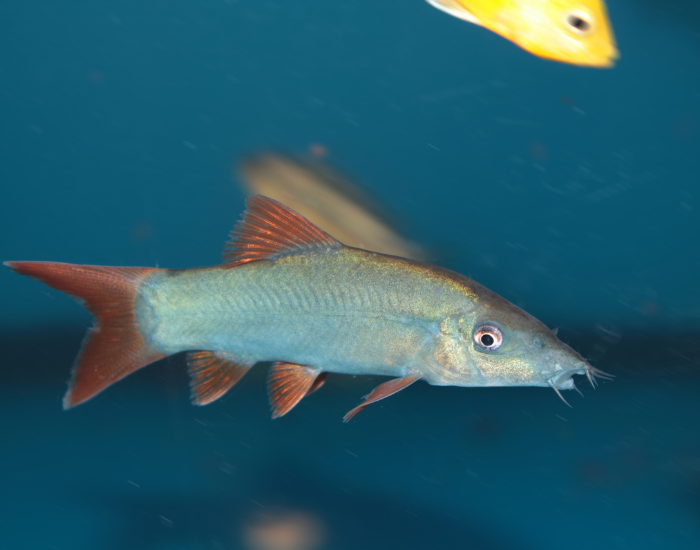
The redtail botia rounds out my list. Native to slow rivers across Cambodia, Laos, Thailand, and Vietnam, it grows to 25 cm and shows a striking blue-grey body with bright orange-red fins and tail. It is one of the larger members of the loach family kept in home aquariums.
Redtail botias are loud, they produce audible clicks when feeding, which I first heard while watching wild specimens at dusk along the Mekong tributaries near Kratie. They are active, social, and demand large tanks with peaceful tankmates of similar size and consistent water conditions. Like many southeast asia loaches, they are bottom dwelling but will rise into the water column to feed.
Frequently Asked Questions About Loaches
A loach is a small to medium freshwater fish in the order Cypriniformes, related to carps and minnows. Most belong to the family Cobitidae and Botiidae, while hillstream loaches sit in Balitoridae and other related families. Loach species occur naturally across Asia, Europe, and parts of northern Africa. Most are bottom dwelling, peaceful, and active at night.
Loaches feed on insect larvae, worms, crustaceans, microorganisms, biofilm, and algae. In aquariums, most loaches consume sinking pellets, frozen bloodworms, brine shrimp, and algae wafers as their main food. Hillstream loaches graze biofilm off rocks. A varied diet keeps them healthy and helps captive populations thrive.
Why Every River Needs a Loach
Loaches are some of the most underrated freshwater fish in the world. They are small, often shy, and easy to miss in the dim corners of a tank, yet each species hides a story shaped by the rocks, rivers, and habitats of its home range. My obsession started with one clown loach in a roadside shop in Sumatra and grew into a fascination with the entire family Cobitidae.
If you keep an aquarium, give loaches a serious look. If you travel, ask local guides about the small fishes hiding in their streams, you will discover surprises in central Europe, northern India, and Borneo alike. And if you have not yet read it, my deep dive on the yoyo loach pairs nicely with this guide.
References:
Chen, W. J., Lheknim, V., & Mayden, R. L. (2009). Molecular phylogeny of the Cobitoidea (Teleostei: Cypriniformes) revisited: position of enigmatic loach Ellopostoma resolved with six nuclear genes. Journal of fish biology, 75(9), 2197–2208. https://doi.org/10.1111/j.1095-8649.2009.02398.x
Kottelat, M. (2004). Botia kubotai, a new species of loach (Teleostei: Cobitidae) from the Ataran River basin (Myanmar), with comments on botiine nomenclature and diagnosis of a new genus. Zootaxa, 401(1), 1–18. https://doi.org/10.11646/zootaxa.401.1.1
Šlechtová, V., Bohlen, J., & Tan, H. H. (2007). Families of Cobitoidea (Teleostei; Cypriniformes) as revealed from nuclear genetic data and the position of the mysterious genera Barbucca, Psilorhynchus, Serpenticobitis and Vaillantella. Molecular Phylogenetics and Evolution, 44(3), 1358–1365. https://doi.org/10.1016/j.ympev.2007.02.019
Tang, Q., Liu, H., Mayden, R., & Xiong, B. (2006). Comparison of evolutionary rates in the mitochondrial DNA cytochrome b gene and control region and their implications for phylogeny of the Cobitoidea (Teleostei: Cypriniformes). Molecular Phylogenetics and Evolution, 39(2), 347–357. https://doi.org/10.1016/j.ympev.2005.08.007
Šlechtová, V., Bohlen, J., & Perdices, A. (2008). Molecular phylogeny of the freshwater fish family Cobitidae (Cypriniformes: Teleostei): delimitation of genera, mitochondrial introgression and evolution of sexual dimorphism. Molecular Phylogenetics and Evolution, 47(2), 812–831. https://doi.org/10.1016/j.ympev.2007.12.018