After I wrote about the clown loach last year, I could not stop thinking about its cousins. That single roadside encounter in northern Sumatra had pulled me into a rabbit hole of South Asian and Southeast Asian freshwater fish, and one species kept surfacing in every forum, every aquarium book, every late-night research session: the yoyo loach.
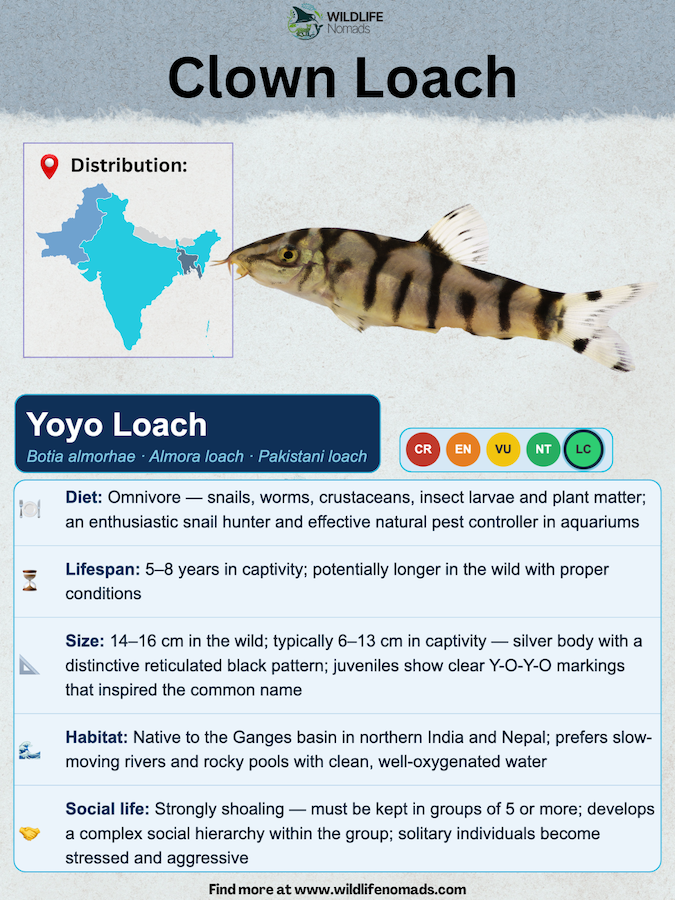
The yoyo loach (Botia almorhae) is a captivating freshwater fish from the rivers of northern India and Pakistan. Its body looks like someone wrote “Y-O-Y-O” in dark ink across its silver flank, hence the name. Beyond the pattern, this fish carries a personality bigger than its tank, a body built for fast water, and a social life that surprises most aquarium enthusiasts who pick one up. Here are 12 things every aquarist or naturalist should know about the yoyo loach, drawn from peer-reviewed science, conversations with breeders, and the kind of obsessive reading I do when a species lodges in my brain.
1. The Yoyo Loach Earned Its Name From a Pattern, Not a Personality
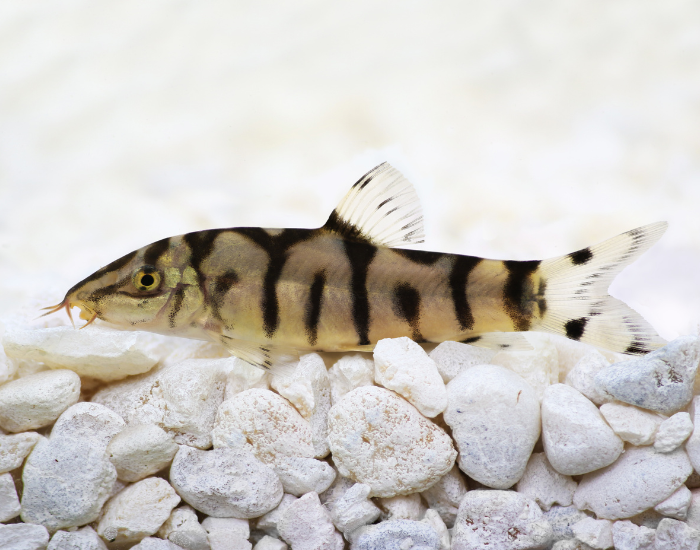
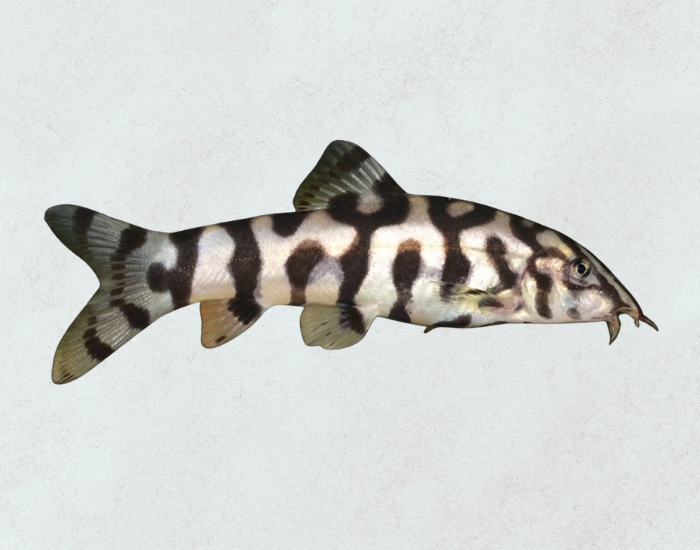
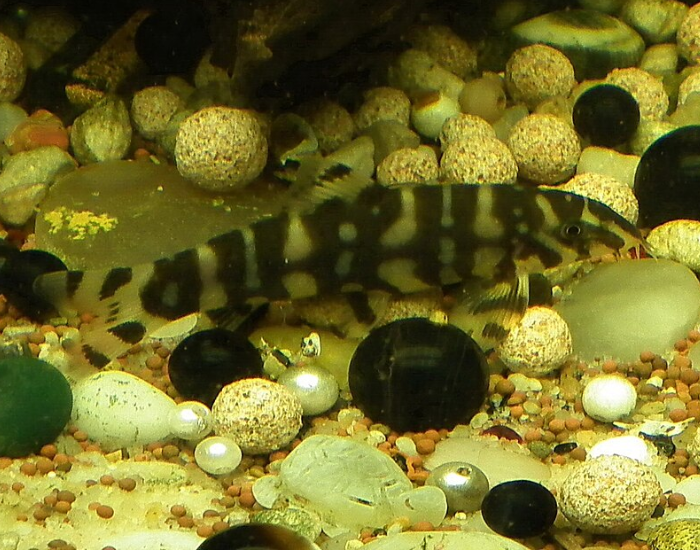
The dark and light bands on a juvenile yoyo loach really do spell “YOYO” along its flank. Look closely at a healthy fish under good light, and you will see two clear Y-shapes followed by an O-shape running the length of its body. This distinctive pattern fades into a more reticulated pattern as the fish ages, breaking into spots and netting across the silver background. The yoyo loach is also marketed as the Pakistani loach, the yo-yo botia, the yoyo fish, and the Almora loach, depending on where you buy it.
That naming chaos is part of why I love this group. One species, four common names, and a Latin name (Botia almorhae) that points to a town in northern India near where the fish was first described. For the rest of this guide I will use yoyo loach, but every term refers to the same captivating freshwater fish.
2. Pakistani Loach Size Is Smaller Than the Hype Suggests
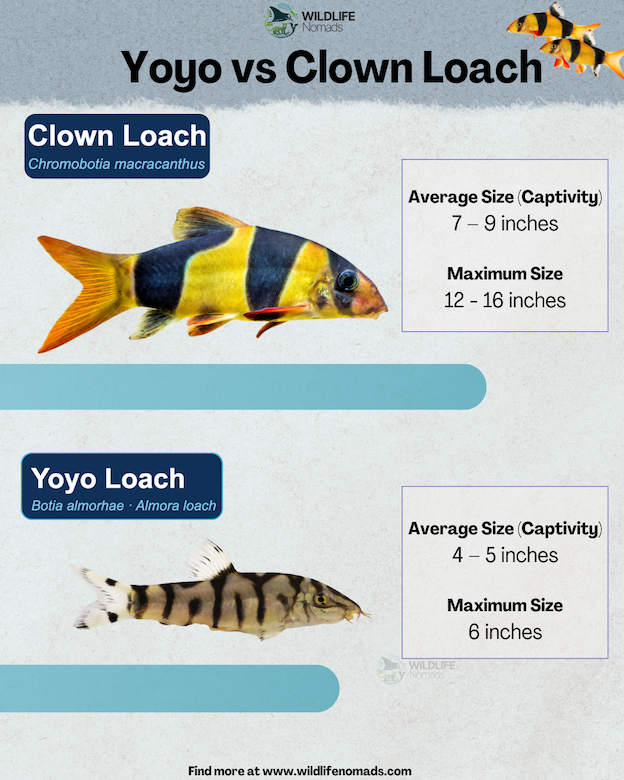
Online forums often claim the yoyo loach reaches eight inches in captivity. Peer-reviewed sources put the realistic Pakistani loach size closer to six inches in a well-maintained aquarium, with most adults topping out between four and five inches. Wild specimens occasionally hit the larger figure, but tank life almost always produces a more compact fish.
That smaller adult size matters for tank setup. A six-inch bottom-dwelling fish needs room to swim, and most loaches grow slowly across multiple years. A four-foot tank can comfortably house a small group, while anything under three feet quickly becomes too cramped.
3. Their Natural Habitat Is Not What Most Aquarists Picture
Most pet shops describe the yoyo loach as a tropical fish, full stop. The truth is more nuanced. Their natural habitat sits in the slow running and seasonally flooded rivers of northern India, Nepal, and Pakistan — part of South Asia rather than tropical Southeast Asia. During the monsoon, these rivers swell and turn cloudy. In the dry season, water clears, slows, and warms.
I learned this distinction the hard way while researching loach husbandry. Aquarists who replicate a generic tropical setup often miss the seasonal rhythm that wild loaches evolved to handle. A natural environment for these fish includes rocky substrates, submerged roots, and a current strong enough to deliver well oxygenated water across the gravel bed.

4. They Are Social Fish That Should Never Live Alone
A single yoyo loach is a stressed yoyo loach. These are deeply social fish that develop hierarchies, play games, and chase each other through hiding places. Keep them in a small group of at least five — six or more is better. With fewer than four, the dominant fish often bullies the others into corners, and shy individuals stop eating.
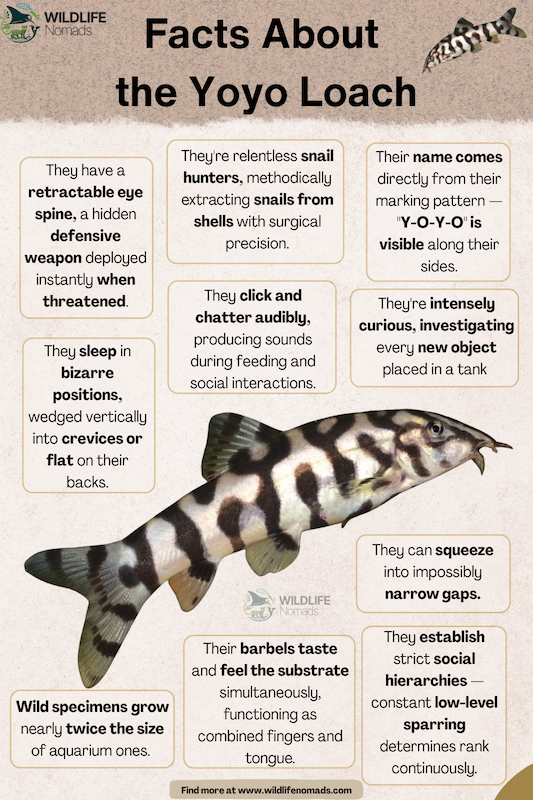
In a proper school, the playful behavior emerges. They tumble, “yo yo” up and down the water column, and rest in piles among the rocks. I have spent hours watching footage of well-stocked tanks where the loaches behave more like otters than fish, wrestling and reorganizing their hiding spots between meals.
5. Their Water Parameters Are Surprisingly Specific
The yoyo loach temperature range sits between 75 and 82°F, with 78°F as a sweet spot. Aim for slightly acidic to neutral water: a pH range of 6.5 to 7.5 works well. Water hardness should land between 3 and 12 dGH. They prefer well oxygenated water, which makes sense given their fast-moving river origins.
Stable water parameters matter more than perfect ones. Sudden swings stress these fish faster than slightly off readings ever will. Yoyo loaches thrive in tanks where the owner tests weekly and adjusts gradually, not in tanks where someone tries to chase ideal numbers with constant chemical tweaks.
6. They Are Bottom Dwellers That Enjoy Burrowing
Yoyo loaches are bottom dwellers by trade. In the wild they sift through gravel, root through leaf litter, and tuck themselves under rocky substrates. In captivity, they enjoy burrowing into smooth sand or fine gravel. Sharp substrate scratches their soft bellies and damages their delicate barbels — the whisker-like sensors they use to find food.
Provide hiding spots. Caves, driftwood, PVC pipes, and dense aquatic vegetation all work. A loach without hiding places is a loach that hides behind the filter and slowly fades. Good tank setup gives every fish at least one cave it can claim, and several more it can borrow.
7. They Are Not Picky Eaters, but a Balanced Diet Matters
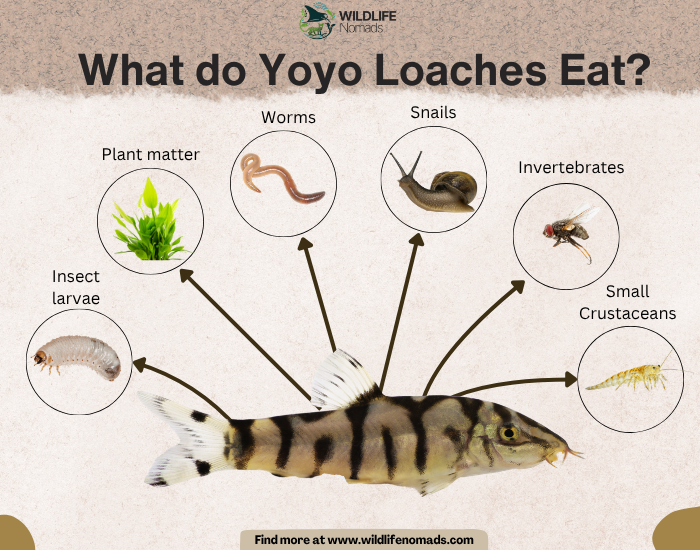
The diet of yoyo loaches in the wild includes insect larvae, crustaceans, small mollusks, and aquatic vegetation. In the aquarium, they accept almost anything, sinking pellets, algae wafers, frozen foods, freeze dried foods, and live foods. The diet yoyo loaches do best on still leans toward meaty foods supplemented with vegetables.
I have watched videos where yoyo loaches love hunting brine shrimp like miniature predators. Mosquito larvae and bloodworms trigger the same response. A varied diet keeps colors bright and immune systems strong, and most loaches will happily feed multiple times a day if given the chance.
8. They Crack Snail Shells With a Specialized Throat Bone
Here is a fact most aquarium guides skip. The Pakistani loach has a pharyngeal bone — a modified throat structure — that crushes snail shells. Aquarists with snail-overrun tanks often add a pair of yoyo loaches and watch the population crash within weeks. This same adaptation appears across other loaches, including the clown loach, which I covered in detail in a previous post.
That said, do not rely on a single yoyo loach as snail control. A small group works better, and the snails should supplement, not replace, a balanced diet.
9. They Are Generally Good Community Fish, With Caveats
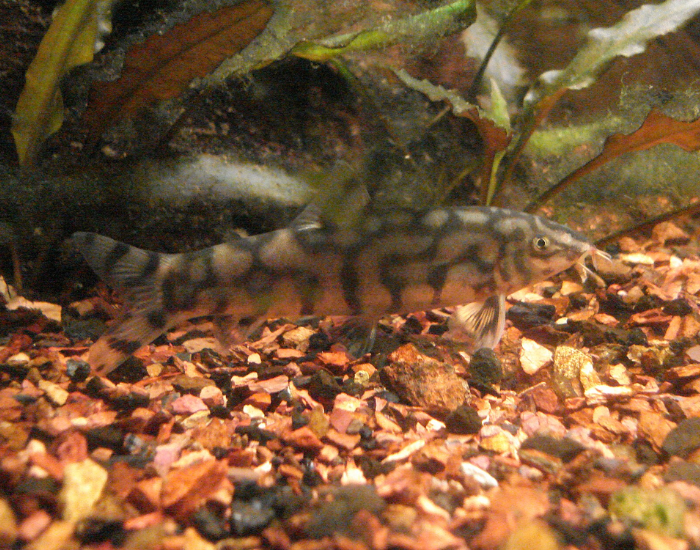
The yoyo loach temperament leans curious and busy rather than aggressive. They make solid community fish when paired with similarly sized, peaceful tank mates that occupy different layers of the tank. Mid-water schoolers like rasboras, larger tetras, and rainbowfish coexist beautifully with them. Other species that share their water parameters and activity level usually do fine.
By contrast, slow-moving fish with long fins — angelfish, bettas, fancy guppies — sometimes become targets when a yoyo loach gets bored. The aggression toward other fish is rarely lethal, but it stresses the slower species. Match activity levels and you avoid most issues.
10. Successful Breeding in Home Aquariums Is Notoriously Hard
Almost every yoyo loach in the trade comes from commercial farms in Southeast Asia using hormone induction. Successful breeding in a home aquarium is so rare it makes hobbyist news when it happens. Wild breeding season tracks the monsoon, when temperature and water chemistry shift dramatically.
A few hobbyists have reported breeding behavior, chasing, color changes, eggs scattered among rocky substrates — but viable fry remain elusive. The combination of triggers needed for successful breeding seems tied to seasonal cues most tanks never replicate. If anyone reading this has cracked the code, please tell me in the comments.
11. Poor Water Quality Will Kill Them Before Almost Anything Else
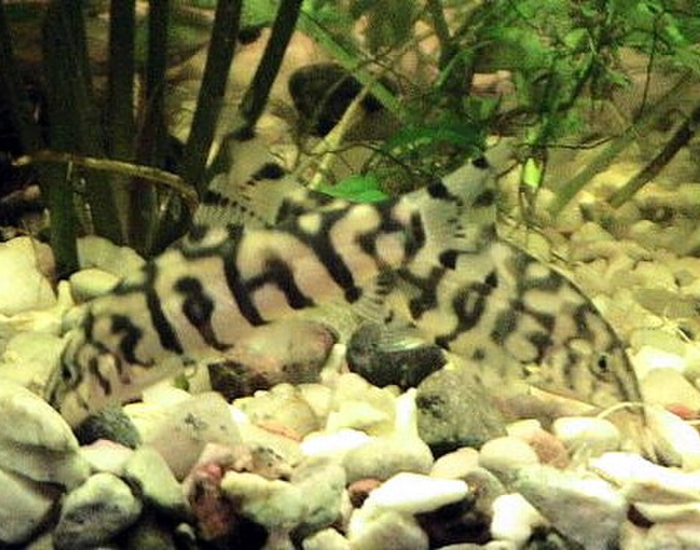
Like most loaches, yoyo loaches lack the heavy scales that buffer many fish from chemical insults. Poor water quality — high ammonia, high nitrate, low oxygen — hits them fast. Regular water changes of 25 to 30 percent weekly keep them healthy. Keep the substrate clean, since uneaten food rots quickly in the gravel they call home.
I cannot overstate this. Tank maintenance and water quality are the single biggest predictors of how long these loaches live. Get them right, and a healthy fish can last fifteen years or more in your aquarium.
12. They Are a Delightful Addition for the Right Aquarium Enthusiast
For aquarium enthusiasts willing to commit to proper care, the yoyo loach is one of the most rewarding species in the freshwater hobby. Their playful behavior, distinctive pattern, and intelligence give them a personality that goes beyond decoration. They learn feeding routines, recognize individual humans, and form genuine social bonds within their own species.
These are not beginner fish. But for an aquarist with a stable tank and patience, they are a delightful addition that rewards attention with years of fascinating behavior. Few community fish offer this much engagement per gallon.
FAQs About the Yoyo Loach
Most adult yoyo loaches reach four to six inches in a home aquarium, with rare specimens hitting eight inches in exceptional conditions. Wild fish tend to grow slightly larger than captive ones. Plan tank size around the upper end of the range to give them room to thrive, especially if you are keeping a small group of five or more loaches together.
Keep yo-yo loaches in groups of at least five, with six or more being ideal. As social fish, they need their own species nearby to express natural behavior and avoid stress. A solitary yoyo loach almost always becomes withdrawn or aggressive toward other species, so a school is a non-negotiable part of proper care.
Yes, yoyo loaches work well in community tanks with similarly sized, active tank mates. Avoid slow-moving species with flowing fins, since the loaches’ busy energy can stress them. Pair with rasboras, barbs, larger tetras, or rainbowfish for a peaceful, dynamic aquarium. Provide enough hiding spots and the community fish question takes care of itself.
Final Thoughts
The yoyo loach is proof that the most captivating freshwater fish are not always the flashiest. With proper care, stable water parameters, and a small group of their own kind, these fish reveal a personality that rivals any reef species I have studied in the field. Care tips matter, but observation matters more — these almora loaches will tell you what they need if you watch them long enough.
If this piece sparked your curiosity, read my deep dive on clown loach facts — the cousin that started my obsession with this group. Then go set up that tank, drop in a school of yoyo loaches, and watch what happens. Report back in the comments. I want to hear what your fish do that no one warned you about.
References:
Šlechtová, V., Bohlen, J., & Tan, H. H. (2007). Families of Cobitoidea (Teleostei; Cypriniformes) as revealed from nuclear genetic data. Molecular Phylogenetics and Evolution, 44(3), 1358–1365. https://doi.org/10.1016/j.ympev.2007.02.019
Chaudhry, S. (2020). Botia almorhae (amended version of 2010 assessment). The IUCN Red List of Threatened Species 2020: e.T168483A176089906. https://dx.doi.org/10.2305/IUCN.UK.2020-3.RLTS.T168483A176089906.en.
Grant, S. (2007). A new subgenus of Botia Gray, 1831 (Teleostei: Botiidae). Ichthyofile, 2, 1–9.
Bohlen, J., & Šlechtová, V. (2009). Phylogenetic position of the fish genus Ellopostoma (Teleostei: Cypriniformes) using molecular genetic data. Ichthyological Exploration of Freshwaters, 20(2), 157–162.
Sarkar, U. K., Pathak, A. K., Sinha, R. K., Sivakumar, K., Pandian, A. K., Pandey, A., Dubey, V. K., & Lakra, W. S. (2012). Freshwater fish biodiversity in the River Ganga (India): Changing pattern, threats and conservation perspectives. Reviews in Fish Biology and Fisheries, 22(1), 251–272. https://doi.org/10.1007/s11160-011-9218-6