
When I first encountered a stick bug, I was on a field trip in Oaxaca, Mexico. I’d studied them before in lectures, but seeing one in the wild was something else entirely. It was perched motionless on a branch, so perfectly disguised that I only noticed it when it swayed ever so slightly, as if the breeze had tugged at a twig that wasn’t really a twig at all.
In this article I’ll address common questions: Are stick bugs harmful to humans? Is it okay to pick one up? How many stick insect species exist? What are stick insects called anyway? I’ll also share practical advice about keeping them as pets and highlight conservation issues. Therefore, let’s dive into the fascinating world of these twig-like insects.
What Are Stick Bugs (and Why Use That Name)?
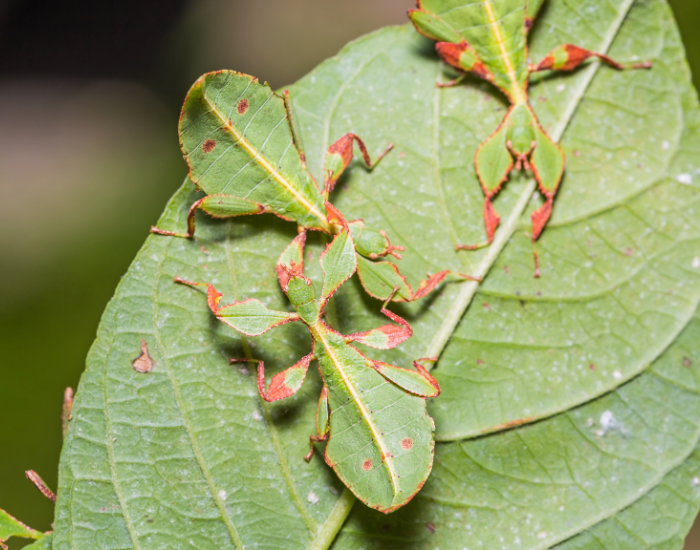
“Stick bug” is a casual term for insects in the order Phasmatodea. These insects are also called stick insects, leaf insects, or walking sticks. According to many sources, the term “stick insect” is more accurate because these animals mimic sticks and leaves.
People are often confused by the similarities between different stick insect species, such as the Vietnamese stick insect and the common Indian stick insect. The laboratory stick insect (Carausius morosus), is a widely kept species known for its ease of care, distinctive slender body, and frequent use in research and education.
Understanding Phasmid Species
The order Phasmatodea shows worldwide distribution. However, the highest diversity occurs in tropical regions. These insects fall under herbivore classification. In addition, they display remarkable morphological adaptations for camouflage.
There are many species of stick insect, each with unique characteristics and care requirements. Notable examples include the visually striking jungle nymph, which is popular among hobbyists for its impressive size and appearance.
The terms “stick bug”, “stick insect”, “walking sticks” and “leaf insect” are common synonyms. Throughout this article I’ll use these terms interchangeably to match search patterns.
12 Essential Facts About Stick Bugs
Here are 12 facts about stick bugs that I’ve gathered through fieldwork and research. Each one connects to ecology, adaptation or conservation.
1. Camouflage Masters of the Insect World
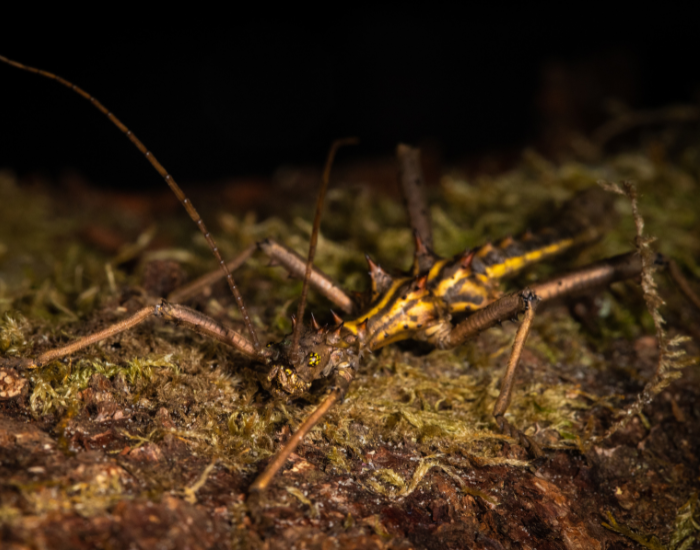
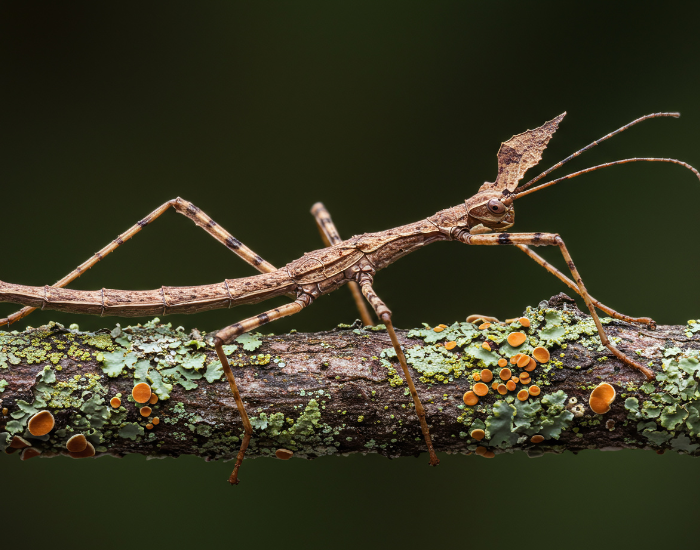
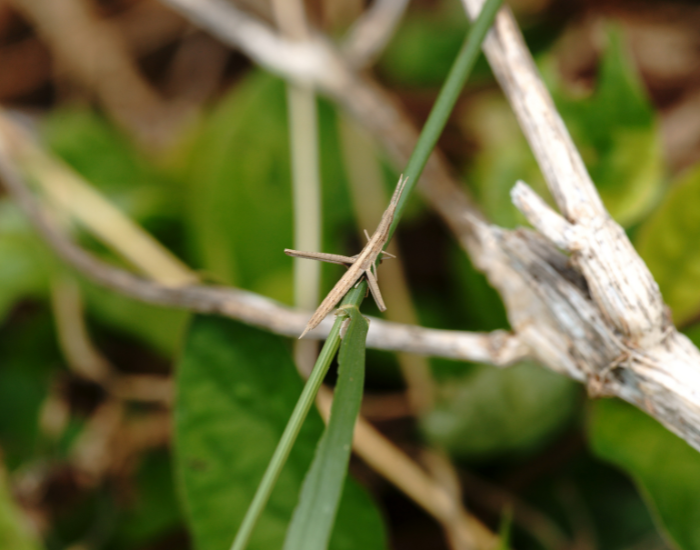
Stick insects mimic sticks, twigs, leaves, and even lichen. Their silhouette, texture and behavior help them avoid predators. Some rock side to side like a twig in the wind. This behavior enhances their disguise against potential predators.
The body of a stick insect often matches the color of surrounding vegetation. Therefore, predators struggle to distinguish them from plant material (very similar to orchid mantis, where soemtimes its impossible to distinguish it form the real orchid) . This adaptation represents one of nature’s most impressive examples of camouflage. Such adaptations are crucial for avoiding predation by a predator.
2. Global Distribution with Tropical Concentration
Stick insects inhabit all continents except Antarctica. However, most species concentrate in tropical regions. Tropical rainforests provide ideal conditions with abundant foliage. These insects also thrive in temperate forests and woodlands.
I’ve encountered walking sticks across Southeast Asia, Australia, and South America. Each region hosts unique species adapted to local vegetation. The world’s greatest diversity occurs in tropical regions where food plants are abundant year-round.
3. Impressive Size Range Across Species
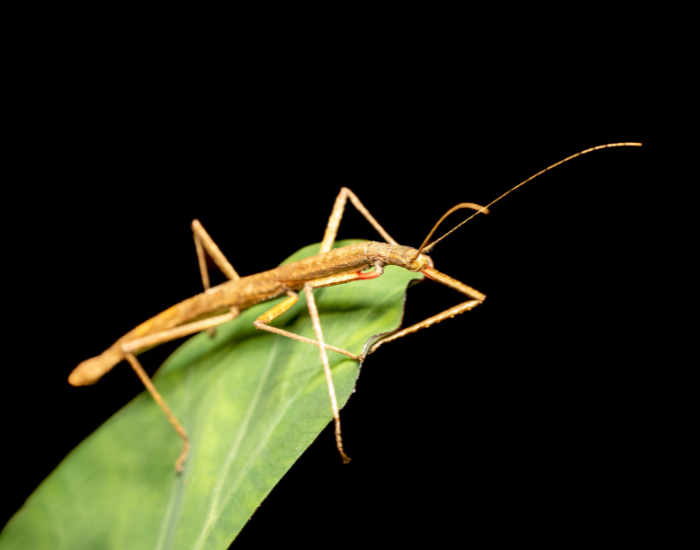
Some stick insects are tiny, measuring just a few centimeters. However, others rank among the longest insects on Earth. The largest species can exceed 30 centimeters in length including legs.
Female stick insects typically grow larger than males. This size difference is common among many species. Big tank-like females can dwarf slender males by considerable margins.
4. Herbivores That Feed on Foliage
Stick insects are herbivores that mostly eat leaves. They feed on foliage from trees, shrubs, and other plants. Their role as herbivores affects plant dynamics in ecosystems. However, this role is often overlooked by conservationists.
Different species prefer specific food plants. For example, some Australian species favor eucalyptus leaves. Others prefer oak, bramble, or tropical vegetation. Many species prefer new leaves, as these are more tender and easier for young nymphs to eat.

5. Simple Life Cycle Without Complete Metamorphosis
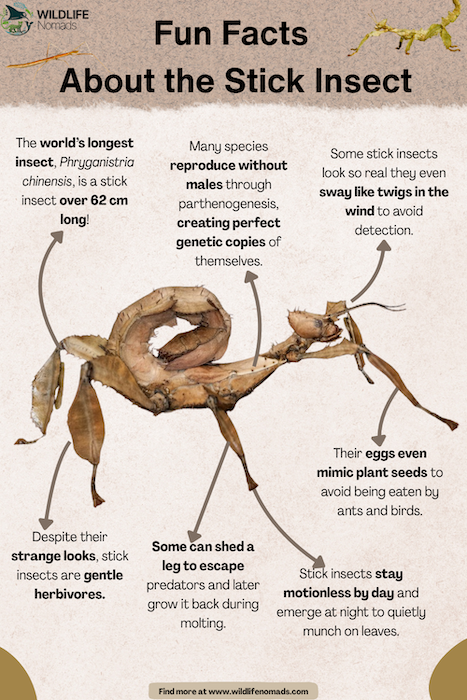
The stick insect life cycle follows incomplete metamorphosis. Eggs hatch into nymphs that resemble small adults. Females lay eggs, and in many species, females are capable of producing eggs without mating (parthenogenesis). Young nymphs grow through several molts (instars) before reaching adulthood.
Unlike butterflies, stick insects don’t form a pupal stage. Instead, nymphs gradually increase in size with each molt. Once the eggs are hatched, the young nymphs begin to grow and molt. This life cycle makes them relatively easy to study and breed in captivity. As the insect grows, it requires periods of rest between molts to recover and prepare for the next stage.
6. Self-Defense Beyond Camouflage
While camouflage is their primary defense, stick insects employ other strategies. Some species shed limbs (autotomy) to escape predators. This ability allows them to survive encounters that would otherwise be fatal.
Other defense mechanisms include:
- Flashing bright colors on hidden wings to startle predators
- Deploying defensive chemical sprays—some species can spray chemicals that cause considerable pain or even temporary blindness if they contact human eyes
- Using spines or sharp protrusions to deter handling
- Playing dead by dropping to the ground and remaining motionless
When handling stick insects, improper handling can harm the insect or cause it to deploy its defenses. It is important to handle them gently to avoid harming these delicate insects.
These defenses complement their camouflage. Therefore, stick insects have multiple layers of protection against predators.
7. Parthenogenesis – Reproduction Without Males
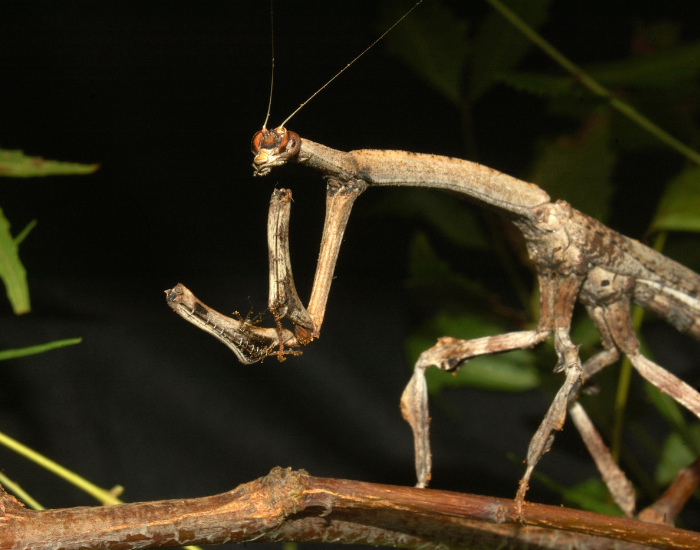
Some female stick insects can reproduce without males. This process, called parthenogenesis, produces viable eggs that develop into offspring. The ability to reproduce asexually provides considerable advantages.
In environments where males are scarce, females can establish new populations alone. However, sexual reproduction still occurs in most phasmid species. This flexibility helps stick insects colonize new habitats efficiently.
8. Ecological Importance in Food Webs
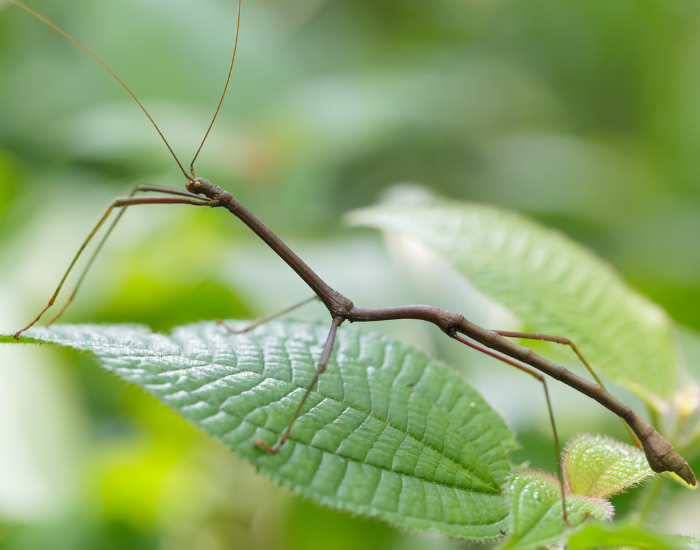
Stick insects play vital roles in ecosystems. By feeding on vegetation, they influence plant dynamics. In addition, they serve as prey for birds, mammals, and reptiles.
Predators including birds actively hunt stick insects despite their camouflage. Lizards, bats, and small mammals also feed on these insects. Stick insects also share their habitats with other insects, which can influence their survival and ecological interactions. Therefore, stick insects form an important link in food chains.

9. Many Species Face Conservation Threats
Habitat loss and deforestation threaten tropical stick insect species. Many species rely on specific host plants and microhabitats. Climate change adds additional pressure to vulnerable populations.
The Lord Howe Island stick insect exemplifies conservation challenges. Once believed extinct, this species survives only through intensive breeding programs. Captivity efforts have helped rebuild populations for potential reintroduction.
10. Fascinating Behavioral Adaptations
Stick insect behavior enhances their survival. For instance, swaying movements mimic branches moving in wind. Movement patterns help avoid detection by visual predators.
When threatened, some species drop to the ground. They lie motionless, resembling fallen twigs or dead plant material. This behavior confuses predators and provides escape opportunities.
11. Valuable for Education and Research
Many species are easy to care for in captivity. The laboratory stick insect (Carausius morosus) is a popular species for classroom and laboratory studies due to its ease of breeding and maintenance. So, stick insects serve as excellent educational tools. Schools and museums use them to teach about adaptation, life cycles, and biodiversity.
Research on stick insects has revealed insights into:
- Evolution of camouflage and mimicry
- Parthenogenesis mechanisms
- Host plant preferences
- Biomechanics of movement
- Population dynamics
These insects demonstrate evolutionary principles in action. Hence, they remain popular subjects for scientific study.
12. Popular as Pets with Proper Care
Some species of stick insects make fascinating pets. However, responsible care is essential. Legal considerations may apply depending on location and species.
Common species kept in captivity include the Indian stick insect, jungle nymph, and various Australian species. These insects require appropriate food plants, humidity levels, and housing. It is important to provide enough space in the enclosure so stick insects can hang comfortably, especially during molting. A 45cm x 30cm x 30cm enclosure is suitable for a small group of stick insects, but larger groups will need even more space to ensure proper development and airflow.
How Many Stick Insect Species Are There?
One of the most common questions I receive: how many different stick insect species exist? The short answer: we’re not entirely sure. However, estimates suggest over 3,000 described species. Many species remain undocumented.
Many Species Remain Hidden
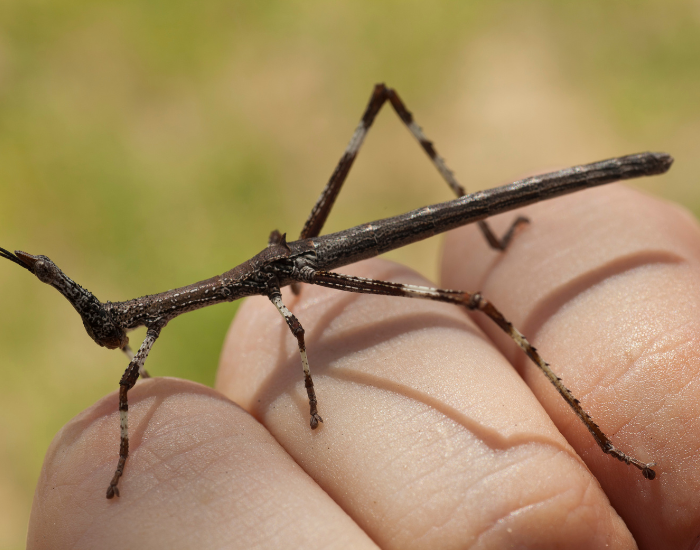
When you ask “what are the different types of stick insects?” the answer is: there are many. Within stick insect species you’ll find those that mimic sticks (twig-like forms). Others mimic leaves (flat and wide bodies). Some even mimic moss or lichen.
The world of phasmid species continues to expand. Therefore, scientists estimate the true number could exceed 5,000 species. Most phasmids inhabit tropical regions where biodiversity peaks.

Stick Insect Species & Names – What They Look Like
Let’s explore specific examples of stick insect species. These examples answer “what are stick bugs called?” and show the diversity within this insect group.
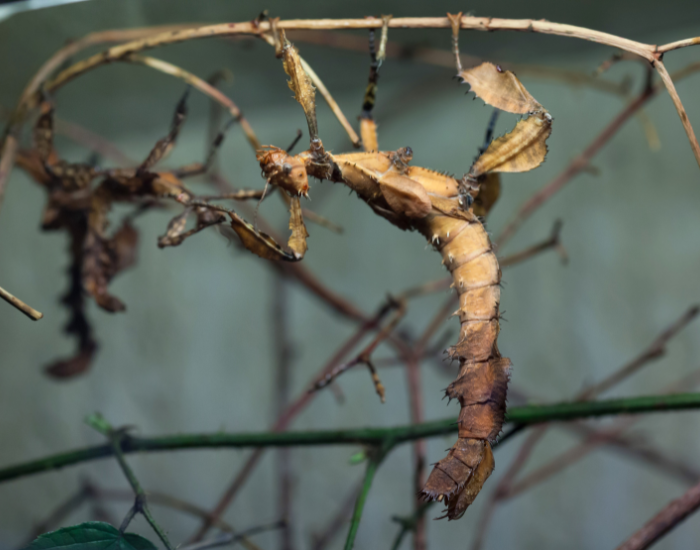
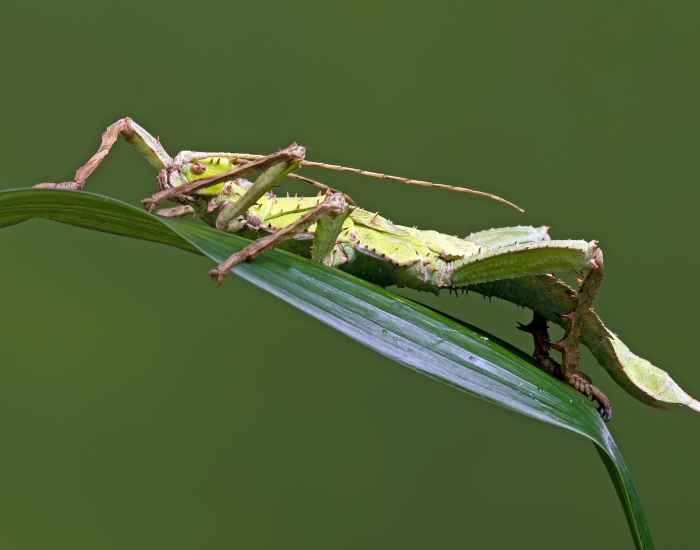
One notable species is the Prickly Stick Insect (Extatosoma tiaratum). This species has a tail often compared to a scorpion’s, which adds to its distinctive appearance.
Notable Species of Stick Insects
Eurycnema goliath – Known as the “goliath stick insect” in Australia. This represents one of the largest species in the world. Adults can reach impressive sizes with vibrant green coloration.
Extatosoma tiaratum – Also called the giant prickly stick insect or spiny leaf insect. This Australian species displays remarkable leaf-mimicking abilities. The body features spines and protrusions that enhance camouflage.
Dryococelus australis – The “Lord Howe Island stick insect” (sometimes called “tree-lobster”). This species represents an extraordinary conservation story. Once believed extinct, a small population was rediscovered on Ball’s Pyramid.

FAQ: Your Questions Answered
No, stick bugs are not harmful to humans. They don’t bite under normal handling conditions. They produce no venom and pose no health threat. However, always wash hands after handling to maintain hygiene.
Yes, but handle them carefully and gently. Support their body without squeezing. Know your species, as some have delicate legs that break easily. For wild specimens, observation is preferable to handling.
Some species face legal restrictions due to conservation status. Protected species cannot be collected from the wild. International trade regulations like CITES control import and export. Biosecurity concerns also affect legality.
Predators including birds and bats are immediate threats. Pesticide exposure proves fatal quickly. In captivity, wrong humidity, temperature extremes, or rough handling can kill them. Failed molts due to inadequate space also cause death.
Scientists have described over 3,000 species. However, many species remain undiscovered. The true number likely exceeds 5,000 species globally. New species are still being documented regularly, especially in tropical regions.
Very rarely do stick insects bite. Most species lack the ability or inclination. If bitten, it’s usually a defensive response from a stressed insect. The bite is harmless and causes no injury.
Lifespan varies by species. Most live 1-2 years from egg to adult death. However, the complete life cycle (including egg incubation) extends longer. Males typically have shorter lifespans than females.
The Hidden Masters of Camouflage
Next time you see a little twig move, or a branch that seems too steady in the wind, think: could that be a stick insect? By appreciating them, by caring for their habitats, by sharing their stories, we do more than observe. We join them in the silent dance of life.
These remarkable insects deserve our attention and protection. They represent millions of years of evolutionary refinement. In addition, they play crucial roles in ecosystems worldwide.
Therefore, I encourage you to explore further. Look up local stick insect sightings or join citizen science projects. Visit natural history museums that display these insects. Support organizations protecting forest habitats where stick insects thrive.
Who knows, you might be the one to spot a new species, hidden in plain sight like the bugs I’ve been privileged to study. The world of stick insects awaits your discovery.