A Wild Encounter With Snapping Turtles
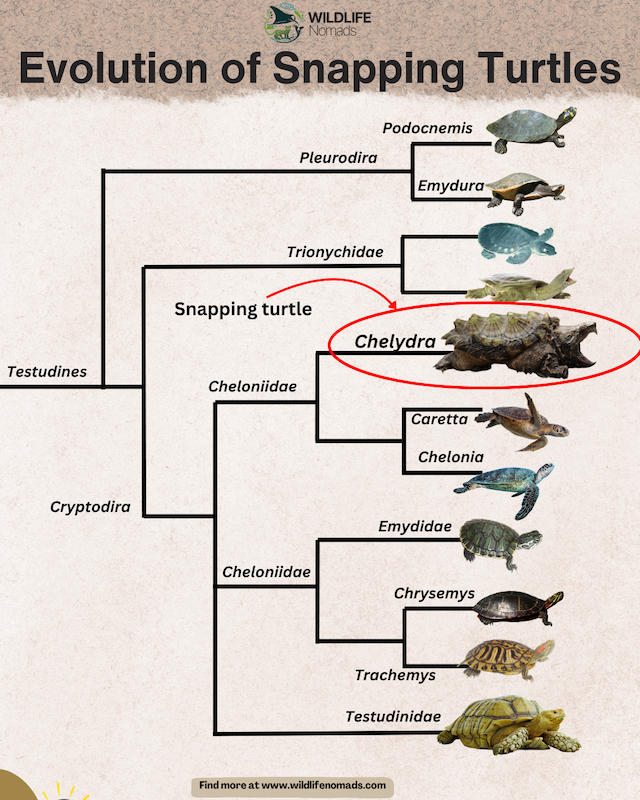
Snapping turtles are among the most distinctive reptiles in North America, instantly recognizable for their rugged shells, long tails, and powerful jaws. They have an unmistakably ancient or some would say “anime-pokemon” appearance, earning them comparisons to “living fossils.” Between 2 to 3 species exist, but mainly two species take the spotlight and dominate the discourse in the family Chelydridae: the common snapping turtle (Chelydra serpentina), found widely across North America, and the alligator snapping turtle (Macrochelys temminckii), the heavyweight of freshwater turtles. You will met the rest of them while you read and scroll, but there still some debate about how many species are there. Together, they showcase the resilience and adaptability of reptiles that have thrived in freshwater habitats for millions of years.
1. Snapping Turtles Belong to the Chelydridae Family
Snapping turtles are part of the reptile order Testudines, under the family Chelydridae. Unlike tortoises, which live on land, or sea turtles, which thrive in oceans, these turtles are almost exclusively aquatic species. Their chelydridae characteristics include strong shells (carapace and upper shell), long tails, and unusually aggressive defensive behavior compared to most turtles. Understanding their taxonomy is key to seeing where they fit into the larger turtle species group.
2. There Are Four Species of Snapping Turtles
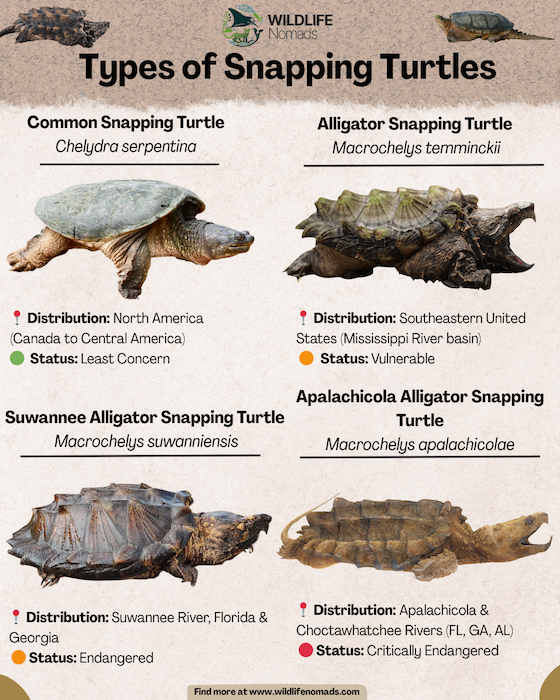
Until recently, it was widely believed that there were only two snapping turtle species: the common snapping turtle and the alligator snapping turtle. However, modern genetic research has revealed more hidden diversity within the Chelydridae family. Scientists now recognize the Suwannee alligator snapping turtle (Macrochelys suwanniensis) as a distinct species, found only in the Suwannee River basin of Florida and Georgia.
While some researchers previously proposed a third alligator snapping species in the Apalachicola River, current consensus generally groups those under the western population. These specialized river species are far rarer than the widespread common snapping turtle and face a much higher risk of extinction due to their extremely limited ranges. This discovery highlights how science continues to uncover unique biological secrets, even in well-known “ancient” giants.
3. The Common Snapping Turtle Is Widespread
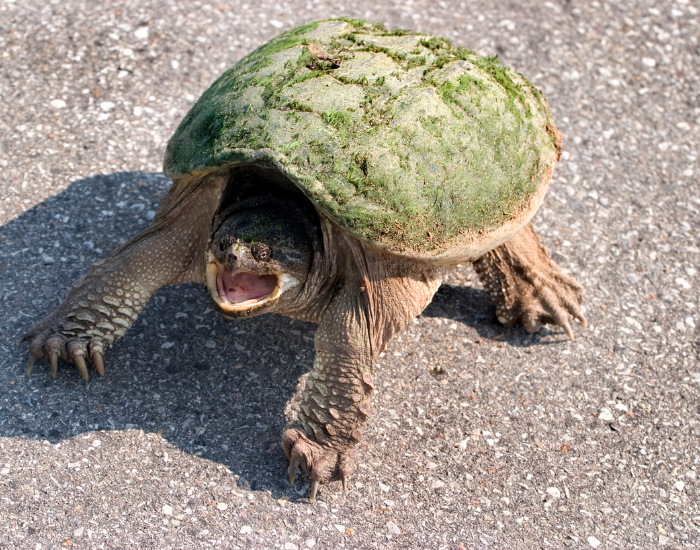
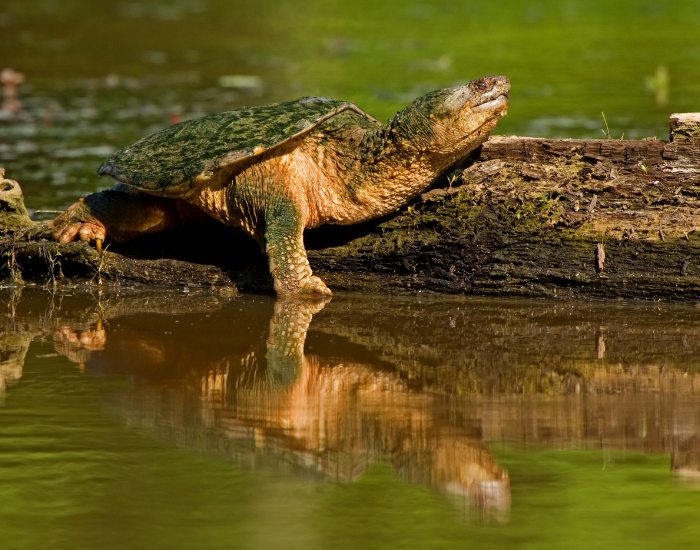
The common snapping turtle is found across much of North America, from Canada down into Mexico. It thrives in preferred habitats like freshwater rivers, ponds, and wetlands, often with sandy soil for nesting and aquatic vegetation for cover. Unlike other turtles that bask openly, snapping turtles often lurk just under the water surface, with only their nostrils showing. Their populations remain stable, but habitat loss and road mortality are ongoing threats.
4. The Alligator Snapping Turtle Is the Largest Freshwater Turtle in North America
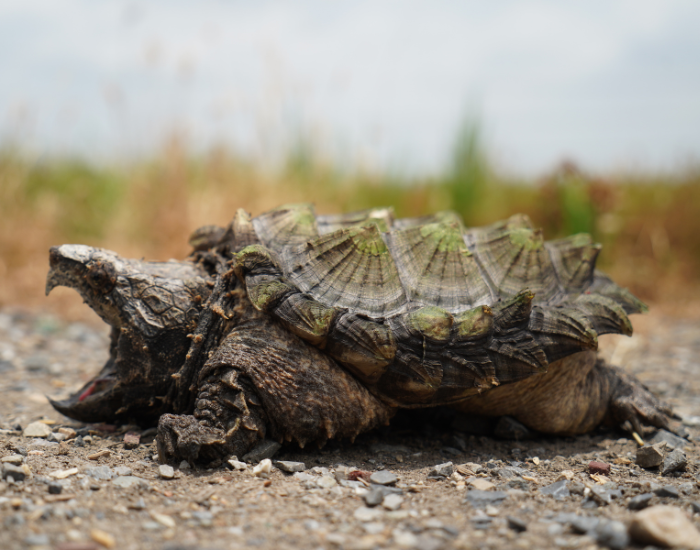
The alligator snapping turtle is famous as the largest freshwater turtle in North America, with adult alligator snapping turtles sometimes reaching sizes comparable to an adult alligator. Males can weigh over 100 kilograms, with massive heads, powerful jaws, and fleshy projections on their tongues used for luring prey. This adaptation allows them to mimic a worm, attracting fish close enough to ambush with a rapid snap. They are found primarily in the southern part of the United States, especially in large rivers like the Mississippi. Unlike the common snapping turtle, these giants are more sedentary, spending their lives in deep water with submerged logs and tree roots for cover.
Adult alligator snapping turtles are large, robust, and opportunistic predators, playing a significant ecological role as apex predators in their habitats.
5. Snapping Turtles Have Powerful Jaws and a Unique Bite
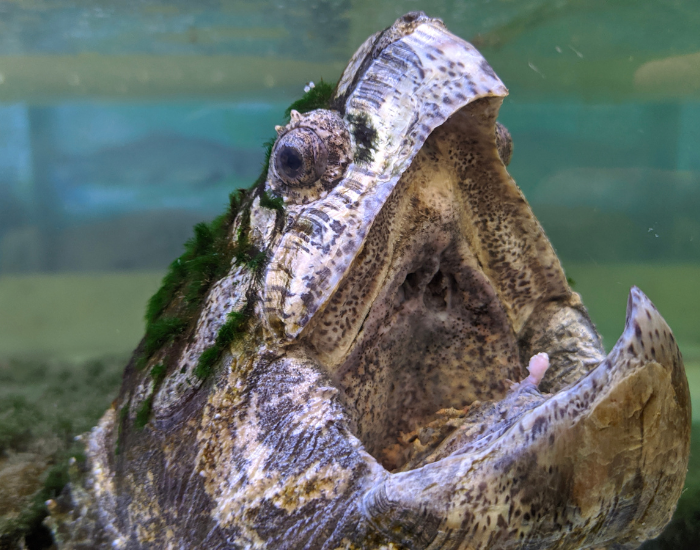
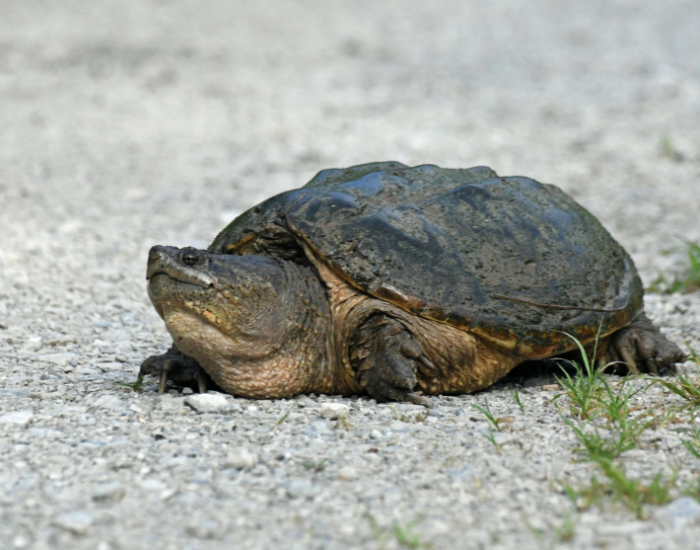
One of the most iconic traits of snapping turtles is their bite. Both species are equipped with hooked beaks and some of the strongest jaws among reptiles. The turtle’s mouth features a camouflaged interior and a vermiform tongue, which plays a crucial role in their predatory behavior by luring prey and delivering a powerful bite. Their strike can occur within a striking distance of less than a body length, making them unpredictable if threatened on land. While stories of fingers being lost may be exaggerated, a large snapping turtle can cause serious injury. This defensive behavior evolved because their shells don’t fully protect them like other turtles.
6. What Does a Snapping Turtle Look Like?
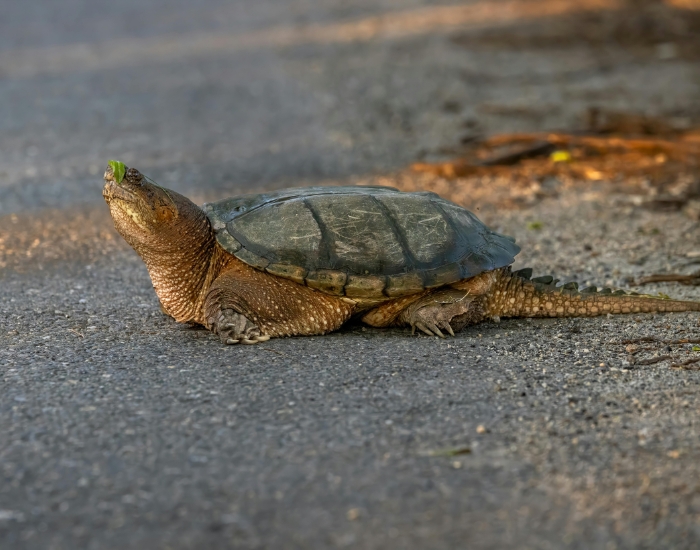
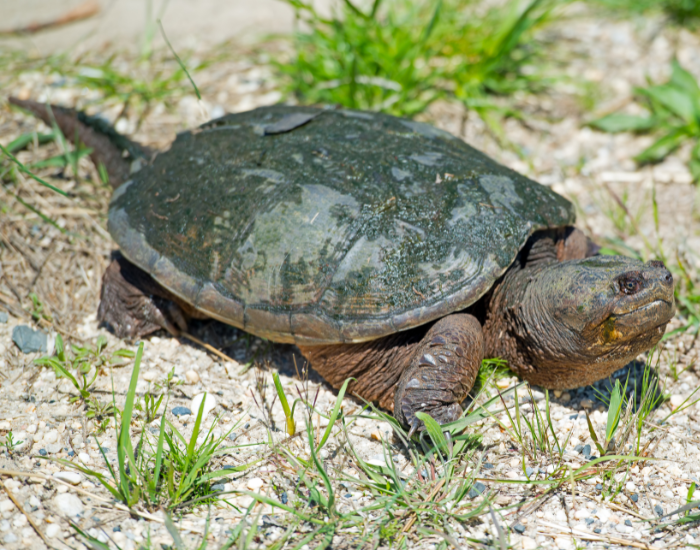
Snapping turtles don’t look like typical pond turtles. Their appearance includes a rugged carapace with ridges in juveniles, a long tail often as long as the shell, and a large head with hooked beak. The upper shell (carapace) tends to be dark brown or black, while the lower shell (plastron) is much smaller, leaving their limbs and neck exposed. These physical traits give them an almost prehistoric look, emphasizing their status as “living fossils.”
7. Nesting and Reproduction Rely on Sandy Soils
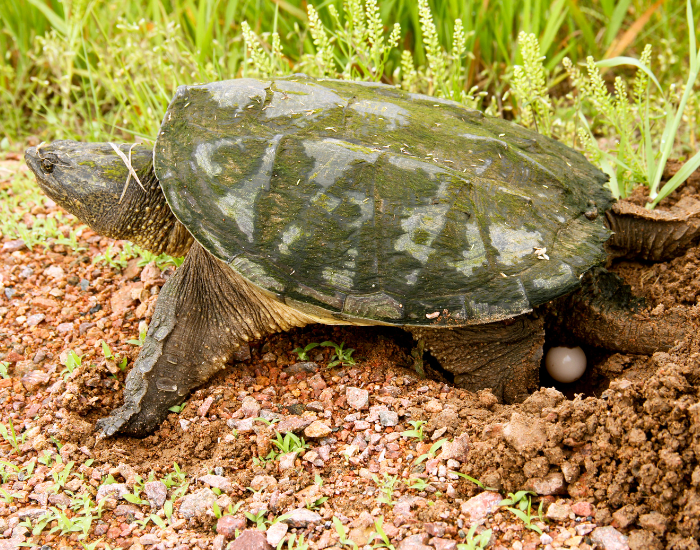
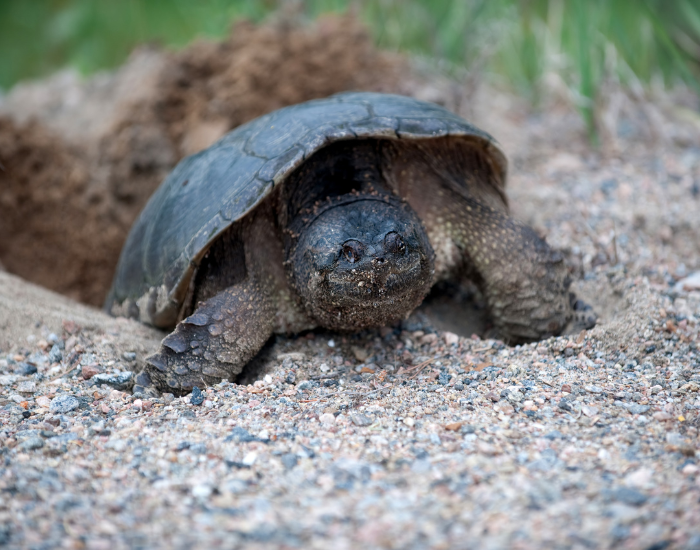
During summer, adult females leave the safety of rivers and wetlands to dig nests in sandy or loose soil. A typical nest may hold between 20–50 eggs, though clutch size varies with species and the size of the female. Females lay eggs once a year, and incubation depends heavily on temperature. Like other cold blooded animals such as crocodiles and sea turtles, snapping turtles exhibit temperature-dependent sex determination, cooler nests produce more females, warmer nests more males. Males develop reproductive maturity at around 11 to 13 years of age, often showing increased size and more pronounced physical features as they mature.
8. Hatchlings Face Many Predators
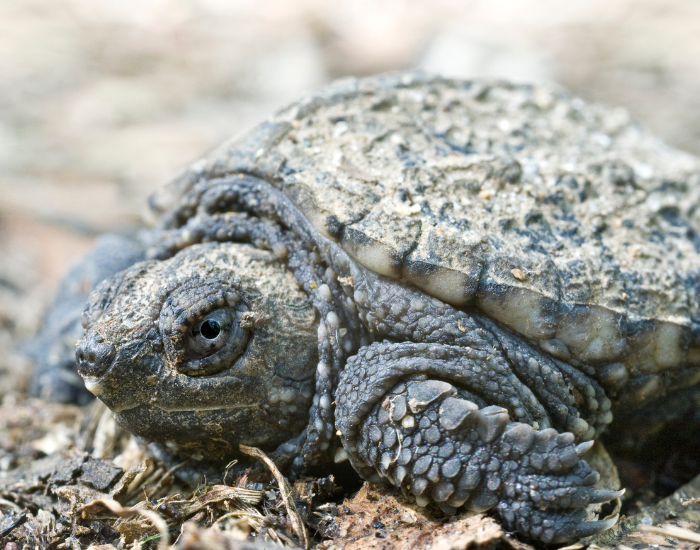
Despite their tough adult reputations, hatchling snapping turtles are vulnerable. Only a small percentage survive to adulthood. Birds such as herons, snakes, raccoons, and fish all prey on young turtles as they make their way from the nest to the water. Even when they reach ponds or rivers, small fish and other aquatic predators continue to feed on them. This high predation is why females lay large clutches each year.
9. Snapping Turtles Are Opportunistic Feeders
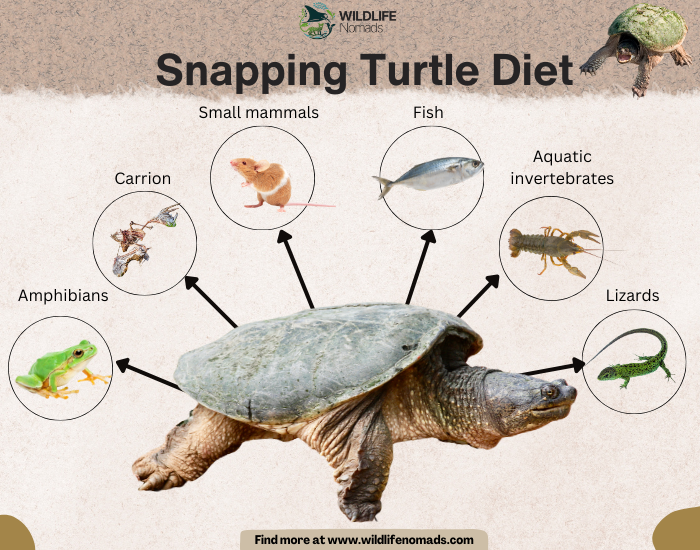
Contrary to popular belief, snapping turtles do not eat only meat; their diet is more varied and includes a significant amount of vegetation.
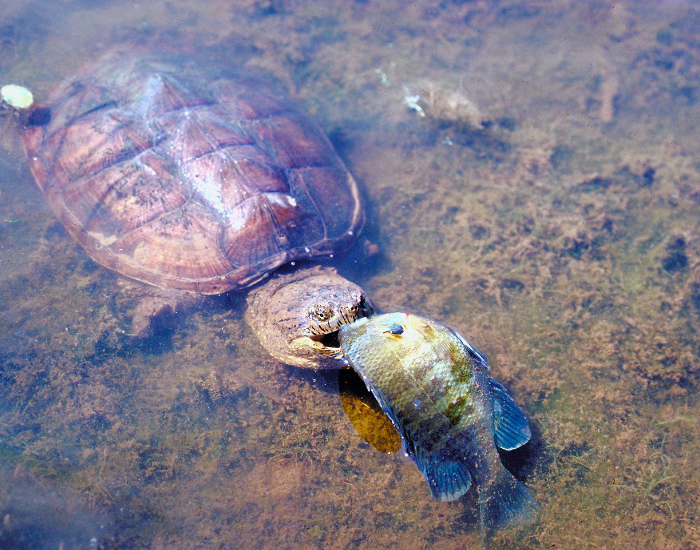
Snapping turtles are carnivores but also highly opportunistic. The common snapping turtle eats almost anything, fish, small animals, birds, amphibians, reptiles, and even carrion. The alligator snapping turtle specializes in ambush hunting, using its tongue’s worm-like lure to trick fish. Documented diets even include sea turtles, snakes, and waterfowl when opportunities arise. Their feeding behavior helps regulate aquatic ecosystems by preventing overpopulation of certain prey species.
10. They Can Live for an Entire Century
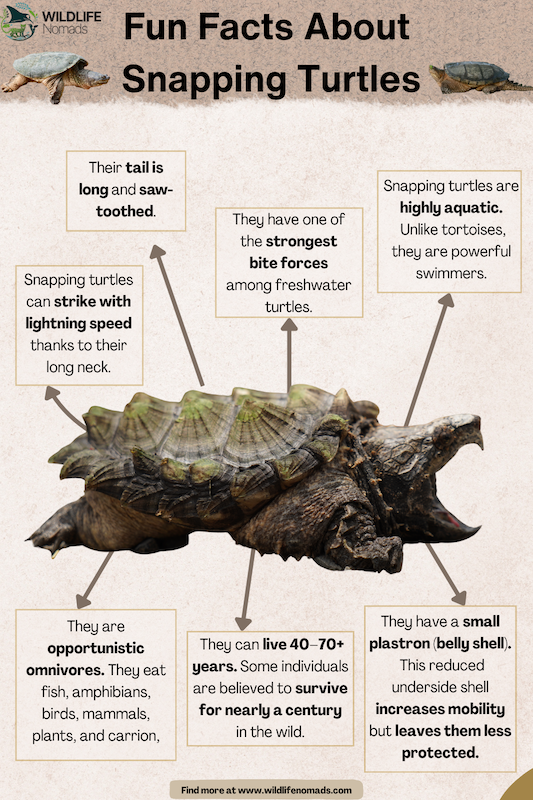
How long does a snapping turtle live? These reptiles are long-lived. While average lifespans are around 40–60 years, some wild alligator snapping turtles are believed to live an entire life of over 100 years, making them one of the animals with the longest lifespans in the world. In captivity, where threats are minimized, individuals have reached similar ages. Their slow growth and delayed sexual maturity contribute to these long lifespans, but also make populations vulnerable to overharvesting.
11. Endangered Status of the Alligator Snapping Turtle
The alligator snapping turtle is considered endangered or vulnerable in many states due to overharvesting for meat, the pet trade, and habitat destruction. Laws now restrict capture, and imposed bans have been crucial in preventing population collapse. By contrast, the common snapping turtle remains widespread and is sometimes even considered a nuisance where human-wildlife conflict occurs. Conservation programs now focus on captive breeding, habitat protection, and stricter regulation of trade.
12. Snapping Turtles Swim and Roam Large Rivers
Though clumsy on land, snapping turtles are excellent swimmers. The common snapping turtle has been tracked moving across large rivers, marshes, and floodplains. Their home range can be surprisingly wide for an aquatic species, and they often travel between ponds and wetlands. In contrast, the alligator snapping turtle tends to remain sedentary but requires deep water habitats to thrive. Their ability to swim efficiently and adapt to multiple aquatic systems is one reason they’ve survived millions of years.
13. Snapping Turtles as Part of Wild Ecosystems
Snapping turtles play a vital role in maintaining wild ecosystems. As both predators and scavengers, they influence fish populations, recycle nutrients, and act as natural clean-up crews by consuming carrion. Despite being feared for their aggression, their populations help balance freshwater systems. Losing them would disrupt predator-prey relationships and reduce biodiversity. Protecting these turtles means protecting wetlands, rivers, and the wildlife that share these habitats.
Anatomy of a Snapping Turtle
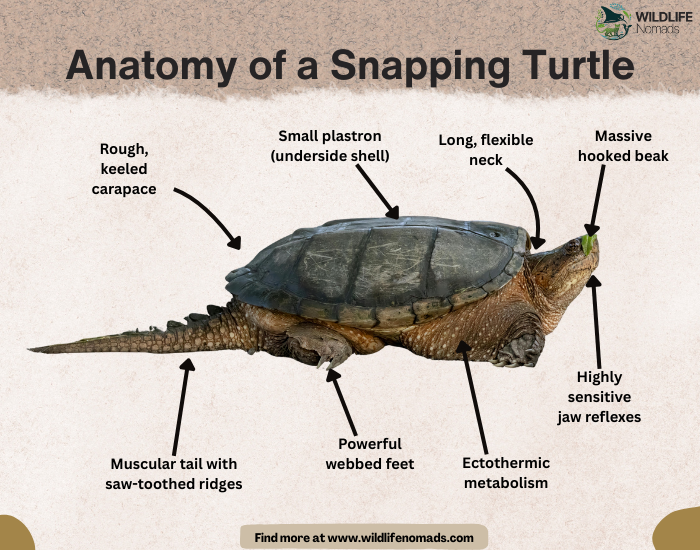
The anatomy of a snapping turtle is what gives it that unmistakable prehistoric look. The upper shell, known as the carapace, is often rugged and dark, while the lower shell (plastron) is much smaller, leaving parts of the body exposed. This design makes them more flexible than many other turtles, but also less protected, which explains why they evolved their reputation for aggression when they feel threatened.
Their large head, hooked beak-like mouth, and thick neck are paired with large claws and strong limbs that help them dig into sandy soil or grip prey. A long tail, often as long as the shell itself, trails behind them. These combined features, along with ridged shells and rough bodies, give them a rugged appearance that has changed very little for millions of years.
Conservation Challenges
The alligator snapping turtle is facing growing challenges despite its iconic status as the largest freshwater turtle in North America. Once harvested heavily for meat and targeted in the pet trade, populations have been pushed into decline. Today, strict regulations and imposed bans on collection have slowed exploitation, but illegal capture still exists. Compared to the common snapping turtle, which thrives in many wetlands, the alligator snapping turtle remains a relatively rare turtle.
Conservationists also battle against habitat loss. Draining wetlands, pollution, and river modification reduce the preferred habitats these turtles rely on. The species is listed as endangered or vulnerable in parts of its range, and management efforts now include captive breeding, reintroduction projects, and public education. Protecting them doesn’t just save one species, it also safeguards the ecosystems they help balance, along with countless other species that share their habitat.
Health and Disease in Snapping Turtles
Snapping turtles, including the impressive alligator snapping turtle, face a variety of health challenges both in the wild and in captivity. The pet trade, in particular, poses significant risks, captive alligator snapping turtles often experience stress, injuries, and exposure to diseases that can spread rapidly in confined conditions. Common health issues include metabolic bone disease, which results from poor nutrition and inadequate lighting, as well as respiratory infections and parasitic infestations.
In their natural habitats, snapping turtles are not immune to threats. Environmental pollutants like pesticides and heavy metals can accumulate in their bodies, leading to weakened immune systems and reproductive problems. These toxins can also affect the health of turtle nests, impacting the development and survival of hatchlings. Climate change adds another layer of complexity, as shifting temperatures can alter the incubation period of turtle nests, skewing the sex ratio of hatchlings and potentially destabilizing turtle populations over time.
The Latest Research on Snapping Turtles
Recent science has shed light on snapping turtle biology in fascinating ways. One study analyzed the morphometrics of alligator snapping turtles across multiple populations, revealing how differences in shell and body size reflect regional adaptations and conservation needs.
Another project tracked wild snapping turtles using GPS transmitters to study home range and seasonal movement. The findings showed that some individuals travel several kilometers during nesting season, while others stay in one location for months. These insights help conservationists plan protections for both habitats and nesting areas, ensuring long-term survival.
FAQ: Snapping Turtles
Yes, especially on land when they feel threatened. In water, they are usually more docile.
Yes. Their powerful jaws can cause serious injury, though attacks on humans are rare.
They are found in the southeastern U.S., especially in river systems like the Mississippi.
It’s not recommended. They require large aquatic enclosures, and their temperament makes handling difficult.
Some individuals have lived over 100 years, especially large alligator snapping turtles.
The Ancient Survivor
The snapping turtle is a remarkable survivor, ancient, adaptable, and essential to freshwater ecosystems. Whether it’s the common snapping turtle lurking in ponds or the massive alligator snapping turtle waiting silently in deep rivers, these reptiles remind us of nature’s resilience. They may look intimidating, but they are a vital part of wild systems, deserving of both respect and protection.