
12 Fascinating Facts About the Boa Constrictor
Learn amazing facts about boa constrictors — powerful snakes that can grow over 13 feet long, crush prey with ease, and thrive across tropical America.
From pink river dolphins in the Amazon to condors soaring over the Andes, Bolivia is a land of contrasts. Learn about its unique species, ecosystems, and the conservation efforts preserving its natural treasures.
Learn amazing facts about boa constrictors — powerful snakes that can grow over 13 feet long, crush prey with ease, and thrive across tropical America.

The giant river otter is South America’s largest and most social otter species. Reaching lengths of up to six feet, these apex predators patrol the rivers of the Amazon and Orinoco with incredible teamwork. Fiercely intelligent and deeply family-oriented, giant river otters embody both the wild spirit and fragile balance of life in the world’s greatest rainforest.

Macaws are large, colorful parrots native to Central and South America. Species include the scarlet, blue-and-yellow, green-winged, and hyacinth macaws. Known for strong beaks, intelligence, and lifelong pair bonds, they inhabit tropical rainforests and play vital ecological roles.

Ever wondered what’s the difference between an alligator and a crocodile—or how caimans and gharials fit into the picture? These ancient reptiles may look like prehistoric twins, but their snout shapes, jaw structures, and habitats tell four very different stories.

Amphibians are some of the most fascinating creatures on Earth, thriving both in water and on land. From frogs and salamanders to caecilians and newts, each group has its own unique traits and survival strategies. This guide explores the four main types of amphibians and what makes them so extraordinary.

The animal ocelot is one of the most striking wild cats of the Americas. Known for its gorgeous fur, stealthy nocturnal hunts, and endangered status in Texas, this elusive predator ranges from southern Arizona to northern Argentina. In this article, we uncover 12 fascinating facts about ocelots — their size, habitat, enemies, and conservation — revealing why protecting them is vital for our shared natural history.
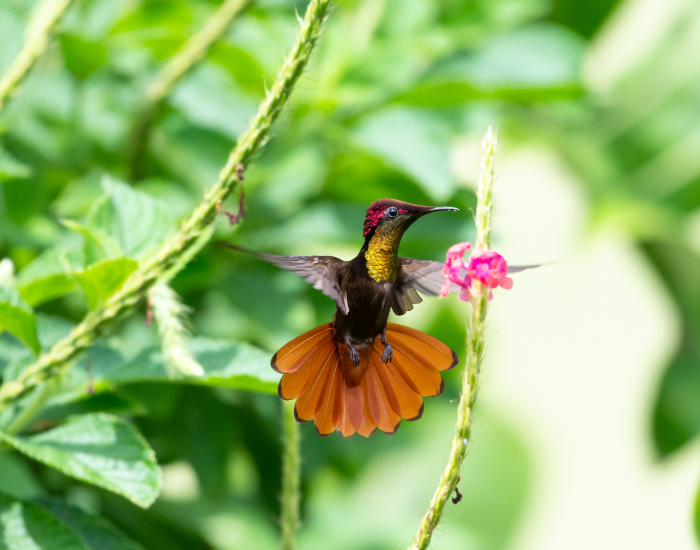
Discover the vibrant world of jungle birds with our guide to the top 10 avian species in tropical forests. Explore their unique traits and habitats!

The pygmy owl may be small, but it’s one of the boldest hunters in the forest. Found across North America and Europe, these owls perch silently by day, waiting to swoop on unsuspecting prey. With false eyes on the back of their head and the courage to take down birds nearly their own size, pygmy owls are proof that power doesn’t always come in large packages.
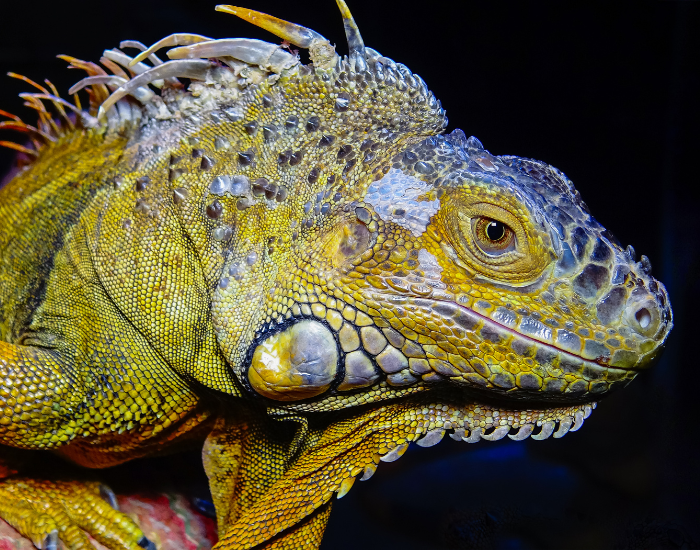
Common iguanas are some of the most fascinating reptiles on Earth. From their Godzilla-like spines and bright green juveniles to their surprising role as invasive species in Florida, these lizards are full of surprises. They can grow over 6 feet long, dig nesting burrows, and even change colors during breeding season. Dive into this guide to uncover 10 incredible facts about the common iguana you probably never knew.

Discover the harpy eagle · the largest eagle in the Americas · with talons as big as a grizzly’s claws and the power to hunt monkeys and sloths-plus more jaw-dropping facts inside.

Discover 12 fascinating facts about blue frogs, from their habitat in South America to their toxins, diet, and care. Learn about the rare blue poison dart frog.

Discover captivating facts about marmoset monkeys and the conservation challenges they face. Learn how you can help protect these fascinating primates.

Meet South America's only bear with 12 fascinating facts. Learn about spectacled bear behavior, habitat, and conservation challenges in the Andes.

Learn fascinating capybara facts about the world's largest rodent. Discover their behavior, habitat, and role in South American ecosystems.

20 interesting facts about dolphins Dive into 20 amazing dolphin facts about intelligence, communication, and behavior. Discover why these marine mammals captivate scientists.