A Connection With Owls
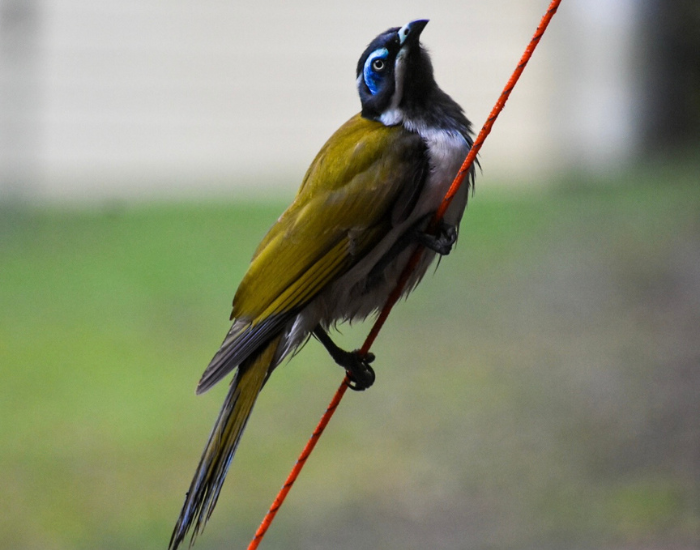
Owls have always felt personal to me. When I was 8, I visited a small zoo in the city where I grew up. I still remember standing in front of the owl enclosure, wide-eyed, staring at a bird that looked like it held the wisdom of the night. That moment stayed with me for years, so much so that I eventually got an owl tattoo inked on my chest. I’ve always felt drawn to owls. They’re mysterious, adaptable, and endlessly fascinating.
One species that especially captures this magic is the pygmy owl. Despite being one of the smallest owls, it has a fearless nature and some incredible survival skills. In this article, I’ll share what makes pygmy owls so unique, highlight where they live, and answer some of the most common questions about them.
The Fascinating World of the Pygmy Owl
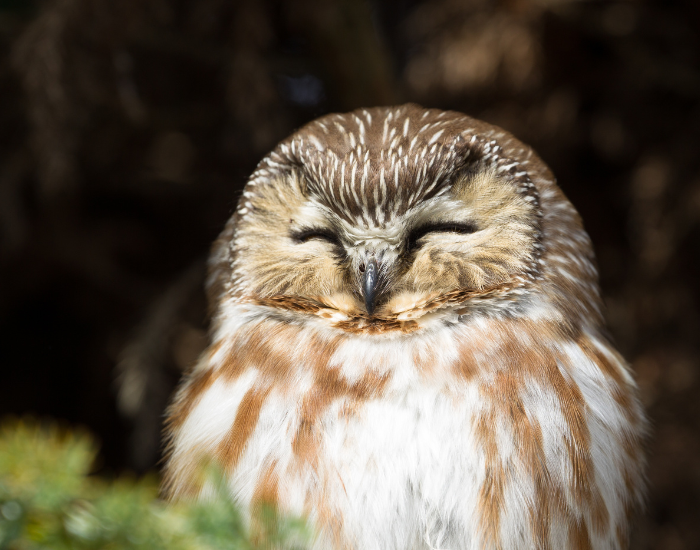
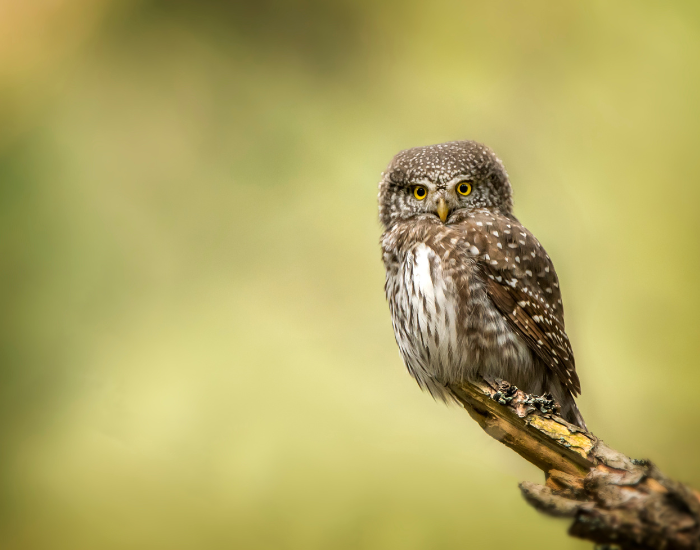
Pygmy owls belong to the genus “Glaucidium”, with more than 30 species spread across North and South America, Europe, Asia, and Africa. From the northern pygmy owl (Glaucidium gnoma) in western North America, to the Eurasian pygmy-owl (Glaucidium passerinum) in boreal forests, and the ferruginous pygmy-owl (Glaucidium brasilianum) in Latin America, these tiny owls thrive in very different landscapes.
What unites them all are their small size, fierce hunting ability, and adaptability. Their role in ecosystems is significant, and their behavior provides valuable insights for raptor research worldwide.
1. Small but Mighty: The True Size of a Pygmy Owl
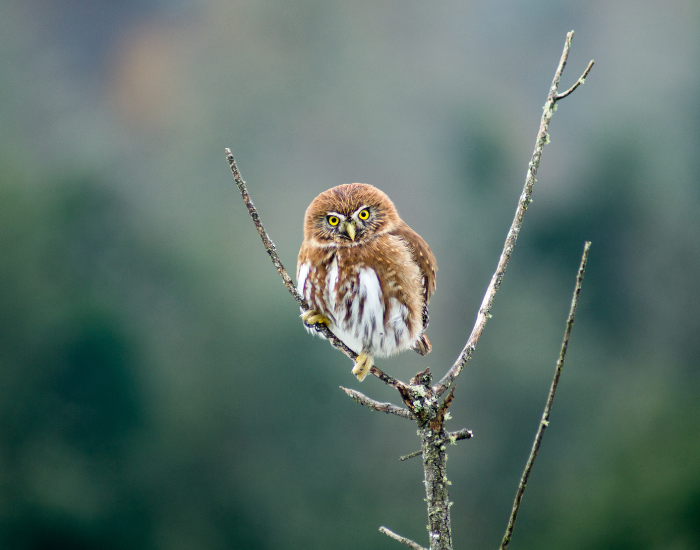
They are astonishingly small: most measure just 15–19 cm. The northern pygmy owl size averages 15–17 cm, while the Eurasian pygmy owl can reach 16–19 cm. The ferruginous pygmy-owl is similarly tiny, at 15–18 cm. Weighing as little as 60–70 grams, they seem delicate, but don’t be fooled. Their long tails give them superb agility, and their sharp talons allow them to take prey nearly their own size. In the wild, I’ve watched one swoop down on a bird that matched its own body length, a pocket-sized predator with oversized courage.
2. A Family of More Than 30 Species
There are over 30 pygmy owl species worldwide.
Types of Pygmy Owls You Should Know
While all pygmy owls share their small size and bold attitude, some stand out as especially iconic:
- Northern Pygmy Owl (Glaucidium gnoma) – western North America, diurnal hunter.
- Eurasian Pygmy Owl (Glaucidium passerinum) – Europe & Asia, smallest owl in Europe.
- Ferruginous Pygmy Owl (Glaucidium brasilianum) – Latin America, adaptable to savannas and deserts.
- Mountain Pygmy Owl (Glaucidium gnoma californicum) – subspecies/adapted form in higher elevations.
- Costa Rican Pygmy Owl (Glaucidium costaricanum) – cloud forests of Central America.
- Andean Pygmy Owl (Glaucidium jardinii) – found in high-altitude forests of the Andes.
- Amazonian Pygmy Owl (Glaucidium hardyi) – tiny species of the Amazon rainforest.
- Central American Pygmy Owl (Glaucidium griseiceps) – lowland forests of Central America.
- Tropical Pygmy Owl (Glaucidium parkeri) – cloud forests of Ecuador and Colombia.
- East Brazilian Pygmy Owl (Glaucidium minutissimum) – one of the smallest owls in the world.
- Asian Barred Owlet (Glaucidium cuculoides) – widespread across South and Southeast Asia.
- Red-chested Owlet (Glaucidium tephronotum) – Africa’s pygmy owl, known for its striking chest coloration.
- Pearl-spotted Owlet (Glaucidium perlatum) – common in African savannas, famous for its loud whistling calls.
Each of these species plays a unique role in its ecosystem, yet they all embody the same “tiny but fierce” reputation that makes pygmy owls so beloved by birdwatchers and biologists alike.

3. Habitats From Mountains to Forest Edges
The northern pygmy owl habitat includes the Rocky Mountains, Sierra Nevada, and high mountains of Mexico, where they perch on forest edges and hunt across partly open habitats. The Eurasian pygmy owl sticks to coniferous forests across Scandinavia and Russia, while the ferruginous pygmy-owl ventures into semi-open scrub and desert landscapes. Many pygmy owls favor open oak groves, scattered trees, or mixed forest types where they can perch and scan for prey. Their adaptability is a big reason they remain widespread, even as other owls struggle with habitat loss.
4. Pygmy Owls Nest in Cavities and Hollows
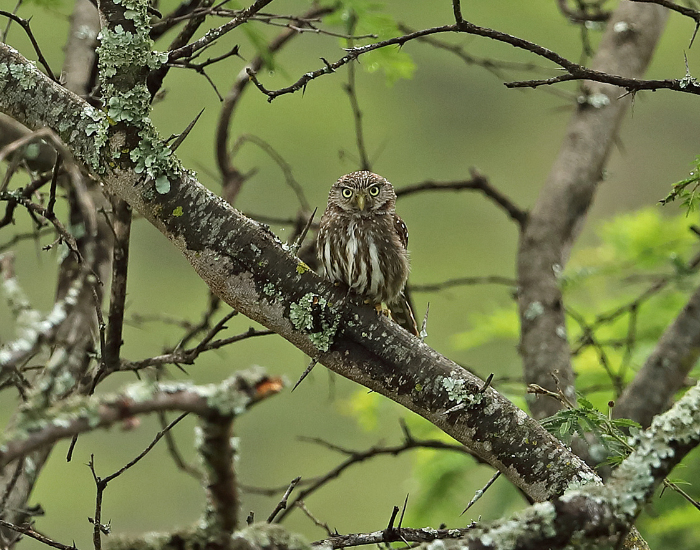
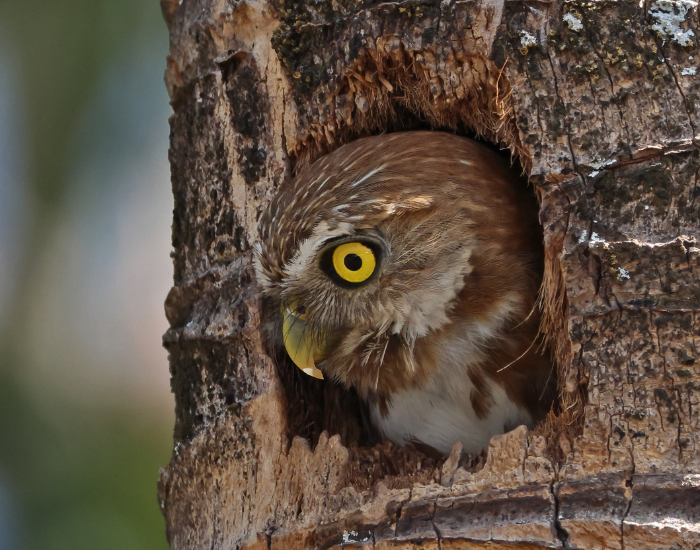
Most pygmy owls are secondary cavity nesters, they don’t build their own nests but use hollows left behind by woodpeckers or natural decay. A pygmy owls nest is typically tucked into a tree cavity or natural hollow, where the female lays eggs and stays to incubate. During this time, males focus on providing food. Without mature conifer trees and old-growth forests, suitable nest sites disappear, which is why forest conservation is critical.
5. Hunters of the Daylight Hours
Most owls hunt at night, but pygmy owls are diurnal. They perch silently during the day at forest edges or within partly open habitats, scanning for movement. Their diet is often songbirds focused, with chickadees, sparrows, and warblers among their most common prey. They also hunt small mammals, large insects, and even medium sized birds nearly as big as themselves. Their daylight activity makes them easier to observe, but it also exposes them to mobbing by alarmed songbirds.
6. Eyes in the Back of Their Head
One of the pygmy owl’s most fascinating adaptations is its “false eyes.” On the back of the head are two black spots outlined in white, making it look like they’re always watching. These markings deter predators like hawks and larger owls, buying them precious seconds to escape. Combined with their bright yellow eyes on the front, they seem equipped with all-around vision. Their color varies, ranging from gray to reddish brown, but those eye-spots are a constant.
7. Life During the Breeding Season
The breeding season typically begins in spring. Males call persistently to attract females, then devote themselves to providing food. While the female incubates eggs inside the nest site, males deliver prey items throughout the day. Once chicks hatch, female feeding behavior becomes vital: she tears prey into manageable pieces for the nestlings. Observers note that a single male can make dozens of hunting trips a day, showing the enormous energy required to raise young.
8. Competition With Other Owls
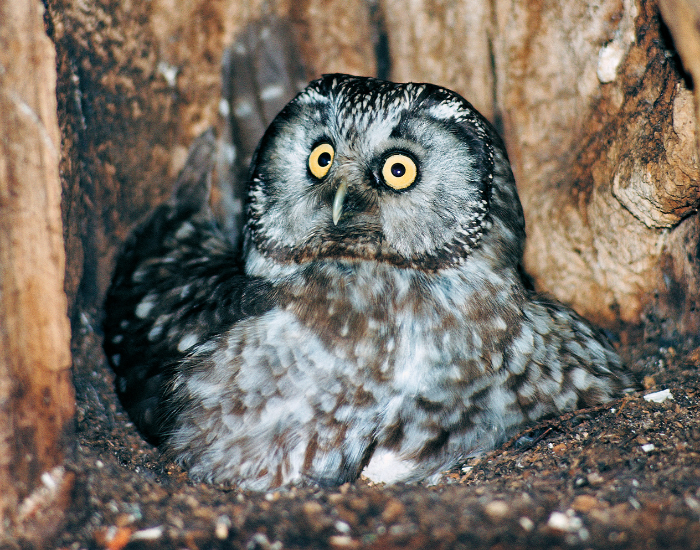
Despite their boldness, pygmy owls face stiff competition from other owls and raptors. In North America, they overlap with boreal owls and northern saw-whet owls. In Europe, they share forests with tengmalm’s owls. They must also avoid predation from larger owls like great horned owls, as well as hawks. This competition shapes their population patterns and forces them into niches like hunting at different times of day or using less contested habitats.
9. How Songbirds Reveal Their Presence
One of the most reliable ways to find pygmy owls is to follow the forest’s soundtrack. When a pygmy owl is nearby, small songbirds like chickadees and nuthatches raise the alarm. They mob the owl, dive-bombing and calling in a noisy commotion that alerts other birds to the danger. Birders often locate pygmy owls this way, by letting the chorus of distressed birds guide them to the predator sitting calmly at the center of the chaos.
10. The Challenge of Climate Change
Though many species are currently listed as Least Concern, pygmy owls face long-term risks from environmental change. Warm weather alters prey cycles and snow cover, and pushes populations into higher mountains where habitat is limited. Logging and clearing of forest types further reduce nest opportunities. In Europe, the Eurasian pygmy owl is sensitive to intensive forestry, while in South America, ferruginous pygmy owls are pressured by agricultural expansion. Their adaptability helps, but they are not invincible.
11. Protecting Their Forest Homes
Organizations like BirdLife International and the USDA Forest Service focus on conserving pygmy owl habitats. Protecting coniferous forests, leaving tree cavities intact, and safeguarding forest edges all ensure they have space to hunt and reproduce. Because they are often observed in raptor research, pygmy owls also act as indicators of ecosystem health. By protecting their homes, we safeguard not just owls, but entire food webs of rodents, insects, and birds.
12. Owls That Inspire Wonder
Pygmy owls may be small, but they inspire wonder across cultures. In folklore, they’ve been symbols of wisdom, mystery, and resilience. Personally, they were the first owls that made me feel connected to the natural world, sparking a fascination that has shaped my life and work. Every time I see a an owl in the wild, I’m reminded that even the smallest creatures can leave the biggest impression.
Frequently Asked Questions
There are more than 30 species worldwide, each adapted to its region.
They live across North and South America, Europe, Asia, and Africa. The northern pygmy owl habitat includes the Rocky Mountains and coniferous forests, while Eurasian inhabit boreal Europe, and ferruginous pygmy owls thrive in Latin America’s deserts and savannas.
Size averages 15–19 cm, with northern pygmy owls around 15–17 cm.
Their diet is often songbirds focused, but they also eat small mammals, large insects, and medium sized birds.
No. Like all owls, pygmy owls are wild birds protected by law — they cannot ethically or legally be kept as pets.
Why the Pygmy Owl Deserves Our Attention
Across their 30+ species, pygmy owls prove that size doesn’t determine impact. From western North America to Europe’s boreal forests and South America’s savannas, they are vital predators balancing ecosystems. Their breeding season, reliance on pygmy owls nests, and their role in raptor research remind us how connected their survival is to healthy forests.
For me, pygmy owls remain a personal symbol of wonder, a thread linking my childhood fascination with owls to my career as a biologist. Protecting their habitats means protecting much more than a bird. It means safeguarding the spirit of the wild itself.