If you’ve ever hiked through the sun-drenched canyons of Arizona looking for wildlife or the scrublands of western Texas, you’ve likely felt that primal surge of adrenaline. The sound comes first, a dry, rhythmic buzzing that stops you in your tracks. It’s the unmistakable calling card of the western diamondback snake (Crotalus atrox).
Often cast as the villain in classic Westerns, this iconic pit viper is much more than a cinematic trope. It’s a biological marvel and a master of desert survival. Moreover, it plays a critical role in keeping ecosystems balanced. However, how much do we actually know about these venomous snakes beyond the rattle?
From their distinctive black and white tail bands to the truth about their venom, here are 12 essential facts about the king of the Southwest.
1. A Master of the Distinctive Spade-Shaped Head Identity
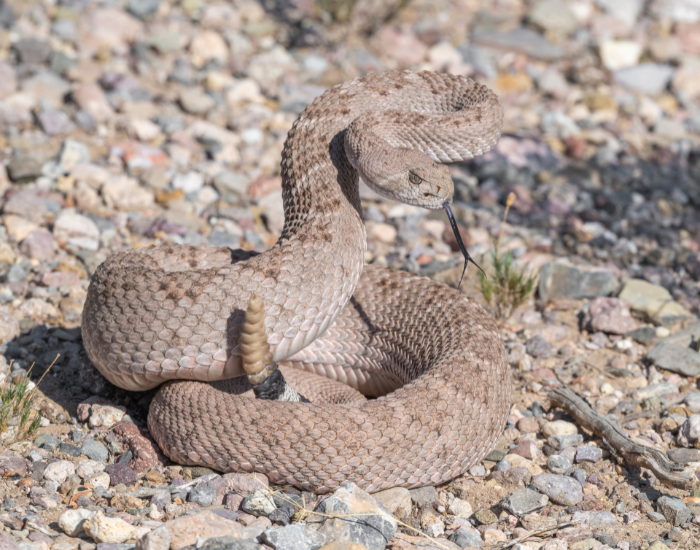
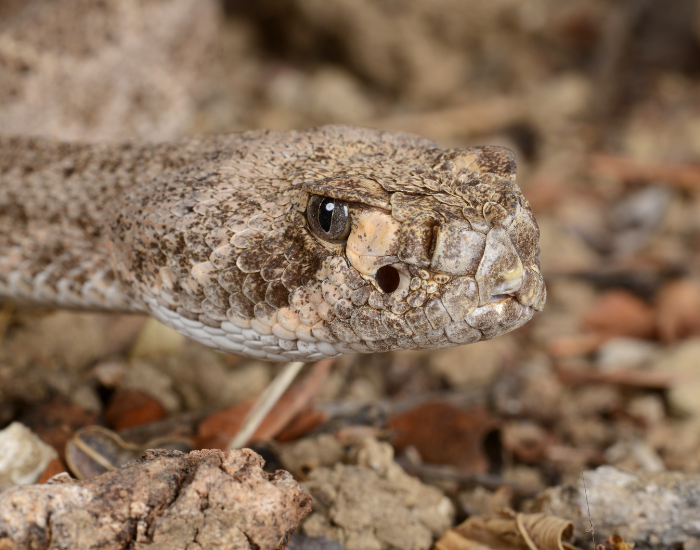
You don’t want to get close enough to count scales. However, identifying a western diamondback rattlesnake from a safe distance is relatively easy. They possess a spade-shaped head marked by two dark stripes that resemble a mask, specifically, these stripes are often compared to “Zorro’s mask” due to their distinctive, diagonal pattern across the face. This “Zorro’s mask,” combined with diamond-shaped spots along their back, gives them a rugged, unmistakable appearance.
The diamond-shaped pattern consists of dark brown or gray blotches outlined in lighter scales. These markings provide excellent camouflage against rocky hillsides and desert flats. In addition, adult western diamondbacks display alternating black and white bands near their tail, just before the rattle.
2. The Massive Western Diamondback Rattlesnake Range Across the American West
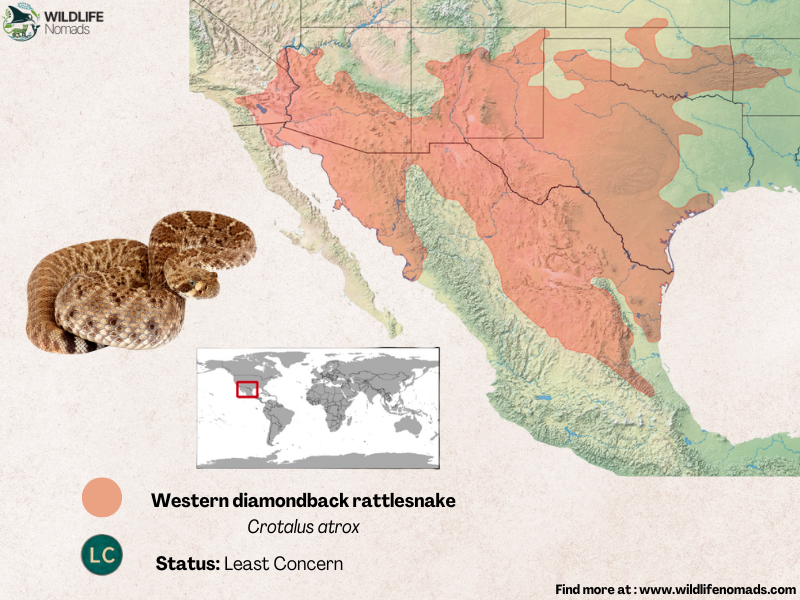
Where do these venomous snakes live? The western diamondback rattlesnake ranges across one of the most extensive territories in North America. You can find them from central and western Texas through southern New Mexico, Arizona, and southern California. Their range extends deep into central Mexico, including parts of northern Mexico. The species ranges of the western diamondback extend across the southwestern United States and into the northern half of Mexico, and their distribution also includes the northern part of North America.
These pit vipers are incredibly versatile. They inhabit everything from flat coastal plains to steep rocky hillsides and pine-oak forested areas. According to the california press, their habitat and ecological significance in California are well documented. In fact, western diamondback rattlesnakes thrive in diverse habitats including grassy plains, desert flats, and even river bottoms. Their preferred environments are arid and semi-arid regions, where they thrive in a variety of landscapes. Their adaptability makes them common predators throughout the American West.
The population trend of western diamondback rattlesnakes was stable when assessed in 2007, and the western diamondback may be the most common rattlesnake species found in homes and in direct conflict with human development in the American Southwest.
3. Western Diamondback Size: The Heavyweight Champion
When it comes to western diamondback size, these snakes are built like tanks. They have a plump, heavy body and a broad triangular head. While the average adult reaches about 4 feet long, some individuals grow much larger. In fact, the largest recorded specimens exceeded 7 feet in length!
Most western diamondbacks measure between 3 and 6 feet. Despite their size, they are masters of camouflage, blending perfectly into the desert floor. This makes encounters with humans more common than people realize. Therefore, watching where you step in rattlesnake habitat is essential.
4. The Famous Alternating Black and White “Coon Tail” Detail
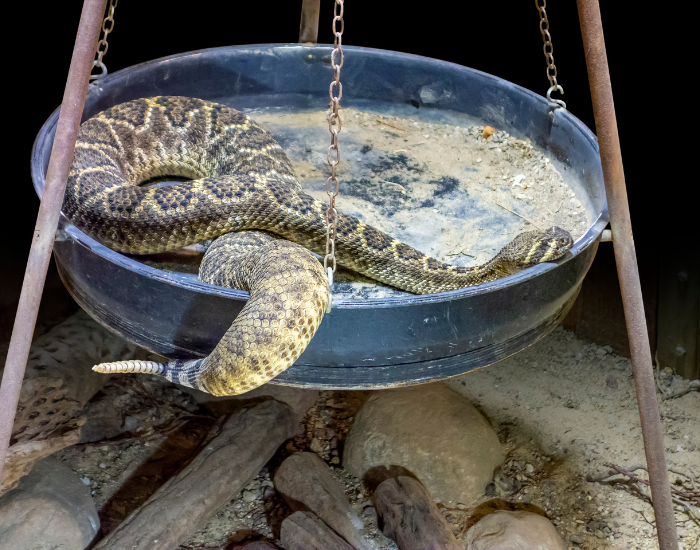
One of the most reliable western diamondback rattlesnake facts for identification is the tail pattern. Just before the rattle, they display stark, alternating black and white bands. This “raccoon tail” appearance is a key feature that distinguishes them from other species.
For example, Mojave rattlesnakes have narrower white bands on their tail. The bold contrast on the western diamondback’s tail makes identification easier. In addition, this distinctive pattern serves as a warning sign to potential predators. The tail section typically shows 3 to 9 black rings before the rattle segments.

5. They See in Infrared with Heat-Sensing Pit Organs
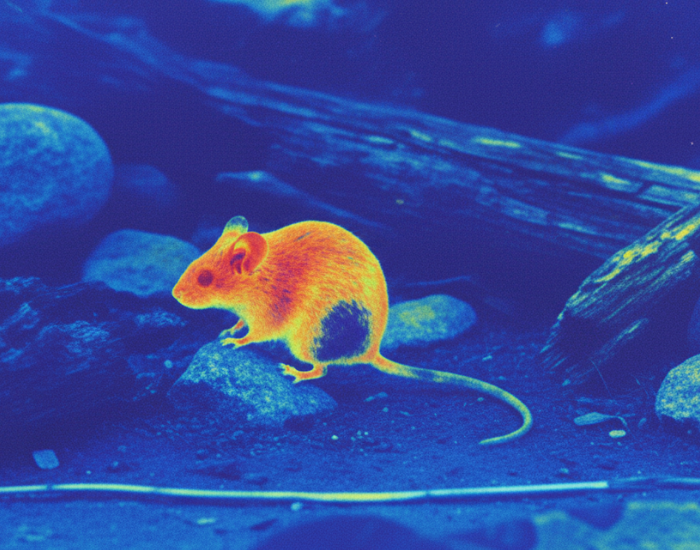
As a pit viper, this snake possesses specialized heat-sensing loreal pits. These organs are located between each eye and nostril. The pits allow the snake to detect heat signatures of warm-blooded prey like small mammals, even in total darkness.
Western diamondback rattlesnakes adjust their activity patterns based on ambient temperatures, becoming primarily nocturnal and crepuscular during the hot summer months.
This biological thermal imaging makes them one of the most efficient nocturnal hunters in the animal kingdom. Western diamondback rattlesnakes can strike accurately at prey by sensing temperature differences. Therefore, small rodents, rabbits, and prairie dogs have little chance of escaping detection.
6. A Diet of Small Mammals and Ground-Dwelling Birds
What does a western diamondback actually eat? They are generalist predators with varied tastes. While their diet consists mainly of small mammals, think prairie dogs, ground squirrels, and opossums, they aren’t picky eaters. In the wild, they also eat birds, some amphibians, and other small animals, making birds a significant part of their natural prey.
In the wild, western diamondbacks eat a variety of prey, including small mammals and birds, as part of their natural hunting behavior.
Western diamondbacks also hunt ground-dwelling birds, lizards, and even other snakes. Young snakes tend to eat more lizards, while adults prefer larger prey. Rattlesnakes swallow their prey whole, and western diamondback rattlesnakes can swallow prey that weighs more than they do. They ambush their prey by waiting near trails or entering burrows to catch unsuspecting animals. They can go several weeks between feedings. By keeping rodent populations in check, they serve as vital pest control for desert ecosystems. In fact, a single rattlesnake can consume dozens of rodents per year.

7. The Rattle Is Made of Keratin Segments
The famous rattle isn’t a hollow shell with beads inside. Instead, it’s made of interlocking segments of keratin, the same protein that forms your hair and fingernails. Each time the snake sheds its skin, a new segment is added to the rattle.
However, you can’t tell a snake’s age by counting rattle segments. Segments often break off in the wild due to wear and tear. Young snakes may have only a few segments, while older individuals might have 6 to 19 visible rings. The rattle produces its characteristic buzzing when vibrated rapidly, sometimes exceeding 60 times per second. The rattle serves as a warning signal to predators and humans, helping to ensure that food passes safely by and reducing the likelihood of attack.

8. They Give Birth to Live Young Snakes
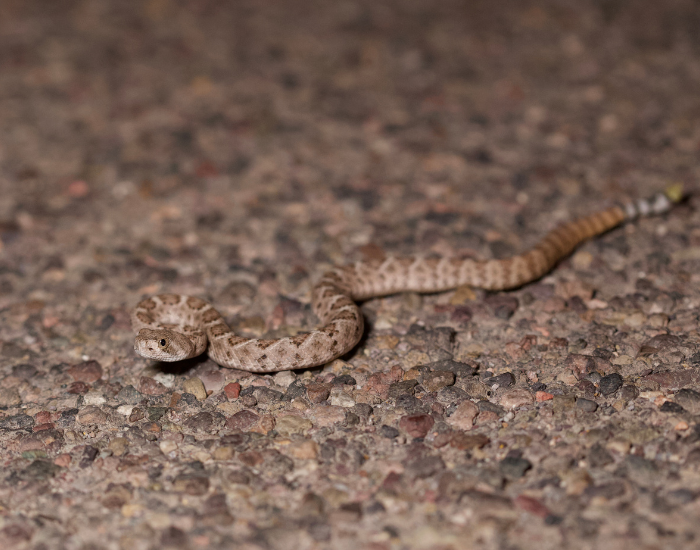
Mating occurs in the spring following emergence from hibernation. Gestation period lasts about six to seven months, and young are born live, with females giving birth to around 10 to 20 young.
Unlike many reptiles that lay eggs, the western diamondback rattlesnake is ovoviviparous. This means eggs develop inside the mother’s body, and she gives birth to live young. Typically, females produce 10 to 20 neonates per litter.
The birthing process may last for 3 to 5 hours and occurs in late summer or early fall. These baby snakes are born complete with functional fangs and venom glands. The young stay with the mother for only a few hours after birth before setting off on their own. Therefore, they’re ready to hunt almost immediately after birth. However, young snakes face high mortality rates from predators like bald eagles, roadrunners, caracaras, the kit fox, and other rattlesnakes, like the mexican king rattlesnake.
9. An Impressive Western Diamondback Rattlesnake Lifespan
In the harsh world of the desert, survival is a feat. However, the western diamondback rattlesnake lifespan is surprisingly long. In the wild, they can live up to 20 years or more.
Sexual maturity arrives at around 3 years of age. In captivity, where they’re safe from natural predators, western diamondbacks have lived even longer. This extended lifespan allows them to contribute significantly to ecosystem balance throughout their lives.
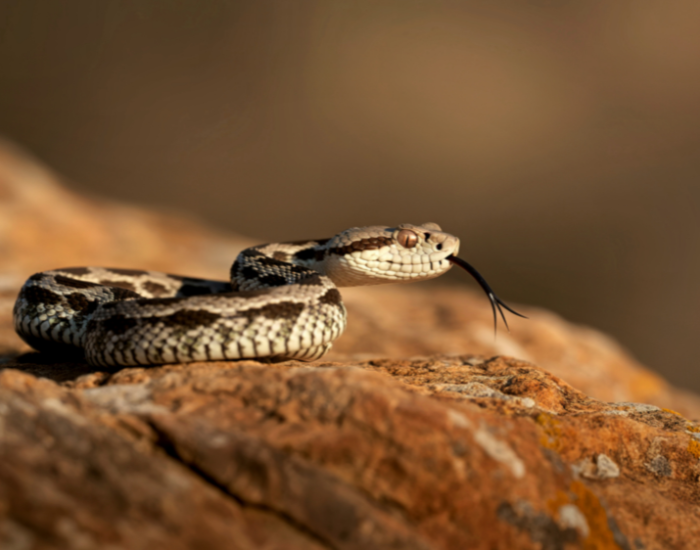
10. The Truth About Western Diamondback Venom and Bites
Are they dangerous? Yes. The western diamondback snake is responsible for more venomous bites in the United States than any other snake species. Their venom is a potent cocktail of hemotoxins and cytotoxins that breaks down tissue and affects blood.
Western diamondbacks use their long, tubular fangs for injecting venom into prey or in self-defense. They can inject a large amount of venom in a single bite, with an average yield of 250 to 350 mg, and this can result in a fatal bite if not treated promptly. These pit vipers are not naturally aggressive toward humans.
They prefer to use their rattle as a warning sign and will usually only strike if cornered or stepped on. Most bites from Western Diamondback Rattlesnakes occur when people attempt to interact or provoke them. Western Diamondbacks are considered one of the more defensive rattlesnake species, often standing their ground rather than fleeing.
The venom glands of western diamondback rattlesnakes produce substantial amounts of toxin. However, they can control how much venom they inject. Sometimes they deliver “dry bites” with little or no venom as a warning.

11. Conservation Status: Western Diamondback Rattlesnakes Are Not Endangered
Are western diamondback rattlesnakes endangered? Currently, no. They are classified as “Least Concern” by conservation organizations. However, they face significant local threats from habitat destruction and controversial rattlesnake roundups.
These events, held in parts of Texas and other states, result in thousands of snakes being killed annually. Conservation efforts today focus on public education. The goal is promoting coexistence with venomous snakes rather than eradication. Habitat loss in southeastern California and other areas continues to impact local populations.
12. They Are Social Hibernators in Winter Hibernacula
During cold winter months, these snakes don’t just disappear. Instead, they head underground to rock crevices and abandoned burrow systems. Western diamondback rattlesnakes often gather in large numbers at denning sites called hibernacula.
Sometimes they share these winter quarters with other snake species to conserve warmth. This communal behavior is one of the few times these otherwise solitary predators get social. In spring, they emerge to bask at sea level elevations or higher rocky areas, depending on their range.
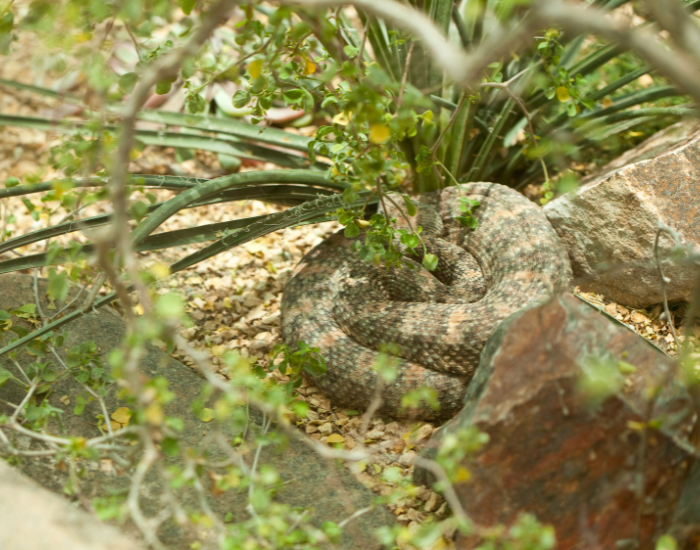
13. Western vs. Eastern: A Tale of Two Giants
While the Western diamondback is the “King of the Southwest,” it has a famous relative across the Mississippi: the Eastern diamondback rattlesnake (Crotalus adamanteus). Although they share the same diamond-shaped markings, they are distinct species with different “personalities.”
The Eastern diamondback is the largest rattlesnake species in the world, reaching heavier weights and slightly longer lengths than its Western cousin. Furthermore, the Eastern version lacks the Western’s famous “raccoon tail”, those bold, stark black and white rings, and instead features a tail that blends more naturally with its dark, mossy-green and gold scales.
The two species also prefer entirely different zip codes. While the Western diamondback thrives in the dusty, arid scrublands and rocky canyons of the Southwest, the Eastern diamondback is a creature of the Southeast, patrolling the humid pine savannas and coastal marshes of Florida and Georgia.

FAQs About Western Diamondback Rattlesnakes
Western diamondbacks are highly venomous. Their venom contains hemotoxins that destroy tissue and affect blood clotting. However, with prompt medical treatment, fatal bites are extremely rare in the United States.
Western diamondback rattlesnakes are found primarily in Texas, Oklahoma, New Mexico, Arizona, and southern California. They also inhabit parts of northern Mexico and central Mexico.
Most adults reach 3 to 6 feet in length. However, some individuals exceed 7 feet, making them one of the largest rattlesnake species in North America.
Their diet includes small mammals like prairie dogs, ground squirrels, and rabbits. They also consume ground-dwelling birds, lizards, and occasionally other snakes.
Western diamondback rattlesnakes give birth to live young. Females typically produce 10 to 20 baby snakes per litter in late summer.

Respecting These Pit Vipers of the Desert
The western diamondback rattlesnake (Crotalus atrox) is a testament to nature’s resilience and complexity. These pit vipers aren’t monsters. Instead, they’re highly specialized predators that have called the American West home for millions of years.
By understanding these essential facts, we can move away from fear toward healthy respect. Western diamondback rattlesnakes control rodent populations, support ecosystem balance, and demonstrate remarkable adaptations. From their heat-sensing organs to their efficient venom delivery system, every feature serves a purpose.
The next time you encounter one of these venomous snakes in the wild, remember: you’re witnessing a desert legend that plays an irreplaceable role in its habitat. Give them space, appreciate their ecological importance, and they’ll continue their vital work as common predators across the American West.