The Australian white tree frog, often affectionately called the dumpy tree frog, is a standout among amphibians native to northern and eastern Australia as well as southern New Guinea.
They are very adaptable species of green frog that thrives in many environments, from lush tropical rainforests and moist forests to the edges of suburban gardens and agricultural areas. Their ability to flourish in both wild and human-altered landscapes is a testament to their resilience.
Recognized for their docile nature and striking appearance, Australian green tree frogs are among the most popular pet frogs worldwide!
Their smooth, bright green or blue-green skin and gentle demeanor make them favorites in the pet trade and beloved by frog enthusiasts of all ages. In the wild, these frogs play a vital ecological role common to many amphibians, by helping to control populations of insects and other invertebrates, making them an important part of the ecosystem in eastern Australia and New Guinea. Whether perched on a leafy branch or nestled near a suburban water tank, these frogs embody the adaptability and charm that make tree frogs so fascinating.
1. The Blue Mystery Behind the Dumpy Frog (Litoria caerulea)
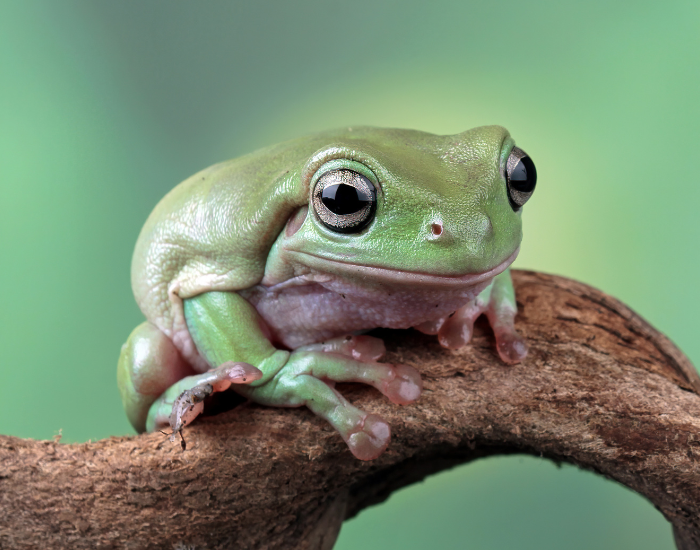
The scientific name Litoria caerulea translates to “blue” in Latin. However, this creates an obvious puzzle since most specimens display vibrant green coloration.
John White first described this species in 1790 after specimens arrived in England from Australia. The preservative destroyed the yellow pigment layer in their skin, leaving the frogs appearing blue. Scientists in London opened these specimen jars and found bright blue frogs instead of green ones. The name stuck, even though white tree frog colors typically range from lime green to emerald with occasional teal hues. The dorsal color of White’s tree frogs can also range from brownish-green to bright emerald green. Their skin has a smooth texture on the back and is granular on the sides. A distinctive fatty ridge over the eye is a key identifying characteristic that helps distinguish the white tree frog from similar species.

2. Dumpy Climbers With Massive Toe Pads
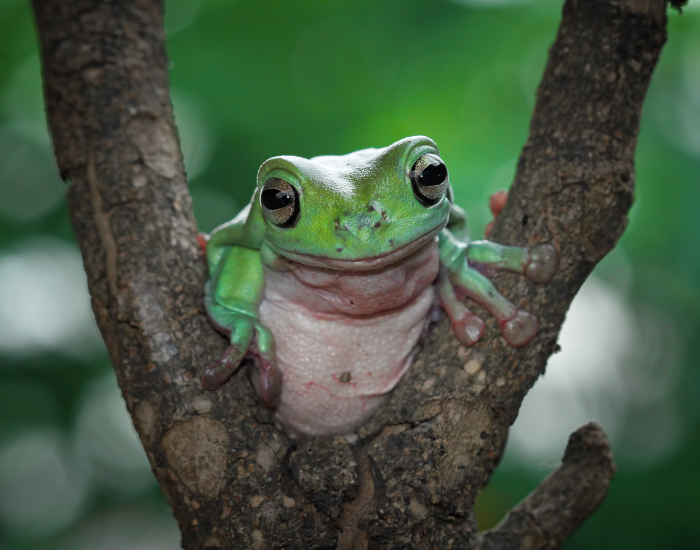
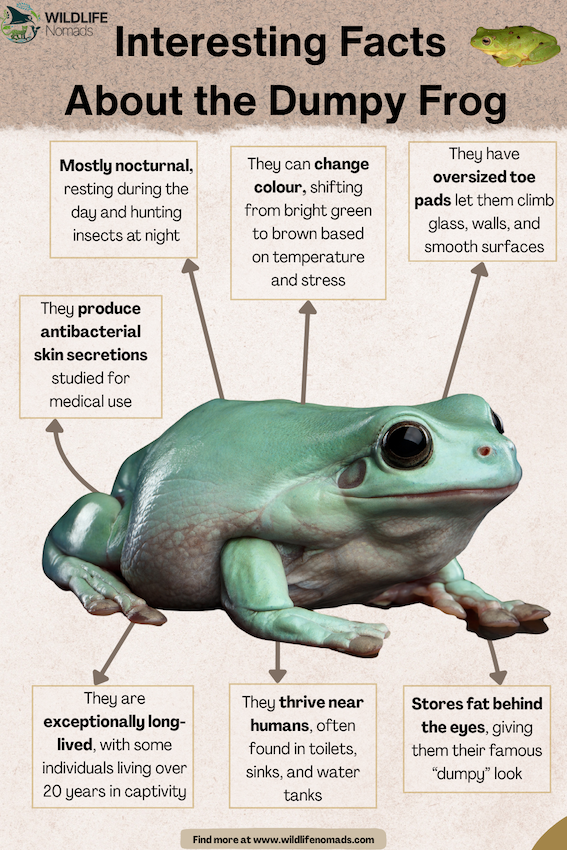
The nickname “dumpy tree frog” stems from thick fatty ridges that develop above the eyes and ears as these frogs mature. This characteristic gives them a chubby, sleepy appearance that endears them to amphibian enthusiasts worldwide. White’s tree frogs also have a distinctive fatty ridge over the eye and a moderately large parotoid gland.
Despite their portly build, these frogs excel at climbing. White tree frogs can grow up to 11.5 cm (4.5 inches) in length, with females slightly larger than males. Their enormous adhesive toe pads function like suction cups, allowing them to scale vertical glass, tree trunks, and even sleep upside down on suburban porch ceilings throughout eastern Australia. The fingers of White’s tree frogs are about one third webbed, which aids in their climbing ability.
3. Medical Marvel: Skin Secretions That Fight Disease
The white frog species produces extraordinary skin secretions that attract medical researchers globally. These secretions contain peptides called “caeridins” with powerful antibacterial and antiviral properties.
Research shows that White’s tree frog skin secretions combat Staphylococcus aureus and show promise for HIV treatment applications. Studies demonstrate these peptides can fight dangerous bacterial infections effectively. In wild habitats, this chemical defense protects frogs from pathogens in humid, bacteria-rich environments across northern and eastern Australia.
4. Social Behavior: The World’s Most Tolerant Frog
Many people wonder: are white tree frogs ok alone? The answer is yes, though these amphibians surprisingly tolerate group living better than most other frog species, like poisonous dart frogs, tomato frogs or Pacman frogs.
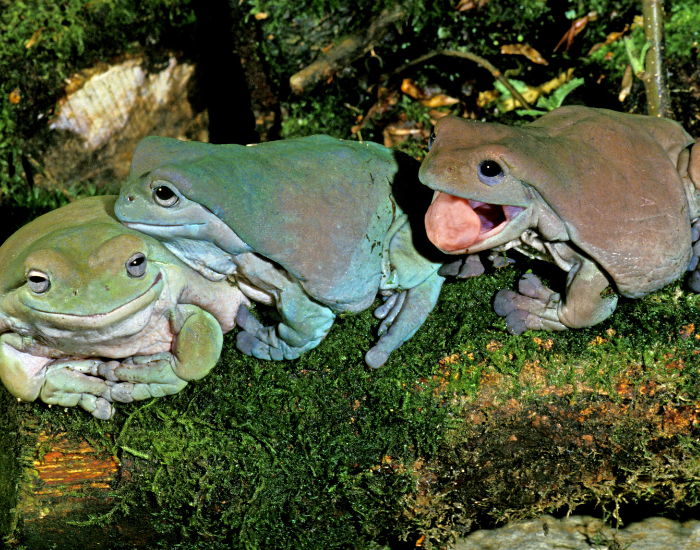
Unlike most tree frogs, White’s tree frogs display docile nature and often huddle together in trees rather than around water. Wild populations gather in “frog piles” inside hollow logs or behind water tanks. In captivity, they coexist peacefully in small groups, making them more entertaining than solitary specimens. However, ensure all group members maintain similar sizes, as larger frogs may prey on smaller frogs if there is a significant size difference.
5. Color-Changing Masters: More Than Camouflage
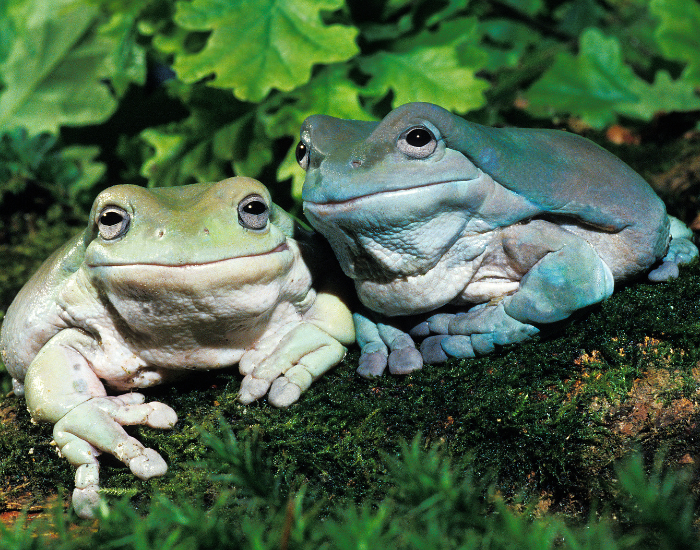
Australian white tree frog coloration serves multiple survival functions beyond simple camouflage. While typically vibrant emerald green, individuals shift their hue to brown or pale, milky colors based on environmental conditions.
Temperature and stress levels trigger these color changes. For example, a cold or stressed frog darkens to brown, absorbing more heat energy. Conversely, comfortable frogs glow in that classic Australian green tree frog shade. This adaptation helps them regulate body temperature while avoiding predators across diverse habitats from tropical rainforests to suburban areas.
6. The Toilet Frog Phenomenon
Urban White’s tree frogs learned that human dwellings provide reliable water sources during hot, dry periods.
Australian households frequently discover these frogs relaxing in sinks, laundry rooms, and even toilet bowls. They seek moisture and cool surfaces during peak daytime heat. Some frogs even jump onto unsuspecting people using bathroom facilities, creating memorable morning surprises for homeowners. This behavior demonstrates their extraordinary adaptation to suburban and agricultural areas.

7. Ambitious Dietary Habits
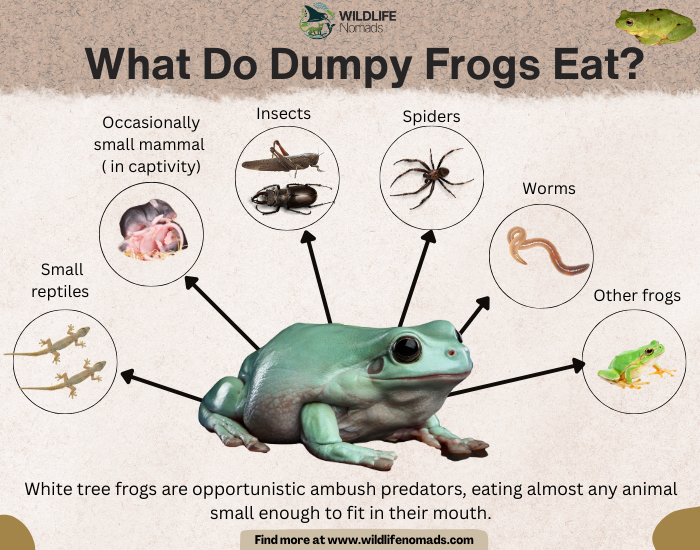
What do white tree frogs eat? Primarily insects like crickets, roaches, and moths. Nevertheless, hungry adults adopt an “if it fits, it’s food” philosophy that extends their menu considerably.
Large adults in wild populations consume:
- Small bats
- Other frog species
- Even pinkie mice
They use their hands to shove food into their mouths, creating both impressive and slightly comical feeding displays. This ambitious appetite helps them thrive across diverse environments from wet habitats to seasonally dry regions.
8. Exceptional Longevity: Living Longer Than Most Pets
People researching whether white frogs make good pets should consider their impressive lifespan. The average lifespan of White’s tree frog in captivity reaches about 16 years, which is long compared with most frogs.
Some captive-bred specimens reach 20 years under optimal care conditions. This longevity proves rare among small animals and explains their popularity within the reptile community. Therefore, prospective owners must commit to long-term care spanning potentially two decades, making them genuine family members.
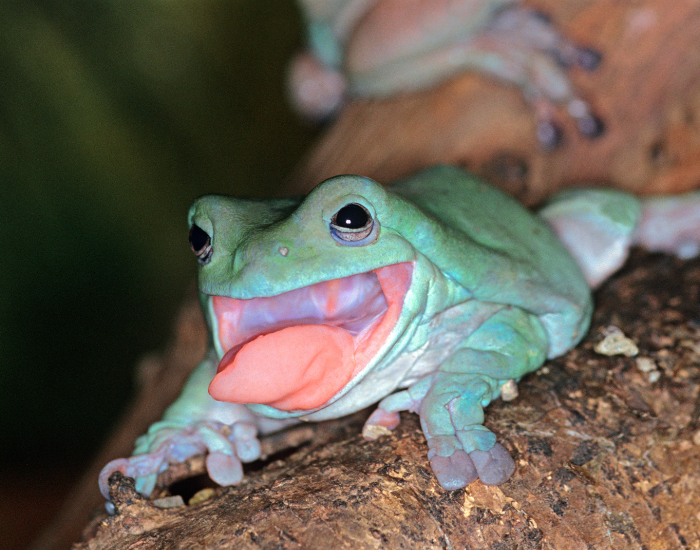
9. Distinctive Horizontal Pupils
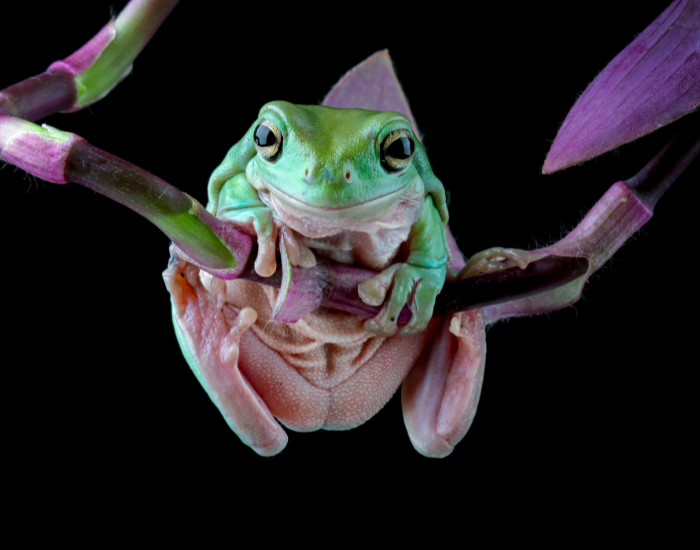
Most tree frog species display vertical, cat-like pupils. In contrast, the white eyed tree frog possesses horizontal pupil slits, marking them as specialized nocturnal hunters.
This horizontal orientation provides a wide field of vision for spotting predators during daytime hiding periods. Combined with their striking golden irises, these eyes create the “wise old man” expression that makes the species so recognizable among green tree frogs worldwide.
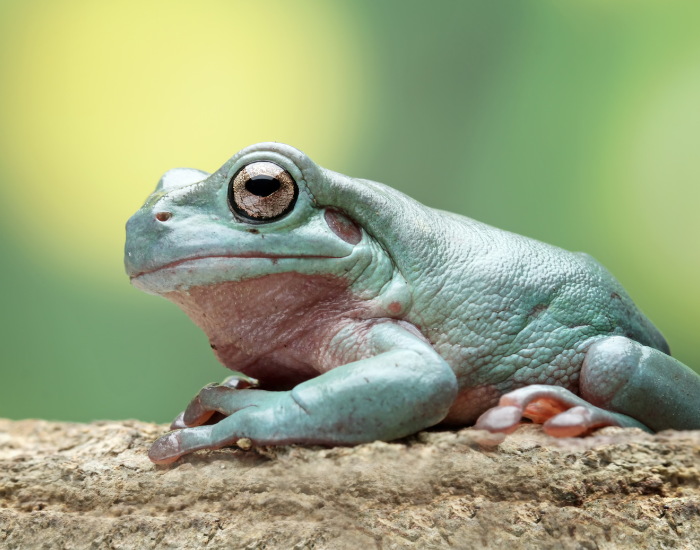
10. Water-Saving Adaptations for Drought Survival
Australia’s extreme climate shaped unique survival mechanisms in this frog species. The thick cuticle on their skin allows White’s tree frogs to retain moisture as an adaptation to arid areas and seasonally dry environments. They inhabit both seasonally dry and wet forested areas, often found in tree canopies, using moisture from hollows and leaves instead of standing water.
During severe droughts and the dry season, they secrete a waxy coating and a milky substance called ‘caerviein’ that prevents water evaporation and moisture loss. Additionally, they tuck limbs beneath their bodies to reduce surface area, then enter dormancy until rains return. This remarkable adaptation allows survival across northern and eastern Australia where dry seasons challenge most amphibians.

11. Cultural Symbolism: What Does a White Frog Symbolize?
While the species name honors John White, frogs carry deep cultural significance globally. Indigenous Australian stories portray frogs as water keepers, reflecting their ecological importance in moist places and drainage systems.
What does a white frog symbolize? Many cultures associate pale or white frogs with:
- Purity and transformation: Representing the amphibian journey from aquatic tadpoles to land-dwelling adults
- Fertility: Due to females laying several hundred eggs during the breeding season
- Good luck: Several traditions view frogs entering homes (which these species frequently do) as signs of impending prosperity

12. Obesity: The Primary Health Challenge
Dumpy tree frogs lack the ability to self-regulate food intake. In captivity, obesity ranks as the number one health problem for this species.
Obese green tree frogs deposit fat layers over their head and body, which contributes to their dumpy appearance. The accumulation of these fat layers is a clear visual indicator of obesity in these frogs. Owners must carefully monitor feeding schedules because excessive fatty ridges can eventually cover the frog’s eyes, impairing vision. Healthy specimens should maintain visible shoulders rather than resembling inflated balloons. This challenge requires responsible pet ownership and proper feeding practices.

Distribution and Habitat
The white tree frog is native to northern and eastern Australia, with populations spread across Queensland, New South Wales, and parts of the Northern Territory, as well as southern New Guinea. They inhabit a wide range of environments, including tropical rainforests, woodlands, wetlands, and seasonally dry forests, and are especially well adapted to life near humans. In Australia, white tree frogs are commonly found around suburban gardens, farms, water tanks, and buildings, where moisture and shelter are readily available. Their ability to tolerate both wet and dry conditions has helped them thrive across diverse landscapes, from coastal regions to inland areas with harsh dry seasons.
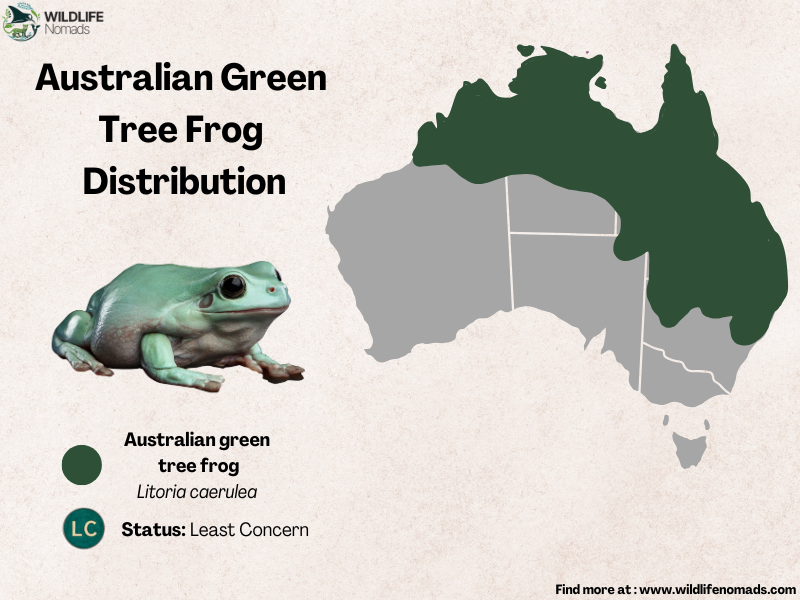
Comparison to Other Tree Frog Species
Australia and New Guinea are home to a dazzling array of tree frog species, but the Australian green tree frog stands out for several reasons. Compared to its relatives, such as the magnificent tree frog and the white-lipped tree frog, the Australian green tree frog is generally larger and more robust, with a reputation for being especially docile and easy to handle. Its signature bright green or blue-green coloration is not only beautiful but also highly variable, shifting in intensity depending on temperature and surroundings.
While many tree frog species share similar habitats, the Australian green tree frog’s broad range and adaptability set it apart. Its conservation status is currently listed as “Least Concern,” thanks to its ability to thrive in both wild and suburban environments. However, like other species, it faces threats from habitat loss and the pressures of the pet trade. In comparison, other tree frogs—such as the American green tree frog—may share some characteristics, but few can match the unique blend of size, color, and temperament found in the Australian green tree frog. This combination of traits makes it a favorite among frog enthusiasts and a vital part of the ecosystems in which it lives.

Conservation Status and Wild Populations
White tree frogs demonstrate remarkable adaptability, thriving near human settlements across suburban areas in Australia, New Guinea, and even southern New Guinea regions. White’s tree frog is native to Australia and southern New Guinea and has been introduced to New Zealand. The species is classified as least concern on the IUCN Red List due to its wide distribution and large populations. Its natural range includes New South Wales (NSW), South Australia, and NSW, highlighting its presence in diverse habitats across these regions. Wild collection for export is prohibited in Australia, with the pet trade primarily relying on captive-bred individuals.
Their stable conservation status results from protective legislation and successful captive breeding programs. Most frogs in the international pet trade come from captive-bred sources, ensuring wild populations remain healthy across their broad range.
Extra: Pet Care
Care Guide for White Tree Frogs
A quick note before we dive into pet care
While this article includes basic care information for those curious about white tree frogs as pets, Wildlife Nomads is not a pet amphibian or husbandry-focused website. Our goal is wildlife education, conservation awareness, and helping readers understand these animals in both wild and human-adjacent environments. If you’re seriously considering keeping a white tree frog and want detailed, up-to-date care guides, enclosure setups, feeding plans, and health advice, we strongly recommend visiting a specialist amphibian resource such as Josh’s Frogs, which focuses specifically on ethical captive breeding and long-term amphibian care.
Is a White Tree Frog a Good Pet?
Absolutely. These frogs rank among the best beginner amphibians due to their hardy nature and calm temperament. They tolerate human presence better than skittish species like Red-Eyed Tree Frogs, making them popular pet frogs worldwide.
Safe Handling Practices
You can hold Australian white tree frogs with proper precautions. Their highly absorbent skin means lotions, soaps, or oils on your hands can poison them. Always wash hands thoroughly with unscented soap and rinse completely before handling, or wear powder-free gloves.
Are Australian White Tree Frogs Rare?
White’s tree frogs are classified as Least Concern by the International Union for Conservation of Nature (IUCN). Wild populations remain common throughout their native range across Australia and New Guinea. Captive breeding programs ensure the pet trade doesn’t impact wild populations. However, certain color morphs like “Snowflake” or “Blue” varieties prove harder to find in the international pet trade.
How Big Do Australian White Tree Frogs Get?
The Australian green tree frog reaches 10 cm (4 inches) or more in length. White’s tree frogs can grow up to 10 cm (4 in) in length. Females generally grow larger and “dumpier” than males, with average sizes between 3 to 4.5 inches. In the throat region, males have a grayish, wrinkled vocal sac under the throat, while females have white throats, making this a key distinguishing feature between the sexes. This makes them one of the larger tree frog species available to pet enthusiasts.
Habitat Requirements
Adult white tree frogs require tall terrariums since they’re arboreal species found in tree canopies. A vertical 18x18x24 inch enclosure suits 2-4 adults comfortably. Include sturdy branches, live plants, and bamboo poles positioned at angles for climbing.
These adaptable species tolerate temperatures between 72°F and 85°F. Humidity should range from 50-70%, with proper ventilation preventing bacterial infections. Provide a large, shallow water bowl changed daily using dechlorinated water.
Feeding Schedule
Feed adult frogs appropriately-sized feeder insects 2-3 times weekly. Dust prey items with calcium supplements. Avoid overfeeding, as obesity shortens lifespans. Young frogs eat smaller prey items daily until they reach adult size around 10 months old.
Breeding Information
Breeding takes place during the summer rainy season in moist places such as drainage systems, water tanks, or grassy semi-permanent water systems. Males produce low-pitched croaks to attract females during the mating season.
Females lay several hundred eggs that males fertilize externally. Tadpoles undergo metamorphosis over 4-8 weeks, emerging as juvenile frogs ready for terrestrial habitats in tree dwelling environments.