In this Shark series, I started with the sharks that can be found in Hawaii, nor its Florida’s turn. Florida’s crystal-clear waters and diverse marine ecosystems make it one of the world’s premier destinations for shark encounters. The sharks of Florida represent some of the most fascinating and important apex predators in our oceans, with over 50 shark species calling these waters home. This abundance and diversity of sharks in Florida’s waters makes the region especially attractive for divers and marine enthusiasts.
From the aggressive bull sharks patrolling shallow inshore areas to the majestic hammerheads cruising the deep offshore waters, shark types in Florida are as diverse as they are impressive. The state’s unique geography creates perfect conditions for this diversity – warm Gulf Stream currents, extensive coral reef systems, shallow coastal waters, and deep oceanic channels all contribute to making Florida a shark paradise. Certain areas, such as the Florida Keys and South Florida, are known for having more sharks, further highlighting the region’s reputation among shark enthusiasts.
But here’s what many people don’t realize: these aren’t just random predators swimming around looking for trouble. Each shark species in Florida plays a crucial role in maintaining healthy marine ecosystems, and understanding their behavior, habitats, and importance is key to both conservation and safe coexistence.

Shark Diversity in Florida Waters
The question “what is the most common shark in Florida?” doesn’t have a simple answer because it depends entirely on where you’re looking and when. Florida’s waters host an incredible variety of species, from tiny bonnethead sharks measuring just three feet, examples of small sharks, to massive whale sharks that can reach 40 feet in length.
Florida’s coastal waters can be divided into several distinct habitats, each supporting different kinds of sharks. The shallow, sandy bottoms near shore provide perfect hunting grounds for blacktip sharks, while the deeper waters of the Gulf Stream attract pelagic species like mako sharks and oceanic whitetips. The coral reefs of the Keys host their own unique community of reef sharks, nurse sharks, and Caribbean reef sharks, which can be found in both shallow waters and deep reefs.
What makes Florida particularly special is the convergence of temperate and tropical marine environments. The Gulf Stream brings warm, nutrient-rich waters northward along the east coast, creating conditions that support both tropical species year-round and temperate species during their seasonal migrations. This is why you might encounter everything from cold-water sand tiger sharks to tropical nurse sharks in the same general area, depending on the time of year.
The state’s extensive coastline – over 1,350 miles of it – provides countless microhabitats. Estuaries serve as nursery areas for juvenile sharks, while the continental shelf drop-offs attract larger pelagic species. Understanding this diversity is crucial because it helps explain why Florida sharks are so varied and why different areas of the state have completely different shark populations.
Common Shark Species: The Big Players
If you think of the most common shark in Florida, several species immediately come to mind, each adapted to specific niches within the state’s marine ecosystem. Here are a few examples:
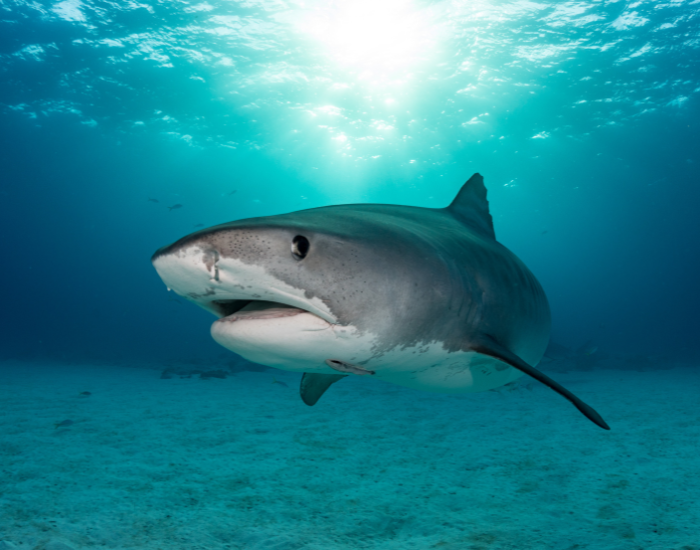
Tiger Sharks: The Ocean’s Garbage Disposal
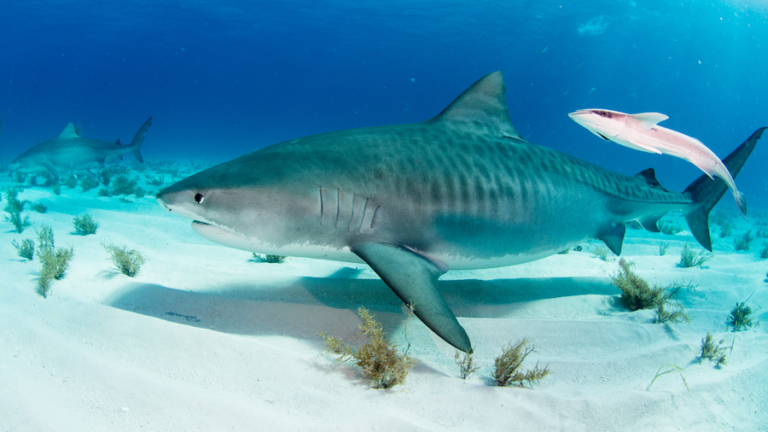
The tiger shark is a large, opportunistic predator and one of the most iconic of Florida’s large shark species. Tiger sharks can grow up to 18 feet and sport dark stripes that fade with age. Tiger sharks are the second largest predatory fish in the ocean, and their incredibly diverse diet includes sea turtles, other sharks, and smaller sharks, making them top marine predators. These deliberate swimmers are capable of quick bursts of speed, which aids their hunting prowess. They roam all Florida waters, but people most often encounter them in deeper coastal zones, offshore oceanic waters, and around reefs. They’re particularly abundant around the Florida Keys and the southeastern coast. These sharks are excellent swimmers and can cover vast distances, making them true ocean wanderers. Their presence is actually a good indicator of a healthy marine ecosystem.
Bull Sharks: The Freshwater Invaders
If there’s one shark that epitomizes the term “aggressive,” it’s the bull shark. These big heavy bodied sharks are unique among shark species in Florida because they can survive in both saltwater and freshwater. They regularly swim up rivers, reaching hundreds of miles inland in some regions. Bull sharks rank among the most aggressive sharks, and many experts consider them one of the most dangerous species.
Bull sharks are particularly common in Florida’s shallow, murky waters – exactly where many people swim and surf. They prefer water temperatures above 68°F and are most active during warmer months. What makes them especially noteworthy is their territorial nature and their tendency to investigate anything unusual in their environment, which unfortunately sometimes leads to human encounters.

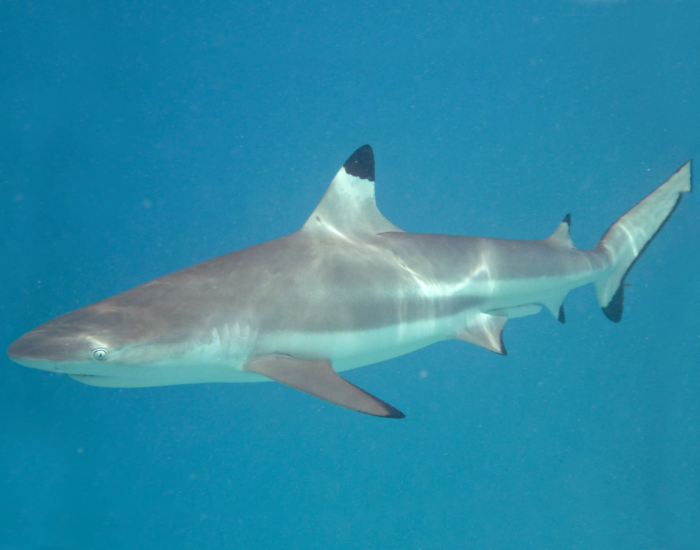
Blacktip Sharks: The Acrobats
Blacktip sharks are perhaps the most visible Florida coast sharks because of their spectacular aerial displays. These medium-sized sharks, typically 4–6 feet long, display incredible speed and often leap completely out of the water when anglers hook them or when excited. Blacktip sharks are fast energetic sharks capable of rapid bursts and acrobatic jumps, making them one of the most exciting species to observe. As fast energetic sharks, they are highly agile hunters.
During winter months, blacktip sharks migrate south to Florida’s warmer waters in massive schools. It’s not uncommon to see thousands of blacktip sharks forming dense aggregations just offshore, particularly along the southeastern coast. These migrations are so predictable that they’ve become a major attraction for both researchers and eco-tourists.
Lemon Sharks: The Social Experiment
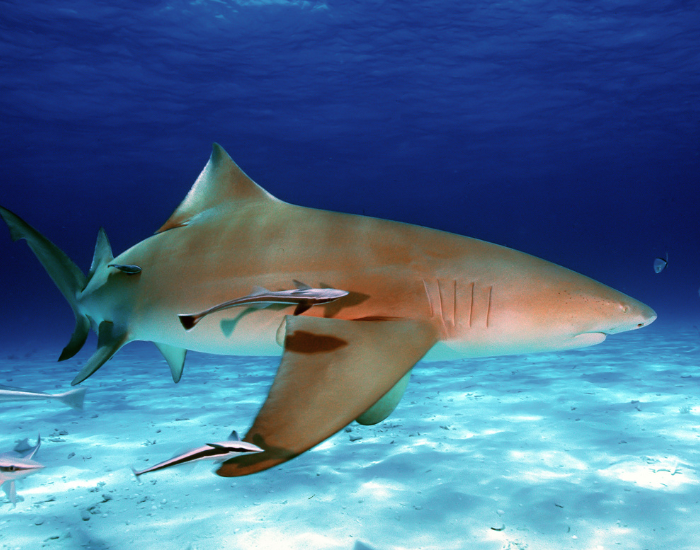
Lemon sharks rank among the most abundant large sharks in Florida, and researchers consider them one of the region’s most common big sharks. These big sharks prefer shallow inshore waters and commonly patrol Florida’s coast.nLemon sharks, which can reach 10 feet long, primarily inhabit shallow coastal waters, especially around mangroves and sandy flats. What makes lemon sharks particularly interesting is their social behavior – they’re one of the few shark species that demonstrate complex social interactions and even form friendships.
Bimini, in the Bahamas just east of Florida, hosts one of the world’s most important lemon shark research stations, and many of the sharks studied there regularly move into Florida waters. This research has revolutionized our understanding of shark intelligence and social behavior.
Hammerhead Sharks: The Unmistakable Predators
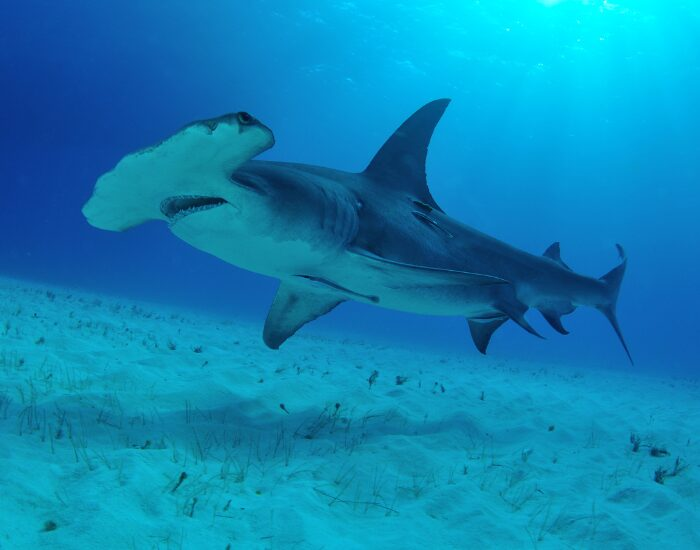
The hammerhead shark group is instantly recognizable by their unique, flattened heads. Several hammerhead species inhabit Florida waters; scalloped hammerheads appear frequently in South Florida. Hammerheads favorite prey items include stingrays and fish, which they hunt with precision. They often cruise along reefs and coasts, and migration makes South Florida one of the best places to see them.
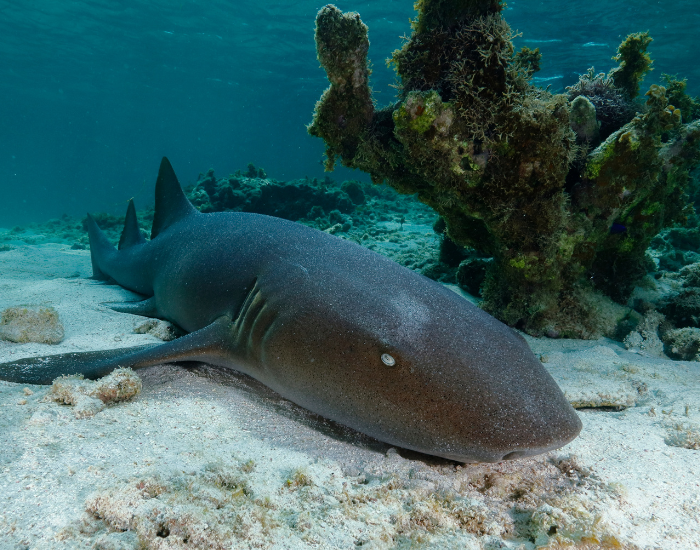
Nurse Sharks: The Bottom Dwellers
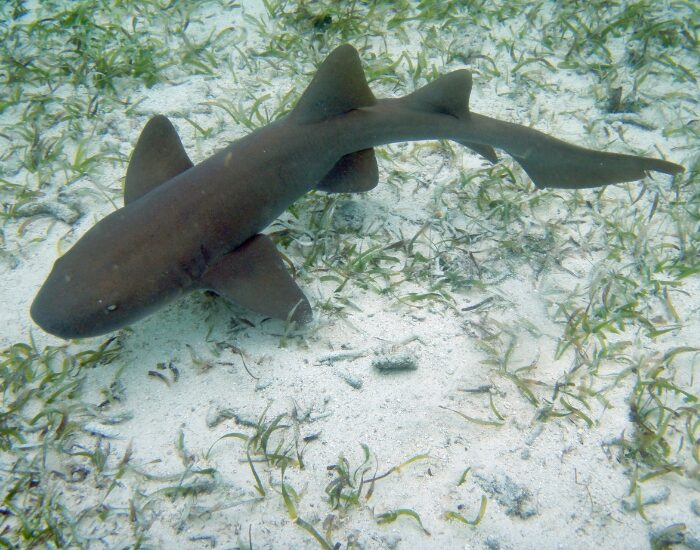
These sharks are bottom-dwelling sharks commonly found resting on sand flats and in shallow waters. Nurse sharks use bone-crushing jaws to feed on crustaceans and small fish. Their preference for sand flats and their bottom-dwelling nature make them a familiar sight to divers and snorkelers.
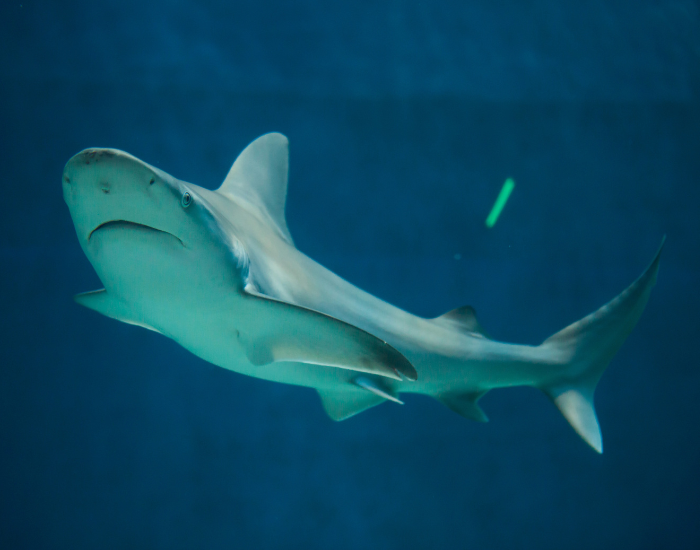
Sandbar Sharks: The Coastal Giants
Sandbar sharks stand out with a tall dorsal fin and a robust body. They commonly patrol shallow coastal waters, estuaries, and bays across Florida. These sharks migrate seasonally and play an important role in the local marine ecosystem.
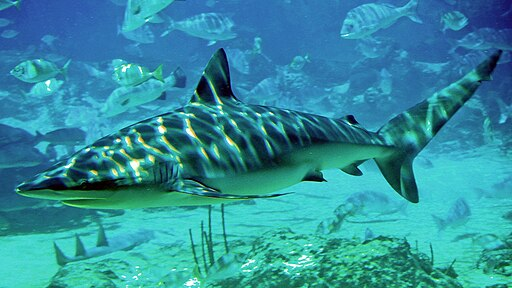
Dusky Sharks: The Migratory Giants
Dusky sharks are large requiem sharks that inhabit both deep gulf stream waters and inshore reefs around Florida. The dusky shark is highly migratory and can cover large distances, moving between deep offshore waters and shallow inshore waters, including inshore reefs. Dusky sharks are ecologically significant and are often observed in both deep and shallow habitats.
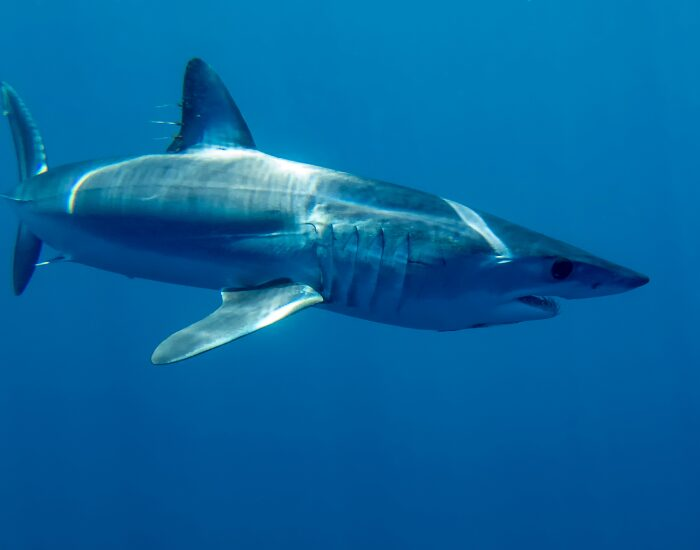
Mako Sharks: The Speed Demons
Mako sharks are among the most aggressive shark species and are renowned for their speed and power. Makos feed on tuna, swordfish, other sharks, and dolphin, and are typically found in offshore waters miles from shore, especially in deep waters. Their pelagic lifestyle and aggressive hunting behavior make them formidable predators in the open ocean.
Reef Sharks of Florida: Guardians of the Coral Reefs
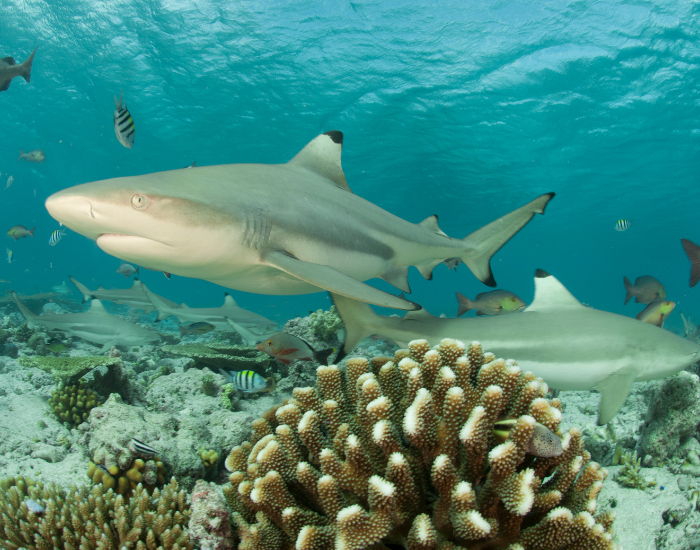
Reef sharks are among the most vital and captivating residents of Florida’s coral reefs, serving as both guardians and regulators of these marine ecosystems. Found primarily in inshore shallow waters, these sleek predators are a familiar sight gliding through coral structures, rocky crevices, and seaweed beds along Florida’s coast. Their presence is a sign of a healthy reef, as they play a crucial role in maintaining the delicate balance between predator and prey.
Typically, reef sharks average between 4 and 8 feet in length, with some individuals reaching up to 600 pounds. Despite their impressive size, they are agile and fast, perfectly adapted to the complex terrain of shallow reefs. Reef sharks are highly social creatures, often seen in groups as they patrol their territories or hunt for food. Their intelligence and curiosity make them a favorite among divers, who frequently encounter these sharks investigating dive equipment or calmly swimming alongside groups in the clear waters.
The diet of a reef shark is diverse, but their main prey consists of smaller fish, small fish, crustaceans, and even the occasional smaller shark. By preying on these species, reef sharks help prevent any one population from overwhelming the reef, thus supporting the overall health and diversity of the ecosystem. This natural regulation is essential for keeping coral reefs resilient against threats like algae overgrowth, which can occur if herbivorous fish populations are left unchecked.
Scuba Diving with Florida Sharks: An Underwater Adventure
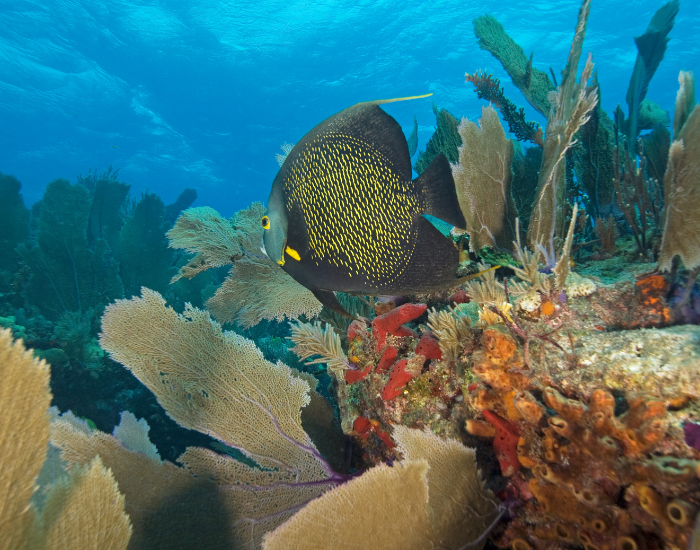
Florida offers some of the world’s best shark diving opportunities, and you don’t need to be an experienced diver to participate. You do not need to be scuba diving certified to join most shark diving tours, as many operators welcome uncertified divers and provide all necessary equipment. Many operators throughout the state offer shark diving experiences suitable for beginners, with professional guides and all necessary equipment provided.
Jupiter, Florida: The Shark Capital
Jupiter, on Florida’s east coast, has earned a reputation as one of the premier shark diving destinations in the world. The Gulf Stream passes close to shore here, bringing nutrient-rich waters that attract massive populations of sharks. During peak season (November through March), it’s not uncommon to encounter 6-8 different shark species on a single dive.
The most famous Jupiter shark diving experience involves cage-free diving with large species including bull sharks, tiger sharks, lemon sharks, and various hammerhead species. Professional dive operators use strict protocols to ensure safety while providing unforgettable encounters with these apex predators.
The Florida Keys: Diversity in Paradise
Shark diving in the Keys offers a completely different experience, focusing primarily on reef species and the occasional large pelagic visitor. The clear water and extensive reef systems provide excellent visibility and diverse encounters.
Many Keys operators offer combination trips that include both shark encounters and general reef diving, allowing participants to see how sharks fit into the broader marine ecosystem. These trips often include encounters with nurse sharks, Caribbean reef sharks, and occasionally larger species like bull sharks or hammerheads.
Shark Safety and Emergency Procedures: Coexisting Safely
While shark attacks remain extremely rare, understanding basic safety principles and emergency procedures is important for anyone spending time in Florida waters.
Understanding Risk
The actual risk of shark attack in Florida is remarkably low. According to the International Shark Attack File, your chances of being attacked by a shark in Florida waters are approximately 1 in 3.7 million. You’re statistically more likely to be struck by lightning than attacked by a shark.
However, certain activities and conditions can increase risk. Surfing, particularly in murky water during dawn or dusk, carries higher risk than most other water activities. Fishing areas, particularly where baitfish are concentrated, can also attract sharks.
Prevention Strategies
Most shark encounters can be avoided by following simple guidelines. Stay in groups when swimming or diving, avoid swimming at dawn or dusk when many sharks are most active, and avoid areas where fishing is taking place or where baitfish are schooling.
If you’re diving or snorkeling and encounter a shark, remain calm and avoid sudden movements. Most sharks are simply curious and will lose interest if you don’t behave like prey. Never attempt to touch or harass a shark, even apparently docile species like nurse sharks.
Emergency Response
In the extremely unlikely event of a shark attack, immediate medical attention is crucial. Most shark bites involve relatively minor injuries, but any wound from a large marine animal requires professional medical evaluation due to infection risk.
Florida’s coastal areas are generally well-equipped to handle marine emergencies. Coast Guard stations, emergency medical services, and hospitals with experience treating marine-related injuries are strategically located along the coast.
Living with Florida’s Ocean Guardians
The sharks of Florida represent one of the state’s most valuable natural resources, both ecologically and economically. These apex predators play crucial roles in maintaining healthy marine ecosystems while supporting a thriving eco-tourism industry that benefits communities throughout the state.
Understanding Florida coast sharks requires appreciating their complexity and importance rather than fearing them. These remarkable animals have survived for over 400 million years, but they now face unprecedented challenges from human activities. The choices we make today will determine whether future generations can experience the awe of encountering these magnificent predators in their natural habitat.
The future of shark conservation in Florida depends on continued research, education, and protection efforts. By supporting responsible shark tourism, advocating for habitat protection, and spreading accurate information about these remarkable animals, we can all contribute to ensuring that Florida’s waters remain a haven for sharks for generations to come.
Remember, when you enter Florida’s waters, you’re entering a complex ecosystem where sharks play vital roles as both predators and ecosystem engineers. Treat these waters with respect, follow safety guidelines, and appreciate the incredible privilege of sharing the ocean with some of nature’s most perfectly adapted predators. The sharks of Florida aren’t just tourist attractions or objects of fear – they’re essential components of one of the world’s most diverse and productive marine ecosystems.