What Is a Bull Snake?
If you’ve ever encountered a large, hissing snake in a sunlit prairie or sandy field, you might’ve met a bull snake. This impressive species is one of North America’s most misunderstood reptiles. Scientifically known as Pituophis catenifer sayi, the bull snake is a subspecies within the gopher snake family, which we have writte more about. The bullsnake is a large, heavy-bodied snake with yellow, brown, or cream coloration marked by dark blotches, known for its loud hissing, defensive behaviors, and its ecological role as a beneficial predator of rodents. It is classified as a non-venomous colubrid and is considered of least concern in terms of conservation status, playing an important part in local ecosystems.
Despite their intimidating appearance, bullsnakes are non-venomous. They’re powerful constrictors that keep rodent populations balanced. Bullsnakes are especially valuable to agriculture and ecosystem balance, as their diet of rodents, mice, rats, and ground squirrels helps protect crops and maintain healthy environments. In fact, farmers once considered these beneficial snakes the unsung heroes of natural pest control on their land.
Let’s explore 12 captivating facts about bullsnakes, from their defensive behaviors to their vital ecological role.
1. Bull Snakes Are One of the Largest Snakes in North America
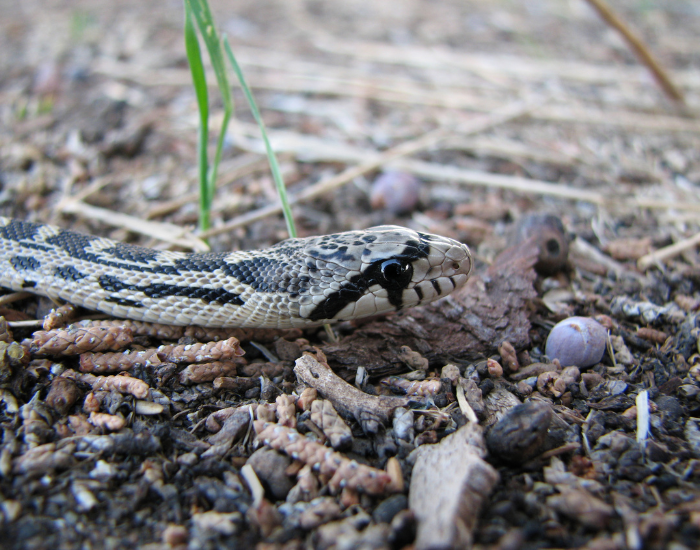
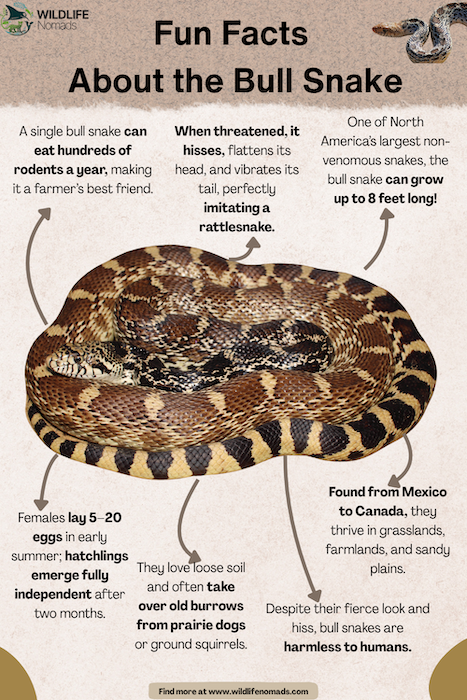
These reptiles rank among the continent’s heaviest species. Bullsnakes are known for their impressive size, making them one of the largest snakes, with a full-grown individual typically reaching 6 to 8 feet (1.8 to 2.4 meters). Some exceptional bullsnakes stretch even longer, making them genuinely impressive creatures with a large number of vertebrae supporting their muscular frame.
Their muscular build and thick body create an imposing presence. This heavy-bodied snake appearance often causes mistaken identity with venomous species like the rattlesnake. However, their size serves a practical purpose beyond intimidation.
Their considerable length helps them overpower prey effectively. Small mammals, ground squirrels, rabbits, and birds fall victim to their hunting prowess. Bullsnakes consume a large number of destructive rodents, playing a crucial role in pest control and benefiting agriculture by reducing rodent populations in old fields and prairies. Additionally, bullsnakes raid bird nests for eggs, consuming large quantities throughout spring and early spring.
Unlike venomous snakes that inject toxins, bullsnakes use constriction. They wrap powerful coils around prey and tighten gradually until the animal suffocates. This hunting method proves highly effective for catching rodents in burrows, burrowing animal systems, and old fields where mice and rats hide.
2. Bull Snakes Are Often Mistaken for Rattlesnakes
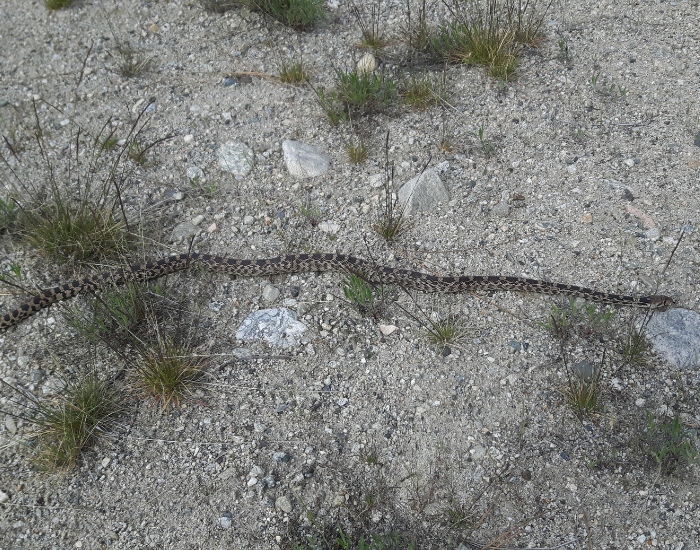
At first glance, a bull snake looks strikingly similar to a Western diamondback rattlesnake. This resemblance isn’t accidental but rather an evolutionary survival strategy that protects them from predators and humans alike.
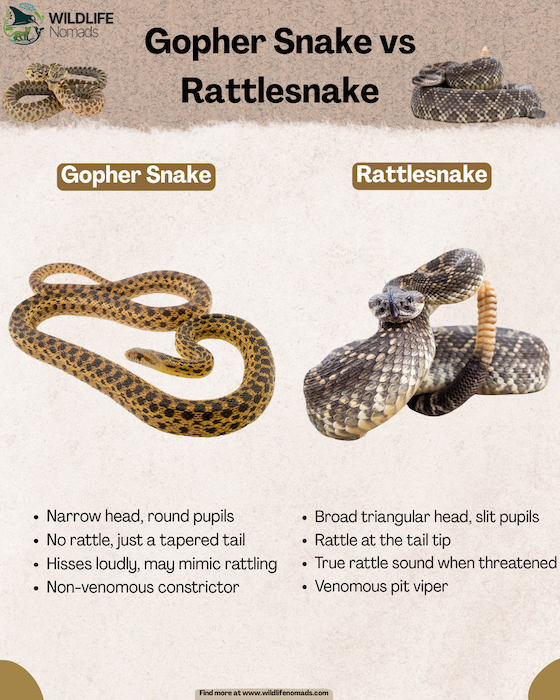
These snakes have evolved to mimic rattlesnakes in both appearance and defensive behaviors. When threatened, they flatten their heads dramatically, vibrate their tails rapidly, and hiss loudly. The sound closely resembles a rattlesnake’s warning, deterring potential predators who avoid venomous encounters.
This behavior, known as Batesian mimicry, protects them from predators who mistake them for venomous snakes. However, they lack a true rattle at the tail tip. Instead, their rough tail vibrates against dry grass or sandy soil, creating a convincing illusion that even experienced observers find believable.
Humans frequently kill bull snakes after mistaking them for rattlesnakes. Therefore, learning to identify key differences between the species saves countless beneficial snakes annually. Unlike rattlesnakes, bull snakes have round pupils, lack heat-sensing pits, and display a blotching pattern rather than diamond shapes. The rattlesnake typically shows more defined diamond patterns, while bullsnakes display large blotches and black blotches running down their backs.
3. Why Are They Called Bull Snakes?
The name “bull snake” likely originates from their deep, resonant hiss. This sound resembles the bellowing of an angry bull, which inspired early observers and farmers who encountered them in fields.
When threatened, these snakes exhale forcefully through a specialized structure called the glottis. This creates a loud, continuous hiss that carries considerable distance. Combined with head flattening and tail shaking, the display is remarkably convincing to both predators and humans.
Some regions refer to them as blow snakes or bullhead snakes. However, these names all point to the same impressive species. The genus Pituophis includes several related subspecies across North America, including pine snakes and other gopher snakes, but Pituophis catenifer sayi remains the most widespread throughout the Great Plains.

4. Where Are Bull Snakes Found?
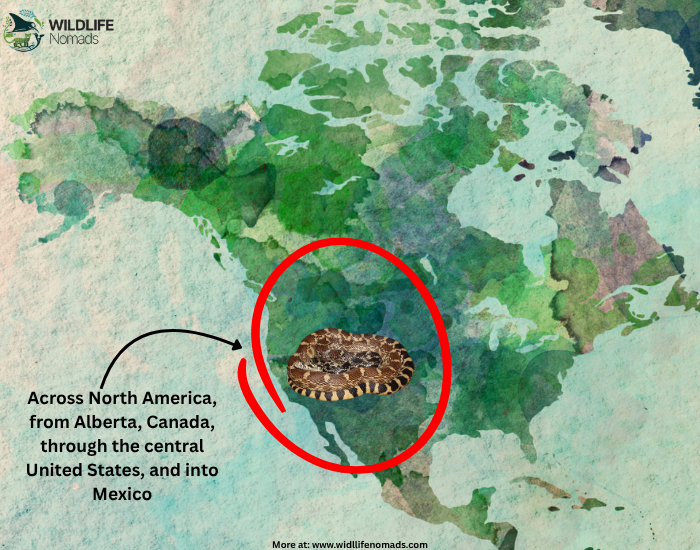
Bull snakes have one of the most extensive geographic ranges of any North American snake. They inhabit areas from northern Mexico through the central United States to southern Canada, making them one of the most snakes found across diverse habitats.
Their range extends across the Great Plains, including states like Kansas, Nebraska, Texas, Colorado, and South Dakota. They also occur in parts of eastern and western regions bordering the Midwest. This wide distribution reflects their remarkable adaptability to varied habitats and climates.
These snakes prefer loose soil where they can burrow easily. Ideal habitats include prairies, grasslands, farmlands, sandy soil areas, and desert scrublands. You might spot them near prairie dog towns, where prey abundance attracts them regularly throughout the warmer months.
Rock crevices and burrowing animal systems provide shelter and hunting grounds. Therefore, areas with healthy rodent populations typically support bull snake populations. Unfortunately, urban development and habitat loss threaten some populations as open fields convert to housing developments.
5. What Does a Bull Snake Look Like?
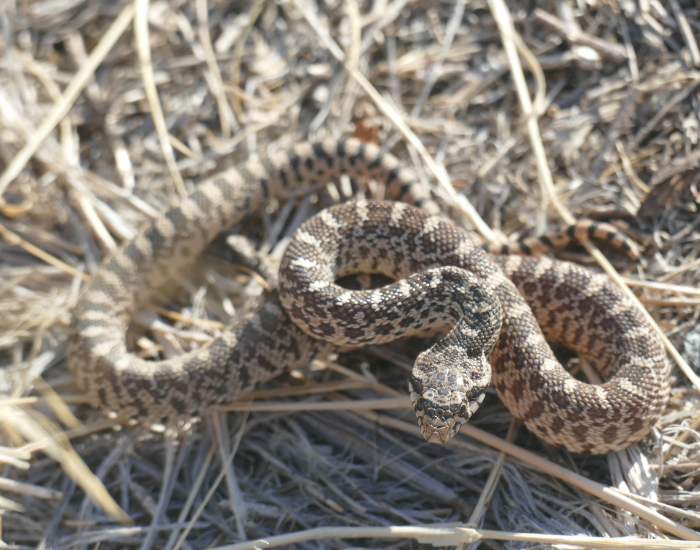
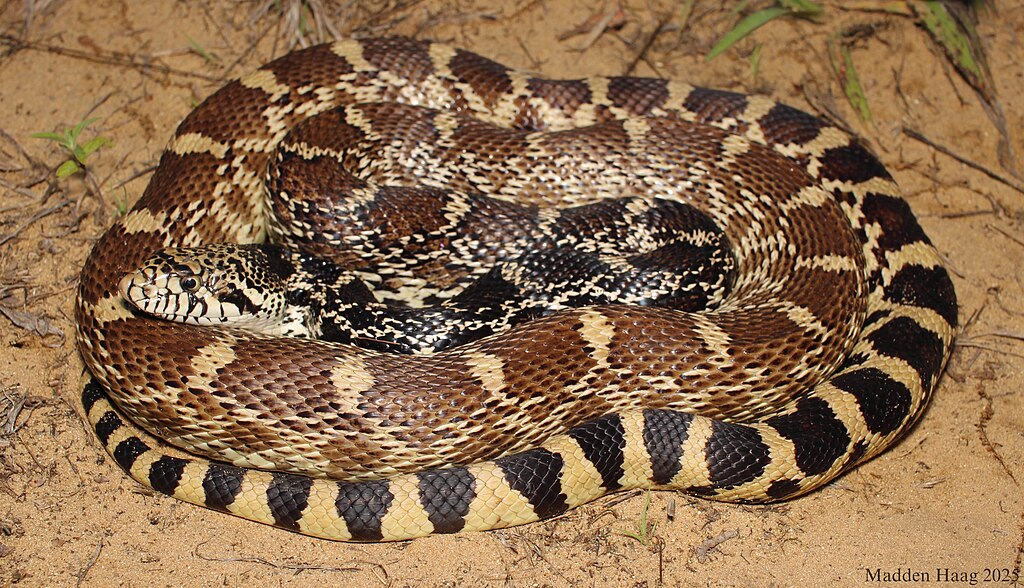
If you’re wondering what a bull snake looks like, envision a golden or tan background covered in dark blotches. This blotching pattern provides excellent camouflage against sandy soil and grassy terrain where they hunt.
Their coloration varies regionally, ranging from yellowish cream to reddish-brown or brown. Soil type and habitat influence their specific hue. Along the back, black blotches run in a chain-like pattern from head to tail, creating the distinctive appearance that helps identify the species.
The belly typically displays light yellow coloring with dark blotches scattered throughout. Their scales have a keeled texture, giving them a rough appearance compared to smooth-scaled snakes. The tail also features blotches that continue the pattern, though they may be less distinct near the tip.
Some people confuse them with black snakes due to their dark markings. However, true black racers are smaller, slimmer, and entirely dark without patterning. The bull snake’s large blotches and heavy body distinguish them clearly upon close inspection.
6. Bull Snakes Help Control Rodent Populations
If you’re wary of snakes, here’s compelling reason to appreciate them. Bull snakes function as natural pest controllers throughout their range, benefiting both farmers and ecosystems.
Their diet consists primarily of mice, lizards, rats, ground squirrels, and prairie dogs. They often raid burrows to catch rodents underground, using their muscular bodies to navigate tight spaces in burrowing animal systems. Additionally, they climb trees to reach bird nests for eggs and hatchlings, expanding their prey options beyond ground-dwelling species.
This diet benefits farmers and ecosystems tremendously. By reducing rodent populations, bull snakes help prevent crop damage and control diseases that rodents spread. A single snake can consume hundreds of rodents annually, providing efficiency no pesticide matches while maintaining ecological balance.
Farmers who recognize these beneficial snakes often protect them on their land. Therefore, educating agricultural communities about bull snake value improves conservation outcomes. These non-venomous predators offer free, sustainable pest management for farmlands and grasslands where rodents would otherwise damage crops.
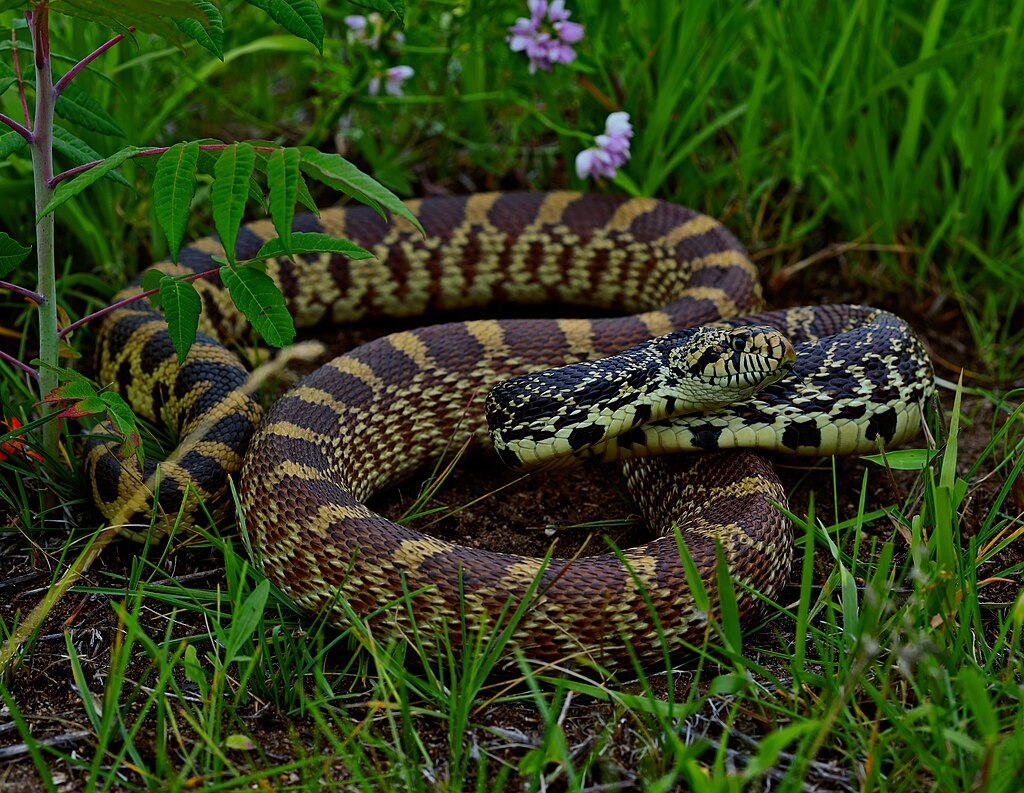
7. They Sometimes Eat Other Snakes (Including Venomous Species)
While not their primary prey, bull snakes occasionally eat other snakes when opportunities arise. They don’t actively hunt rattlesnakes the way kingsnakes do, but they’re capable of overpowering smaller species and other snakes in their territory.
In some areas, reports claim bull snakes eat rattlesnakes, though these cases remain relatively rare. Their thick scales and tough hides likely provide some protection from strikes. This allows them to coexist with venomous neighbors in shared habitats without constant conflict.
Competition for prey and shelter sometimes brings these species into conflict. However, bull snakes generally avoid confrontation with venomous snakes unless cornered or defending territory. Their defensive mimicry suggests they respect rattlesnakes as threats rather than viewing them primarily as food sources.
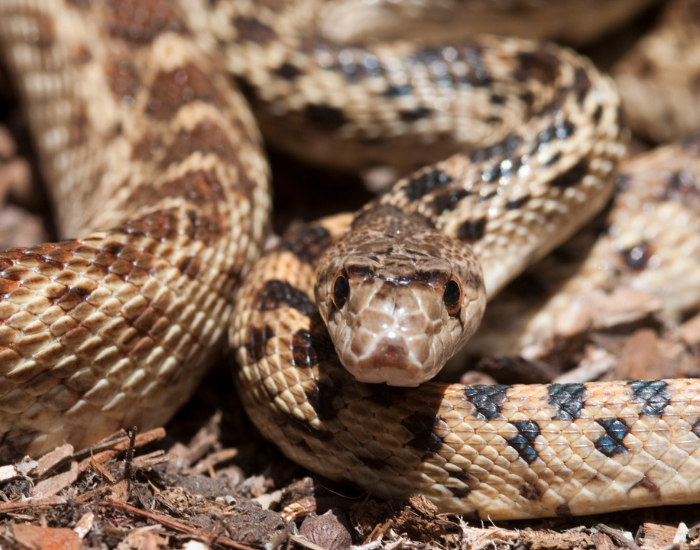
8. Bull Snakes Are Active During the Day
Unlike many snakes that prefer night hunting, bull snakes are diurnal. This means they’re most active during daylight hours, particularly morning and late afternoon when temperatures are moderate.
You’re most likely to encounter them basking in the morning sun or slithering through open fields. During the hottest hours, they retreat into burrows, rock crevices, or shaded areas. This behavior helps them regulate body temperature effectively throughout the day.
In early spring and early autumn, their activity patterns may shift slightly with temperature changes. They also use underground spaces to hibernate during winter months. Interestingly, they often share dens with other species, including rattlesnakes, without aggression during dormant periods.
This communal denning doesn’t typically result in conflict. Different species benefit from shared body heat during cold periods. However, when spring arrives and snakes emerge, bull snakes and rattlesnakes quickly separate to different territories for hunting and mating.
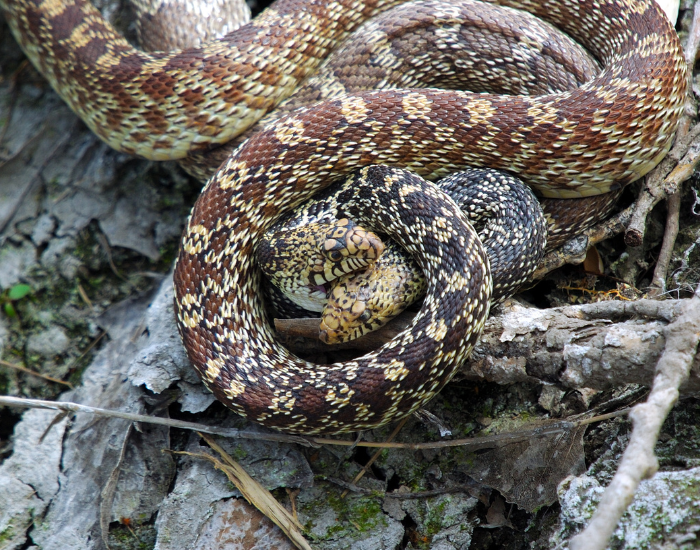
9. Bull Snakes Are Non-Venomous but Can Bite if Threatened
Let’s clarify this definitively: bull snakes mating. They belong to the Colubridae family, which includes other harmless snakes like garter snakes and kingsnakes that pose no threat to humans.
While a bull snake bite can be painful, it poses no danger to humans. Their teeth are small and designed for gripping prey, not injecting venom. Most bites occur when people attempt to handle or kill them after misidentification with venomous species.
If you encounter one, maintain distance and allow it space to retreat. It may hiss loudly, strike defensively, or “rattle” its tail vigorously against the ground. However, this is purely defensive behavior meant to deter threats, not aggression.
Once left alone, these snakes retreat peacefully. Therefore, the best approach is simply observing from a safe distance. If one appears near your home, contact local wildlife services for safe relocation rather than attempting removal yourself or killing the snake unnecessarily.
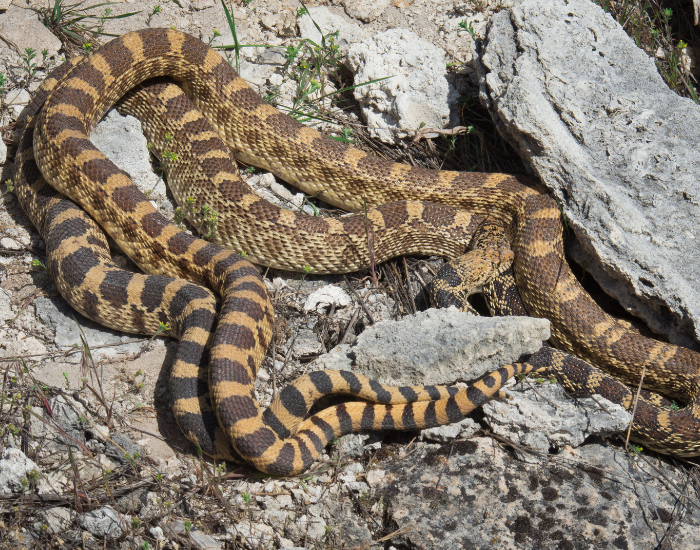
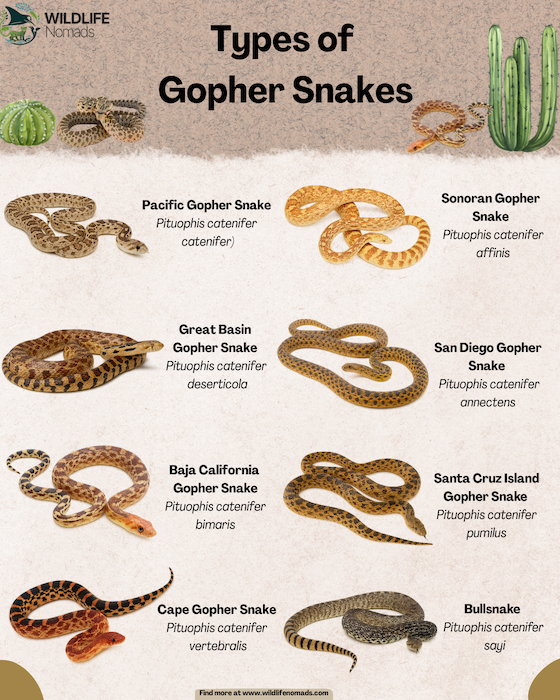
10. How to Tell a Bull Snake from a Gopher Snake
A common question arises: Are bull snakes and gopher snakes the same species? Technically, yes—the bull snake is a subspecies of the broader gopher snake group (Pituophis catenifer), though they’re sometimes called gopher snakes interchangeably.
However, subtle differences distinguish them. Bull snakes (P. c. sayi) typically grow larger and inhabit the Great Plains region. Gopher snakes represent a broader group found throughout western North America, including various subspecies adapted to different habitats.
Bull snakes generally display darker blotches and a more pronounced “rattlesnake-like” head shape. Their coloration tends toward browns and yellows rather than the grayer tones of some gopher snake subspecies found in western regions.
If someone calls it a “blow snake” or “pine snake,” they’re likely referencing related subspecies within the genus Pituophis. These regional names reflect local familiarity rather than scientific classification. All belong to the genus Pituophis and share similar ecological roles as rodent predators.
11. Bull Snakes Are Surprisingly Adaptable
These snakes thrive across remarkably diverse habitats. From southern Canada to northern Mexico, and from dry farmlands to forest edges, they demonstrate impressive adaptability to varied environments.
They tolerate dry climates, rocky areas, and even urban development where conditions allow. You might find them hunting rodents around barns, sheds, or gardens where mice and rats congregate. Their ability to climb means they’re not limited to ground-level hunting, accessing bird nests in trees and shrubs.
However, this adaptability also brings them into conflict with humans. Many are killed unnecessarily due to fear or misidentification. Even though they’re completely harmless to humans, mistaken identity with rattlesnakes proves fatal for countless individuals annually.
Learning to identify them properly is crucial for coexistence. Key identification features include their patterned scales, lack of a rattle, round pupils, and absence of heat-sensing pits. Additionally, their body shape is generally heavier and less angular than true rattlesnakes, which have more triangular heads.
12. Bull Snakes Play a Key Role in Ecosystem Health
Ecologically speaking, bull snakes are vital members of their ecosystems. By keeping rodent and small mammal populations balanced, they prevent overgrazing and disease spread throughout grasslands and prairies.
They serve as both predator and prey within the food web. Birds of prey and coyotes hunt young bull snakes and smaller individuals. This creates an essential link connecting small mammals to larger predators in the ecosystem hierarchy.
Their presence indicates a healthy, functioning ecosystem with balanced prey populations. Areas with thriving prairie dog towns, abundant grasslands, and diverse wildlife typically support bull snake populations. Therefore, protecting these snakes means protecting the habitats they occupy and the species that depend on them.
Conservation efforts focusing on grassland preservation benefit bull snakes directly. When we maintain open prairies and limit urban development, we support the entire ecosystem. These snakes exemplify how beneficial predators maintain natural balance without human intervention, controlling rodents naturally.
Mating and Reproduction
Bull snakes begin mating in late spring, soon after emerging from hibernation. Males may engage in brief wrestling matches to compete for females, though these displays rarely cause harm. This mating behavior occurs in early spring when temperatures warm sufficiently for activity.
Females lay 5 to 20 eggs in sandy soil or abandoned burrows, where the warmth of the ground provides natural incubation. The eggs develop throughout spring and early summer, with hatchlings emerging after about two months. Young snakes measuring 12 to 18 inches emerge fully independent, no parental care needed from females or males.
In the wild, bull snakes can live 15 to 20 years, contributing to stable populations where habitats remain intact. Their long life span and reproductive success help maintain healthy ecosystems year after year, ensuring continuous rodent control and ecological balance.
Subspecies and Classification
Bull snakes (Pituophis catenifer sayi) are a subspecies of the gopher snake, part of the genus Pituophis, which also includes relatives like the Pacific gopher snake and Florida pine snake. Found mainly across the central plains, from southern Canada to northern Mexico, they’re distinguished by their heavy build and dark blotched pattern on a yellow, brown, or cream background.
Highly adaptable, bull snakes thrive in grasslands, prairies, and open forests with loose soil ideal for burrowing. Their presence signals a healthy ecosystem, as they help control rodent populations naturally. Though beneficial to farmers, they’re often mistaken for rattlesnakes and killed unnecessarily by humans who fear venomous bites. Protecting these snakes supports not just one species but the ecological balance of North America’s grasslands.
FAQs About Bull Snakes
Not seriously. These non-venomous snakes only bite if handled roughly or threatened. Their bite might sting briefly but poses no medical danger. Most people never experience bites because snakes retreat when given opportunity.
They’re found throughout the U.S. Midwest, Great Plains, and Southwest. This includes Texas, Kansas, Colorado, Nebraska, South Dakota, and portions of surrounding states. Their range extends from northern Mexico to southern Canada.
Their deep, resonant hiss resembles a bull’s bellow. This distinctive sound inspired the common name. Regional variations include blow snake and bullhead snake.
Occasionally, though rodents form their primary diet. They’re capable of overpowering smaller snakes but don’t actively hunt venomous species like kingsnakes do.
A full-grown bull snake typically reaches 6 to 8 feet in length. Exceptional individuals may grow larger, making them one of North America’s longest non-venomous snakes.
Abundant rodents, bird nests, and loose soil for burrowing attract them. They may appear near farms, fields, or gardens with high prey populations. Removing rodent attractants reduces snake presence.
Captive-bred individuals can make docile pets with proper care. However, wild snakes should remain in nature where they fulfill important ecological roles. Check local regulations before considering snake ownership.
Bull snakes have round pupils, no heat-sensing pits, and lack a true rattle. Their blotching pattern differs from rattlesnake diamonds. Additionally, their body shape is generally heavier and their head less triangular.
Respect the Rattling Impostor
The bull snake may lack venom or fangs, but it deserves equal respect with any wildlife. As nature’s pest controller and one of North America’s most impressive reptiles, it plays a crucial yet quiet role.
These heavy-bodied snakes maintain ecosystem balance by controlling rodent populations. Their mimicry of rattlesnakes is a defensive adaptation, not aggression. Understanding this distinction helps protect countless beneficial snakes from unnecessary killing.
Next time you hear that telltale hiss or spot a patterned shape in the grass, pause. It’s not a threat but rather a guardian of the prairie. These remarkable creatures maintain the natural order while asking nothing in return except safe passage through their territories.
By appreciating bull snakes, we support healthier ecosystems and more sustainable pest management. Their conservation depends on public understanding and habitat protection. Therefore, sharing accurate information about these misunderstood reptiles becomes everyone’s responsibility.
Further Reading:
- Gila Monster: 12 Surprising Facts
- The Untold Story of the Pine Snake
- 10 Facts About the California Mountain Kingsnake
- Black Snakes in Florida
- 10 Things to Know About the Red Rat Snake