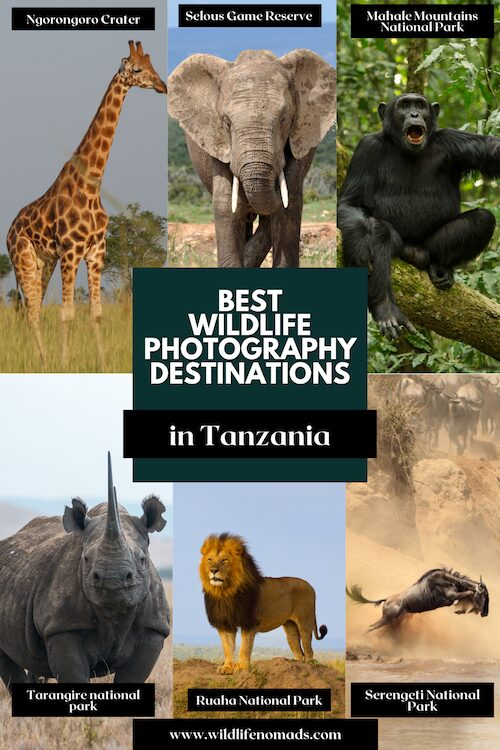
Tanzania stands as one of the world’s premier safari destinations. This East African country offers unparalleled wildlife viewing opportunities across diverse ecosystems. From the iconic Great Migration to rare chimpanzee encounters, Tanzania safaris deliver unforgettable experiences for wildlife enthusiasts.
Why Tanzania is Great Your Safari Adventure
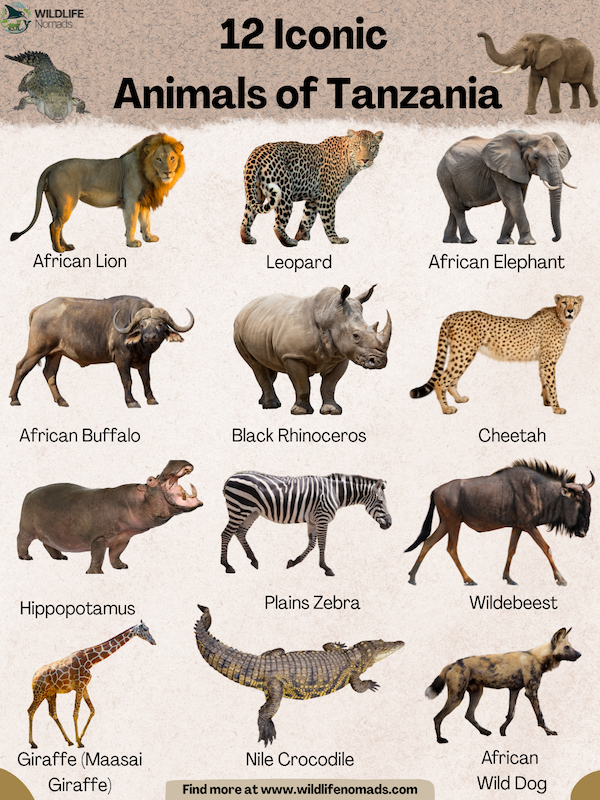
Tanzania hosts approximately 20% of Africa’s large mammal population, making it an exceptional destination for game viewing. The country boasts over 300 mammal species and more than 1,000 bird species. These impressive numbers reflect Tanzania’s remarkable biodiversity.
The nation’s commitment to conservation is evident in its extensive protected areas. National parks cover roughly 42,000 square kilometers, representing about 38% of the country’s territory. This dedication ensures thriving wildlife populations for generations to come.
Endemic species add unique appeal to Tanzanian safaris. Visitors can observe the Pemba flying fox, Tanzanian red-billed hornbill, and Udzungwa red colobus monkey. These species exist nowhere else on Earth.
For each place, you will find suggestion on where to book wildlife experiences and visit Tanzania to see animals.
This website is reader-supported. When you book a wildlife experience through links listed on this site, we may earn an affiliate commission.
1. Serengeti National Park: Witness the Great Migration
Serengeti National Park covers 14,750 square kilometers of pristine wilderness in northern Tanzania. This iconic park ranks among Africa’s most celebrated wildlife destinations. The endless plains stretch as far as the eye can see.
The Great Migration Spectacle
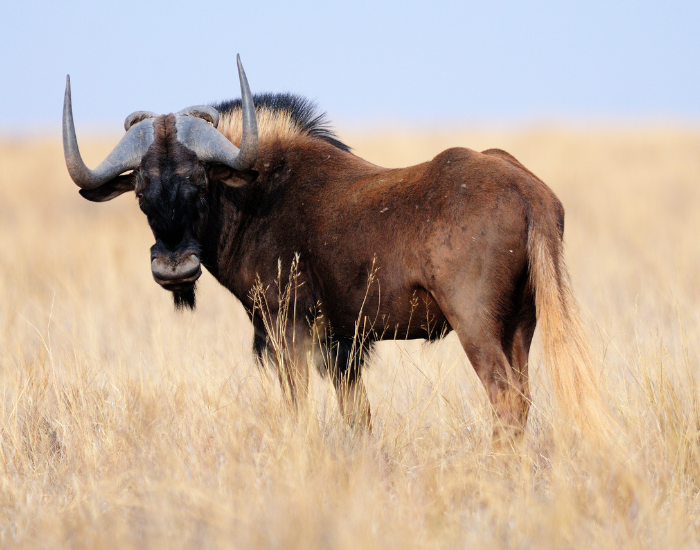
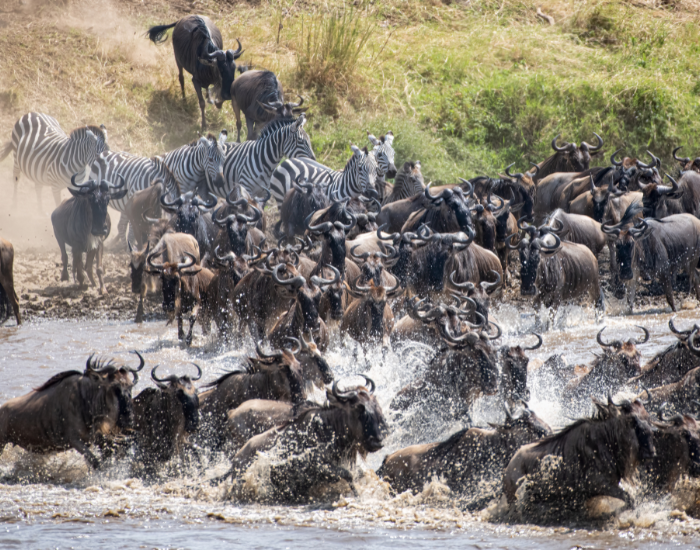
Over 1.5 million wildebeest participate in the annual Great Migration, accompanied by hundreds of thousands of zebras and gazelles. This natural phenomenon represents the largest animal migration on Earth. Animals traverse the Serengeti plains in search of fresh grazing lands and water sources.
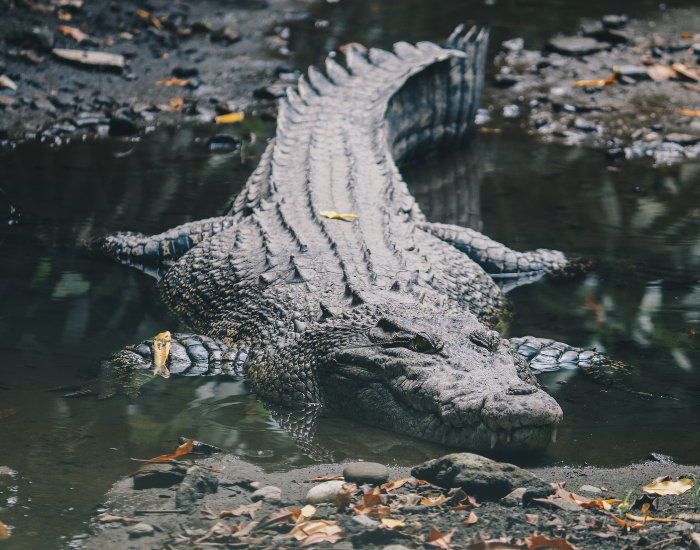
The migration follows a circular route throughout the year. Dramatic river crossings occur at the Mara River, where wildebeest face treacherous waters filled with crocodiles. These moments create heart-stopping wildlife photography opportunities.
Predator Paradise
The park is home to over 3,000 lions, making it Africa’s largest lion population. Leopards, cheetahs, and hyenas also thrive in this ecosystem. The open landscapes provide excellent visibility for spotting these magnificent carnivores.
Serengeti’s diverse habitats support varied wildlife beyond predators. Elephants, giraffes, and buffaloes roam the woodlands. The park truly showcases the complete African safari experience.
Best Time to Visit Serengeti National Park
Dry Season (June-October): This period offers peak game viewing conditions. Animals congregate around water sources, making wildlife spotting easier. River crossings occur during this time, providing spectacular photography opportunities. However, expect larger crowds during these popular months.
Wet Season (November-May): The calving season runs from December to March. Thousands of wildebeest calves are born daily, attracting numerous predators. This period offers fewer tourists and lush landscapes, ideal for those seeking a more intimate safari experience.
Where to Experience Wildlife in Serengeti
The Seronera Valley in central Serengeti provides year-round game viewing. This area features dense wildlife populations and is particularly known for leopard sightings. The Western Corridor hosts the Grumeti River crossings from June to July. Northern Serengeti offers the famous Mara River crossings from July to September.
Recommended Tours in The Serengeti:
2. Ngorongoro Crater: Africa’s Garden of Eden
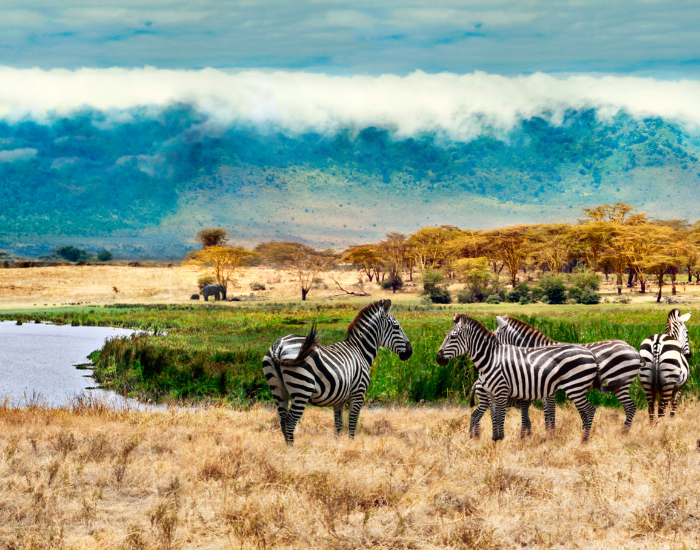
The Ngorongoro Crater stands as a UNESCO World Heritage Site and natural wonder. This volcanic caldera is the largest intact crater in the world, spanning 260 square kilometers. The crater floor creates a natural amphitheater teeming with wildlife.
Concentrated Wildlife Viewing
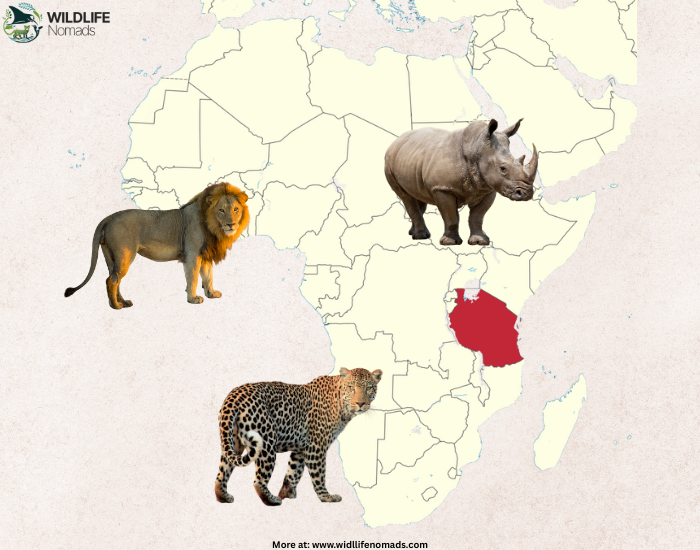
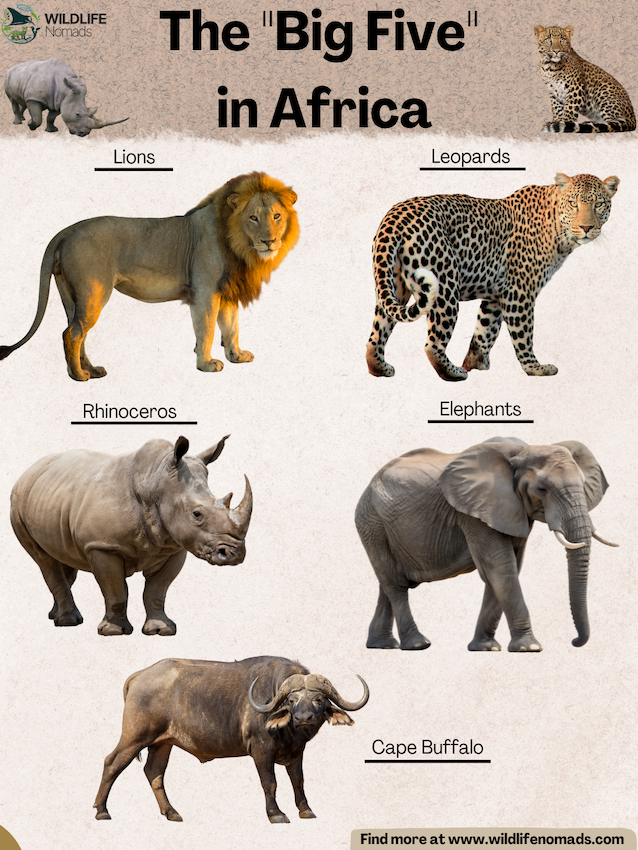
The crater floor hosts approximately 26,000 large animals. This high concentration makes Ngorongoro one of Africa’s best locations for viewing the Big Five in a single day. Lions, leopards, elephants, buffalo, and the endangered black rhino all inhabit this unique ecosystem.
The enclosed nature of the crater creates a self-sustaining habitat. Animals rarely need to migrate, ensuring consistent wildlife viewing throughout the year. Visitors can observe hippos wallowing in pools and flamingos gracing the soda lake.
Best Time to Visit Ngorongoro Crater
Dry Season (June-October): Clear weather enhances visibility across the crater floor. Shorter grass allows for easier animal spotting. However, this peak season brings more visitors to the conservation area.
January-March: Wildebeest calving season occurs during these months. February offers particularly good predator sightings as big cats hunt vulnerable calves. March marks the beginning of the long rains, bringing lush greenery and fewer crowds.
Recommended Tours in The Ngorongoro Crater:
3. Ruaha National Park: Wild Africa at Its Best
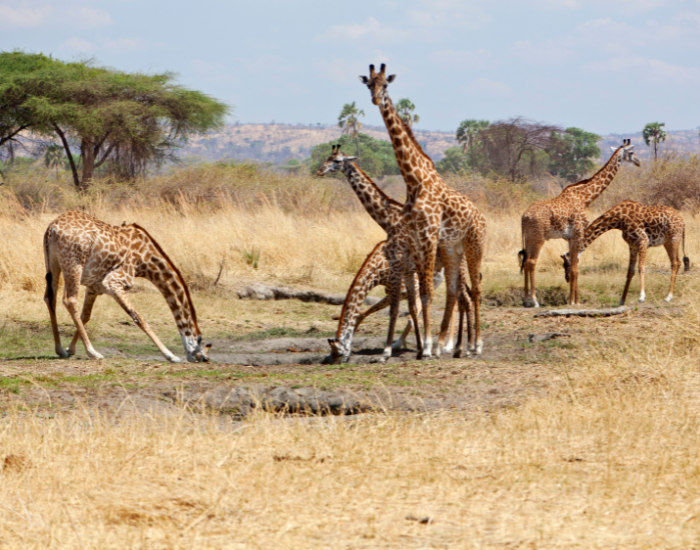
Ruaha National Park covers 20,226 square kilometers, making it Tanzania’s largest national park. Despite its size, Ruaha remains one of the country’s least-visited parks. This remoteness appeals to travelers seeking authentic wilderness experiences.
African Wild Dog Territory
Ruaha serves as one of Africa’s last strongholds for the endangered African wild dog. These highly social predators hunt cooperatively in packs. Witnessing wild dogs represents a highlight for serious wildlife enthusiasts.
The park also hosts one of East Africa’s largest lion populations. These apex predators thrive in Ruaha’s diverse habitats. Elephants gather in impressive herds along the Ruaha River during the dry season.
Unique Cross-Over Ecosystem
Ruaha occupies a transitional zone between East and Southern Africa. This unique position creates a blend of species from both regions. Greater and lesser kudu coexist here, a rare occurrence in East Africa.
The park’s landscapes vary from rolling hills to seasonal rivers. Baobab trees dominate certain areas, creating dramatic backdrops for photography. Open plains alternate with dense woodlands, supporting diverse wildlife communities.
Best Time to Visit Ruaha National Park
Dry Season (June-October): Wildlife viewing reaches its peak during these months. Animals concentrate around the Ruaha River and remaining water sources. Warm weather and thinning vegetation enhance game viewing opportunities.
Recommended Tours in Ruaha National Park:
4. Mahale Mountains National Park
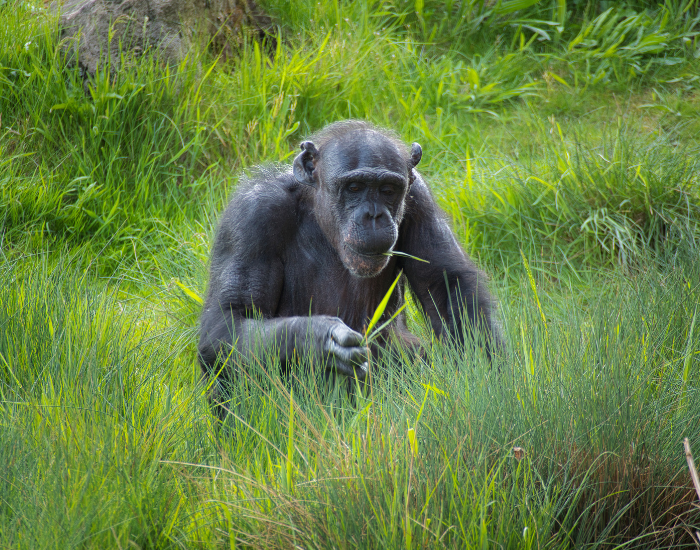
Nestled along the shores of Lake Tanganyika in western Tanzania, Mahale Mountains National Park is one of the most breathtaking yet least accessible wildlife destinations. The park is one of the best places in the world to see wild chimpanzees, with over 1,000 individuals living in the forested mountains. Unlike traditional safaris, visitors here trek through the jungle to observe chimpanzees in their natural habitat, a truly immersive wildlife experience. Another unspoiled wilderness area in Tanzania is Katavi National Park, known for its diverse wildlife and unique ecosystems, offering activities like game drives and bird watching.
Best Time to Visit Mahale Mountains
Dry Season (June-October): Chimps are easier to track during these months. Reduced rainfall makes trekking conditions more comfortable. This period offers the highest success rates for chimpanzee encounters.
Wet Season (November-May): Lush forest landscapes create stunning scenery. Birdwatching improves as migratory species arrive. However, trekking becomes more challenging due to muddy conditions.
Recommended tours in Mahale Mountains
5. Selous Game Reserve (Nyerere National Park)
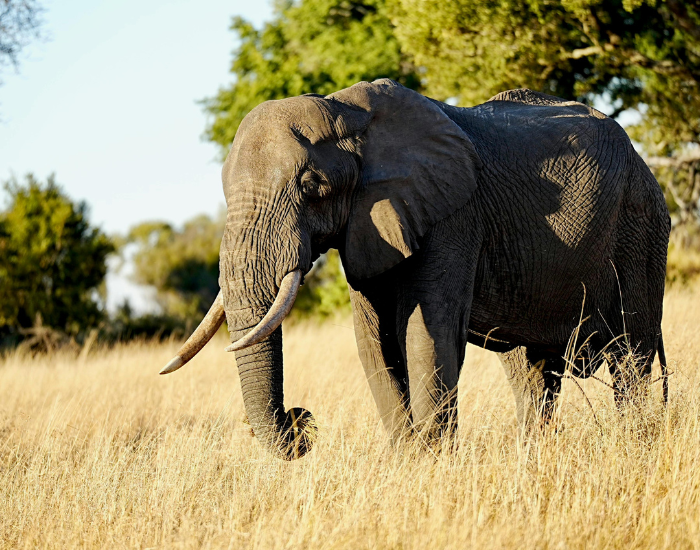
Renamed Nyerere National Park, Selous Game Reserve is one of Africa’s largest protected areas, covering 50,000 km². Unlike traditional safari parks, Selous is famous for its diverse waterways, woodlands, and floodplains, making it one of the best places in Tanzania for boat safaris and walking safaris. It is home to a wide variety of wildlife, including one of Africa’s largest populations of elephants. Reliable safari vehicles are essential for exploring the diverse landscapes of Selous Game Reserve, ensuring a safe and enriching adventure.
Best Time to Visit:
June – October: Dry season, no rain to the Selous, minimizing malaria risk and concentrating wildlife around water sources like the Rufiji River. It’s an ideal time for safaris, with optimal wildlife viewing and comfortable conditions. The dry season ensures a memorable and safe experience in this stunning ecosystem.
Recommended Tours in Selous Game Reserve
6. Tarangire National Park: Elephant Empire
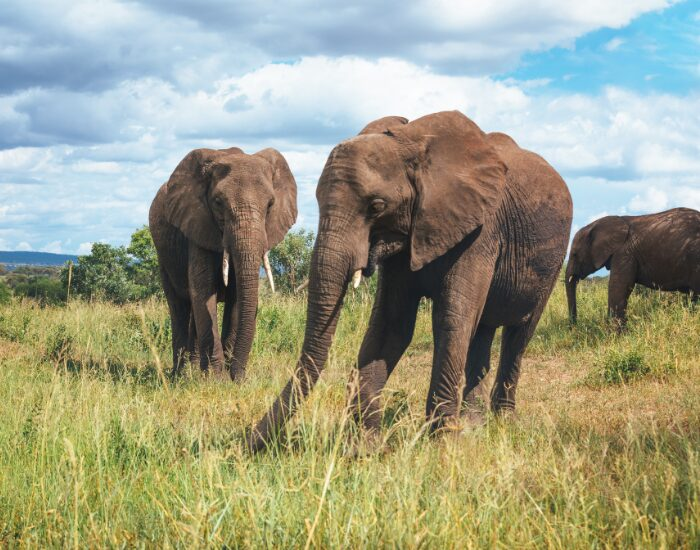
Tarangire National Park, often overshadowed by its more famous neighbors, is a hidden gem that offers a unique and intimate safari experience. Known as the “Elephant Empire,” this park is renowned for its large elephant herds, which can often be seen congregating around the Tarangire River. The park’s diverse landscape, which includes savannas, woodlands, and wetlands, provides a rich habitat for a wide variety of wildlife.
In addition to elephants, Tarangire is home to over 500 species of birds, making it a birdwatcher’s paradise. The park also boasts healthy populations of lions, leopards, and cheetahs, as well as lesser-known species like the fringe-eared oryx and the gerenuk. The unique baobab trees that dot the landscape add to the park’s distinctive charm.
Best Time to Visit:
- June – October: The dry season is the best time to visit Tarangire National Park, as wildlife congregates around the Tarangire River and other water sources, making them easier to spot. The thinning vegetation also improves visibility for game viewing.
Where to Experience Wildlife at Tarangire National Park?
Some of the best places to experience wildlife at Tarangire National Park include:
The Matete Hills: Offering stunning views of the surrounding landscape, the hills are home to a wide range of wildlife and provide a picturesque backdrop for your safari adventure.
The Tarangire River: This lifeline of the park attracts a multitude of animals, especially during the dry season, providing excellent opportunities for wildlife viewing.
The Silale Swamp: A haven for birdlife and mammals, the swamp is a must-visit for those interested in the park’s diverse avian species.
Recommended Tours in Tarangire National Park
7. Lake Manyara National Park: Tree Climbing Lions
Lake Manyara National Park may be small, but it delivers diverse safari experiences. The park’s most famous attraction is its population of tree-climbing lions. These lions display unusual behavior rarely seen elsewhere in Africa.
Diverse Ecosystems in Miniature
Despite its compact size, Lake Manyara encompasses varied habitats. Dense groundwater forests give way to open grasslands. The alkaline lake itself dominates much of the park’s area.
The lake attracts thousands of flamingos, creating pink-hued vistas. Other water birds including pelicans, storks, and cormorants thrive here. Over 400 bird species have been recorded in the park.
Wildlife Encounters
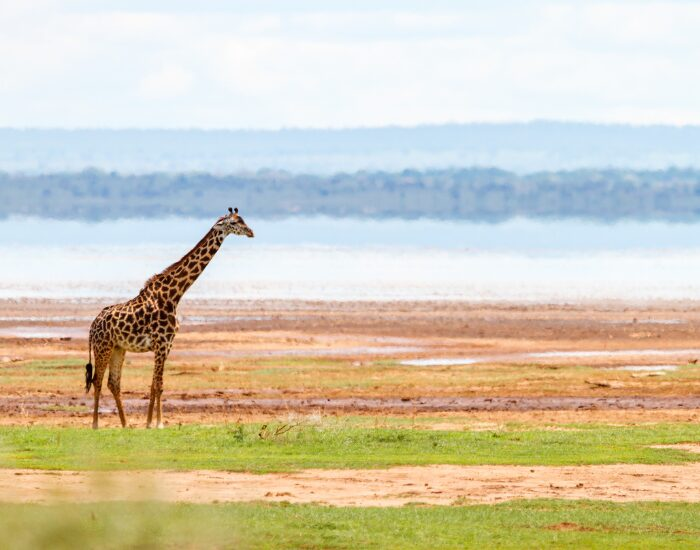
Elephants, hippos, and giraffes frequent Lake Manyara. Buffaloes form large herds in the woodlands. The park offers excellent game viewing despite its modest dimensions.
The groundwater forest provides habitat for baboons and blue monkeys. These primates often entertain visitors with their antics. The park’s varied landscapes support surprising wildlife diversity.
Best Time to Visit Lake Manyara
Dry Season (June-October): Animals concentrate around water sources. Game viewing becomes easier as vegetation thins. Weather conditions remain pleasant for safari activities.
Experience Wildlife in Lake Manyara:
Getting to Tanzania Safari Destinations
Kilimanjaro International Airport serves as the primary gateway for northern circuit safaris. This airport provides convenient access to Serengeti, Ngorongoro, Tarangire, and Lake Manyara. Arusha, located near the airport, serves as the safari capital.
Dar es Salaam offers access to southern Tanzania parks. Julius Nyerere International Airport connects to Nyerere National Park and other southern destinations. The city also provides ferry connections to Zanzibar.
Internal flights connect various safari destinations. Several airstrips throughout Serengeti facilitate quick access to different park regions. Charter flights reduce travel time between parks significantly.
What to Pack for Your Tanzania Safari
Essential items include lightweight, neutral-colored clothing. Long sleeves and pants protect against sun and insects. Comfortable walking shoes suit various safari activities.
Quality binoculars enhance wildlife viewing significantly. Camera equipment with telephoto lenses captures memorable moments. Spare batteries and memory cards prevent disappointment.
Sunscreen, insect repellent, and basic medications prove essential. A good hat provides sun protection during game drives. Bring both warm layers for cool mornings and light clothing for hot afternoons.
Best Time to See Wildlife in Tanzania
Tanzania’s wildlife is spectacular year-round, but the best time to visit depends on your interests:
- June – October (Dry Season): Best for big game viewing, as animals gather around water sources.
- November – May (Wet Season): Lush landscapes, fewer tourists, and excellent birdwatching.
- The Great Migration Timing:
- June – July: Best for dramatic river crossings and the see the Great migration.
- December – March: Best for calving season, with high predator activity.
Tanzania’s geographic diversity, rich biodiversity, and commitment to conservation make it one of the most rewarding wildlife destinations in the world. Whether you dream of witnessing the Great Migration in the Serengeti, tracking wild dogs in Ruaha, or coming face-to-face with chimpanzees in Mahale, Tanzania offers once-in-a-lifetime experiences.
No matter which destination you choose, one thing is certain: a wildlife safari in Tanzania is an unforgettable journey into the heart of Africa’s wild beauty.
Dar es Salaam serves as a central hub for accessing nearby attractions such as Zanzibar and various national parks. Its proximity to notable destinations like Saadani and Mikumi National Park makes it an important stopover for visitors exploring Tanzania’s natural beauty. Additionally, Kilimanjaro International Airport is a major entry point for travelers heading to popular safari destinations, making it essential for logistics and overnight stays in Arusha while exploring nearby attractions.
Frequently Asked Questions
June through October offers peak game viewing during the dry season. However, December through March provides excellent calving season experiences with fewer crowds.
A minimum of 5-7 days allows visits to 2-3 parks. Ten days or more enables more comprehensive northern or southern circuit exploration.
Tanzania maintains strong safety records for safari tourism. Reputable operators prioritize guest security. Following guide instructions ensures safe wildlife encounters.
Yes, Tanzania offers excellent Big Five viewing opportunities. Serengeti and Ngorongoro Crater provide particularly good chances to see all five species.
Yellow fever vaccination is required for most travelers. Consult travel health professionals for additional recommendations based on your itinerary.
Your Tanzanian Safari Awaits
Tanzania stands unmatched as a wildlife safari destination. The country’s geographic diversity supports extraordinary animal populations. From Serengeti’s endless plains to Mahale’s forested mountains, each park offers unique experiences.
The Great Migration represents nature’s most spectacular event. However, Tanzania’s appeal extends far beyond this famous phenomenon. Year-round wildlife viewing, diverse ecosystems, and varied safari activities create unforgettable journeys.
Whether tracking chimpanzees, photographing lions, or watching elephants, Tanzania delivers. The country’s commitment to conservation ensures these experiences will continue. Start planning your Tanzanian safari adventure today—the wildlife of East Africa awaits your discovery.