Ever wondered why a pelican’s beak looks so different from a hummingbird‘s? Or what exactly is a bird’s beak made of? You’re about to discover one of nature’s most ingenious designs – the avian beak. From the tiniest finch to the mightiest eagle, every bird’s survival depends on this remarkable tool that’s perfectly crafted for their specific lifestyle.
Let’s dive into the captivating world of bird beaks and uncover why these structures are so much more than just “bird mouths.”
What Is a Bird’s Beak Actually Called?
Before we explore the diversity of beak types, let’s clear up some terminology that often confuses people. What is a bird’s beak called, exactly?
The terms “beak” and “bill” are essentially interchangeable – both refer to the external mouth structure of birds. Scientists studying bird anatomy might use “rostrum” in formal contexts, but you’ll rarely hear this outside academic circles.
The bird’s beak consists of two main parts: the upper beak (maxilla) and the lower mandible. Together, they form what we commonly call the bird’s mouth, though technically, the beak is just the external covering of the bird’s actual mouth structure.
Here’s something that might surprise you: a bird’s beak isn’t technically part of its skull, though it’s attached to underlying bones. The beak covers the bone structure, much like how your fingernails cover your fingertips. The sharp edges and point of many beaks help birds with precise feeding and foraging behaviors.
The Science Behind What Bird Beaks Are Made Of
Now for the million-dollar question: what are birds beaks made of? This is where things get really interesting from a biology perspective.
Bird beaks are composed of a horny outer keratin layer called the rhamphotheca – the same protein found in human nails and hair. But that’s just the beginning of this fascinating anatomy story.
Bird beaks are actually layered structures containing underlying bone covered by an outer keratin layer. This multi-layered design represents brilliant natural engineering – the bones provide structural strength while the keratin offers flexibility and protection.
What are beaks made of in more detail:
- Outer keratin layer (rhamphotheca): Provides protection, grows continuously like nails, and varies in color and texture based on species and habitat
- Vascular layer: Supplies blood to keep the beak healthy and growing
- Dermis layer: Connects the keratin to the underlying bone structure
- Bony core: Provides structural support and connects to the skull bones
The keratin grows continuously throughout a bird’s life through natural growth processes. This is crucial because beaks experience constant wear from daily activities like eating, preening, and nest-building. The tip of the beak typically experiences the most wear and requires constant renewal.
The 4 Main Types of Bird Beaks (And Why They Matter)
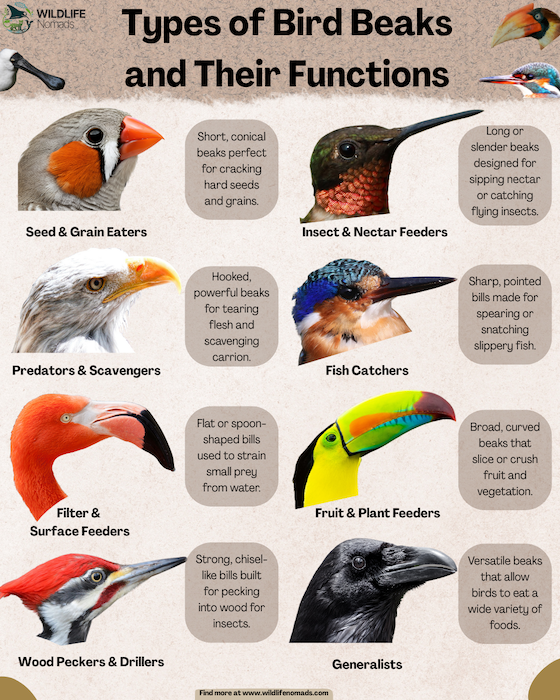
While there are dozens of beak variations, ornithologists generally recognize four primary bird’s beak types, each perfectly adapted for specific functions:
1. Seed-Eating Beaks: The Nutcrackers
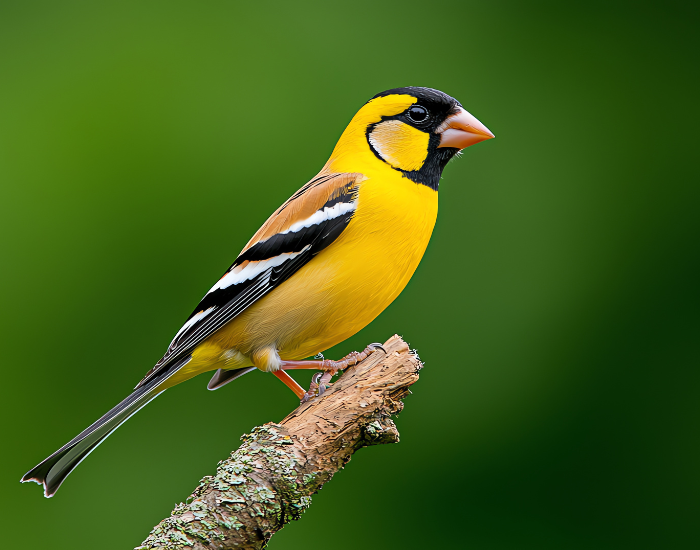
These stout beaks are typically short, thick, and cone-shaped – perfectly adapted for cracking open seeds and nuts. Think of cardinals, finches, and sparrows. The powerful jaw muscles attached to these beaks can generate incredible pressure, allowing birds to crack even the toughest seeds.
The shape of these beaks varies among species based on their preferred seed types. Smaller birds like finches have more delicate seed-cracking beaks, while larger species can handle tougher nuts and seeds.
Examples: Northern Cardinals, House Finches, Evening Grosbeaks
2. Insect-Eating Beaks: The Precision Tools
Thin, pointed, and often slightly curved, these beaks are designed for precision foraging. They can pluck tiny insects from bark crevices or catch them mid-flight. The narrow shape allows for incredible accuracy when targeting small prey.
These birds often have specialized feeding behaviors, using their sharp beaks to probe into shells, bark, and other surfaces where insects hide.
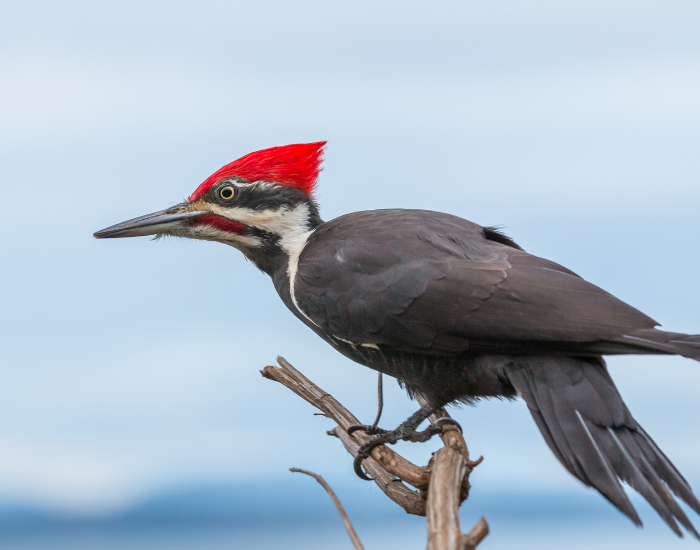
Examples: Woodpeckers, Nuthatches, Wrens
3. Nectar-Feeding Beaks: The Specialized Sippers
Long, thin, and often curved, these beaks are nature’s drinking straws perfectly adapted for accessing flowers and tree sap. Hummingbirds are the classic example, but many other species have evolved similar adaptations for eating nectar.
The length and shape of these beaks often corresponds directly to the flowers they feed from, showing remarkable co-evolution between birds and plants.
Examples: Hummingbirds, Sunbirds, Honeycreepers

4. Carnivorous Beaks: The Predators
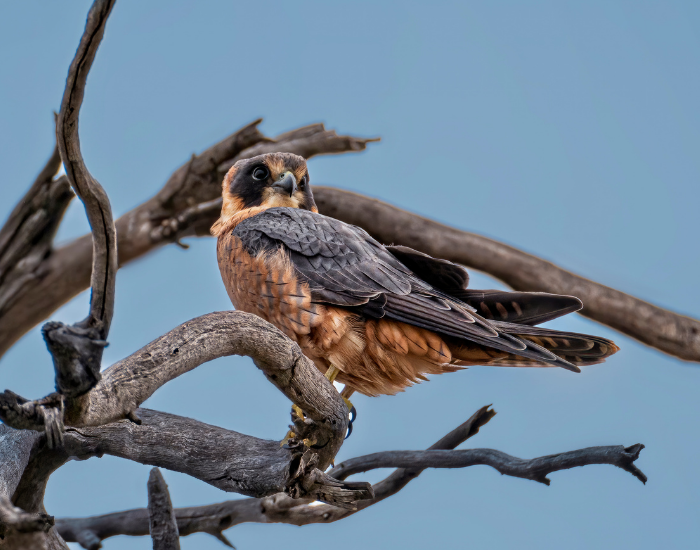
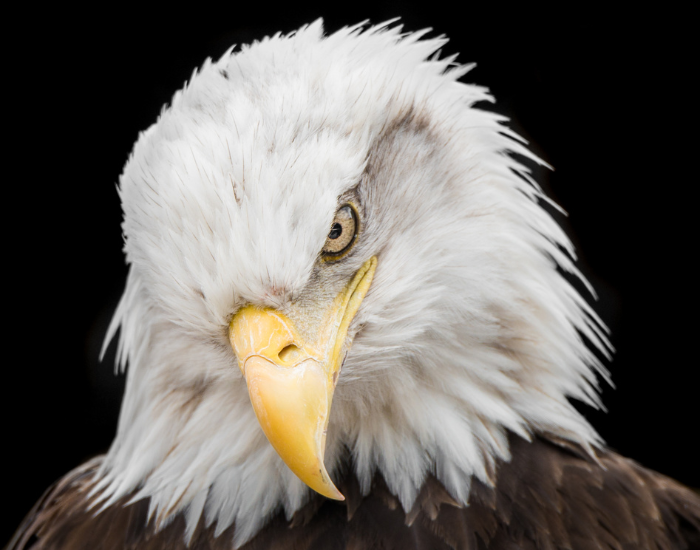
Sharp, hooked beaks designed for tearing flesh. Even smaller raptors have powerful jaws and beaks adapted for their predatory lifestyle. These birds often have nostrils positioned to avoid blood and debris while feeding.
Examples: Eagles, Hawks, Owls, Falcons. commonly known as birds of prey.
Unique Beak Adaptations: Nature’s Creative Solutions
Some birds have developed truly extraordinary beak adaptations that showcase the incredible diversity of bird species:
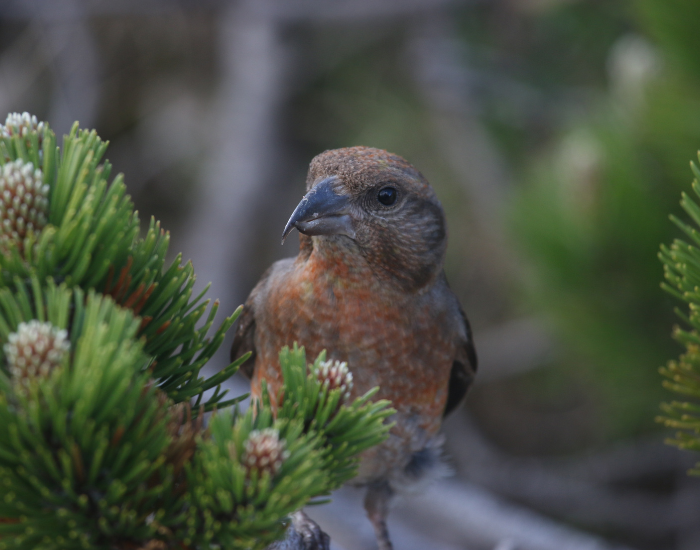
The Crossbill’s Crossed Tips
Perhaps one of the most unusual adaptations is found in crossbills, whose upper and lower mandible tips actually cross over each other. This seemingly awkward design is perfectly adapted for prying seeds out of pine cones – their specialized diet requires this unique bill shape.
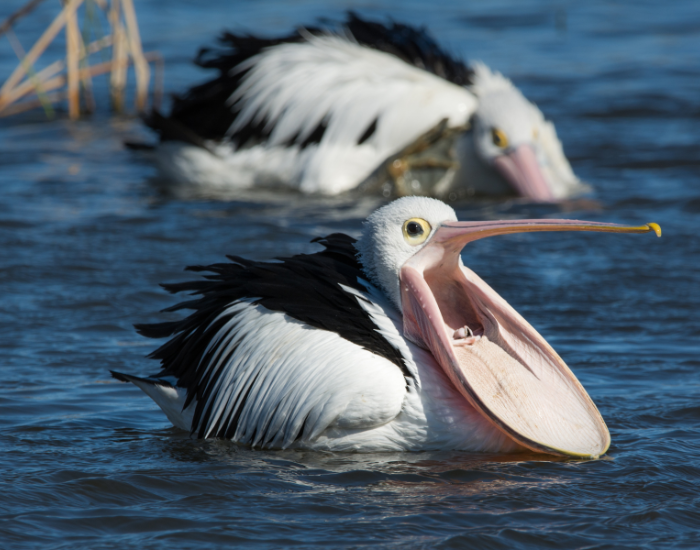
The Pelican’s Expandable Pouch
While technically part of the throat rather than the bill itself, the pelican’s expandable pouch works with their large bill to scoop up fish. The flesh of the pouch can expand dramatically, and trimming excess water before swallowing shows remarkable feeding efficiency.
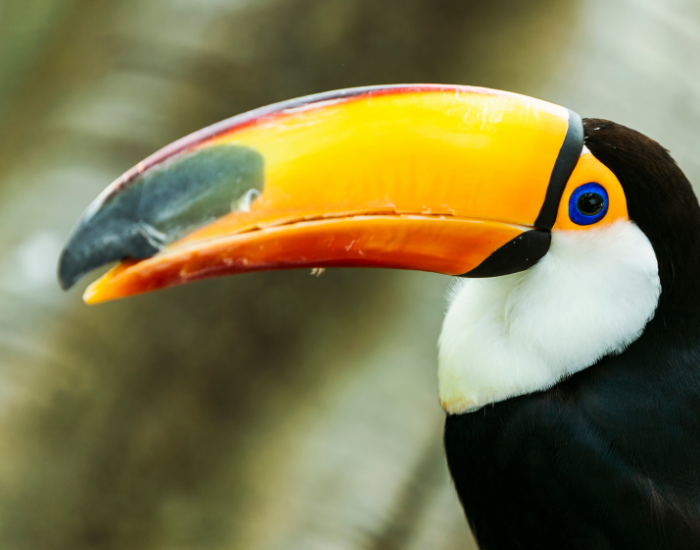
The Toucan’s Oversized Billboard
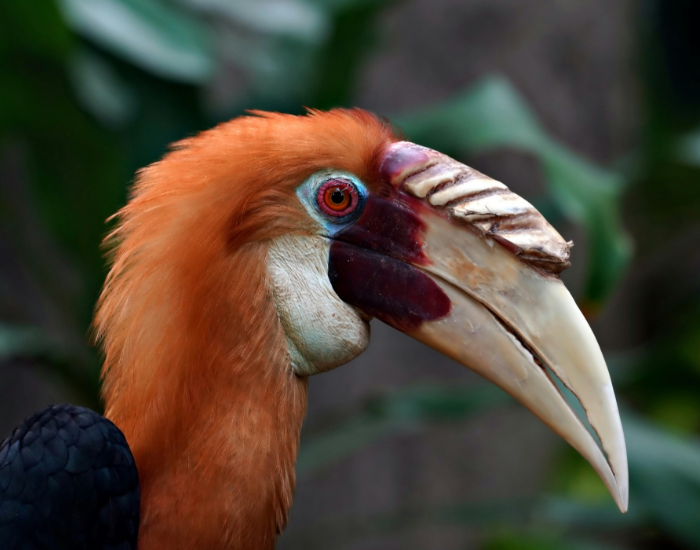
Toucans sport beaks that can be up to one-third of their total body size. Despite their size, these beaks are surprisingly lightweight due to their honeycomb-like internal structure. The bright colors and large size help with temperature regulation in tropical climates and serve as visual communication tools among species.
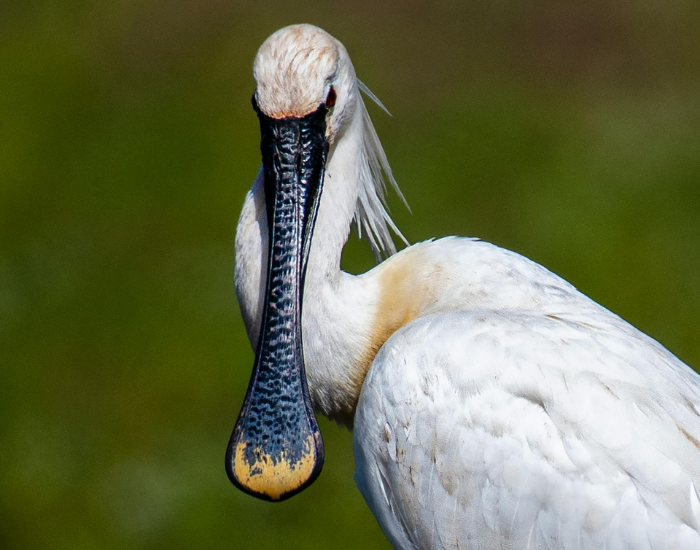
The Spoonbill’s Specialized Sweeper
Spoonbills have flattened, spoon-shaped tips that they use to sweep through water and mud, filtering out small fish, crustaceans, and insects. Their unique feeding technique involves moving their bills side to side through water.
Waterfowl: Masters of Aquatic Feeding
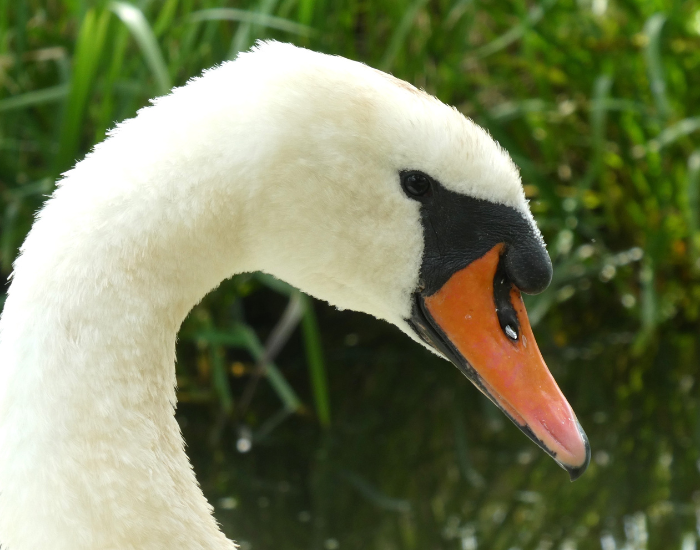
Swans and other waterfowl demonstrate how body size influences beak design. Their broad, flat bills are perfect for eating aquatic plants and filtering small organisms from water. The upper part of their bills often contains specialized structures for filtering.
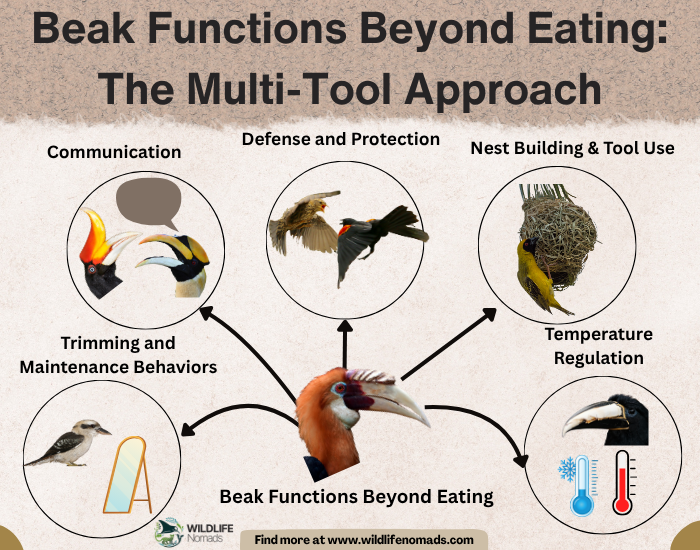
Beak Functions Beyond Eating: The Multi-Tool Approach
While feeding is the primary function, bird’s beak uses extend far beyond just eating:
Communication and Social Interaction
Birds use their beaks for complex social behaviors:
- Courtship displays and food presentations to potential mates
- Establishing dominance hierarchies through beak positioning and displays
- Making sounds through clapping or percussion, especially in species like storks
- Preening and grooming to strengthen social bonds and maintain plumage
Defense and Territory Protection
Beaks serve as weapons when birds need protection:
- Deterring predators through intimidating displays and sharp point positioning
- Physical combat with rivals, using hooked beaks or sharp edges
- Protecting nests and young from threats
Nest Building and Tool Use
Many species use their beaks as construction tools:
- Weaving nests with precision using the tip and edges
- Manipulating building materials like sticks, mud, and feathers
- Some species even use their beaks to fashion and use tools for foraging
Temperature Regulation
In hot climates, beaks help dissipate heat through their blood vessels, acting as natural air conditioners. This thermoregulation is especially important for birds in desert and tropical environments.
Trimming and Maintenance Behaviors
Birds naturally maintain their beaks through:
- Rubbing against rough surfaces to prevent overgrowth
- Using beaks to clean and arrange feathers during preening
- Eating behaviors that naturally wear down keratin growth
The Evolution and Diversity of Bird Beaks
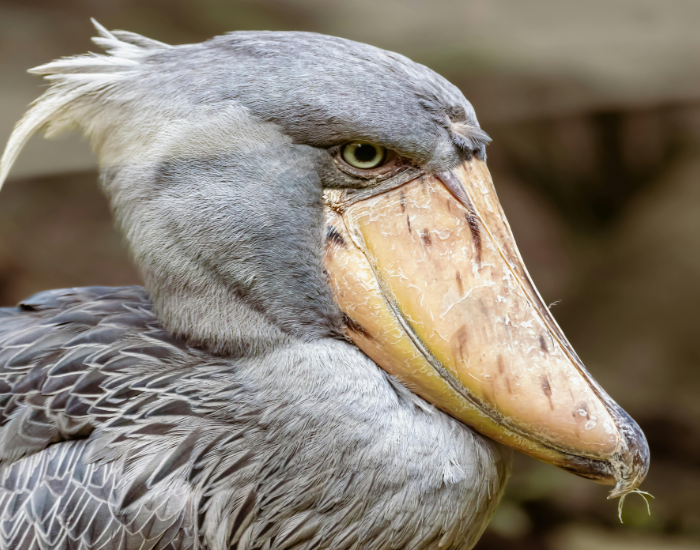
The astonishing variation in bird beak shape and size reflects a wide range of dietary specializations that played an important role in avian diversification. This diversity tells the story of millions of years of evolution and adaptation.
Darwin’s finches remain the classic example of beak evolution in action. On the Galápagos Islands, different finch populations developed distinct beak shapes based on available food sources – from thin beaks for extracting insects to massive beaks for cracking large seeds.
Recent scholarly studies continue to reveal new insights into beak variations, with research showing how simple mathematical principles can explain dramatic differences in beak shapes.
Common Questions About Bird Beaks Answered
Yes, absolutely! Bird beaks contain nerve endings and are quite sensitive. This sensitivity helps birds manipulate food, feel textures, and even detect temperature changes. The tip of the beak is particularly sensitive, helping birds identify food quality before swallowing.
The outer layer of all bird beaks is made of keratin, but the internal structure varies. Some birds have more bone content, while others have more hollow spaces for weight reduction. The ratio depends on the bird’s size and feeding requirements.
When done properly by an experienced avian veterinarian, beak trimming shouldn’t hurt. However, cutting too deeply into the vascular layer can cause pain and bleeding. This is why professional care is essential for captive birds requiring beak maintenance.
There’s no functional difference – these terms are interchangeable. “Beak” tends to be used more commonly for predatory birds and smaller species, while “bill” is often used for waterfowl and larger birds. It’s really just a matter of preference and regional usage.
Conservation Implications: Why Beak Diversity Matters
The incredible diversity of bird’s beak types represents millions of years of evolutionary refinement. Each species’ beak is perfectly adapted to its ecological niche, making them vulnerable to environmental changes.
Climate change, habitat loss, and food source disruption can quickly impact bird populations because their beaks are so specialized. A seed-eating bird can’t suddenly switch to catching insects if its food supply disappears.
This specialization makes bird conservation efforts critical – protecting not just individual species, but entire ecosystems that support their specific feeding requirements.
Appreciating Nature’s Im-Perfect Design
The bird’s beak represents one of nature’s most successful designs – a versatile, lightweight, and incredibly diverse tool that has enabled birds to colonize virtually every habitat on Earth. From the keratin structure that provides strength and flexibility to the countless variations adapted for specific lifestyles, beaks showcase evolution’s remarkable creativity.
Understanding what are birds beaks made of and how they function helps us appreciate the intricate relationships between form and function in nature. Whether you’re a bird enthusiast, a student of biology, or simply curious about the natural world, bird beaks offer endless fascination and learning opportunities.
Next time you see a bird, take a moment to observe its beak. Consider what it tells you about that bird’s lifestyle, diet, and evolutionary history. You’re looking at millions of years of refinement packed into one perfectly adapted tool.
Remember: every beak tells a story of survival, adaptation, and the incredible diversity of life on our planet. What story will you discover next?