Two years ago, one of our Wildlife Nomads team members had the trip of a lifetime, a visit to the Galápagos Islands, where giant tortoises roam freely and the wildlife seems almost entirely unbothered by humans. But one encounter stood out above the rest: coming face to face with Galápagos fur seals lounging on the rocks, utterly unbothered, staring back with those big dark eyes.
Here’s the thing though, are they actually seals? A lot of visitors ask the same question, because fur seals and sea lions look remarkably similar, and in the Galápagos you’ll find both. That confusion is actually what inspired this article.
Let’s admit it, seals are among the cutest creatures out there. They’re basically the dogs of the sea, or at least, most of them are (as we’ll see later, some can be genuinely terrifying). But beyond the cuteness, seals are among the ocean’s most captivating creatures, and understanding the different types can open your eyes to an incredible world of marine diversity.
The truth is, not everything that looks like a seal is a seal, and not every seal looks quite how you’d expect. Each species has evolved unique characteristics that make it perfectly suited to its environment. So let’s dive deep into the fascinating world of seals and clear up the confusion once and for all.

Understanding Seal Families: The Foundation of Seal Types
Before we explore individual seal species, it’s crucial to understand how seals are classified. All seals belong to a group called pinnipeds, which literally means “fin-footed.” This diverse family includes 34 recognized species of seals worldwide, plus sea lions and walruses.
Eared Seals vs. True Seals
While eared seals such as sea lions and fur seals have visible ear flaps and can rotate their hind flippers forward to “walk” on land, true seals lack external ears and move on land by wriggling on their bellies. This difference also changes their swimming style, eared seals use their front flippers for propulsion, while true seals rely on their powerful hind flippers.
The Three Main Seal Families
1. Phocidae (True Seals) True seals represent the largest group among different species of seals. These seals are characterized by:
- No external ear flaps
- Hind flippers that cannot rotate forward
- Streamlined bodies perfect for underwater hunting
- Propulsion primarily through their powerful hind flippers
2. Otariidae (Eared Seals) These seals include sea lions and fur seals, featuring:
- Visible external ears
- Hind flippers that can rotate forward for land mobility
- More agile movement on land
- Front flipper propulsion while swimming
3. Odobenidae (Walruses) While technically not seals, walruses are often grouped with seal breeds in discussions:
- Distinctive tusks
- Massive body size
- Unique social behaviors
- Arctic and sub-Arctic habitat preferences
Spotlight on the Northern Fur Seal
The northern fur seal (Callorhinus ursinus) is an eared seal famous for its dense, waterproof fur, the thickest of any marine mammal. They inhabit the North Pacific Ocean, breeding on islands such as the Pribilofs. Males can reach 600 pounds, while females average around 120 pounds. These agile swimmers spend most of their lives at sea, only coming ashore to breed.

Most Aggressive Seal Species: The Apex Predators
When people ask “Which seal is aggressive?” the answer almost always points to the leopard seal. Leopard seals are known to be quite aggressive predators and can display territorial behavior, and are described as having “an aggressive temper, feared by penguins and other Antarctic seals alike.
Leopard Seals: The Ocean’s Fierce Hunters
These seals (Hydrurga leptonyx) earn their reputation as the most aggressive seals species through several characteristics:
- Size and Power: Growing up to 12 feet long and weighing over 800 pounds
- Predatory Behavior: They’re one of the few seal species that actively hunt other marine mammals
- Territorial Nature: Leopard seals are solitary and often aggressive to one another, particularly around food
- Human Interactions: Attacks on humans are rare, but in 2003, researcher Kirsty Brown was dragged deep underwater by a leopard seal in Antarctica

Other Aggressive Seal Types
While leopard seals top the list, other species of seal can show aggressive behaviors:
Northern Elephant Seals: Males engage in brutal territorial fights during breeding season, using their massive size and inflatable nose trunks as weapons.
Gray Seals: Known for their assertive behavior, especially when protecting pups or competing for mates.

Seal Species: Nature’s Most Adorable Marines
On the opposite end of the behavioral spectrum, many people wonder “What is the cutest species of seal?” The answer often comes down to personal preference, but several seal breeds consistently win hearts worldwide.
The Poster Children of Cuteness: Harbor Seal
Harbor seals (Phoca vitulina) frequently win the “cutest seal” contest because of:
- Expressive Eyes: Large, dark eyes that seem almost human-like
- Curious Nature: They often approach humans with obvious interest
- Playful Behavior: Frequently seen “bottling” (floating vertically) and playing in the water
- Accessible Viewing: Common in temperate coastal areas worldwide

Baikal Seal: The Freshwater Specialist
The Baikal seal (Pusa sibirica) is one of only a few freshwater seal species in the world, living exclusively in Russia’s Lake Baikal. Small and stocky, these seals thrive in frigid waters and remain active beneath thick ice in winter. Their isolation has led to unique adaptations in feeding and breeding.

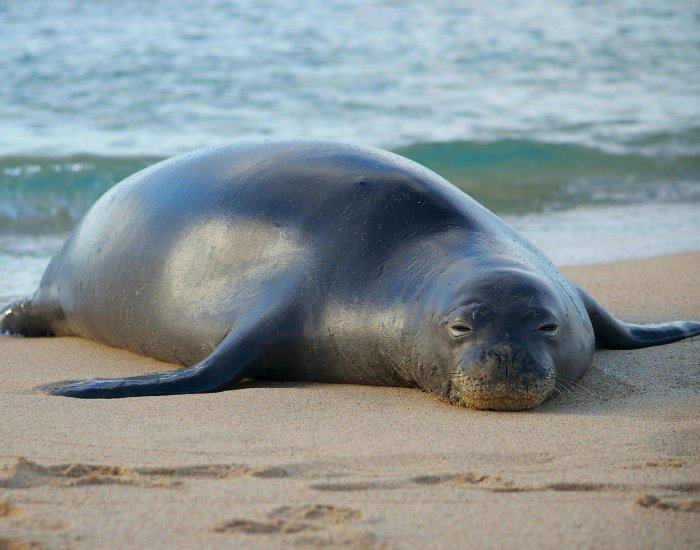
Hawaiian Monk Seals: Tropical Charm
The Hawaiian monk seal is one of the most endangered seal species in the world, with current numbers only about one-third of historic population levels.
Recovery Efforts Include:
- Beach habitat protection
- Marine debris removal
- Fishing gear modifications
- Public education programs
- Veterinary intervention for injured seals
Weddell Seals: Antarctic Adorability
Despite living in harsh Antarctic conditions, Weddell seals charm observers with:
- Gentle Nature: Among the most docile seal types
- Unique Vocalizations: Create haunting underwater songs
- Extreme Diving: Can dive deeper than 2,000 feet (600 – 700m) and hold their breath for over an hour

Harp Seals: The Icy White Wanderers
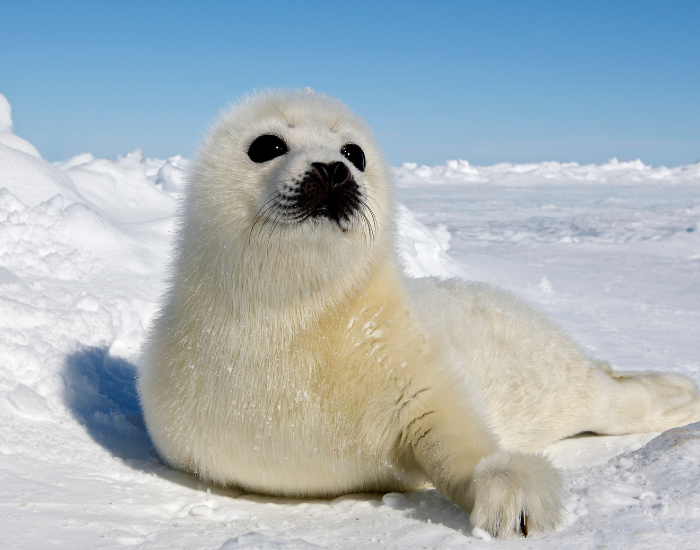
Harp seals (Pagophilus groenlandicus) are well-known for their striking black facial markings and fluffy white pup coats. They inhabit the icy North Atlantic and Arctic Ocean, migrating thousands of miles annually. Their dependence on sea ice for pupping makes them particularly vulnerable to climate change.
Mediterranean Monk Seal: A Conservation Success Story
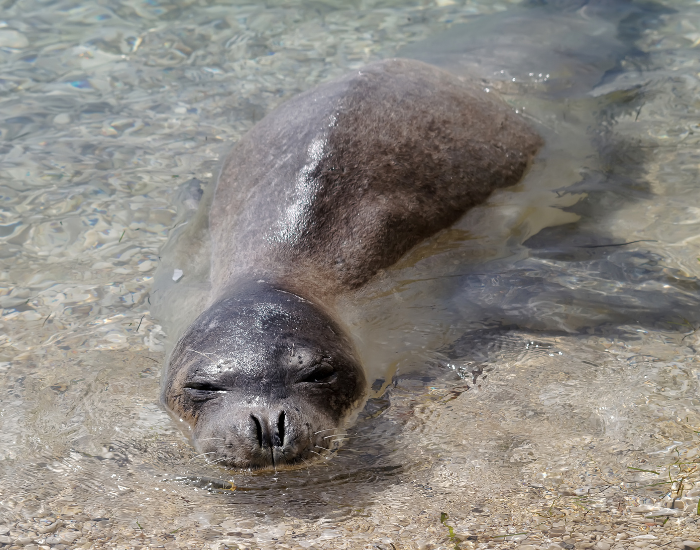
The Mediterranean monk seal (Monachus monachus) represents both the rarest and most encouraging conservation story among different species of seals. Previously listed as “critically endangered” between 1996 and 2008, this species has shown promising population increases, now listed as vulnerable in 2026..
Current Status:
- Estimated population: Fewer than 800 individuals
- Primary threats: Habitat loss, fishing net entanglement, tourism pressure
- Conservation efforts: Marine protected areas, fishing gear modifications, tourism regulations
Complete Catalog of Seal Species by Region
Arctic and Sub-Arctic Seal Types
The world’s coldest waters host some of the most specialized seal breeds:
Ringed Seals (Pusa hispida): The smallest Arctic seals, creating breathing holes in sea ice
Bearded Seals (Erignathus barbatus): Distinguished by their impressive whiskers used for finding food in murky waters
Hooded Seals (Cystophora cristata): Males feature inflatable nasal cavities for mating displays

Temperate Water Species
These species of seal thrive in moderate climates:
Gray Seals (Halichoerus grypus): Large seals with distinctive elongated snouts
Harbor Seals (Phoca vitulina): The most widely distributed seal species in temperate waters
Northern Elephant Seals (Mirounga angustirostris): Massive seals with extreme sexual dimorphism

Tropical and Subtropical Seals
Warmer waters support unique seal types:
Hawaiian Monk Seals (Neomonachus schauinslandi): Endemic to Hawaiian waters
Caribbean Monk Seals (Neomonachus tropicalis): Sadly extinct since the 1950s
Antarctic Specialists
The Southern Ocean’s extreme conditions have shaped remarkable different species of seals:
Leopard Seals (Hydrurga leptonyx): Apex predators with massive heads and powerful jaws
Weddell Seals (Leptonychotes weddellii): Master divers capable of extreme depths
Crabeater Seals (Lobodon carcinophaga): Despite their name, they primarily eat krill
Southern Elephant Seals (Mirounga leonina): The largest seals species, with males reaching 20 feet in length
Steller Sea Lion: The Giant of the Otariidae Family
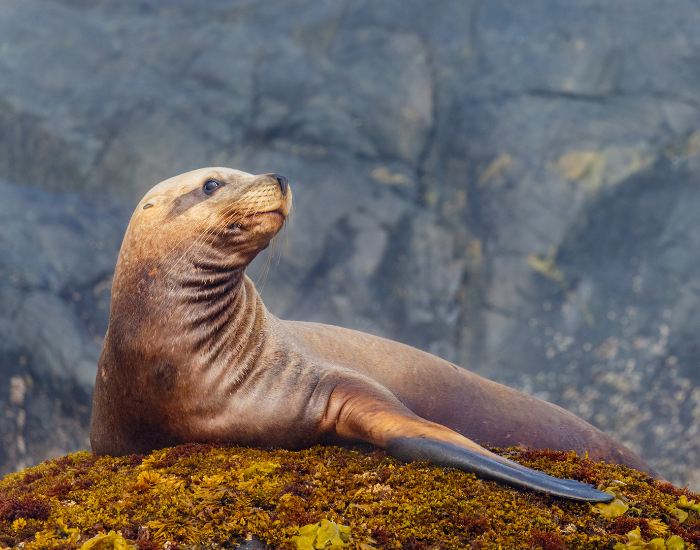
The Steller sea lion (Eumetopias jubatus) is the largest member of the eared seal family. Males can weigh over a ton and are known for their deep, roaring calls. Found along the North Pacific rim, they form large breeding colonies on remote rocky coasts and islands.
Seal Behavior and Social Structure Across Species
Understanding how different species of seals behave helps us appreciate their ecological roles and conservation needs.
Breeding Behaviors
Most seal breeds follow polygynous mating systems where dominant males mate with multiple females:
- Elephant Seals: Males establish territories on beaches and fight violently for access to females
- Harbor Seals: More dispersed breeding, with less aggressive male competition
- Leopard Seals: Solitary breeding, with limited social interaction
Feeding Strategies
Species of seal have evolved diverse feeding strategies:
- Filter Feeders: Crabeater seals use specialized teeth to filter krill
- Fish Specialists: Harbor seals primarily hunt fish and squid
- Mammal Hunters: Leopard seals prey on penguins, other seals, andwhales
Social Structures
- Highly Social: California sea lions form large, complex colonies
- Moderately Social: Gray seals gather in groups but maintain individual territories
- Solitary: Leopard seals typically live alone except during breeding
Polar Bears and Seals: A Predator–Prey Connection
In Arctic ecosystems, polar bears depend heavily on seals, particularly ringed and bearded seals, as a primary food source. These seals provide calorie-rich blubber that sustains polar bears through long fasting periods, while polar bears help regulate seal populations, maintaining ecological balance.

Appreciating the Diversity of Seal Types
The world’s 34 species of seals represent one of nature’s most successful adaptive radiations. From the aggressive leopard seals ruling Antarctic waters to the adorable harbor seals charming coastal visitors, each species of seal has evolved unique characteristics that make them perfectly suited to their environments.
Understanding different species of seals helps us appreciate the incredible diversity of marine life and the importance of ocean conservation. Whether you’re fascinated by the rarest seal breeds or simply curious about which seals are most aggressive, every species tells a story of adaptation, survival, and the ongoing relationship between humans and marine life.
As we face unprecedented environmental challenges, protecting all seal types becomes more critical than ever. Through continued research, conservation efforts, and public awareness, we can ensure that future generations will continue to marvel at the incredible diversity of seals species that grace our oceans.
The next time you see a seal, whether in the wild or in photographs, take a moment to appreciate the millions of years of evolution that created these remarkable creatures. Each species of seal represents a unique solution to the challenges of marine life, and each deserves our respect, protection, and continued wonder.
Can You Name That Seal? 🦭
A 12-photo identification challenge — and it’s tougher than it looks, since so many pinnipeds are look-alikes. Go back and change any answer before you score.
Which pinniped is this?
References:
Karamanlidis, A. A., Dendrinos, P., Fernandez de Larrinoa, P., Kıraç, C. O., Nicolaou, H., & Pires, R. (2023). Monachus monachus. The IUCN Red List of Threatened Species 2023: e.T13653A238637039. https://dx.doi.org/10.2305/IUCN.UK.2023-1.RLTS.T13653A238637039.en
Karamanlidis, A. A., Gaughran, S. J., Aguilar, A., Dendrinos, P., Huber, D., Pires, R., Schultz, J. K., Skaug, H. J., & Amato, G. (2021). Genetic and demographic history define a conservation strategy for earth’s most endangered pinniped, the Mediterranean monk seal Monachus monachus. Scientific Reports, 11, Article 2261. https://doi.org/10.1038/s41598-020-79712-1
Kienle, S. S., Ainley, D. G., Beltran, R. S., Costa, D. P., Goetz, K. T., Linsky, J. M. J., & Postma, M. (2022). Plasticity in the morphometrics and movements of an Antarctic apex predator, the leopard seal. Frontiers in Marine Science, 9, Article 917810. https://doi.org/10.3389/fmars.2022.917810
Konrad, L., Levine, A., Leong, K. M., & Koethe, F. (2024). Understanding perceptions that drive conflict over the endangered Hawaiian monk seal. Frontiers in Conservation Science, 5, Article 1394063. https://doi.org/10.3389/fcosc.2024.1394063
Salmona, J., Dayon, J., Lecompte, E., Karamanlidis, A. A., Aguilar, A., Fernandez de Larrinoa, P., Pires, R., Mo, G., Panou, A., Agnesi, S., Borrell, A., Danyer, E., Öztürk, B., Tonay, A. M., Anestis, A. K., González, L. M., Dendrinos, P., & Gaubert, P. (2022). The antique genetic plight of the Mediterranean monk seal (Monachus monachus). Proceedings. Biological sciences, 289(1981), 20220846. https://doi.org/10.1098/rspb.2022.0846