Michigan isn’t just a Great Lakes state — it’s one of the best birding destinations in North America with many types of birds to admire. With wetlands, old-growth forests, and sprawling jack pine plains, Michigan’s birds are as diverse as its landscapes. In this guide, I go beyond the standard “common birds” lists and dig into the specific behaviors, habitat needs, and field marks that make each of these Michigan bird species truly unforgettable.
Whether you’re tracking down secretive marsh birds or scanning the treetops for songbirds of Michigan, this deep-dive is your field companion.
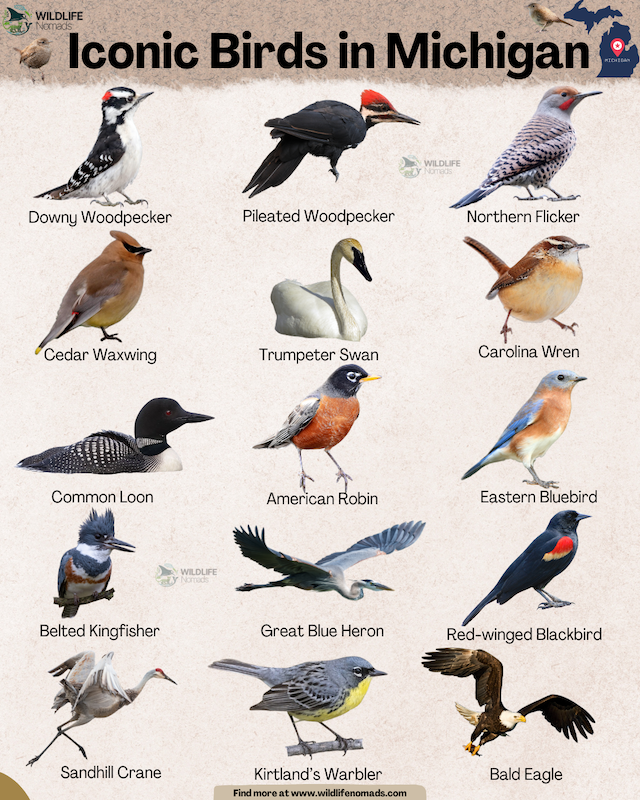
15 Iconic Michigan Bird Species: The Deep-Dive Profiles
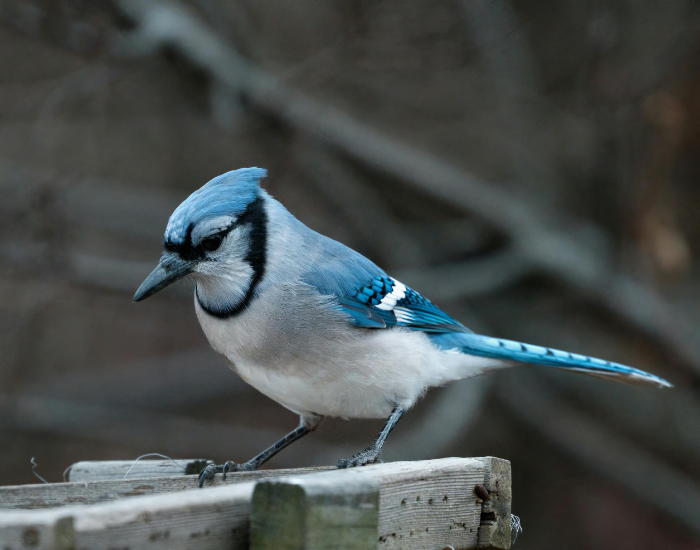
1. Blue Jay (Cyanocitta cristata)
The Blue Jay is the quintessential crested bird in Michigan, known for its classic blue, white, and black plumage and noisy calls. But beyond their appearance, these birds serve as the “sentinels” of the forest.
I’ve watched them mimic Red-shouldered Hawks to clear a feeder and warn other birds of danger. They belong to the corvid family and are highly intelligent. At your backyard feeders, they prefer whole peanuts or sunflower seeds, especially black sunflower seeds, which are particularly attractive to them. Look for the bold black “necklace” across the throat — no two are exactly alike.
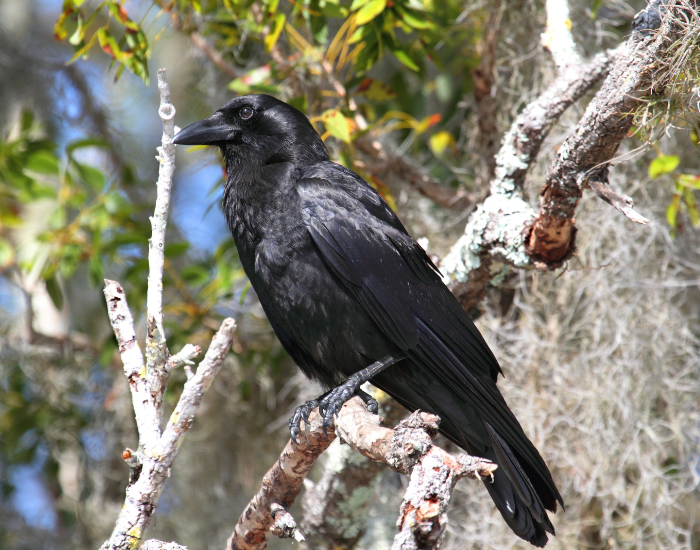
2. American Crow (Corvus brachyrhynchos)
Don’t let the all-black plumage fool you. The American Crow is a biological marvel with complex family structures. In the field, I’ve watched them mob birds of prey, like predatory hawks as a team. These are some of the most intelligent animals in the world, crows can recognize individual human faces. Treat them well, and they’ll remember you. Bother them, and they’ll scold you every time you step outside.
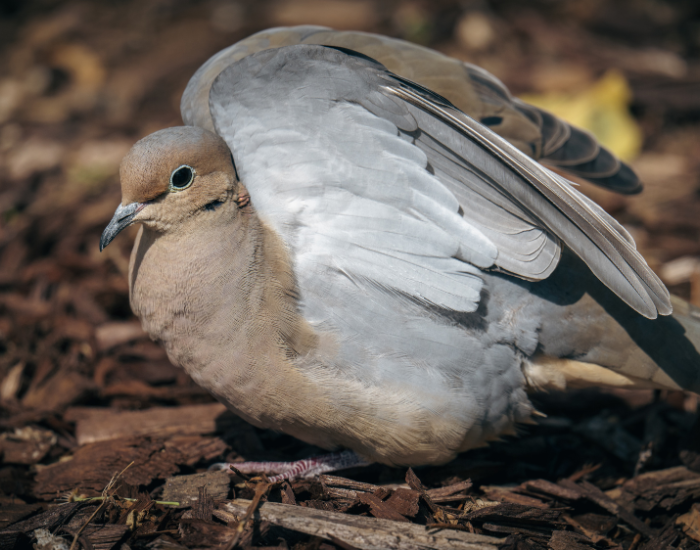
3. Mourning Dove (Zenaida macroura)
Mourning Doves are the percussionists of Michigan’s birds, easily recognized by their elegant gray plumage and slender bodies. They are about the same size as a pigeon, with a slim profile and a long, tapered tail. Mourning Doves are a common bird in Michigan, often seen perched on telephone wires or foraging on the ground. Their distinctive cooing resonates from the esophagus, not just the throat. One fascinating fact: they’re among the few birds that drink water by suction, without tilting their heads back.
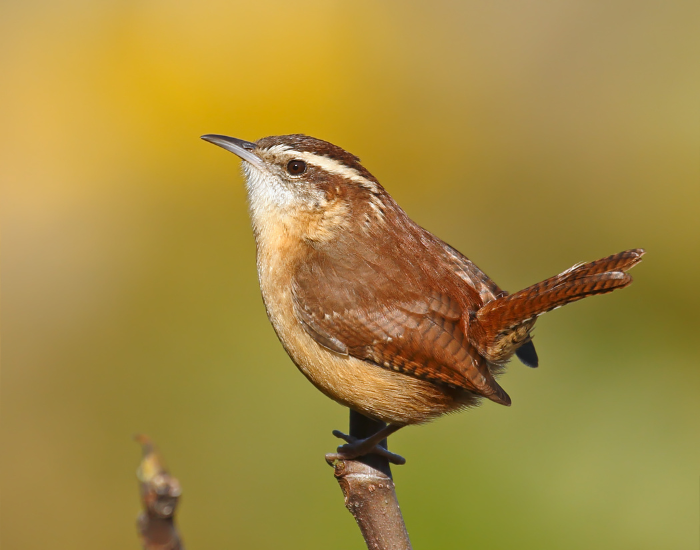
4. Carolina Wren (Thryothorus ludovicianus)
The Carolina Wren is a small bird with a big personality, producing a voice that can shake a forest. Rich cinnamon-brown with a bold white eyebrow stripe, this species is becoming more common in Southern Michigan as winters grow milder. They love “messy” backyards with brush piles and dense thickets — the perfect hunting ground for spiders and insects.
Dive deeper into our blog about incredible facts about wrens!
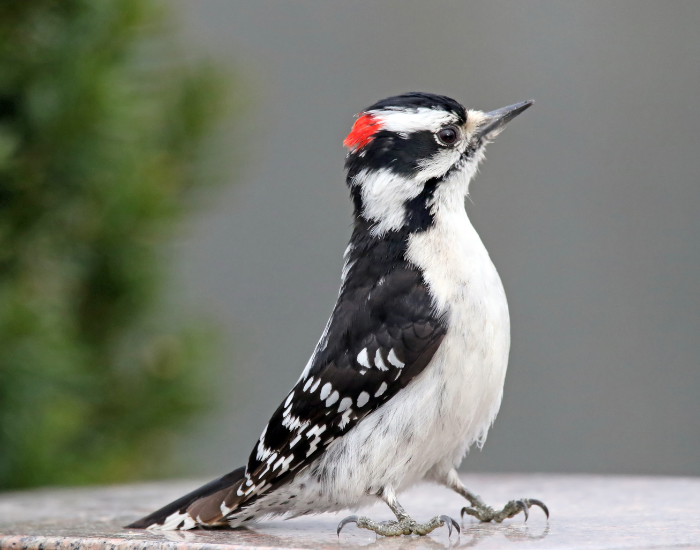
5. Downy Woodpecker (Dryobates pubescens)
The Downy Woodpecker is the smallest woodpecker in North America — and one of the most common Michigan bird species at backyard feeders. Black and white with a clean white back patch, the key ID feature is the bill: tiny, usually less than half the head length. Hang a suet feeder and they’ll come running. In winter, they join mixed-species foraging flocks with chickadees and nuthatches for safety in numbers. Downy Woodpeckers are often seen pecking at tree bark, searching for insects hidden inside.
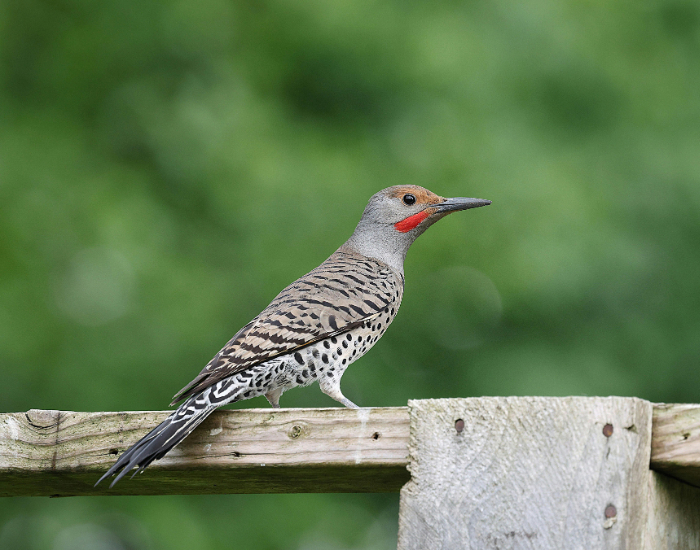
6. Northern Flicker (Colaptes auratus)
The Flicker is the “un-woodpecker.” While most woodpeckers hammer tree trunks, Flickers spend significant time on the ground hunting ants. Look for the black crescent on the chest and the bright yellow feathers under the wings — the “Yellow-shafted” form common in the East. In flight, the white rump patch is a dead giveaway.
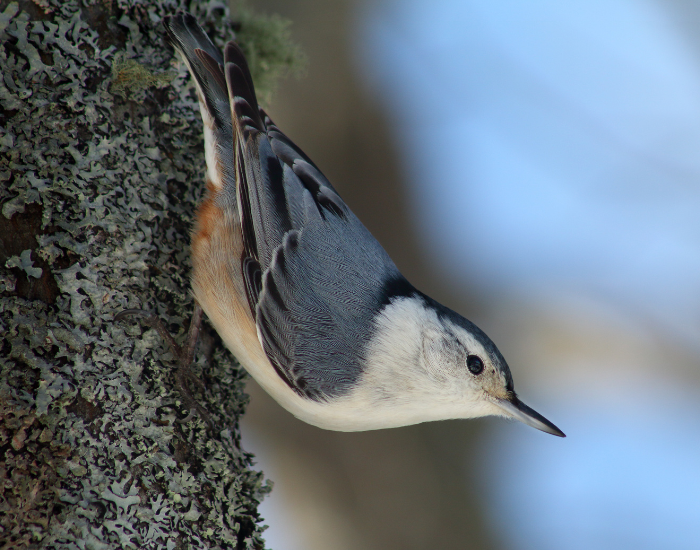
7. White-Breasted Nuthatch (Sitta carolinensis)
The “upside-down bird.” Nuthatches walk head-first down tree trunks, spotting bark insects that upward-climbing woodpeckers miss. They display a clean white face and blue-gray back. I’ve watched them “hatch” seeds by wedging them into bark crevices and hammering them open — which is exactly where the name “nuthatch” comes from.
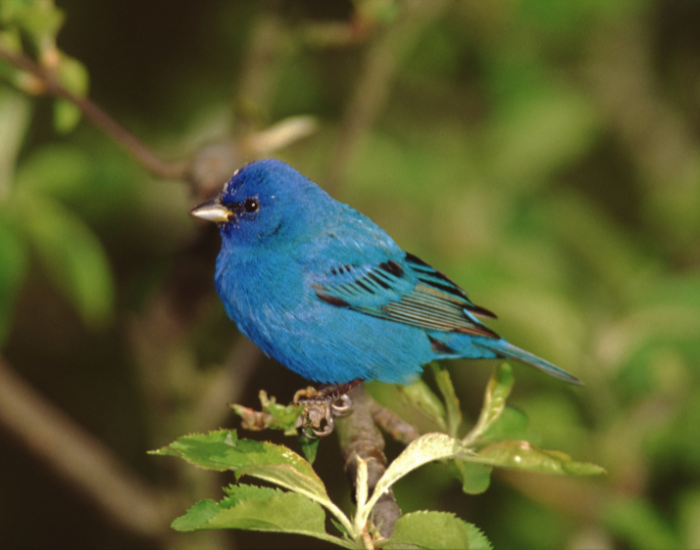
8. Indigo Bunting (Passerina cyanea)
If you spot a bird that looks like a piece of the sky fell to earth, that’s a male Indigo Bunting. Interestingly, these birds carry no blue pigment. Their vivid color comes entirely from microscopic feather structures that scatter light (called Tyndall scattering). Find them along shrubby edges and powerline cuts. They’re among the most persistent singers in Michigan, continuing even through the midday heat of July.
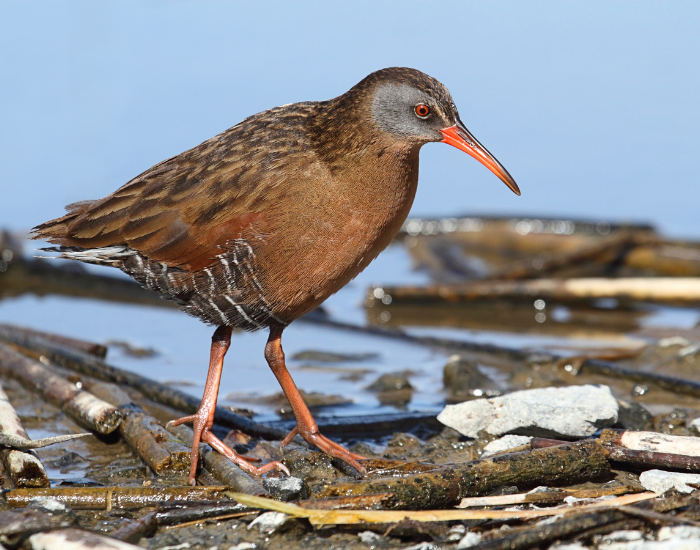
9. Virginia Rail (Rallus limicola)
The Virginia Rail is a secretive species found in Michigan’s wetlands, which are vital habitats for many native birds in Michigan. Built for dense reeds, their laterally compressed body allows them to slip through marsh vegetation (hence the phrase “thin as a rail”). You’ll rarely see one. However, you’ll definitely hear them — listen for a “kid-ick, kid-ick” call rising from the mud. Their long, slightly curved orange bill is beautiful up close.
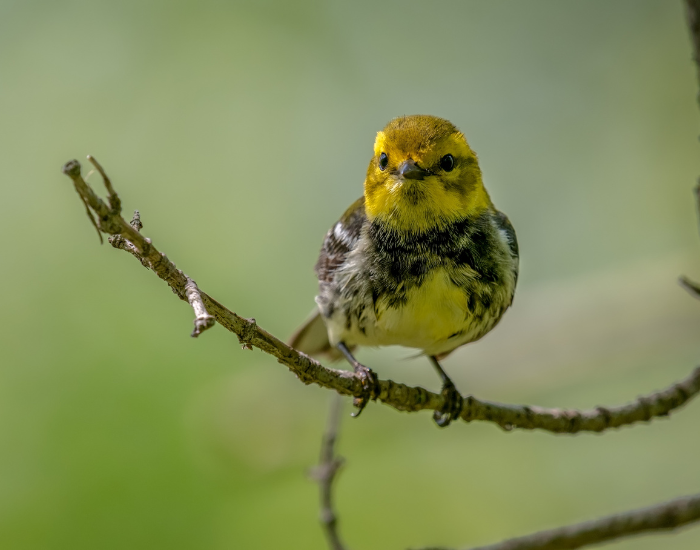
10. Black-Throated Green Warbler (Setophaga virens)
A crown jewel among the songbirds of Michigan, the Black-Throated Green Warbler is a small warbler known for its petite size and distinctive appearance. These warblers display a yellow face, olive back, and stark black throat. Their buzzy “zee-zee-zee-zoo-zee” song carries well through mixed-wood forests, especially hemlock and pine stands. They’re also a key indicator of forest health — they require large, contiguous blocks of mature woodland to breed successfully.
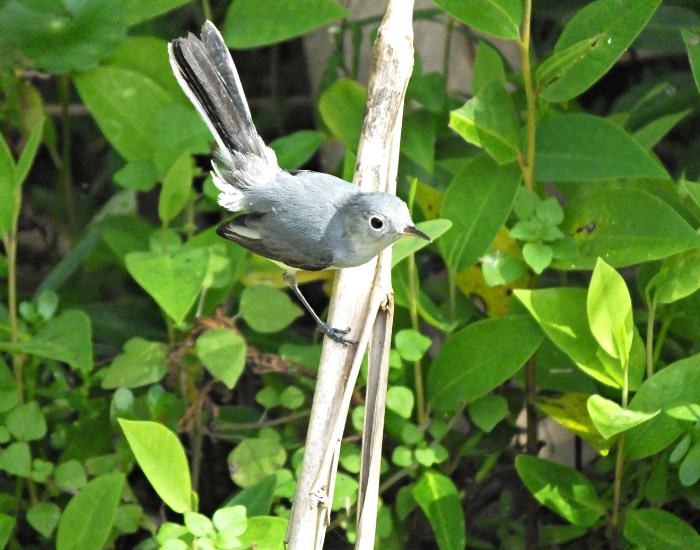
11. Blue-Gray Gnatcatcher (Polioptila caerulea)
Tiny, hyperactive, and forever flicking its long tail — the Blue-Gray Gnatcatcher is easily recognized among birds in Michigan for its distinctive long tails. They resemble miniature mockingbirds. In the field, watch how they hover to snatch insects from the undersides of leaves. Their nests are remarkable too: compact cups of spiderwebs and lichen designed to look exactly like a branch knot.
12. Kirtland’s Warbler (Setophaga kirtlandii)
The “Bird of Fire.” This is one of North America’s rarest songbirds, and Michigan is its primary breeding stronghold. The species is extremely habitat-specific, nesting only in young jack pine forests — typically trees aged 5 to 15 years — growing on sandy soils. Small numbers also breed in Wisconsin and Ontario. The bird winters in The Bahamas and Turks and Caicos Islands.
For decades, Kirtland’s Warbler teetered on the brink of extinction. By 1987, the population had dropped to just 167 singing males. Thanks to intensive conservation — including controlled burns, clear-cutting of aging pines, targeted replanting, and Brown-headed Cowbird management — the species recovered dramatically. In 2019, it was officially removed from the Endangered Species List. The 2025 census revealed a significant and concerning drop to approximately 1,489 breeding pairs globally (with 1,477 in Michigan).

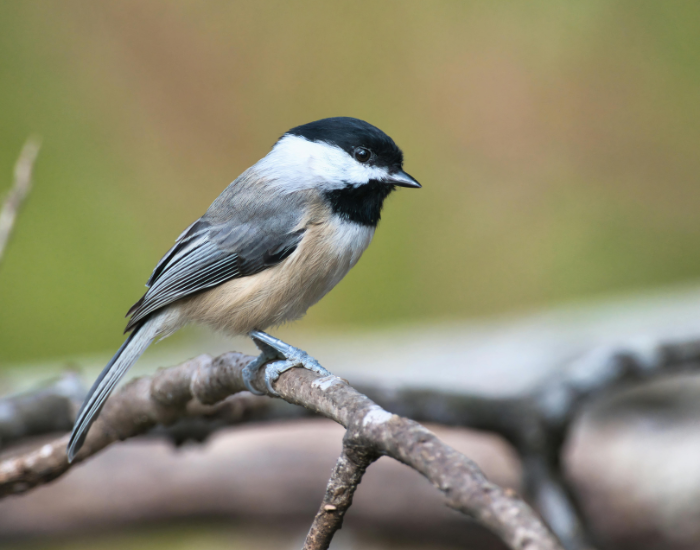
13. Black-Capped Chickadee (Poecile atricapillus)
The mascot of the Michigan winter, the Black-Capped Chickadee is a charming little bird. These birds are extraordinary survival specialists. They practice regulated hypothermia at night, lowering their body temperature to conserve energy. They also possess remarkable spatial memory, allowing them to relocate thousands of cached seeds across their territory. When you hear a chickadee adding extra “dee” notes to its call, it’s issuing a high-alert warning to the flock.
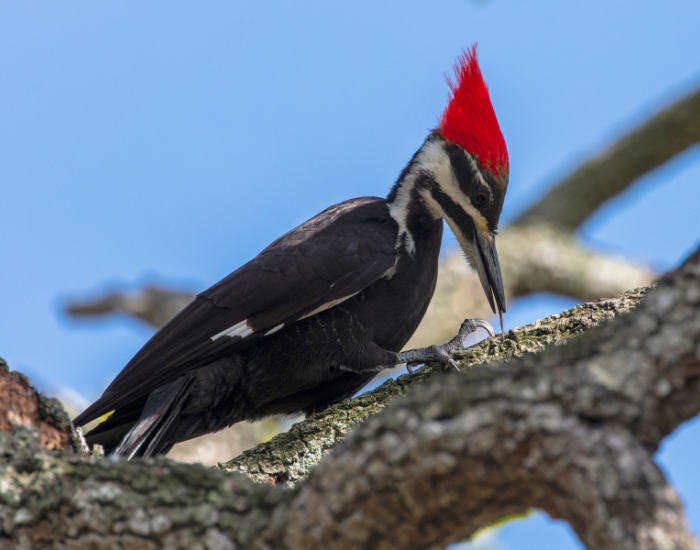
14. Pileated Woodpecker (Dryocopus pileatus)
The giant of Michigan’s woods. Roughly crow-sized with a flaming red crest, these birds are impossible to ignore. They carve large, rectangular holes in dead trees while excavating carpenter ants. Spotting a Pileated is a reliable sign of mature forest with standing dead timber — essential habitat for dozens of other Michigan bird species.
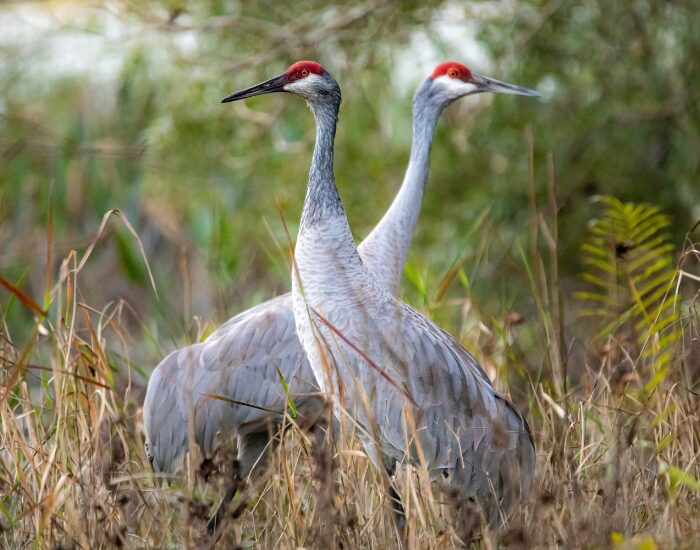
15. Sandhill Crane (Antigone canadensis)
Watching a pair of Sandhill Cranes cross a Michigan field feels like glimpsing the Pleistocene. Their bugling call travels for miles, amplified by a coiled windpipe that functions like a natural trumpet. They’re famous for elaborate dancing displays during courtship. Each fall, thousands congregate at locations like the Phyllis Haehnle Memorial Sanctuary before migrating south.
Where to Find Birds in Michigan: A Biologist’s Map
Michigan isn’t a single habitat — it’s a patchwork of ecosystems. Therefore, finding a high diversity of Michigan birds requires knowing where to look.
The Wetlands: Secretive Marsh Species
Wetlands like Pointe Mouillee State Game Area and Seney National Wildlife Refuge are biodiversity hotspots. These marshes don’t just support secretive species like the Virginia Rail and American Bittern — they also attract large wading birds such as herons, including the iconic Great Blue Heron.
While Michigan doesn’t regularly host the tropical diversity of storks and ibises seen in southern states, its wetland systems function in much the same ecological way — providing shallow foraging grounds, dense nesting cover, and rich aquatic prey. During migration, rare wanderers can occasionally surprise birders, reminding us how interconnected North America’s wetland networks truly are.
Focus on transition zones between open water and dense cattails — the “edge effect” draws birds that need both concealment and access to fish, amphibians, and aquatic invertebrates.
The Woodlands: Warblers and Nuthatches
For the high-energy songbirds of Michigan, you need the vertical structure of mixed forests. Northern Michigan’s old-growth stands — like those at Tahquamenon Falls State Park — offer multi-layered canopies. Warblers typically occupy the upper story, while nuthatches and Brown Creepers work the bark of the middle story. The blue-winged warbler is found in Michigan’s woodlands and shrubby edges, where it prefers early successional habitats. Forests and shrubby edges provide important nesting sites for blue-winged warblers and chipping sparrows. Look for large, old “wolf trees” with spreading branches, as these host the highest insect diversity.
Urban Feeders: Blue Jays, Mourning Doves, and Sparrows
Don’t overlook your own backyard. Urban environments act as vital stepping stones for migratory birds. Blue Jays, Mourning Doves, and various sparrows, including the chipping sparrow with its rusty cap and distinctive song, all thrive here, taking advantage of supplemental food and the warmth of the urban heat island effect. The Tufted Titmouse, known for its friendly and curious nature, is also a common visitor to bird feeders in Michigan. Your back porch is a legitimate birding station — especially in winter months.
FAQs about birds in Michigan
Start with size and shape. Is it sparrow-sized or hawk-sized? Many small birds, such as songbirds and juncoes, are common at feeders, especially in winter. Observe behavior — is it hopping or walking? Consider the bird’s diet; for example, many small birds feed on small insects, which can help narrow down the species. Finally, check for field marks like wing bars, eye-rings, or crests.
It’s a squirrel-deterrent placement strategy: position your feeder 5 feet high, 7 feet away from any horizontal jump point, and 9 feet below any overhead structure.
May is the peak month. Spring migration combined with the start of breeding season delivers the highest species diversity. Warblers are particularly spectacular during the first two weeks of May across Michigan’s woodlands.
The ‘first birds’ to arrive in spring often include the American Robin, which is commonly seen as a sign of the changing season. These early visitors are among the first to be spotted by birdwatchers as the weather warms.