Builders of the Wild

Nature is filled with incredible architects who build not only for survival but also for shaping and sustaining entire ecosystems. The animal kingdom showcases some of the most remarkable engineering feats on Earth, with creatures ranging from tiny insects to large mammals demonstrating sophisticated construction skills that rival human achievements.
Animal architecture is a fascinating field of study that reveals the creativity and ingenuity found throughout the natural world. These structures serve multiple purposes: providing shelter, storing food, protecting from predators, and facilitating reproduction. What makes these constructions even more impressive is that they are crafted with instinctive precision, passed down through generations of evolutionary refinement.
1. Beavers (Castor canadensis and Castor fiber)
Beavers are perhaps the most famous animal architects, known for their ability to reshape entire landscapes with their impressive dams. Using their strong teeth, they cut down trees and collect branches, which they skillfully weave together with mud to block streams and create ponds.
These structures provide the beavers with protection from predators and a safe underwater entrance to their lodges, which are built nearby. Beyond serving the beavers themselves, their dams play a vital role in the ecosystem by creating wetlands. These wetlands serve as habitats for countless species, filter water, and reduce flooding risks downstream. Some beaver dams are so massive they can even be spotted from space, showcasing the immense impact of these industrious creatures.

2. Termites (Family Termitidae)
Termites are master builders, particularly in the savannas of Africa and Australia, where they construct monumental mounds that can reach heights of up to 8 meters. These towering structures, made from soil, saliva, and feces, house vast colonies and feature intricate ventilation systems that regulate temperature and humidity.
Termite mounds are not just homes, they act as hubs of ecological activity. For example, by aerating the soil and recycling nutrients, termites enhance the fertility of their environment, benefiting plants and other animals. Some termite species even farm fungi within their mounds, showcasing advanced resource management. These mounds have inspired sustainable architectural designs for human buildings, proving how much we can learn from nature’s engineers.

3. Weaver Birds (Family Ploceidae)
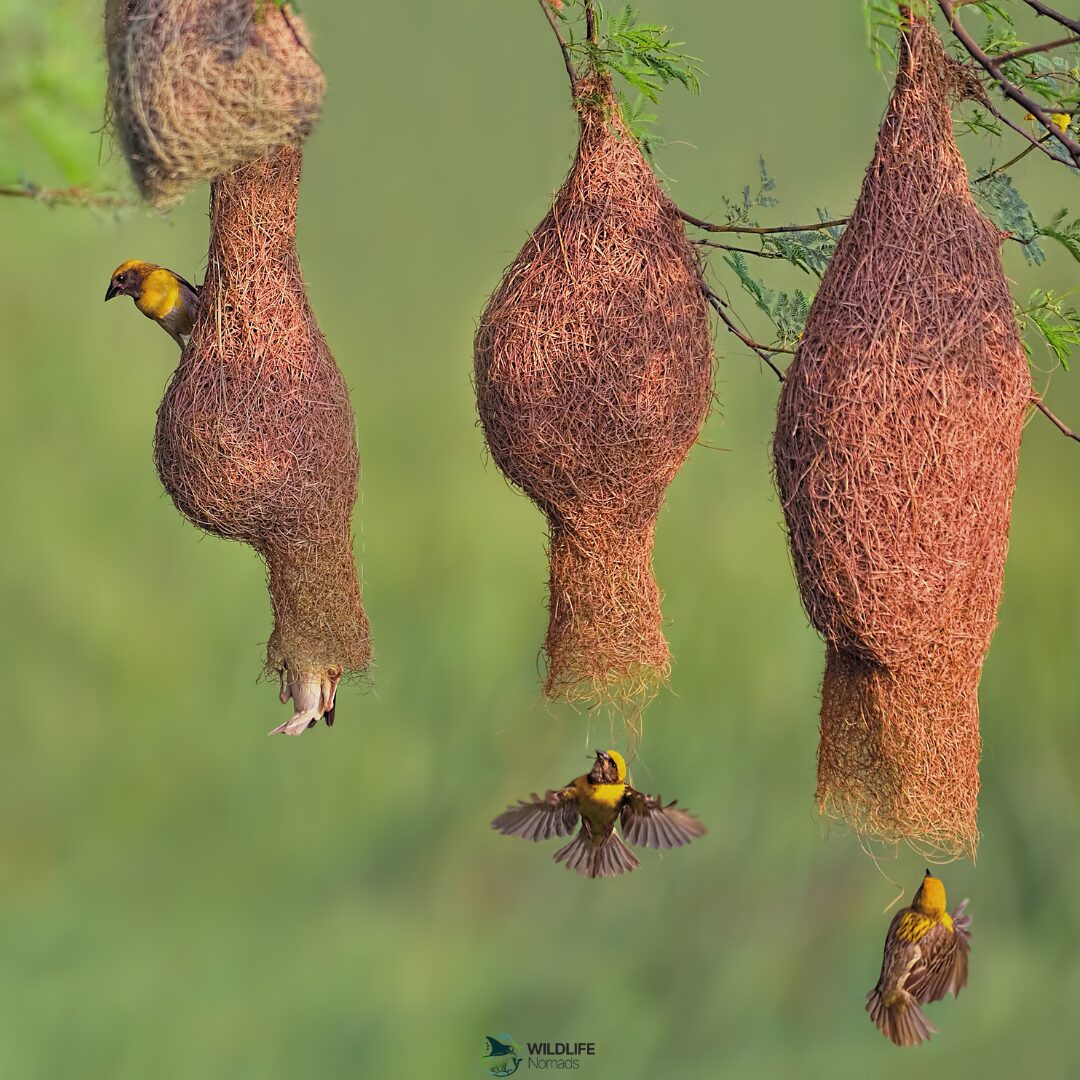
Weaver birds are the avian world’s construction engineers. These small birds create complex nests by intricately weaving together grasses, leaves, and twigs. Their hanging nests, often built in large colonies, are designed to protect against predators and the elements. The nests can weigh up to a ton or sometimes even more, and reach up to 6 meters wide.
In Africa and parts of Asia, the weaver bird’s nests serve as a visual spectacle and a crucial part of the ecosystem. These nests not only provide shelter for the birds but also attract other species that repurpose the structures for their own use. Weaver birds’ remarkable craftsmanship showcases their instinctive engineering talents and adaptability.
4. Weaver Ants (Oecophylla spp.)
Weaver ants are tiny in size but mighty in their structure building, crafting intricate nests in trees by stitching together leaves with silk produced by their larvae. The nests can reach up to half a meter in length and they can house thousands of ants. Nests are lightweight yet durable, providing shelter and protection from predators. The construction process involves incredible teamwork, as ants use their bodies to pull leaves into position while others secure them with silk. Beyond their impressive architecture, weaver ants play a critical role in their ecosystems by controlling pest populations and protecting plants. In fact, they are so effective at pest management that some farmers use them as a natural alternative to chemical pesticides, underscoring their ecological and agricultural importance.
But not only Weaver ants, most ants including all ant family (Family Formicidae) are experts in underground engineering, creating intricate networks of tunnels and chambers that serve as colonies. Leafcutter ants, for example, showcase exceptional construction skills. They cut leaves and transport them back to their nests to cultivate fungus, which serves as their primary food source.
The complexity of ant colonies rivals that of human cities, complete with “rooms” for food storage, nurseries, and even waste disposal. These colonies enhance soil aeration and nutrient distribution, contributing to the health of ecosystems.
How Big is the Largest Ant Colony?
The largest ant colony ever discovered is the Argentine Ant Supercolony, which spans an astonishing 3,700 miles. This massive colony is estimated to house approximately 307 million ants and stretches across the European Mediterranean region, from Spain’s west coast through southern France and into northern Italy.

5. Coral Polyps (Class Anthozoa)
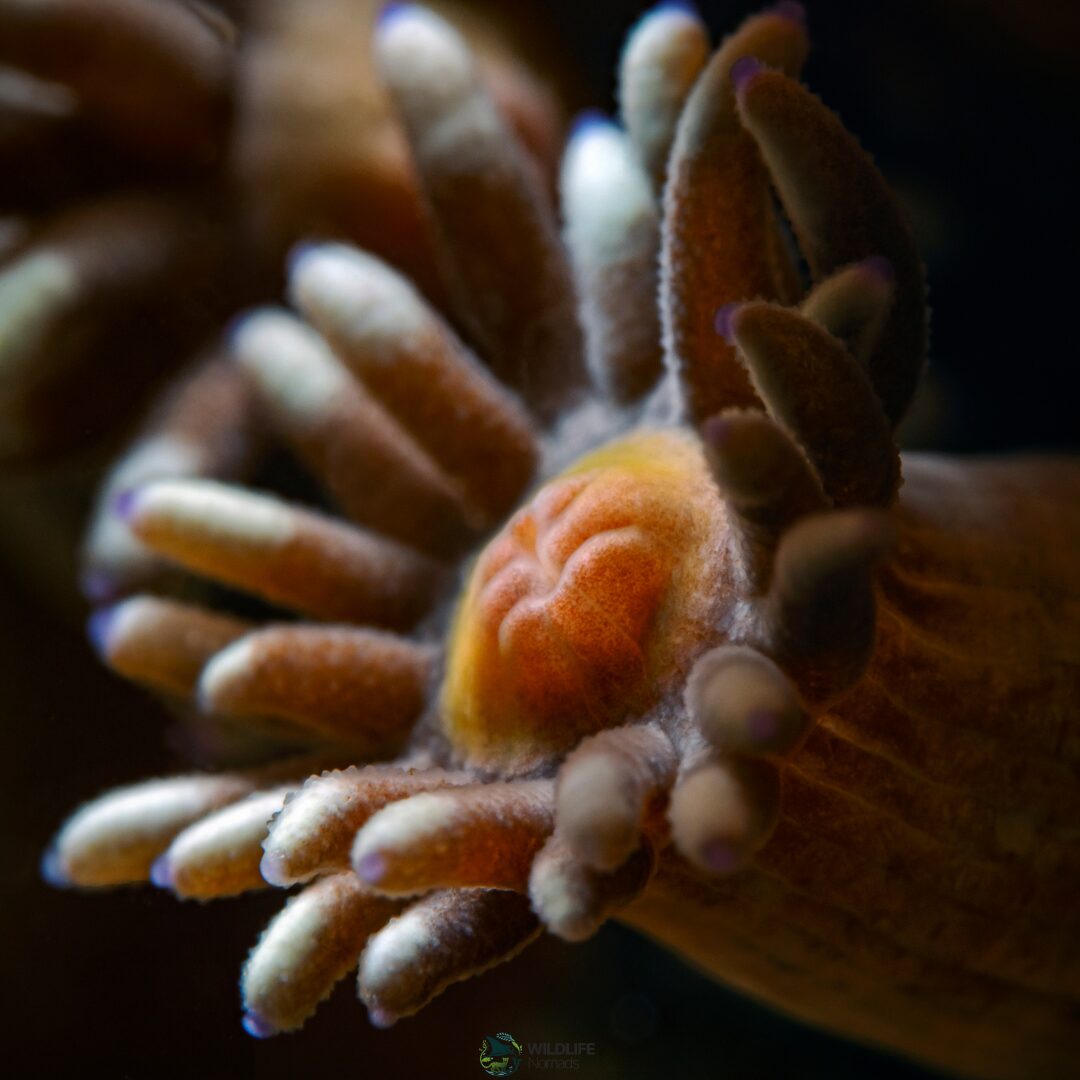
Coral polyps might be tiny, but together, they create some of the most massive and biodiverse structures on Earth: coral reefs. While most polyps are tiny, averaging just 1 to 3 millimeters (0.04 to 0.12 inches) in diameter, their colonies can grow to impressive sizes and weighing several tons. Over centuries, these marine architects deposit calcium carbonate, which forms the hard skeletons that make up reefs, making them a foundation species.
Coral reefs support an estimated 25% of all marine life, providing food and shelter for thousands of species, including many types of coral fishes, puffer fish, sea anemones, trigger fish, echinoderms, moral eels, among many others. Beyond their ecological importance, reefs act as natural barriers, protecting coastlines from erosion and storm surges. However, climate change and pollution threaten coral reefs, highlighting the urgency of conserving these underwater marvels.
Social Implications of Animal Structures
Animal architecture often serves as the foundation for complex social systems, facilitating cooperation, communication, and community organization among species.
- Cooperative Construction: Many animal structures require coordinated effort among multiple individuals, fostering social bonds and communication systems. Weaver ant nest construction involves precise timing and coordination among dozens of individuals, each playing specific roles in the building process.
- Termite mound construction demonstrates perhaps the most sophisticated division of labor in the animal kingdom, with different castes performing specialized tasks while maintaining overall structural integrity and functionality.
- Community Hubs: Large structures often serve as social centers for extended communities. Weaver bird colonies facilitate information sharing about food sources, predator threats, and environmental conditions. The communal nests of sociable weavers provide opportunities for social learning and cultural transmission of building techniques.
- Territorial Organization: Animal structures often define territorial boundaries and social hierarchies within species. Beaver dams establish family territories while providing shared benefits to the broader ecosystem. Prairie dog burrow systems reflect complex social organization with different families occupying specific areas within larger town structures.
Adaptive Benefits of Animal Structures
The evolutionary success of animal architects stems from the multiple adaptive advantages their structures provide, enhancing survival and reproductive success in challenging environments.
- Environmental Protection: Animal structures provide crucial protection from extreme weather conditions, predators, and other environmental hazards. Termite mounds maintain stable internal conditions despite dramatic external temperature fluctuations. Beaver lodges provide secure shelter during harsh winter conditions when other habitats become inhospitable.
- Resource Management: Many animal structures incorporate sophisticated resource storage and management systems. Ant colonies include dedicated granaries for food storage with humidity control to prevent spoilage. Honey bee colonies store both honey and pollen in specialized cells designed for long-term preservation.
- Reproductive Success: Structures often play crucial roles in successful reproduction by providing safe nursery areas and attracting mates. Bowerbird displays serve as courtship arenas that demonstrate male fitness and building skills to potential partners. Weaver bird nests provide secure environments for egg incubation and chick development.
- Ecological Integration: The most successful animal structures integrate seamlessly with their ecosystems, often providing benefits to multiple species. Coral reefs support incredible biodiversity while protecting coastlines from erosion. Beaver dams create wetland habitats that benefit countless other species while improving watershed health.
Learning from Nature’s Architects
Nature has long been a source of inspiration for human innovation, and the ingenious creations of animal architects are no exception. From termite mounds influencing sustainable building designs with natural cooling systems to the intricate geometry of bee hives inspiring efficient engineering structures, these species showcase solutions that balance functionality, efficiency, and environmental harmony.
By studying these natural designs, engineers and architects can develop technologies that are more sustainable, adaptive, and resilient. Biomimicry, the practice of emulating nature’s strategies, continues to revolutionize fields like construction, robotics, and even urban planning, proving that some of the most groundbreaking ideas come from observing the natural world.