
Are Narwhals Real? Discover Facts About These Unique Marine Creatures
Are narwhals real? Explore the fascinating truth behind these unique creatures and learn what makes them truly special. Read the article to find out!
Browse our archive of blogs about the animals and wildlife of the USA. Discover native species, ecosystems, and conservation stories from coast to coast.
Are narwhals real? Explore the fascinating truth behind these unique creatures and learn what makes them truly special. Read the article to find out!

The American bald eagle bird is more than just a national symbol, it’s one of the largest raptors in North America. Females grow bigger than males, their nests can weigh over two tons, and juveniles spend years in mottled brown plumage before developing the famous white head and tail.

The animal ocelot is one of the most striking wild cats of the Americas. Known for its gorgeous fur, stealthy nocturnal hunts, and endangered status in Texas, this elusive predator ranges from southern Arizona to northern Argentina. In this article, we uncover 12 fascinating facts about ocelots — their size, habitat, enemies, and conservation — revealing why protecting them is vital for our shared natural history.
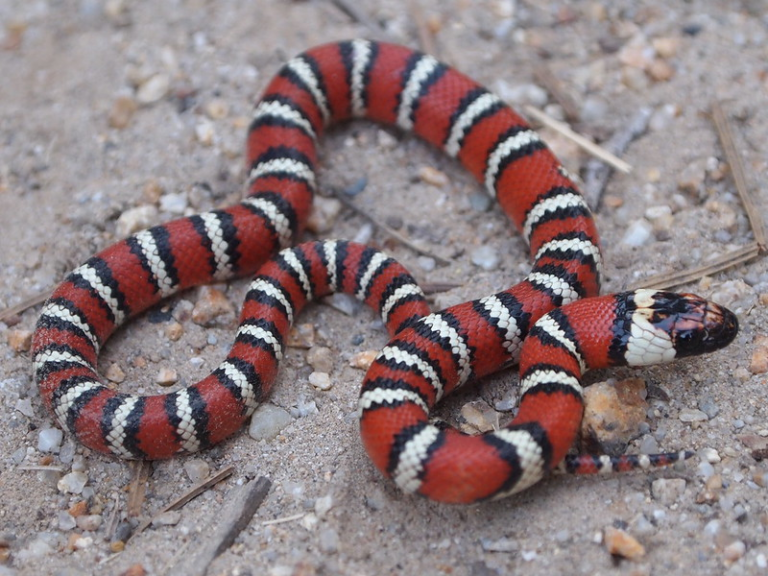
Did you know how diverse kingsnakes can be? One of them is the California Mountain Kingsnake (Lampropeltis zonata). Its coloration mimic the venomous coral snake. This elusive reptile thrives in rocky, forested habitats, plays a role in controlling small vertebrate populations, and has several subspecies spread across California’s mountains. Here are 10 fascinating facts about this remarkable snake.

Black snakes are some of the most commonly spotted reptiles in Florida, from the quick southern black racer to the massive eastern indigo and the adaptable rat snake. While at first glance they may all look alike, each species has its own traits, habitats, and behaviors. This guide will help you identify the most common black snakes in Florida and understand why they’re so important to the state’s ecosystems.

The pygmy owl may be small, but it’s one of the boldest hunters in the forest. Found across North America and Europe, these owls perch silently by day, waiting to swoop on unsuspecting prey. With false eyes on the back of their head and the courage to take down birds nearly their own size, pygmy owls are proof that power doesn’t always come in large packages.

The rhesus macaque monkey is one of the world’s most adaptable primates—thriving in forests, mountains, and even city streets. From temple raids in India to groundbreaking roles in medical research, their story is as fascinating as it is controversial.

Florida is teeming with lizards, from the color-changing green anole to the invasive brown anole, the massive green iguana, and the snake-like glass lizard. Some are native treasures, others are disruptive invaders, but all tell a story about the Sunshine State’s ecosystems.

Sandbar sharks are among the most common coastal sharks, known for their tall dorsal fins, sandy-colored bodies, and habit of gathering in large schools. Found in shallow waters worldwide, these powerful predators play a vital role in balancing marine ecosystems.

Legless lizards often fool people into thinking they’re snakes — until they blink. From the California legless lizard to the Sheltopusik of Europe, these limbless reptiles tell a fascinating story of adaptation and survival. In this guide, we’ll explore 12 iconic species, their habitats, threats, and why conserving them matters.

The Mojave green snake is one of the most venomous rattlesnakes in North America, famous for its neurotoxic bite and desert camouflage. Found across the Mojave and Sonoran deserts, this snake is often confused with the western diamondback—but its venom, behavior, and role in the ecosystem make it truly unique.

The red rat snake, also known as the corn snake, is one of Florida’s most eye-catching reptiles. Non-venomous and incredibly useful, this snake keeps rodent numbers down, scales trees with ease, and often shows up in backyards. Despite their striking red blotches, they’re harmless to humans—making them a welcome neighbor in both wild and suburban landscapes.

From their South American origins to their surprising presence in Florida and Georgia, tegus are giant, intelligent lizards that can outcompete native wildlife. Learn 12 fascinating facts about their size, diet, reproduction, and impact on ecosystems.

Brown anoles are invasive lizards thriving in Florida. Learn 12 facts about their origins, habits, and impact, and why they’re more fascinating than feared.

The eastern indigo snake is the U.S.’s longest native snake, non-venomous, and even eats rattlesnakes—discover more in these 10 fascinating facts.