Meet The Mojave Snake
I once came across a typical adult Mohave rattlesnake on while working on a Zoo. Its body shimmered a pale gray-green, blending so perfectly with the flat creosote bush scrub of the Mojave Desert that I nearly stepped on it. That moment, the sudden buzz of its tail, the flash of its broad, triangular head, was unforgettable. Encounters like these remind us why respecting venomous reptiles is essential when exploring the desert.
The Mojave green snake is one of those animals that commands instant respect. Found across the deserts of the southwestern U.S. and Mexico, this rattlesnake is infamous for having one of the most toxic venoms of any North American species. Also known as the Mojave rattlesnake (Crotalus scutulatus), it often causes confusion with the western diamondback rattlesnake. This can confuse snake identification, especially in regions where both species coexist, making accurate snake identification crucial for understanding venom effects and interpreting bite cases. Yet its venom and behavior set it apart.
Here are 12 facts about the Mojave green rattlesnake, from its venom and habitat to safety tips and conservation.

1. The Mojave Green Snake Is Crotalus scutulatus
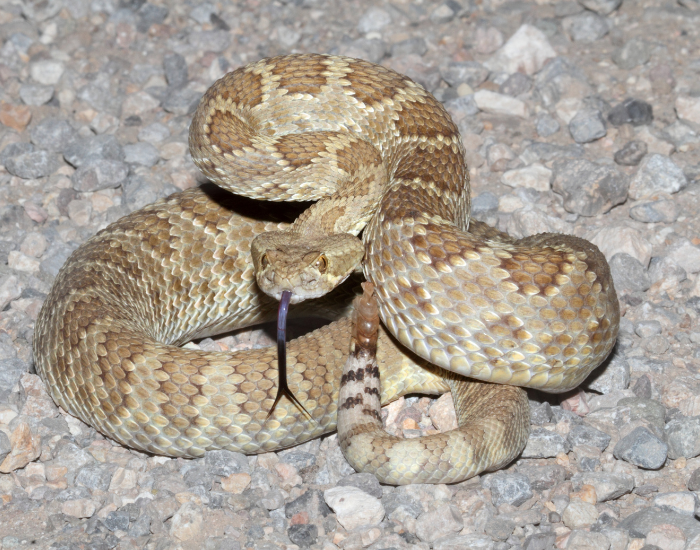
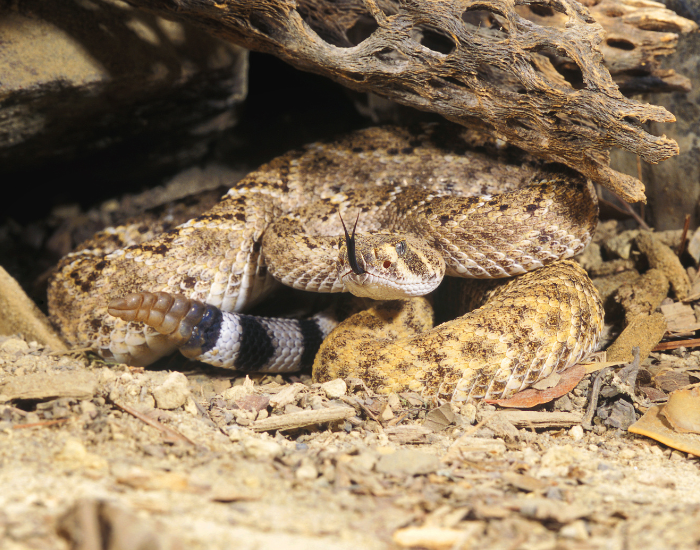
The Mojave green rattlesnake (Crotalus scutulatus) is one of the most feared snakes in the desert Southwest. Recognizable by its greenish-olive color, diamond-shaped dorsal blotches, and bold black-and-white tail bands, it stands out from similar rattlesnakes. Adults typically measure 60–107 cm (24–42 in).
Across its range, this species shows impressive diversity. The Mexican form, Crotalus scutulatus salvini, represents a genetically distinct group from the Central Mexican Plateau. Research also highlights northern and southern subpopulations, shaped by cycles of isolation and contact during the Pleistocene.
Instead of neat subspecies, the Mojave green forms genetic clines, gradual shifts in traits across regions, reflecting ongoing adaptation and gene flow. Among them, the Northern Mojave rattlesnake is the most widespread, ranging across the Southwestern U.S. and into northern Mexico.
Genetic studies have revealed the presence of northern and southern subpopulations, which show significant genetic and morphological divergence due to historical isolation and secondary contact. These analyses also indicate the existence of distinctive genetic populations within C. scutulatus, shaped by geographic and genetic factors rather than discrete diagnostic groups. Multiple episodes of isolation and secondary contact during the Pleistocene produced distinctive genetic populations, resulting in phenotypic clines and ongoing gene flow.
It is important to note the widely distributed nominate subspecies, the Northern Mohave Rattlesnake, which ranges broadly across the deserts of the southwestern United States and into Mexico, distinguishing it from less widespread subspecies found further south.
2. It’s Among the Most Venomous Snakes in North America
The Mojave toxin is a potent neurotoxin that can cause respiratory failure if untreated. Unlike most rattlesnakes, which rely on hemotoxins that damage tissue, Mojaves have a venom that targets the nervous system. This makes the Mojave green not only a dangerous rattler, but also a dangerous snake, and it is widely regarded as an extremely dangerous snake and a very dangerous rattler due to its highly neurotoxic venom and potential to cause severe or fatal envenomation.
In some populations, both Mojave toxin components are present, which increases the neurotoxic potential of the venom. The two peptide subunits that constitute Mojave toxin are both required for its full neurotoxic effect, distinguishing these populations from others and contributing to the snake’s reputation for high toxicity.
Studies on North American rattlesnake venoms consistently rank the Mojave green among the continent’s most dangerous rattlesnakes.
3. Mojave Rattlesnakes Live in Arizona and Beyond
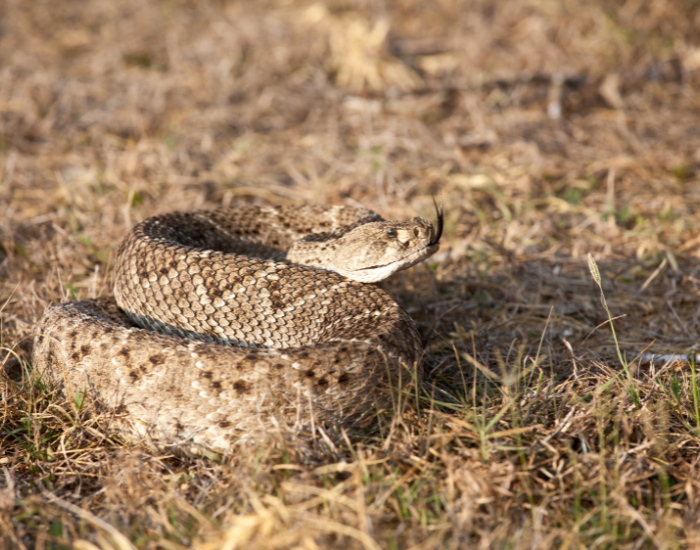
If you’ve wondered, are there Mojave rattlesnakes in Arizona? — the answer is yes. Studies on Arizona poison have shown that bites from Mojave rattlesnakes in Arizona can be especially severe, with clinical outcomes highlighting the potency of their venom. In fact, the Mojave snake Arizona population is often considered the state’s deadliest. They share territory with the western diamondback, leading to frequent confusion.
Their full Mojave rattlesnake range includes:
- Mojave and Sonoran Deserts
- Nevada, New Mexico, Utah, Texas
- Northern Mexico, including the Mexican Plateau
- Isolated populations in Santa Cruz County and near the Colorado River
C. scutulatus occurring in these regions shows notable population variation and genetic divergence. In some areas, the Mojave green is the predominant biting rattlesnake, responsible for most envenomations due to its neurotoxic venom profile.
4. They Prefer Arid Habitats – Ecological Role in the Desert
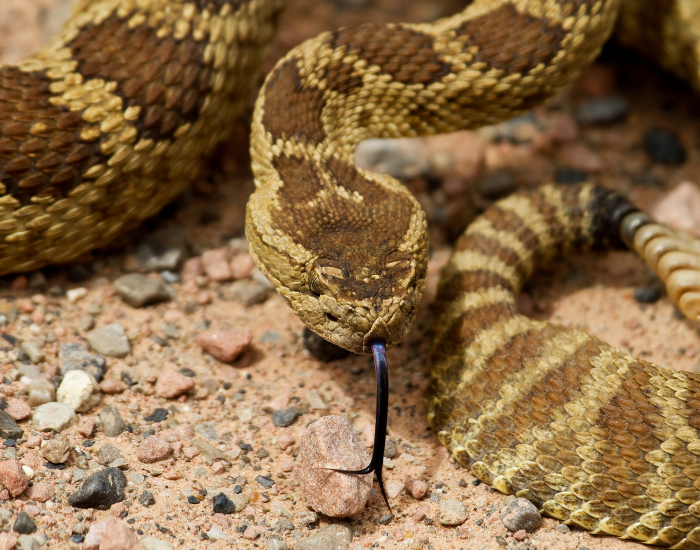
Step into the Mojave Desert and you’ll find this rattlesnake right at home. From wide, sunbaked flats dotted with creosote and mesquite to rocky slopes shaded by cacti and Joshua trees, the Mojave green thrives in some of the harshest landscapes. And while it can survive in dry, unforgiving terrain, it often lingers near precious water sources, where prey is plentiful and life clusters in the desert heat.
But the Mojave green rattlesnake is far more than a symbol of desert danger, it’s a keystone player in this ecosystem. As an ambush hunter, it keeps populations of rodents, lizards, and even other snakes in check, preventing any one species from overrunning the delicate desert balance. By reducing rodent numbers, it indirectly helps plants thrive and even lowers the spread of disease.
At the same time, this rattlesnake is not just a hunter, it’s also part of the menu. Coyotes, bobcats, and birds of prey all rely on it as a food source. In this way, the Mojave green fills a dual role: predator and prey, shaping and sustaining the very fabric of the desert ecosystem.
6. Mojaves Can Be Pale Gray or Green
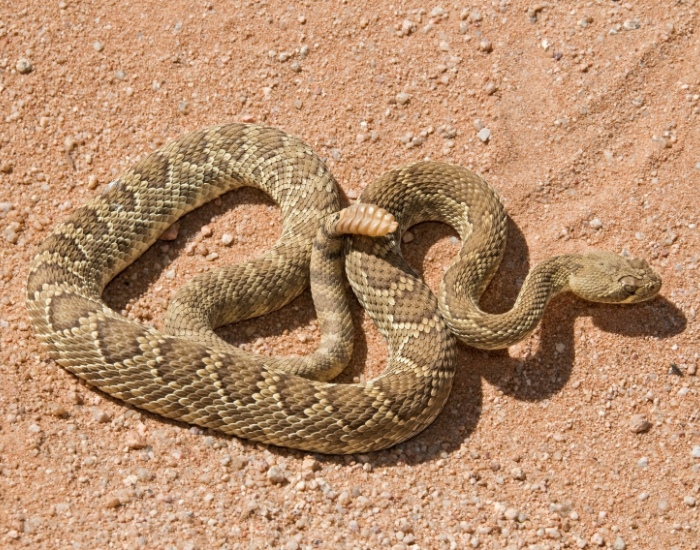
The name “Mojave green” comes from the snake’s coloration. Many appear pale gray-green, which blends seamlessly with sandy soils. Others are olive, brown, or gray, depending on their environment. This cryptic color helps them ambush prey and avoid detection by predators.
7. Subspecies and Related Species: Mojave Green Snake’s Close Relatives
If you zoom out and look at the Mojave green’s family tree, you’ll see it actually has two branches of its own. One is the more widespread Crotalus scutulatus scutulatus, found across much of the Mojave’s range. The other is a lesser-known cousin, Crotalus scutulatus salvini, sometimes called the Huamantlan rattlesnake, that lives in pockets of mainland Mexico.
Like many snakes of the desert Southwest, the Mojave green doesn’t stand alone. It shares close ties with other rattlers, including the famous western diamondback (Crotalus atrox). Together, they’re part of the pit viper clan, a group that also counts Sistrurus and Agkistrodon among its relatives.
What this all means is that the Mojave green is just one member of a big, diverse family of rattlesnakes that have carved out niches everywhere from arid deserts to lush woodlands across North America. Its place in that lineage reminds us just how adaptable, and successful, these snakes have been in surviving such different landscapes.
8. They’re Often Confused with Western Diamondbacks
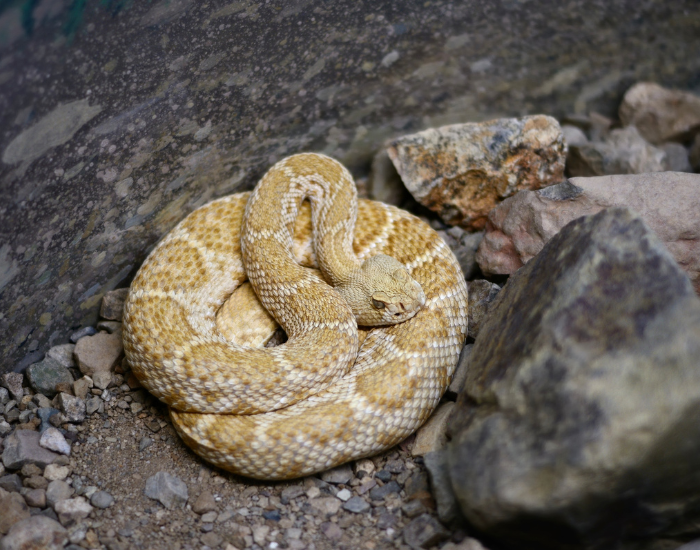
One of the most common questions is: What is the difference between a Mojave green and a diamondback rattlesnake?
- Mojave rattlesnakes: slimmer body, high-contrast black and white tail bands, often a greenish hue.
- Western diamondbacks: bulkier build, muted tail bands, and larger, darker diamond-shaped blotches.
- Both species belong to venomous snakes of the U.S., but their venom profiles differ drastically.
Misidentification with other snakes is common, which is why knowing the differences can save lives.
9. Mojaves Can Reach Over 4 Feet
A typical adult Mohave rattlesnake ranges from 2 to 4 feet in length, with some individuals exceeding 4.5 feet. Male Mojave rattlesnakes are generally longer and more robust than females, which is common in many rattlesnake species.
10. Venom and Toxin Composition: What Makes Their Bite Unique
What truly sets the Mojave green rattlesnake apart is the potency and complexity of its venom. The primary weapon in its arsenal is the infamous Mojave toxin, a powerful presynaptic neurotoxin made up of two peptide subunits that work together to disrupt nerve signals, often leading to delayed but severe respiratory paralysis. Unlike many other rattlesnakes, the Mojave green’s venom causes minimal local tissue damage but can have devastating systemic effects. Additional components, such as metalloproteinases, contribute to tissue destruction and bleeding. This unique blend makes the Mojave green’s bite one of the most dangerous among rattlesnake bites in North America. The venom’s complexity has made it a focus of medical research, leading to the development of specialized antivenoms and a deeper understanding of how venomous snakes impact human health.
11. They’re Ambush Predators
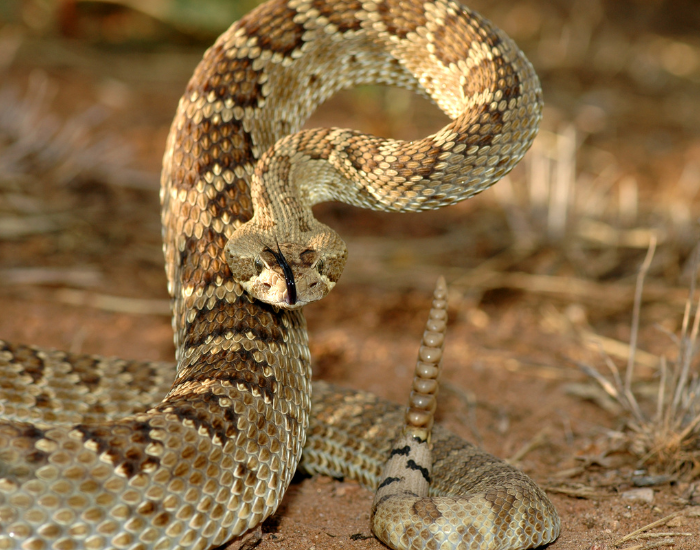
Like other pit vipers, Mojaves use heat-sensing pits to detect warm-blooded prey. Their diet includes:
- Rodents (their primary food source)
- Lizards and small mammals
- Occasionally other snakes and birds
They strike, inject venom, and wait for their prey to collapse before swallowing it whole.
12. Mojaves Are Primarily Nocturnal
In the extreme desert heat, Mojaves are most active at night or during the cooler hours of dawn and dusk. However, in spring and fall, you may see them basking during the day.
13. Mojaves Are Defensive and Dangerous
Are Mojave rattlesnakes aggressive? While they don’t seek out conflict, they are known to hold their ground for sure. When cornered, they rattle their tails vigorously and may strike repeatedly. This defensive behavior, combined with their venom, makes them among the most dangerous rattlesnakes hikers can encounter.
14. Conservation Status: Least Concern, but Watchful
The Mojave green is listed as Least Concern, meaning it isn’t currently endangered. But threats loom:
- Habitat loss from urban sprawl
- Roadkill in desert valleys
- Human persecution — many are killed on sight out of fear
While not yet a threatened species, their long-term survival depends on maintaining healthy desert ecosystems.
15. Mojave Snake Bites Require Immediate Care
What happens if you get bit by a Mojave rattlesnake?
- Symptoms: Blurred vision, muscle weakness, respiratory distress.
- Treatment: hospital care with antivenom (CroFab or Anavip).
- Human rattlesnake bites: Mojaves cause fewer bites than diamondbacks, but their severity makes them especially dangerous.
The prognosis for scutulatus bite victims appears similar to that of other rattlesnake bites, with most patients recovering if treated promptly. Scutulatus bites can cause severe neurotoxic effects, but the clinical outcome depends on the type of venom injected, as different populations produce venom with varying toxicity, some with potent Mojave toxin, others with less neurotoxic components. Antivenoms are manufactured using venoms from C. scutulatus and other species, such as the tropical rattlesnake, to ensure broad effectiveness against a range of pitviper envenomations. In the United States, the number of people killed by venomous snakes annually is very low, and fatal Mojave rattlesnake bites are rare.
Doctors and poison control centers stress that survival depends on seeking help quickly. Delay in treating scutulatus venom can be fatal.
Safety Tips for Desert Explorers
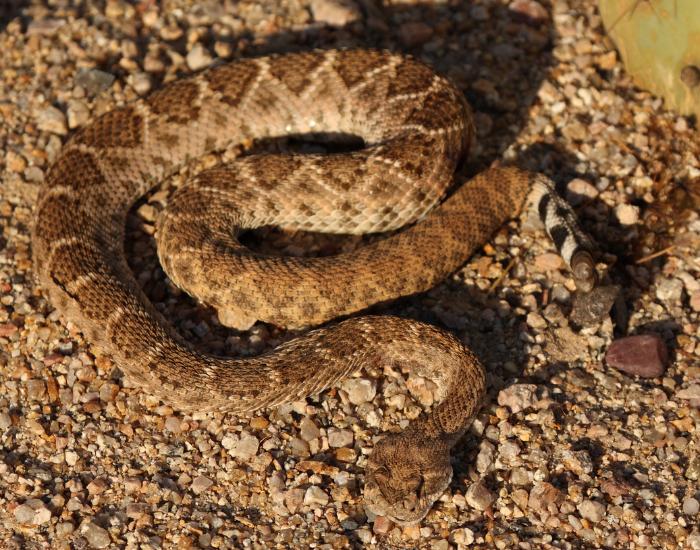
- Wear boots and long pants.
- Stick to open trails.
- Avoid reaching into rock crevices or brush.
- If you encounter a rattlesnake, back away slowly and give it space.
- Never attempt to handle or kill one, most bites occur this way.
FAQs About Mojave Rattlesnakes
Extremely venomous. Its neurotoxin ranks among the most dangerous of all North American rattlesnakes.
Mojaves are slimmer, often pale green, with more potent venom. Diamondbacks are bulkier with muted bands and weaker venom.
They live across the Mojave and Sonoran deserts, parts of Arizona, Texas, New Mexico, and into Mexico.
Seek emergency care immediately. Without antivenom, bites can be fatal.
Yes — they are widespread in Arizona and considered the state’s most venomous snake.
Understanding the Feared
The Mojave green snake is one of the most feared, and misunderstood, reptiles of the desert. Yes, its venom makes it deadly, but it’s also a crucial predator that keeps rodent populations in check.
During my travels across the desert, I’ve learned that respect and awareness go a long way. The rattle is a warning, not a challenge. If we give this snake space, admire its adaptations, and protect its habitat, we can coexist with one of the most iconic venomous snakes of the American Southwest.