Wildlife Nomads


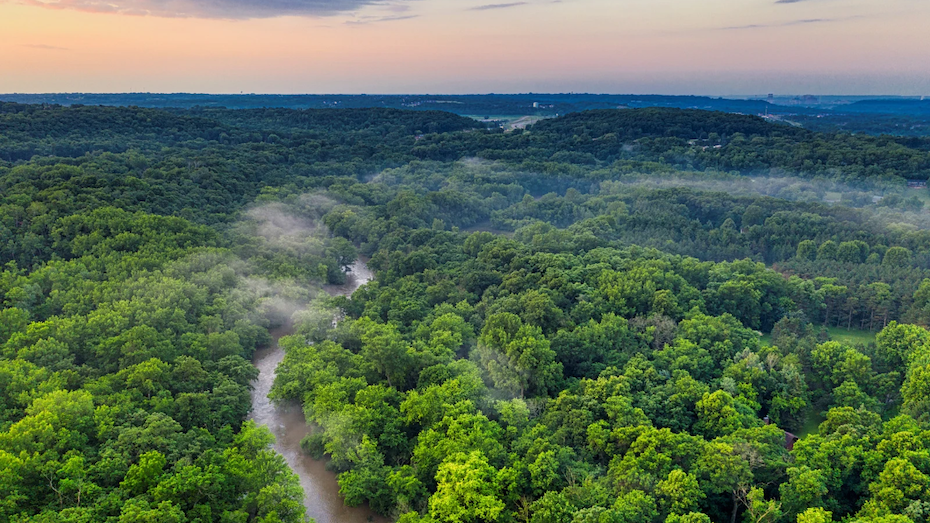
Ecological succession is one of my favourite ideas in biology. It turns a bare patch of ground into a story. Leave a burnt hillside, a cleared field or a new lava flow alone, and life moves back in. It doesn’t arrive all at once. It arrives in waves, and each wave changes the place for the next one.
When I worked as a field ecologist around Sydney, I saw the darker side of this almost every week. Much of my job was controlling invasive plants, and disturbed ground was where they took hold first. Weeds are often brilliant early colonisers. Understanding succession helped me see why some sites recovered with native plants and others turned into a wall of weeds.
In this article, I’ll explain what ecological succession is and how primary and secondary succession differ. I’ll also walk through each stage. I’ll also share some of the best real examples scientists have studied. If you prefer to learn by playing, try the succession time-lapse in my interactive ecology explorer. It lets you age a landscape by 300 years and start a bushfire.
From bare rock to forest: can you keep up? Twelve questions on lava, lichens, bushfires and the islands that rose from the sea. Read on, then take the quiz at the end and see if you grow all the way to forest. Jump to the quiz ↓Quick answer: Ecological succession is the gradual, fairly predictable change in the species that live in a place over time. It starts after an area is created or disturbed. Early “pioneer” species change the soil, light and shelter, which lets new species move in and often replace them.
What is ecological succession?
Ecological succession is the process by which a community of organisms changes over time. One group of species colonises an area and alters it. Those changes then favour a new group of species, and the cycle repeats.
The idea is old. In 1899, the American botanist Henry Chandler Cowles studied sand dunes along Lake Michigan. He noticed that dunes further from the water carried older plant communities. Walking inland was like walking forward in time. That trick, reading time from space, is still how ecologists study succession today. They call it a chronosequence.
In 1916, Frederic Clements described succession as a march towards one stable “climax” community. He believed the local climate set it. Henry Gleason disagreed in 1926. He argued that each species responds to conditions on its own, so communities are looser and more chance-driven. Modern ecology sits somewhere between the two views.
Primary vs secondary succession
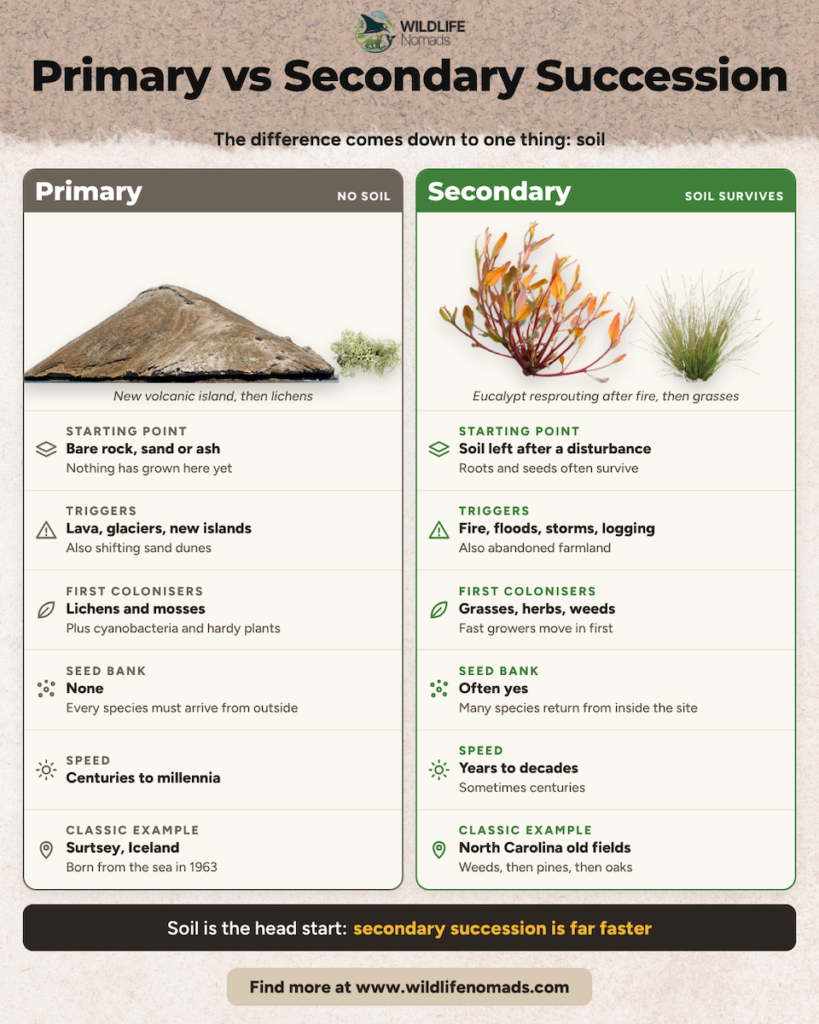
There are two main types of ecological succession. The difference comes down to one thing: whether soil is already there.
| Primary succession | Secondary succession | |
|---|---|---|
| Starting point | Bare rock, sand or ash with no soil | Soil remains after a disturbance |
| Typical triggers | Lava flows, retreating glaciers, new volcanic islands, sand dunes | Fire, floods, storms, logging, abandoned farmland |
| First colonisers | Lichens, mosses, cyanobacteria, hardy plants | Fast-growing grasses, herbs and weeds |
| Seeds and roots already present? | No | Often yes, in the soil seed bank |
| Speed | Very slow: centuries to thousands of years | Faster: years to decades, sometimes centuries |
| Classic example | Surtsey, Iceland | Old fields in North Carolina, USA |
Primary succession
Primary succession begins on ground that has never supported life, or where every trace of life and soil has gone. Think of fresh lava, rock scraped bare by a glacier, or a brand-new volcanic island.
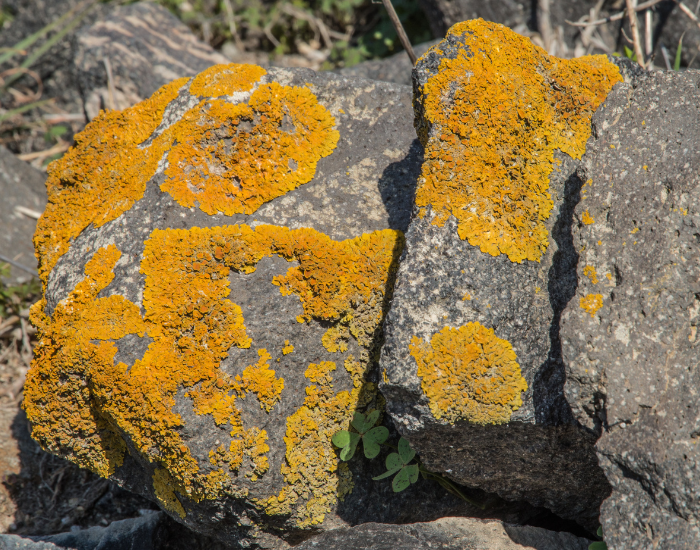
Without soil, almost nothing can grow at first. So the first colonists are tough specialists. Lichens can cling to bare rock and release acids that slowly break it down. Mosses trap dust and moisture. When they die, their remains mix with rock grains and start the first thin soil.
Secondary succession
Secondary succession happens after a disturbance removes most of the living things but leaves the soil behind. Bushfires, floods, cyclones, logging and abandoned farmland all trigger it.
Because the soil survives, recovery is much faster. The ground often holds a seed bank, plus roots and underground stems that can resprout. Many of the species return from inside the site, not just from outside.
The stages of ecological succession
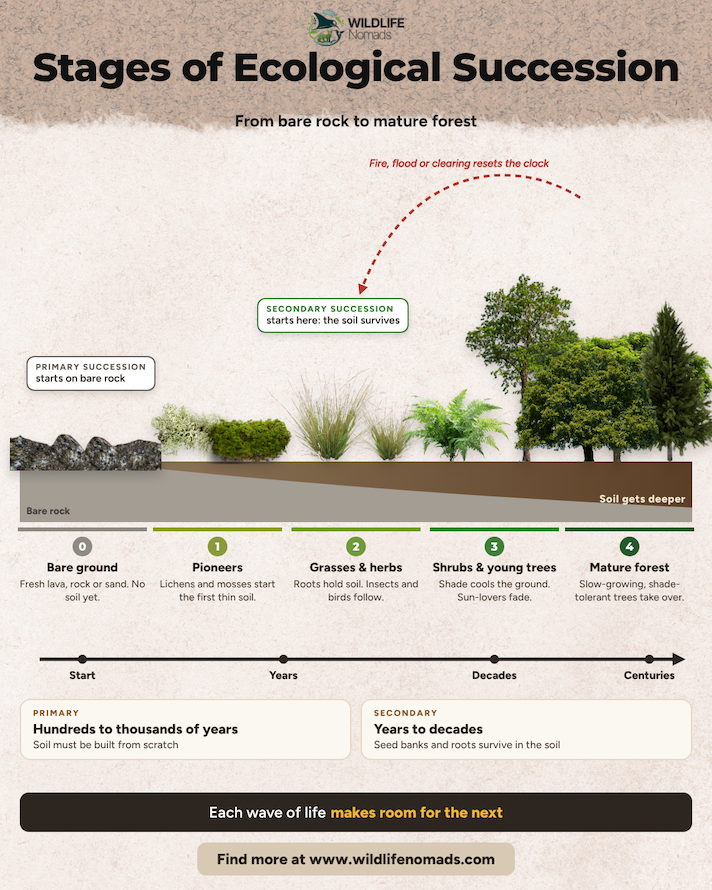
Ecologists usually describe succession in stages. Real places rarely follow a neat script, but the general pattern holds well enough to be useful.
1. Pioneer stage
Pioneer species are the first organisms to colonise a bare or disturbed site. In primary succession, they are often lichens, mosses and cyanobacteria. In secondary succession, they are usually fast-growing annual plants.
Pioneers share some traits. They tolerate harsh sun, wind and poor soil. They grow fast, reproduce early and spread lots of small seeds or spores. Ecologists call this an r-selected strategy.
2. Early stage: grasses and herbs
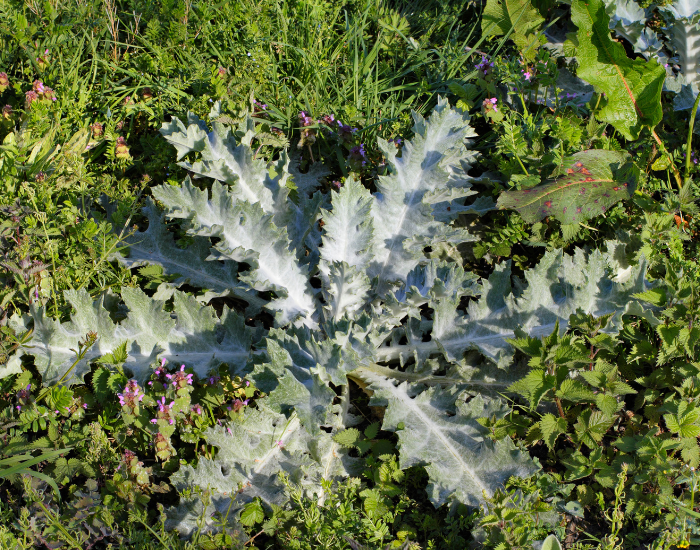
As soil builds up, grasses, wildflowers and other herbs move in. Their roots hold soil in place, and their dead leaves add organic matter. Insects, spiders, small birds and rodents follow the food.
3. Intermediate stage: shrubs and young trees
Deeper soil supports shrubs and sun-loving trees. These plants shade the ground, which cools it and keeps it moist. Many of the original sun-loving pioneers can’t cope with the shade, so they fade out.
4. Late stage: mature forest or climax community
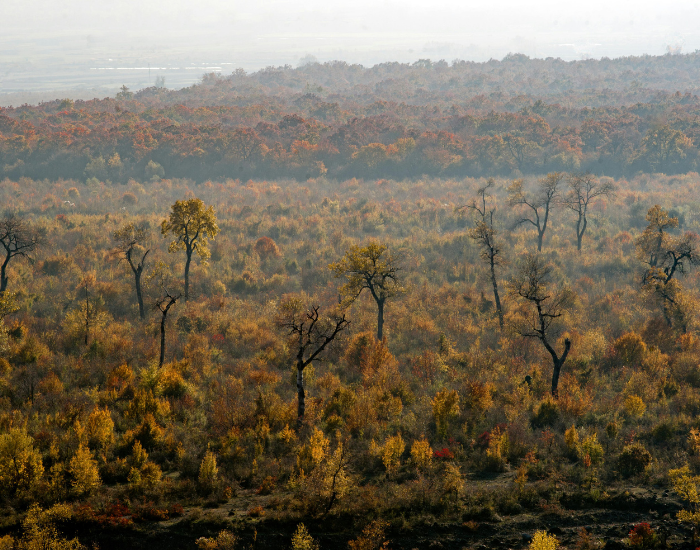
Eventually, slow-growing, shade-tolerant species take over. Older textbooks call this final stage the climax community, because it was thought to stay stable forever.
Most ecologists now see it differently. Mature communities still change, just more slowly. Storms knock down trees, fires sweep through and diseases hit single species. So many landscapes are a patchwork of different successional stages, all at once.
What causes ecological succession?
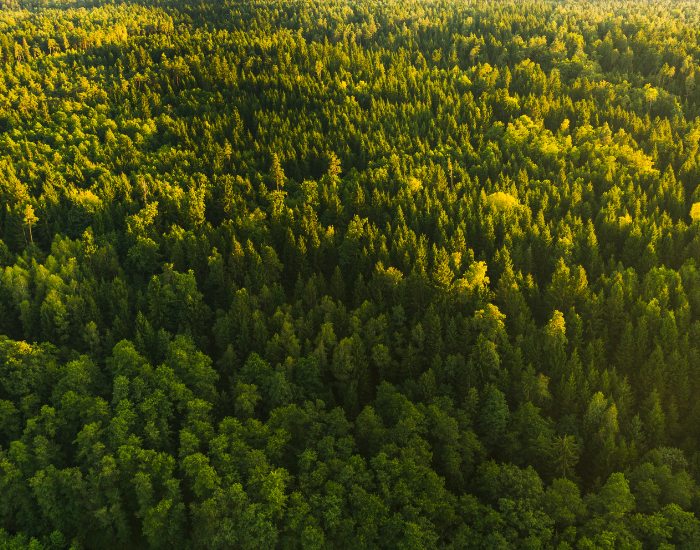
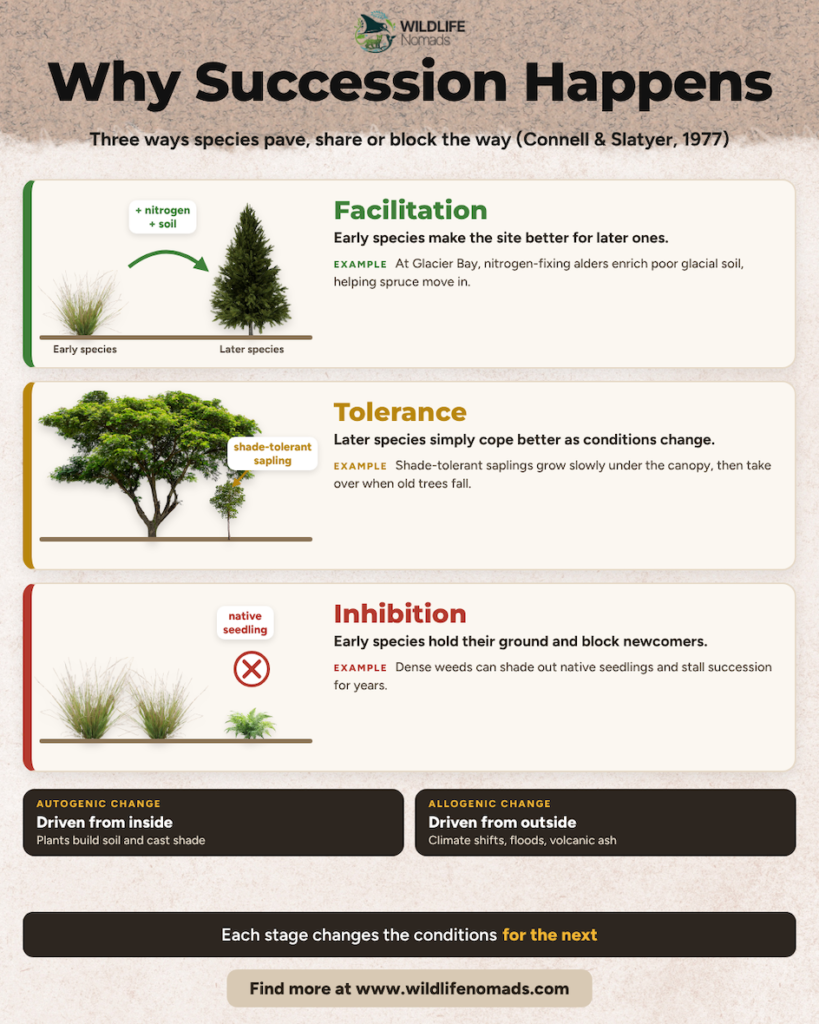
Succession happens because each set of species changes the conditions around it. In 1977, Joseph Connell and Ralph Slatyer described three ways this can work.
- Facilitation. Early species make the site better for later ones. Alder shrubs in Glacier Bay, for example, host bacteria that add nitrogen to the poor glacial soil.
- Tolerance. Later species simply cope better with the conditions that develop, such as shade or competition. Early species neither help nor block them much.
- Inhibition. Early species hold their ground and block newcomers. Change only comes when those early occupants die or get damaged.
Ecologists also split the drivers into two groups. Autogenic changes come from the organisms themselves, like plants building soil or casting shade. Allogenic changes come from outside, like climate shifts, floods or volcanic ash.
Disturbance matters too. In 1978, Connell popularised the intermediate disturbance hypothesis. It suggests that moderately disturbed places can hold the most species. They keep a mix of early and late stages. The idea is still debated, but it explains why some disturbance can be healthy.
Real examples of ecological succession
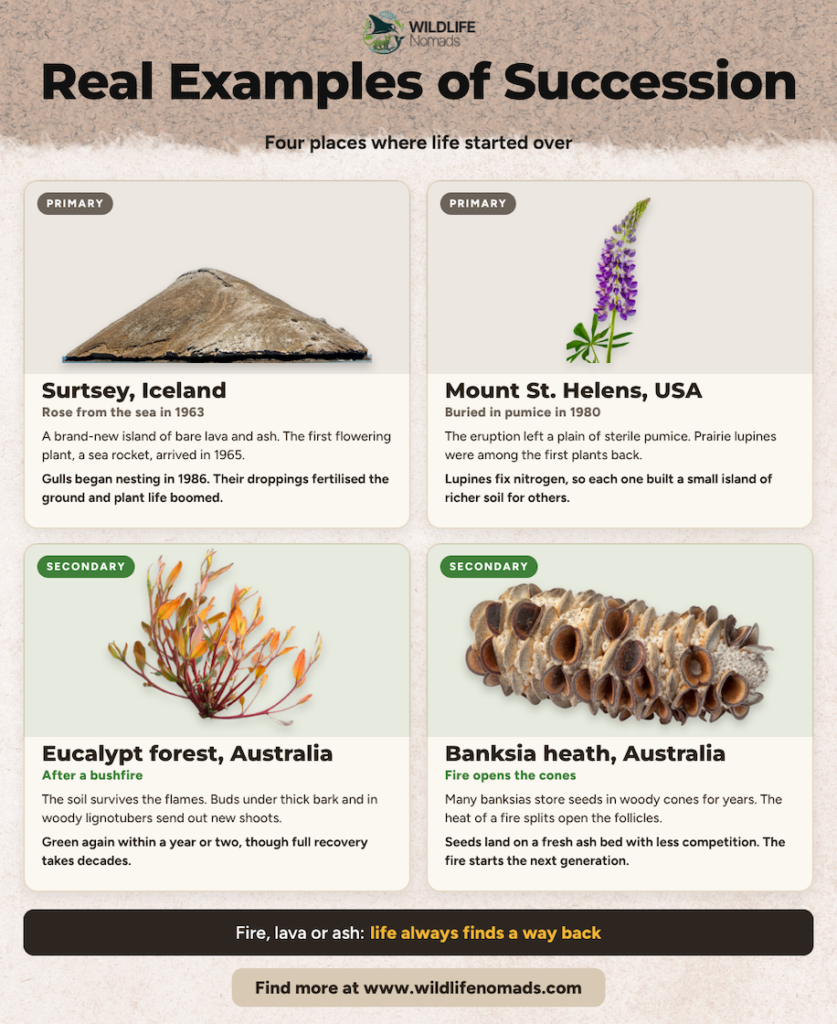
Here are some of the best-studied examples, from new islands to old farms.
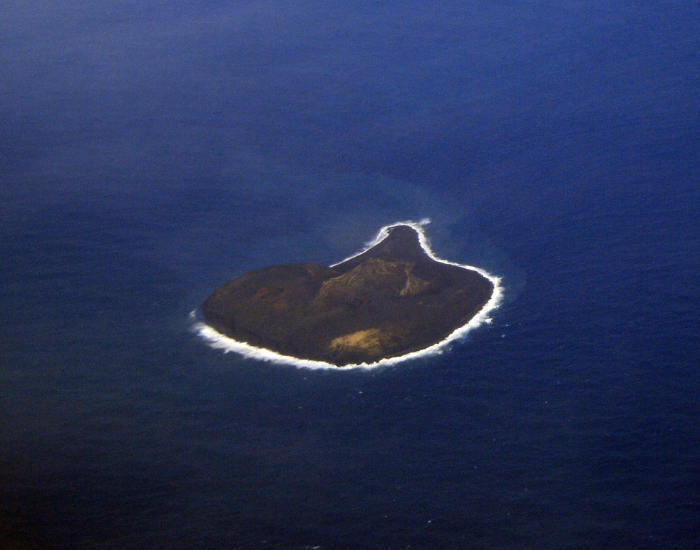
Surtsey, Iceland
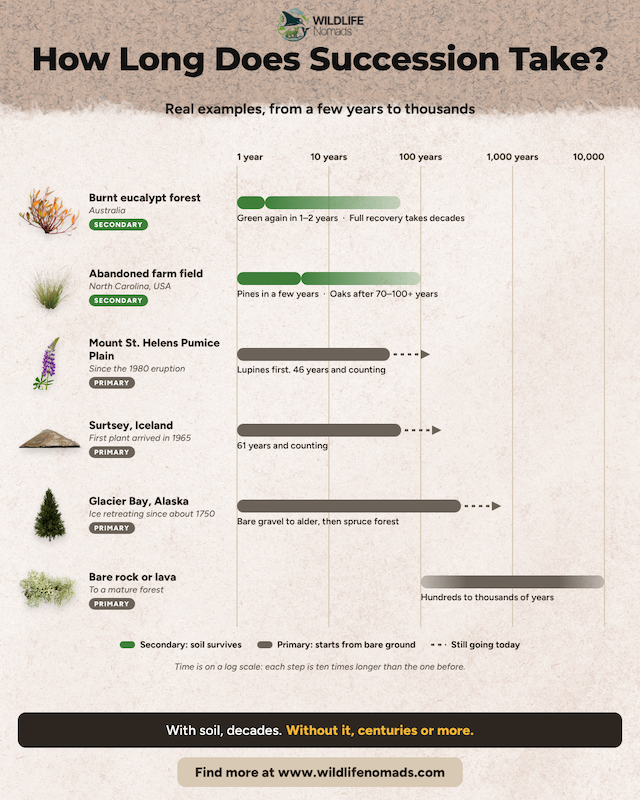
Surtsey rose from the sea in an eruption that began in November 1963 and lasted until 1967. Iceland made it a nature reserve in 1965, while it was still erupting. Few people have landed there since. The first vascular plant, sea rocket, appeared in 1965. Seabird colonies later brought nutrients in their droppings, and plant life boomed around them. Surtsey is now a UNESCO World Heritage Site, valued as a natural laboratory of primary succession.
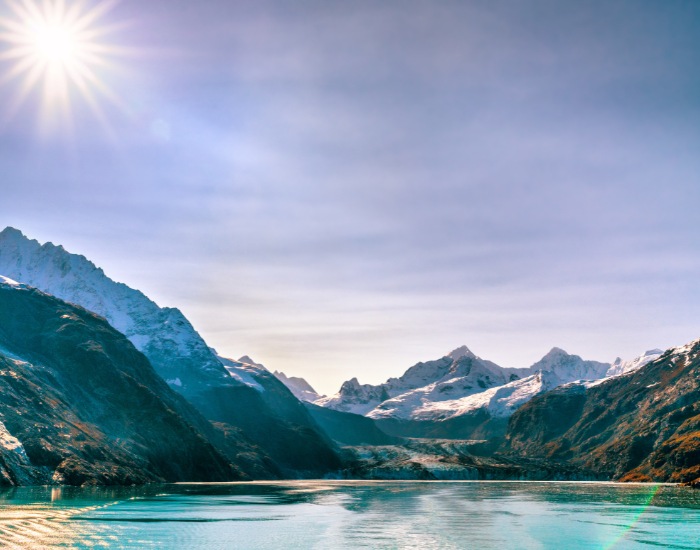
Glacier Bay, Alaska
Since about 1750, Glacier Bay’s ice has retreated more than 100 kilometres (65 miles). As the ice pulls back, it leaves a rough timeline of bare gravel and rock. Near the ice, you find bare rock and pioneer plants. Further away, you find alder thickets, then spruce forest. A detailed study by Terry Chapin and colleagues in 1994 showed how each stage changes the soil for the next. Not every site follows the same path, though.
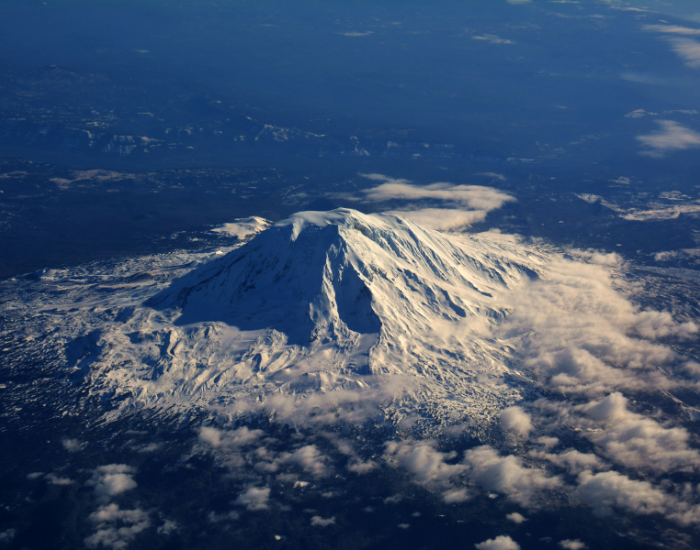
Mount St. Helens, USA
The 1980 eruption of Mount St. Helens flattened forests and buried land under ash and pumice. Across much of the blast zone, recovery came faster than many scientists expected. Some plants and animals survived under snow or soil. Northern pocket gophers dug buried soil and seeds back up. The Pumice Plain was different. Scorching flows killed everything there, so recovery was true primary succession. Prairie lupines, which fix nitrogen, led the way.
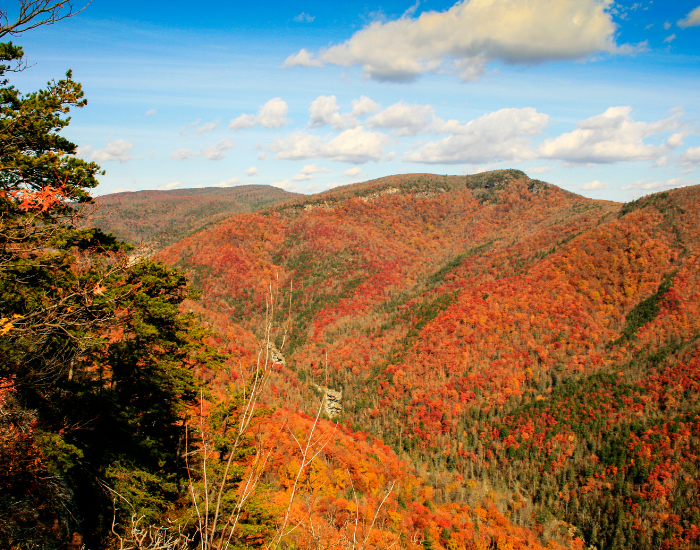
Old fields in North Carolina, USA
Abandoned farms in North Carolina’s Piedmont are a classic case of secondary succession. Horseweed dominates in the first year, then aster, then broomsedge. In 1950, Catherine Keever explained why these plants replace each other. Pines move in within a few years. Hardwoods such as oaks take 70 to 100 years or more to take over.
Fire in Australia
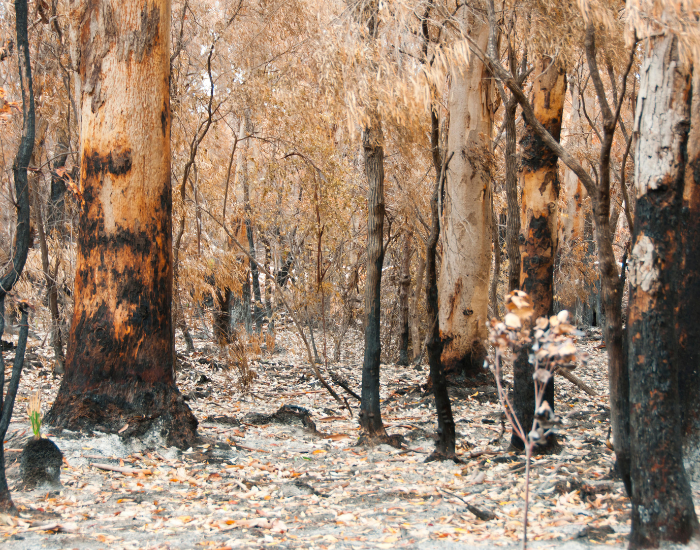
Fire is a natural part of many Australian ecosystems, so succession here often starts after a burn. Many eucalypts survive fires and resprout from buds beneath their thick bark. Many banksias store seeds in woody cones that only open after a fire. These plants don’t just survive fire, they use it to restart.
A pond becoming land
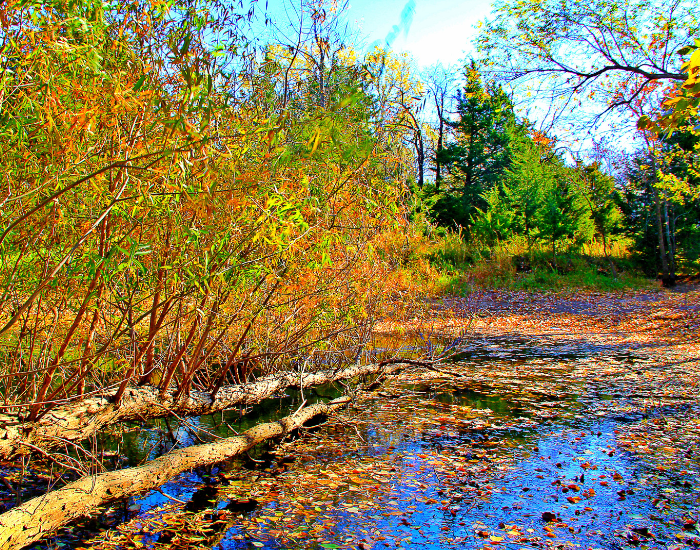
Small lakes and ponds can slowly fill with sediment and plant remains. Open water can become a marsh, then a wet meadow, and in some cases woodland. Ecologists call this a hydrosere. It doesn’t happen everywhere, and some wetlands stay wet for thousands of years. Wetlands like Coombabah Lakelands, where I watch bar-tailed godwits, show how varied these watery edges can be.
Succession, invasive species and restoration
Succession isn’t always a happy story. After a disturbance, the first plants to arrive are often the ones that spread fastest. In many places, those are invasive species.
In my field ecology work around Sydney, disturbed ground was a constant battle. Once invasive plants filled the early stages, they could shade out or crowd out native seedlings. That’s an example of inhibition, and it can stall succession for years. Restoration ecologists use this knowledge on purpose. They remove weeds, plant native pioneers and protect the soil seed bank, giving natural succession a head start.
Succession also guides how we manage fire, rebuild mine sites and restore coral reefs and wetlands. Knowing what comes next helps us decide when to step in and when to step back.
How long does ecological succession take?
There’s no single answer. It depends on the type of succession, the climate and what survives the disturbance.
- An abandoned field can turn into young woodland within a few decades.
- A burnt eucalypt forest may look green again within a year or two. Full recovery takes much longer.
- Primary succession on bare rock or lava can take hundreds to thousands of years to produce a mature forest.
Frequently asked questions
Ecological succession is how a place changes from bare or disturbed ground into a richer community over time. Each wave of species changes conditions, making room for the next.
There are four main stages. First come pioneers, then grasses and herbs, then shrubs and young trees. Last comes a mature stage, which older books call the climax community.
Surtsey, a volcanic island that formed off Iceland from 1963 to 1967, is a famous example. The Pumice Plain at Mount St. Helens and the retreating glaciers of Glacier Bay in Alaska are two more.
A farm field left to grow wild is a classic example. A forest regrowing after a bushfire is another.
Not really. Even mature forests keep changing as trees die, storms hit and fires burn. Ecologists now see succession as an ongoing process rather than a march to one fixed end point.
Keep exploring
- See succession happen in the time-lapse in my ecology explorer.
- Learn how climate shapes each habitat in my types of biomes explorer.
- Build a food web and see what happens when you remove a species in my food web game.
- Discover what lives in a mature forest in my guide to rainforest animals.
The Ecological Succession Quiz
Twelve questions, from the first lichen to the last old-growth tree. Build a streak and find out how far your forest grows.
Want more? Explore the Wildlife Nomads blog for more ecology, from habitats to the animals that move in once the forest grows.
References:
Chapin, F. S., III, Walker, L. R., Fastie, C. L., & Sharman, L. C. (1994). Mechanisms of primary succession following deglaciation at Glacier Bay, Alaska. Ecological Monographs, 64(2), 149–175. https://doi.org/10.2307/2937039
Connell, J. H. (1978). Diversity in tropical rain forests and coral reefs. Science, 199(4335), 1302–1310. https://doi.org/10.1126/science.199.4335.1302
Connell, J. H., & Slatyer, R. O. (1977). Mechanisms of succession in natural communities and their role in community stability and organization. The American Naturalist, 111(982), 1119–1144. https://doi.org/10.1086/283241
Cowles, H. C. (1899). The ecological relations of the vegetation on the sand dunes of Lake Michigan. Botanical Gazette, 27, 95–117, 167–202, 281–308, 361–391. https://doi.org/10.1086/327796