
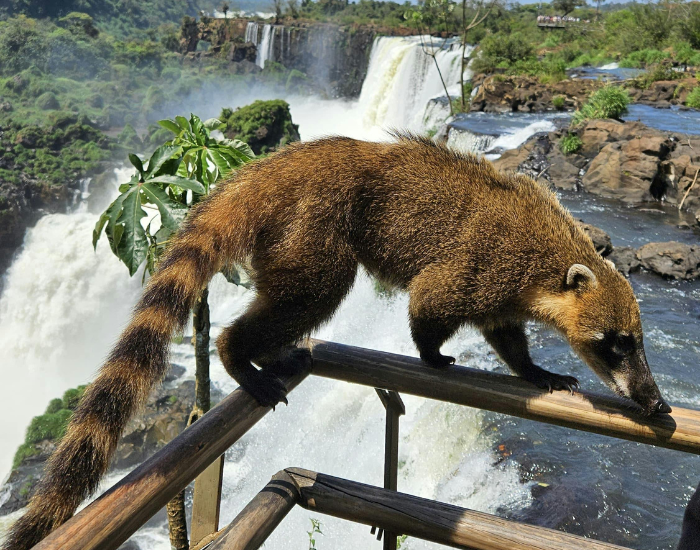
Of all wild animals in Mexico and the southwestern United States, one creature possesses extraordinary charm. It’s the coatimundi. Last time I encountered one, I stood deep in the rainforest of San Luis Potosí, Mexico. We paused at a thunderous 10-meter waterfall. Just as I prepped for the jump, I glanced back. There he was, a solitary male white-nosed coati, inspecting my dry bag with focused intelligence.
I shared a moment we that Coati. How does this raccoon-like animal survive in both arid deserts and humid jungles? Why do coatis display such boldness around humans? Today, we’re diving into the fascinating world of the coatimundi.

What Exactly is a Coatimundi?
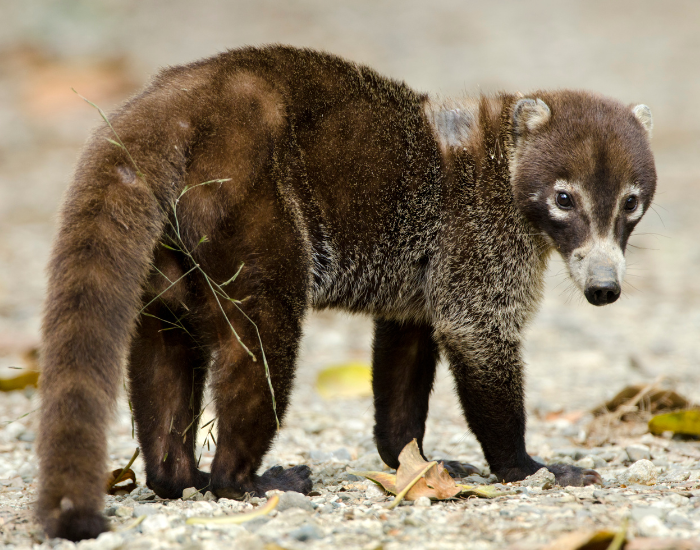
Scientifically known as Nasua narica, the white-nosed coati belongs to the Procyonidae family. This makes them cousins to raccoons and ringtails. Adult coatis measure 33 to 69 cm from head to the base of the tail and weigh between 2 and 8 kg. Their fur is typically brown to reddish-brown, with lighter bellies that help distinguish different coati species. The coloration and pattern of their fur also aid in identification and camouflage.

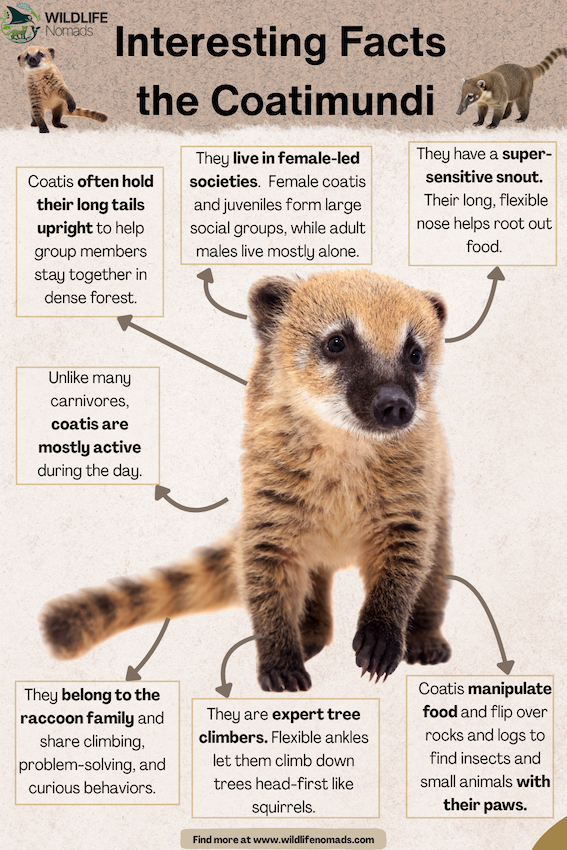
Coatis are extremely flexible, especially their long, pig-like snout, which can rotate up to 60° in any direction, helping them forage for food. They have strong limbs that allow them to climb and dig effectively. Their paws are highly dexterous, enabling them to grasp objects, climb trees, and forage efficiently. Coatis also possess long claws, which are essential for climbing, digging, and defense.
However, while raccoons prowl at night as solitary hunters, coatis are diurnal, active during daylight. They’re essentially the “monkeys of the Americas,” though they’re mammals more closely related to the raccoon family.
Are Coatis Just “Arizona Raccoons”?
Not quite. While coatis share ringed tails with raccoons, they’ve evolved differently. Their ankles rotate 180 degrees, allowing them to climb down trees head-first. Try asking a raccoon to perform that feat. This remarkable adaptation makes coatis exceptional climbers and sets them apart from other animals in their family.
10 Fascinating Facts About Coatimundi
1. The “Swiss Army Knife” Nose
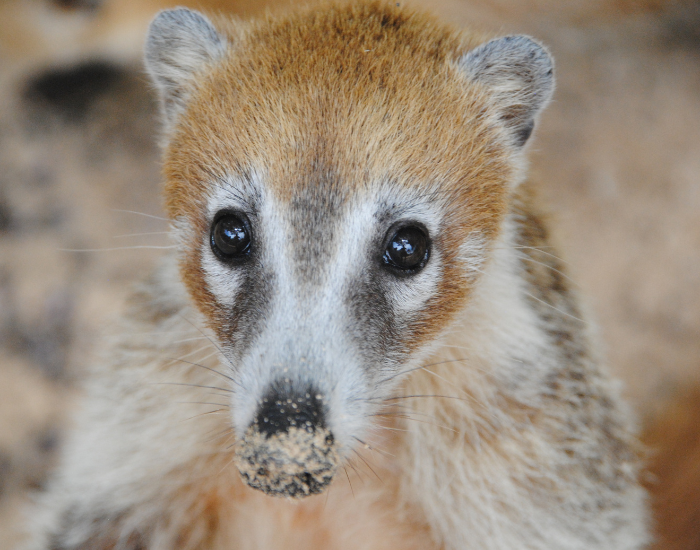
The name “coati” comes from Tupi language, meaning “belt-nose.” Their snout rotates up to 60 degrees in any direction. This allows them to poke into crevices for grubs, beetles, and invertebrates. Their long noses serve as primary foraging tools along the forest floor.
2. Matriarchal Bands vs. Solitary Males
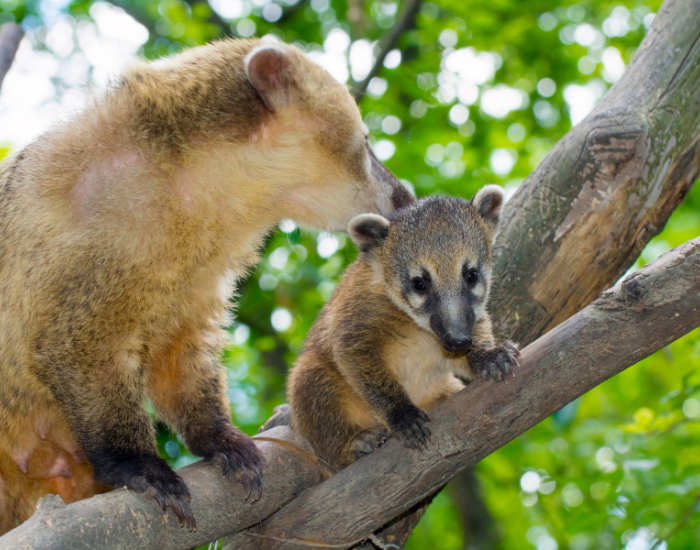
Coatis display fascinating female led social structure. Females and young males live in large groups called bands, typically containing 4 to 20 individuals. Some bands number up to 30. The young live within these bands, interacting closely with other group members and learning important social and survival skills. Adult males, however, remain strictly solitary except during mating season. In fact, “coatimundi” originally referred only to these “lone coatis.”
3. High-Altitude Specialists
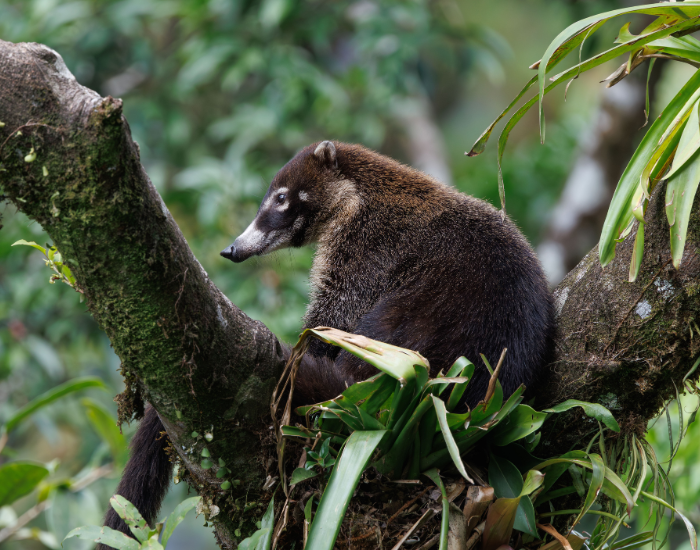
You might assume coatis prefer tropical environments exclusively. However, white-nosed coatis prove incredibly hardy. These wild animals thrive from sea level in Central America to elevations exceeding 9,800 feet in Arizona’s mountains. They’ve mastered the “sky islands”, mountain ranges isolated by desert in the southwestern United States.
4. Communication Through Chirps and Whistles
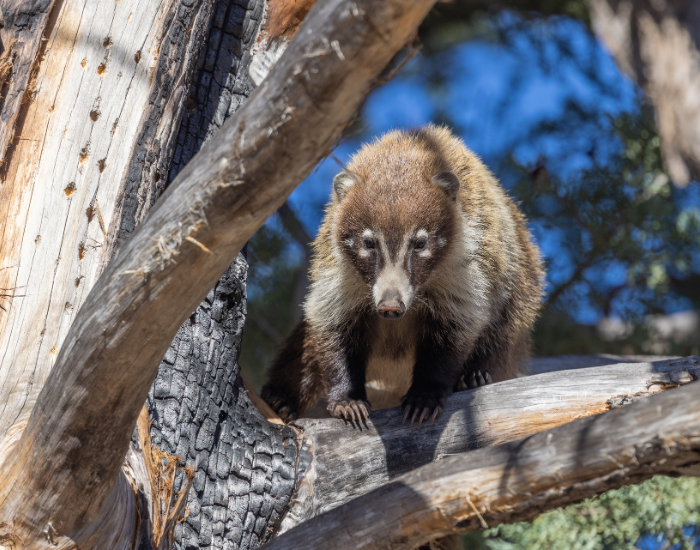
If you find yourself in coati habitat, listen closely. Coatis communicate using a wide range of vocalizations, such as chirps, barks, snorts, and whistles, as well as physical cues like tail postures and nose movements. Their vocalizations sound more like birds than carnivores. This constant chatter helps bands stay together while moving through thick brush, therefore strengthening social bonds.
5. Tail as a “Follow Me” Sign
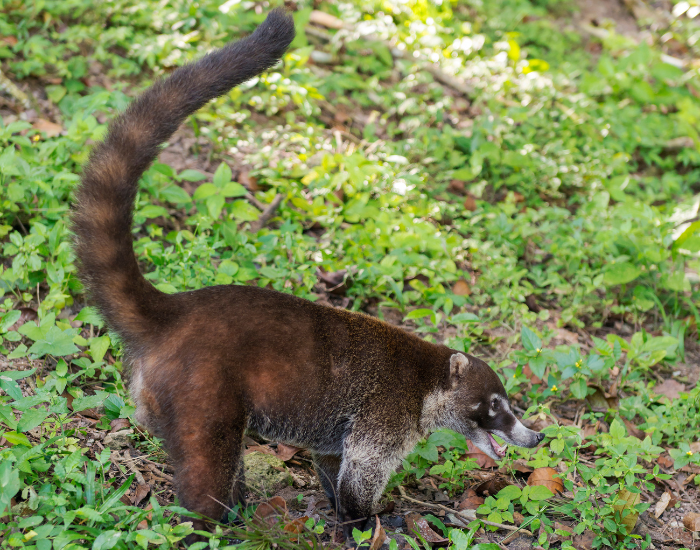
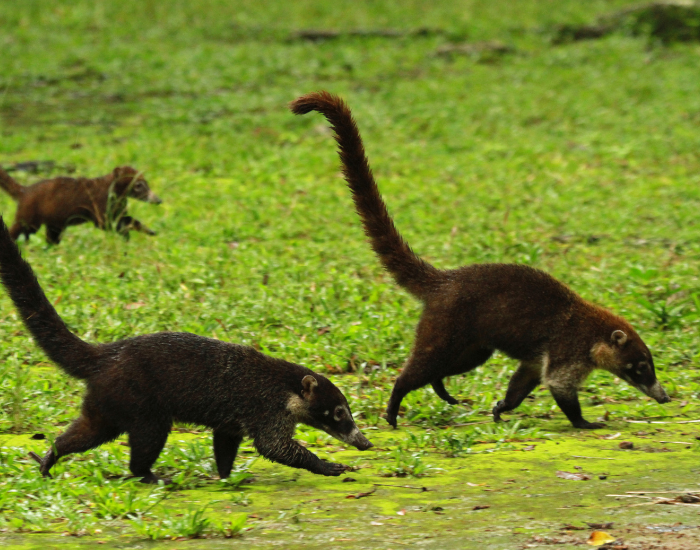
Ever wondered why coatis walk with long tails pointing straight up? When moving through tall grass or dense forest, the upright tail functions like a flag. Consequently, young coatis don’t lose sight of the group in challenging terrain.
6. The 180-Degree Ankle Trick
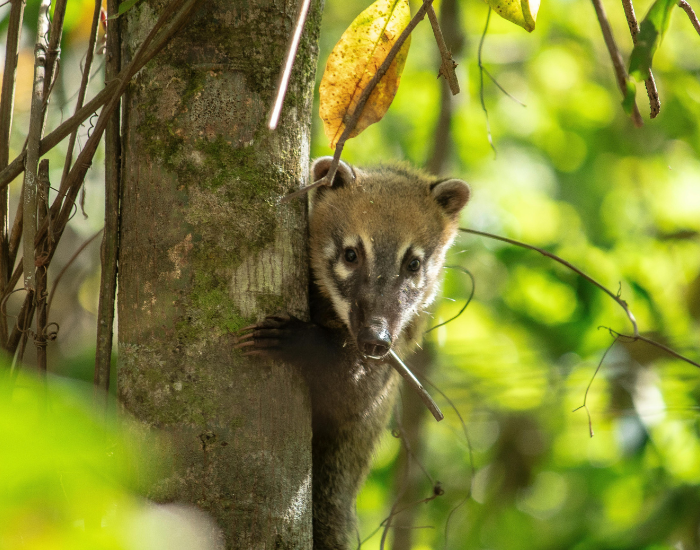
Coatis possess rear ankles so flexible they literally turn backward. This allows them to descend vertical trees with speed and grace. Few mammals accomplish this feat, making coatis exceptional tree climbers.
7. Forest Gardeners and Seed Dispersers
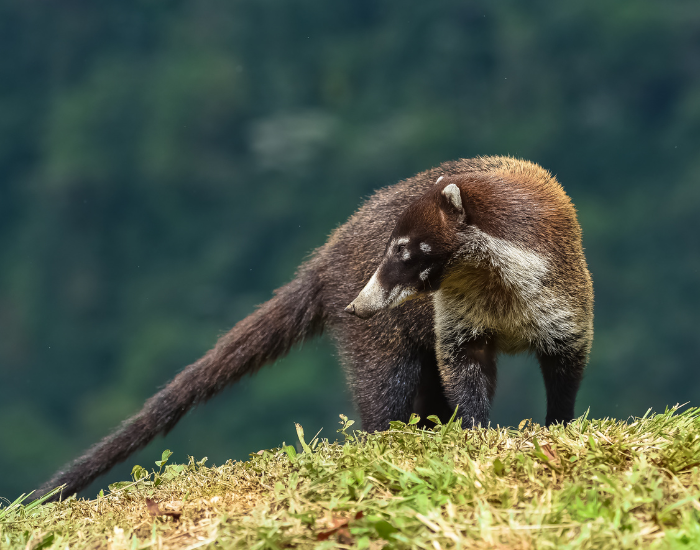
Coatis serve as essential seed dispersers. Because they consume massive varieties of fruit throughout Central and South America, they effectively replant forests through their droppings. Therefore, these animals play vital roles in maintaining forest health and biodiversity. They control insect populations while distributing seeds miles from parent trees.
8. Opportunistic Omnivore Diet
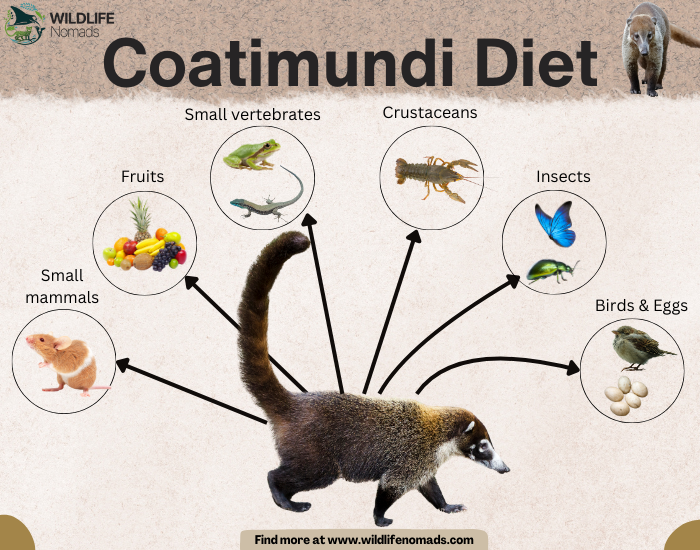
Coatis rank among nature’s ultimate omnivores. From tarantulas and lizards to fruit and eggs, nothing remains off the menu. In addition, they eat small mammals, small amphibians, fish, and insects like beetles and scorpions. That coati in San Luis Potosí likely searched for my granola bar. However, in the wild, they’re efficient predators of small vertebrates and invertebrates.
9. Tree Nests for Birthing
Unlike many relatives, pregnant females build elaborate nests high in the forest canopy. These nests provide a safe, elevated place for their vulnerable offspring, protecting them from ground predators like jaguars. The breeding season for coatimundi often coincides with the start of the rainy season, during which males temporarily join female groups and females build nests for giving birth. The gestation period lasts approximately 77 days. After this, females give birth to litters of 2 to 7 young.
10. Surprisingly Brave Behavior
As my waterfall story demonstrated, coatis aren’t easily intimidated. This makes them wonderful to observe in nature. However, it also leads to human-wildlife conflict when they discover hikers represent easy food sources. Therefore, never feed wild coatis despite their appealing curiosity.
Where to Find Coatis: Arizona and Mexico Range
If you’re searching for these raccoon-like animals, head south. While sightings occur as far north as Flagstaff, white-nosed coatis primarily inhabit southern Arizona and regions of Central America. The population of coatis in Arizona is expanding, with more frequent sightings reported in recent years, while their population remains stable in parts of Mexico.
Prime Coati Habitat Locations
Arizona: Southern Arizona provides excellent opportunities for coatimundi sightings, especially in oak woodlands. The Huachuca Mountains support high-density bands near water sources. Look for coatis in riparian areas where water attracts diverse wildlife.
New Mexico: Southern regions occasionally host coati populations, though they’re fairly common only near the border.
Mexico: Throughout Mexico, coatis thrive in various habitats from tropical lowlands to mountain forests.
Costa Rica and Central America: Tropical forests support thriving populations from sea level to high elevations.

Species and Conservation Status
Four species of coatis exist worldwide. The white-nosed coati (Nasua narica) ranges from Arizona through Central America. The South American coati (Nasua nasua) inhabits most of South America. Two mountain coati species live in the Andes, with one listed as a threatened species and classified as endangered on the IUCN Red List due to habitat loss.
According to the IUCN Red List, coatis face significant threats including habitat loss, hunting for meat, and the exotic pet trade. In Central and South America, coatis are further threatened by environmental destruction and unregulated hunting. Coatis are also one of five groups of procyonids commonly kept as pets in various parts of North, Central, and South America.

Should Coatis Be Pets? – No!
You’ll frequently see coatimundi for sale as exotic pets. As a biologist, I must be candid: coatis make terrible pets. They are intelligent, high-energy wild animals possessing sharp claws and teeth. Furthermore, a bored coati will systematically deconstruct your house.
While they appear cute as young, mature males can become aggressive during mating season. In many states, owning a coati is regulated or illegal. These are wild animals that belong in native habitats, not in captivity as escaped pets.
FAQs about Coatimundis
Generally, no. Coatis prefer to flee when encountering humans. However, they are wild animals with sharp claws. If cornered or protecting young, coatis can defend themselves. Never approach or contact wild coatis.
White-nosed coatis range from southern Arizona through Mexico and Central America into Colombia. They occupy various habitat types including tropical lowlands, dry forests, and oak woodlands up to 9,800 feet. South American coatis inhabit most of South America.
In the wild, coatis typically live 7 years. However, in captivity with proper care, their lifespan extends to approximately 14 years. This difference reflects challenges wild animals face including predation and disease.
White-nosed and South American coatis are listed as least concern. However, mountain coati species face significant threats. The eastern mountain coati is endangered due to deforestation.
Why Coatimundi Matter to Ecosystems
The coatimundi represents adaptability in the wild. Whether in Cancun or Arizona mountains, these mammals prove vital to ecosystems. They control insect populations, disperse seeds, and provide glimpses into complex social lives of wild animals.
Coatis occupy important mid-level positions in food chains throughout Central and South America. They serve as prey for large predators like jaguars and birds of prey, while controlling populations of invertebrates. This ecological role makes coati conservation important for maintaining biodiversity.
Next time you’re hiking in the southwestern United States or trekking through Mexico, keep eyes on the forest canopy. You might spot a long ringed tail waving hello. Remember to observe from respectful distance, never feed wild coatis, and appreciate these remarkable creatures in their natural habitat where they truly belong.