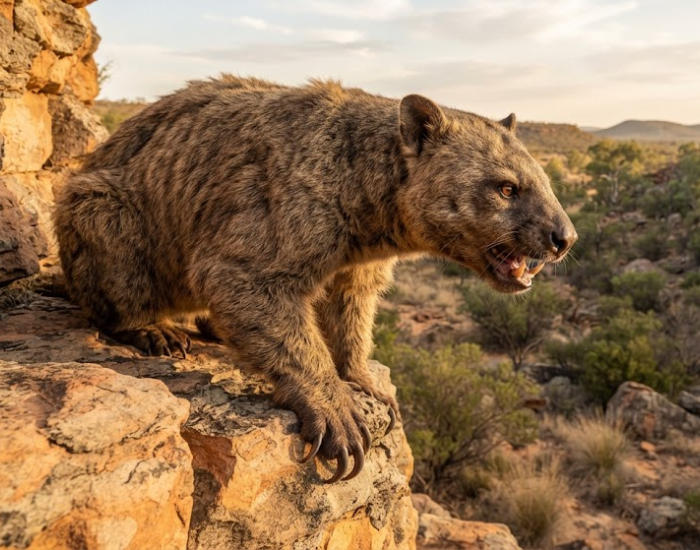
While opossums are a familiar sight across the Americas — I’ve spotted them many times in Mexico, my first encounter with an australian version happened in 2019, when I visited several national parks in Victoria, Australia. Within just a few days, I’d come face to face with wombats, kangaroos, and wallabies — animals I’d read about for years but had never seen outside a zoo. Watching a wombat trundle through the undergrowth at dusk, completely unbothered by my presence, was one of those moments that sticks with you.
That trip sparked something. More than four years later, having lived here in Australia, I’ve built up a very different relationship with marsupials. I have lived in many palces, and bandicoots now snuffle through my garden at night. Different types of possums are a regular presence on trees and roofs. I’ve even had a handful of encounters with echidnas on bush walks — though as I explain elsewhere on this blog, echidnas are monotremes, not marsupials, a distinction that often surprises people.
Living alongside these animals has given me a much deeper appreciation for their biology and the pressures they face. It’s one thing to read about short gestation periods and pouch development; it’s another to watch a mother kangaroo with a joey’s legs dangling from her pouch as she grazes nearby.

Imagine giving birth to a jellybean-sized baby that then has to crawl up your fur and into a pouch just to finish growing. Sounds like science fiction? Welcome to the wild and wonderful world of marsupials, a different kind of mammal that flips the reproductive rulebook.
Best known for their iconic pouch and starring roles in Australia’s wildlife scene, marsupials include kangaroos, koalas, wombats, and many lesser-known (but just as fascinating) species. If you’re interested in the broader biodiversity Down Under, check out our guide to the Animals native to Australia or discover 15 of the Most Threatened Animals in Australia to understand the conservation challenges many marsupials face today.
What Are Marsupials?
Marsupials are a subclass of mammals known for one defining trait: they give birth to underdeveloped young that finish developing in an external pouch. This sets them apart from placental mammals (like humans and dogs), whose young develop entirely inside the womb.
The term marsupials meaning comes from the Latin word marsupium, meaning pouch. But not all marsupials have a classic pouch, some have skin folds that protect the developing baby, known as a joey. Many small American opossums and shrew opossums, lack a true, permanent pouch and instead have temporary skin folds around the teats or simply hide the young in the fur
With over 330 species, marsupials are incredibly diverse. They range from the small, insectivorous eastern barred bandicoot to the large, herbivorous red kangaroo. While But marsupials aren’t just native to Australia. They can also be found in parts of New Guinea and South America like the opossums, revealing a fascinating evolutionary story.

Characteristics of Marsupials
While there’s a wide variety of marsupials animals, they all share some defining features:
- Short gestation period – Pregnancy lasts only a few weeks. (Here find animals with the longest gestation periods)
- Post-birth development – Newborns are tiny, blind, and hairless, about the size of a jellybean—and must crawl into the mother’s pouch to continue growing after their premature birth.
- Pouches or skin folds – Most females have a protective structure for their young.
- Double reproductive organs – Females have two uteri; males often have bifurcated (split) penises.
- Specialized milk – Milk changes as the joey grows, supporting development in stages.
These adaptations allow marsupials to be incredibly resilient, even with such a vulnerable start to life.

Where Do Marsupials Live?
Although most people associate marsupials with Australia, they’re not exclusive to that continent. The marsupials America hosts might be fewer, but they’re no less important.
Australian marsupials include kangaroos, wallabies, koalas, wombats, and Tasmanian devils. Australia is the marsupial stronghold, thanks to its long isolation from other land masses.
In eastern Australia, you can find species like koalas, common ringtail possums, and eastern grey kangaroos thriving in forests and woodlands.
South American marsupials like the yapok (a swimming opossum) and several small marsupial mice thrive in rainforest habitats.
North American marsupials are represented by the Virginia opossum—the only marsupial native to the U.S. and Canada.
So yes, marsupials are found across the Americas, even if Australia holds the majority.

Why Are Kangaroos the Poster Child of Marsupials?
Are kangaroos marsupials? Definitely, and they’re perhaps the most iconic of all.
Kangaroos embody the marsupial lifestyle: females give birth to tiny joeys that crawl into their pouches, staying there for months while they continue growing. Kangaroos also show off powerful hind legs, long tails for balance, and herbivorous grazing that shapes ecosystems. The eastern grey kangaroo, the second-largest living marsupial, is known for its social structure and common presence throughout eastern Australia.

Different Types of Marsupial Animals
With over 300 known species, types of marsupial animals (around 269 species in Australia alone) are incredibly diverse:
For instance, the greater glider was historically misclassified as a single species, Petauroides Volans, before the recognition of three distinct species.
1. Macropods (kangaroos, wallabies, tree kangaroos)
Adapted for hopping and grazing on open grasslands and forests. Bennett’s tree kangaroo, one of the two tree kangaroo species native to Australia, is found in isolated tropical forests in northeastern Queensland.

2. Diprotodonts (koalas, wombats, possums)
Most are tree-dwelling herbivores with strong claws and a slow metabolism. Pygmy possums, such as the mountain pygmy possum and the Tasmanian pygmy possum, are small marsupials with unique characteristics and habitats.

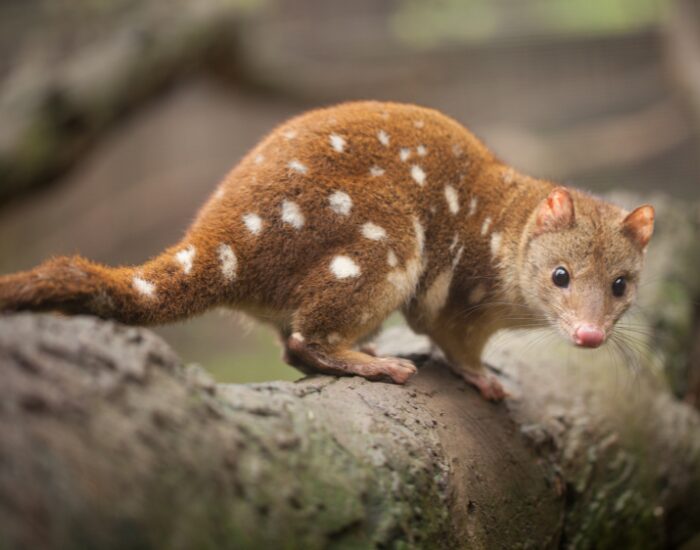
3. Dasyurids (Tasmanian devils, quolls)
Carnivorous marsupials with strong jaws and keen senses. Some dasyurids, like the northern hairy-nosed wombat, are critically endangered due to habitat loss and predation.
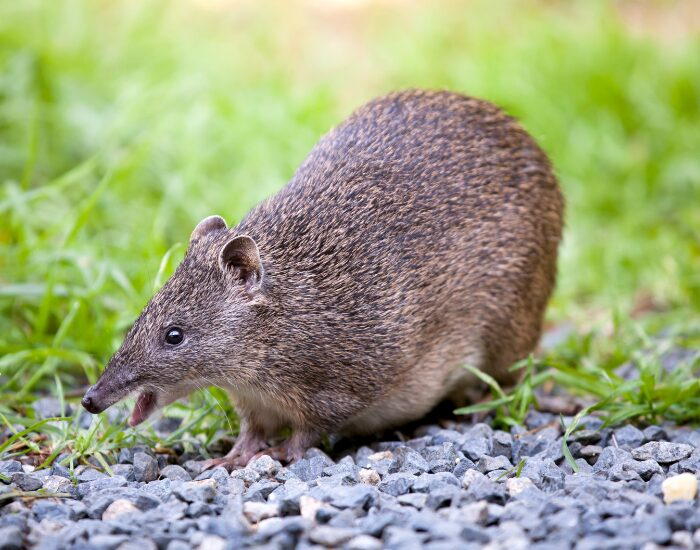
4. Bandicoots and Bilbies
Small, nocturnal marsupials with long snouts and sharp claws adapted for digging. They feed on insects, seeds, and roots, playing an important role in soil aeration and ecosystem health. While bandicoots are more widespread across Australia, bilbies are desert specialists with large ears that help them stay cool in arid environments.
5. American Opossums
Omnivorous marsupials with prehensile tails and notable immunity to venom. The common opossum was one of the first marsupials encountered by Europeans during their explorations.

6. Numbats
A termite-eating marsupial native to Western Australia, diurnal and endangered. Feral cats pose a significant threat to numbats, contributing to their decline along with habitat loss.

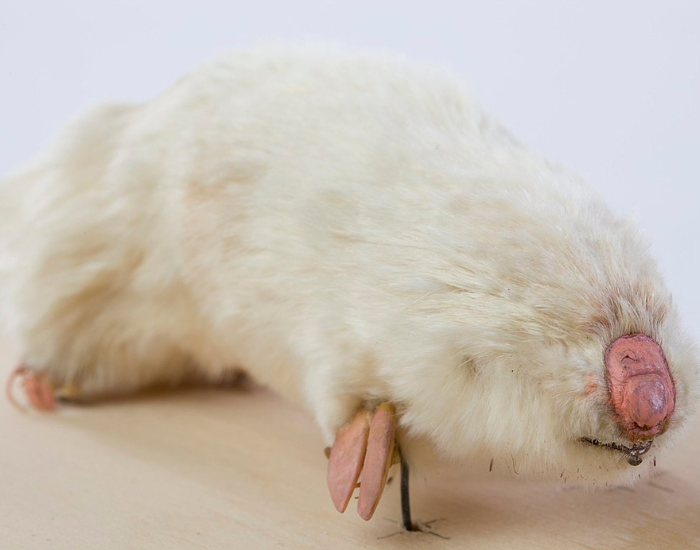
7. Marsupial Moles
Blind desert-dwellers that live underground and rarely surface. The southern marsupial mole, one of two species, is known for its unique adaptations for life underground.
Each group tells a different evolutionary story, shaped by geography, predators, and climate.
How Did Marsupials Evolve?
Marsupials likely originated in South America over 100 million years ago and migrated to Antarctica and Australia while the continents were still connected. Fossil evidence shows a split from placental mammals during the Cretaceous period. Marsupial fossils provide crucial insights into the evolutionary history and geographic dispersal of these unique mammals.
Once isolated in Australia, they diversified into various ecological roles, an example of convergent evolution, where marsupials developed similar traits to placental mammals in other parts of the world.
Marsupials vs. Placental Mammals: Key Differences

Male Marsupials
While female marsupials are often the focus due to their role in nurturing young in their pouches, male marsupials also play a crucial role in the reproductive process. In most marsupial species, males are responsible for fertilizing the eggs, after which the females take over the task of nurturing the young. Interestingly, some male marsupials, like the water opossum and the extinct Tasmanian tiger, possess pouches, although this is a rare trait. But let’s clarify something, the male pouch’s purpose is different: it serves as a protective sheath for the male’s external reproductive organs while swimming (Yapok) or moving through dense brush (Thylacine), not for nurturing young.
Male marsupials often engage in intense competition for mates. Larger and stronger males typically have an advantage, leading to fascinating behaviors. For instance, in some species of antechinus, males undergo a “suicidal sex frenzy” during the breeding season, where they mate with as many females as possible, often dying from stress and exhaustion afterward. This extreme strategy ensures that their genes are passed on to the next generation.
Behavior and Diet
Marsupials exhibit a wide range of behaviors and diets, reflecting their diverse adaptations to different environments. Grazing marsupials like kangaroos and wallabies feed primarily on grasses and leaves, playing a crucial role in shaping their ecosystems. On the other hand, carnivorous marsupials such as quolls and Tasmanian devils are adept hunters, preying on small animals, dead animals, and even other marsupials.
The diet of marsupials can vary significantly between species. For example, the numbat feeds almost exclusively on termites, while the koala has a specialized diet of eucalyptus leaves. Some marsupials have evolved unique strategies to cope with their environments, such as the ability to survive without water for extended periods or to consume toxic plants that other animals cannot digest.
Reproduction and Development
One of the most distinctive features of marsupials is their reproductive strategy. Marsupials have a remarkably short gestation period, typically ranging from 12 to 40 days, depending on the species. After this brief pregnancy, the underdeveloped young are born and must make their way to the mother’s pouch. Inside the pouch, they attach themselves to a nipple and continue their development, protected from predators and harsh environmental conditions.
Marsupial mothers play a vital role in the development of their young. They can control the composition of their milk to meet the changing needs of their growing offspring. Additionally, the temperature of the pouch can be regulated to provide an optimal environment for the young marsupials. This unique reproductive strategy allows marsupials to thrive in a variety of environments, contributing to their success as a group.
By following this plan, the new sections will seamlessly integrate with the existing content, providing a comprehensive and engaging overview of marsupials while incorporating the necessary SEO keywords.

Marsupials and Conservation: What’s at Stake?
Despite their adaptability, many marsupials mammals are at risk. Habitat loss, invasive predators, and climate change have pushed species like the northern hairy-nosed wombat and Leadbeater’s possum to near extinction.
Many marsupials, including lesser-known species, face significant threats and require urgent conservation efforts.
Australia’s devastating bushfires in recent years have added urgency to conservation efforts. Organizations like the Australian Wildlife Conservancy and WWF Australia are actively restoring habitats, implementing breeding programs, and lobbying for policy change. For a closer look at how we’re working to protect these species, don’t miss our deep dive on How IVF-Grown Kangaroo Embryos Are Revolutionizing Marsupial Conservation.
Frequently Asked Questions
Yes. Marsupials are warm-blooded, fur-covered mammals with mammary glands, just like placental mammals.
Short gestation, pouch development, unique reproductive anatomy, and changing milk composition.
Absolutely. They are part of the macropod family and one of the best-known examples.
So, Marsupials Are Mammals with a Twist
Marsupials are a different kind of mammals; very quirky, complex, and endlessly fascinating. They challenge our assumptions and expand our understanding of how mammals can evolve and adapt.
Living marsupials, such as the numbat, showcase the incredible diversity and evolutionary history of this unique group of mammals.
Whether bounding through Australian deserts or lurking in your backyard compost heap, marsupials animals are a vital part of our world’s ecosystems and evolutionary history.
Learning about and protecting marsupials mammals isn’t just about saving species—it’s about appreciating the diversity of life that makes our planet extraordinary.
And yes, despite their sometimes-cuddly appearance, Australia’s marsupial population shares its continent with some truly formidable wildlife—check out our Top 5 Deadliest Animals in Australia if you’re curious (or brave). You can even plan your own ethical encounter by exploring our picks for the Best Places to See Wildlife in Australia
Experience Marsupials in the Wild!
This blog is reader-supported. When you buy experiences through links listed on this site, we may earn an affiliate commission.
Further Reading
- Echidna Animals: 12 Amazing Facts You Should Know
- 11 Fascinating Facts About the Platypus Mammal You Should Know
- Why Everyone Falls in Love With the Quokka
References:
Baker, A. M., Eldridge, M. D. B., Fisher, D. O., Frankham, G., Helgen, K., Jackson, S. M., Potter, S., Travouillon, K. J., & Umbrello, L. S. (2023). Taxonomy and diversity of living Australasian marsupials. In American and Australasian Marsupials (pp. 1–85). Springer. https://doi.org/10.1007/978-3-030-88800-8_43-1
Fisher, D. O., Owens, I. P. F., & Johnson, C. N. (2001). The ecological basis of life history variation in marsupials. Ecology, 82(12), 3531–3546. https://doi.org/10.1890/0012-9658(2001)082[3531:TEBOLH]2.0.CO;2
Newton, A. H., Spoutil, F., Prochazka, J., Black, J. R., Medlock, K., Paddle, R. N., Knitlova, M., Hipsley, C. A., & Pask, A. J. (2018). Letting the ‘cat’ out of the bag: Pouch young development of the extinct Tasmanian tiger revealed by X-ray computed tomography. Royal Society Open Science, 5(2), 171914. https://doi.org/10.1098/rsos.171914
Renfree, M. B. (2010). Review: Marsupials: Placental mammals with a difference. Placenta, 31(4), 253–260. https://doi.org/10.1016/j.placenta.2009.12.023
Stannard, H. J., Miller, R. D., & Old, J. M. (2020). Marsupial and monotreme milk-a review of its nutrient and immune properties. PeerJ, 8, e9335. https://doi.org/10.7717/peerj.9335