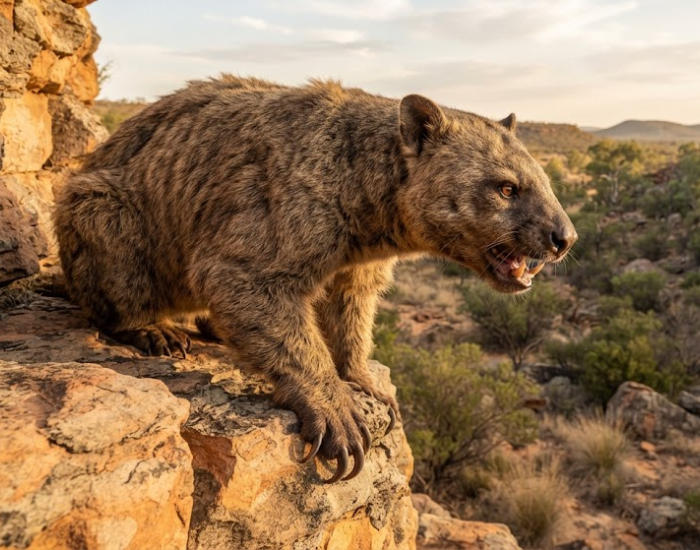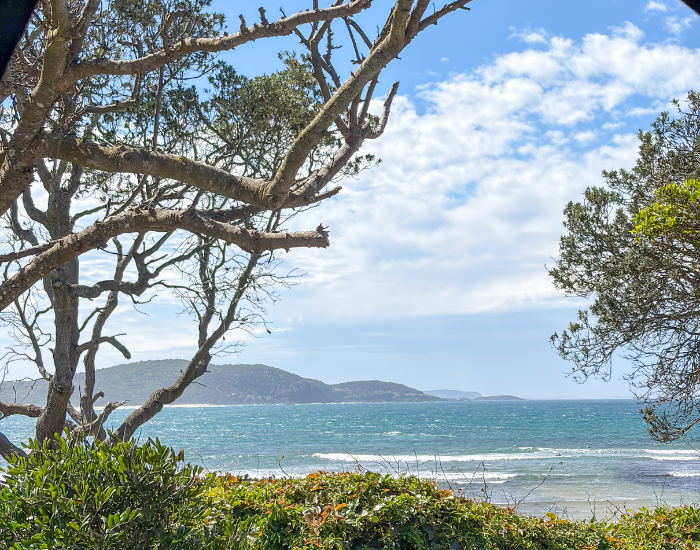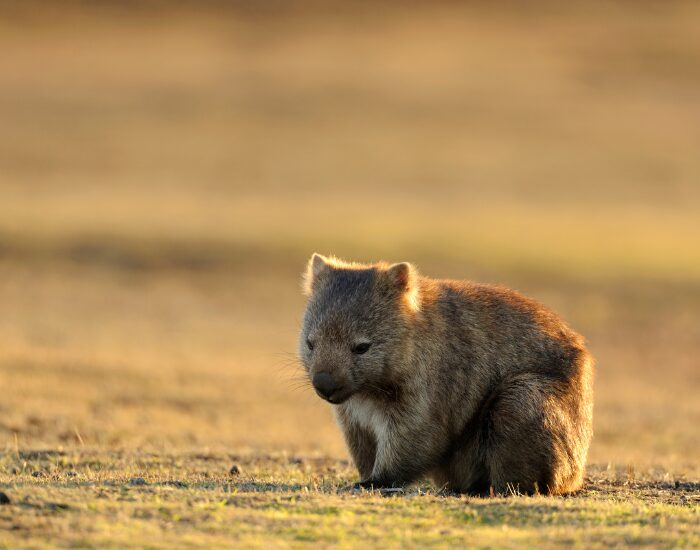
Victoria’s parks system is nothing short of spectacular, and if you’re planning your next outdoor adventure, you’ve come to the right place. From the rugged coastlines of Wilson’s Promontory to the ancient mountain ranges of the Grampians, Victorian parks offer some of Australia’s most diverse and pristine wilderness experiences. Whether you’re a seasoned bushwalker or a family looking for a weekend picnic spot, Victoria’s extensive network of national parks, state parks, and regional parks has something extraordinary waiting for you.
Victoria’s National Parks
Victoria boasts an impressive collection of 45 national parks, each protecting unique ecosystems and offering distinct experiences for nature lovers. Parks Victoria, the state’s dedicated park management authority, oversees these natural treasures, ensuring they remain protected for future generations while providing accessible opportunities for recreation and education.
The diversity of Victorian parks is truly remarkable. From the alpine environments of the Victorian Alps to the coastal wilderness of the Mornington Peninsula, these protected areas showcase the state’s incredible natural heritage. The Yarra Ranges National Park, located just an hour from Melbourne, exemplifies this diversity with its temperate rainforests, mountain ash forests, and abundant wildlife including lyrebirds and platypus.
What makes Victoria’s park system particularly special is how it balances conservation with accessibility. Traditional owners of the land are acknowledged and respected throughout all park management decisions, with their knowledge and culture playing an increasingly important role in conservation efforts. This collaborative approach ensures that both ancient wisdom and modern science contribute to protecting these precious ecosystems.
Parks Victoria provides comprehensive information and resources to help visitors plan their adventures, from detailed trail maps to wildlife spotting guides. Their commitment to education means that every visit becomes an opportunity to learn about conservation, ecology, and the importance of protecting our natural environment.
Types of Parks in Victoria
Understanding the different types of parks in Victoria helps you choose the perfect destination for your needs. The state’s park system includes national parks, state parks, and regional parks, each serving distinct purposes and offering unique experiences.
National Parks represent Victoria’s crown jewels of conservation. These areas protect the most significant natural and cultural landscapes, with strict management focused on preservation. Examples include the iconic Grampians National Park, known for its dramatic sandstone mountains and Aboriginal rock art, and Port Campbell National Park, home to the famous Twelve Apostles limestone formations.
State Parks often surround national parks or protect smaller but equally important natural areas. These parks typically allow for more diverse recreational activities while still maintaining strong conservation principles. Many state parks offer excellent camping facilities and are perfect for families seeking outdoor adventures.
Regional Parks serve local communities and protect significant natural areas at a regional level. These parks often provide important habitat corridors and recreational opportunities closer to urban centers. Regional parks in Victoria include areas like the Dandenong Ranges Regional Park, which offers stunning mountain views just outside Melbourne.
The management of these parks focuses on conserving water catchments, protecting unique landscapes, and maintaining viable wildlife populations. This comprehensive approach ensures that Victoria’s parks continue to support both ecological health and human recreation for generations to come.

How Many National Parks Are in Victoria?
Victoria is home to 45 national parks, making it one of Australia’s most park-rich states. This extensive network covers approximately 4 million hectares, representing about 17% of the state’s total land area. The parks range from small coastal reserves to vast wilderness areas spanning hundreds of thousands of hectares.
National Parks in Melbourne and Surrounds:
-
Yarra Ranges National Park
-
Dandenong Ranges National Park
-
Mornington Peninsula National Park
-
Point Nepean National Park
-
Brisbane Ranges National Park
-
Kinglake National Park
The largest national park in Victoria is the Alpine National Park, covering 646,000 hectares across the state’s mountainous northeast. This massive wilderness area protects Australia’s highest peaks outside of the Snowy Mountains and provides critical habitat for species like the mountain pygmy possum.
For Melbourne residents, several national parks are easily accessible for day trips. The Yarra Ranges National Park, just 60 kilometers east of the city, offers everything from gentle family walks to challenging mountain bike trails. The Dandenong Ranges National Park provides a completely different experience with its cool-climate rainforest and charming mountain villages.

Costs and Camping: What You Need to Know
One of the best things about Victorian parks is their accessibility. Are Victorian national parks free? Yes, entry to all Victorian national parks is free, making them incredibly accessible for families and budget-conscious travelers. However, some activities and facilities may incur fees.
Wilson’s Promontory National Park Costs:
-
Park entry: Free
-
Camping: $32-52 per night depending on site and season
-
Lighthouse tours: $15 for adults, $8 for children
-
Vehicle permits for remote areas: $13.20 per day
Grampians National Park:
-
Park entry: Free
-
Camping: $25-45 per night
-
Rock climbing permits: Free (registration required)
-
Guided tours: Varies by operator
Camping Regulations and Wild Camping: Wild camping (also called free camping) is generally not permitted in Victorian national parks. Designated campgrounds are provided to minimize environmental impact and ensure visitor safety. These campgrounds offer essential facilities like toilets, water, and often barbecue areas.
However, some state forests and regional parks do allow free camping with restrictions. Areas like the Wombat State Forest and parts of the Murray River region offer free camping opportunities for self-sufficient travelers.
Wildlife Wonders: What You’ll Discover
Victoria’s parks are wildlife havens, protecting everything from tiny endemic frogs to majestic wedge-tailed eagles. The diversity of ecosystems across the state means you’ll encounter different species depending on which parks you visit.
Unique Wildlife Experiences:
-
Phillip Island Nature Parks: Famous for the nightly penguin parade, where hundreds of little penguins return to shore at sunset
-
Healesville Sanctuary: While not a national park, this facility works closely with Parks Victoria to rehabilitate native wildlife
-
Wilsons Promontory: Home to wombats, echidnas, and over 200 bird species
-
Grampians National Park: Kangaroos, koalas, and the rare regent honeyeater
The parks also protect numerous threatened species. The Yarra Ranges National Park is one of the few places where you might spot the elusive platypus, while the alpine areas protect the critically endangered mountain pygmy possum.
Bird watching is exceptional across Victorian parks. The Mallee parks in the state’s northwest are particularly renowned for their diverse bird populations, including many species found nowhere else in the world. The painted honeyeater, for instance, is found only in select Victorian parks and is considered one of Australia’s most beautiful birds.
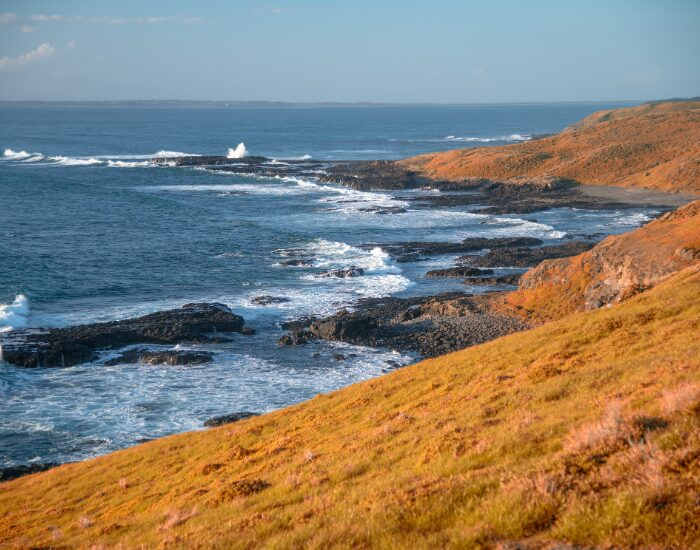
Wildlife You Might Encounter in Victorian Parks
Whether you’re camping in the bush or walking a boardwalk near the coast, Victoria’s parks are teeming with wildlife, some of the most iconic animals in australia:
-
Eastern Grey Kangaroo – Found across open woodlands and grassy plains.
-
Superb Lyrebird – Best mimics in the bird world, often spotted in the Dandenongs.
-
Koalas – Common in Cape Otway and along the Great Ocean Road.
-
Leadbeater’s Possum – Critically endangered and only found in Victoria.
-
Swamp Wallabies, echidnas, sugar gliders, and over 400 bird species.

Best National Parks to Visit
Choosing the “best” national park depends on your interests, but several stand out for their exceptional experiences:
Wilson’s Promontory National Park consistently ranks as Victoria’s most popular national park. “The Prom” offers pristine beaches, granite mountains, and abundant wildlife. The park’s accessibility from Melbourne (2.5 hours) and diverse activities make it perfect for families and serious hikers alike.

Grampians National Park provides some of Victoria’s most dramatic landscapes. The park’s sandstone peaks, Aboriginal rock art sites, and challenging hiking trails attract adventure seekers from around the world. The park’s western location offers a different climate and ecosystem from the eastern parks.
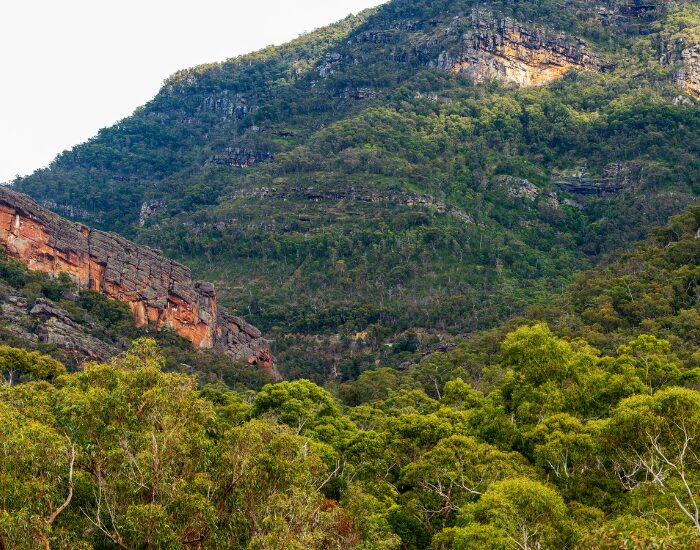
Alpine National Park is a must-visit for serious outdoor enthusiasts. This vast wilderness area offers multi-day hiking opportunities, pristine alpine environments, and some of Australia’s best backcountry skiing in winter.

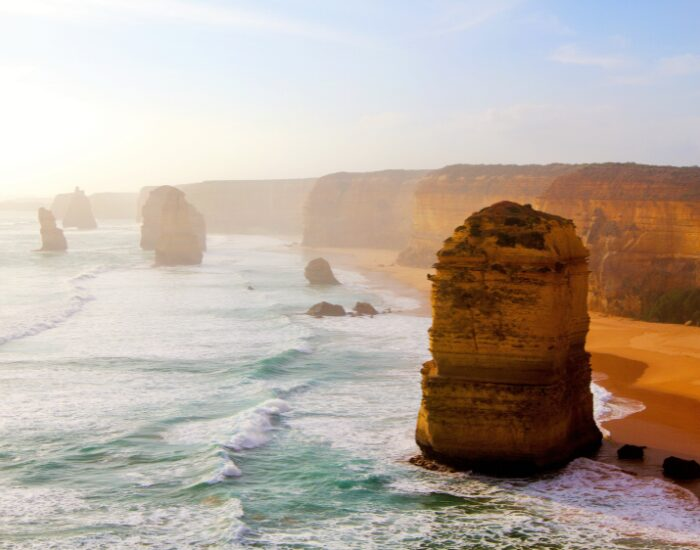
Port Campbell National Park may be small, but it packs a punch with the famous Twelve Apostles and other spectacular coastal rock formations. The park’s location along the Great Ocean Road makes it easily accessible for day trips.
Regional Parks and Their Unique Role
Regional parks serve an important function in Victoria’s conservation network, often protecting significant natural areas that might not qualify for national park status but are crucial for local ecosystems and communities.
What is a regional park? Regional parks are managed by local councils or Parks Victoria and focus on protecting natural areas while providing recreational opportunities for local communities. They often serve as important habitat corridors connecting larger protected areas.
Popular Regional Parks:
-
Dandenong Ranges Regional Park: Offers stunning mountain views and cool-climate forests just outside Melbourne
-
Macedon Ranges Regional Park: Features volcanic landscapes and historic sites
-
Surf Coast Regional Park: Protects important coastal ecosystems while providing beach access
The difference between national parks and regional parks lies primarily in their management focus and scale. National parks prioritize conservation above all else, while regional parks balance conservation with local recreational needs and may allow more diverse activities.
Planning Your Park Adventure
Best Times to Visit:
-
Spring (September-November): Wildflowers bloom, weather is mild, and wildlife is active
-
Summer (December-February): Perfect for coastal parks and swimming, but can be crowded
-
Autumn (March-May): Excellent weather, fewer crowds, and beautiful foliage
-
Winter (June-August): Ideal for alpine parks and snow activities
Essential Preparation: Before visiting any Victorian park, check the Parks Victoria website for current conditions, fire restrictions, and any park closures. Many parks require advance booking for camping, especially during peak seasons.
Pack appropriately for the environment you’ll be visiting. Alpine parks require warm, waterproof clothing even in summer, while coastal parks need sun protection and swimming gear. Always carry plenty of water, a first aid kit, and let someone know your planned route and return time.
Conservation Efforts and Your Role
Victorian parks are at the forefront of conservation science, with ongoing research projects studying everything from climate change impacts to wildlife genetics. The parks participate in breeding programs for endangered species and habitat restoration projects that are reversing decades of environmental degradation.
How You Can Help:
-
Follow Leave No Trace principles
-
Stay on designated trails to protect fragile ecosystems
-
Report wildlife sightings to Parks Victoria
-
Participate in citizen science projects
-
Support local conservation organizations
Recent conservation successes include the reintroduction of brush-tailed rock wallabies to the Grampians and the recovery of the helmeted honeyeater population in the Yarra Ranges. These achievements demonstrate how effective park management can reverse species decline and restore ecosystem health.
Unique Activities and Experiences
Victorian parks offer activities you won’t find anywhere else. In the Grampians, you can view 5,000-year-old Aboriginal rock art while hiking to spectacular viewpoints. The Alpine National Park offers some of Australia’s best backcountry skiing, while the coastal parks provide world-class diving and snorkeling opportunities.
Adventure Activities:
-
Rock climbing: The Grampians and Mount Arapiles offer world-class climbing
-
Caving: Buchan Caves and other parks feature spectacular underground formations
-
Cycling: The Murray to Mountains Rail Trail passes through several parks
-
Fishing: Many parks offer excellent freshwater and saltwater fishing opportunities
For those interested in cultural experiences, many parks offer guided tours with Aboriginal rangers who share traditional knowledge about the land and its management. These tours provide insights into how indigenous peoples lived sustainably in these environments for thousands of years.
Practical Information for Visitors
Getting There: Most Victorian parks are accessible by car, with many located within a few hours’ drive of Melbourne. Public transport options are limited, but some parks like the Dandenong Ranges are accessible by train and bus.
Facilities: Park facilities vary significantly. Popular parks like Wilson’s Promontory offer comprehensive visitor centers, well-maintained trails, and modern camping facilities. More remote parks may have minimal facilities, requiring visitors to be completely self-sufficient.
Emergency Preparedness: All Victorian parks have emergency procedures in place, but mobile phone coverage can be limited in remote areas. Emergency vehicle access is available on most main roads, but backcountry areas may require helicopter evacuation in serious emergencies.
Future of Victorian Parks
Climate change poses significant challenges for Victorian parks, with rising temperatures and changing rainfall patterns affecting ecosystems and wildlife. Parks Victoria is actively adapting management strategies to address these challenges, including assisted species migration and habitat restoration projects.
Technology is also changing how we experience parks. Virtual reality tours, smartphone apps with GPS tracking, and real-time wildlife monitoring are enhancing visitor experiences while improving conservation outcomes.
So… Should you Visit Victoria? Absolutely
Victorian parks represent one of Australia’s greatest conservation success stories. With 45 national parks, numerous state parks, and regional parks, Victoria offers unparalleled opportunities to experience diverse ecosystems, observe unique wildlife, and participate in conservation efforts.
Whether you’re seeking adventure in the Grampians’ rugged mountains, tranquility in the Yarra Ranges’ rainforests, or family fun at Wilson’s Promontory’s beaches, Victorian parks deliver experiences that create lasting memories and foster deep connections with nature.
The best part? These incredible natural treasures are freely accessible to everyone. So pack your hiking boots, grab your camera, and discover why Victorian parks are considered among the world’s finest protected natural areas. Your next adventure awaits in Victoria’s magnificent parks system.
Ready to explore? Visit the Parks Victoria website to plan your trip, check current conditions, and book camping sites. If you are planning exploring National parks in NSW, read this other blog that you will find useful!