The name immediately conjures up the classic 1980s video game. Honestly, the moniker is spot on. With their comically large heads, enormous gaping mouths, and voracious eating habits, these amphibians look like nature’s own charming carnivorous muppets. South American horned frogs, scientifically known as Ceratophrys, have a characteristic round shape and prominent horned brows, which are distinctive features that contribute to their Pac-Man-like appearance. This unique look is why they are popularly nicknamed the pac man frog.
This blend of bizarre and beautiful makes the pac man frog such a fascinating topic. For a growing number of enthusiasts, these cold blooded amphibians become truly unique companions in the pet trade. Nevertheless, before you bring one of these little eating machines home, there are crucial things to know.

Meet the Horned Frogs: More Than Just a Cute Face
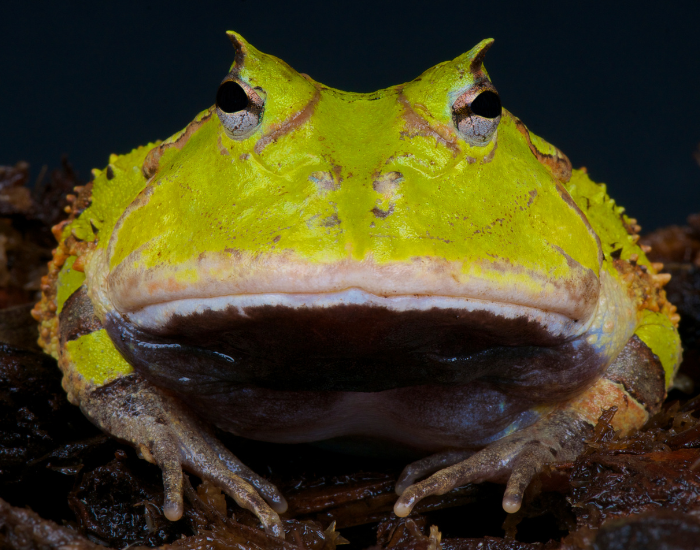
The common name horned frog comes from small fleshy bony projections above the eyes. These features give most species a subtly devilish look. The scientific genus Ceratophrys encompasses eight species found across moist tropical and subtropical environments of South America. Therefore, understanding these eight species is essential for any prospective pacman frog owner.
The Argentine horned frog (Ceratophrys ornata), ornate horned frog (C. cranwelli), and Brazilian horned frog (C. boiei) are the most popular species kept as pets and are the most commonly seen in captivity. In addition, collectors often seek the fantasy frog, which represents captive-produced hybrid varieties with striking color morphs. Other Ceratophrys species include C. aurita, C. joazeirensis, C. testudo, C. stolzmanni, and C. cornuta. These amphibian species are primarily terrestrial and spend most of their time half-buried in substrate waiting for their next meal.
Let’s dive into 12 incredible facts about pacman frogs and explore the ins and outs of keeping a pet horned frog.

1. Why Are They Called Pacman Frogs?
It’s simple, their proportional head size and feeding mechanism strongly resemble the classic video game character. When the frog opens its huge mouth to consume prey, it looks almost exactly like Pac-Man gobbling up dots. The horned pacman frog has one of the widest mouths relative to body size of any amphibian. This feature allows them to swallow animals almost half their size. Because the frog’s mouth is so large, it’s important to be cautious when feeding; inappropriate prey can cause injury or burns to the frog’s mouth and tongue.
2. Their Bite is Surprisingly Powerful
Despite being relatively small amphibian species, don’t let their squishy appearance fool you. Studies on the Argentine horned frog have shown that their bite forces comparable to small mammals. Research published found that larger Ceratophrys species can generate a bite force up to 500 Newtons. This matches the bite strength of some small canids. They don’t just bite to hold prey, they bite to subdue it completely.
A painful bite from an adult frog can break human skin. Therefore, handlers should always exercise caution during tank maintenance. The powerful jaws combined with aggressive feeding behavior make these frogs formidable predators despite their small size.
3. They Are the Ultimate Ambush Predators
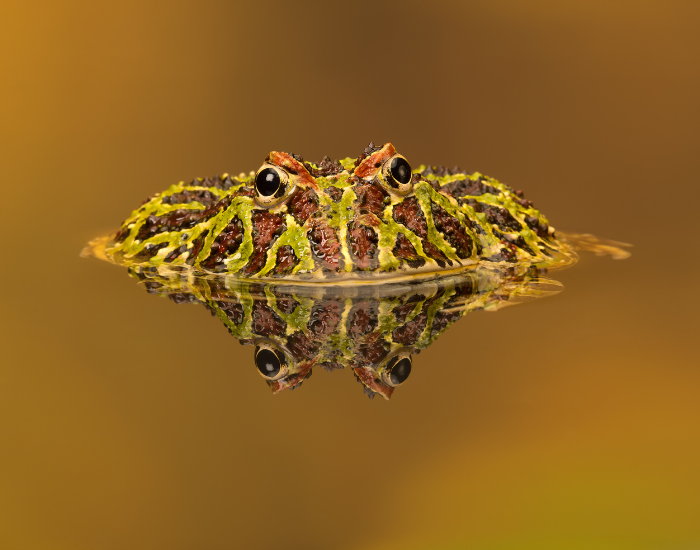
The wild pacman frog exemplifies ambush predator behavior. They burrow into leaf litter or mud, leaving only their eyes and head top exposed. Their impeccable camouflage features mottled patterns of brown, tan, and dark green. This coloration allows them to blend seamlessly with the forest floor.
These voracious eaters wait patiently for anything small enough to fit into their immense maw, using their sticky tongue to catch prey with remarkable speed and accuracy. In addition to insects, their diet includes lizards, small mammals, and even other frogs. Once they have captured food, it can be difficult for them to release prey due to their strong grip and mouth structure. Younger frogs of their own species frequently fall victim to larger individuals. This natural behavior demonstrates why housing multiple pacman frogs together proves dangerous.
4. The Largest Pacman Frog Species
The crown for the biggest Ceratophrys belongs to the Argentine horned frog. These massive amphibians can reach sizes up to 6 or even 7 inches in body length. Moreover, they can weigh well over a pound. The female frog typically grows larger than the male frog. Sexual dimorphism becomes apparent during mating season when males develop darker nuptial pads. Additionally, males develop spots as they mature, usually around one year of age, which helps distinguish them from females.
The ornate pacman frog also grows impressively large, though usually slightly smaller than its Argentine cousin.
5. They Eat Prey Almost Half Their Size
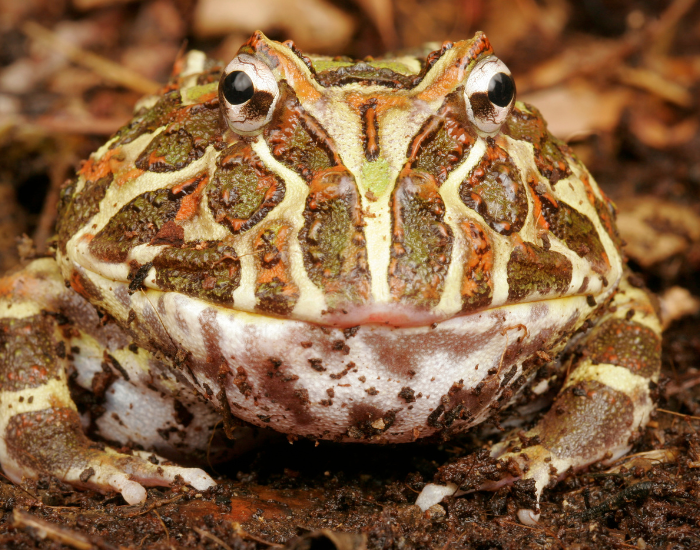
This fact truly astounds observers. Their powerful jaws combined with a very sticky tongue allow them to swallow animals nearly half their body length and weight. They don’t just eat insects. In the wild, south american horned frogs consume small rodents, birds, and small snakes. Live prey triggers their feeding response most effectively.
The frog’s habitat provides abundant food sources. However, in captivity, owners must provide appropriately sized meals. Adult frogs should receive food items no larger than the space between their eyes. This prevents choking and ensures proper digestion. Additionally, maintaining the frog’s habitat with optimal temperature, humidity, and cleanliness is essential for healthy feeding and digestion.
6. They Estivate to Survive Drought
In their native South America, especially in regions of Argentina and Brazil, the climate shifts dramatically. Dry seasons present significant challenges. To survive these periods, wild pacman frogs engage in estivation. The frog burrows deep into soil and secretes a layer of mucus that hardens. This creates a protective cocoon that drastically reduces water loss.
They remain in this dormant state until the rains return. Sometimes estivation lasts for months at a time. This remarkable adaptation allows horned frogs to survive in regions with pronounced wet and dry seasons.

7. Average Lifespan: Wild vs. Captivity
In the wild, life is harsh for these amphibians. Mammalian predators, birds, and snakes constantly threaten them. Their average lifespan ranges from only 1 to 4 years, but the lifespan in the wild varies greatly due to environmental pressures and predation—wild varies much more than in captivity. However, in captivity, conditions dramatically improve. Shielded from predators and provided with consistent care, a pacman frog owner can expect their pet to live 10 to 15 years. Some reported lifespans reach 20 years with exceptional care.
This longevity makes them a long-term commitment. Therefore, prospective owners should carefully consider whether they can provide proper care for over a decade.
8. They Aren’t Venomous But Can Be Aggressive
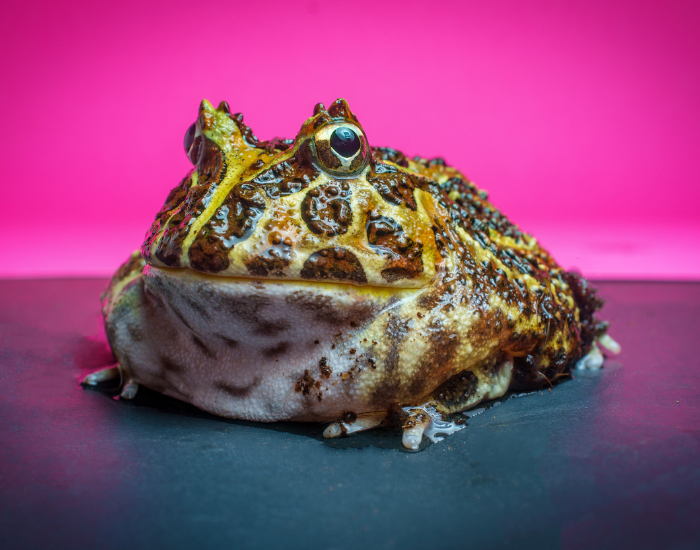
A common concern among new owners is whether horned frogs are venomous. The answer is definitively no. They produce no venom whatsoever. However, Argentine horned frogs and other species are indeed aggressive when feeding or feeling threatened. Their instinct drives them to lunge and bite at anything that moves near their mouth.
A painful bite from a large adult can certainly break skin. While not medically significant, it clearly signals the need to respect their space. Never attempt to hand-feed these frogs. Instead, use long feeding tongs to offer live insects and other prey items.

9. Handling is Stressful and Harmful
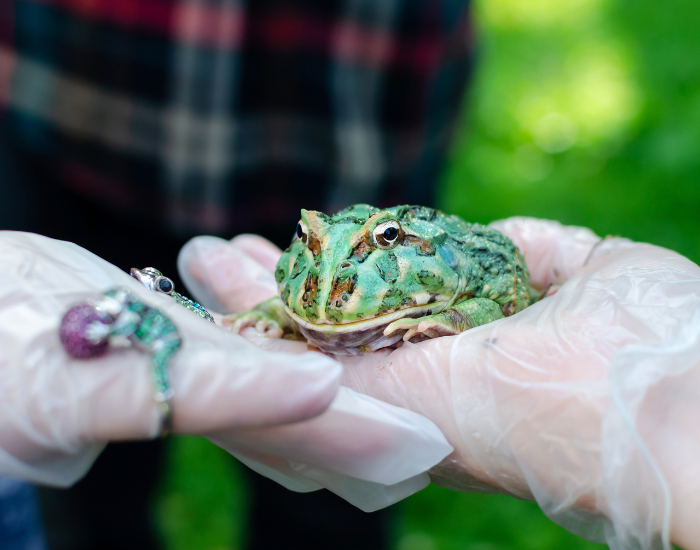
Can you handle horned frogs safely? You should avoid it as much as possible. Do pacman frogs like to be held? Absolutely not. They have incredibly sensitive skin that absorbs chemicals and oils from human hands. These substances can prove toxic to amphibians. Handling and interaction should remain minimal, occurring only when necessary for tank cleaning or health checks.
If you must handle them, always wear powder-free disposable gloves. Even then, keep handling time under one minute. The stress from handling weakens their immune system and can lead to health problems.
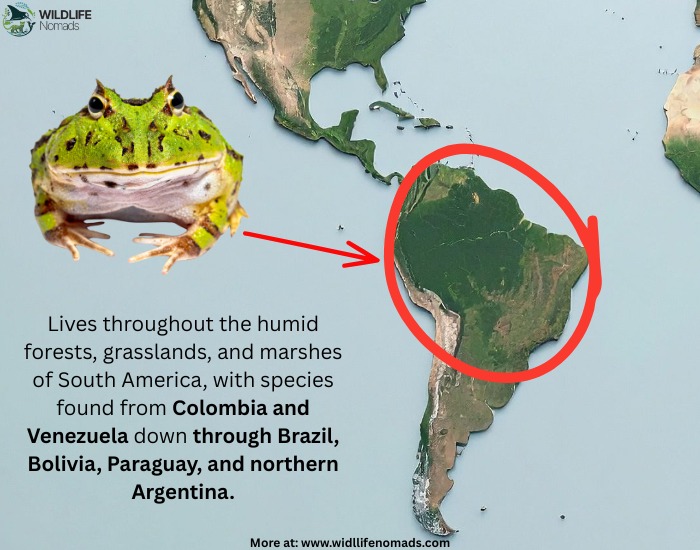
10. They are Found Across South America
Pac man frogs inhabit a wide range across South America. For example, the ornate horned frog ranges throughout Argentina, Uruguay, and southern Brazil. Meanwhile, the Brazilian horned frog prefers the coastal forests of southeastern Brazil. The Surinam horned frog (C. cornuta) lives in the northern regions, including Venezuela and the Guianas. Each species has adapted to specific humid environments within this vast continent.
11. The Perfect Pacman Frog Diet
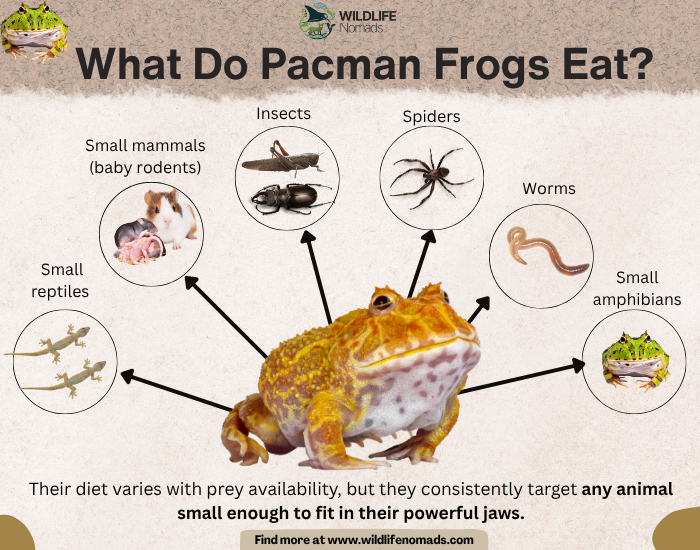
The pacman frog diet is strictly carnivorous and needs variety. They require whole live prey to thrive. Feeding frequency depends on age—young frogs eat daily, while adult frogs eat 2-3 times weekly. If offering frozen prey, always thaw and warm it using warm water before feeding to ensure the food is safe and palatable for your frog.
Staples: Crickets, dubia roaches, and mealworms form the foundation. All live insects should be gut-loaded before offering. This means feeding the insects nutritious food 24 hours before they become frog food. This practice ensures your frog receives maximum nutrition.
Occasional Treats: Appropriately sized earthworms, silkworms, hornworms, wax worms, and pinkie mice provide variety. However, offer mice sparingly as high-fat meals. Too many rodents can lead to obesity and fatty liver disease.
Supplementation: Crucially, they need calcium and vitamin D3 supplements dusted onto their food. Dust live insects with calcium powder at every feeding. Add D3 supplement twice weekly. Some keepers provide UVB lighting to aid calcium absorption and prevent metabolic bone disease. While debatable for burrowing species, it certainly doesn’t hurt.
The sticky tongue of these frogs makes catching prey effortless. However, always use feeding tongs to offer food. This prevents accidental bites and reduces stress for the frog.
12. Pacman Frogs are Solitary
No. Pacman frogs are solitary creatures. Do pacman frogs need a companion? Absolutely not. If you put two pac man frogs together, even different sizes, a very high probability exists that the larger one will attempt to eat the smaller one. Their natural behavior is to live completely alone.
During mating season in the wild, males and females only interact briefly. After breeding, they immediately separate. This antisocial behavior makes them perfect for keepers who want a single display animal.
We could write more about how to keep them as pets, here there is a video about it:
Quick Pacman Frog FAQ
Yes, the terms are used interchangeably. Pacman frog serves as the common nickname for all south american horned frogs of the genus Ceratophrys. The eight species all share similar characteristics and care requirements.
The largest species, the Argentine horned frog, can reach 6-7 inches in body length and weigh over a pound. Other species remain slightly smaller, closer to 3-4 inches. Males frequently stay smaller than females.
Most common species found in the pet trade are not listed as endangered. For example, the Argentine horned frog (C. ornata) is listed as Near Threatened due to habitat loss. However, the ornate horned frog (C. cranwelli) is of Least Concern. The frogs available in the pet trade are virtually all captive-produced hybrid varieties.
Their diet consists of anything they can catch and swallow. This includes insects, spiders, small mammals, birds, lizards, small snakes, and other frogs. They are opportunistic feeders that rely on ambush tactics.
Young frogs need daily feeding, while adult frogs eat every 2-3 days. Overfeeding leads to obesity, a common health problem in captive pac man frogs.
Conservation and the Pet Trade
My years in the field have taught me that we bear responsibility for the animals we choose to keep. While the pet trade for these frogs relies heavily on captive breeding, habitat loss remains a serious threat to their wild populations. Deforestation in south america continues at alarming rates. This destroys critical frog habitat and fragments populations.
The Ceratophrys frog faces additional threats from pesticide use in agricultural areas. These chemicals contaminate water sources where tadpoles develop. Climate change also alters rainfall patterns, affecting breeding cycles and estivation periods.
When you choose to become a pacman frog owner, you take on the role of conservationist. You ensure these amazing amphibian species continue to thrive. By supporting reputable breeders, sharing knowledge about proper care, and simply being a good steward, you play a part in their long-term security.
Reputable breeders produce healthy captive-bred specimens that never impact wild populations. Always purchase from established breeders rather than wild-caught specimens. This supports sustainable practices and ensures healthier pets.

A Final Look at Pacman Frogs
They may not be interactive like a cat or dog. However, profound joy comes from watching a creature perfectly adapted to its environment. These tiny powerful predators represent millions of years of evolution. The horned pacman frog embodies nature’s creativity and efficiency.
Whether you’re drawn to their bizarre appearance, fascinated by their feeding behavior, or simply appreciate unique pets, these frogs deliver. With proper care following a comprehensive horned frog care sheet, your pacman frog will thrive for over a decade. They require minimal space, moderate maintenance, and provide endless entertainment during feeding time.
The key to success lies in replicating their natural habitat as closely as possible. Maintain proper humidity, provide appropriate substrate for burrowing, offer varied live prey, and minimize handling. Follow these guidelines, and you’ll have a healthy thriving pacman frog that showcases the wonders of south american biodiversity right in your home.
Further Reading:
- Hellbender Habitat: Inside the World of America’s Giant Salamander
- Sonoran Desert Toad: Nature, Myth, and Mystery in the Desert