I once stayed in Bukit Lawang, in North Sumatra, to see orangutans. We trekked into the jungle on the edge of Gunung Leuser National Park.
We found gibbons, macaques, orangutans and even a dead corpse flower. That same forest is one of the last strongholds of the Sumatran tiger. I didn’t see one. Almost nobody does.
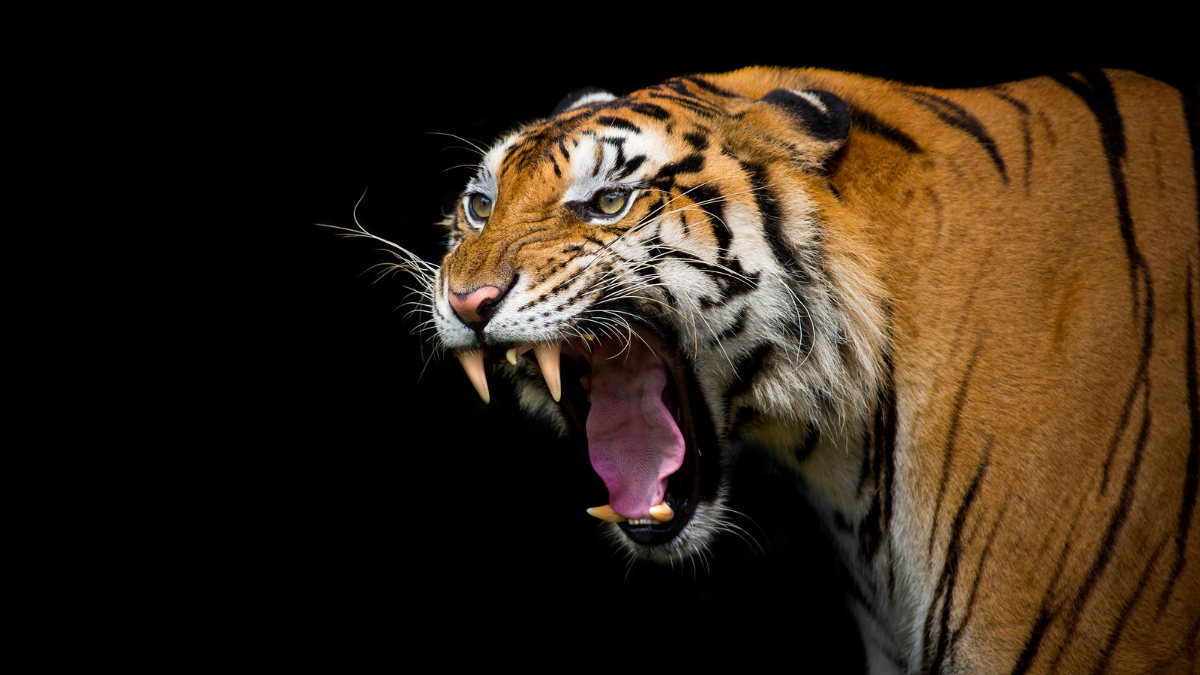
That is the strange thing about wild tigers. They are the most famous big cats in the animal kingdom, yet most people will never meet one. So, are tigers endangered animals? Yes. But their story is more hopeful than you might think.
This post tells that story in 12 numbers. You’ll see how many tigers are left, what threatens them and where they are bouncing back. For biology, size and hunting, read my Bengal tiger facts instead.
🐅 Could you keep a tiger alive?
Twelve questions on numbers, threats and comebacks. Read on, then test yourself at the end.
Jump to the quiz ↓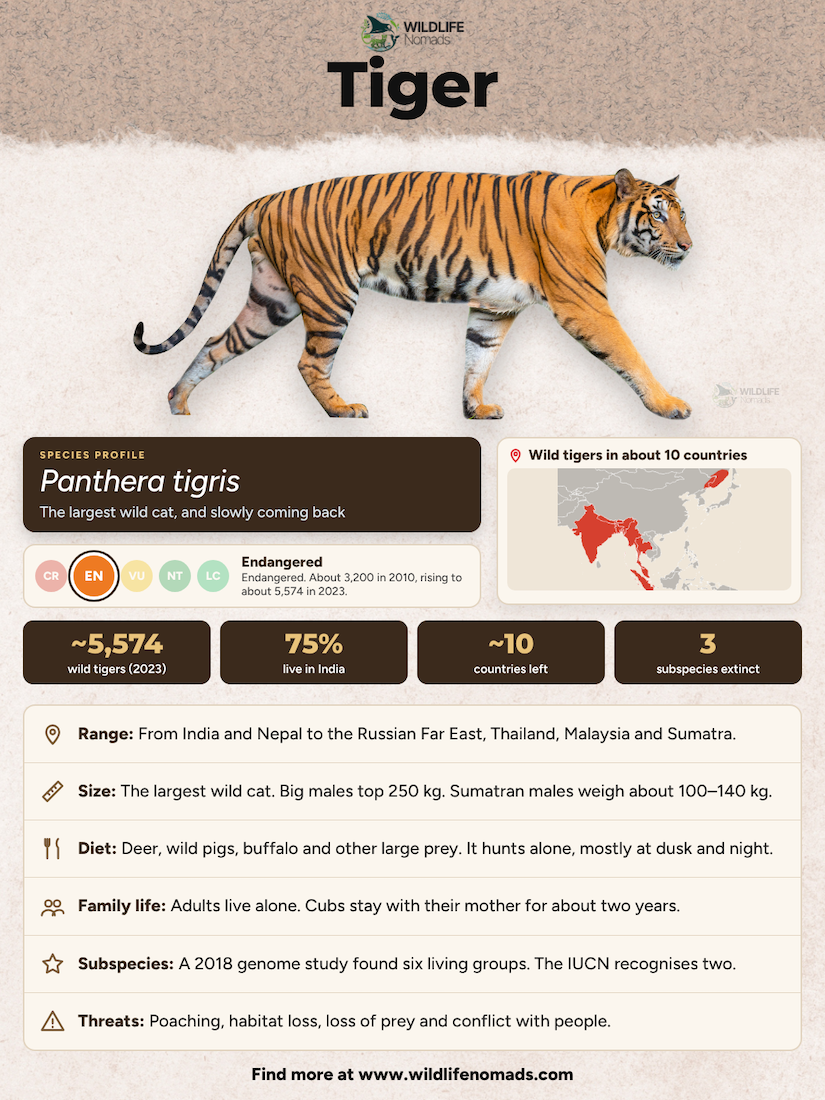
1. About 5,574: How Many Tigers Are Left in the Wild
The tiger is the largest member of the cat family. It is also one of the rarest. The tiger (Panthera tigris) is listed as Endangered on the IUCN Red List. Its latest assessment estimates 3,726 to 5,578 wild tigers.
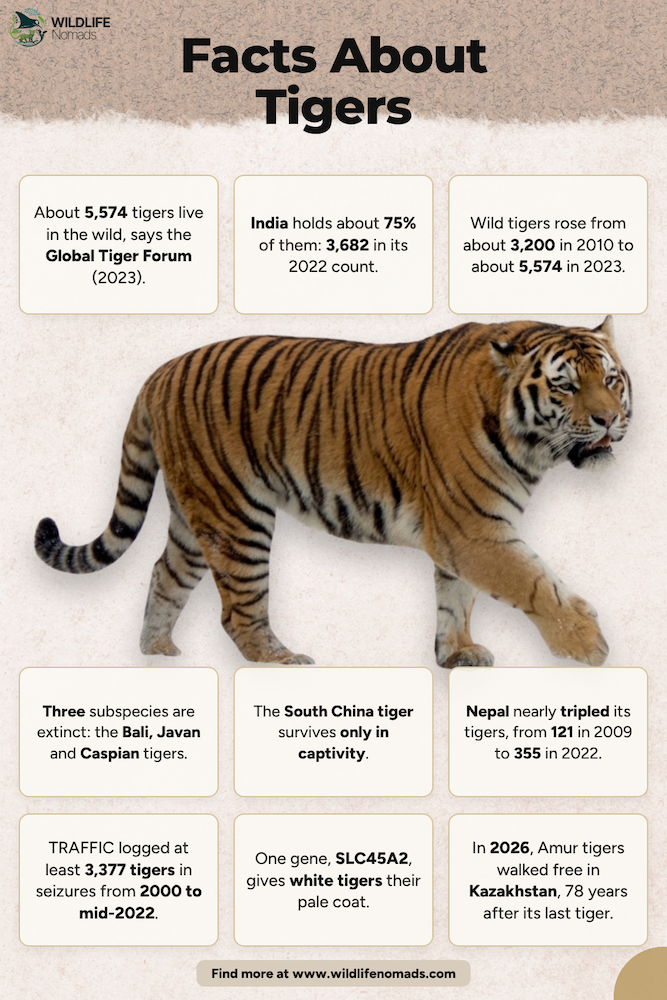
In 2023, the Global Tiger Forum put the global tiger population at about 5,574. That is up roughly 40% from about 3,200 in 2010.
Still, keep that in perspective. Around 1900, perhaps 100,000 tigers roamed Asia. In 2025, the IUCN Green Status rated the species “Critically Depleted” compared with its past.
Tiger populations have grown since 2010. Yet these remaining wild tigers live in a fraction of their old range.
So tigers are recovering, but from a very low point. They remain one of Asia’s most iconic endangered species. Compare them with other threatened animals in our Endangered Animals Explorer.
2. 75%: The Share of Wild Tigers Living in India
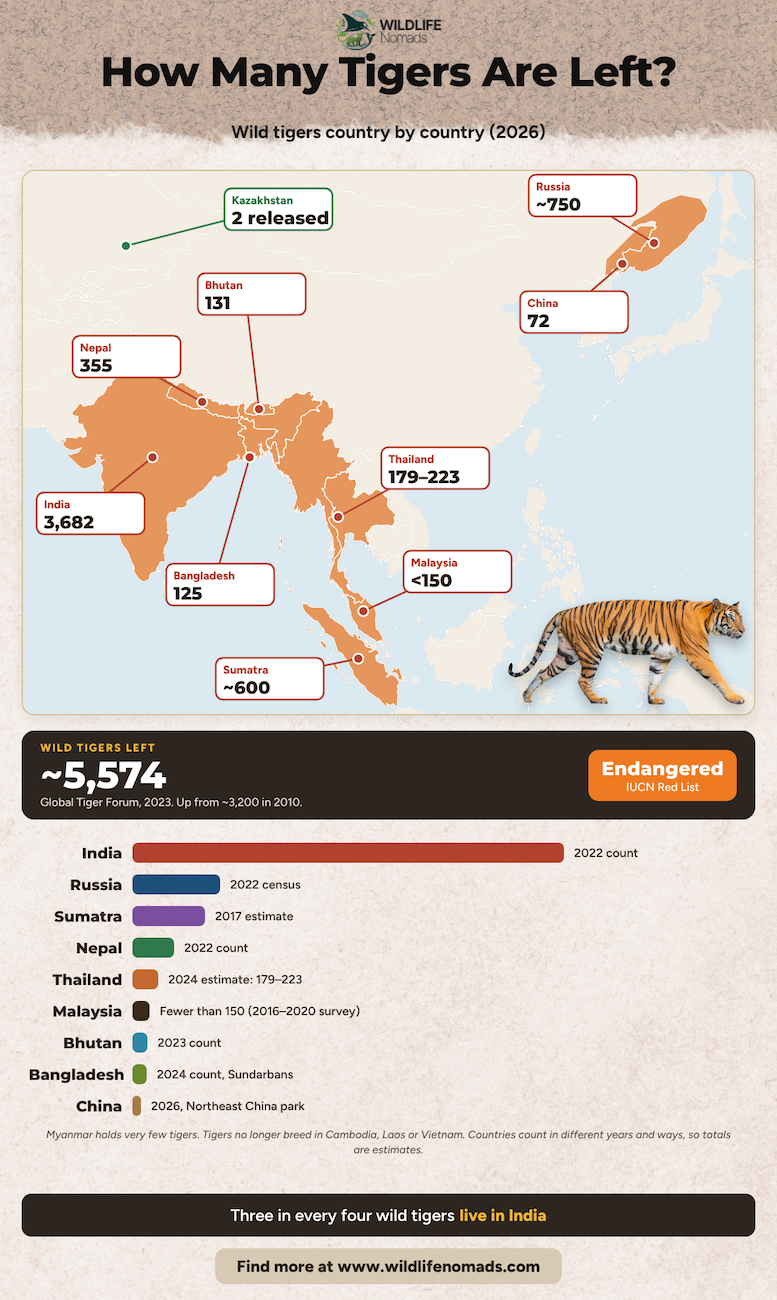
India is the tiger’s last great kingdom. Its 2022 survey counted 3,682 tigers, up from 1,706 in 2010.
Reserves such as Kaziranga and Corbett hold some of the world’s highest tiger densities.
With so few tigers left elsewhere, India carries the species. It holds about three in four of the world’s wild tigers. India launched Project Tiger in 1973 and now has 58 tiger reserves. See which other animals share them in our guide to the animals of India.
The next All India Tiger Estimation began in January 2026. Its results are expected in 2027.
| Country | Latest estimate | Trend |
|---|---|---|
| India | 3,682 (2022) | Up |
| Russia | About 750 (2022) | Stable to up |
| Nepal | 355 (2022) | Up |
| Thailand | 179–223 (2024) | Up |
| Bhutan | 131 (2023) | Up |
| Bangladesh | 125 (2024) | Up |
| China (northeast) | About 72 | Up |
| Malaysia | 150 or fewer | Down |
| Indonesia (Sumatra) | About 600 (2017 study) | Down |

3. Three Tiger Subspecies Are Already Gone
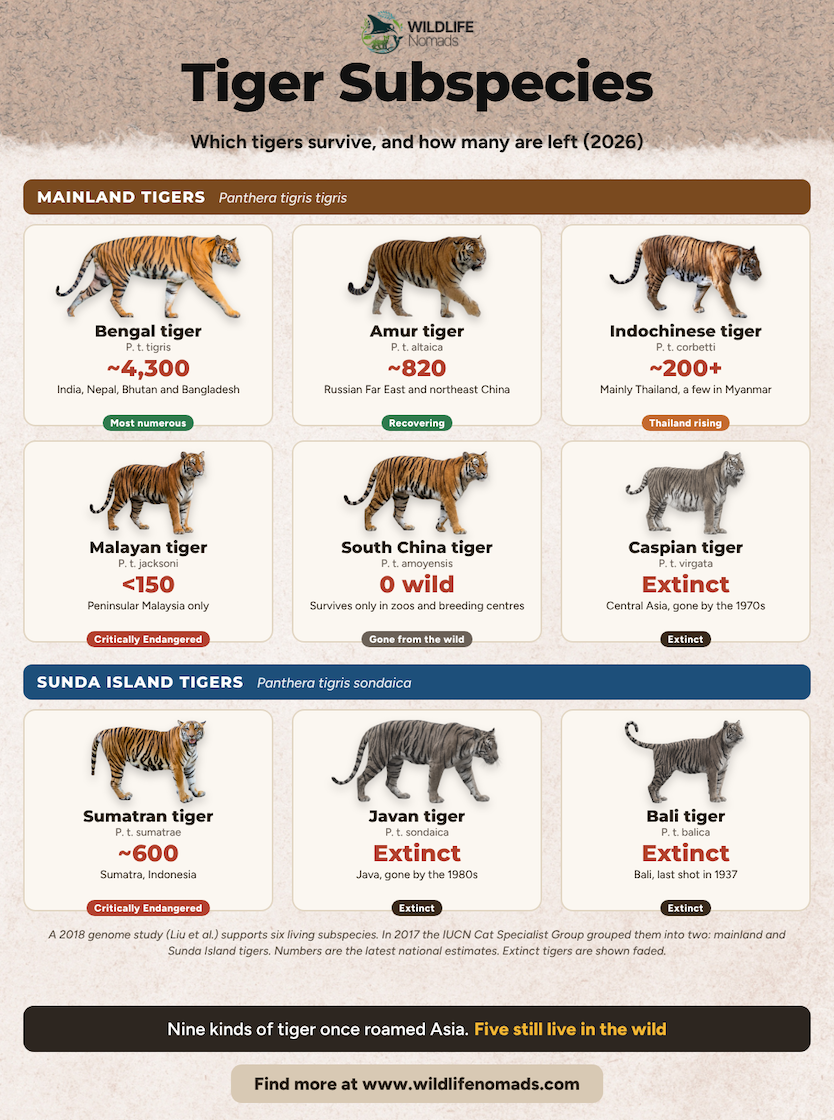
Scientists once listed nine subspecies of tiger. Three of them are already gone. These are the extinct tiger subspecies:
- Bali tiger: the last confirmed animal was shot in 1937.
- Caspian tiger: it vanished from Central Asia by the 1970s.
- Javan tiger: it disappeared from Java in the 1980s.
The Bali and Javan tigers lived on Indonesian islands, like today’s Sumatran tiger.
Hunting tigers, forest clearing and loss of prey drove all three out. They joined a long list of animals that went extinct recently.
And no, the sabre-toothed cat was never a tiger. Our sabre-tooth tiger facts explain why.
4. Six Subspecies, or Just Two?
Scientists still argue about how many tiger subspecies survive, and which putative tiger subspecies are real. A 2018 genome study supported six living subspecies:
- Bengal tiger: India, Nepal, Bhutan and Bangladesh
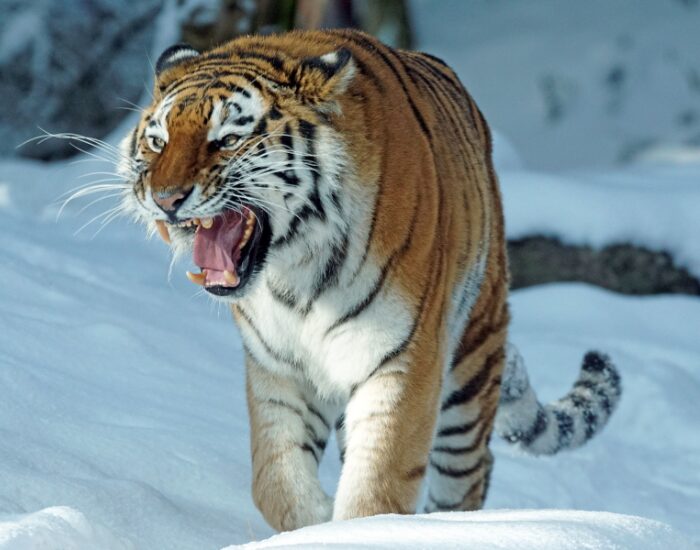
- Amur tiger, or Siberian tiger: the Russian Far East and northeast China
- Indochinese tiger: mainly Thailand and Myanmar
- Malayan tiger: the evergreen forests of Peninsular Malaysia
- Sumatran tiger: Sumatra, Indonesia
- South China tiger: survives only in captivity
However, a 2015 study argued for just two: the mainland tiger and the Sunda Island tiger (Panthera tigris sondaica). The IUCN Cat Specialist Group adopted that view in 2017.
Why does it matter? Mixing the wrong tigers could harm their genetic diversity. Conservation plans, breeding programmes and rewilding all depend on which tigers count as the same kind.
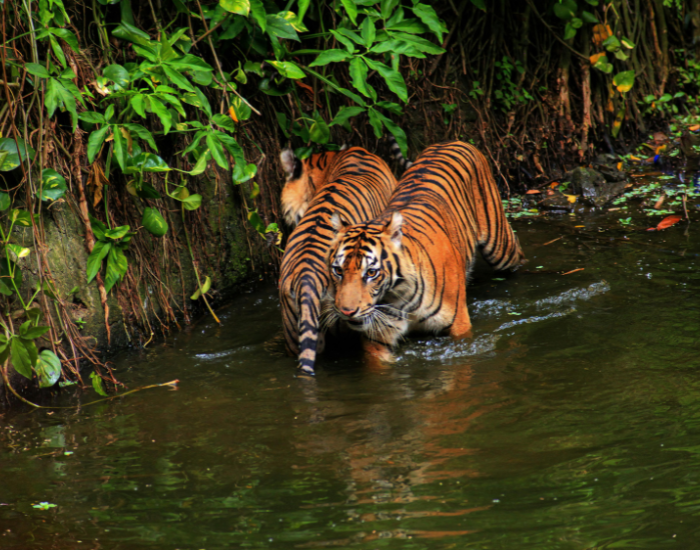
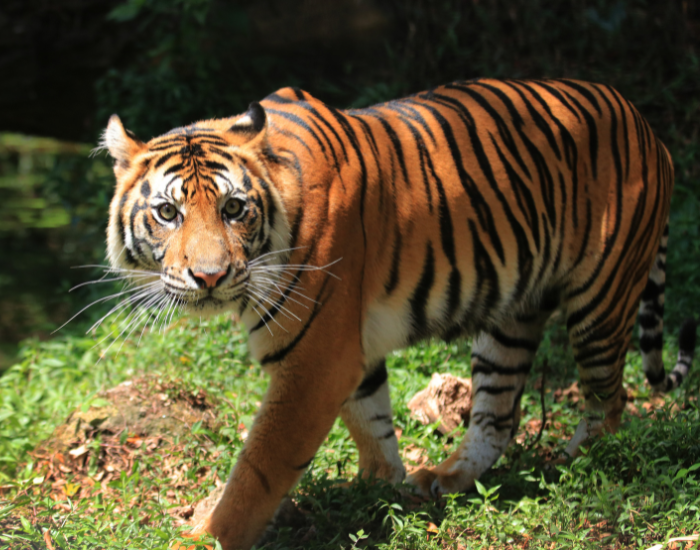
Two are in deep trouble. The Malayan and Sumatran tigers are both listed as Critically Endangered. A 2017 study estimated about 600 tigers left on Sumatra.
5. 3,377 Tigers Seized by Smugglers
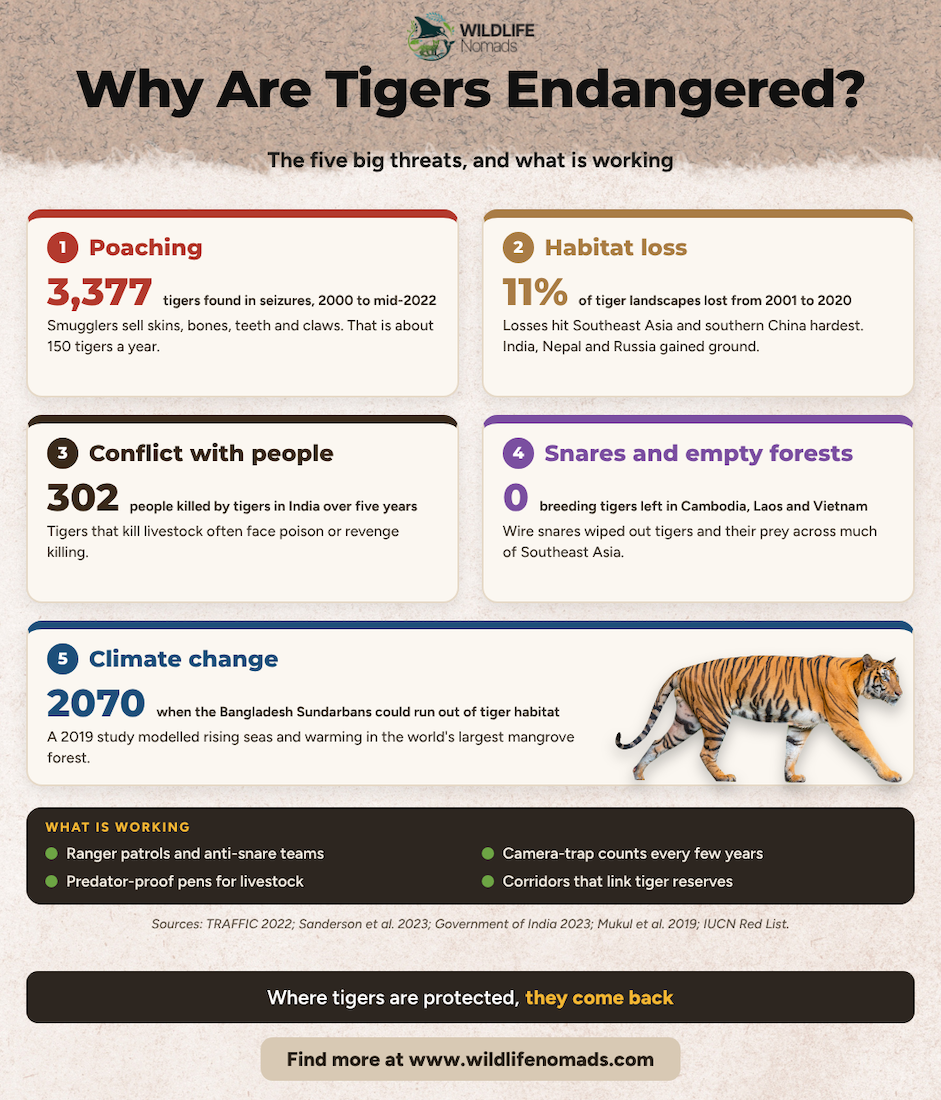
Poaching remains the fastest way to empty a forest. TRAFFIC counted at least 3,377 tigers in seizures between 2000 and mid-2022.
That is about 150 tigers a year, across 50 countries. India had the most seizure incidents.
Poachers kill tigers with snares, poison and guns. Smugglers then sell tiger skins, bones, teeth and claws.
Tiger body parts end up in traditional medicine, tiger-bone wine and luxury décor. In Vietnam, bones are boiled into tiger bone glue.
This illegal trade is serious wildlife crime, often run by organised networks. Most international trade has been banned since 1975 under CITES. That is the Convention on International Trade in Endangered Species of Wild Fauna and Flora.
Seizures only show the trade that gets caught. Learn how it works in our guide to the illegal wildlife trade.
6. 11%: Tiger Habitat Lost in Just 20 Years
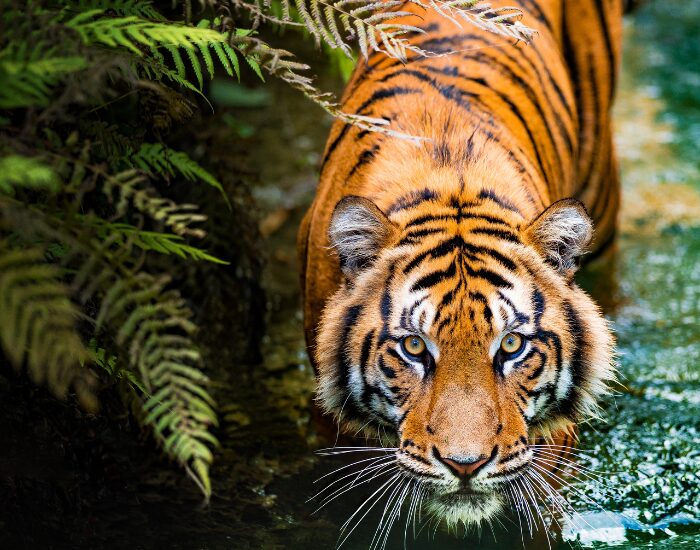
Habitat loss may be the slowest threat, but it is relentless. Between 2001 and 2020, tiger landscapes shrank by 11%, to about 911,920 km².
The losses hit hardest in Southeast Asia and southern China. India, Nepal, Bhutan and the Russian Far East actually gained ground.
Today, only about 10 of the 13 tiger range countries still hold wild tigers. Historically, tigers ranged across around 30 countries. The land still suitable for them covers only about 16% of their former range.
Growing human populations clear forests for farms, plantations and roads. This habitat destruction pushes tigers out of their natural habitat.
Habitat conservation works best when tiger habitats stay connected. Tigers also need room to move. Roads and farms cut forests into islands, so protected areas need wildlife corridors to link them.

7. 302 People Killed: The Cost of Living With Tigers
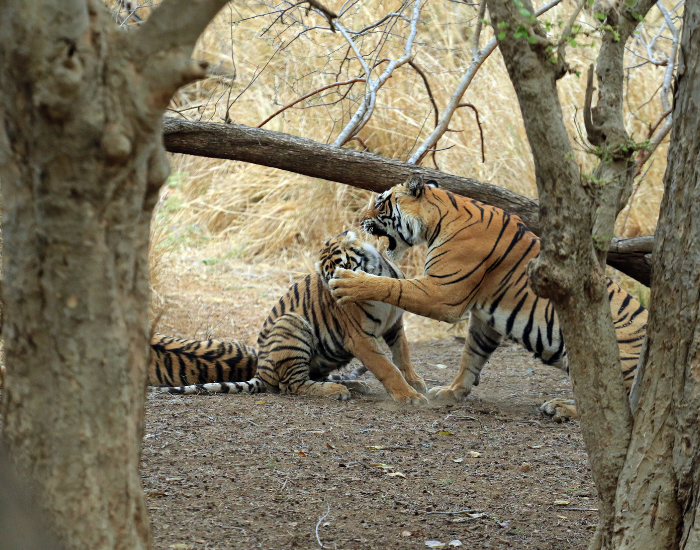
Tigers and people increasingly share the same land. Government figures released in 2023 counted 302 people killed by tigers in India over five years.
Most attacks happen when villagers enter forests to collect firewood, grass or honey. Meanwhile, tigers that kill livestock often face poison or revenge.
Tigers need large prey such as deer, wild pigs and buffalo. When poachers empty forests of these prey species, hungry tigers turn to cattle.
Young male tigers roam far to find a territory of their own. A female tiger raises her tiger cubs alone for about two years.
This human tiger conflict is the most dangerous form of human wildlife conflict in Asia’s forests. Conflict is worst on the edges of national parks, such as Nepal’s Chitwan National Park and India’s Sundarbans.
Solutions include predator-proof livestock pens, compensation payments and healthy prey populations inside forests. A tiger is an apex predator, so losing it reshapes the whole ecosystem.
8. 2070: When the Sundarbans Could Run Out of Tiger Habitat
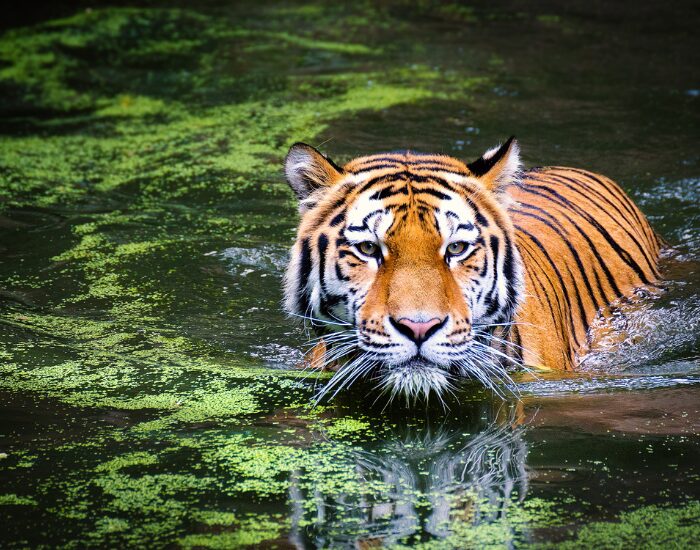
The Sundarbans is the world’s largest mangrove forest, shared by India and Bangladesh. Its tigers swim between islands and hunt in tidal creeks.
Bangladesh’s 2024 survey counted 125 tigers there, up from 114. But climate change threatens that progress.
A 2019 study modelled rising seas and warming. It projected no suitable tiger habitat left in the Bangladesh Sundarbans by 2070.
Saltwater, storms and shrinking land would squeeze tigers out. Read more on how climate change threatens animals.
9. Zero South China Tigers Confirmed in the Wild
The South China tiger is the rarest tiger of all. No one has confirmed a wild one for decades.
It survives today only in zoos and breeding centres, mostly in China. Scientists consider it functionally extinct in the wild.
Tigers have also vanished as breeding populations from Cambodia, Laos and Vietnam. Snares, not guns, emptied many of those forests.
The Indochinese tiger now hangs on mostly in Thailand and Myanmar. Southeast Asia is where the tiger is losing fastest.
10. More Tigers May Live in Captivity Than in the Wild
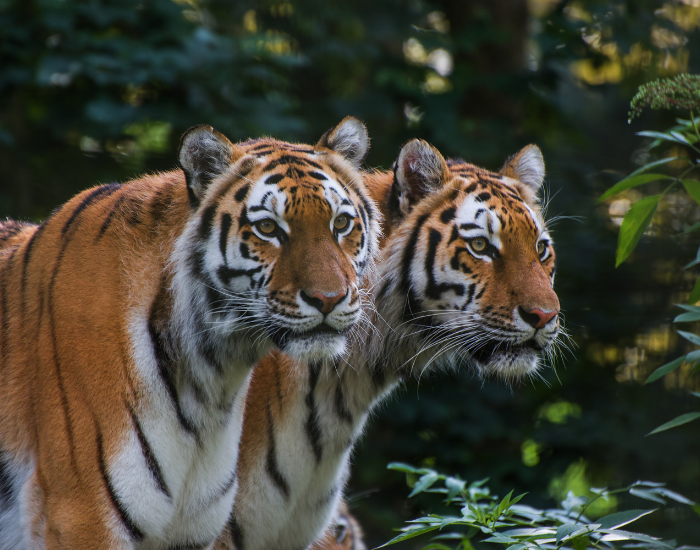
Here’s a twist. Captive tigers may outnumber wild tigers, although nobody knows the exact total.
Some live in zoos that join breeding programmes. Others live in roadside attractions, private homes and “tiger farms” in Asia.
TRAFFIC found that over half of the tigers seized in Thailand and Vietnam were likely captive-bred. Farms can feed demand rather than reduce it.
In the United States, the Big Cat Public Safety Act became law in 2022. It bans new private ownership and cub-petting.
White tigers belong in this story too. A single gene, SLC45A2, causes their pale coat. They are not a subspecies, and breeders often inbreed them.
The gene strips orange from the tiger’s coat, leaving white fur with dark stripes. Breeders also produce the near-stripeless “snow white tiger” in captivity.
11. +21%: The Comeback Stories
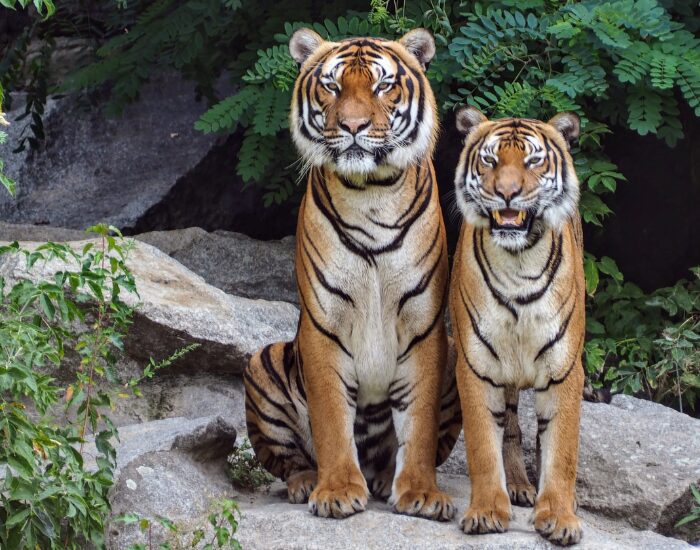
Conservation efforts work when people protect both tigers and their prey. Several countries prove it:
- Nepal: from 121 tigers in 2009 to 355 in 2022, nearly triple.
- Thailand: 179–223 tigers in 2024, about 21% more than in 2022.
- Bhutan: 131 tigers in 2023, including some high in the Himalayas.
- Russia: about 750 Amur tigers, up from a few dozen in the 1940s.
In 2010, the 13 tiger range country governments met in St Petersburg. They pledged to double wild tiger numbers by 2022, a goal called TX2.
They didn’t reach it, but numbers still rose about 40%. Ranger patrols, camera traps, anti-snare work and stronger law enforcement made the difference.
These tiger conservation efforts prove that wild tiger populations can recover. Most endangered tigers now live in well-guarded reserves.
12. One Tigress Named Umit
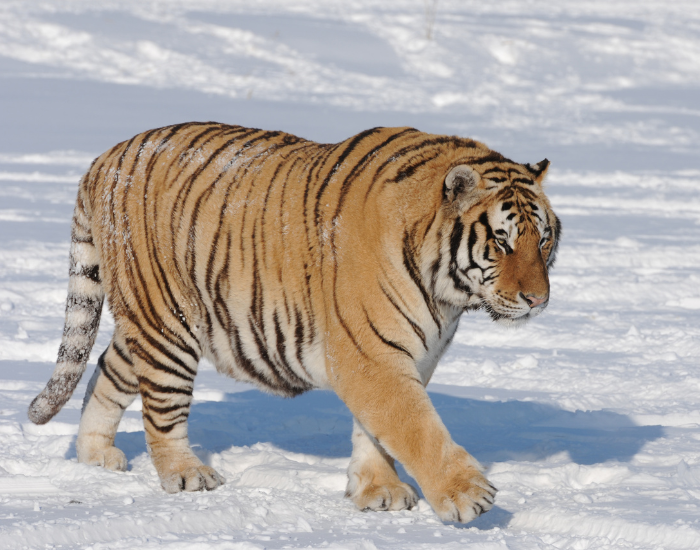
Kazakhstan lost its Caspian tigers long ago. The last one there was recorded in 1948.
In May 2026, four Amur tigers, two adults and two cubs, arrived from Russia’s Khabarovsk region. Amur tigers are the closest living relatives of the Caspian tiger.
On 31 July 2026, a tigress named Umit walked free in the Ile-Balkhash Nature Reserve. Her name means “hope” in Kazakh.
On 31 October 2026, a male named Amur followed her. The two cubs stay under care for now.
It is a bold experiment in tiger conservation. If it works, tigers could return to a land they left over 75 years ago.
FAQs About Tiger Survival
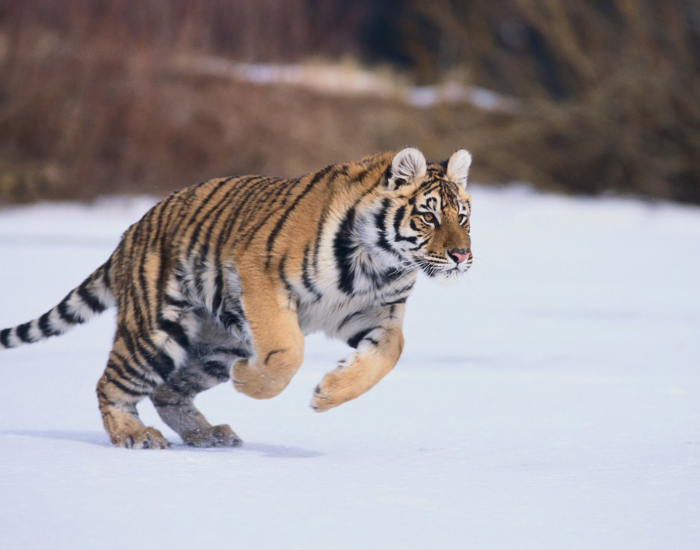
Yes. The tiger is listed as Endangered on the IUCN Red List. The Malayan and Sumatran tigers are Critically Endangered, and the South China tiger survives only in captivity.
About 5,574 tigers live in the wild, according to the Global Tiger Forum’s 2023 estimate. The IUCN gives a range of 3,726 to 5,578. India holds about 75% of them.
Tigers face habitat loss, poaching for the illegal wildlife trade and conflict with people. Loss of prey and climate change add to the pressure.
The Bali, Caspian and Javan tigers are extinct. The South China tiger has not been confirmed in the wild for decades.
Yes, overall. Wild tigers rose about 40% between 2010 and 2023. India, Nepal, Bhutan, Thailand and Russia gained, but Southeast Asia keeps losing tigers.
White tigers are not a separate subspecies. They are Bengal tigers with a gene variant that pales their coat. Almost all live in captivity, often through inbreeding.
Never buy tiger products, and choose ethical wildlife tourism. Support certified palm oil and timber, and back groups that protect tiger habitat.
Keep the Stripes in the Forest
Tigers are not a lost cause. Where people protect tigers and forests, stop poachers and live alongside them, tigers come back.
You can help from home. Never buy tiger parts or tiger products, skip cub-petting and choose certified palm oil and timber. Our guide on how to save endangered animals has more ideas.
Want more big cats? Read about the snow leopard, compare a tiger with a male lion, or explore our Wild Cats interactive. Have you ever seen a tiger in the wild?
Find a Tiger Safari to See Them in the Wild
This website is reader-supported. When you book a wildlife experience through links listed on this site, we may earn an affiliate commission.
References:
Dhungana, R., Savini, T., Karki, J. B., Dhakal, M., Lamichhane, B. R., & Bumrungsri, S. (2018). Living with tigers Panthera tigris: Patterns, correlates, and contexts of human–tiger conflict in Chitwan National Park, Nepal. Oryx, 52(1), 55–65. https://doi.org/10.1017/S0030605316001587
Liu, Y.-C., Sun, X., Driscoll, C., Miquelle, D. G., Xu, X., Martelli, P., Uphyrkina, O., Smith, J. L. D., O’Brien, S. J., & Luo, S.-J. (2018). Genome-wide evolutionary analysis of natural history and adaptation in the world’s tigers. Current Biology, 28(23), 3840–3849. https://doi.org/10.1016/j.cub.2018.09.019
Luskin, M. S., Albert, W. R., & Tobler, M. W. (2017). Sumatran tiger survival threatened by deforestation despite increasing densities in parks. Nature Communications, 8, 1783. https://doi.org/10.1038/s41467-017-01656-4
Mukul, S. A., Alamgir, M., Sohel, M. S. I., Pert, P. L., Herbohn, J., Turton, S. M., Khan, M. S. I., Munim, S. A., Reza, A. H. M. A., & Laurance, W. F. (2019). Combined effects of climate change and sea-level rise project dramatic habitat loss of the globally endangered Bengal tiger in the Bangladesh Sundarbans. Science of the Total Environment, 663, 830–840. https://doi.org/10.1016/j.scitotenv.2019.01.383
Sanderson, E. et al., (2023). Range-wide trends in tiger conservation landscapes, 2001–2020. Frontiers in Conservation Science, 4, 1191280. https://doi.org/10.3389/fcosc.2023.1191280
Wilting, A., Courtiol, A., Christiansen, P., Niedballa, J., Scharf, A. K., Orlando, L., Balkenhol, N., Hofer, H., Kramer-Schadt, S., Fickel, J., & Kitchener, A. C. (2015). Planning tiger recovery: Understanding intraspecific variation for effective conservation. Science Advances, 1(5), e1400175. https://doi.org/10.1126/sciadv.1400175
Xu, X., Dong, G.-X., Hu, X.-S., Miao, L., Zhang, X.-L., Zhang, D.-L., Yang, H.-D., Zhang, T.-Y., Zou, Z.-T., Zhang, T.-T., Zhuang, Y., Bhak, J., Cho, Y. S., Dai, W.-T., Jiang, T.-J., Xie, C., Li, R., & Luo, S.-J. (2013). The genetic basis of white tigers. Current Biology, 23(11), 1031–1035. https://doi.org/10.1016/j.cub.2013.04.054