
Wildlife Nomads · Play · Pond Ecosystem Lab
What Lives in a Pond? Dive Into an Australian Pond Ecosystem
A pond ecosystem packs plants, invertebrates, frogs, fish and birds into one small body of fresh water. Meet 20 pond residents, balance the algae, rerun a famous lake experiment and design a frog-friendly backyard pond.
By Cesar Medina, conservation biologist · 6 interactive stops
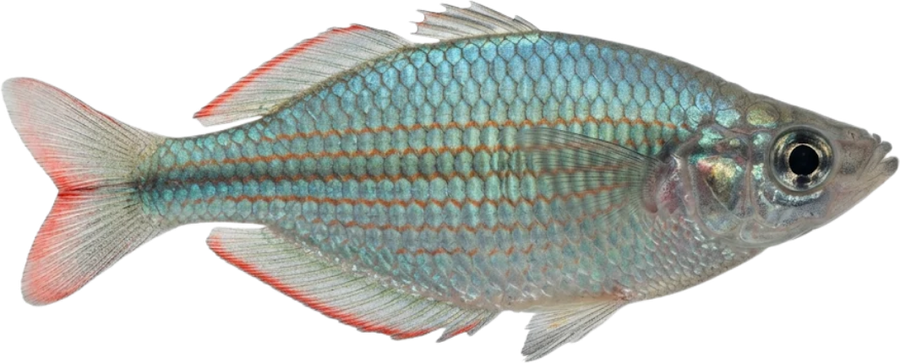
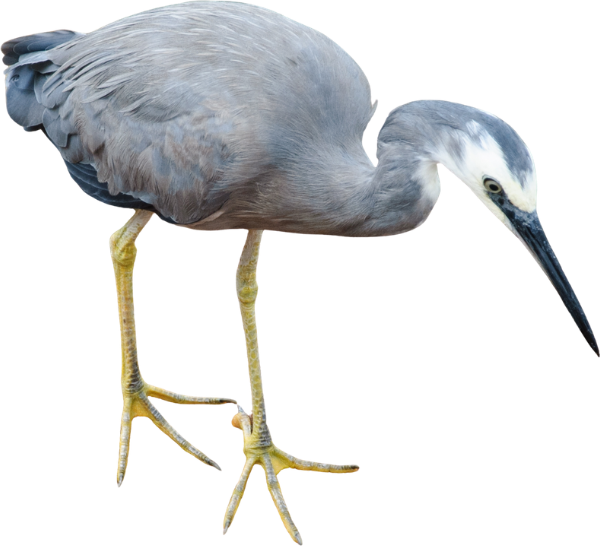
What is a pond ecosystem?
A pond ecosystem is a small body of still fresh water and everything living in and around it. Plants and algae capture sunlight. Grazers, predators and decomposers pass that energy along. Water, mud, light and nutrients set the rules.
Ponds come in every size. A little backyard pond, a farm dam and a wetland pool all count. They are shallower than lakes, so sunlight often reaches the bottom. That lets plants root right across many ponds.
As a kid in Villahermosa, I lived in front of a river. Ponds pack that same freshwater drama into a few square metres. Explore one in the Pond Ecosystem Lab above, then read on for the science.
Why ponds matter for wildlife
Ponds look small, but they punch far above their size. Small waterbodies, including ponds, are the most numerous freshwater environments on Earth (Biggs et al., 2017). They often shelter species that have vanished from larger, damaged waterbodies.
One English study compared rivers, streams, ditches and ponds across a farming landscape. Ponds supported more species, more unique species and more scarce species than the other waterbody types (Williams et al., 2004).
Ponds also give wildlife a reliable drinking spot. Birds bathe in them, frogs breed in them and dragonflies patrol them. A backyard pond can become the busiest wildlife spot in the garden.
Pond zones: who lives where
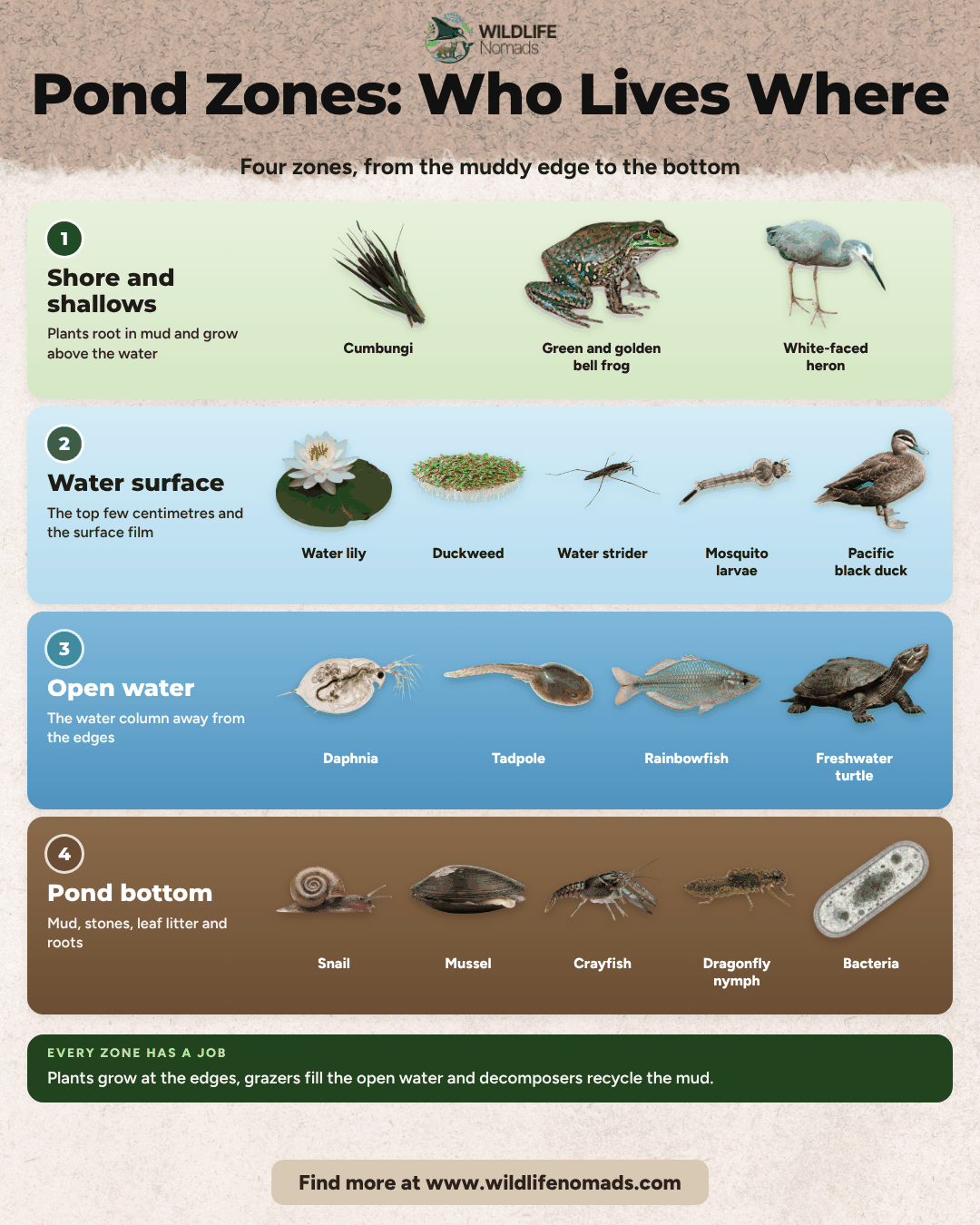
Every pond has layers, each with its own residents. Ecologists name these zones, but the idea is simple.
| Zone | What it is | Who lives there |
|---|---|---|
| Shore and shallows | The edge, where plants root in mud and grow above the water | Cumbungi, sedges, frogs, wading herons |
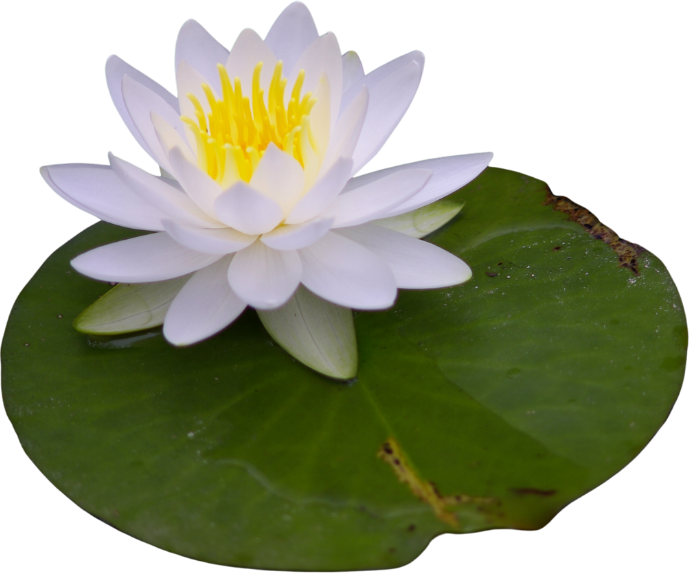
| Water surface | The top few centimetres and the surface film | Water lilies, duckweed, water striders, mosquito larvae, ducks |
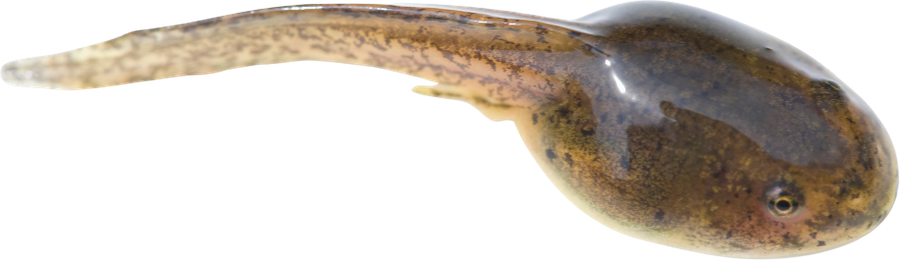
| Open water | The water column away from the edges | Daphnia, phytoplankton, tadpoles, small fish, turtles |
| Pond bottom | Mud, stones, leaf litter and roots | Snails, mussels, crayfish, dragonfly nymphs, bacteria |
On my Australia lap, I watched a white-faced heron stalk the shallows at Evans Head. Near Bellingen, I saw a Macquarie turtle. Each one fits a different zone, just like in the lab.
The pond food web
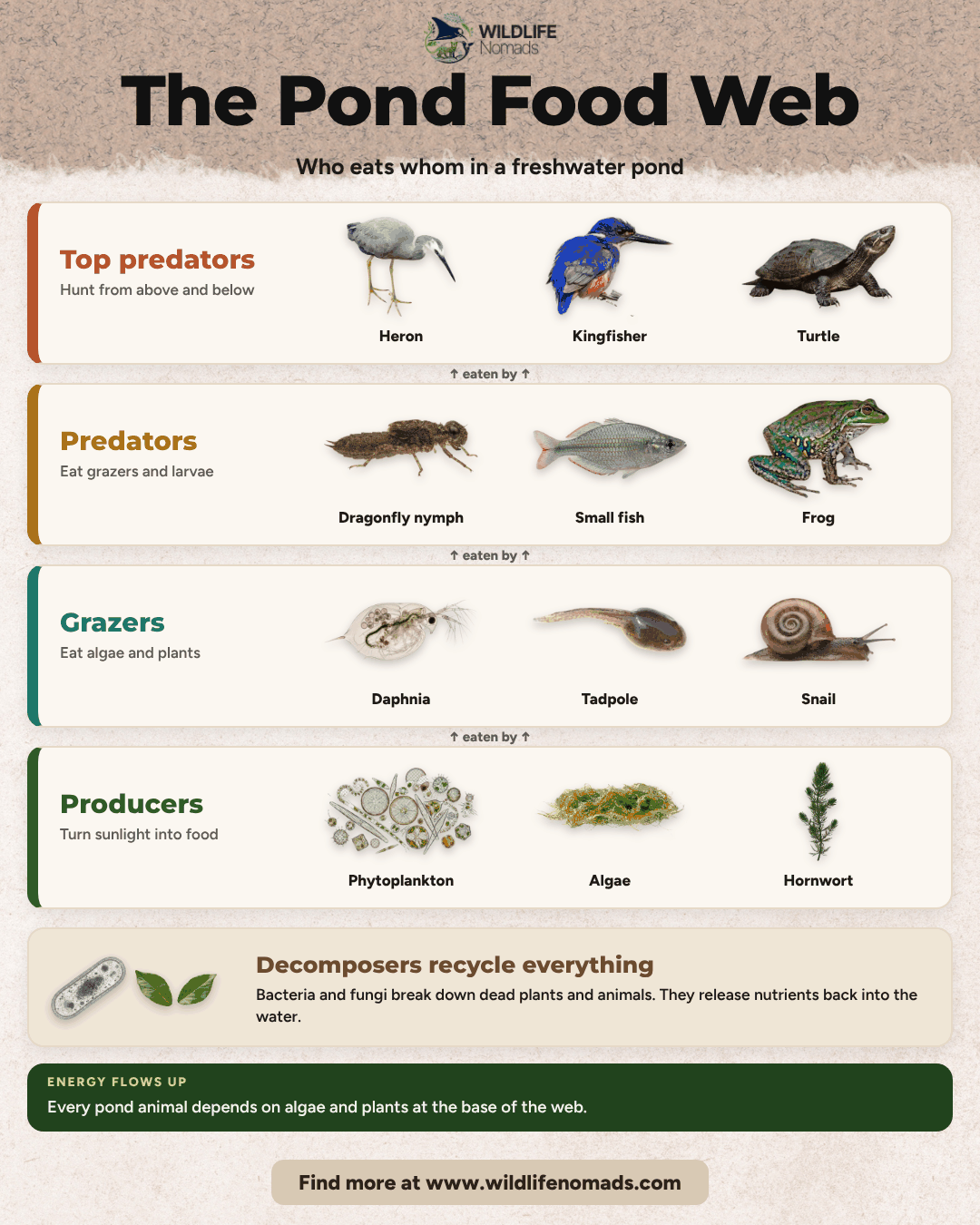
Energy in a pond starts with producers. Algae, phytoplankton and water plants capture sunlight through photosynthesis. Some plants, like hornwort, release oxygen straight into the water.
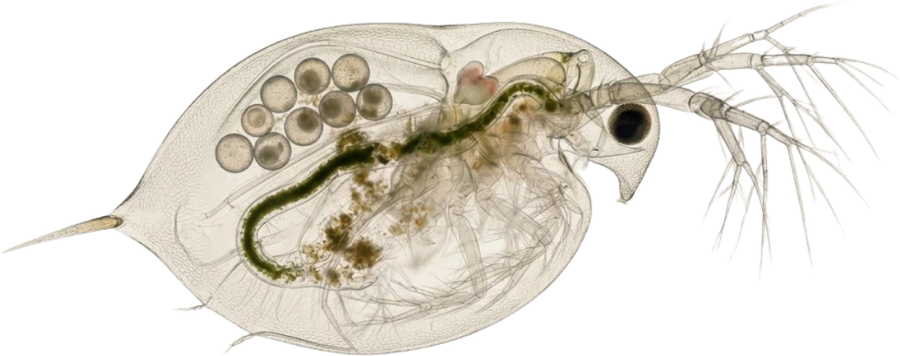
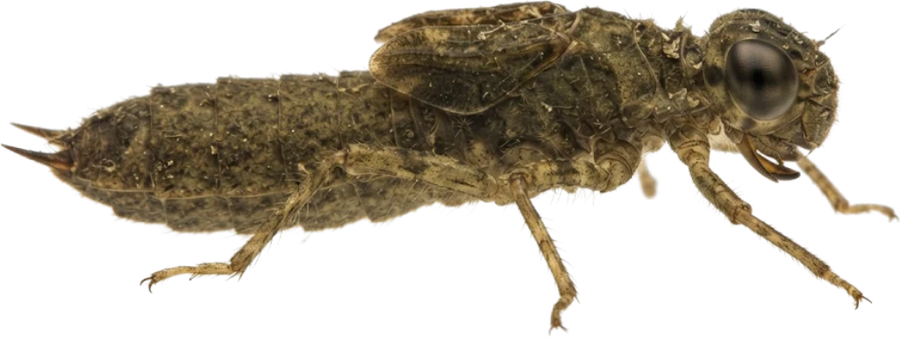
Invertebrates hold the whole web together. Daphnia filter algae from the water. Dragonfly nymphs grab tadpoles and mosquito larvae with a hinged lower jaw. Snails scrape algae off every surface.
When something dies, decomposers take over. Bacteria and fungi break down dead leaves and animals and release nutrients back into the water. Build your own chain in the Food Web Game.
Why ponds turn green
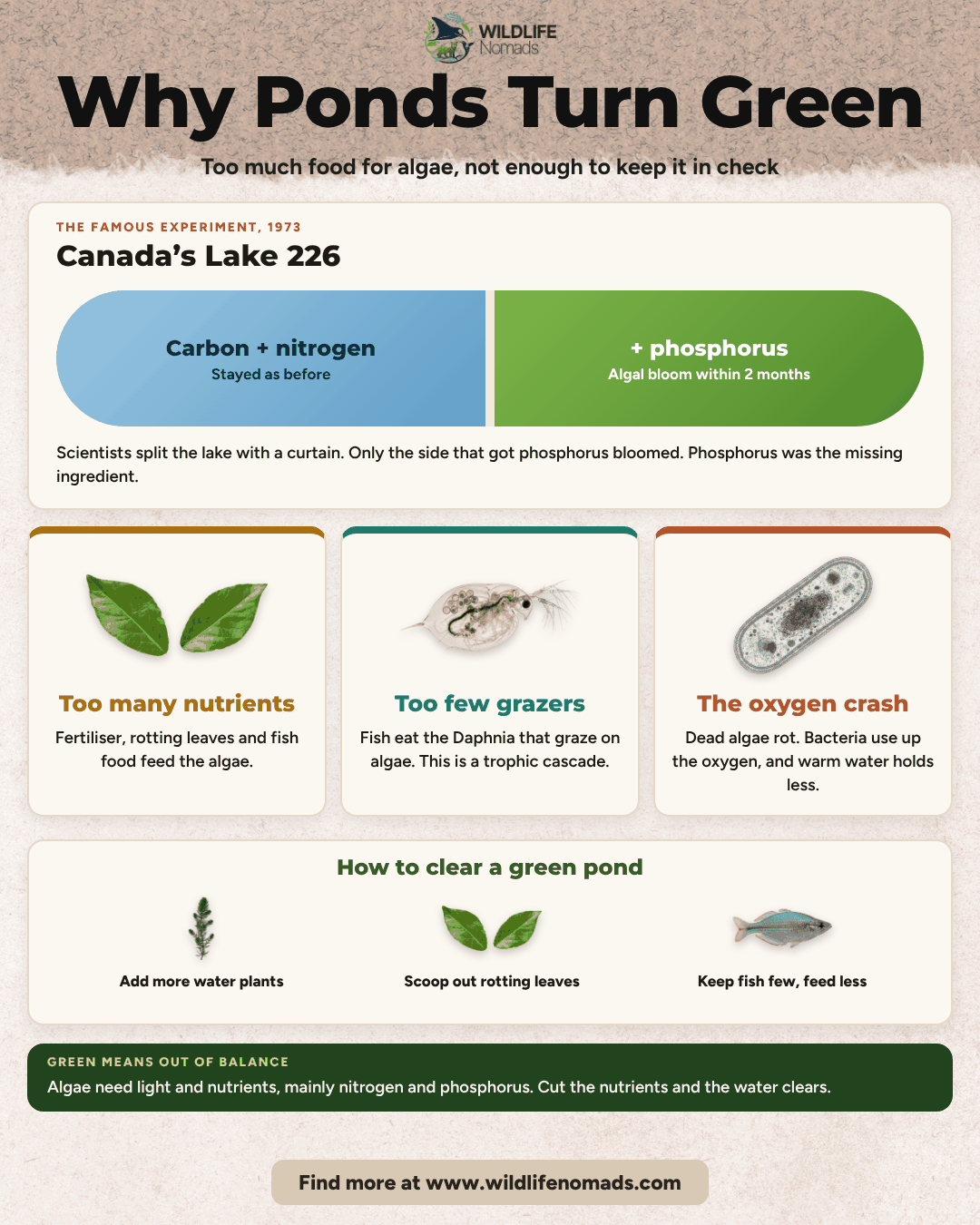
Green water means algae are winning. Algae need light and nutrients, mainly nitrogen and phosphorus. Fertiliser runoff, rotting leaves and uneaten fish food all add nutrients.
The phosphorus experiment
In 1973, scientists split Canada’s Lake 226 in two with a curtain. Both halves got carbon and nitrogen. Only one also got phosphorus. Within two months, that half was covered by an algal bloom (Schindler, 1974).
The other half stayed as it was before the experiment. Phosphorus was the missing ingredient. Try it yourself in Stop 4 of the lab.
Too many fish, not enough grazers
Fish can turn a pond green too. When fish eat the large zooplankton, fewer grazers are left to eat algae. Lake scientists call this a trophic cascade (Carpenter et al., 1985).
The oxygen crash
Big algal blooms eventually die. Bacteria decompose them and use up dissolved oxygen as they work (USGS). Warm water holds less oxygen than cold water, so summer heat makes it worse. Fish then gasp at the surface by dawn.
Nitrogen and carbon move through ponds too. Follow them in the Nitrogen Cycle Lab and the Carbon Cycle Lab.
Building a backyard pond for Australian frogs
Australia’s frogs need help. Habitat loss and disease have hit frog populations worldwide, and garden ponds can give them a place to breed. These tips come from FrogID and the Australian Museum.
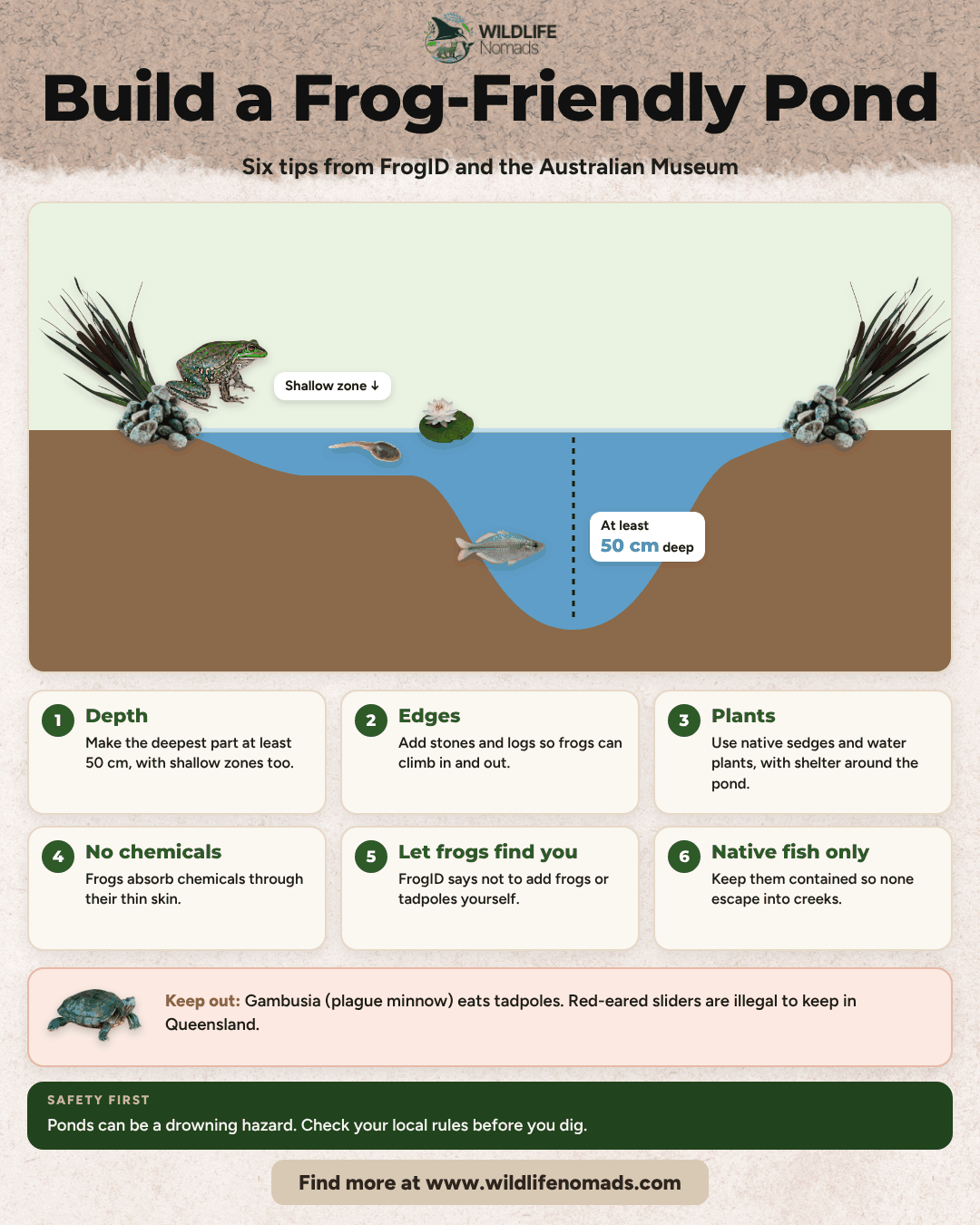
Make the deepest part at least 50 cm, with shallow zones too. Check local rules, since ponds can be a drowning hazard.
Add stones, logs and plants at the edge. Frogs must be able to climb in and out easily.
Use native sedges and water plants. Surround the pond with grasses and shrubs for shade and shelter.
Skip the chemicals. Frogs absorb chemicals through their thin skin. Avoid pesticides, herbicides and fertilisers near the pond.
Let frogs find you. FrogID advises against adding frogs or tadpoles yourself. Local frogs will find a good pond on their own.
Choose fish carefully. Native fish are friendlier to frog eggs and tadpoles than introduced fish such as goldfish. Small native fish also eat mosquito larvae. Never let any fish escape into creeks.
Pond pests to keep out
Two invaders cause real trouble in Australian ponds and waterways.
Gambusia, the eastern mosquitofish or plague minnow, comes from the south-eastern United States. It eats tadpoles and frogs, and it controls mosquitoes no better than small native fish (NSW DPI). Predation by Gambusia is a listed key threatening process in New South Wales.
Red-eared slider turtles come from the Mississippi drainage. In Queensland, it is illegal to keep, move, feed, sell or release them. They outcompete native turtles and can carry diseases that kill them.
Natural swimming pools: a pond you can swim in
A natural swimming pool works like a carefully designed pond. It has no chlorine. A planted regeneration zone sits beside the swimming zone, and a pump moves water between them.
In the regeneration zone, plants absorb nutrients that would otherwise feed algae. Microbes living on gravel break down organic waste. It is the same pond science from this page, put to work.
Natural pools need careful design and sizing by specialists. Switch the parts on and off in Stop 5 of the lab to see how they fit together.
Keep exploring
Meet more pond neighbours: dragonflies, kingfishers of Australia, herons, amphibians and turtles. Planning a garden for wildlife? Start with my guide to building a wildlife-friendly garden. Want a freshwater adventure? Read about my search for a platypus at Barrington Tops.
Free mini guide
Take the pond with you
All four infographics in one printable PDF: pond zones, the food web, why ponds turn green and how to build a frog-friendly pond, plus a quick quiz.
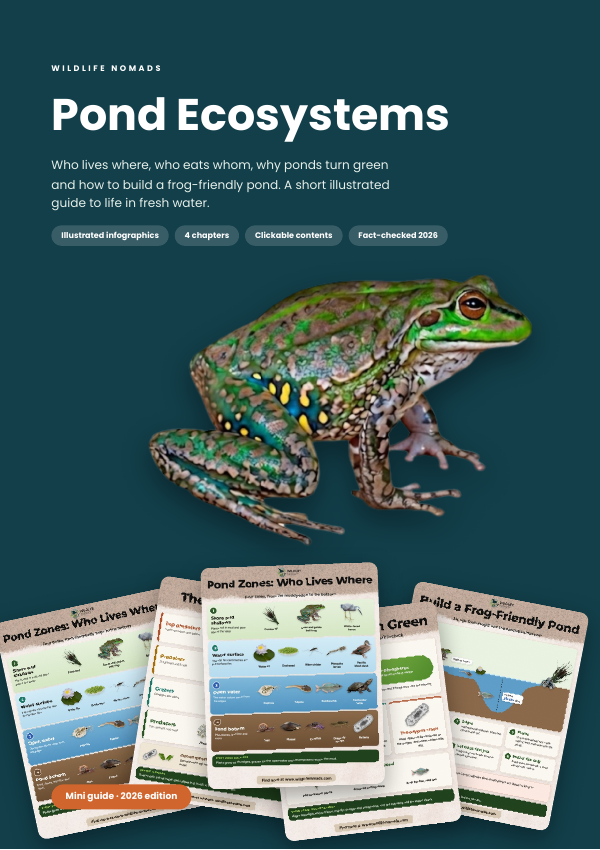 Free PDF · 14 pagesPond Ecosystem Mini GuideFrogs, Daphnia, herons and green water, ready to print for home or class.Download free →
Pond Ecosystem FAQ
A pond ecosystem is a small body of still fresh water and all the life in and around it. Plants and algae capture sunlight. Grazers, predators and decomposers pass that energy along and recycle nutrients.
Ponds hold algae, water plants, tiny crustaceans such as Daphnia, snails, mussels and insect larvae. Frogs, tadpoles, small fish and turtles live there too. Herons, kingfishers and ducks visit to feed.
Green water usually means too many nutrients feeding algae. Fertiliser runoff, rotting leaves and fish food add nitrogen and phosphorus. More water plants and fewer nutrients help clear it.
Yes. Ponds give wildlife water to drink, bathe and breed in. One English study found ponds supported more species than rivers, streams or ditches in the same landscape.
FrogID suggests making the deepest part at least 50 cm, with shallow zones and stony edges. Frogs need an easy way in and out. Check local rules about pond depth and safety.
A few small native fish are fine and eat mosquito larvae. Avoid introduced fish such as goldfish and never use Gambusia, which eats frog eggs and tadpoles. Never release fish into creeks.
A planted regeneration zone sits beside the swimming area. Plants absorb nutrients that would feed algae, and microbes on gravel break down waste. A pump keeps the water moving between the zones.
References
Biggs, J., von Fumetti, S., & Kelly-Quinn, M. (2017). The importance of small waterbodies for biodiversity and ecosystem services: Implications for policy makers. Hydrobiologia, 793, 3–39. https://doi.org/10.1007/s10750-016-3007-0
Carpenter, S. R., Kitchell, J. F., & Hodgson, J. R. (1985). Cascading trophic interactions and lake productivity. BioScience, 35(10), 634–639. https://doi.org/10.2307/1309989
FrogID. (n.d.). Create a frog-friendly habitat [Poster]. Australian Museum. https://www.frogid.net.au/images/J4921_FrogID_Habitat_poster_07.pdf
NSW Department of Primary Industries. (n.d.). Eastern gambusia. https://www.dpi.nsw.gov.au/dpi/bfs/aquatic-biosecurity/aquatic-pests-and-diseases/freshwater-pests/freshwater-finfish/eastern-gambusia
NSW Department of Climate Change, Energy, the Environment and Water. (n.d.). Predation by Gambusia holbrooki (plague minnow or mosquito fish): Key threatening process. NSW BioNet. https://threatenedspecies.bionet.nsw.gov.au/profile?id=20016
NSW Department of Climate Change, Energy, the Environment and Water. (n.d.). Frogs in Sydney. https://www.environment.nsw.gov.au/about-us/get-involved/sydney-nature/wildlife/frogs-in-sydney
Queensland Government. (2026). Red-eared slider turtle. Business Queensland. https://www.business.qld.gov.au/industries/farms-fishing-forestry/agriculture/biosecurity/animals/invasive/restricted/slider-turtle
Roslan, N. (2025, November 5). Tips and tricks for a frog-friendly backyard. Australian Museum. https://australian.museum/learn/news/blog/tips-tricks-frog-friendly-backyard/
Schindler, D. W. (1974). Eutrophication and recovery in experimental lakes: Implications for lake management. Science, 184(4139), 897–899. https://doi.org/10.1126/science.184.4139.897
U.S. Geological Survey. (n.d.). Dissolved oxygen and water. USGS Water Science School. https://www.usgs.gov/water-science-school/science/dissolved-oxygen-and-water
Williams, P., Whitfield, M., Biggs, J., Bray, S., Fox, G., Nicolet, P., & Sear, D. (2004). Comparative biodiversity of rivers, streams, ditches and ponds in an agricultural landscape in Southern England. Biological Conservation, 115(2), 329–341. https://doi.org/10.1016/S0006-3207(03)00153-8



