
Living in Australia, I have witnessed the fragility of island ecosystems firsthand. Isolation creates evolutionary unique creatures, yet leaves species defenseless against sudden threats. Looking at our “living fossils” here, I feel a profound responsibility to protect what remains. Future generations deserve to inherit a living planet, not a collection of cautionary tales like the extinct dodo bird.
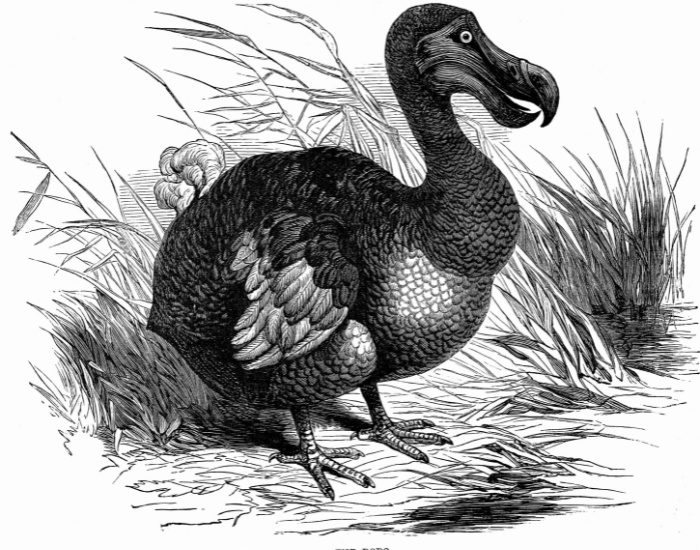
The dodo bird has become the most famous extinct bird, and animal for this matter in history. This flightless bird from the island of Mauritius serves as a powerful symbol of human-caused extinction. However, many popular beliefs about this species are myths. In this deep-dive, I’ll share 15 fascinating facts that reveal the true story of this exiting bird (Raphus cucullatus), from its athletic build to its rapid disappearance.
1. They Were “Giant Pigeons”
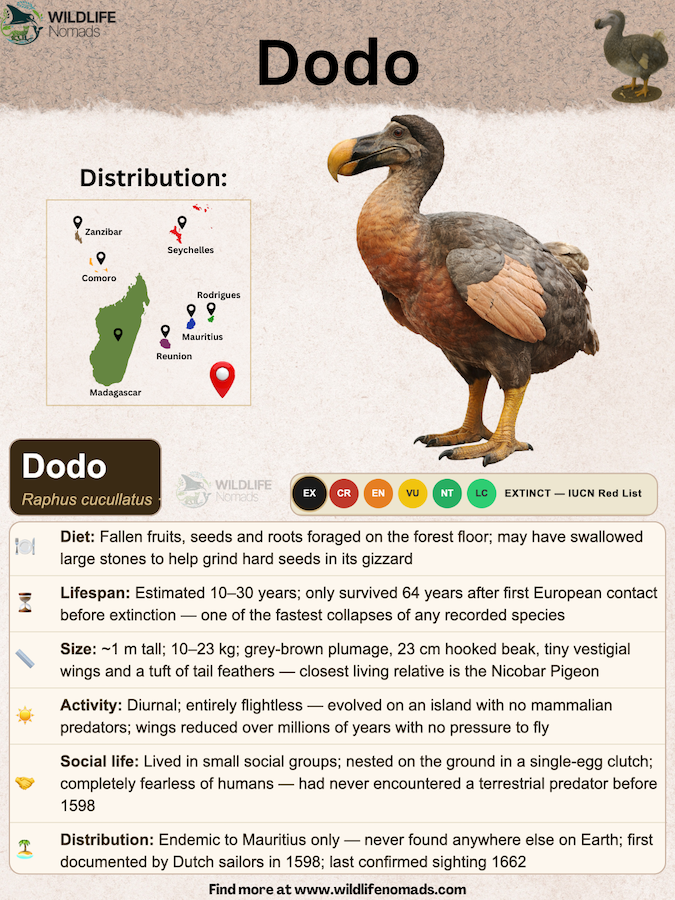
The dodo bird (scientific name: Raphus cucullatus) was a flightless bird and member of the family Columbidae. Its closest living relative is the Nicobar pigeon. Despite their bulky appearance, DNA analysis confirms dodos evolved from flying pigeons that arrived on Mauritius millions of years ago. Modern pigeons share significant genetic material with these extinct birds, making them ideal candidates for de-extinction projects.

2. The “Fat Bird” Myth is False
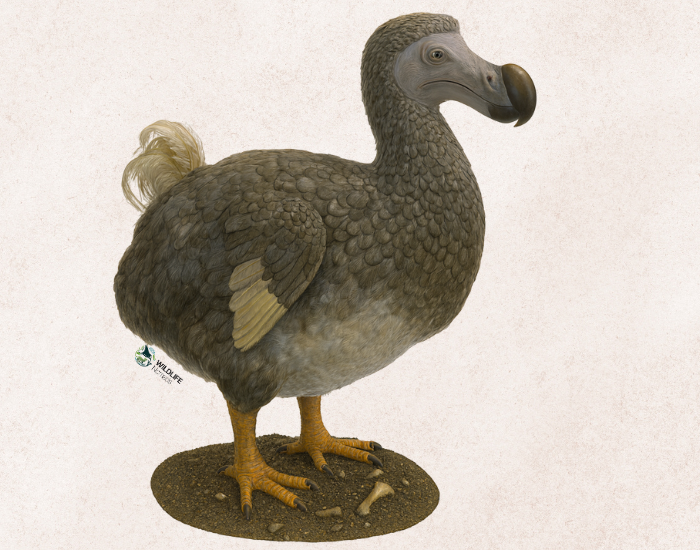
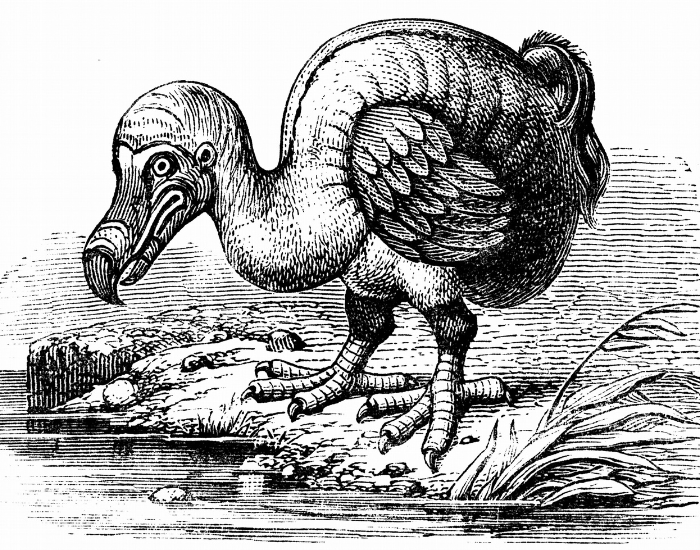
Early accounts from Dutch sailors depicted overfed captive birds. In the wild, the dodo bird size was actually athletic, standing about 70 centimeters (2.3 feet) tall and weighing between 10.6 to 17.5 kilograms (23 to 39 pounds). They were sleek foragers, not the clumsy creatures shown in Victorian illustrations. Most accurate depictions now show a lean, muscular bird capable of navigating dense Mauritius forests efficiently.
3. The “Stupid” Label Was Unfair
Recent CT scans of a dodo skull show their brain-to-body ratio was similar to modern pigeons. Pigeons are remarkably smart birds. However, dodos simply had no “fear” of humans because they evolved without significant predators. This “island tameness” made them appear foolish when they were actually well-adapted to their environment on the small island of Mauritius.
4. Smell Was Their Superpower
Unlike most birds that rely on sight, dodos had large olfactory bulbs. This suggests they used smell to find fallen fruits and seeds on the forest floor of Mauritius. Their keen sense of smell made them efficient foragers in dense forests. This adaptation was unique among birds and helped dodos locate food in the thick undergrowth.
5. They Swallowed Stones
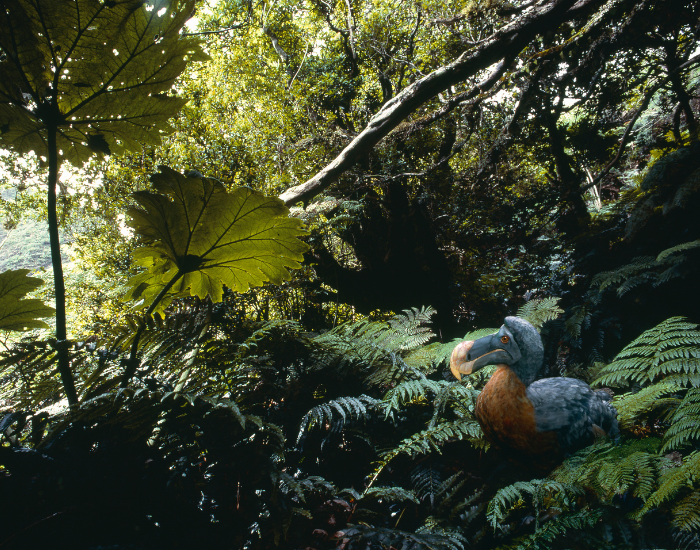
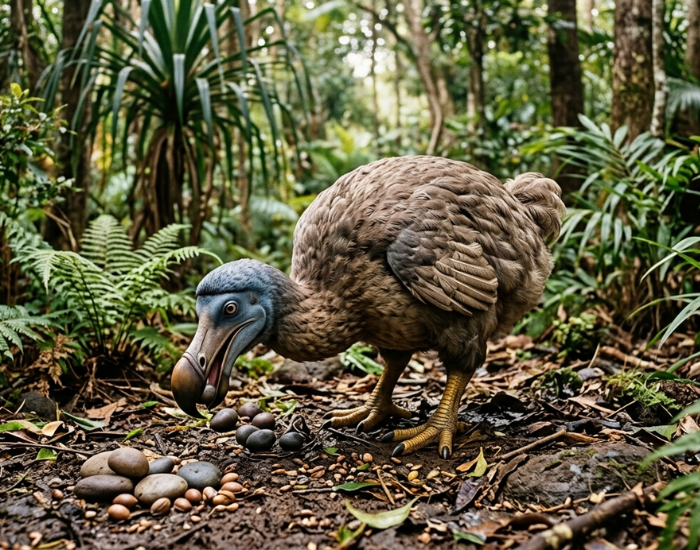
To help digest tough seeds and fruit, dodos used gizzard stones (gastroliths). For example, Dutch sailors reported seeing them “eat” rocks. This behavior is common among birds like emus and ostriches that lack teeth and need to grind their food. The stones remained in their digestive system, helping break down hard plant material from the Indian Ocean island ecosystem.
6. Their Beak Was a Weapon
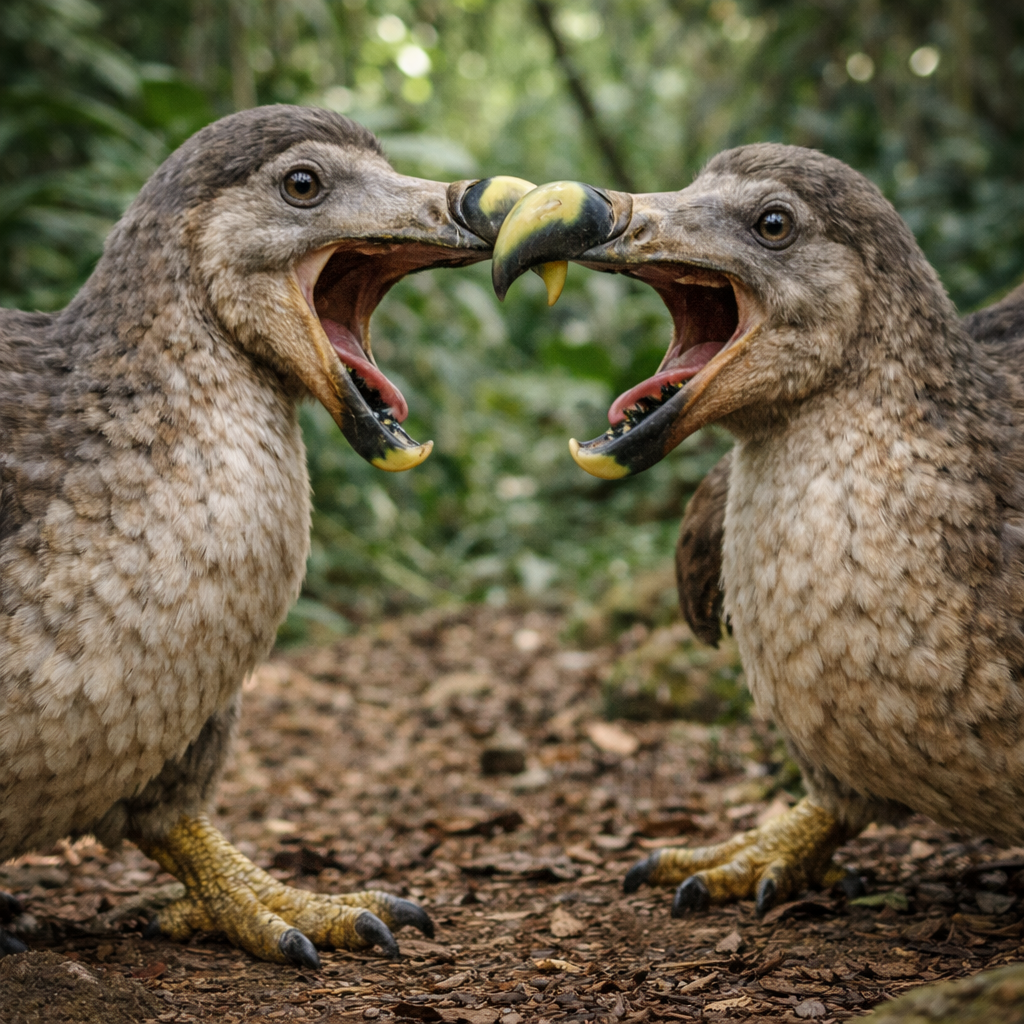
The hooked beak, nearly 23 centimeters (9 inches) long, was capable of delivering a fearsome bite. They likely used it for defense and to fight rivals for territory during the breeding season. The hooked beak displayed striking green, black, and yellow coloration. This hooked tip allowed dodos to crack open hard nuts and defend themselves when necessary.
7. One Egg at a Time
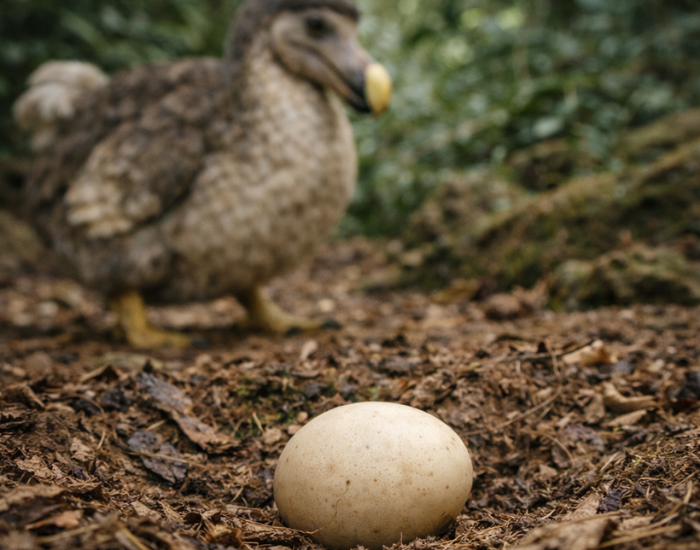
Dodos laid a single egg in ground nests. Consequently, their reproduction rate was too low to survive the arrival of invasive species like rats, feral pigs, and cats. This vulnerability made them particularly susceptible to extinction when introduced animals ate their eggs. The low reproductive rate meant that even small population losses had devastating consequences for the species.
8. Molting Cycles Explained Color Variations
Evidence suggests dodos underwent a total molt of their feathers. This likely explains why different sailors described them as having black, grey, or brown plumage. The seasonal molting coincided with their fat cycles throughout the year. Early accounts varied in their descriptions, leading to confusion about the bird’s true appearance.
9. The Island of Mauritius Was Their Only Home
They were endemic to this one island in the Indian Ocean, approximately 500 miles east of Madagascar. The island of Mauritius was the only place on Earth where dodos lived. This extreme isolation is why the dodo bird extinct status happened so quickly once humans arrived. They had nowhere to flee when their habitat was destroyed. The small island provided limited space for the population to retreat from human settlement.
10. The “Oxford Dodo” Is a Scientific Treasure
This specimen is the only one in the world containing soft tissue, a preserved head and foot. The Oxford dodo has been vital for DNA sequencing and natural history research. Scientists like Julian Hume have studied dodo bones and this specimen to reconstruct the bird’s appearance and behavior. The only surviving soft tissue makes this specimen invaluable for modern genetic studies.
11. They Had an Extinct Relative
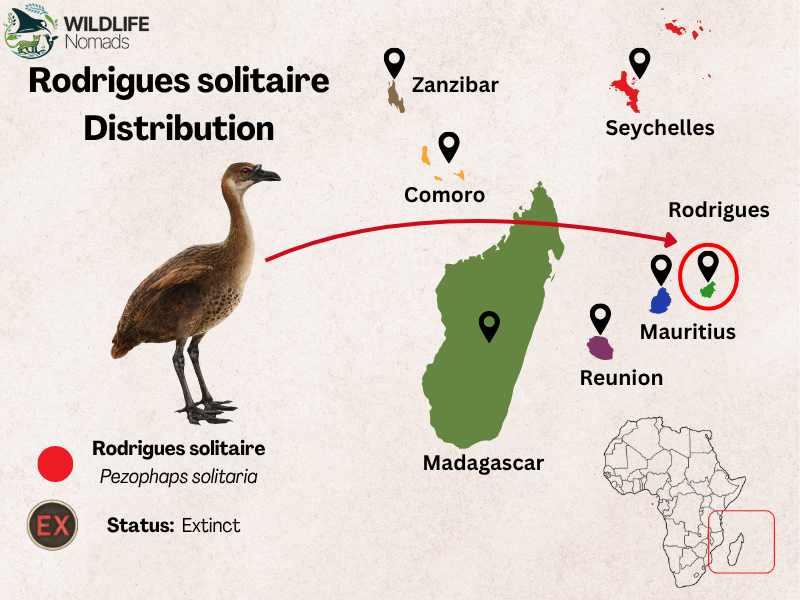
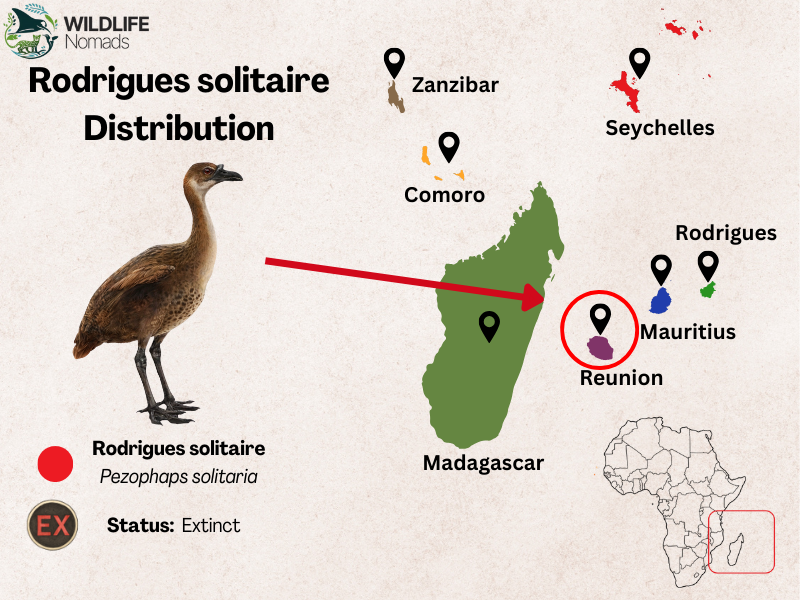
The Rodrigues solitaire lived on nearby Rodrigues Island. It was also a large, flightless pigeon that met a similar fate. Both species evolved in the Mascarene Islands and both were wiped out by human activity and introduced animals within decades of European settlement. Other species in the region also suffered from the arrival of invasive predators brought by ships.
12. Humans Wiped Them Out in Less Than a Century
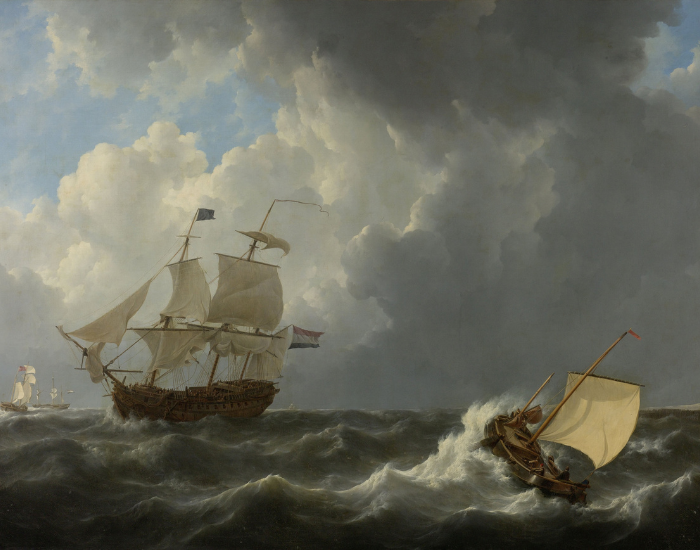
From the first Dutch settlement in 1598 to the last confirmed sighting in 1662, it took less than 80 years to erase millions of years of evolution. When people arrived on Mauritius, they brought animals like pigs, rats, and monkeys. However, statistical analysis suggests the actual dodo bird extinct date was closer to 1690. The combination of habitat loss, hunting, and invasive species proved devastating. Dodos lived for thousands of years before humans arrived and destroyed their ecosystem.
13. They May Return (Sort Of)
Companies like Colossal Biosciences are using CRISPR technology to edit pigeon DNA. They aim to create a genetic proxy of the dodo by modifying the genes of its closest living relative, the Nicobar pigeon. However, it won’t be a 100% “real dodo”, the original behaviors and ecological role cannot be recreated.Truths is, without the original Mauritius ecosystem, a resurrected dodo would be merely a curiosity rather than a functional part of nature. Some scientists hope a “live dodo” could one day walk the Earth again, though it would be a hybrid creature. is it really worth it? Or should we direct efforts that are currently alive? A debate has been started. What do you think?

14. They are a Popular Culture Icon
The dodo became famous after appearing in Lewis Carroll’s “Alice’s Adventures in Wonderland.” Today, the phrase “as dead as a dodo” symbolizes complete extinction and irreversible loss. The bird has become one of the most famous birds in history, representing humanity’s impact on lost biodiversity.
15. There is a Beautiful Natural History Museum Collection
Most dodo specimens are housed in natural history museums worldwide, particularly the Natural History Museum in London. These skeletal remains continue to provide data for scientific research and conservation studies. The dodo soft tissue at Oxford complements these skeletal collections.
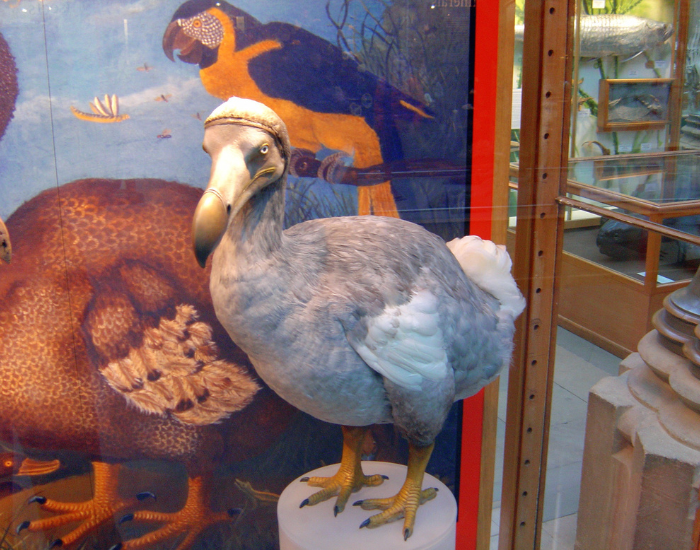
Why Did Dodo Birds Actually Go Extinct?
The dodo bird extinction was not simply about hunting. Instead, it represented a systemic ecological collapse. When humans arrived in 1598, they brought an “invasive army” of animals brought from ships that devastated the island ecosystem.
The Perfect Storm of Extinction
Nest Vulnerability: Ground nests with a single egg were easy targets for introduced animals like pigs, rats, cats, and monkeys. These invasive predators had never existed on Mauritius before Portuguese ships and later Dutch vessels arrived. The extinct animals of Mauritius all suffered similar fates.
Habitat Loss: Dense ebony forests were cleared for timber and plantations. The fallen fruits that dodos relied on disappeared as forests were converted to agricultural land. Native plants that produced the fruits and seeds dodos ate were replaced with crops for human consumption.
Island Tameness: Having evolved without significant predators, dodos did not flee from humans or dogs. This lack of fear response, common in island species, made them easy prey. Other birds on the island also exhibited this tameness and suffered similar consequences.

The Timeline of Disappearance
While Portuguese ships first visited Mauritius around 1507, the Dutch were the first to settle permanently. Dutch sailors arrived in 1598 and began colonizing the island. The extinct dodo was last seen with certainty in 1662, though some reports suggest dodos lived until the 1680s. By the time natural history experts documented the species, it was already disappearing.
Dodo Myth-Buster: True or False? 🦤
Ten statements about the dodo — some true, some the myths everyone repeats. Answer each, then see how many you bust.
Myth-buster · True or False?
FAQ: The Dodo Post-Mortem
Yes. There are zero live dodo specimens anywhere in the world. Only dodo bones and tissue remain in museums like the Natural History Museum in London and the Oxford University Museum. The extinct dodo disappeared completely by the late 1600s, though the exact extinction date remains debated.
No. This is one of the most persistent myths about the species. The dodo was a highly adapted species perfectly suited to its environment. Its apparent “clumsiness” was actually a lack of fear response due to its predator-free evolutionary history. In reality, dodos were active foragers capable of moving quickly through Mauritius forests.
Research is ongoing into de-extinction possibilities. However, scientists would likely create a genetic hybrid rather than the original dodo animal extinct centuries ago. Even if successful, the recreated bird would lack the original behaviors, social structures, and ecological relationships. Without the original Mauritius ecosystem and native plants, a resurrected dodo would be a curiosity rather than a functional species.
A combination of factors caused extinction: habitat loss through deforestation, hunting by humans for food, and invasive species eating their eggs. The introduced animals proved particularly devastating since dodos laid only a single egg at a time. The birds’ island tameness and inability to fly made them defenseless against these new threats.
Dodos lived exclusively on Mauritius, a small volcanic island in the Indian Ocean, approximately 500 miles east of Madagascar.

A Cautionary Tale for Modern Conservation
Today, many species such as kiwis or the kea face similar threats from habitat loss, introduced species, and climate change. Islands remain biodiversity hotspots with many species found nowhere else on Earth. However, these same islands are also extinction hotspots where species disappear at alarming rates.
The Mascarene Islands lost approximately 45 species of birds following human colonization. The Rodrigues solitaire, other species of parrots, and numerous endemic birds all vanished alongside the dodo. This pattern of lost biodiversity continues today on islands worldwide. If you are interested, explore our book, Animals of Africa: Ecosystem Explorer to dive deeper.
The question is whether we have the collective will to act before more species follow the dodo into oblivion. Every extinction represents millions of years of evolution lost forever. Future generations deserve to inherit a living planet rich with biodiversity, not a world reduced to museums filled with dodo bones and memories of vanished species.
The dodo bird teaches us that extinction is forever. No amount of technology or regret can truly bring back what we’ve lost. While de-extinction projects may someday produce a “live dodo” hybrid, it will never be the same as the wild flightless bird that once roamed the forests of Mauritius.
Let the extinct dodo be a reminder: what we have today, we may not have tomorrow. Protect it now.
References:
Angst, D., Buffetaut, E., & Abourachid, A. (2011). The end of the fat dodo? A new mass estimate for Raphus cucullatus. Naturwissenschaften, 98(3), 233–236. https://doi.org/10.1007/s00114-010-0759-7
Angst, D., Chinsamy, A., Steel, L., & Hume, J. P. (2017). Bone histology sheds new light on the ecology of the dodo (Raphus cucullatus, Aves, Columbiformes). Scientific Reports, 7(1), 7993. https://doi.org/10.1038/s41598-017-08536-3
Claessens, L. P. A. M., Meijer, H. J. M., Hume, J. P., & Rijsdijk, K. F. (2015). A review of the dodo and its ecosystem: Insights from a vertebrate concentration Lagerstätte in Mauritius. Journal of Vertebrate Paleontology, 35(sup1), 3–20. https://doi.org/10.1080/02724634.2015.1113803
Gold, M. E. L., Bourdon, E., & Norell, M. A. (2016). The first endocast of the extinct dodo (Raphus cucullatus) and an anatomical comparison amongst close relatives (Aves, Columbiformes). Zoological Journal of the Linnean Society, 177(4), 950–963. https://doi.org/10.1111/zoj.12388
Heupink, T. H., van Grouw, H., & Lambert, D. M. (2014). The mysterious Spotted Green Pigeon and its relation to the dodo and its kindred. BMC Evolutionary Biology, 14, 136. https://doi.org/10.1186/1471-2148-14-136
Roberts, D. L., & Solow, A. R. (2003). When did the dodo become extinct? Nature, 426(6964), 245. https://doi.org/10.1038/426245a