Wildlife Nomads


My first wild penguins waddled up the rocks at St Kilda pier, Melbourne, at dusk in 2019. This year, rangers started catching those same little penguins to vaccinate them. The reason is simple and sad: bird flu in Australia is no longer a future threat.
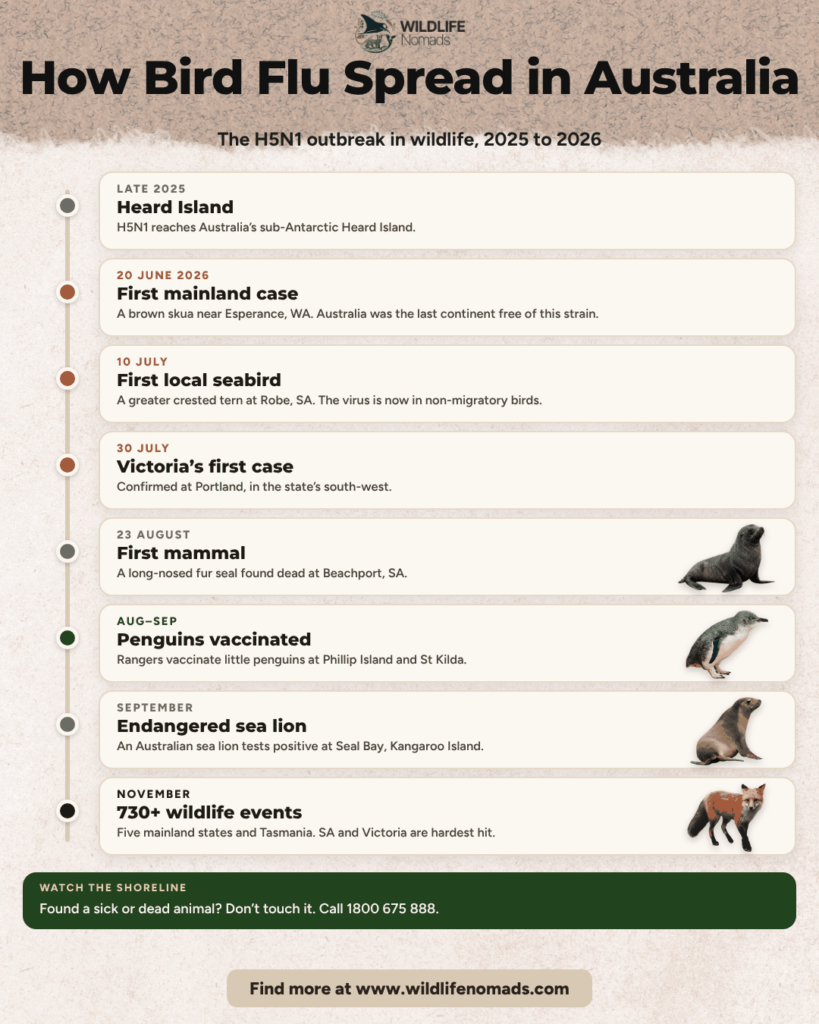
On 20 June 2026, a dead brown skua near Esperance tested positive for H5N1. Australia had been the last continent free of this strain. Five months later, the virus has reached seabirds, seals, foxes and even a dolphin.
I am writing this from the road, halfway through my lap of Australia. I scan the trees and the shoreline at every stop. So I wanted to understand what this outbreak really means for our wildlife. Here is what the official data and the science say, in plain language.
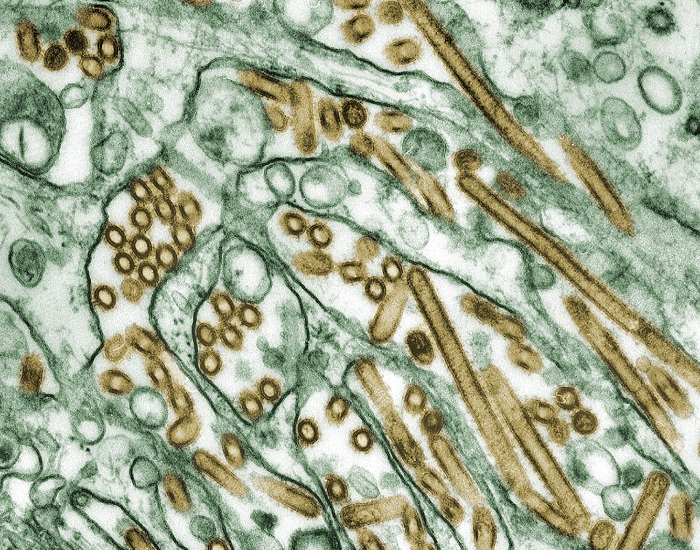
Bird Flu in Australia: The Short Version
- First case: a brown skua, a migratory seabird, confirmed on 20 June 2026 in southwest Western Australia.
- Spread: 737 confirmed wildlife events by 5 November 2026, across five mainland states and Tasmania.
- Hardest hit: South Australia (342 events) and Victoria (249 events).
- Mammals: long-nosed fur seals, an endangered Australian sea lion, red foxes and a common dolphin.
- People and poultry: no detections in poultry, and authorities rate the human risk as low.
How H5N1 Reached Australia
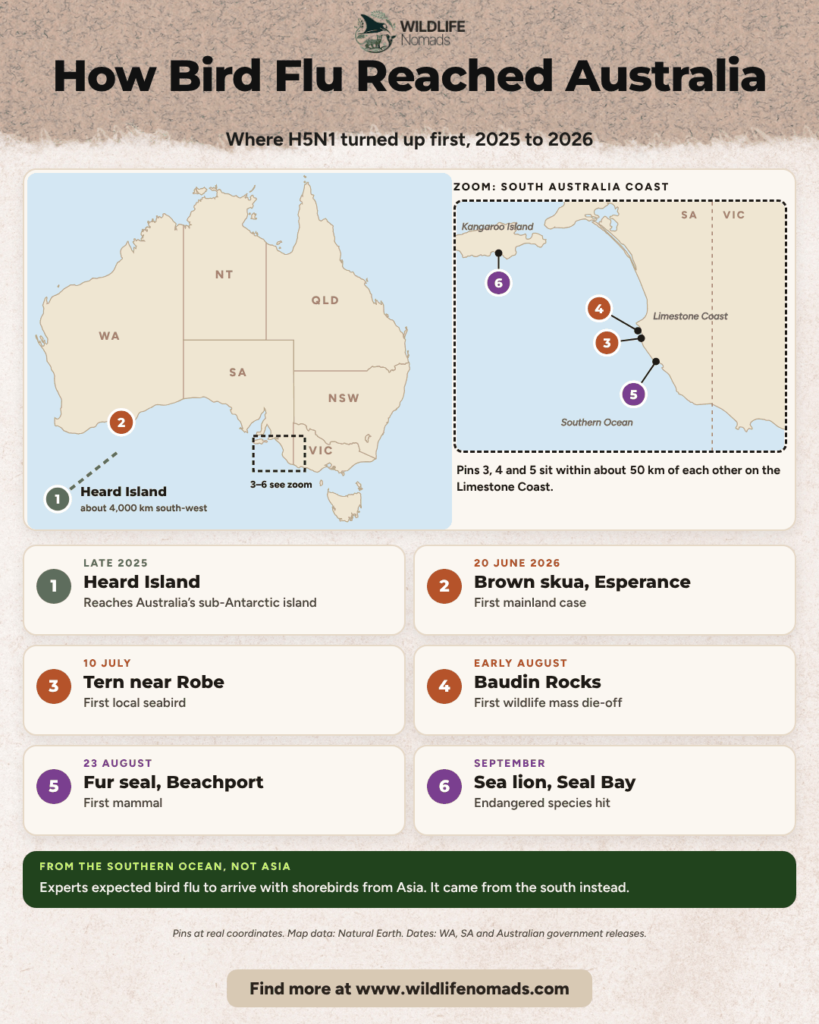
For years, experts expected bird flu to arrive from Asia with migrating shorebirds. Instead, it came up from the Southern Ocean. The virus reached Australia’s sub-Antarctic Heard Island in October 2025. There, it raised deaths among gentoo and king penguins.
The first mainland bird was a brown skua, Stercorarius antarcticus. Someone found it at Cape Le Grand National Park, near Esperance. Over the next weeks, sick and dead giant petrels washed up on beaches. They turned up in Western Australia, South Australia and New South Wales. Both are wanderers of the Southern Ocean, so the pattern made sense.
At first, every case was a single migratory seabird on a beach. Health agencies still hoped the virus would stay in those visitors. That hope lasted less than a month.
From Visitors to Local Birds
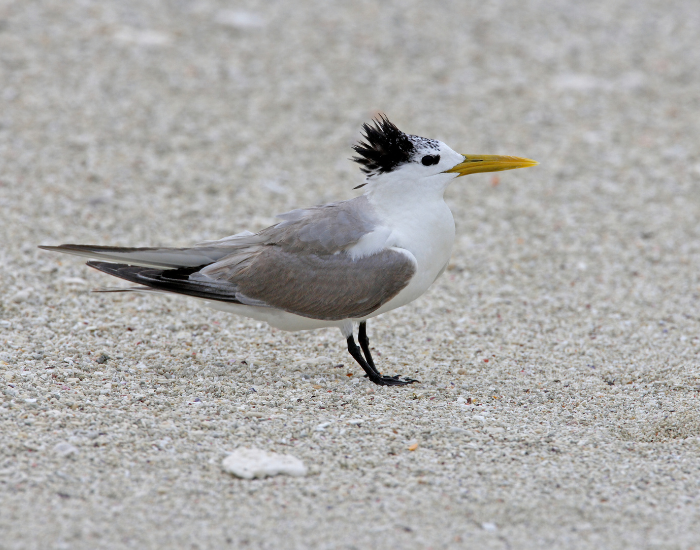
On 10 July, a greater crested tern near Robe, South Australia, tested positive. It was the first case in a non-migratory Australian seabird. After that, the numbers climbed fast along the Limestone Coast and Kangaroo Island.
In early August, investigators checked more than 80 sick or dead birds at Baudin Rocks, South Australia. This was Australia’s first confirmed wildlife mass mortality from H5 bird flu. Greater crested terns made up most of the early cases. Silver gulls, a cormorant and an Australian magpie followed.
Victoria recorded its first case at Portland on 30 July. Queensland’s first came from a petrel on Moreton Island, not far from my home base on the Gold Coast. In September, an Australian pelican tested positive for the first time, at Edithburgh in South Australia. Cases in magpies on Hindmarsh Island hinted that the virus was moving inland.
Silver gulls, pelicans and magpies are birds I see at almost every stop, from Woody Head campground onwards. That is what makes this outbreak feel close. These are not rare birds on a remote island. They are the birds of our beaches and parks.
Seals, Foxes and a Dolphin
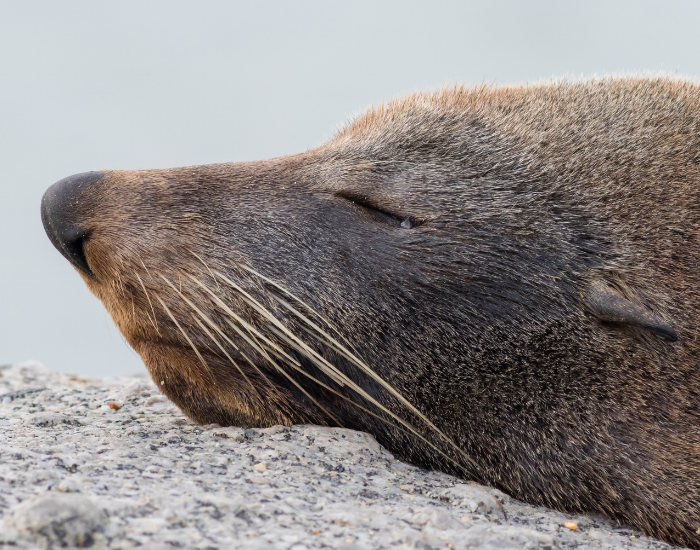
On 23 August, Australia confirmed its first mammal case. A long-nosed fur seal, Arctocephalus forsteri, was found dead at Beachport, South Australia. It had no injuries, and authorities linked it to infected birds or a shared environment.
That one hit me. In Sydney, I once saw Benny, the famous long-nosed fur seal, resting near the Opera House. Fur seals and sea lions rest in tight groups on rocks, which helps a virus move between them.
On 13 September, the virus turned up in an Australian sea lion at Seal Bay, Kangaroo Island. This species is listed as Endangered, so every loss matters. Red foxes in Adelaide and Normanville also tested positive, as did a common dolphin at Goolwa. Foxes most likely caught it by eating dead or dying birds.
Why 737 Events Does Not Mean 737 Birds
Headlines love a single number, so let me explain this one. Until 12 August, the government counted individual animals. After that, it switched to counting events.
An event is an investigation where one or more sick or dead animals tested positive. One event can be a single tern, or a colony with hundreds of dead birds. As a result, 737 events almost certainly means thousands of animals.
The switch makes sense for managing a disease that is now everywhere. Testing every dead gull wastes lab time. However, conservation groups warn that it can hide the true scale of losses. Reported events also dropped sharply in spring, but fewer reports do not prove fewer deaths.
Vaccinating Little Penguins
Here is the part that surprised me most. Australia is running what officials describe as the largest wildlife vaccination effort of its kind in the world. Plans cover almost 10,000 native birds across 162 species.
Victoria’s first penguin case came in August. Soon after, rangers began vaccinating more than 5,000 little penguins, Eudyptula minor, at Phillip Island and St Kilda. Each bird needs two doses, so teams must catch every penguin twice. Western Australia started vaccinating little penguins on Penguin Island in October. I housesat in Mandurah for weeks in 2024, a short drive from that colony.
Vaccines will not stop the virus spreading. Instead, they aim to stop small, vulnerable populations from collapsing. In NSW, Taronga’s first trial groups included little penguins, Carnaby’s black cockatoos and red-tailed black cockatoos.
What South America Teaches Us
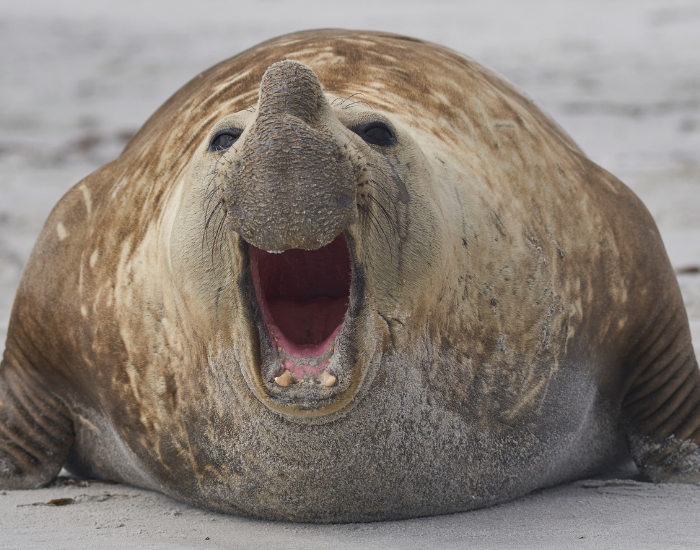
Scientists already know how bad this strain can get. In October 2023, H5N1 swept through the southern elephant seal colony at Península Valdés, Argentina. It killed more than 17,000 seals, including about 97% of that year’s pups.
Genetic work on that outbreak showed the virus passing from seal to seal, not only from birds. That is why Australian agencies watch our seal and sea lion colonies so closely. It is also why they say losses here are expected, not just possible.
What I Am Doing on the Lap (and What You Can Do)
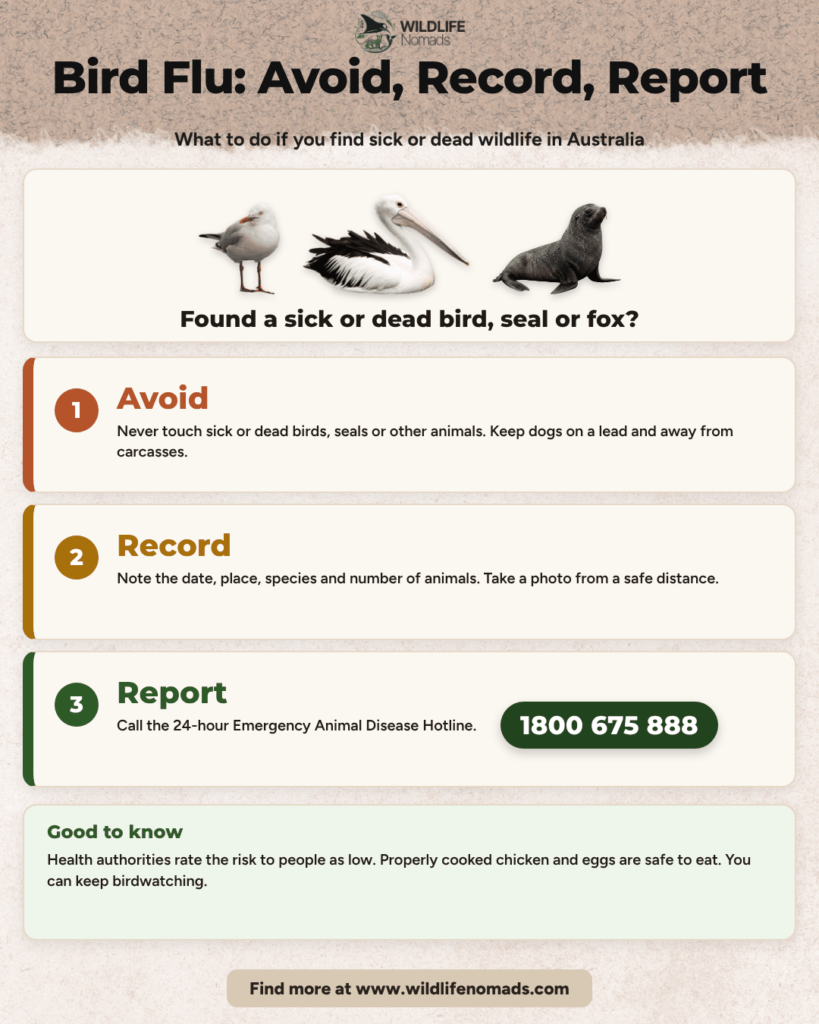
I am heading south towards Victoria, and Kangaroo Island is on my route next year. Those are exactly the coasts with the most cases. So I am following the national advice: Avoid, Record, Report.
- Avoid: never touch sick or dead birds, seals or other animals. Keep your dog on a lead and away from carcasses.
- Record: note the date, place, species and number of animals. Take a photo from a safe distance.
- Report: call the 24-hour Emergency Animal Disease Hotline on 1800 675 888.
You do not need to stop birdwatching or going to the beach. Cooked chicken and eggs remain safe to eat. Your reports simply help scientists track where the virus is moving next.
FAQs About Bird Flu in Australia
Yes. Australia confirmed its first H5N1 bird flu case on 20 June 2026, in a brown skua near Esperance, Western Australia. By 5 November 2026, authorities had confirmed 737 wildlife events across five mainland states and Tasmania.
Most cases are in wild seabirds, especially greater crested terns, silver gulls and giant petrels. Pelicans, magpies, cormorants and little penguins have also tested positive. Mammal cases include long-nosed fur seals, an Australian sea lion, red foxes and a common dolphin.
Australian health authorities rate the risk to people as low. The main advice is to avoid touching sick or dead animals. Properly cooked chicken and eggs are safe to eat.
Do not touch it, and keep pets away. Record the date, location, species and number of animals, and take a photo from a distance. Then call the Emergency Animal Disease Hotline on 1800 675 888.
H5 bird flu can infect mammals, including foxes, which are close relatives of dogs. Keep dogs on a lead near beaches and wetlands. Stop them from sniffing or eating dead birds and seals.
Little penguins live in dense colonies where a virus could spread quickly. Victoria is vaccinating more than 5,000 at Phillip Island and St Kilda, and WA has started on Penguin Island. The vaccine aims to reduce deaths, not stop the virus circulating.
Watch Closely, Keep Your Distance
Bird flu in Australia is now part of the landscape, and experts do not expect it to disappear. Still, the response gives me some hope. Rangers are vaccinating penguins, and thousands of people are reporting what they find.
If you spend time outdoors, you are part of the early warning system. Keep watching the birds you love, from a respectful distance. Then test yourself with the quiz below, and follow along as I keep reporting from the road.
References:
Uhart, M. M., Vanstreels, R. E. T., Nelson, M. I., Olivera, V., Campagna, J., Zavattieri, V., Lemey, P., Campagna, C., Falabella, V., & Rimondi, A. (2024). Epidemiological data of an influenza A/H5N1 outbreak in elephant seals in Argentina indicates mammal-to-mammal transmission. Nature Communications, 15, 9516. https://doi.org/10.1038/s41467-024-53766-5
Communicable Diseases Intelligence. (2026). The first high pathogenicity avian influenza A(H5N1) clade 2.3.4.4b incursions in the Hunter New England region, New South Wales. Communicable Diseases Intelligence, 50. https://doi.org/10.33321/cdi.2026.50.059
World Organisation for Animal Health. (2026). Australia notifies first case of high pathogenicity avian influenza H5N1 in a wild bird. woah.org
Department of Agriculture, Fisheries and Forestry. (2026). H5 bird flu events in wildlife. agriculture.gov.au/campaigns/birdflu
Wildlife Health Australia. (2026). First detected mammal case of H5 bird flu in Australia. wildlifehealthaustralia.com.au