The water reached almost to my hips. I had my camera in one hand and my phone in my pocket. The riverbed was slippery, and every step felt like the one that would send me under. I had already tried to cross on a fallen log and given up.
I was in Barrington Tops, looking for a platypus. By that point, I had found many leeches and zero platypuses.
This is the story of that search, and why I failed. It also covers what I learned about where platypuses actually live up there, and how I will try next time.
Why the Platypus?
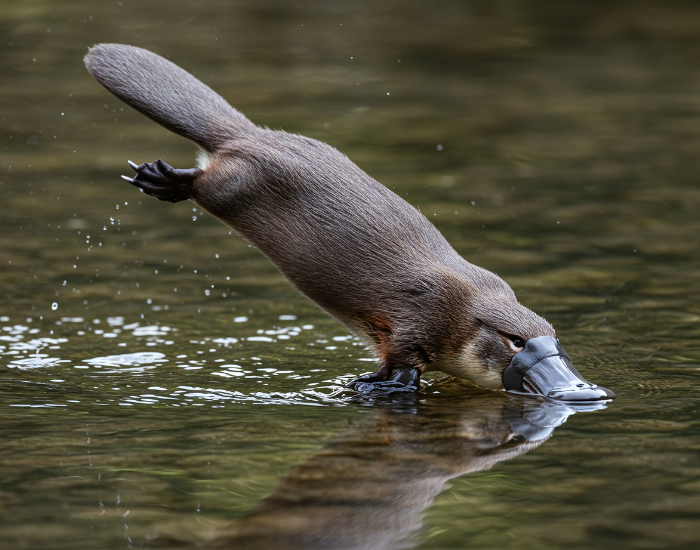
The platypus is as iconic as the kangaroo. The difference is that you can find a kangaroo almost anywhere. A platypus, you have to earn.
For me, it started as a teenager in Mexico. I loved the cartoon Phineas and Ferb, mostly because of Perry the Platypus. Somewhere along the way, seeing a real one became a personal mission for when I finally came to Australia.
It is a bit like seeing the Sydney Opera House in Finding Nemo as a kid. Then one day you stand in front of it, and it feels like a dream. I wanted that moment with a platypus.
It is also a remarkable animal. The platypus is one of only a handful of living monotremes, the mammals that lay eggs. It hunts underwater with its eyes closed, finding prey with electroreceptors in its bill.
First Attempt: Bellingen
My first real try came on our Australia lap, at Bellingen. We camped right beside the Bellinger River, so we went for slow walks along the bank.
Our method was simple. We walked 10 to 30 metres, stopped, and watched the water for five to 20 minutes. Then we moved on and did it again.
We saw an azure kingfisher and a short-necked turtle, but no platypus. I was not too disappointed. I knew it would not be easy, and Barrington Tops was coming next.
Searching the Gloucester River
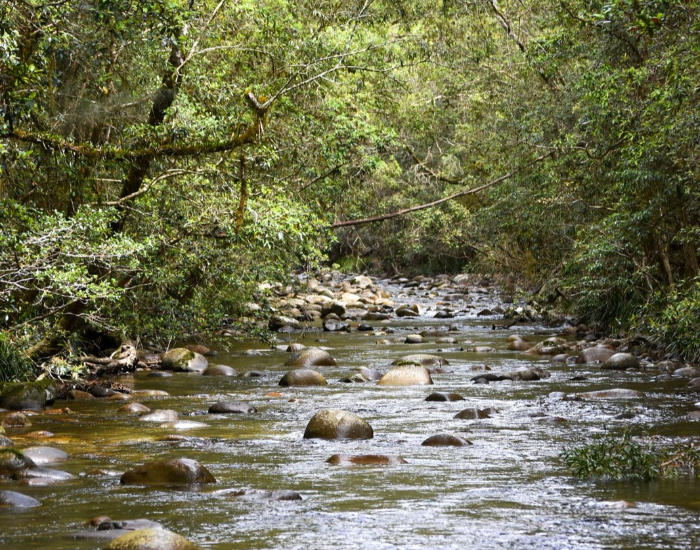
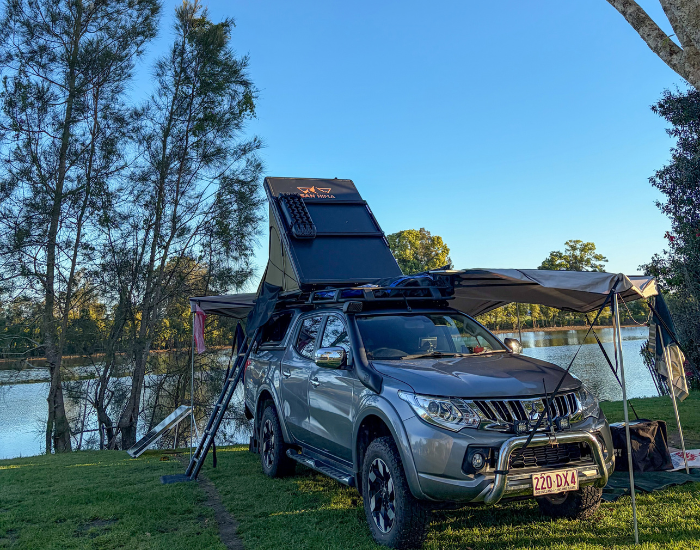
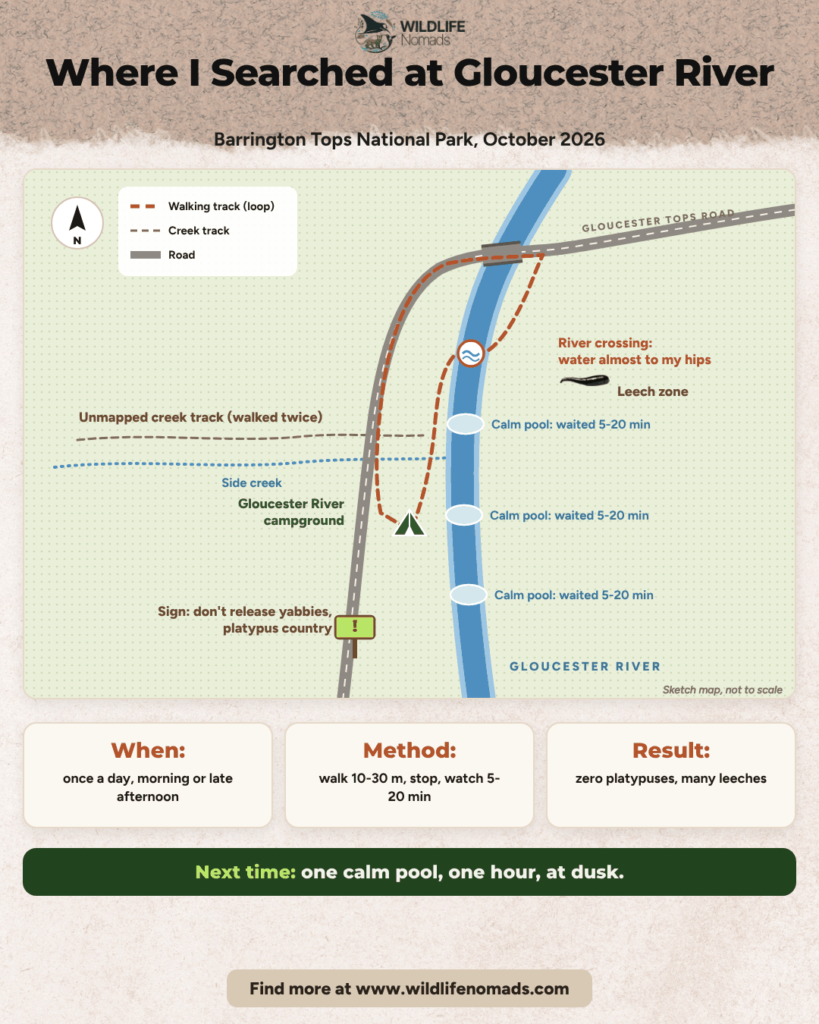
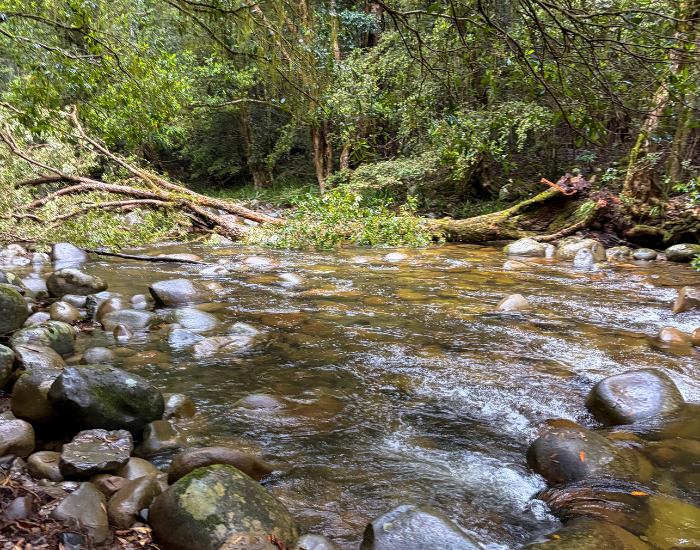
Gloucester River campground sits on the eastern edge of Barrington Tops National Park. The main river was big and fast after days of rain. Smaller creeks joined it at right angles. The Gloucester River walking track follows the main river from the campground.
I searched once a day, either in the morning or the late afternoon. I used the same method as Bellingen. Whenever a stretch looked like good platypus habitat, I stopped and waited. Usually five to ten minutes, sometimes 20 at most.
I also walked twice along a thin creek that joins the river near camp. An unmapped track runs beside it. I looked for calm pools, undercut banks and roots along the edge. Every ring on the water made my heart jump. Each time it was a fish, a leaf or a raindrop.
On the last day, I walked the whole Gloucester River walking track. It took me about two hours and crosses the river. That walk became the climax of the whole search.
The Leeches
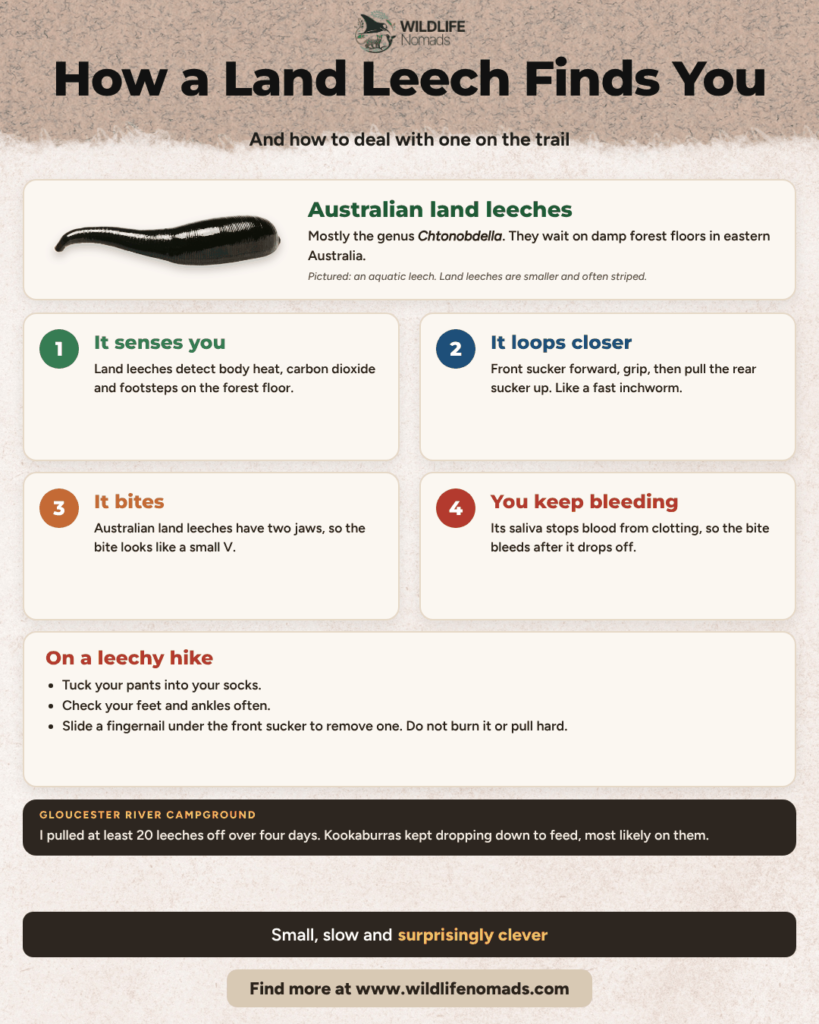
At Polblue, the higher campground, we never saw a leech. At Gloucester River, they were everywhere. I found the first one on our first day, and the rain seemed to bring them out.
I wore long pants and long sleeves most of the time. Even so, whenever I wore sandals, I found one on my foot. On that final trail, I stopped every few minutes to pull them off my boots. Some still got inside my socks and pants. I honestly don’t know how.
Then came the river crossing. It was full and fast, not the easy creek I had imagined. I tried the fallen log, failed, and waded in up to my hips. I kept thinking about my camera the whole way across and how bad it would be if it fell. But I made it, the camera survived, and the platypus still didn’t show up.
Why I Know They Are There
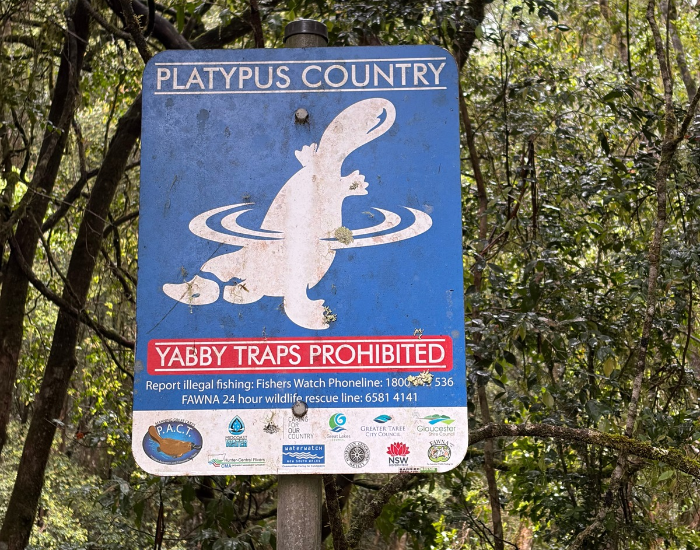
I was not searching blindly. Platypuses live in the rivers and streams of eastern NSW, and the Gloucester River looked like textbook habitat. Further down the road from the campground, a sign reads “Platypus Country”. Underneath, in red: “Yabby traps prohibited”.
That rule exists for a good reason. Since 30 April 2021, enclosed yabby traps called Opera House nets are banned across NSW. A trapped platypus can only hold its breath for about three minutes, so these nets can drown them.
Visit NSW even suggests watching for platypus along the Gloucester River walking track. The animals were almost certainly there. I just didn’t find them.
What I Saw Instead
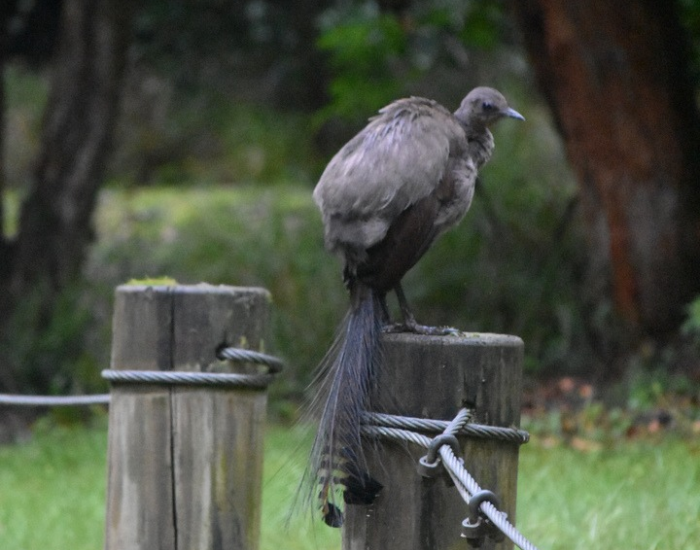
Barrington Tops did not leave me empty-handed. Superb lyrebirds walked around the campground, and one perched on a fence by the toilets. Superb fairywrens landed right next to our car. Red-browed finches fed in little groups beside our camp all day.
One night, a common brushtail possum walked past me with a baby on her back. It was my first possum of the trip. Moments like that made the failure much easier to accept.
Was I frustrated? A little. Mostly, though, I expected it. Platypuses are hard to find, and I knew that before I started.
What I Got Wrong, and What I Will Try Next Time
Looking back with some research, a few things worked against me. The first was the water itself.
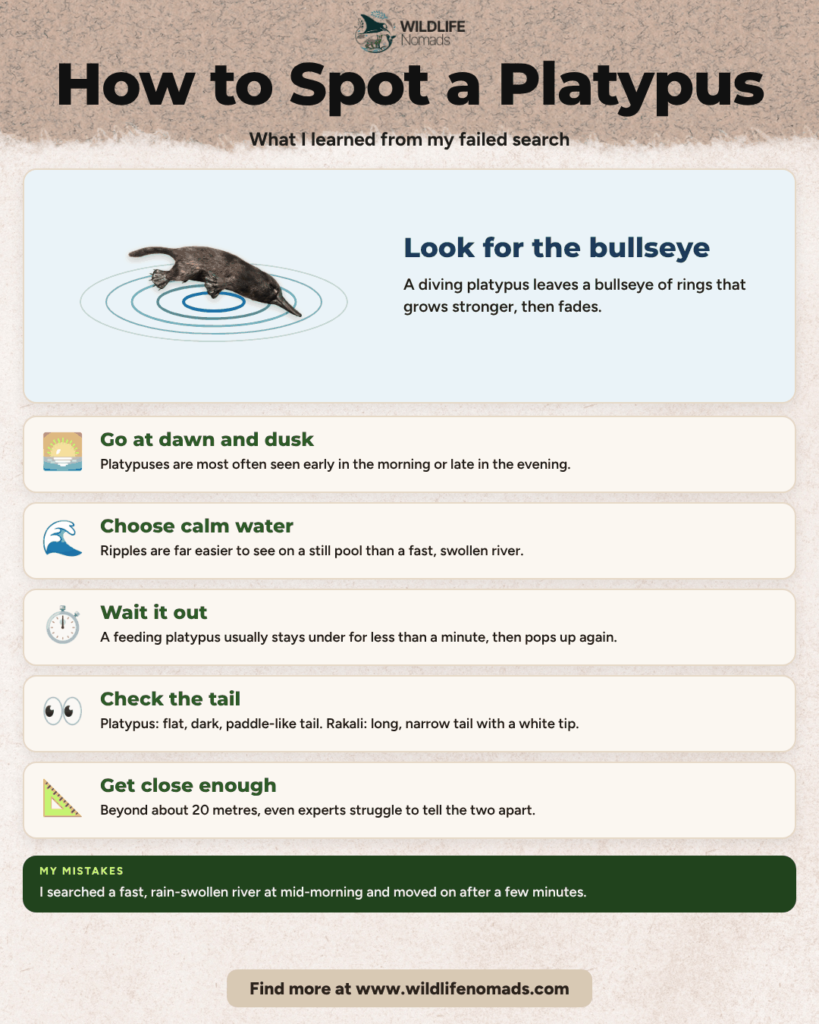
- Calm water matters. The classic sign of a platypus is a bullseye of ripples as it dives. That pattern is easy to see on calm water and almost impossible on a fast, rain-swollen river.
- Dawn and dusk are best. Platypuses are mainly active at night, so the edges of the day are the best time to watch. I often searched mid-morning or mid-afternoon instead.
- Longer waits pay off. I usually gave each spot five to 20 minutes. Next time, I will pick one good pool and sit there for an hour at dusk.
- Know the look-alikes. Rakali, the Australian water rat, uses the same rivers. It has a long tail with a white tip, while a platypus has a broad, flat tail.
- Pick a drier spell. We visited in a wet, cold spring. I would like to return in a drier stretch of weather, when the river is lower and clearer.
Interestingly, my timing was not all bad. In winter and early spring, platypuses can also be active during the day because they need more food. So October was a reasonable choice. The rain and the flow were the real problem.
The Platypus Needs More Than Luck
The platypus is not as safe as many people think. The IUCN lists it as Near Threatened, a status it was raised to in 2016. UNSW researchers found its range has shrunk by up to 22 per cent over 30 years.
Drought, dams, land clearing and drowning in traps all play a part. Driving between Polblue and Gloucester River, we passed long stretches of cleared farmland. It made me think about how much river habitat has already changed.
Good news exists too. During the Black Summer bushfires and drought, Aussie Ark rescued five platypuses. They were stranded in shrinking pools at Moonan Brook, in the Barrington Tops. They were later released back into the wild.
FAQs About Seeing a Platypus in Barrington Tops
Yes. The rivers around Barrington Tops and Gloucester are known platypus habitat. A sign near Gloucester River campground marks it as platypus country, though sightings take patience.
Dawn and dusk are best, because platypuses are mainly active at night. Choose a calm pool and watch for a bullseye of ripples on the surface.
Rakali, or Australian water rats, have long tails with a white tip. A platypus has a broad, flat tail and a duck-like bill, and often floats low in the water.
The Search Continues
I still haven’t seen a wild platypus. I am not giving up, though. Our next leg to Victoria goes inland instead of down the coast, past more rivers and creeks.
I will be at the water at dusk, sitting still for longer, with dry socks in the car. When that first bullseye of ripples finally appears, you will read about it here. Until then, you can follow the rest of our Australia lap.
References:
Australian Platypus Conservancy. Spotting hints: platypus and rakali in the wild. platypus.asn.au.
Australian Conservation Foundation. How to spot a platypus. acf.org.au.
NSW Department of Primary Industries (2021). Reminder: new yabby net rules are now in place across all of NSW. dpi.nsw.gov.au.
Woinarski, J. and Burbidge, A.A. (2016). Ornithorhynchus anatinus. The IUCN Red List of Threatened Species.
Bino, G., Kingsford, R.T. and Wintle, B.A. (2020). A stitch in time: synergistic impacts to platypus metapopulation extinction risk. Biological Conservation, 242.
UNSW Sydney (2020). Platypus should be listed as a threatened species, new report says. unsw.edu.au.