Last month I stood in the dinosaur gallery of London’s Natural History Museum, nose almost against the glass. Everyone around me crowded the big skeletons. The kids gasped at the giant ground sloth cast nearby and the giant crocodile jaws in the next hall. I get it. Size sells. Yet my eye kept drifting to a tiny feathered cast, no bigger than a pigeon.
That little fossil hooked me. We obsess over giant dinosaurs, but some of the smallest dinosaurs are far more astonishing. They hunted insects, glided between trees, and eventually gave rise to every bird alive today. So I went home and built this list. Below are 15 of the smallest dinosaurs in the world, several of which I saw firsthand in London.
Here is one truth up front. True non-bird dinosaurs rarely reached mouse size. Most tiny dinosaur species weighed from a few ounces to 10 pounds. That still makes them remarkable.
If you thik you are good with dinosaurs, do not forget to test your knowledge on our “Guess the dinosaur” quiz!
Small Dinosaurs Matter More Than Their Size Suggests
Big predators dominate our imagination. However, small theropods did the quiet, clever work of evolution. Their tiny size let them exploit food that larger hunters could not reach.
A crow-sized dinosaur could chase insects and other small animals through undergrowth. It could climb, leap, and nest in places a giant dinosaur never fit. They even shared that leaf litter with the first tiny mammals. As a result, these little dinosaurs occupied specialized ecological niches across the whole fossil record.
Feathers matter here too. Many small theropods grew feathers for insulation rather than flight. Their tiny bodies lose heat fast. Warm-blooded metabolisms, combined with a downy coat, kept them alive through cold nights.
Modern birds evolved from exactly this group of theropod dinosaurs. So when you watch a sparrow, you watch a living tiny dinosaur. That family tree runs straight back to the animals below.
One more caution before we start. Identifying the smallest dinosaurs is complicated by growth-stage uncertainty. A “tiny” fossil can be a juvenile of the same species that later grew much larger. Vertebrate paleontology handles this by testing whether a skeleton was fully grown. Paleontologists weigh every specimen carefully before crowning a record holder.
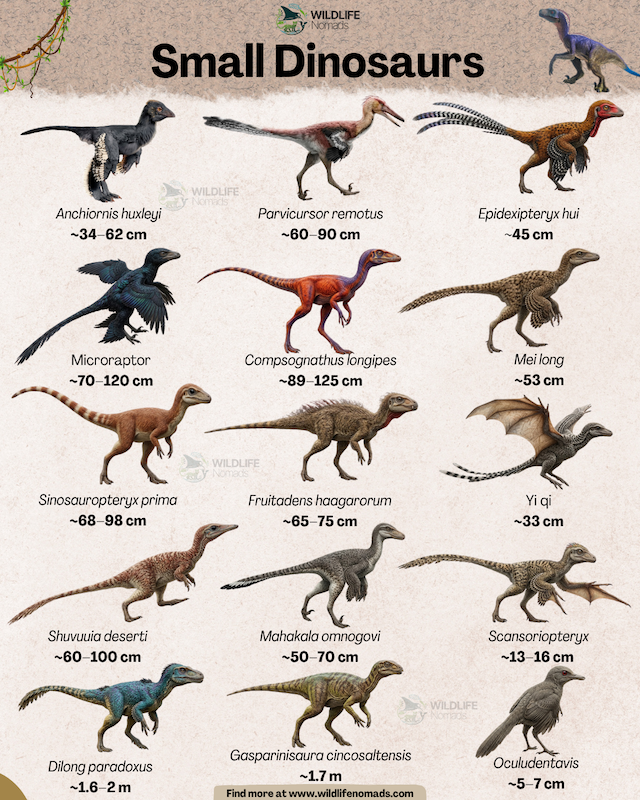
1. Anchiornis huxleyi: The Smallest Known Non-Avian Dinosaur
Anchiornis huxleyi may be the smallest dinosaur known from near-adult specimens. It measured about 34 to 40 cm long. It weighed only 110 to 250 grams, lighter than a can of soda.
This four-winged theropod lived in the Late Jurassic of China. Scientists have recovered over 200 complete skeletons, some so detailed we know its color. It wore grey plumage with a rusty crest, like a punk-rock chicken.
Anchiornis could not truly fly. Instead, feathers on all four limbs helped it glide and balance. Its exact branch on the family tree is still hotly debated, some paleontologists classify it as a bird-like troodontid, while others place it just inside the first true avian lineage. I find it humbling that an animal sitting right on the messy border of bird evolution is also one of our best-preserved fossils.
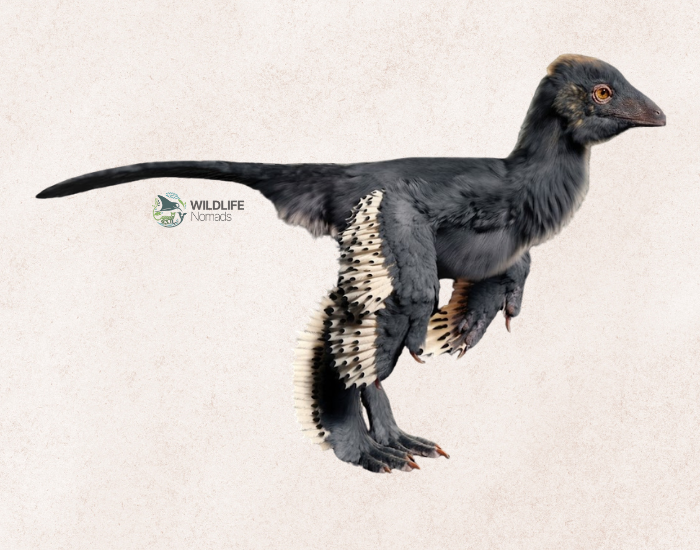
2. Parvicursor remotus: 162 Grams of Speed
Parvicursor is frequently cited as the smallest dinosaur definitively outside the bird lineage. The holotype fossil measured about 39 centimeters long and weighed roughly 162 grams, about the same as a large egg.
This tiny alvarezsaurid raced across Late Cretaceous Mongolia on long hind legs. Its arms were short and powerful, likely used to dig into insect nests. Because the only known skeleton belongs to a juvenile, fully grown adults were undoubtedly larger, but even doubled in size, it remains an evolutionary minimalist.
By contrast with Anchiornis, its position on the family tree is not disputed. That makes it a cleaner record for the smallest non-avian dinosaur from an adult skeleton.
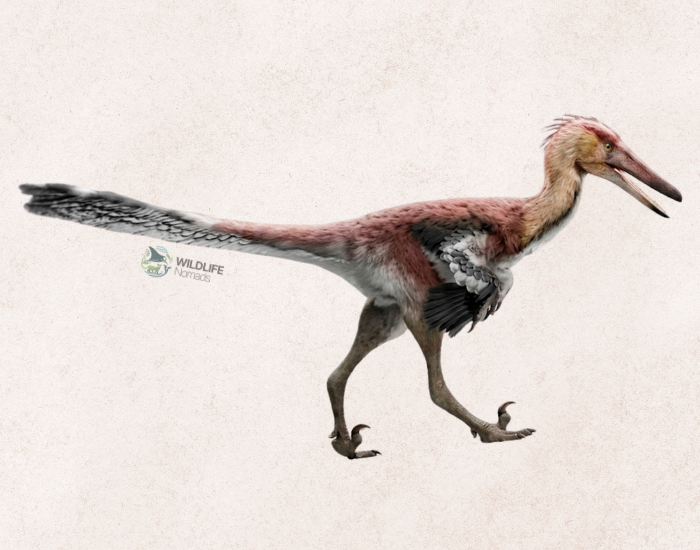
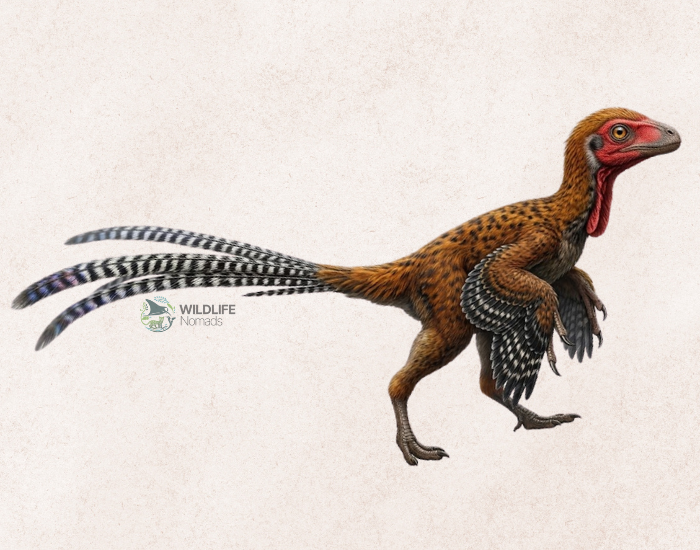
3. Epidexipteryx hui: Ribbon-Tailed Show-Off
Epidexipteryx measured about 25 to 30 cm in length and lived during the Jurassic. The skeleton alone weighs an estimated 160-odd grams. Some researchers even float it as possibly the smallest dinosaur by body length.
Its four ribbon-like tail feathers steal the show. They were display ornaments, not flight tools. This animal flirted before birds could fly.
I love Epidexipteryx because it proves feathers began as fashion. Function came later.
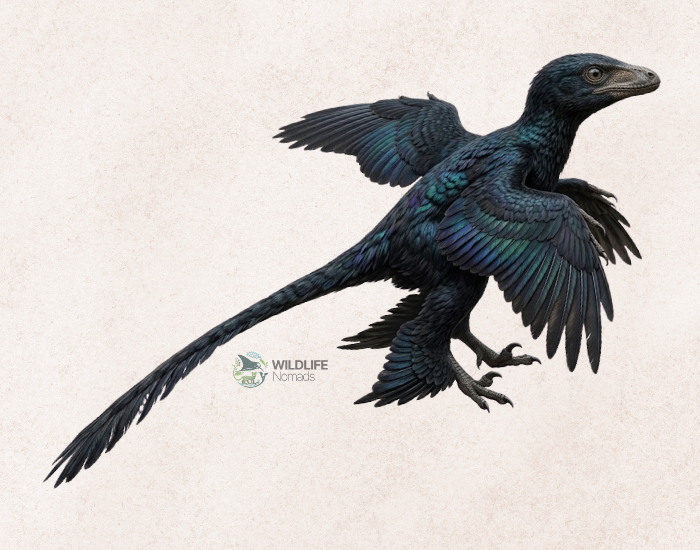
4. Microraptor: The Four-Winged Glider
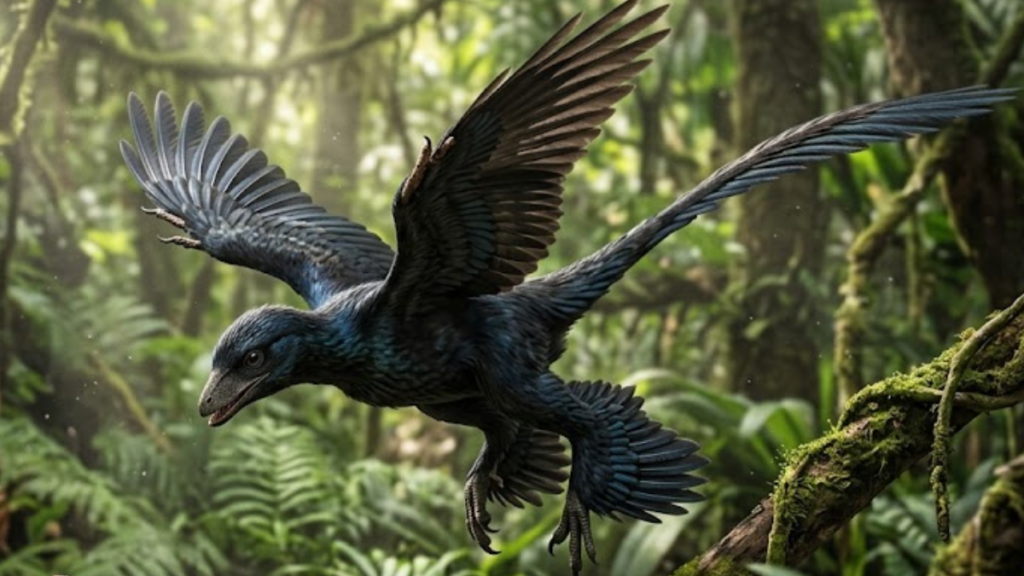
Microraptor weighed only a few pounds and measured about two feet long. It carried flight feathers on both arms and legs. Picture a hawk-sized dinosaur built like a biplane.
This little fast dinosaur hunted in the Early Cretaceous forests of China. Fish scales and bird bones sit inside fossil guts, so it ate widely. Studies of its fossilized cells even suggest glossy, iridescent black plumage.
Microraptor shows how gliding may have preceded powered flight. It remains the poster child for tiny dinosaur species with big evolutionary weight.
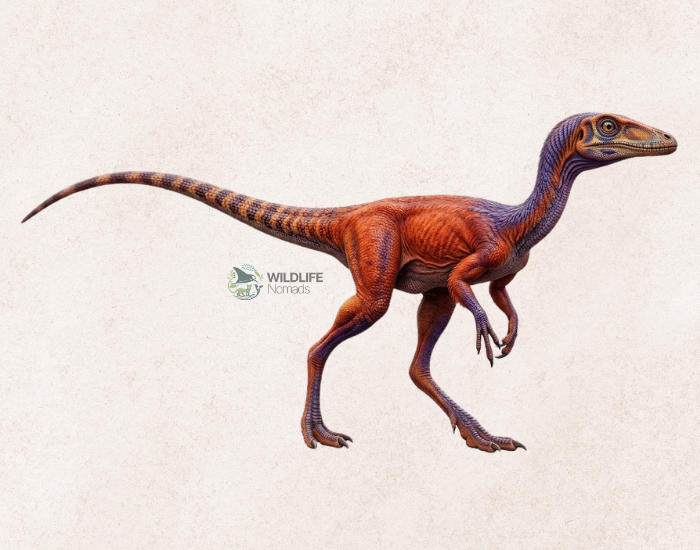
5. Compsognathus longipes: The Classic “First” Tiny Dinosaur
For over a century, Compsognathus held the title of smallest dinosaur. Its name even means “pretty jaw.” It was about 60 cm to a meter long and a swift, chicken-sized hunter. Lizard bones in its stomach reveal a fast, insect-and-reptile diet.
Two famous fossils define it. The original German specimen came from Bavaria’s Solnhofen limestone, once an island chain in the ancient Tethys Sea. A slightly larger French specimen later turned up near Canjuers.
Compsognathus taught Victorian scientists that not all dinosaurs were giants. It bridged the imagination between dinosaurs and birds.
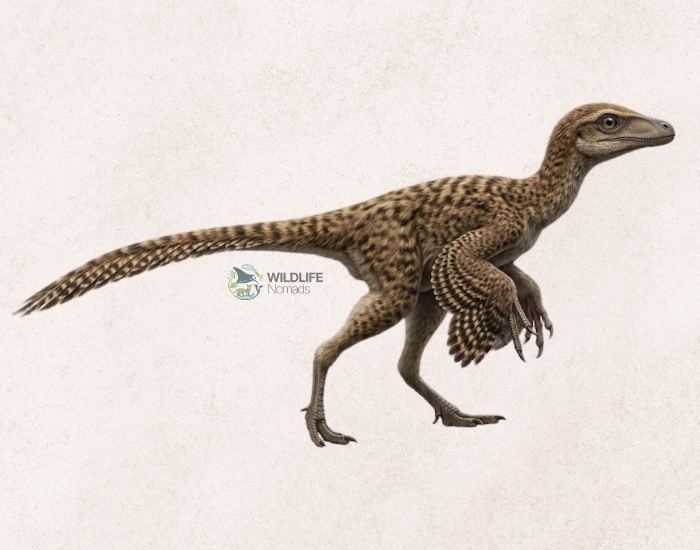
6. Mei long: The Sleeping Dragon
Mei long may be the most endearing fossil ever found. This duck-sized troodontid died curled up, head tucked under one arm. Birds sleep in that exact posture today.
It measured roughly 53 cm long and lived in Early Cretaceous China. Its name means “sleeping dragon,” and the pose gives rare insight into behavior.
Interestingly, Mei long links small dinosaurs to bird sleep habits directly. Few fossils capture a living moment so tenderly.
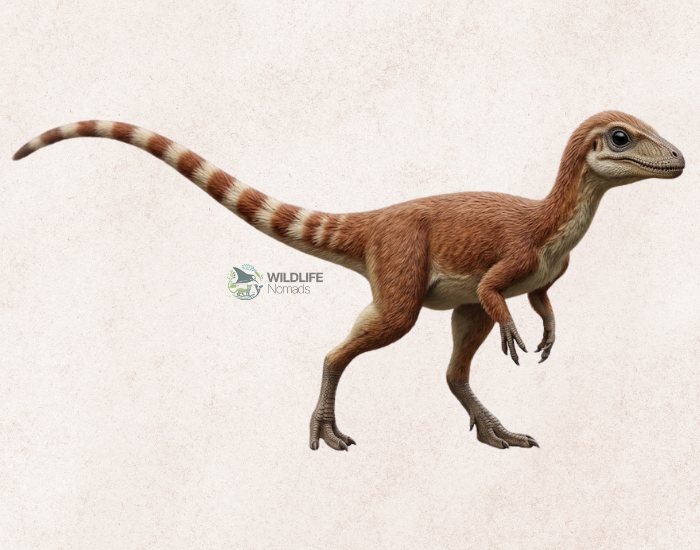
7. Sinosauropteryx prima: The First Feathered Find
Sinosauropteryx changed everything in 1996. It became the first theropod dinosaur found with clear feathers. That discovery reshaped the whole dinosaur family tree.
This meter-long theropod wore a ginger-and-white striped tail. Melanosomes in the fossil preserved that banding pattern. It hunted insects, amphibians, and other small vertebrates across Early Cretaceous China.
As a result, we now assume many small theropods were feathered by default. One tiny species rewrote the textbooks.
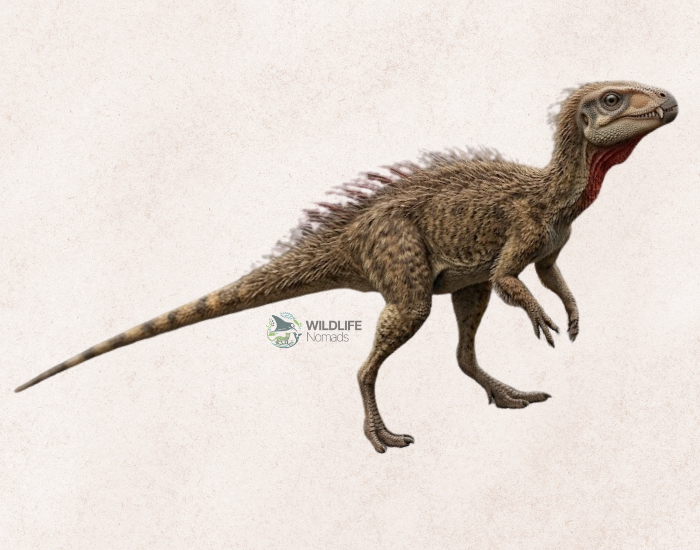
8. Fruitadens haagarorum: A Rare Tiny Plant-Muncher
Most small dinosaurs on this list are meat-eaters. Fruitadens breaks the pattern. This heterodontosaurid measured about 65 to 75 cm and weighed roughly one pound.
It lived in Late Jurassic Colorado and likely ate plants and insects. Its mixed teeth suggest an omnivorous, opportunistic diet.
Fruitadens proves small size evolved on the plant-eating side of the family too. Not every miniature dinosaur chased prey.
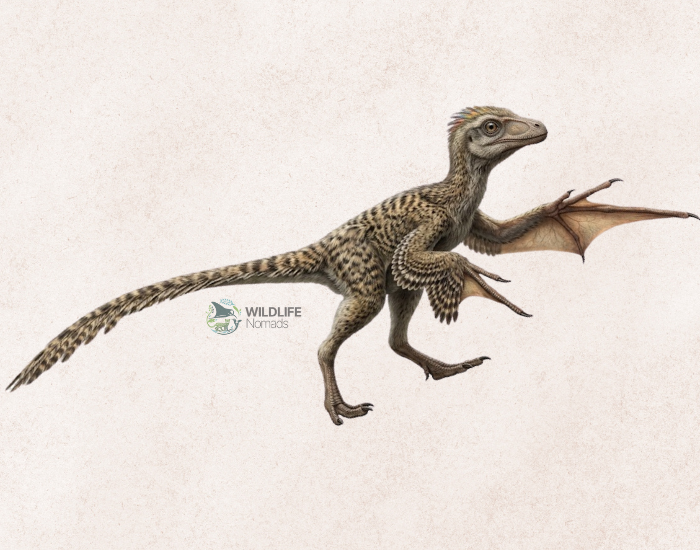
9. Yi qi: The Bat-Winged Oddball
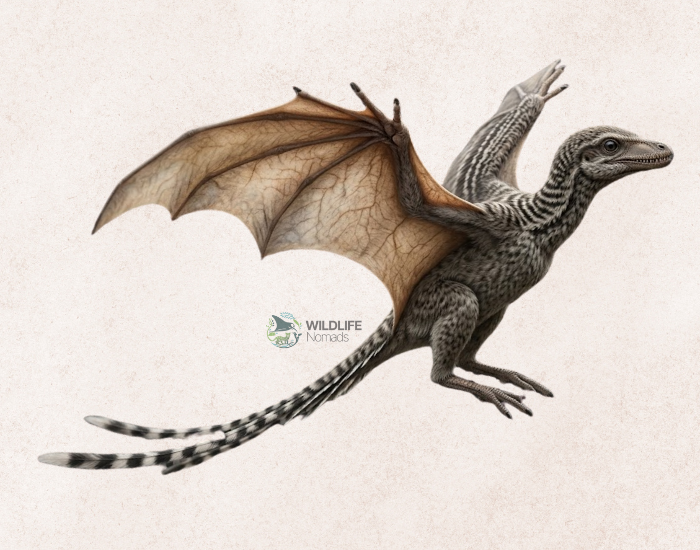
Yi qi is the strangest small dinosaur I know. Its name means “strange wing,” and it earns that title. Instead of feathered wings, it had skin membranes stretched over a rod-like wrist bone.
This sparrow-sized scansoriopterygid weighed around 380 grams. It lived in Jurassic China and probably glided between trees. No other dinosaur tried this bat-like design.
Yi qi reminds us that evolution experiments constantly. Small bodies made those experiments cheap.
10. Shuvuuia deserti: The Desert Digger
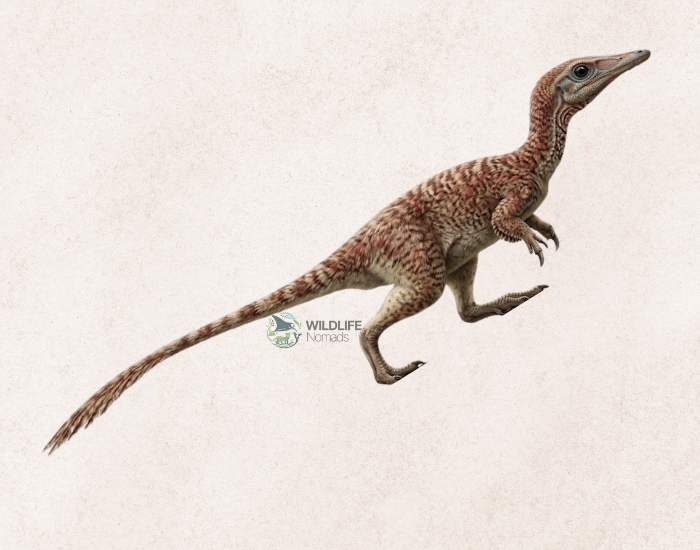
Shuvuuia was a slender, roughly 60 cm alvarezsaurid from Late Cretaceous Mongolia. It ran on long hind legs and had short, stubby arms with a single large claw. That claw likely ripped open termite mounds.
Remarkably, its eye anatomy suggests excellent night vision. Shuvuuia may have hunted insects after dark to avoid larger predators.
This adaptation let it exploit food and hours unavailable to bigger hunters. Small size opened a nocturnal door.
11. Mahakala omnogovae: A Tiny Ancestor With a Big Story
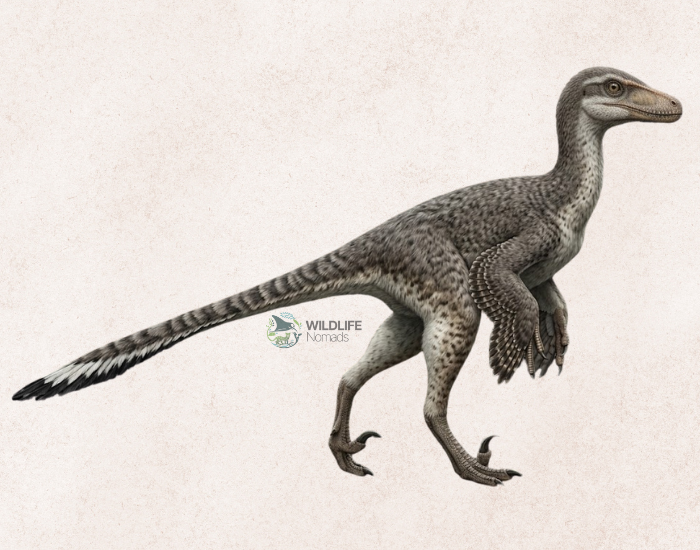
Mahakala measured about 70 cm and lived in Late Cretaceous Mongolia. Despite its late date, it sits near the base of the raptor family tree.
That combination matters. It suggests early raptors were small before some grew large. Small body size may be the ancestral condition for the whole dromaeosaur group.
In short, Mahakala hints that the giants came later. Tiny came first.
12. Scansoriopteryx: The Tree-Climbing Sprite
Scansoriopteryx was smaller than a starling. It was described in 2002 just days before another team named an identical fossil Epidendrosaurus, making Scansoriopteryx the official scientific winner. It had an unusually long third finger, perfect for probing bark. Think of a tiny dinosaur living like a modern aye-aye lemur.
It lived in the Jurassic of China and likely climbed trees for insects. Its feet were built for grasping branches, not running plains.
This little dinosaur shows the arboreal roots of the bird lineage. Life in the canopy shaped early flight.
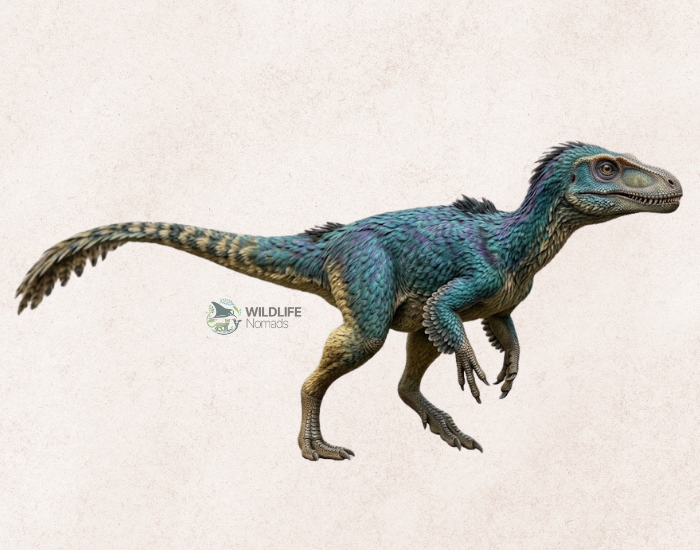
13. Dilong paradoxus: A Fuzzy Baby Tyrant
Here is a fun twist. Dilong was an early tyrannosaur, a distant cousin of T. rex. Yet it weighed only about 25 pounds and stretched under two meters. It lived over 60 million years before its famous relative, around 126 million years ago.
Dilong wore simple, hair-like protofeathers. This gave the first strong evidence that tyrannosaurs started fuzzy and small.
So the mightiest family in dinosaur history began modestly. Size is not destiny.
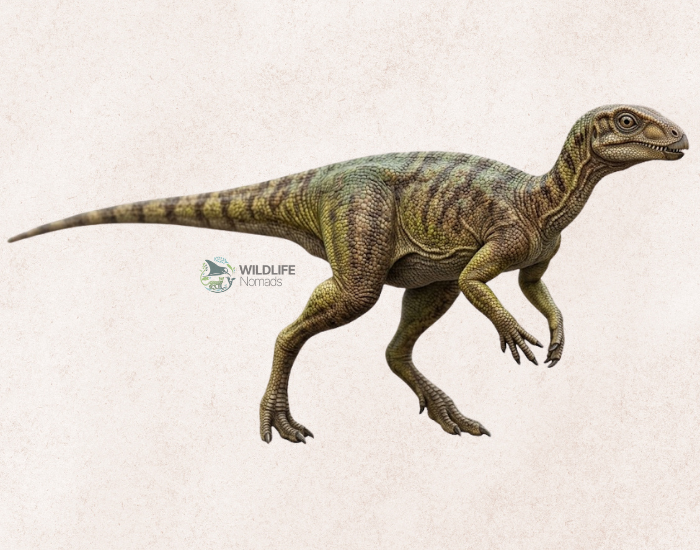
14. Gasparinisaura cincosaltensis — A Small Southern Runner
Gasparinisaura weighed approximately 25 pounds, making it a small ornithopod. It lived in Late Cretaceous Argentina, in South America, and browsed low plants. Long legs made it a nimble runner.
Swallowed stomach stones helped it grind tough vegetation. It likely moved in groups for safety against larger predators.
This species reminds us that small dinosaurs thrived far beyond China and Mongolia. The pattern spanned the globe.
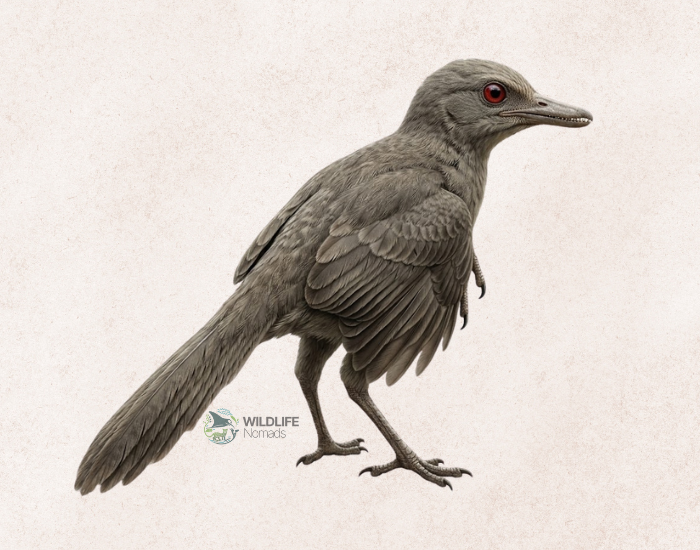
15. Oculudentavis: The Smallest Dinosaur That Wasn’t
I saved the best cautionary tale for last. In 2020, scientists described Oculudentavis, meaning “eye tooth bird,” from a skull in 99-million-year-old amber. It was the size of a bee hummingbird. Headlines crowned it the smallest dinosaur ever.
Then the science tightened. A more complete specimen and fresh analysis reclassified it within Squamata, the group of lizards and snakes. Oculudentavis was initially thought to be the smallest dinosaur. It turned out to be a bizarre lizard.
I include it on purpose. Paleontology self-corrects, and that honesty is a feature, not a flaw. It also shows why we double-check every “record” among small prehistoric animals.
FAQ: Your Smallest and Biggest Dinosaur Questions Answered
The smallest dinosaurs from adult skeletons include Anchiornis, Parvicursor, Epidexipteryx, Microraptor, Compsognathus, Mei long, Yi qi, Shuvuuia, Scansoriopteryx, and Mahakala. Most measured under 60 cm and weighed only 1 to 10 pounds. Ranking them exactly is hard because growth stage muddies the numbers.
Among confirmed non-avian dinosaurs, Parvicursor and Anchiornis top the list at roughly 110 to 162 grams. The bee-hummingbird-sized Oculudentavis was once called the smallest dinosaur, but scientists later reclassified it as a lizard. So the true smallest dinosaur size sits around that of a modern crow or pigeon.
The largest dinosaurs were long-necked sauropods like Argentinosaurus, Patagotitan, Dreadnoughtus, and Supersaurus. These giant dinosaurs could exceed 30 meters and 60 tons. Ranking dinosaurs biggest to smallest spans an enormous gap, from 60-ton titans to 100-gram sprites.
Can You Name That Tiny Dinosaur? 🦖
A 15-image identification challenge — the wrong answers are deliberately tricky relatives. Watch out for the last one: it fooled scientists too. Go back and change any answer before you score.
Which tiny dinosaur is this?
The Real Lesson From the Tiniest Dinosaurs
Small dinosaurs are often overlooked because we fixate on the giants. Yet these tiny species carried the future in their feathers. One lineage of them survived the extinction and became every bird outside your window.
Standing in that London gallery, I finally understood the point. My two key takeaways are simple. The most important animals in the room were not the largest. They were the smallest ones, quietly linking dinosaurs to the living world.
Next time you visit a natural history museum, skip the crowd at the big skeletons for a minute. Find the little feathered casts instead. Then tell me in the comments which tiny dinosaur amazed you most, and go watch the birds that descended from them.
References:
Bolet, A., Stanley, E. L., Daza, J. D., Arias, J. S., Čerňanský, A., Vidal-García, M., Bauer, A. M., Bevitt, J. J., Peretti, A., & Evans, S. E. (2021). Unusual morphology in the mid-Cretaceous lizard Oculudentavis. Current Biology, 31(15), 3303–3314.e3. https://doi.org/10.1016/j.cub.2021.05.040
Hu, D., Hou, L., Zhang, L., & Xu, X. (2009). A pre-Archaeopteryx troodontid theropod from China with long feathers on the metatarsus. Nature, 461(7264), 640–643. https://doi.org/10.1038/nature08322
Zhang, F., Zhou, Z., Xu, X., Wang, X., & Sullivan, C. (2008). A bizarre Jurassic maniraptoran from China with elongate ribbon-like feathers. Nature, 455(7216), 1105–1108. https://doi.org/10.1038/nature07447
Xu, X., Zhou, Z., Wang, X., Kuang, X., Zhang, F., & Du, X. (2003). Four-winged dinosaurs from China. Nature, 421(6921), 335–340. https://doi.org/10.1038/nature01342
Li, Q., Gao, K.-Q., Meng, Q., Clarke, J. A., Shawkey, M. D., D’Alba, L., Pei, R., Ellison, M., Norell, M. A., & Vinther, J. (2012). Reconstruction of Microraptor and the evolution of iridescent plumage. Science, 335(6073), 1215–1219. https://doi.org/10.1126/science.1213780
Xu, X., Norell, M. A., Kuang, X., Wang, X., Zhao, Q., & Jia, C. (2004). Basal tyrannosauroids from China and evidence for protofeathers in tyrannosauroids. Nature, 431(7009), 680–684. https://doi.org/10.1038/nature02855
Averianov, A. O., & Lopatin, A. V. (2022). A re-appraisal of Parvicursor remotus from the Late Cretaceous of Mongolia: implications for the phylogeny and taxonomy of alvarezsaurid theropod dinosaurs. Journal of Systematic Palaeontology, 19(16), 1097–1128. https://doi.org/10.1080/14772019.2021.2013965