
The first time I truly felt like I’d stepped into a scene from Life of Pi. I was staying on a rustic houseboat in one of the most pristine lagoons in the Philippines. The air was thick with humidity, and the water mirrored the stars above. Despite whispered warnings about night swimming, I couldn’t resist.
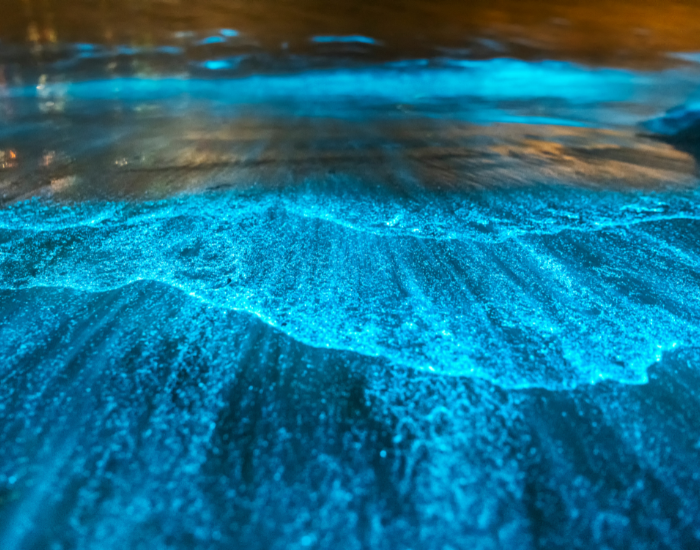
As I slipped into the dark water, every movement triggered swirling clouds of neon-green sparks. It wasn’t magic. It was an explosion of bioluminescent dinoflagellates. I felt like I was moving through liquid stars. Years later, as a professional field biologist, I’ve encountered these microscopic organisms across the globe, from crashing blue waves on a beach in a National Park in New South Wales, to quiet, mystical lagoons in La Mancha, Veracruz, Mexico.
Whether lighting up a bay or causing controversial red tides, dinoflagellates are among the most complex and fascinating members of the kingdom Protista. Let’s dive deep into the science behind the glow.
1. What Exactly is a Dinoflagellate?
In biology, a dinoflagellate is a type of unicellular protist. While often called “algae,” they’re technically eukaryotic algae belonging to phylum Dinoflagellata.
Most dinoflagellates are marine plankton, though you can find species in freshwater habitats as well. What makes them stand out from other microorganisms is their distinctive “whirling” swimming motion. The name comes from Greek dinos (meaning “whirling”) and Latin flagellum (meaning “whip”).
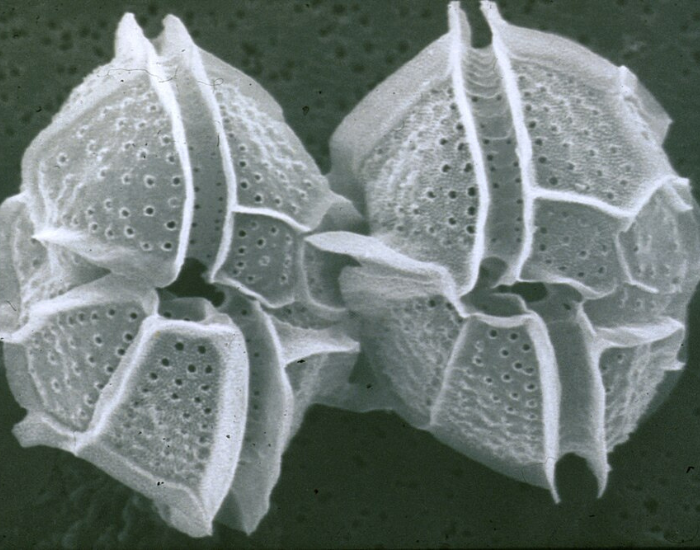
These organisms exist in two groups based on their cell structure. Thecate dinoflagellates possess armored cellulose plates, while athecate species lack this internal skeleton. Both types play crucial roles in ocean water ecosystems.
2. The Whirling Dervishes of the Sea
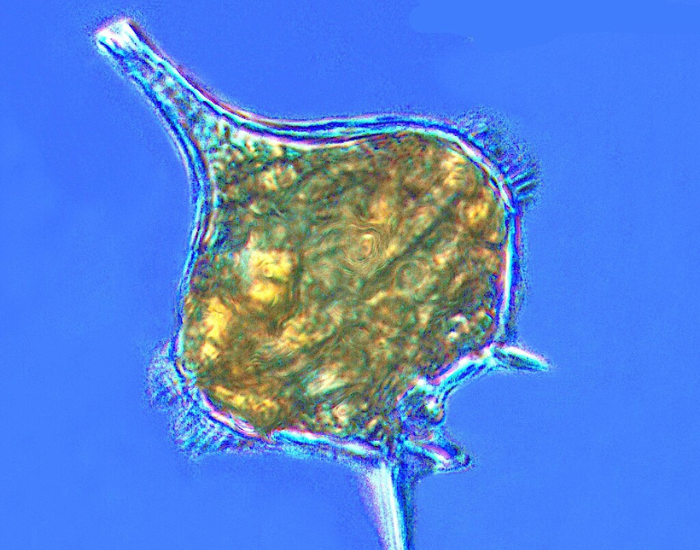
Every dinoflagellate cell is a marvel of microscopic engineering. They possess two flagella, whip-like tails that sit in grooves on the cell surface. One is a longitudinal flagellum acting as a rudder. The other is a transverse flagellum wrapping around the cell like a belt.
This setup allows them to spin like tops as they move through the water column. Therefore, they navigate efficiently toward light or nutrients. This rapid reproduction capability helps dinoflagellate species thrive in coastal waters worldwide.
3. Are Dinoflagellates Plankton?
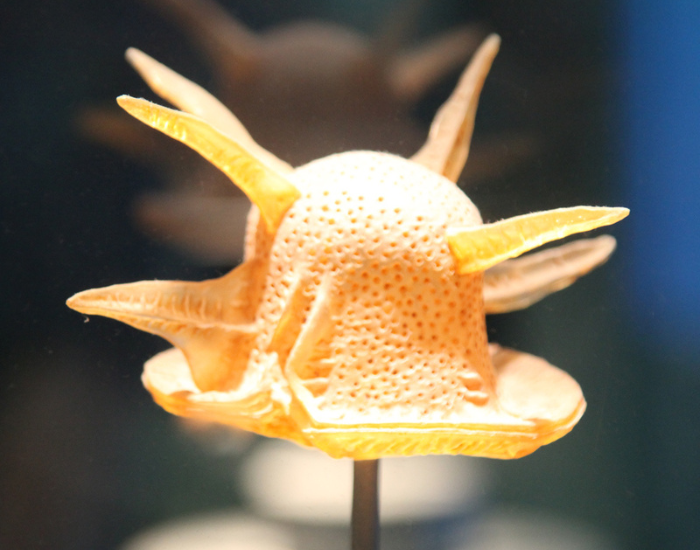
Yes! Dinoflagellates are a major component of phytoplankton. While diatoms are often considered the “grass of the sea,” dinoflagellates represent the second most important group of photosynthetic organisms in the ocean.
Both diatoms and dinoflagellates compete for resources in marine plankton communities. However, dinoflagellates possess unique advantages. In addition to photosynthesis, many species can switch to heterotrophic feeding behavior when nutrients are scarce. This flexibility helps them survive in changing ocean conditions.
4. The Magic of Bioluminescence
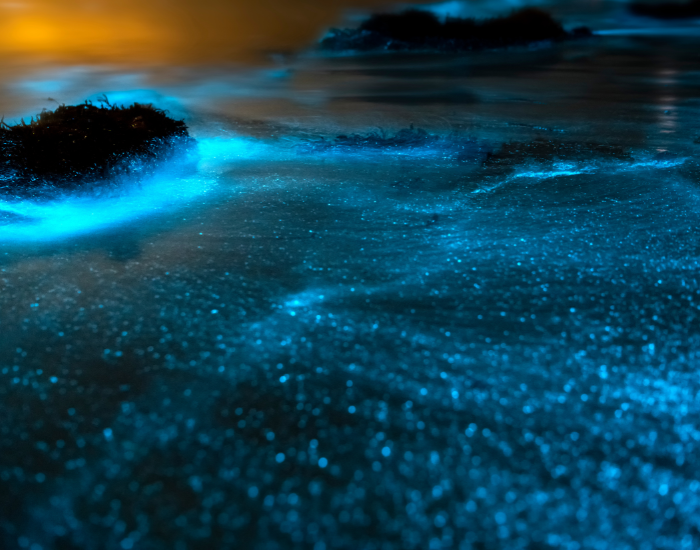
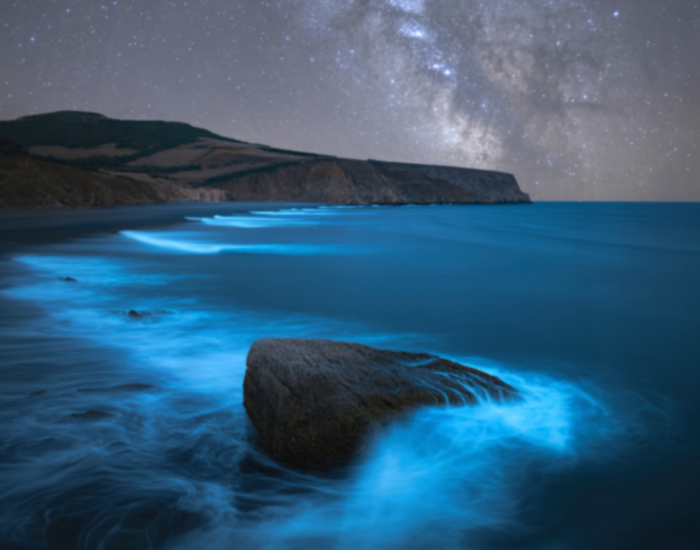
Not all species glow, but bioluminescent dinoflagellates capture our imagination. This blue light results from a chemical reaction involving luciferin (a molecule) and luciferase (an enzyme).
I’ve witnessed this phenomenon firsthand in Australia. After a night out with fellow biologists, we walked to the beach and saw hauntingly beautiful blue glows every time waves smashed against the shore. This bioluminescence serves as a defense mechanism. The light startles predators or attracts larger predators that might eat whatever’s trying to consume the dinoflagellates.
Species like Noctiluca scintillans produce bioluminescence so vivid it appears as blue light dancing across the water’s surface. When millions of cells light up simultaneously, entire bays transform into magical displays.
5. Masters of Photosynthesis
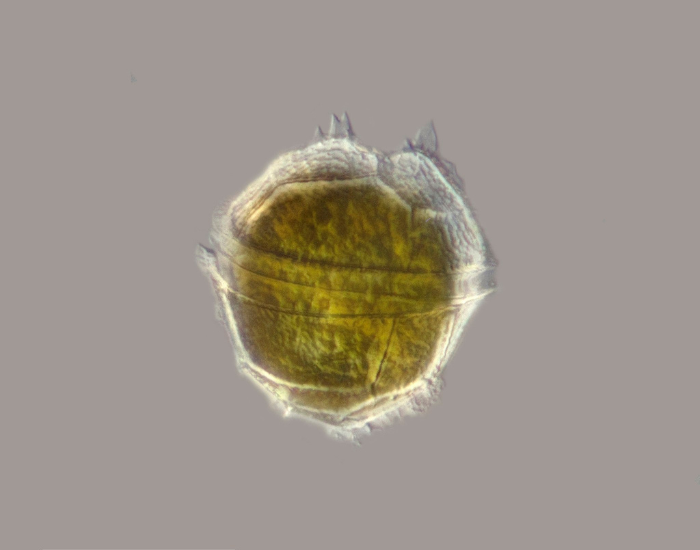
Many dinoflagellate species are photosynthetic autotrophs, meaning they make their own food using sunlight. They contain photosynthetic pigments like chlorophyll a and c, plus accessory pigments like peridinin. These pigments give many species a golden-brown hue.
These photosynthetic dinoflagellates produce oxygen through photosynthesis, contributing significantly to our atmosphere. In fact, they’re among the most important photosynthetic organisms after diatoms. Their role in global oxygen production cannot be overstated.
6. The “Golden” Residents of Coral Reefs
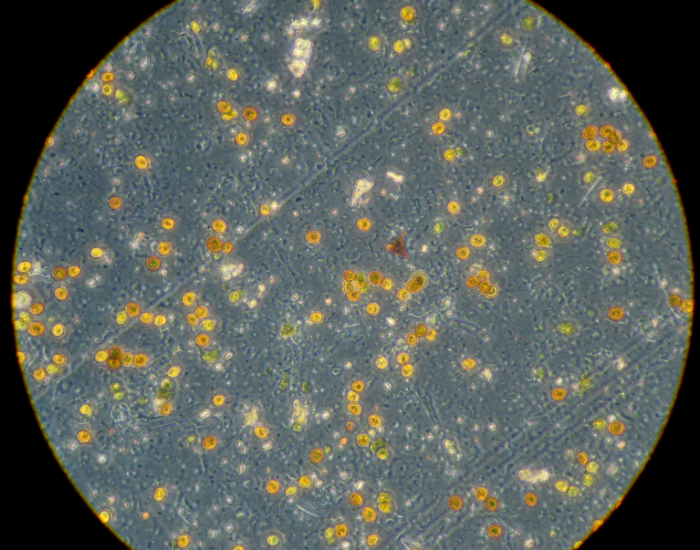
Some photosynthetic dinoflagellates are called zooxanthellae. These live in symbiotic relationships inside coral reef tissues. The coral provides a home and CO₂, while dinoflagellates provide oxygen and energy from photosynthesis.
Without these species of dinoflagellates, coral reefs as we know them would collapse with many of the coral fish suffering too. This makes zooxanthellae critical for marine life in tropical waters. When ocean temperatures rise, corals expel their dinoflagellate partners, leading to coral bleaching. This relationship demonstrates how vulnerable marine ecosystems are to climate change.
7. The Dark Side: Harmful Algal Blooms
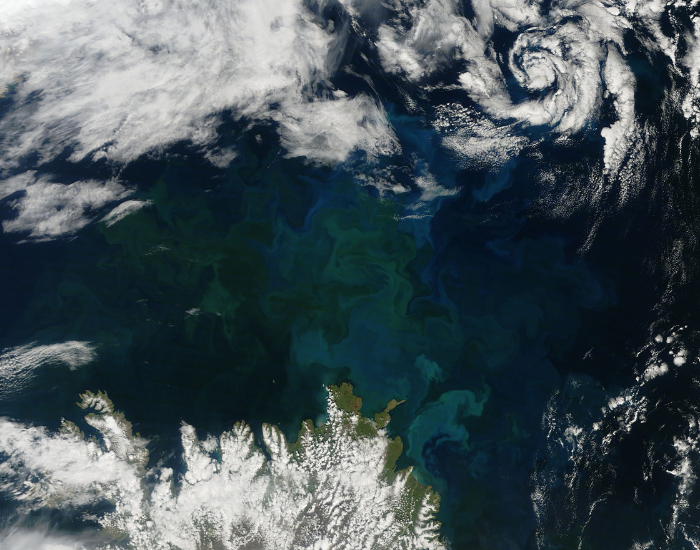
When conditions align, usually warm, nutrient-rich ocean water, these organisms undergo population explosions. This creates an algal bloom. While some blooms are harmless, harmful algal blooms (HABs) occur when dinoflagellates produce toxins saturating the water.
These toxic species multiply rapidly, sometimes reaching million cells per liter. The sheer number of organisms can deplete oxygen levels, creating dead zones. Moreover, the toxins they release accumulate in the food chain, affecting everything from shellfish to marine mammals.
8. Understanding Red Tides
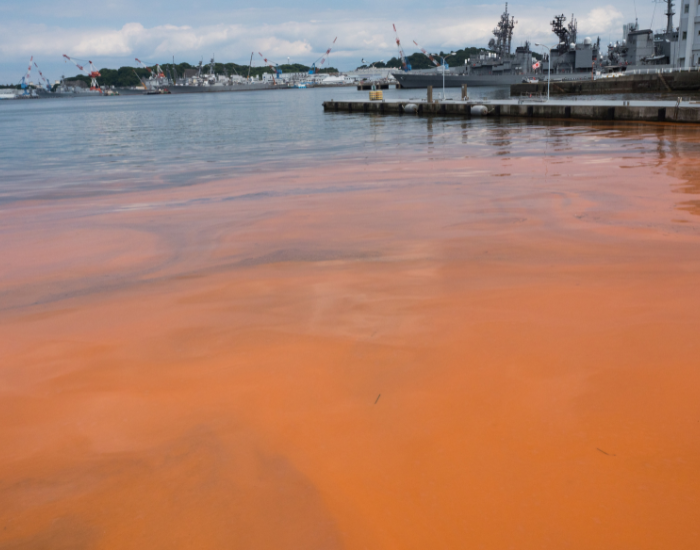
You’ve likely heard of red tides. This happens when dinoflagellate species reach such high densities that they discolor water to rusty red or brown. During my undergrad field trip in Mexico, we studied how these blooms were more than visual phenomena, they signaled shifting ecosystems.
Red algae blooms don’t always turn water red. Sometimes, concentrations of toxic species can be high without any color change. Therefore, monitoring programs track cell counts rather than relying on visual cues. Many dinoflagellates that cause red tides belong to genera like Karenia, Alexandrium, and Gymnodinium.
9. A Threat to Marine Life
Red tides devastate ecosystems. Toxic species like Karenia brevis (common in the Gulf of Mexico) produce neurotoxins known as brevetoxins. These toxins kill fish by the thousands.
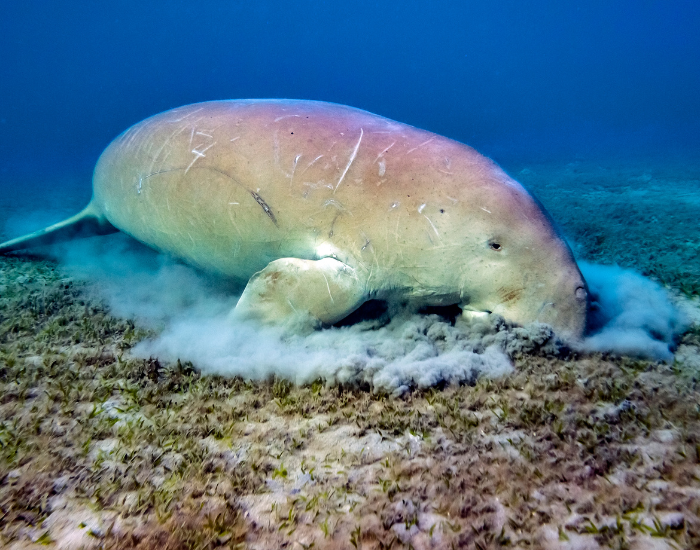
Marine mammals like manatees and dolphins suffer when they inhale toxins near the surface. Fish kills from red tides can eliminate entire year classes of commercially important species. In addition, the decomposition of dead fish depletes oxygen further, compounding the problem.
Sea turtles also fall victim to these harmful blooms. Studies show that Kemp’s ridley, loggerhead, green, and hawksbill turtles experience significant mortality during Karenia brevis blooms. This adds pressure to already endangered populations.
10. Impacts on Human Health
Marine life isn’t the only casualty. When humans eat contaminated shellfish, it leads to serious conditions like paralytic shellfish poisoning (PSP) or diarrhetic shellfish poisoning (DSP).
Furthermore, when waves break during blooms, toxins become airborne. This causes respiratory irritation for beach visitors. People with pre-existing respiratory conditions like asthma face severe reactions. Health departments often close shellfish harvesting areas when Karenia brevis cell counts exceed 5,000 cells per liter.
The economic impact is substantial. In Florida alone, red tide cleanup costs and lost tourism revenue reach millions during severe events. Commercial fisheries suffer from closures and fish kills, affecting coastal communities’ livelihoods.
11. How They Reproduce
Most dinoflagellates primarily reproduce asexually through binary fission or cell division. This asexual division allows rapid reproduction when conditions are favorable. However, when things get tough, like when food runs out or temperatures drop, they engage in sexual processes.
They produce resting stages called cysts that sink to the seafloor. These cysts wait for better conditions to “hatch.” When favorable conditions return, cysts germinate, releasing new dinoflagellate cells. This survival strategy helps species persist through harsh periods.
Sexual reproduction also increases genetic diversity, helping populations adapt to changing environments. The balance between asexual and sexual processes varies among species.
12. They Aren’t All “Plants”
While many are photosynthetic, not all dinoflagellates photosynthesize. Some are heterotrophic, meaning they eat other microorganisms or marine plankton. Others exhibit “mixotrophy”, a biological strategy where they both photosynthesize AND hunt.
This feeding behavior makes them incredibly versatile. When light is abundant, they photosynthesize. When prey is available, they consume other organisms. This flexibility explains why dinoflagellates thrive in diverse environments from coastal waters to deep ocean habitats.
FAQ: Common Questions About Dinoflagellates
Some are, some aren’t. While many dinoflagellate species provide oxygen and food for ocean ecosystems, certain toxic species cause harmful algal blooms. These can kill marine life and cause illness in humans through contaminated shellfish or airborne toxins.
The most common illnesses are types of food poisoning from eating contaminated shellfish. Paralytic shellfish poisoning (PSP) and diarrhetic shellfish poisoning (DSP) are the primary concerns. Additionally, airborne brevetoxins cause respiratory irritation during red tide events.
No. This is a common misconception. Chlamydia is a bacterium, whereas dinoflagellates are eukaryotic protists. They’re completely unrelated organisms from different domains of life.
Yes, diatoms are a major type of phytoplankton, just like dinoflagellates. They often compete for the same resources in coastal waters. Both groups contribute significantly to ocean primary productivity.
Karenia brevis – the culprit behind Florida’s red tides
Noctiluca scintillans – the “Sea Sparkle” responsible for blue glows
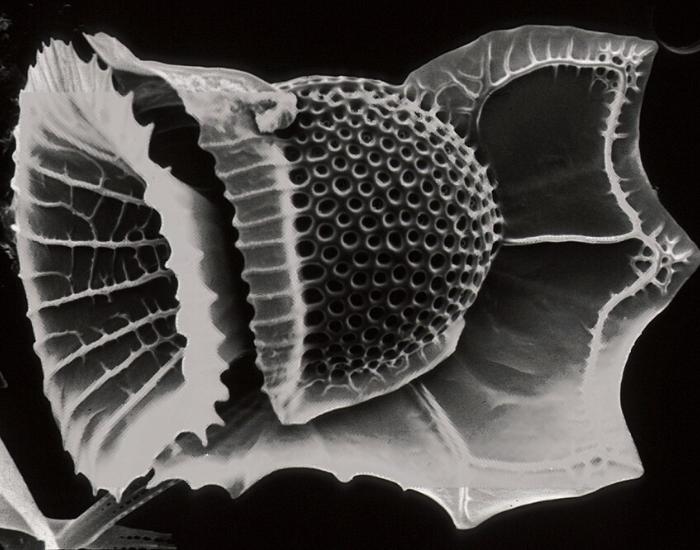
Ceratium – easily identified by its horn-like shapes
A Biologist Perspective
As a field biologist, I’ve learned we shouldn’t view these organisms as villains just because of red tides. They’re a vital pulse of our oceans. They feed marine invertebrates, support coral reefs, and provide a massive chunk of the oxygen we breathe.
The next time you see the ocean glow, remember you’re witnessing an ancient biological defense mechanism, a “Life of Pi” moment connecting us to the microscopic heart of our planet.