
Have you ever wondered what do birds eat when they visit your backyard? If you’re like most bird enthusiasts, you’ve probably stood at your window watching these fascinating creatures and thought about the best way to support them. The truth is, understanding what birds eat is the key to creating a thriving backyard ecosystem that benefits both you and your feathered visitors. And if you are also wondering about common black birds that you may find, have look at this guide.
Feeding birds isn’t just about tossing some seeds on the ground and hoping for the best. It’s about understanding the diverse dietary needs of different species and providing them with the nutrition they need to thrive – especially during those harsh winter months when natural food sources become scarce. Different bird species have varied diets based on their size, strength, and specific nutritional requirements, so offering a range of foods is essential to attract a diverse array of birds to your yard. Knowing what most birds prefer to eat can help guide your feeding choices and ensure you meet the needs of the majority of visiting species.
Whether you’re a seasoned bird watcher or just starting your backyard birding journey, this comprehensive guide will help you understand exactly what birds eat and how to create the perfect feeding station that keeps them coming back season after season.
Bird Feeding…. a Growing Trend
Bird feeding has become one of the most popular outdoor activities in North America, and for good reason. Not only does it provide hours of entertainment and educational opportunities, but it also plays a crucial role in supporting local bird populations. When you ask “what do birds eat,” you’re really asking how you can become a better steward of your local ecosystem.
The beauty of bird feeding lies in its accessibility. You don’t need a massive yard or expensive equipment to get started. A simple bird feeder filled with the right food can transform any outdoor space into a bustling hub of avian activity. Choosing the right bird seed is essential, as different types of bird seed can attract a wide variety of bird species and play a key role in successful bird feeding. Using a bird feeder is an effective way to feed birds, and there are many types of feeders available, including tube feeders, tray feeders, and hopper feeders, each designed to attract different species.
Bird enthusiasts can choose from a variety of bird foods, including black oil sunflower seeds, suet, and cracked corn, to attract different types of birds. The key is understanding that what does bird eat varies significantly from species to species. A tiny finch has completely different nutritional needs than a large woodpecker, and your feeding strategy should reflect this diversity.
By feeding birds consistently and thoughtfully, you’re not just providing entertainment for yourself – you’re helping support their diet and providing them with the energy they need to survive, reproduce, and thrive in an increasingly challenging environment. According to the National Audubon Society, proper bird feeding can make a significant difference in local bird populations, especially during extreme weather conditions.
Types of Bird Food
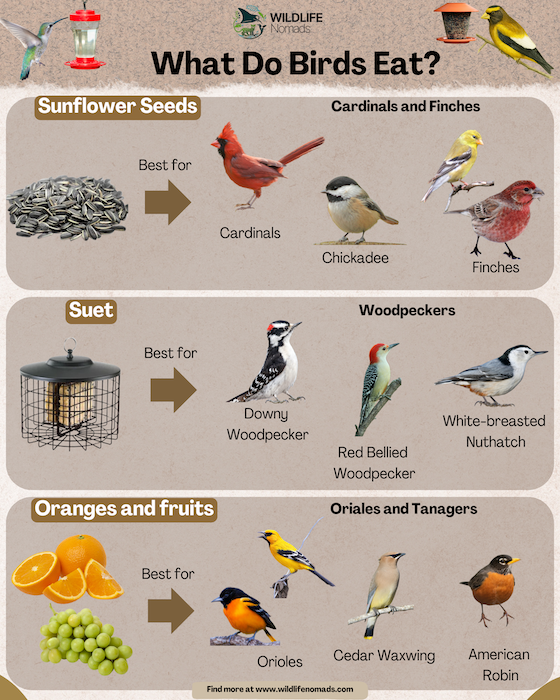
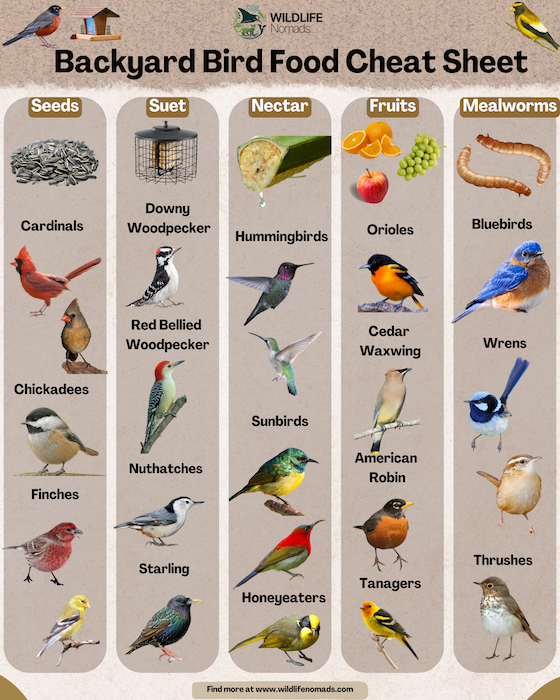
Understanding the variety of foods that answer “what do birds eat“ is crucial for successful bird feeding. Each type of food attracts different species and provides specific nutritional benefits that support various aspects of bird health and behavior. For example, some bird species\’ diet consists primarily of seeds, while others may focus on insects or fruit.
Black Oil Sunflower Seeds: The Universal Favorite
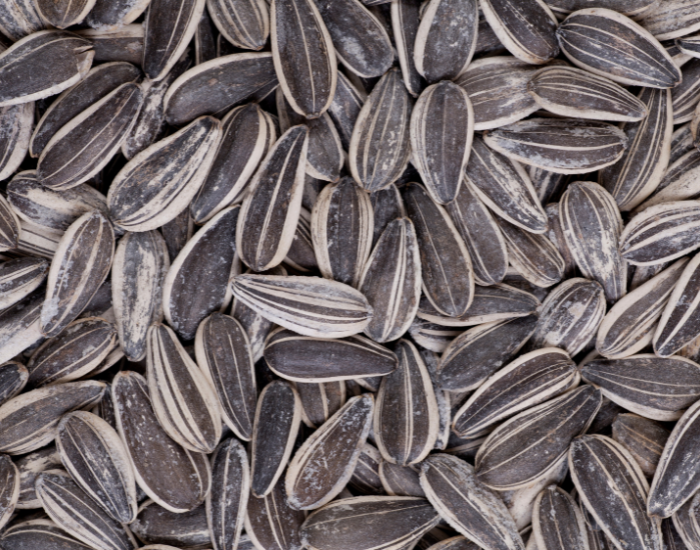
Black oil sunflower seed is one of the most popular and nutritious foods for birds, valued for its high fat and protein content. These small, black seeds are rich in fat and protein, making them an excellent energy source that attracts a wide range of bird species. When people ask “what is the best food to put out for birds,” black oil sunflower seeds are often the answer.
Cardinals, chickadees, nuthatches, finches, and even some woodpeckers can’t resist these nutritious seeds. The high oil content provides the fat that birds need for energy, especially during cold weather when they need to maintain their body temperature. Unlike striped sunflower seeds, black oil varieties have thinner shells that are easier for smaller birds to crack open.
Research shows that black oil sunflower seeds can attract over 40 different bird species, making them an excellent choice for beginners who want to see immediate results in their bird feeding efforts.
Suet: High-Energy Food for Active Birds
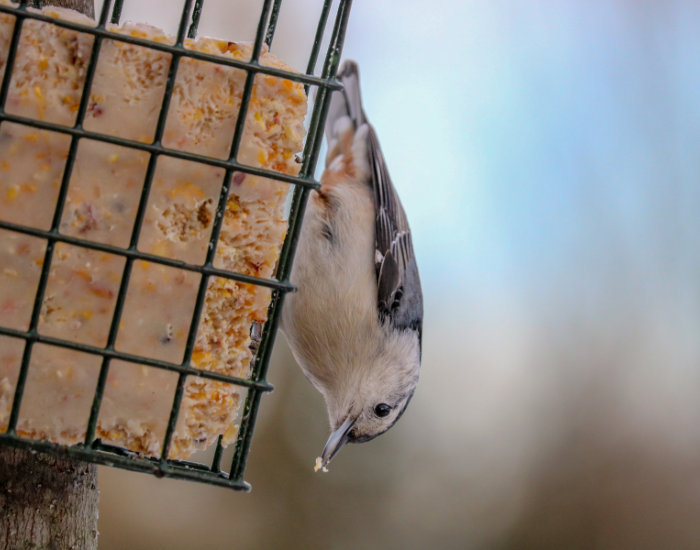
Suet is a high-energy food made from animal fat, often mixed with seeds, nuts, and other ingredients to create a nutritious cake that woodpeckers, nuthatches, and chickadees absolutely love. This food type is particularly important during winter months when birds need extra calories to maintain their body heat.
Commercial suet cakes are convenient and come in various flavors designed to attract specific bird species. Woodpeckers are particularly drawn to suet feeders, and you\’ll often see Downy Woodpeckers, Hairy Woodpeckers, and even the occasional Pileated Woodpecker visiting these feeders.
The beauty of suet is that it provides sustained energy release, helping birds maintain their energy levels throughout the day. During breeding season, suet becomes even more important as parent birds need extra nutrition to feed their young.
Cracked Corn: A Budget-Friendly Staple
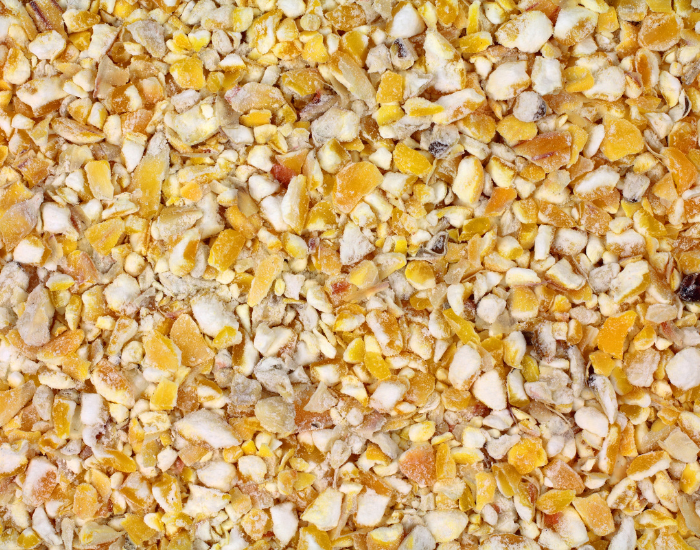
Cracked corn is a staple food for many bird species, including sparrows, finches, doves, and various ground-feeding birds. This affordable option is often used in combination with other seeds to create mixed bird food blends that appeal to a variety of species.
Ground-feeding birds like juncos, towhees, and various sparrow species are particularly attracted to cracked corn scattered on the ground or offered in platform feeders. While corn shouldn\’t be the only food you offer, it\’s an excellent way to attract larger numbers of birds without breaking the bank.
Fresh Fruits: Natural Treats for Specialized Feeders
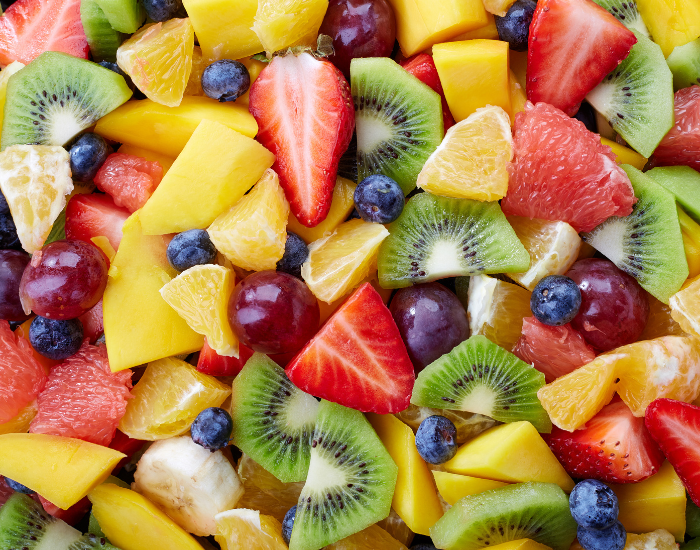
Fresh fruits such as berries, oranges, and apples are excellent ways to attract birds like orioles, woodpeckers, and hummingbirds. These natural foods provide essential vitamins and minerals that birds need for optimal health.
Oranges cut in half and mounted on special feeders are particularly attractive to Baltimore Orioles and Orchard Orioles. Berries like elderberries, blueberries, and blackberries attract a wide variety of species, including robins, catbirds, and thrushes.
Nyjer Seed: The Finch Magnet
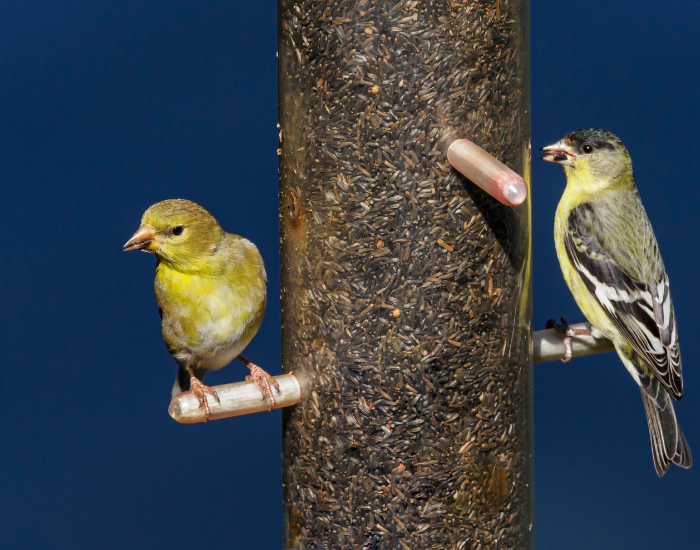
Nyjer seed, also known as thistle, is a tiny seed that is high in oil and specifically designed to attract finches and other small birds. American Goldfinches, House Finches, and Pine Siskins are particularly drawn to these small, nutritious seeds.
Special tube feeders with small holes are designed specifically for nyjer seed, preventing waste while allowing easy access for small birds. This seed type is more expensive than other options, but it\’s incredibly effective at attracting colorful finch species that might otherwise ignore your feeding station.
Bird Predators and Competitors
Understanding what animals eat birds is crucial for creating a safe feeding environment. Bird predators and competitors can pose significant threats to the birds visiting your feeder, so it’s essential to take steps to protect your feathered visitors while still maintaining a natural ecosystem balance. Some animals, such as hawks, cats, and raccoons, are considered dangerous predators to backyard birds.
Common Predators of Birds
Predators of birds come in many forms, from ground-dwelling mammals to aerial hunters. Squirrels, while not typically predators, can dominate feeders and prevent birds from accessing food. More serious threats include domestic cats, which are responsible for billions of bird deaths annually according to the American Bird Conservancy.
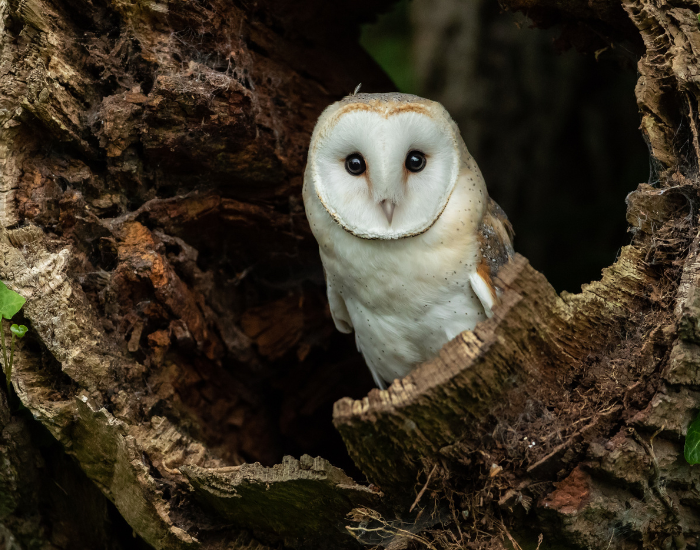
Hawks and owls are natural predators of birds that may occasionally visit feeding areas. While this might seem concerning, these raptors are an important part of the ecosystem. Sharp-shinned Hawks and Cooper’s Hawks are the most common backyard bird predators, and their presence actually indicates a healthy ecosystem. These raptors catch their prey using incredible speed and agility, allowing them to seize birds in flight or at feeders.
Snakes, raccoons, and other climbing predators can also threaten birds at feeders, particularly during nesting season when birds are more vulnerable. Understanding these threats helps you create a safer environment for your backyard birds.
Protecting Your Feathered Visitors
A squirrel baffle—a cone-shaped device designed to prevent squirrels from climbing up feeder poles—can effectively deter squirrels and other unwanted wildlife from accessing your bird feeders. These simple devices are highly effective and don’t harm the squirrels while protecting your bird food investment.
Placing feeders in safe locations is crucial. Ideally, feeders should be at least 10 feet from bushes or trees where predators might hide, but close enough to provide escape routes for birds. This balance creates a safer environment while still allowing birds to feel secure.
Window strikes are another significant threat to birds. According to the National Audubon Society, over one billion birds die from window collisions annually. Placing feeders either very close to windows (within 3 feet) or far away (more than 30 feet) can significantly reduce this risk.
Managing Unwanted Visitors
Other animals, such as raccoons and deer, may also be attracted to bird feeders. Raccoons are frequently found in urban areas as well as forests and marshes, making them common visitors to backyard feeders. Using feeders designed to exclude these larger animals – such as weight-activated feeders that close when heavy animals attempt to access them – can help maintain your feeding station for birds only.
Bears can also be attracted to bird feeders in certain regions. If you live in bear country, it’s important to bring feeders in at night or use bear-proof feeders to avoid dangerous encounters.
By understanding the types of predators of birds and competitors in your area, you can take appropriate steps to protect the birds and ensure they have a safe and healthy environment to feed and thrive.
Attracting Specific Types of Birds
Different bird species have unique preferences when it comes to food, feeding behavior, and habitat requirements. Understanding what do birds eat by species helps you tailor your feeding strategy to attract specific birds you’d like to see in your yard. A well-planned feeding station can also attract other species, such as songbirds, hummingbirds, woodpeckers, and finches, increasing the diversity of birds visiting your space.
Attracting Hummingbirds
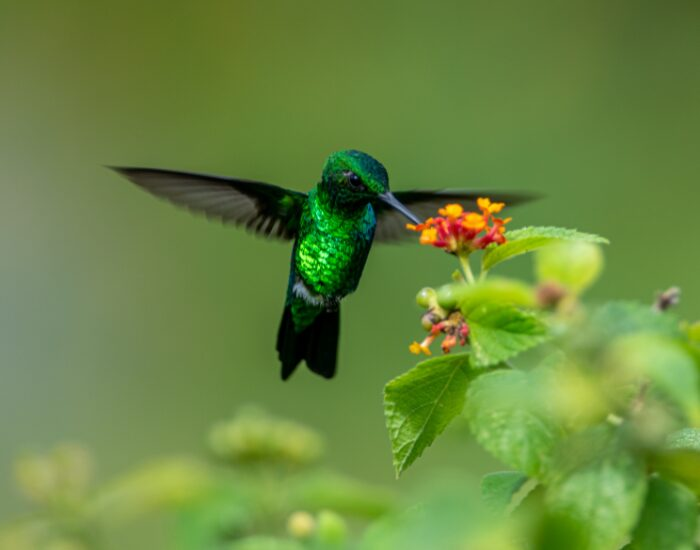
To attract hummingbirds, use a nectar feeder with a sugar-water solution (1 part sugar to 4 parts water) and plant flowers that are rich in nectar, such as trumpet-shaped flowers like bee balm, cardinal flower, and salvias. Hummingbirds are attracted to red, orange, and pink flowers, and they prefer tubular shapes that accommodate their long beaks and tongues.
Avoid using honey, artificial sweeteners, or red dye in hummingbird nectar, as these can be harmful to the birds. Clean feeders regularly to prevent fermentation and mold growth, which can be deadly to hummingbirds.
Attracting Finches
To attract finches, use a tube feeder with Nyjer seed or thistle, and plant flowers that produce seeds, such as coneflowers, black-eyed susans, and sunflowers. American Goldfinches are particularly attracted to thistle feeders and will often feed in large flocks.
Finches also appreciate native plants that produce small seeds. Leaving some flower heads intact through winter provides natural food sources and helps support finch populations year-round.

Attracting Woodpeckers
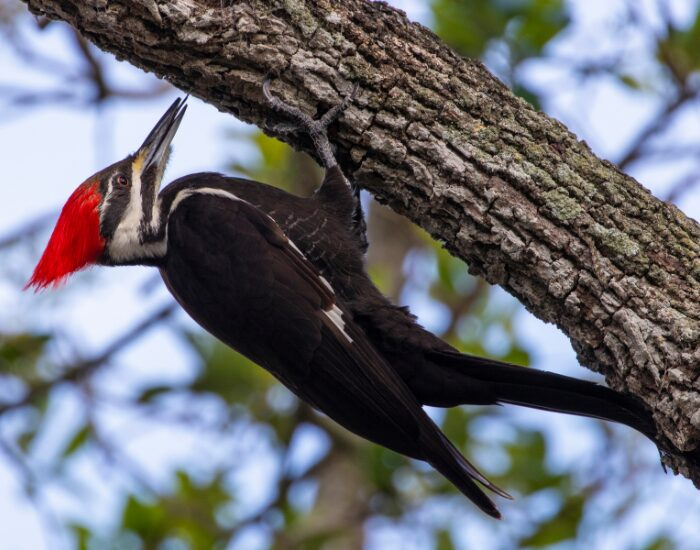
To attract woodpeckers, use a suet feeder with a high-energy suet mixture, and plant trees that produce nuts, such as oak and beech trees. Woodpeckers are also attracted to dead trees (snags) which provide insects and nesting sites. Some woodpecker feeders can be attached directly to tree trunks to mimic natural foraging behavior.
Different woodpecker species have varying preferences. Downy Woodpeckers prefer smaller suet feeders, while Pileated Woodpeckers need larger, more robust feeding stations. Offering a variety of suet flavors and textures can attract multiple species.
Attracting Orioles
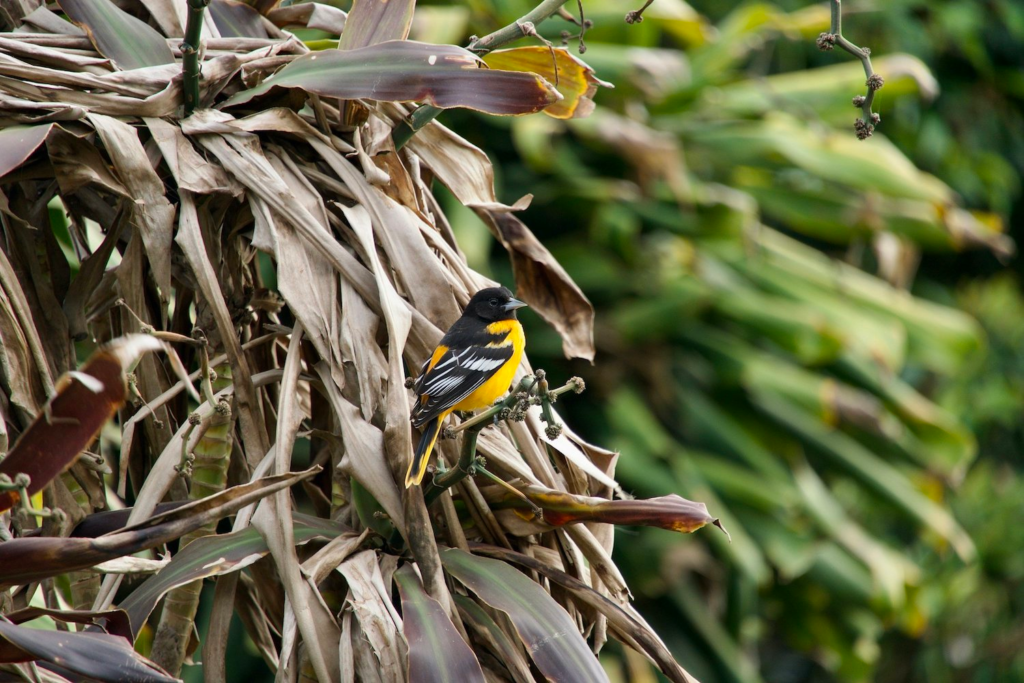
To attract orioles, use a fruit feeder with fresh fruits, such as oranges and berries, and plant flowers that produce nectar, such as trumpet-shaped flowers. Orioles are also attracted to grape jelly and nectar feeders similar to those used for hummingbirds.
Baltimore Orioles and Orchard Orioles are particularly attracted to orange halves mounted on special feeders. These colorful birds typically arrive in spring and are most active during breeding season.
Attracting Sparrows and Ground-Feeding Birds
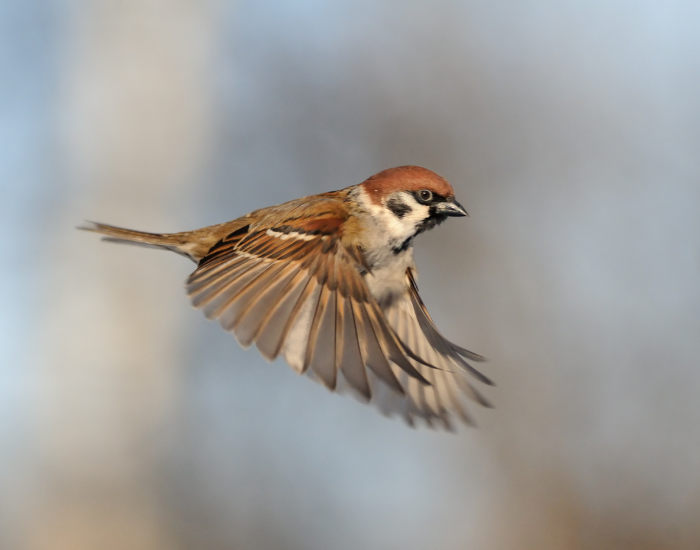
To attract sparrows, use a tray feeder with cracked corn or millet, and plant flowers that produce seeds, such as coneflowers and black-eyed susans. Ground-feeding birds prefer open areas where they can easily spot predators while feeding.
Many sparrow species are attracted to native grasses and wildflowers that produce seeds. Creating a naturalized area in your yard with these plants provides both food and habitat for these often-overlooked but important birds. You can also attract sparrows and other ground-feeding birds by filling pine cones with seeds or peanut butter and placing them in your yard.
Reducing the Risk of Predators
Creating a safe feeding environment requires understanding what eats a bird and taking proactive steps to minimize risks while maintaining a natural ecosystem balance. Many predators specifically target bird nests to feed on eggs and young birds, so ensuring nest safety is essential for protecting bird populations.
Feeder Placement and Design
To reduce the risk of predators, such as squirrels and snakes, use feeders that are designed to exclude them, such as squirrel baffles and snake-proof feeders. Proper placement is crucial – feeders should be at least 5 feet high and 10 feet from potential jumping-off points. Placing feeders near a tree can provide birds with quick escape routes from predators, making the area safer and more attractive for feeding.
Weight-activated feeders that close when heavier animals attempt to access them are highly effective for excluding squirrels and larger birds that might dominate feeding stations. These feeders allow smaller songbirds to feed while keeping out unwanted visitors.
Safe Feeding Locations
Place feeders in locations that provide both safety and accessibility for birds. The ideal spot offers quick escape routes to nearby trees or shrubs while being far enough from potential hiding spots for predators.
Avoid placing feeders directly under trees where cats might hide or too close to windows where birds might strike the glass. A balance between openness and nearby cover creates the safest environment for feeding birds.
Maintaining Clean Feeding Areas
Keep the area around feeders clean and free of debris, and avoid using feeders that are prone to spills or messes. Accumulated seed hulls and waste can attract rodents and other unwanted visitors that might prey on birds or compete for food.
Regular cleaning of feeders prevents the spread of diseases that can affect bird populations. Use a solution of one part bleach to nine parts water to clean feeders monthly, and replace moldy or spoiled food immediately.
Using Multiple Feeding Stations
Use a variety of feeders, such as tube feeders, tray feeders, and hopper feeders, to attract different types of birds and reduce competition and predation risks. Spreading feeders across different areas of your yard prevents overcrowding and reduces the likelihood of predator attacks.
Multiple feeding stations also allow you to observe different bird behaviors and preferences, enhancing your overall bird-watching experience while providing safer feeding opportunities.
Creating a Bird-Friendly Habitat
Understanding what do birds eat goes beyond just providing food at feeders. Creating a comprehensive bird-friendly garden– habitat involves providing food, water, shelter, and nesting sites that support birds throughout their entire life cycle. Including water features in your habitat can attract aquatic birds as well as land birds, ensuring a diverse range of species benefit from your efforts.
Native Plant Selection
To create a bird-friendly habitat, plant a variety of native flowers, trees, and shrubs that provide food, shelter, and nesting sites for birds. Native plants are more likely to attract native bird species because they\’ve evolved together and provide the specific resources birds need.
Use native plants such as serviceberry, elderberry, and native cherry trees, which provide berries that birds love. Avoid using invasive plants, which can harm the environment and provide poor nutrition for birds compared to native alternatives.
Water Sources
Provide a source of water, such as a birdbath or pond, and keep it clean and free of debris. Birds need water for drinking and bathing, and a reliable water source can be just as important as food for attracting birds to your yard. If you have fish in your garden pond, be aware that some fish species may occasionally prey on small birds or bird eggs, so consider this when designing water features.
Moving water is particularly attractive to birds. Consider adding a small fountain or dripper to your birdbath to create the sound and movement that birds find irresistible. Keep water fresh and clean, especially during hot weather when birds visit more frequently.
Shelter and Nesting Sites
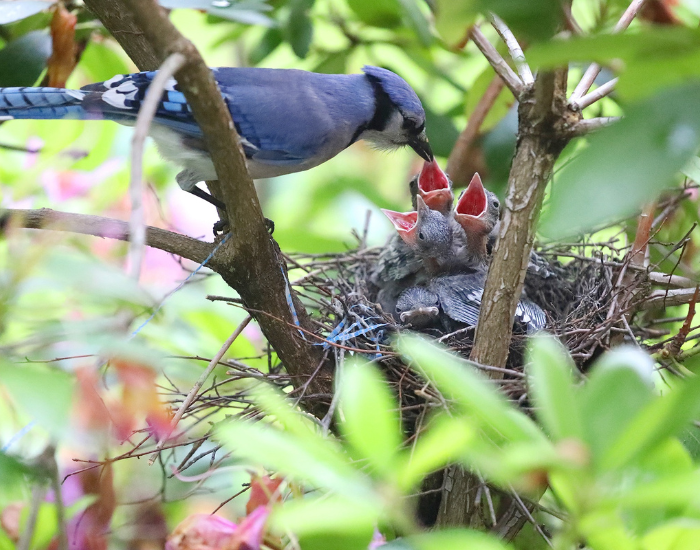
Create a bird-friendly landscape by using a variety of plants that provide different types of shelter and nesting opportunities. Dense shrubs offer protection from predators and weather, while mature trees provide nesting sites for many species. Dense vegetation is especially important for protecting young birds, such as fledglings and nestlings, from predators.
Avoid using pesticides and herbicides, which can harm birds directly or eliminate the insects they need for food. Many birds rely on insects, especially during breeding season when they’re feeding their young.
Seasonal Considerations
Different seasons require different habitat considerations. In spring, birds need nesting materials and high-protein foods. Summer requires abundant water and shade. Fall brings migration needs, while winter demands shelter and high-energy foods.
Consider leaving some areas of your yard \”messy\” with fallen leaves, brush piles, and seed-bearing plants standing through winter. These natural areas provide food and shelter that complement your feeding stations.
Seasonal Bird Feeding
Understanding what do birds eat throughout the year helps you provide appropriate nutrition during different seasons when birds have varying energy and nutritional needs. During spring and summer, a large proportion of many birds\’ diets consists of insects, which are an essential food source for insectivorous species.
Spring Feeding
In spring, feed birds high-protein foods, such as suet and sunflower seeds, to support their breeding and nesting activities. This is when birds need extra protein to produce eggs and feed their rapidly growing young.
Mealworms, either live or dried, are particularly valuable during spring as they provide the protein that parent birds need to feed their nestlings. Many birds that don’t typically visit seed feeders will come to mealworm feeders during breeding season. Providing protein-rich foods like mealworms helps parent birds feed their baby chicks during this critical growth period.
Summer Feeding
In summer, feed birds fresh fruits and nectar to support their energy needs during hot weather. Hummingbirds are particularly active during summer months, and maintaining clean nectar feeders becomes crucial.
Ensure water sources are consistently available and clean during hot weather. Birds may visit water sources more frequently than food sources during extreme heat, making reliable water even more important than food.
Fall Feeding
In fall, feed birds high-energy foods, such as suet and Nyjer seed, to help them build up fat reserves for winter or migration. This is when birds begin storing energy for the challenging months ahead.
Many birds are molting in fall, replacing their feathers for winter. This process requires significant energy and protein, making consistent feeding particularly important during this period.
Winter Feeding
In winter, feed birds high-energy foods, such as suet and sunflower seeds, to help them survive cold weather. Birds need significantly more calories during winter to maintain their body temperature.
Consistency becomes crucial during winter feeding. Birds may become dependent on your feeders when natural food sources are scarce, so maintaining regular feeding schedules can be critical for their survival.
Understanding Bird Predators and the Food Chain
What animals eat birds is a complex topic that involves understanding the natural food web and the important role that both predators and prey play in maintaining ecosystem balance.
Birds also serve as food for various predators, making them an important link in the food chain. Birds, especially eggs and nestlings, are often preyed upon by a variety of animals.
Natural Predators of Birds
Birds have many natural predators, including hawks, owls, snakes, and mammals like cats, foxes, and weasels. Both adult and young birds can fall prey to these predators, especially during nesting season. Understanding these predators of birds helps you create safer feeding environments while respecting the natural ecosystem balance.
Hawks such as Sharp-shinned Hawks and Cooper’s Hawks are specialized bird hunters that may occasionally visit feeding areas. While this might seem concerning, these raptors are an important part of the ecosystem and their presence indicates a healthy bird population.
Owls are nocturnal predators that hunt birds roosting at night. Great Horned Owls and Barred Owls are common bird predators that play important roles in controlling bird populations and maintaining ecosystem balance.
The Role of Birds in the Food Chain
What do birds eat in a food chain varies significantly by species, but birds occupy multiple levels of the food web. Many birds are primary consumers, eating seeds, fruits, and nectar. Others are secondary consumers, feeding on insects and small animals. Some, like hawks and owls, are apex predators in their ecosystems.
Birds also serve as food for various predators, making them an important link in the food chain. Birds, their eggs, and nestlings are often eaten by a range of predators, including mammals, reptiles, and other birds. This dual role as both predator and prey helps maintain the delicate balance of natural ecosystems.
Foods to Avoid Feeding Birds
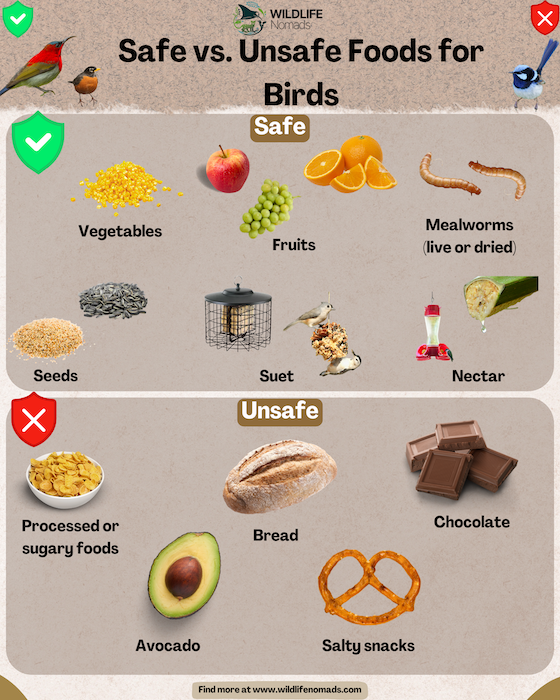
Not all foods are safe for birds, and understanding what not to feed them is just as important as knowing what do birds eat safely. Some common household foods can be harmful or even deadly to birds.
Bread and Baked Goods
Avoid feeding birds bread, as it can be harmful to their health and provides little to no nutritional value. Bread fills birds up without providing the fats, proteins, and nutrients they need for optimal health. Moldy bread can also contain toxins that are dangerous to birds.
White bread is particularly problematic as it\’s highly processed and lacks the nutrients birds need. Even whole grain breads don\’t provide the high-energy nutrition that birds require, especially during challenging weather conditions.
Dairy Products
Avoid feeding birds milk and other dairy products, as birds are lactose intolerant and cannot properly digest these foods. Dairy products can cause digestive problems and provide no nutritional benefit to birds.
Cheese, yogurt, and other dairy products should never be offered to birds, as they can cause serious digestive issues and potentially lead to illness or death.
Toxic Foods
Avoid feeding birds avocado, as it contains persin, a compound that can be toxic to many bird species. Even small amounts of avocado can cause cardiac distress, respiratory difficulty, and death in birds.
Chocolate is another food that should never be given to birds, as it contains theobromine and caffeine, which are toxic to birds and can cause seizures, heart problems, and death.
Salty and Processed Foods
Avoid feeding birds salty snacks, processed meats, and other high-sodium foods. Birds have much lower salt tolerance than humans, and excess salt can cause kidney problems and other health issues.
Processed foods often contain preservatives and additives that can be harmful to birds. Stick to natural, unprocessed foods that provide proper nutrition without potentially harmful additives.
Spoiled or Moldy Foods
Never offer spoiled or moldy foods to birds, as these can contain dangerous toxins. Regularly clean feeders and replace old food to prevent the growth of harmful bacteria and mold.
Aspergillus, a common mold found on spoiled seeds and grains, can be particularly dangerous to birds and can cause respiratory problems and death.
Creating Year-Round Bird Support
Supporting birds goes beyond understanding what does bird eat and extends to creating a comprehensive support system that addresses all their needs throughout the year.
Consistent Feeding Schedules
Maintain consistent feeding schedules, especially during winter months when birds may become dependent on your feeders. Birds learn to rely on predictable food sources and adjust their daily routines accordingly.
Monitoring Bird Health
Watch for signs of illness at your feeding stations, such as birds appearing lethargic, fluffed up, or showing unusual behavior. Remove feeders temporarily if you notice sick birds to prevent disease transmission.
Community Involvement
Consider joining local bird watching groups or participating in citizen science projects like the Christmas Bird Count or eBird. These activities help scientists like ornithologists to monitor bird populations and contribute to conservation efforts.
Feed Birds Conciously
Understanding what do birds eat is the foundation of successful bird feeding and habitat creation. By providing appropriate foods, creating safe feeding environments, and supporting birds throughout the year, you become an active participant in bird conservation while enjoying the countless benefits of backyard birding.
Remember that feeding birds is just one part of supporting them. Creating bird-friendly habitats with native plants, providing clean water sources, and understanding the natural predator-prey relationships in your area all contribute to a comprehensive approach to bird stewardship.
Whether you\’re just starting your bird feeding journey or you\’re a seasoned enthusiast, the key is to remain observant, adaptable, and committed to providing the best possible support for your feathered friends. The rewards – in terms of both personal enjoyment and conservation impact – are immeasurable.
Start small, observe carefully, and gradually expand your bird feeding program as you learn more about the specific needs of birds in your area. Your efforts will be rewarded with years of bird watching enjoyment and the satisfaction of knowing you\’re making a positive difference in the lives of wild birds.