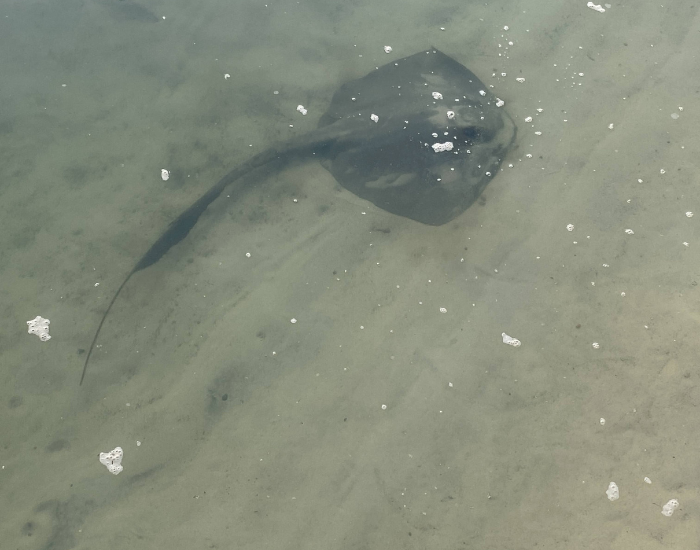
The other day, I was at my girlfriend’s house, standing out the back where the property opens directly to the ocean. It’s the kind of place where spotting stingrays (and sometime sharks) gliding past in the shallows is not unusual. As I watched one cruise by, I couldn’t help but remember the very first time I saw a stingray in the wild, years ago when i was kid in the Mexican Caribbean. That one was massive, a shadow that seemed to rise out of the seafloor. By contrast, the ray drifting past me now was far smaller, yet no less captivating. That moment sent me down a path of learning more about stingrays, their types, their behaviors, and why they’ve captured so much of my attention. And that’s exactly what I want to share with you here.
And if you have ever been snorkeling in shallow coastal waters you know what I am talking about. Suddenly you may spot a shadow gliding below you, wings outstretched like a bird soaring underwater. That’s typically how divers first encounter their first ray.
Stingrays rank among the most intriguing marine animals on the planet. With over 220 stingray species ranging from freshwater stingrays in the Amazon to southern stingrays in the Caribbean, these shark relatives inhabit almost every tropical and subtropical sea. Some species even thrive in rivers. However, what makes them so fascinating? Moreover, how can we tell different types apart?
Let’s dive into 12 fascinating facts about stingrays, then meet 10 main types you should know.
12 Fascinating Facts About Stingrays
1. Stingrays Are Shark Relatives
Like all types of sharks, stingrays belong to the class Chondrichthyes. Therefore, their skeletons consist of cartilage instead of bone. They share features like gill slits, electrical sensors called ampullae of Lorenzini, and similar reproductive strategies. Both groups practice internal fertilization and bearing live young.
2. Where Do Stingrays Live?
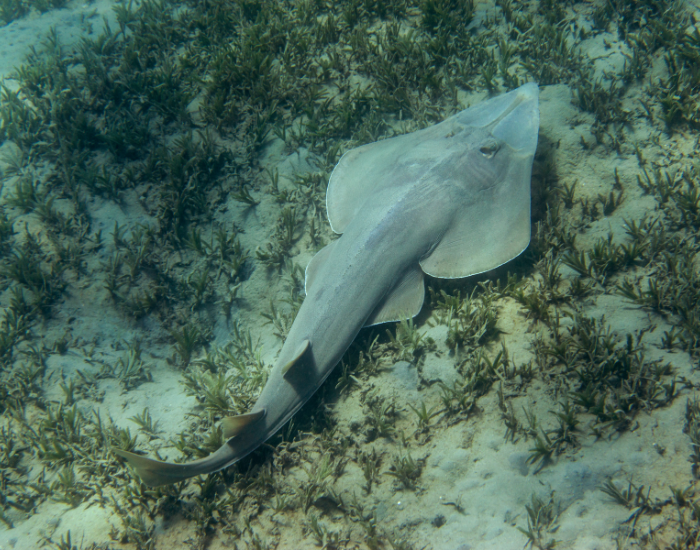
Stingrays live in tropical and subtropical waters around the world. They’re most commonly found in shallow coastal waters, sandy bottoms, seagrass meadows, and coral reefs. Many species inhabit the western Atlantic, the Mediterranean Sea, and even fresh water. For example, the ocellated river stingray thrives in Amazon rivers.
Australian waters host numerous stingray species as well. In addition, you’ll find large rays throughout the Indo-Pacific region.

3. Stingray Habitat and Behavior
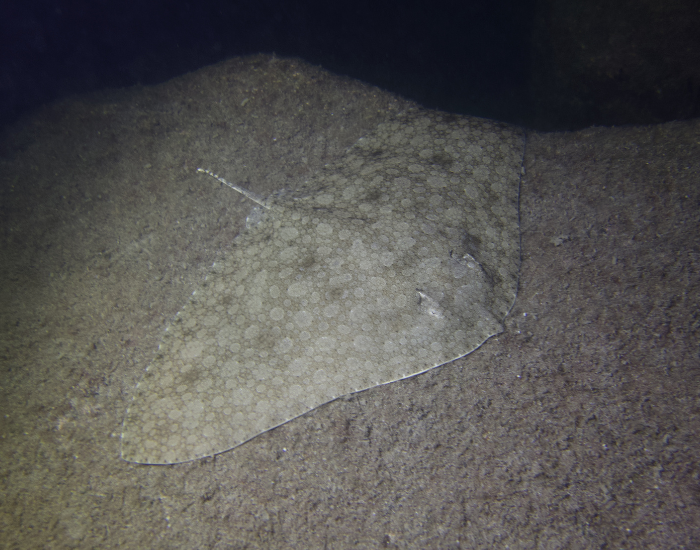
Their habitat ranges from shallow lagoons to deeper ocean floors. Most stingrays bury themselves in sandy bottoms for camouflage. Consequently, only their eyes and spiracles remain visible. This behavior makes them hard to spot, something snorkelers should remember to avoid accidental stings.
Stingrays live as bottom dwellers, also called benthic animals. They prefer warmer waters where prey is abundant.
4. Are Stingrays Carnivores?
Yes, stingrays are carnivores. Their diet mainly consists of small fish, mollusks, and crustaceans. They crush prey with strong jaw teeth. Some species use suction feeding, while others specialize in cracking hard shells. Therefore, their feeding strategy varies by species and available prey.
5. Stingrays Use Natural Electrical Charges to Hunt
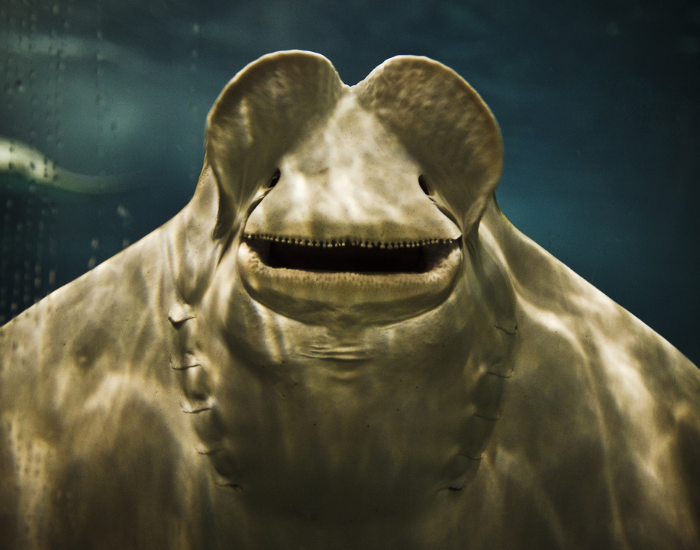
They detect natural electrical charges given off by potential prey using ampullae of Lorenzini. These tiny electrical sensors sit around their snouts. Consequently, this “sixth sense” allows them to hunt in murky water or at night. In addition, these electrical sensors called ampullae help them navigate and communicate.
6. Stingray Anatomy Is Built for Gliding
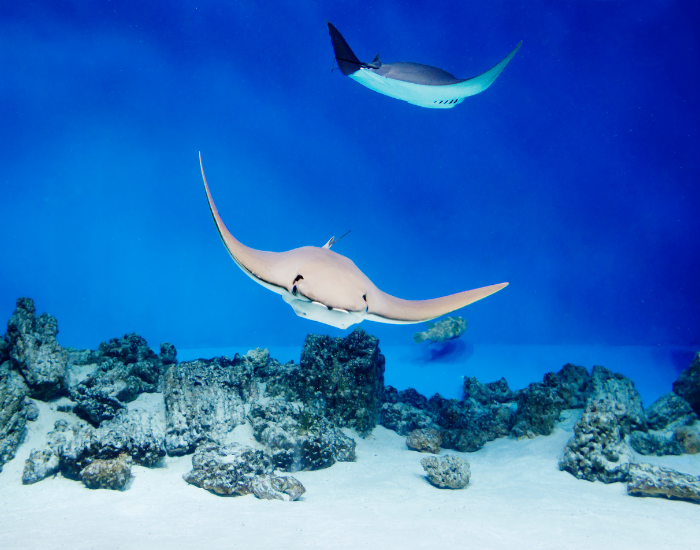
Their pectoral fins fuse with their heads to form wide “wings.” They flap these fins gracefully, almost like birds underwater. Pelvic fins help with steering and stability. Meanwhile, their long tail often carries one or more venomous stingray spines for defense.
Large stingrays can have wingspans exceeding six feet. However, small stingray species may measure just 12 inches across.
7. Stingray Stings and Injuries
Most stingrays are docile animals. They sting only in defense, usually when stepped on accidentally. Their tail spines are serrated and covered in venomous mucus. Therefore, stings can cause intense pain, tissue damage, and in rare cases, death.
Hot water immersion can ease the pain from stingray injuries. However, medical treatment remains essential. Male stingrays and females both possess these defensive spines.
8. Do Stingrays Live in Saltwater or Freshwater?
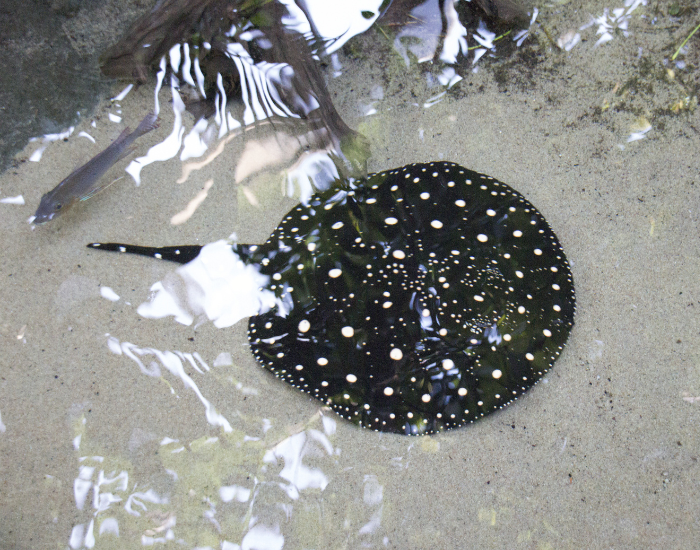
Most stingrays live in saltwater environments. However, the family Potamotrygonidae is entirely freshwater. You’ll find freshwater stingray species in South American rivers. These brightly patterned rays are popular in the aquarium trade. In addition, some species can tolerate both fresh water and saltwater.
9. Reproduction and Life Cycle
Stingrays practice internal fertilization between males and females. After mating season, females give birth to live young after long gestation periods. Some species carry developing young for up to 12 months. Consequently, this low reproductive rate makes them vulnerable to overfishing.
The life cycle of stingrays differs from many other fish. Unlike species that lay eggs, stingrays bear live young in small litters.
10. Stingrays Play Key Roles in Ecosystems
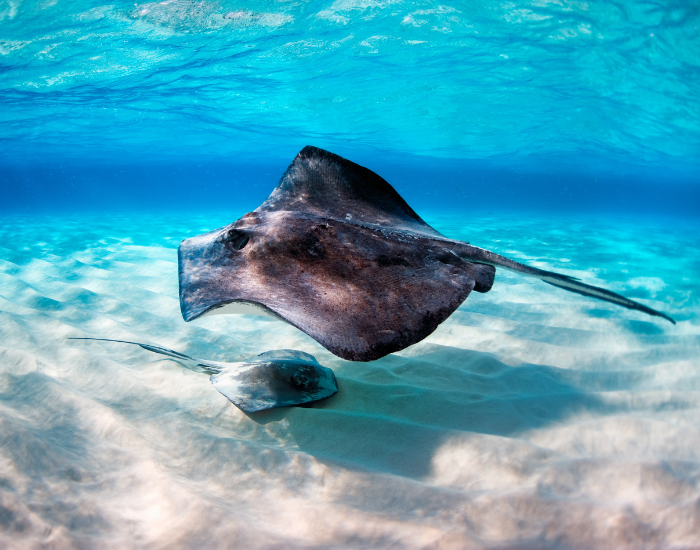
By feeding on benthic animals, stingrays stir up sediment on the ocean floor. Therefore, they cycle nutrients and influence seafloor ecosystems. Some scientists consider them “ecosystem engineers” because of this important role. In addition, many rays help control populations of mollusks and crustaceans.
11. Stingray Distribution Around the World
They’re widely distributed across tropical and subtropical waters:
Atlantic stingray – Found along western Atlantic coasts, sometimes entering brackish estuaries
Southern stingray – Common throughout the Caribbean and western Atlantic shallow waters
Yellow stingray – Inhabits tropical western Atlantic regions
Blue spotted stingray – Thrives in Indo-Pacific coral reefs
Round stingrays – Abundant in the eastern Pacific, especially near California beaches
12. Conservation Challenges
According to the International Union for Conservation of Nature (IUCN), many stingray species face threats. They’re vulnerable mostly due to bycatch, habitat destruction, and demand in the aquarium trade. In addition, some populations suffer from overfishing and pollution.
Protecting them requires marine protected areas, sustainable fishing practices, and responsible ecotourism. Therefore, conservation efforts must address multiple threats simultaneously.
10 Main Types of Stingrays
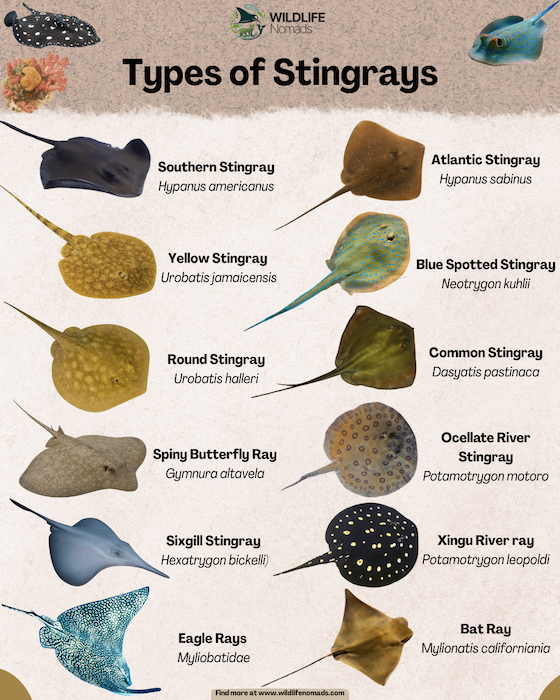
Now that we’ve explored their biology, let’s meet some notable types. These stingray family members represent the diversity found worldwide.
1. Southern Stingray (Hypanus americanus)
Found throughout the Caribbean and western Atlantic, divers often encounter this species. Southern stingray populations inhabit shallow coastal waters and sandy bottoms. They’re among the most commonly observed large stingrays in these regions.
2. Atlantic Stingray (Hypanus sabinus)
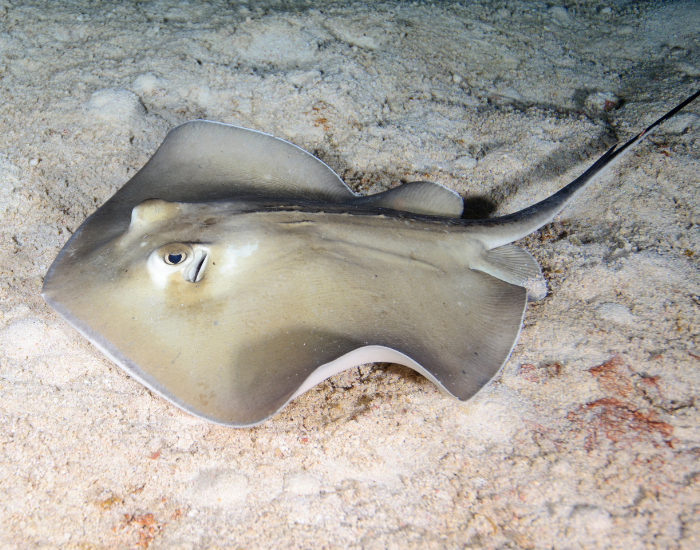
This small stingray lives along the U.S. Atlantic coast. However, it sometimes enters fresh water in river mouths. Atlantic stingray specimens adapt well to changing salinity levels.
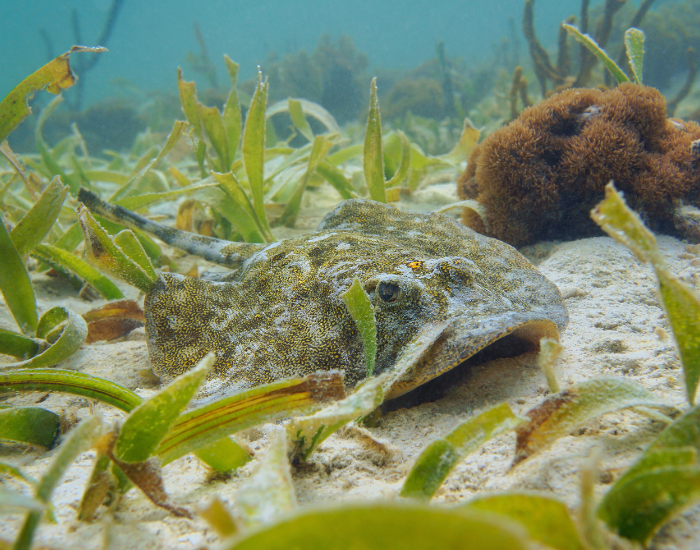
3. Yellow Stingray (Urobatis jamaicensis)
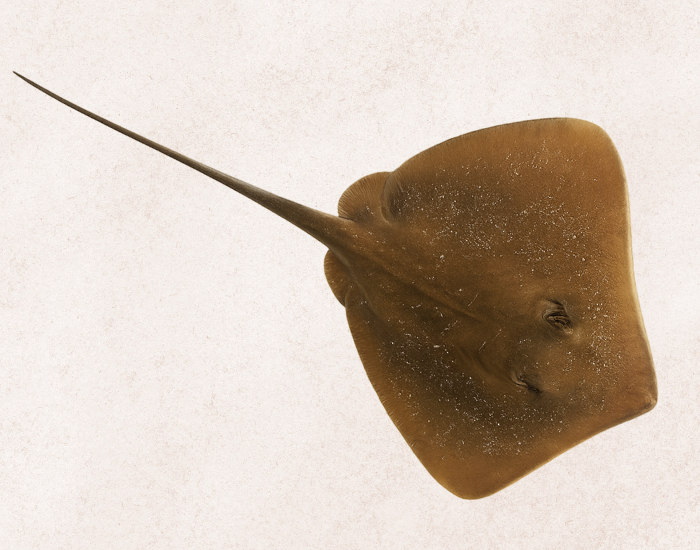
Brightly patterned yellow stingrays inhabit warm western Atlantic waters. Their distinctive coloring makes them easily identifiable. In addition, they prefer sandy and muddy bottoms.
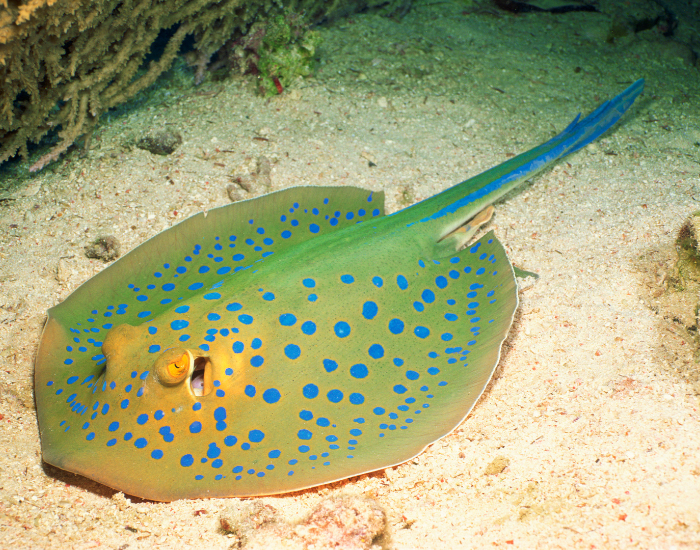
4. Blue Spotted Stingray (Neotrygon kuhlii)
This famous Indo-Pacific species displays electric blue spots across its body. Blue spotted stingray populations thrive near coral reefs. Therefore, snorkelers frequently photograph them in shallow tropical waters.
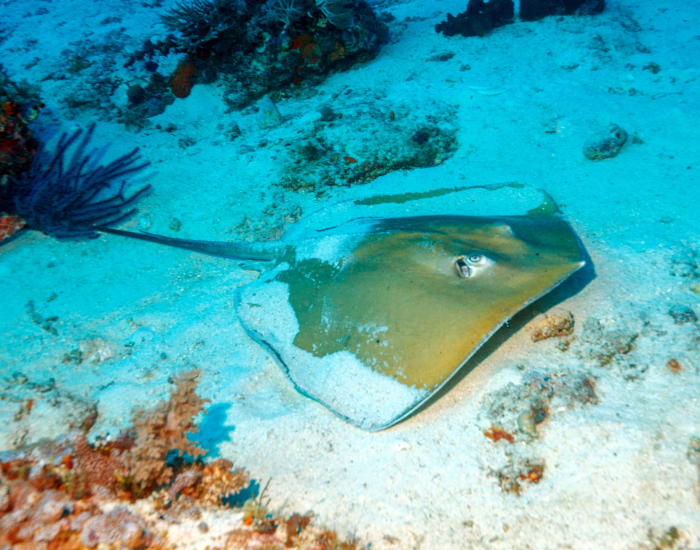
5. Round Stingray (Urobatis halleri)
Common throughout the eastern Pacific, round stingrays concentrate around California beaches. Consequently, beachgoers should shuffle their feet when entering water to avoid stepping on them.

6. Whiptail Stingrays (Family Dasyatidae)
This diverse stingray family includes species with long whip-like tails. Whiptail stingrays inhabit oceans worldwide. Many rays in this family possess powerful tail spines for defense.
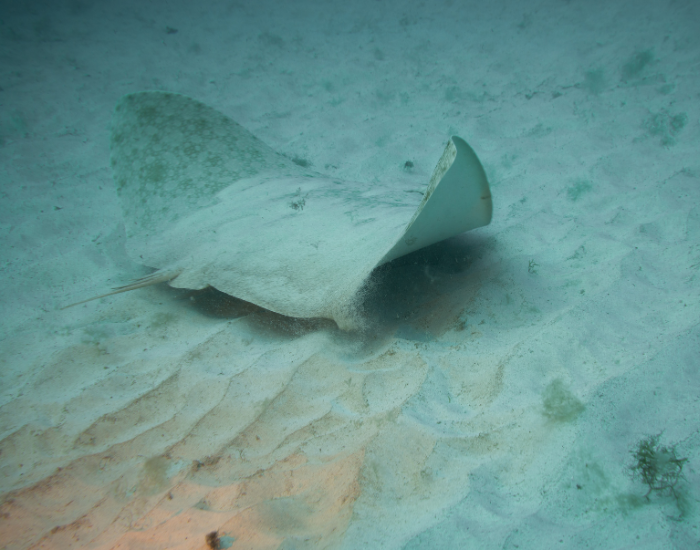
7. Spiny Butterfly Ray (Gymnura altavela)
Large stingrays like this species have flat bodies resembling butterfly wings. You’ll find them in the Atlantic and Mediterranean Sea. However, their populations have declined in recent decades.
8. Ocellated River Stingray (Potamotrygon motoro)
This freshwater stingray displays striking eye-like spots across its body. Native to South American rivers, it represents the freshwater stingray family well. In addition, aquarium enthusiasts prize this species for its unique appearance.

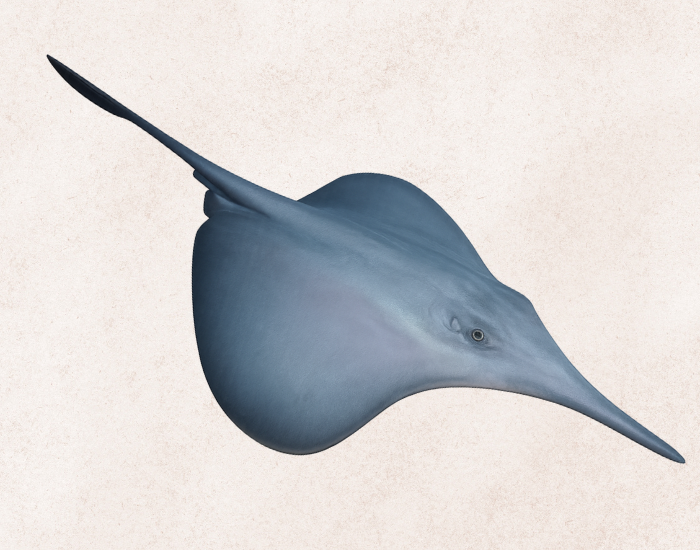
9. Sixgill Stingray (Hexatrygon bickelli)
This deep-sea stingray possesses unusual six gill slits instead of five. Found in the Indo-Pacific, it inhabits depths where few other rays venture. Therefore, scientists rarely observe this species in its natural habitat.
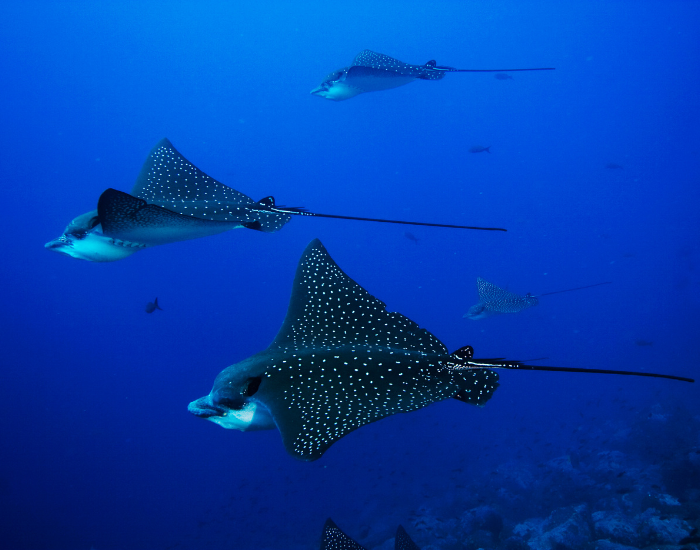
10. Eagle Rays (Family Myliobatidae)
While not true stingrays, eagle rays are close shark relatives often confused with them. These graceful swimmers have long tails and sometimes venomous spines. In addition, they’re known for their elegant swimming style and large pectoral fins.
The Importance of Tropical and Subtropical Waters
Tropical waters provide ideal conditions for most stingray species. Warmer waters support abundant prey populations and offer comfortable temperatures. Subtropical waters also host diverse ray communities, particularly in coastal regions.
The Mediterranean Sea, western Atlantic, and Indo-Pacific all harbor rich stingray populations. However, these habitats face increasing pressure from human activities. Therefore, protecting these waters becomes crucial for stingray survival.
FAQs About Stingrays
Yes, most people survive stingray stings with proper treatment. Stings cause painful injuries but are rarely fatal. However, prompt medical care remains important to prevent infection and manage pain.
Stingray venom is toxic but not “poisonous” in the traditional sense. The venom delivers through tail spines rather than ingestion. Therefore, the correct term is “venomous” rather than “poisonous.”
Stingrays live in tropical and subtropical waters worldwide. Most species inhabit shallow coastal waters, though some thrive in rivers. In addition, certain species occupy the Mediterranean Sea and Australian waters.
No, stingrays are docile animals that avoid confrontation. They sting only in defense when threatened or accidentally stepped on. Therefore, most encounters remain peaceful when proper precautions are taken.
Stingrays are carnivores that feed exclusively on animal prey. Their diet consists of small fish, mollusks, crustaceans, and other marine invertebrates. Strong jaw teeth help them crush hard-shelled prey.
The tail carries sharp, venomous spines that can inflict serious injuries. Tail spines are serrated and covered in toxic mucus. Therefore, touching or grabbing a stingray’s tail risks painful stings.
No, stingrays give birth to live young through internal fertilization. Females carry developing embryos for extended gestation periods. This reproductive strategy differs from egg-laying fish species.
In some regions, people consume stingray meat as food. However, overfishing makes this practice unsustainable in many areas. Therefore, responsible consumption considers conservation status.
The gestation period varies by species but can last up to 12 months. This long development time limits reproductive rates. Consequently, overfishing can quickly deplete populations.
More Than Just a Tail Spine
Stingrays embody the balance between beauty and danger in the ocean. From round stingrays near California shores to dazzling blue spotted stingrays in the Indo-Pacific, they inhabit diverse habitats worldwide. Sandy bottoms, shallow coastal waters, and even freshwater rivers host these remarkable shark relatives.
Learning about stingray habitats, diets, and conservation needs deepens our respect for these animals. Their role as bottom dwellers and ecosystem engineers makes them vital to marine health. In addition, understanding their behavior helps us coexist safely.
Next time you snorkel in shallow waters or dive on a coral reef, remember this: that ripple in the sand might not be just sand movement. It could be one of the ocean’s most fascinating creatures gliding silently beneath you. Therefore, watch your step, admire from a distance, and appreciate these ancient animals that have thrived for millions of years.
Further Reading
- 12 Fascinating Facts About Whale Sharks You’ll Never Forget
- Best Places to Swim With Sharks: Top 11 Diving Destinations