

The kiwi bird (Apterygidae genus Apteryx) is one of the strangest and most captivating bird species of New Zealand and on Earth. Belonging to the Apterygidae family, this small, flightless bird is packed with oddities: hair-like kiwi feathers, nostrils at the tip of its long beak, and kiwi eggs so massive they defy logic. Together with tuataras, the kiwi is a living symbol of how isolation shaped New Zealand’s wildlife into something found nowhere else on Earth.
In this post, I’ll share 13 fun facts about the kiwi bird, weaving science and conservation. Let’s dive in.
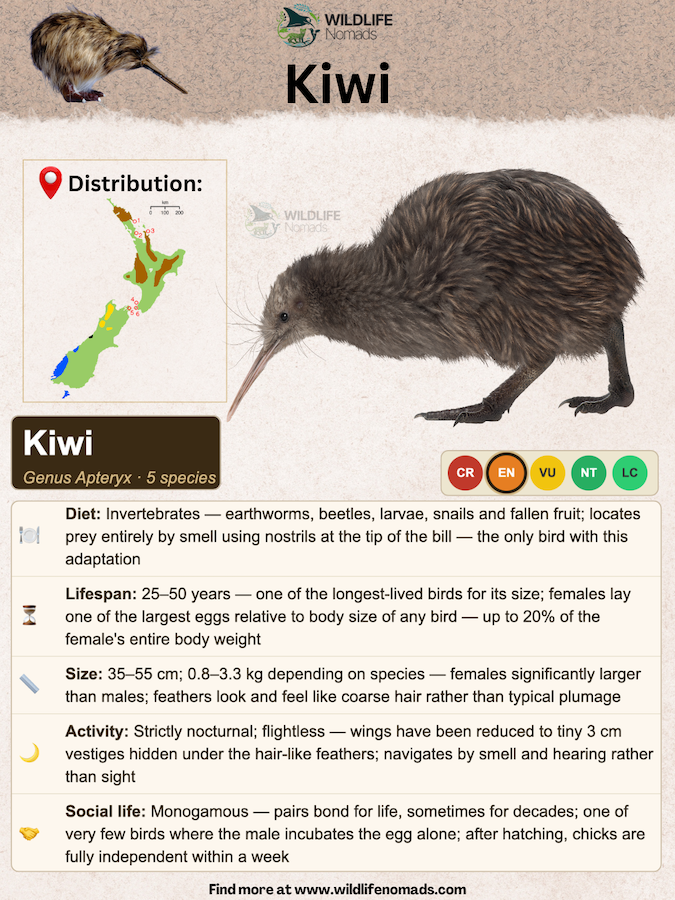
1. Kiwi Birds Are Flightless Yet Fierce
Kiwi birds are part of a unique group of flightless birds called ratites, which includes ostriches, cassowaries, emus, and the extinct moa. Unlike their towering cousins, kiwis are small, about the size of a domestic chicken, but their strong legs pack a punch. In fact, kiwi legs make up a third of their body weight, helping them dig for food and defend themselves.
Despite their tiny wings (barely visible under feathers), kiwis are not weak. Their legs are so powerful that Māori hunters once used their bones for tools and weapons. These birds have developed a sense of smell so acute that they can locate food buried deep in soil and leaf litter.
While adult kiwi are strong and can defend themselves, they are still particularly vulnerable to predation by dogs, which pose a significant threat to their survival.
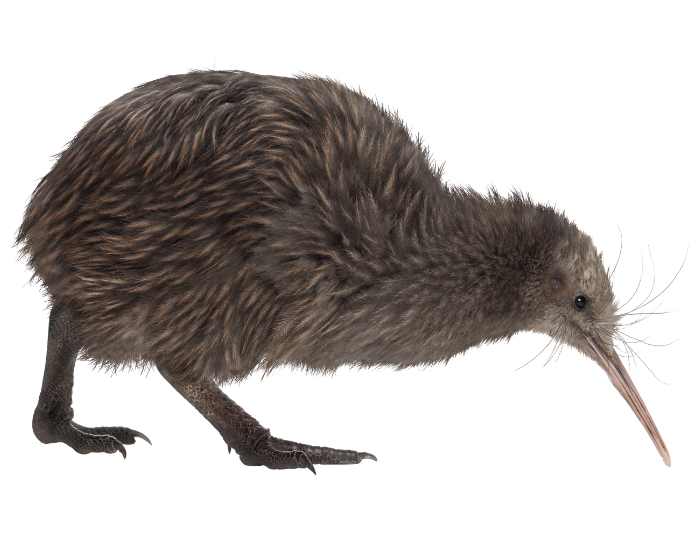
2. They Have Hair-Like Feathers Unlike Other Birds
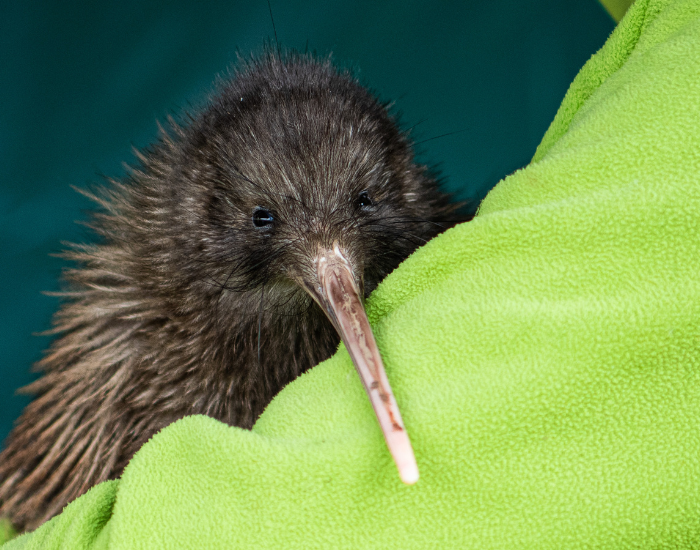
One of the strangest things about kiwi birds is their feathers, which look more like hair than typical plumage. These shaggy kiwi feathers give them a mammal-like appearance that sets them apart from other birds.
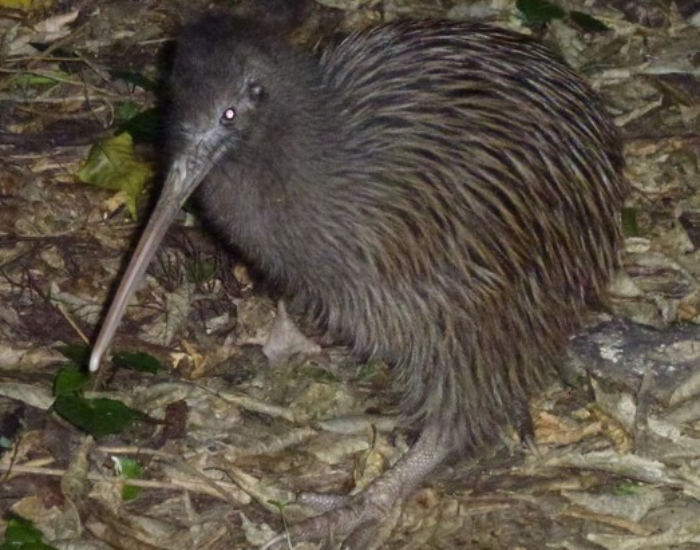
Walking through the forest floor at night in New Zealand, I remember spotting a brown kiwi rustling through the leaf litter. The moonlight revealed its fluffy coat, it looked more like a hedgehog than a bird. This unusual feather structure provides excellent camouflage on the forest floor, protecting them from predators while they forage for insects and other food.
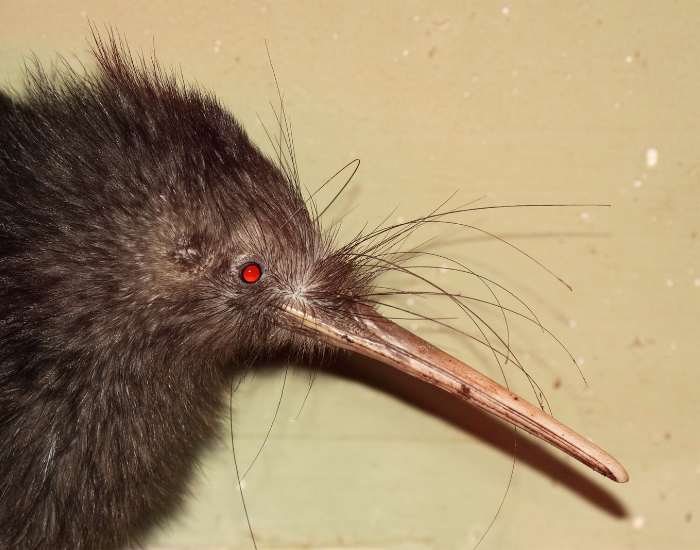
3. A Super-Sniffer with Long Beaks and Developed Sense of Smell
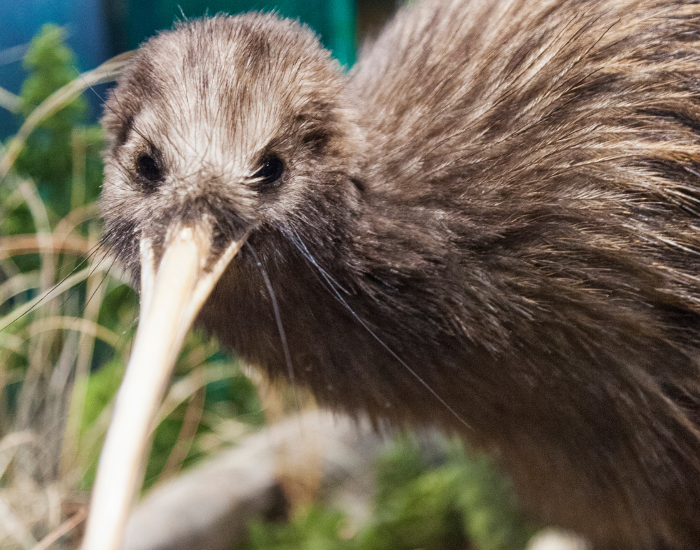
Unlike most birds, kiwi birds rely on a very good sense of smell rather than sharp eyesight. They are the only bird with nostrils placed at the very tip of their beak, an adaptation that lets them sniff out insects, worms, and grubs beneath the soil. Compared to the animals with the best sense of sight, kiwis took the opposite evolutionary route, trading vision for a good sense of smell that rivals many mammals.
Watching a kiwi probe the forest floor is like watching a detective at work. They poke their beak deep into the ground, detect vibrations, and locate food with uncanny precision. Due to their underdeveloped eyesight, kiwis rely heavily on their other senses, touch, hearing, and smell, to navigate and forage in the dark. Their ability to find food in complete darkness makes them incredibly efficient nocturnal foragers.
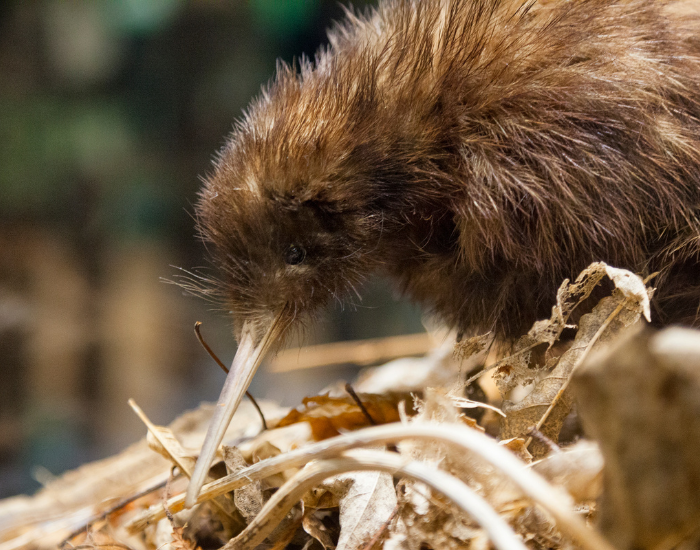
4. Kiwi Birds Are Nocturnal with Special Habits
Kiwis are classic nocturnal animals, and they belong to a small club of nocturnal birds that emerge at night to forage. During the day, they rest in burrows, hollow logs, or dense undergrowth. Their nocturnal habits are aided by whisker-like feathers near their beak, which act like cat whiskers to feel their way through the dark. Most birds are active during the day, so seeing a kiwi rustling through the leaf litter under starlight feels almost mammalian.
5. Kiwi Bird Diet and Foraging: Masters of the Forest Floor
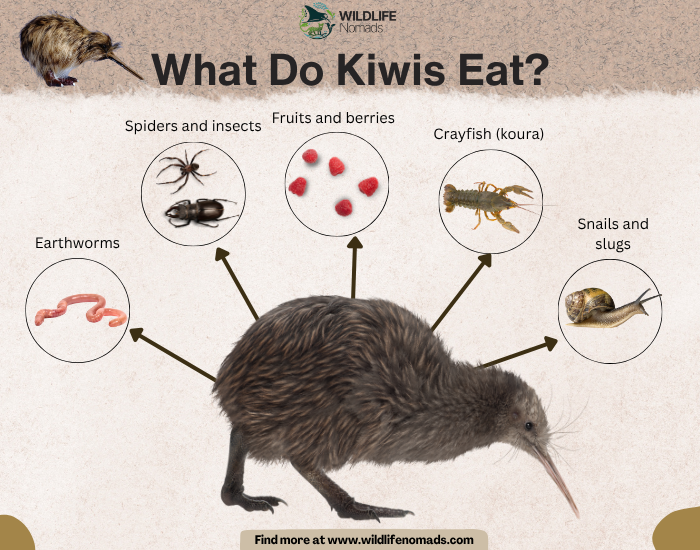
Kiwi birds are true specialists when it comes to finding food on the forest floor. Their diet is made up primarily of insects, earthworms, and other small invertebrates that live in the rich soil and leaf litter of New Zealand’s forests. Whether it’s the North Island brown kiwi, the Okarito brown kiwi, or the elusive little spotted kiwi, each species relies on its long beak and developed sense of smell to locate food hidden beneath the surface.
Watching a kiwi forage is a lesson in patience and precision. With their sensitive nostrils positioned at the tip of their beaks, kiwi birds probe deep into the soil, detecting the faintest scent of insects or worms. This remarkable adaptation sets them apart from most birds, which typically rely on sight to find food. Even kiwi chicks, which hatch from some of the largest eggs relative to body size in the bird world, are born with this keen sense of smell. From their very first days, they can find food on their own, giving them a crucial advantage in the wild.
6. Kiwi Birds Lay the Largest Eggs Relative to Body Size
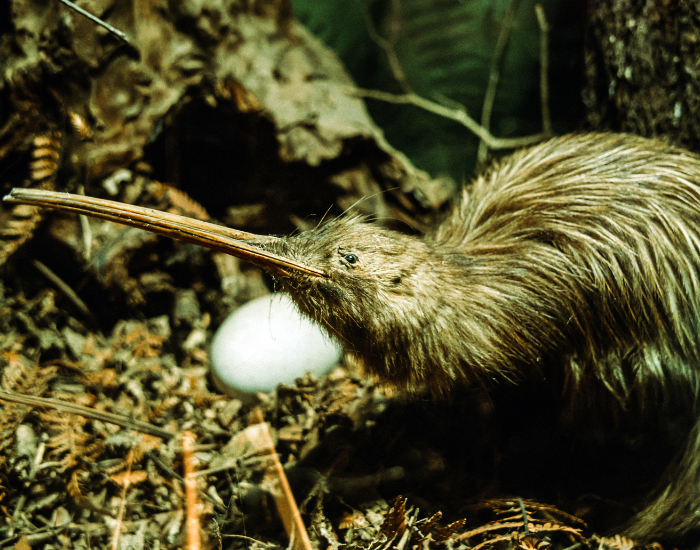
If there’s one fact about kiwi birds that blows people’s minds, it’s this: the female kiwi lays a single egg that represents one of the largest eggs in proportion to body size of any bird. One egg can weigh up to 20% of her body weight. That’s like a human giving birth to a six-year-old child! This huge egg is a remarkable adaptation, making the kiwi’s reproductive process unique among birds.
This massive egg gives the kiwi chicks a significant head start in life, hatching fully feathered and able to forage on their own. The kiwi eggs are so large that they contain enough nutrients to sustain the developing chick for the extended incubation period. Unlike domestic hens, in which many eggs are laid throughout the year, the female kiwi typically lays only one or two kiwi eggs per season, reflecting their unique reproductive strategy.
7. Male Kiwis Provide Exceptional Parental Care Through Incubation
In many kiwi species, once the female lays her egg, the male kiwi incubates it, sometimes for up to 80 days. During this time, he barely eats, losing a significant portion of his body weight. It’s an incredible act of parental care rarely seen in the bird world.
The male incubates the egg with dedication that puts many other bird species to shame. This reversal of roles reminded me of watching seahorse fathers carry babies in marine biology research. Nature loves to challenge stereotypes, and male kiwis are perfect examples of devoted fathers.
8. Five Distinct Kiwi Species Call New Zealand Home
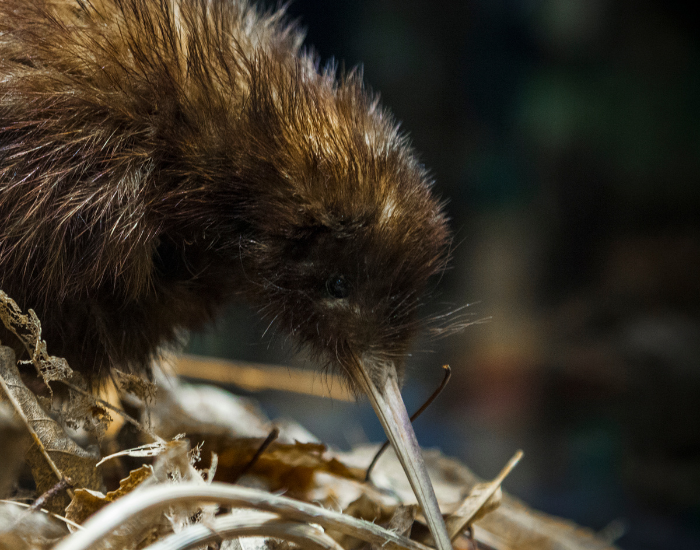
New Zealand is home to five distinct species of kiwi birds, each with unique characteristics:
- North Island Brown Kiwi (Apteryx mantelli) — The most common species, found across the North Island.
- Okarito Brown Kiwi (Apteryx rowi) — The rarest, found only on the West Coast of the South Island.
- Southern Brown Kiwi / Tokoeka (Apteryx australis) — Also known as the South Island brown kiwi, with strongholds in Fiordland and Stewart Island.
- Great Spotted Kiwi (Apteryx haastii) — The largest of all kiwi species, native to the South Island’s mountains.
- Little Spotted Kiwi (Apteryx owenii) — The smallest little spotted kiwi populations now survive mostly on predator-free offshore islands.
Conservation efforts often focus on the two species with the most critical population declines, but it’s important to protect all kiwi species to ensure their survival, not only kiwi species themselves, but also the broader forest ecosystems they shape.
Each kiwi species has evolved specific adaptations. For example, Apteryx rowi (the Okarito brown kiwi) was only recognized as distinct in the 1990s, and fewer than 600 remain today. The great spotted kiwi thrives in mountainous regions, while Apteryx australis and other species prefer lowland and coastal forests.

9. Kiwis Face Endangered Species Status Due to Multiple Threats
Sadly, kiwi birds are classified as an endangered species, with kiwi populations declining due to habitat destruction and introduced predators like stoats, cats, and dogs. The biggest threat to kiwi survival comes from these invasive predators that New Zealand’s native birds never evolved to handle. The greatest threat to kiwi survival remains the combination of predation by introduced species and ongoing habitat destruction.
According to the Department of Conservation (DOC), kiwi populations drop by about 2% annually without intervention. Conservation efforts like Operation Nest Egg, where kiwi eggs are hatched in safe facilities before kiwi chicks are released into the wild, are crucial to reversing this decline and protecting these unique birds. Other endemic species like the kea, the world’s only alpine parrot, face similar pressures across the South Island.
10. Kiwi Birds Evolved in Isolation – A Closest Relative Surprise
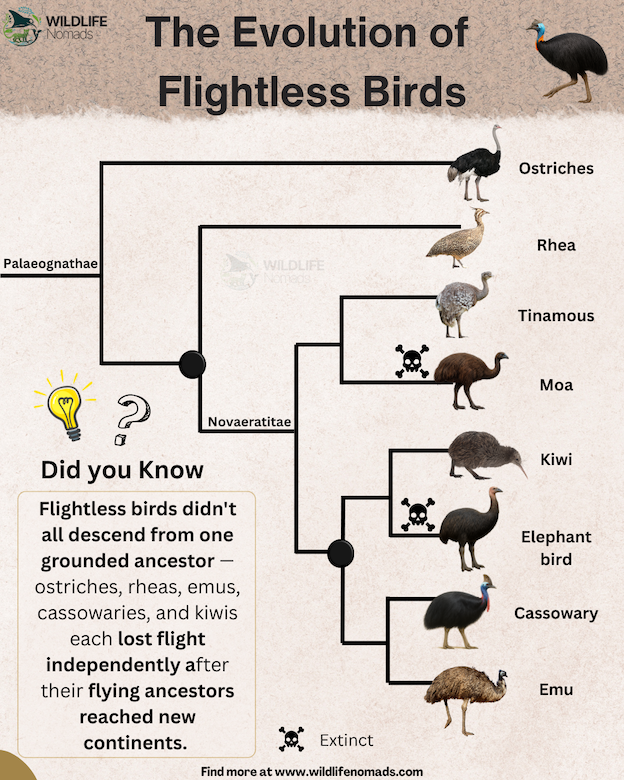
The kiwi’s ancestors likely flew to New Zealand millions of years ago before losing flight through evolution. Interestingly, their closest relative isn’t another small bird, but the massive, extinct elephant bird of Madagascar, a connection that surprised scientists studying how the kiwi evolved.
Evolution in isolation turned the kiwi into a bizarre package of traits: nocturnal habits, a mammal-like coat, and the world’s largest eggs relative to body size. This evolutionary journey created one of the most unique birds on our planet.
11. Kiwis Are Cultural Treasures and National Symbols of New Zealanders
The kiwi bird isn’t just a species, it’s an identity. New Zealanders proudly call themselves “Kiwis,” and the bird appears on coins, logos, and military badges throughout the country. The Māori name is pronounced “kee-wee,” echoing the male’s high, whistling call that pierces the night forest.
The nickname “Kiwis” for New Zealanders became popular during World War I and World War II, when New Zealand soldiers were identified by the kiwi symbol on their uniforms.
When I lived briefly in Wellington, I noticed how deeply the kiwi is woven into daily life. Locals spoke about kiwi conservation the way Australians talk about koalas, it’s more than biology; it’s cultural heritage. The connection between New Zealanders and these remarkable birds runs deeper than most realize.
12. Kiwi Birds Have Tiny Wings but Incredibly Strong Legs
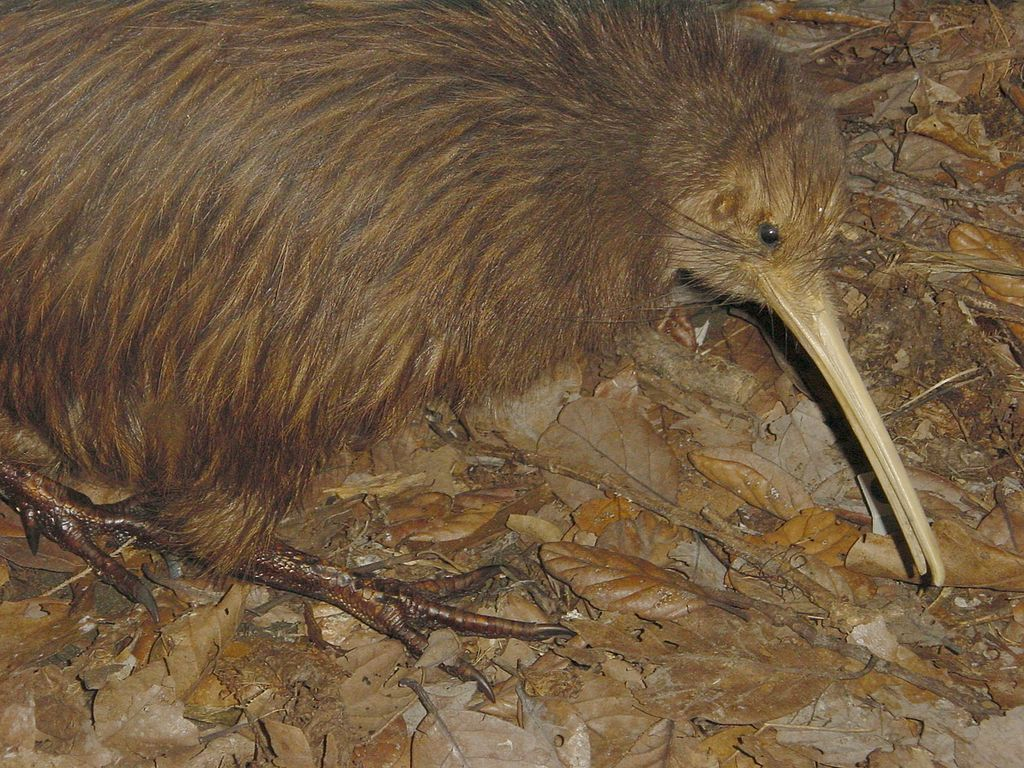
While their tiny wings are useless for flight, kiwis have remarkably strong legs that help them dig, run short distances, and fight off threats. Their bones are solid (unlike most other birds, which have hollow bones), making them surprisingly heavy for their body size.
These powerful legs, combined with their body weight, make kiwis formidable despite their small stature. The strength of their legs allows them to kick predators and dig extensive burrows for shelter and nesting.
13. Zoos and Sanctuaries Play Crucial Roles in Kiwi Conservation
Although wild survival remains the ultimate goal, zoos and sanctuaries worldwide play vital roles in kiwi conservation. The Smithsonian’s National Zoo and San Diego Zoo have had remarkable success with kiwi breeding programs, while New Zealand sanctuaries like Zealandia and Stewart Island offer predator-free havens. At the Smithsonian’s National Zoo, brown kiwi are provided with a specialized diet of pellets, vegetables, and insects to support their health and breeding.
FAQs About Kiwi Birds
Kiwis have disappeared from regions of New Zealand due to introduced predators like stoats, ferrets, and dogs, as well as habitat loss. They aren’t extinct overall, but some local populations have vanished completely.
Current estimates suggest around 68,000 kiwi birds remain in the wild across all five species, though numbers continue shrinking without active protection and conservation intervention.
The kiwi bird is unique for its nocturnal habits, hair-like feathers, giant eggs, exceptional sense of smell, and strong cultural symbolism. It’s unlike any other bird species on Earth.
Both! The kiwi fruit was named after the bird in the early 20th century because of its brown, fuzzy skin resembling kiwi feathers.
Kiwi chicks begin foraging for insects, worms, and grubs immediately after hatching, using their inherited ability to locate food through their developed sense of smell.

Protecting the Kiwi Bird’s Future
The kiwi bird represents more than just an oddball of evolution, it’s a living treasure that embodies the unique natural heritage of New Zealand. The survival of these remarkable birds depends on our collective ability to control predators, restore habitats, and support ongoing conservation projects.
If you’re visiting New Zealand, support kiwi conservation by joining guided night tours, visiting sanctuaries, or donating to organizations like Kiwis for Kiwi. Every effort helps ensure that haunting nighttime call continues echoing through New Zealand’s forests for generations to come. The future of these extraordinary birds rests in our hands, and together, we can ensure their survival for centuries ahead.
Where to see kiwis in the Wild?
Here is a list of 3 tours in New Zealand where you can see Kiwis! As a biologist, I only recommend tours that follow strict ethical guidelines to ensure we don’t disturb wildlife. These are the tours/ partners I trust most based on their conservation records:
This website is reader-supported. When you buy experiences through links listed on this site, we may earn an affiliate commission.
References:
Burbidge, M. L., Colbourne, R. M., Robertson, H. A., & Baker, A. J. (2003). Molecular and other biological evidence supports the recognition of at least three species of brown kiwi. Conservation Genetics, 4(2), 167–177. https://doi.org/10.1023/A:1023386506067
Cunningham, S., Castro, I., & Alley, M. (2007). A new prey-detection mechanism for kiwi (Apteryx spp.) suggests convergent evolution between paleognathous and neognathous birds. Journal of Anatomy, 211(4), 493–502. https://doi.org/10.1111/j.1469-7580.2007.00786.x
Corfield, J. R., Eisthen, H. L., Iwaniuk, A. N., & Parsons, S. (2014). Anatomical specializations for enhanced olfactory sensitivity in kiwi, Apteryx mantelli. Brain, behavior and evolution, 84(3), 214–226. https://doi.org/10.1159/000365564
Mitchell, K. J., Llamas, B., Soubrier, J., Rawlence, N. J., Worthy, T. H., Wood, J., Lee, M. S. Y., & Cooper, A. (2014). Ancient DNA reveals elephant birds and kiwi are sister taxa and clarifies ratite bird evolution. Science, 344(6186), 898–900. https://doi.org/10.1126/science.1251981
Robertson, H. A., Baird, K. A., Elliott, G. P., Hitchmough, R. A., McArthur, N. J., Makan, T. D., Miskelly, C. M., O’Donnell, C. F. J., Sagar, P. M., Scofield, R. P., Taylor, G. A., & Michel, P. (2021). Conservation status of birds in Aotearoa New Zealand, 2021. New Zealand Threat Classification Series 36. Department of Conservation. https://www.doc.govt.nz/globalassets/documents/science-and-technical/nztcs36entire.pdf
Shepherd, L. D., & Lambert, D. M. (2008). Ancient DNA and conservation: Lessons from the endangered kiwi of New Zealand. Molecular Ecology, 17(9), 2174–2184. https://doi.org/10.1111/j.1365-294X.2008.03749.x


#/media/File:Okarito_kiwi_2.jpg)
