
Curiosity Meets Citizen Science
I’ve often stumbled upon animals that sparked both fascination and fear. Sometimes it was a rare bird that made me pause in awe. Other times, it was a snake slithering across the path that made my heart race. What struck me most was how differently people reacted, some panicked, others froze, and a few leaned in to observe.
That raw curiosity, the urge to learn and record, is exactly what drives citizen science. But what is citizen science really? The way one defines citizen science can vary, but most formal definitions emphasize public engagement in scientific collaboration, tracing its origins to both legal and conceptual interpretations by organizations and scholars.
At its core, citizen science meaning is simple: it’s when everyday people contribute to real science by collecting data, analyzing results, or even helping to shape research questions. In this way, citizen science allows the public to participate in the scientific process, including forming research questions, gathering and analyzing data, and drawing conclusions. This collaboration between professional scientists and the public is also called community science, participatory science, or scientific citizenship. The public’s involvement in forming research questions is a key aspect that distinguishes citizen science from other types of scientific outreach.

Citizen Science Definition and Meaning
Here’s the citizen science definition in plain words:
- Citizen Science: Public participation in scientific research, where volunteers help collect, analyze, and sometimes interpret data.
- Citizen Scientist: A non-professional who contributes to science. Some call them amateur scientists, science citizens, or part of a citizenship science movement.
- Why It Matters: It expands the reach of scientific research while building trust between communities and scientists.
Whether you’re logging bird sightings or uploading frog calls, you’re part of conducting scientific experiments that expand scientific knowledge.
Citizen Science Examples
Citizen science projects exist in nearly every field. Here are a few:
- Bird Migration: Programs like the “Cornell Lab’s eBird” rely on volunteers for tracking species across continents. They could be birders from their backyards.
- Air Quality: Communities collect air quality data to help government agencies identify pollution hotspots.
- Galaxy Zoo: Volunteers classify galaxies online, proof that astronomy benefits from online communities. Many citizen scientists observe the night sky, contributing valuable data to astronomy projects.
- Local Frogs: Apps let citizens upload frog calls, aiding biodiversity research. This is a local project that highlights the importance of community-based citizen science for collecting region-specific data. A good example is climate watch in Australia:
- Climate Change: Extreme citizen science projects in vulnerable areas document shifting seasons, flooding, and species migration. These initiatives help study the effects of global warming by engaging citizens in climate-related data collection.
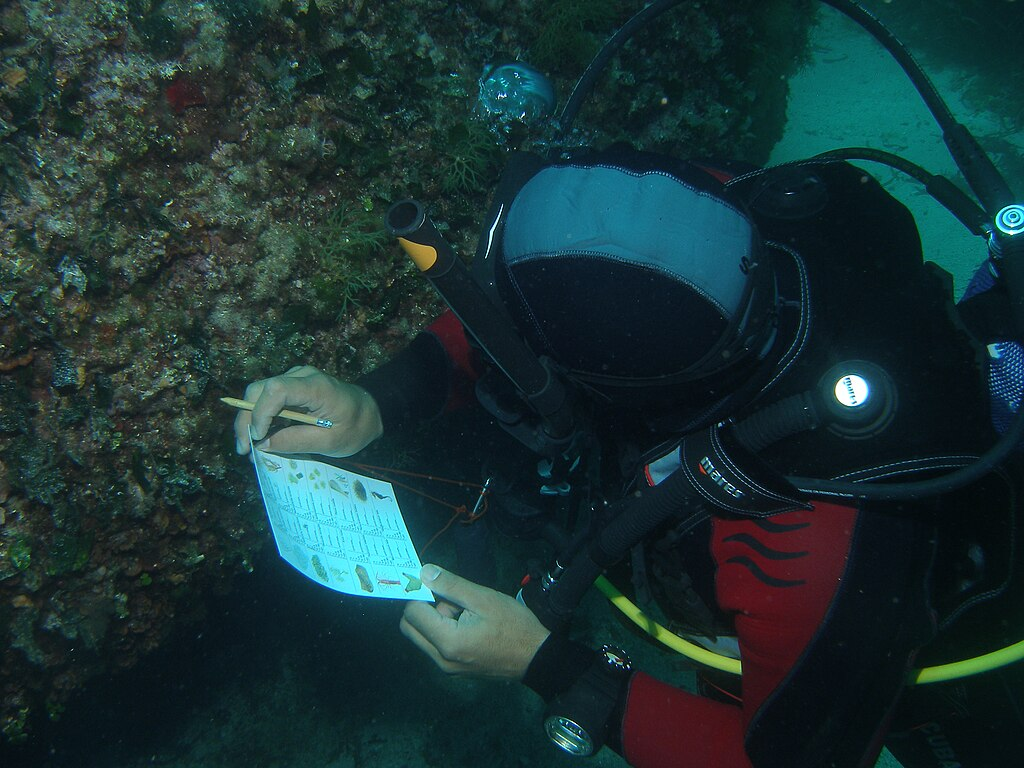
- Coral Reefs: Divers contribute photos of coral bleaching, helping both scientists and international organizations monitor reefs.
Such projects demonstrate the wide range and impact of citizen science initiatives in supporting research, environmental monitoring, and conservation.
These are not just side activities, they’re critical pieces of resource management, environmental issues, and conservation.
Different Types of Citizen Science
Researchers generally recognize three types of citizen science projects:
- Contributory: Participants focus on data collection (e.g., bird counts).
- Collaborative: Volunteers help analyze or refine research questions.
- Co-Created: Communities and professional researchers design projects together.
Some even talk about crowdsourced science or crowdsourcing and citizen science, where the public’s collective effort makes once-impossible studies achievable.
These diverse models illustrate the range of citizen science approaches, from participatory data collection to collaborative project design.
Getting Started with Citizen Science
Jumping into a citizen science project is easier than ever, thanks to a wealth of resources and technology that put scientific research at your fingertips. Whether you’re fascinated by bird migration, curious about air quality in your neighborhood, or eager to help analyze data from distant galaxies, there’s a citizen science program for you.
Many citizen science projects are designed to be accessible to everyone, regardless of experience. Platforms like SciStarter and Zooniverse offer a wide variety of projects—some you can do from your backyard, others from your smartphone or computer. For example, the Galaxy Zoo project invites citizen scientists to help classify images of galaxies, contributing to our understanding of the universe. If you’re more interested in wildlife, the Cornell Lab’s Citizen Science program provides hands-on experience in collecting data on birds and other species.
Getting started is as simple as choosing a project that matches your interests. Many projects have user-friendly apps for iOS and Android devices, making it easy to record observations, upload photos, or enter data on the go.

Finding Citizen Science Opportunities
Discovering the right citizen science opportunity is just a few clicks away. The official government website, Citizenscience.gov, is a comprehensive resource, offering a searchable catalog of federally supported citizen science projects. Here, you’ll also find toolkits for federal practitioners and a community gateway for coordinators, making it easy to get involved in scientific research that matters.
For those interested in volunteering with the federal government, Volunteer.gov lists a range of citizen science projects and other volunteer opportunities. Many government agencies, such as the National Science Foundation, National Geographic, and the Smithsonian Institution, run their own citizen science programs, inviting public participation in everything from biodiversity surveys to archaeological digs.
And because citizen science is as much about sharing perspectives as it is about collecting data, I’m also inviting you to join my own project.
Join My Citizen Science Survey
Reading about citizen science is one thing, taking part is another. I’m currently running a short survey to explore how Perceptions of Australia’s Dangerous Animals! Your responses will help shape future projects and highlight the power of community science in action.
👉It only takes a few minutes, and every voice adds to the bigger picture.
Citizen Science and Government Support
Many assume citizen science is grassroots only, but governments have embraced it too.
- In the U.S., the federal government supports projects through the National Science Foundation and other federal agencies.
- The Citizen Science Act in some countries formalizes guidelines and funding. For example, the European Union published a Green Paper on Citizen Science to foster stakeholder interaction, dialogue, and policy development in this sector.
- Federal practitioners and government agencies collaborate with local volunteers to improve data quality and public participation.
This recognition shows how citizen science efforts feed into policy, research funding, and long-term natural resource management. Citizen science is increasingly being recognized for its rightful place in shaping both scientific and civic landscapes.

Funding and Support for Citizen Science
The growth and success of citizen science projects depend on strong funding and support from a variety of sources. The federal government, through agencies like the National Science Foundation, provides essential funding for scientific research and education initiatives that involve citizen scientists. The passage of the Crowdsourcing and Citizen Science Act has further encouraged federal agencies to collaborate with the public, creating more opportunities for crowdsourcing and citizen science across the country.
Support doesn’t stop with the government. Private foundations, corporations, and individual donors also play a vital role in funding citizen science projects. Organizations like the Citizen Science Association foster communication and collaboration between scientists and citizen scientists, offering resources, working groups, and guidance for new and ongoing projects. Platforms such as SciStarter help connect projects with funding opportunities and volunteers, ensuring that citizen science efforts continue to thrive.
The Role of Citizen Scientists
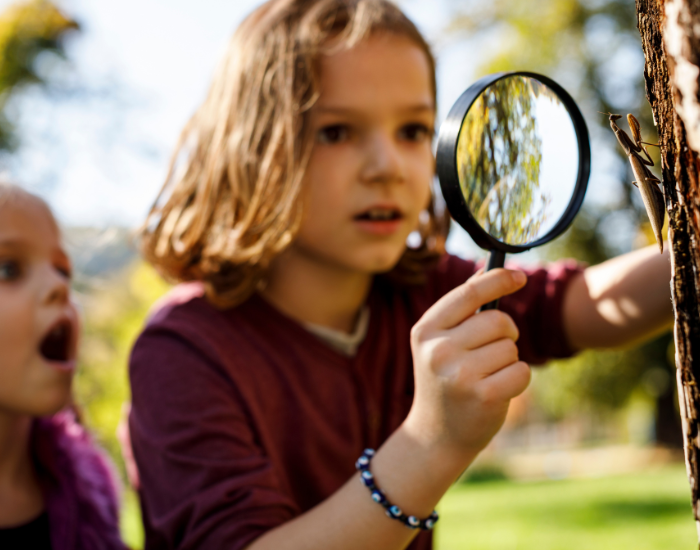
Behind every project are citizen science volunteers, ordinary people with extraordinary dedication.
- Who Participates? Retirees, teachers, hikers, environmental advocates, students, and even amateur astronomers.
- Motivations: Love of nature, curiosity, or wanting to make a difference in climate change and environmental issues.
- Contributions: From collecting data to analyzing data or entering observations into databases. Volunteer monitoring is a key way community members contribute to environmental and scientific data collection, supporting research and protection efforts.
Volunteers are the backbone of this movement, helping increase scientific knowledge in ways professionals couldn’t achieve alone. Citizen science offers a valuable volunteer opportunity for anyone interested in making a difference.
Citizen Science Platforms and Online Communities
If you’re ready to dive in, these platforms connect volunteers with projects:
- Zooniverse: One of the largest hubs for online community science projects.
- SciStarter: A database with thousands of projects and volunteer opportunities.
- Cornell Lab of Ornithology: Leading bird migration and biodiversity studies.
- National Geographic Projects: Field-based initiatives linking community science with global storytelling.
Benefits of Citizen Science
Citizen science provides unique benefits for science, society, and volunteers:
- Cost effectiveness: Citizen science projects can maximize the scientific and societal return on investment by enabling the collection of high-quality data and research outcomes efficiently and economically. This approach leverages public participation to achieve results that might otherwise require significantly more resources.
Scientific Research
- Expands scientific experiments beyond what labs could do.
- Provides cost-effective data collection across regions.
- Supports developing technologies like AI for species recognition.
Government and Policy
- Federal agencies use citizen data to shape environmental regulations.
- Improves resource management and long-term sustainability strategies.
Volunteers
- Hands-on experience in real science.
- Skills in research questions, analyzing data, and data collection.
- Connection to both local and global communities.
Citizen Science in Education
When I taught biology, I noticed how alive students became outside the classroom. Observing bats at dusk or listening to frogs sparked more wonder than any textbook ever could.
Today, teachers use citizen science as part of education:
- Students collect water samples to study environmental issues.
- High schools join climate studies, feeding into federal community databases.
- Universities integrate participatory science into curriculum.
This educational role of citizen science fosters curiosity, builds scientific skills, and encourages public involvement.
Common Questions About Citizen Science
Generally no—they’re volunteers. The reward is contributing to real science and conservation.
Yes. Many prefer community science as it feels more inclusive.
It’s the idea that anyone can take part in research, building a culture of shared responsibility.
Yes—many citizen science projects are designed for families and classrooms.
Absolutely. It has powered discoveries published in peer-reviewed journals.
Challenges of Citizen Science
No system is perfect, and citizen science has hurdles:
- Data quality concerns, though training helps.
- Time-consuming entry of large datasets.
- Limited funding opportunities.
Despite these, projects thrive because they offer hands-on experience and connect people to meaningful work.
From Curiosity to Contribution
On my travels, I’ve often found myself jotting notes about species in the field. Sometimes it was for my research, but sometimes it was just curiosity. Later, I realized these small acts were part of something bigger, what we now call citizen science.
By participating, anyone can contribute to scientific research, natural resource management, and conservation. From your local park to international databases, your observations matter.
So the next time you spot a frog, record a bird call, or notice a change in your environment, consider joining a citizen science project. You’ll be stepping into the role of a citizen scientist, part of a movement that connects curiosity with conservation.
Be Part of the Research
Citizen science is about curiosity, connection, and contribution. If this article sparked ideas or reminded you of your own encounters with nature, I’d love to hear from you. I’ve created a survey o explore how Perceptions of Australia’s Dangerous Animals! Please participate!
👉It only takes a few minutes, and every voice adds to the bigger picture.