
As a biologist who has searched for Orangutangs in Sumatra, quokkas in australia, and gray whales in Mexico, I’ve learned that the most magical phenomena aren’t always necessary the largest. Witnessing glow worms in their natural habitat remains one of my most unforgettable experiences.
When I lived in Sydney, I’d often escape the city heat for the Blue Mountains. It remains one of my favorite national parks in New South Wales, Australia. I remember one particular trip to the Glow Worm Tunnel walking track. Unlike most nocturnal field work, this was unique because you don’t have to wait for nightfall. As I walked into the old, damp railway tunnel, the daylight faded behind me.
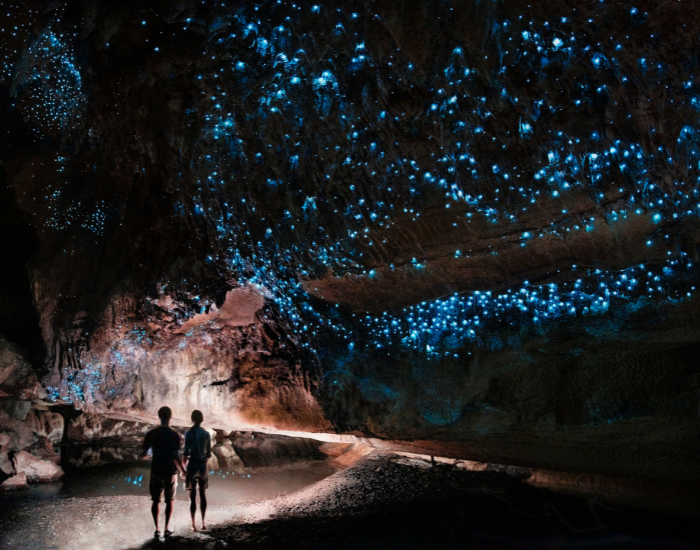
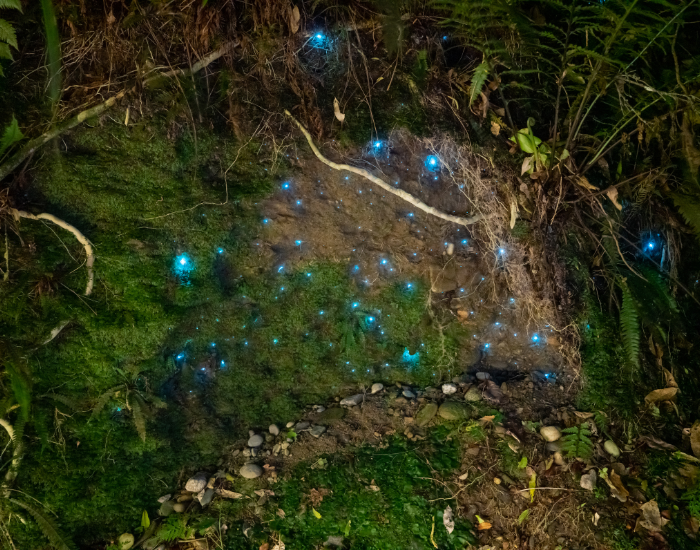
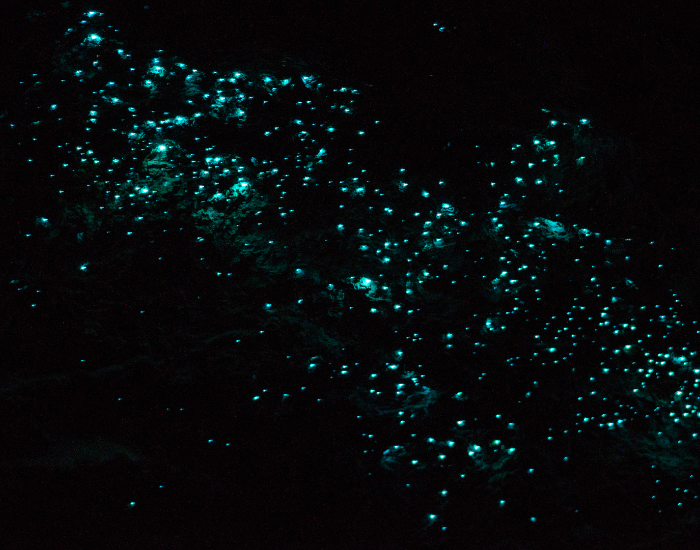
The air turned cool and the eucalyptus scent of the bush was replaced by the smell of wet sandstone and leaf litter. As I reached the center of the tunnel in total darkness, the world transformed. Suddenly, thousands of tiny, blue-green light dots appeared along the walls and ceiling. It looked like a subterranean galaxy. Just like one of those observatories you can get in museums where you see the night sky. It truly felt like stepping into Pandora, the magical world of Avatar!
But these weren’t stars; they were glow worms.
So, What Are Glow Worms?
Many people assume glow worms are just glowing insects. However, the biology proves far more complex than the fairy-light aesthetic suggests. After spending countless hours in limestone areas and caves studying these creatures, I’ve compiled essential facts about these bioluminescent marvels.
1. Glow Worms Aren’t Actually Worms
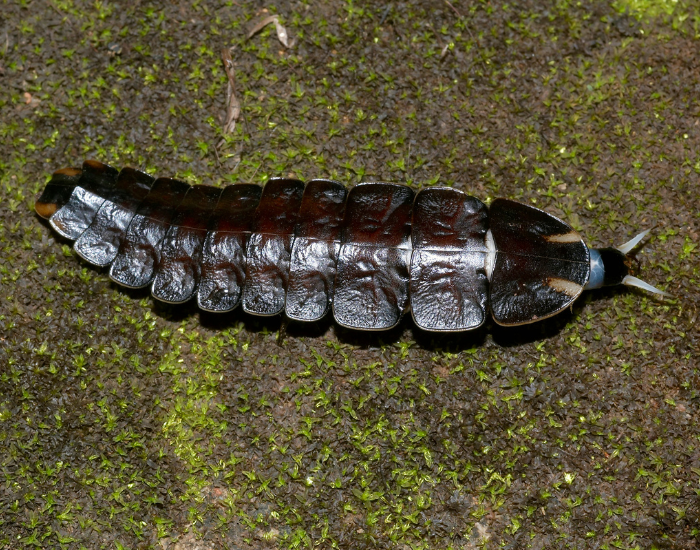
The term “glow worm” is a biological misnomer. In reality, these creatures represent entirely different insect orders depending on where you are in the world. In the Southern Hemisphere, glow worms are the larval stage of fungus gnats. While Tamborine, in the the Gold Coast hinterland is famous for Arachnocampa flava, the colonies found in the Blue Mountains and elsewhere in New South Wales are primarily Arachnocampa richardsae.
In Europe, the name refers to the species Lampyris noctiluca. These are not fly larvae, but rather beetles where the wingless females retain a larval appearance. So, while we call them “worms,” they are actually either charismatic maggots or specialized beetles in disguise.
2. The Bioluminescent Glow Comes From Chemistry
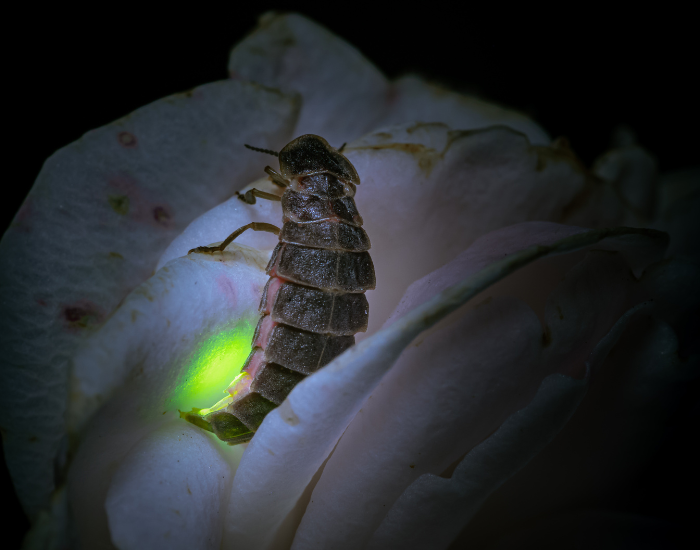
The glowing light isn’t magic, it’s sophisticated chemistry. The glow worm produces bioluminescence inside a specialized organ in its abdomen. This chemical reaction occurs when luciferin reacts with oxygen. An enzyme called luciferase catalyzes the process.
This reaction is incredibly efficient. Nearly 100% of energy converts into light with almost no heat loss. For example, if our artificial lights achieved this efficiency, electricity bills would disappear.

3. Bioluminescent Light Functions as a Deadly Trap
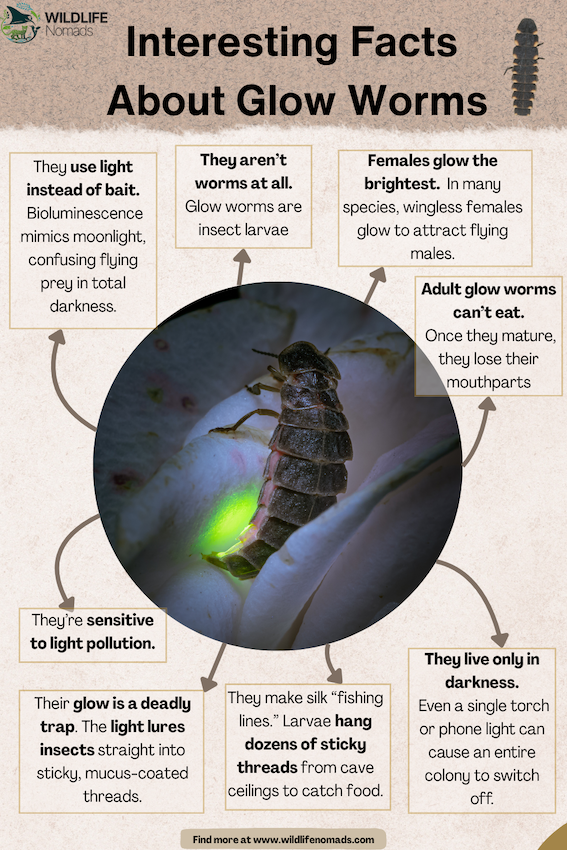
While humans find the glowing light beautiful, it spells doom for small insects. The glow worm uses light to lure prey effectively. Moths, midges, and other small insects mistake the glow for moonlight or stars reflecting off water. Instead, they fly directly into sticky webs.
This predatory strategy makes glow worms highly efficient hunters in dark environments.
4. They Create “Fishing Lines” From Silk and Mucus
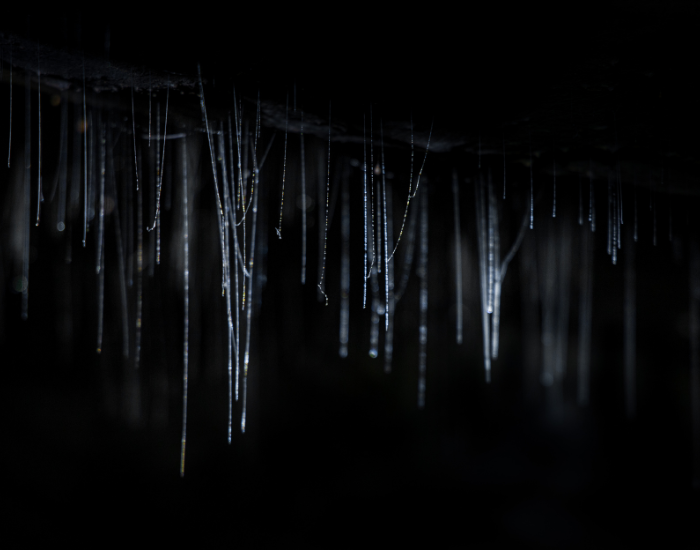
To catch dinner, larvae hang hundreds of silk threads from cave ceilings or damp banks. These threads feature sticky droplets of mucus. When observed through a macro lens, these webs shimmer like beads on a string.
Once an insect becomes trapped, the glow worm hauls the line upward. It then feeds on its catch while still alive.
5. Glow Worms Live in Total Darkness
You won’t find glow worms active during daylight. They inhabit dark, humid environments such as caves, woodland rides, and dense rainforests. High humidity is essential because their soft bodies dry out easily.
Furthermore, their bioluminescence only works as a lure without competing light sources. In the Blue Mountains, even a single bright flashlight causes entire colonies to dim their lights defensively. This sensitivity to light makes them vulnerable to light pollution.

6. Adult Glow Worms Cannot Eat
This represents one of nature’s most tragic facts. Once larvae complete metamorphosis and emerge as adults, they lose their mouthparts completely. Adult glow worms cannot eat at all.
Their sole purpose becomes to attract mates and lay eggs. Few weeks later, they die of starvation. It’s a frantic, beautiful, and brief existence.
7. Female Glow Worms Shine Brightest
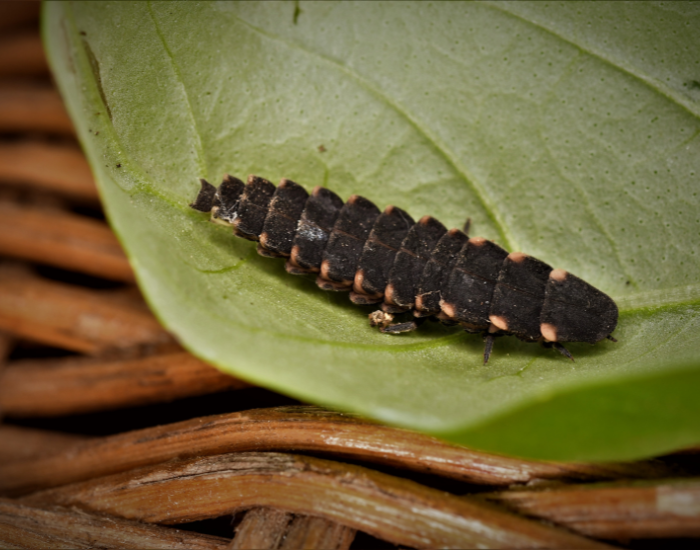
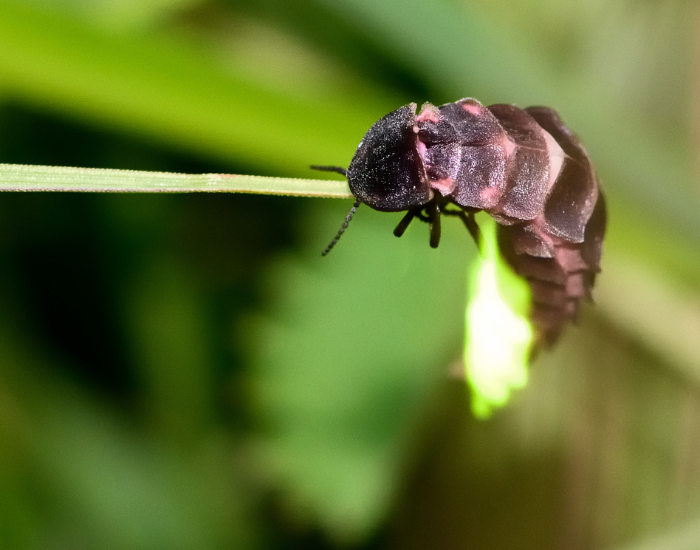
In European species like Lampyris noctiluca, females produce the most intense light. Because they lack wings and cannot fly, female glow worm individuals sit on grass or leaf litter. They emit steady glowing light to signal males.
Males possess wings and specialized eyes. These adaptations allow them to spot a glowing female from considerable distances.
8. They Control Light Intensity
A glow worm isn’t simply on or off. These animals regulate their glow intensity precisely. When predators approach, some species actually brighten their light. This warns predators they taste bitter, a defense called aposematism.
Other species shut off their light entirely to hide in darkness.
9. Glow Worms Are Cannibalistic
Nature isn’t always gentle. When glow worms occupy high-density colonies, such as in New Zealand’s Waitomo caves, space becomes scarce. If larvae wander into another’s territory or food runs low, cannibalism occurs frequently.
It’s literally a worm-eat-worm world in these dark environments.
10. Light Pollution Threatens Their Survival
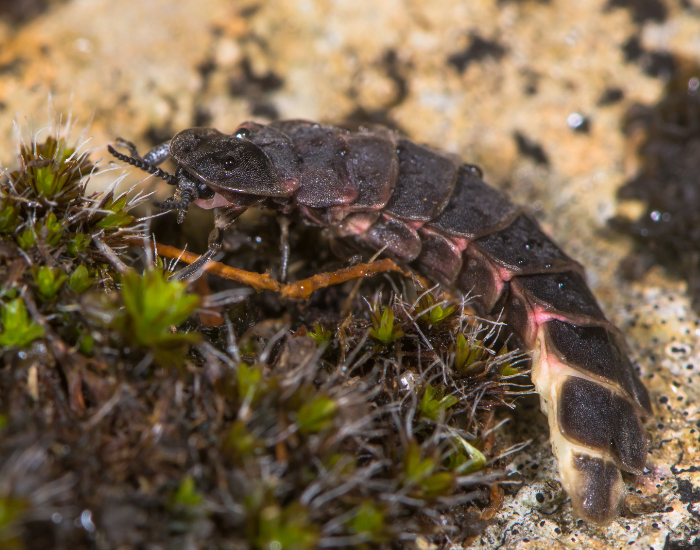
Glow worms face increasing threats from artificial lights. Street lamps and even hikers’ headlamps interfere with their ability to attract prey and locate mates. During my field work, I’ve witnessed colonies vanish after nearby roads installed bright lighting.
The artificial illumination drowns out the subtle blue green light females produce. This makes reproduction nearly impossible.
11. They Function as Natural Pest Control
In garden and forest ecosystems, glow worms serve as exceptional pest controllers. They don’t just eat flies. Larvae also feed on snails and slugs aggressively.
They bite snails and inject paralyzing toxin. This liquifies the snail’s bodies, allowing easy consumption. While it sounds like horror, it benefits plants significantly.

12. North America’s Own Glow Worms
While North America is famous for fireflies (bioluminescent beetles), it is a common misconception that the continent lacks the “fishing line” variety of glow worms. While the genus Arachnocampa is unique to Oceania, North America has its own bioluminescent fungus gnat called Orfelia fultoni, famously known as “Dismalites.”
Found primarily in the Appalachian Mountains and the Deep South, these larvae also build sticky webs to hunt prey, much like their Australian cousins. If you see a glowing insect in the US, it could be a firefly or a railroad worm, but if you find a blue-green glow on a damp, rocky embankment, you might just be looking at North America’s version of the “true” glow worm.
Where Do Glow Worms Live?
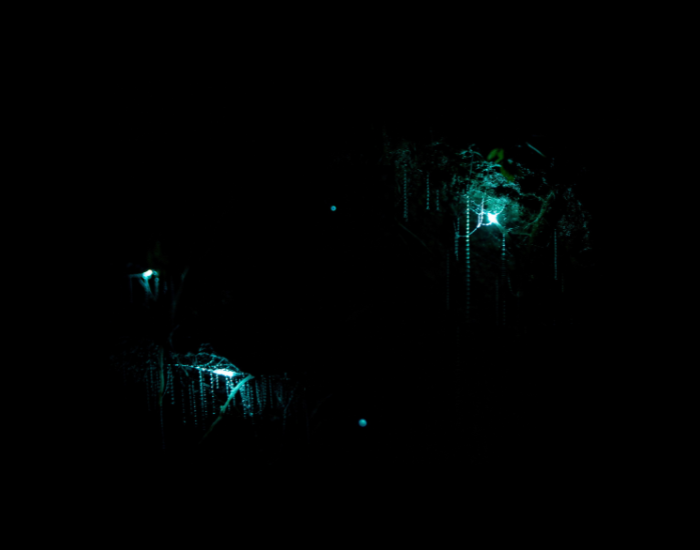
Glow worms reside in specific, moisture-rich habitats worldwide, though the species varies by continent. In Australia, you’ll find them in the damp caves and rainforests of the Gold Coast hinterland and the Blue Mountains. New Zealand’s Waitomo caves are world-famous for hosting some of the most spectacular colonies on Earth.
In North America, “true” glow worm gnats (known as Dismalites) inhabit the humid stream banks and canyon walls of the Appalachian Mountains and the Deep South. Recently, scientists also confirmed the first record of a bioluminescent fungus gnat in South America: Neoceroplatus betaryiensis. Found in the Atlantic Forest of Brazil near the Betary River, these larvae emit a unique blue light from their tails and thoraxes while living on fallen logs.
Meanwhile, European species of glow worm beetles prefer drier but still humid environments like grassy embankments, leaf litter, and woodland edges. Because all these species rely on darkness to hunt or mate, the preservation of “dark sky” reserves and damp forest ecosystems remains critical to their survival.
Frequently Asked Questions About Glow Worms
The answer depends on species. Australian and New Zealand glow worms transform into fungus gnats. European varieties become beetles. Both undergo complete metamorphosis from larvae to adults.
Technically, yes. Australian and New Zealand varieties are fly larvae—commonly known as maggots. However, they’re highly specialized larvae with unique bioluminescent capabilities.
I strongly advise against touching them. They’re incredibly fragile animals. Their sticky threads damage easily. Furthermore, oils from human skin can prove toxic to these delicate creatures.
They aren’t globally rare. However, they’re highly habitat-specific. Because they require minimal artificial lights and high humidity, their suitable habitats are shrinking. This makes it harder to find glow worms in the wild.
Glow worms produce light through a chemical reaction. When oxygen reacts with a substance called luciferin, it creates light. The enzyme luciferase makes this reaction happen efficiently with almost zero heat waste.
Protecting The Light
The first time I saw glow worms in the Blue Mountains, their silent stillness struck me profoundly. It reminded me that some of Earth’s most complex biology occurs in the quietest corners.
To protect these bioluminescent animals, we must preserve dark skies and damp forests. If you visit the Gold Coast hinterland or Blue Mountains at night, turn off your torch. Let your eyes adjust to darkness. Witness the natural bioluminescence yourself.
It’s a biological masterpiece no camera truly captures. These insects demonstrate nature’s ingenuity in creating light without heat. Moreover, they remind us why protecting habitats from excessive artificial lights matters.
For more information on Australian wildlife conservation, visit the Australian Wildlife Conservancy. To learn about New Zealand’s unique species, explore our blog article!
Where to see Glow Worms?
As a biologist, I only recommend tours that follow strict ethical guidelines to ensure we don’t disturb wildlife. These are the six tours/ partners I trust most based on their conservation records:
This blog is reader-supported. When you buy experiences through links listed on this site, we may earn an affiliate commission.