
Whale Watching in the UK is Worth It
Most people assume whale watching requires trips to Iceland, Alaska, or the Azores. However, the UK offers some of the world’s most remarkable whale encounters. British waters host an incredible variety of marine species, from minke whales to occasional killer whale pods.
Whale watching tours in the UK offer more than spotting cetaceans. Therefore, it’s about connecting with marine ecosystems and understanding migration patterns. In addition, you’ll discover the remarkable biodiversity thriving in British seas.

When is the Best Time for Whale Watching in the UK?
Timing significantly affects your sightings. Different species migrate through UK waters throughout the year.
Summer months (June–September): Warm ocean temperatures attract fish populations. Consequently, whales, dolphins, and basking sharks follow close to shore. Summer provides the best conditions for tours with calm seas and frequent sightings.
Spring and autumn: These seasons mark crucial migration periods. Humpback whales and minke whales pass through British waters during these months. Spring tours (April–May) often reveal whales traveling northward. Meanwhile, autumn trips (September–October) catch southward migrations.
Year-round sightings: Harbour porpoises and several dolphin species remain in UK waters throughout the year. Moreover, occasional orcas appear regardless of season, particularly around northern islands.
For example, if you’re planning a whale spotting UK adventure, summer remains your safest choice. However, dedicated wildlife enthusiasts should consider spring tours for unique migration sightings.
Where to See Whales in the UK
1. The Minch & Isle of Mull (Scotland)
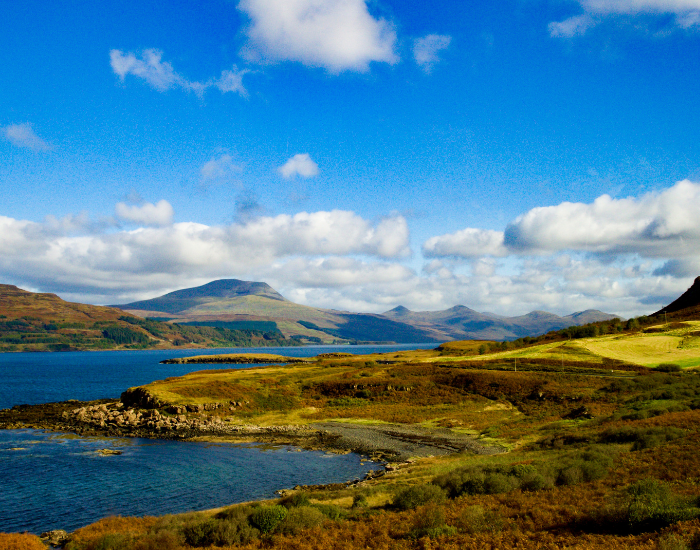
This stretch of ocean between mainland Scotland and the Hebrides ranks as the UK’s whale watching capital. Minke whales are the star species here. Nevertheless, humpback sightings have increased dramatically in recent years.
The Minch offers exceptional tours from April through September. Basking sharks frequently join whale sightings, creating unforgettable wildlife experiences. Furthermore, land-based whale spotting from Mull’s coastline often matches boat trip success rates.
Local operators run small boat tours that prioritize responsible wildlife viewing. Therefore, you’ll enjoy intimate encounters while supporting conservation efforts.
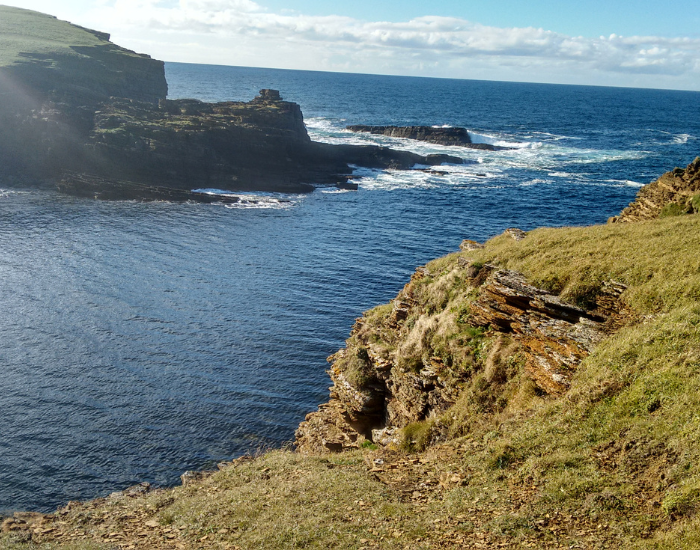
2. Orkney & Shetland Islands
Head north to these remote islands for increased orca sighting opportunities. Killer whales hunt seals and fish around Shetland, particularly during May and June. These powerful predators represent one of the ocean’s most thrilling species to observe.
Beyond orcas, these islands host harbour porpoises, pilot whales, and minke whales. In addition, the dramatic landscapes create stunning backdrops for wildlife photography. Tours from these islands venture into deeper ocean waters where larger whale species occasionally appear.
3. Cardigan Bay (Wales)
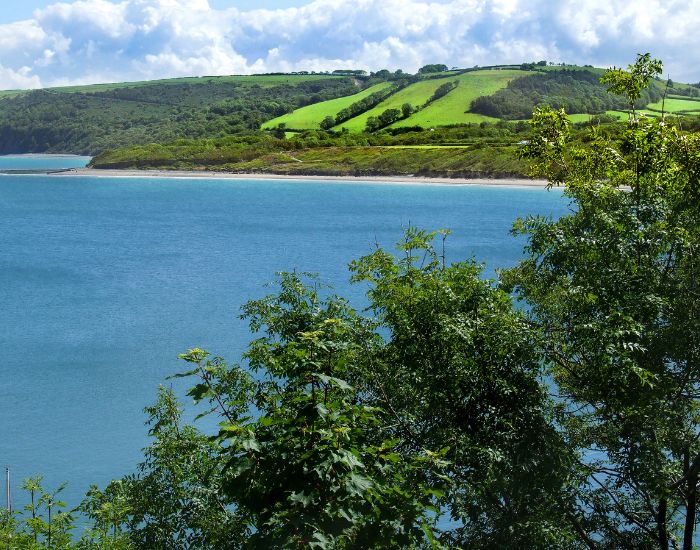
Cardigan Bay ranks among the UK’s premier destinations for dolphin and porpoise sightings. Bottlenose dolphins reside here year-round. Summer tours regularly encounter them alongside harbour porpoises.
Minke whales visit offshore areas during warmer months. Moreover, basking sharks patrol these waters seeking plankton. The bay’s protected status ensures healthy marine ecosystems that support diverse species populations.
4. Cornwall & South West England
From Penzance to St. Ives, summer tours frequently spot minke whales and common dolphins. Cornwall waters attract basking sharks each year, creating spectacular snorkeling opportunities.
The region also hosts bluefin tuna and exceptional seabird colonies. Therefore, Cornwall represents a diverse wildlife watching destination. Tours depart from multiple harbors, offering flexible scheduling options.

5. Bay of Biscay (via UK ferries)
Although technically outside British waters, ferries from Portsmouth and Plymouth offer world-class whale watching experiences. The Bay of Biscay provides access to deep ocean species rarely seen near shore.
Sperm whales, fin whales, and even blue whales have been recorded here. These ferry crossings attract dedicated wildlife enthusiasts seeking rare species. In addition, the journey offers comfortable viewing platforms and expert guides.

Whale Species You Can See in the UK
British waters host an impressive variety of cetacean species. Understanding which species appear when helps plan successful trips.
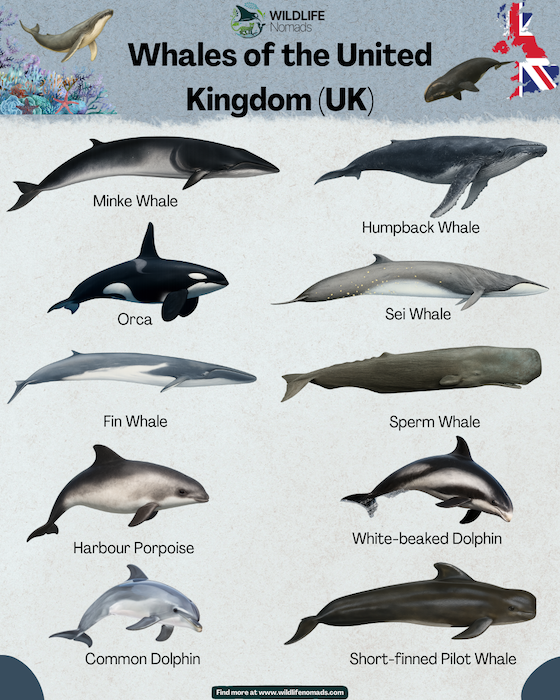
Minke Whales: The most common species in UK waters, particularly around Scotland. Minke sightings peak from June through September. These relatively small whales often approach boats, creating memorable close encounters.
Humpback Whales: Seasonal visitors during migration periods. Humpback sightings have increased along Scotland’s west coast recently. These magnificent whales perform spectacular breaches and surface behaviors. Therefore, spotting a humpback represents many visitors’ dream sighting.
Killer Whales (Orcas): Rare but thrilling encounters, especially near Shetland and Orkney. Orca pods hunt cooperatively, demonstrating remarkable intelligence. However, sightings remain unpredictable and require patience.
Fin Whales & Sei Whales: Occasionally spotted in deeper ocean waters offshore. These large species prefer open ocean environments. Consequently, tours venturing farther from shore increase sighting chances.
Sperm Whales: Sometimes observed in the North Atlantic, though less common near shore. These deep-diving whales hunt squid at extreme ocean depths. Ferry crossings to the Bay of Biscay offer the best opportunities.
Pilot Whales: Pods occasionally appear around Scotland. These social cetaceans travel in tight family groups. Sightings often include numerous individuals.
Blue Whales: Extremely rare in UK waters but recorded in the Bay of Biscay. Blue whales represent the largest animals ever to exist on our planet. Any blue whale sighting ranks as a once-in-a-lifetime experience.
Dolphin Species: Bottlenose, common, Risso’s, and white-beaked dolphins frequent British waters. Dolphin sightings occur year-round across multiple UK destinations. These playful species often approach boats and surf bow waves.
Harbour Porpoises: Among the most reliable year-round sightings. These small cetaceans inhabit shallow coastal waters. Therefore, even short tours often encounter harbour porpoises.
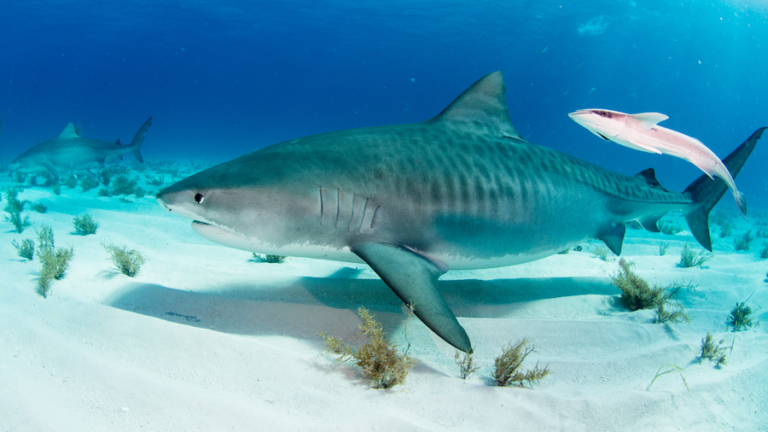
Basking Sharks: Not whales, but another spectacular summer highlight. These gentle giants filter plankton near the ocean surface. Shark sightings often coincide with whale tours in the same waters.
Humpback Whale Encounters in UK Waters
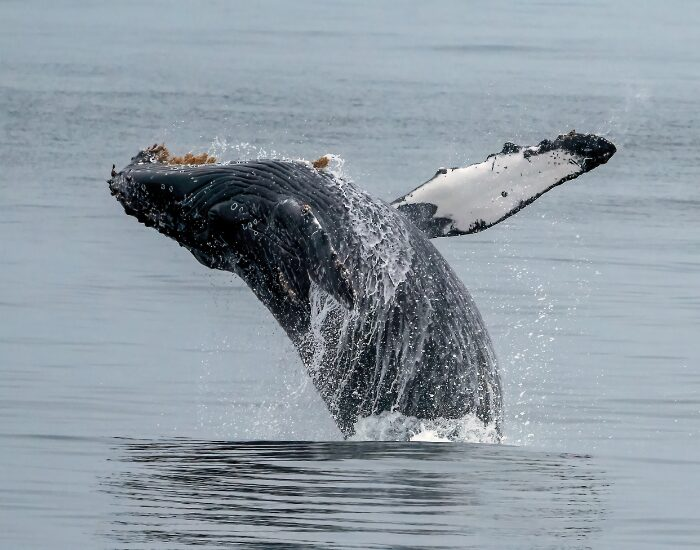
Humpbacks rank among the most spectacular species you can observe in British waters. Known for dramatic breaches, they often slap fins and lunge-feed on herring shoals. In recent years, humpback sightings have increased significantly along Scotland’s west coast. Moreover, reports now include areas as far south as Cornwall.
As someone who studied humpback migration in the Pacific Ocean, I find UK sightings extraordinary. Their increasing presence likely connects to conservation successes. For example, commercial whaling bans and improved fish stock management have helped populations recover.
Humpback whales migrate thousands of miles between feeding and breeding grounds. Therefore, UK waters likely serve as important feeding stops. The whales utilize rich fish populations found in British seas.
These intelligent species demonstrate complex social behaviors. In addition, their haunting songs travel vast ocean distances. Underwater recordings reveal sophisticated communication patterns.
Whale Migration and Behavior
Whales migrate following ancient ocean routes connecting feeding and breeding areas. Many species travel from tropical breeding grounds to cold, nutrient-rich feeding waters. UK locations sit along crucial North Atlantic migration corridors.
Ocean depths influence whale distribution. Deep underwater canyons near shore attract species that hunt squid and deep-sea fish. Meanwhile, shallow banks concentrate prey species that support baleen whales.
Understanding these patterns helps predict sightings. Therefore, choosing tours during peak migration windows increases encounter chances. Furthermore, knowledgeable guides recognize ocean conditions that attract whales.
Responsible Whale Watching Practices
Whale watching creates magical experiences only when practiced sustainably. Choose operators carefully to ensure wildlife welfare.
Distance regulations: Reputable tours maintain appropriate distances to avoid stressing whales. Close approaches can disrupt feeding, socializing, and migration behaviors.
Small boats: Limited group sizes reduce environmental impact. In addition, smaller vessels create more intimate, personal experiences.
Expert guides: Knowledgeable naturalists share conservation information and species identification. Therefore, you’ll learn while observing.
Conservation support: Many operators contribute portions of ticket sales to marine conservation projects. Your participation directly supports ocean protection efforts.
Organizations like the Whale and Dolphin Conservation (WDC) and WWF recommend choosing accredited tours. These certifications ensure operators prioritize animal welfare over profit.
Whale Watching Holidays Beyond the UK
While British waters offer amazing experiences, comparing global destinations provides valuable perspective. Here we have a whole article diving deeper into the best destinations for whale watching. But in a nutshell:
The Azores: This Portuguese archipelago hosts sperm whales, blue whales, and over 20 cetacean species. The Azores rank among the world’s premier whale watching destinations. Ocean depths close to islands create ideal conditions.
Vancouver Island, Canada: Famous for orca and humpback encounters. British Columbia waters support resident orca populations. Therefore, sightings occur reliably throughout summer months.
Alaska: Glacier backdrops frame spectacular humpback feeding behaviors. Alaska tours often observe bubble-net feeding, where whales cooperatively hunt herring. The state’s protected waters support thriving marine ecosystems.
Antarctica: Minke, humpback, and orca sightings occur amid dramatic icebergs. Antarctic trips represent ultimate wildlife adventures. However, these expeditions require significant investment and planning.
Iceland: Multiple whale species, including blue whales and humpbacks. Icelandic waters benefit from nutrient-rich ocean currents. Tours depart from several coastal towns.
These international destinations highlight how special UK whale watching truly is. You don’t need long flights to experience extraordinary marine mammals. British waters rival world-famous locations for diversity and sighting frequency.

What to Bring on Your Whale Watching Tour
Proper preparation enhances your experience significantly. Consider packing these essentials:
Warm, waterproof clothing: Ocean conditions change rapidly. Layered clothing allows temperature adjustments. Even summer tours can feel cold on the water.
Binoculars: Quality optics help spot distant blows and fins. Therefore, you’ll identify whales before others. Waterproof models handle spray better.
Camera with zoom lens: Capturing whale behaviors creates lasting memories. However, remember to put down the camera and simply observe sometimes.
Seasickness medication: Take preventative measures before departure. Ocean swells affect even experienced sailors occasionally.
Sun protection: Reflected light intensifies sun exposure. Sunscreen, hats, and sunglasses prevent burns.
Field guides: Species identification books enhance learning. Furthermore, guides help distinguish between similar-looking cetaceans.
Conservation Challenges Facing UK Whales
Despite increasing sightings, UK whale populations face ongoing threats. Understanding these challenges emphasizes the importance of responsible tourism.
Ocean pollution: Plastic waste and chemical contamination affect marine mammals. Whales accumulate toxins through their prey. Therefore, pollution impacts extend throughout food webs.
Ship strikes: Increasing maritime traffic creates collision risks. Large vessels can injure or kill whales. Consequently, shipping lane modifications help reduce encounters.
Noise pollution: Underwater sound from ships, sonar, and industry disrupts whale communication. These disturbances can interfere with feeding, breeding, and migration.
Climate change: Warming ocean temperatures shift prey distributions. Whales must adapt migration routes and timing. Furthermore, changing ecosystems create unpredictable conditions.
Fishing gear entanglement: Abandoned nets and lines trap marine mammals. Entanglement causes injury, starvation, and death. Improved fishing practices help reduce this threat.
Supporting conservation organizations helps address these challenges. In addition, choosing responsible tours demonstrates demand for sustainable practices.
FAQs About Whale Watching UK
The Isle of Mull and the Hebrides offer the most reliable whale sightings. These Scottish locations host minke whales regularly during summer. In addition, humpback sightings have increased in recent years. Tours depart from Tobermory and other Hebridean ports.
Summer (June–September) represents peak season for whale watching tours. However, porpoises and dolphins appear year-round in most locations. Spring and autumn migrations bring additional species through British waters. Therefore, opportunities exist across multiple seasons.
Shetland and Orkney Islands provide the highest orca sighting chances. These northern islands attract killer whales hunting seals during May and June. However, orca appearances remain unpredictable and relatively rare compared to other species.
Yes, though extremely rare, blue whale sightings occur in the Bay of Biscay. These records represent exceptional events. Blue whales prefer deep ocean waters and rarely approach shore. Ferry crossings offer the best chances for this species.
Absolutely. UK tours offer reliable sightings, particularly in Scotland. Moreover, British waters host impressive species diversity. Tours cost less than international alternatives while providing world-class experiences. Therefore, UK whale watching represents excellent value.
Yes, several UK locations offer excellent land-based whale spotting. The Isle of Mull provides particularly good clifftop viewing. Cornwall headlands also allow shore-based sightings. However, boat tours increase sighting chances significantly.
Most UK tours run 2-4 hours. Half-day trips provide sufficient time for sightings while avoiding excessive ocean exposure. Some specialized tours offer full-day experiences. Ferry crossings to the Bay of Biscay span multiple days.
Whale Watching UK Deserves a Spot on Your Bucket List
Whale watching in the UK transcends simply spotting marine mammals. Instead, it offers opportunities to experience ocean wildlife in natural habitats. British waters contain remarkable biodiversity that rivals famous international destinations.
Whether you join small boat tours off Mull, scan horizons from Shetland’s dramatic cliffs, or take ferries into the Bay of Biscay, UK whale encounters create lasting memories. The thrill of spotting a blow on the horizon never diminishes. Therefore, each sighting feels equally magical.