
It’s a question that breaks hearts and stirs hope all at once: how many rhinos are left and how they bounced back? For decades, rhinoceroses have teetered dangerously close to extinction. Poaching, habitat loss, and trafficking pushed these iconic creatures to the edge. But today, amidst the tragedy, there’s also resilience,and a glimmer of recovery. Rhino conservation efforts are crucial in protecting rhino populations.
In this deep dive, we’ll look at the current rhino population across all five species, including the two African rhino species, the black and white rhinos, and the three Asian rhino species, the greater one-horned, Sumatran, and Javan rhinos. We’ll explore where they’re found, what led to their decline, and how people and organizations are working tirelessly to protect them. If you’re wondering how many rhinos are left in 2025, or what conservation stories are actually working, you’re in the right place.
The Five Rhino Species: An Overview
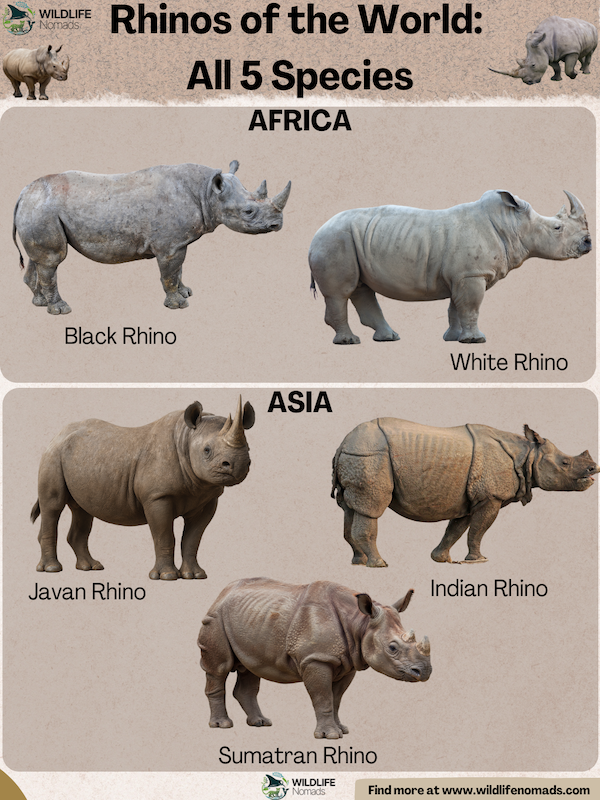
There are five living species of rhinoceros, spread across Africa and Asia:
White Rhinoceros (Ceratotherium simum)
Black Rhinoceros (Diceros bicornis)
Greater One-Horned Rhinoceros (Rhinoceros unicornis)
Javan Rhinoceros (Rhinoceros sondaicus)
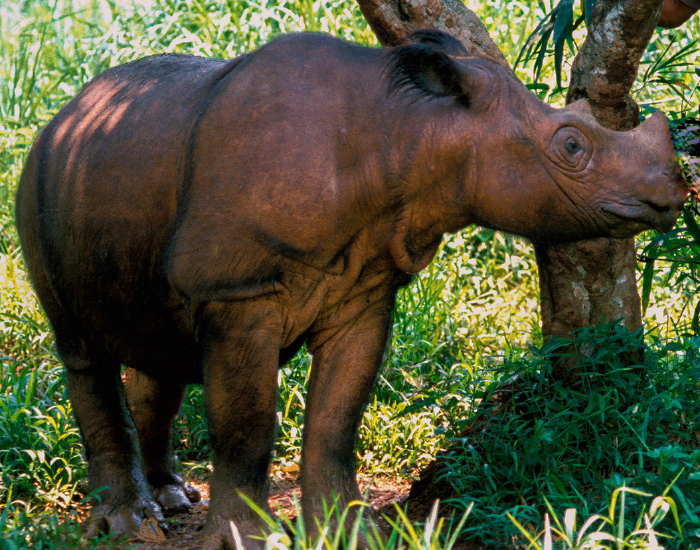
Sumatran Rhinoceros (Dicerorhinus sumatrensis)
The two African rhino species are the black and white rhinos, while the three Asian rhino species are the greater one-horned, Javan, and Sumatran rhinos.
Each species faces unique challenges and occupies very different habitats, from African savannahs to Southeast Asian rainforests.
How Many Rhinos Are Left in the World in 2025?
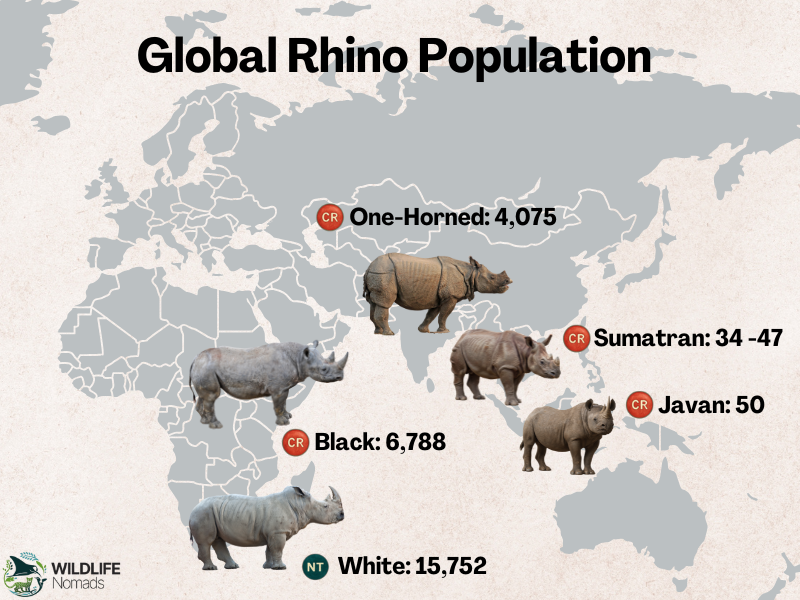
Here’s a snapshot of current estimates from sources like WWF, Save the Rhino International, IUCN, and national parks:
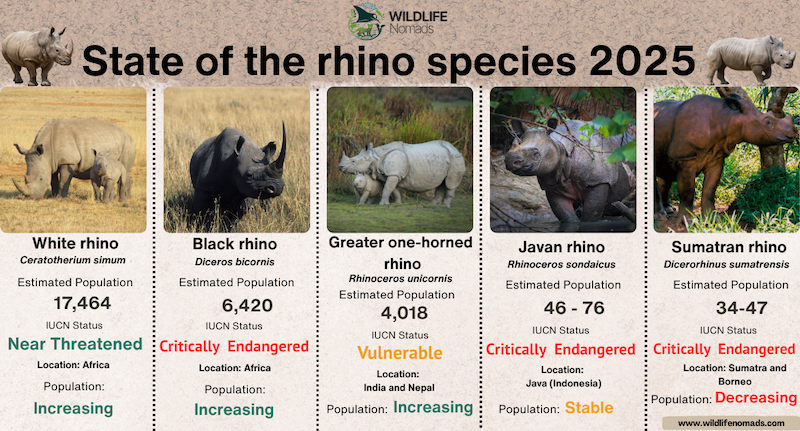
The total black rhino population is estimated to be around 6,500 individuals, with subspecies including the Eastern, South-western, and South-central black rhinos. Conservation efforts have been crucial in stabilizing these numbers.
Total wild rhinos left in the world: Around 26,500.
That number may surprise people who still believe the population is down to just a handful. The truth is more nuanced: while some species like the Northern white rhino are functionally extinct, others have bounced back thanks to conservation. Black rhino populations, for instance, have seen recovery efforts such as translocations to establish new populations, which are vital for their protection and management. Rhino conservation efforts have played a significant role in stabilizing and increasing these populations, despite ongoing threats like poaching.
Are There Only Two Rhinos Left in the World?
This question usually refers to the Northern white rhino. And yes, only two individuals known as: Najin and Fatu. Both are alive today, both females and both living under 24/7 armed guard at Ol Pejeta Conservancy in Kenya. With no living males, natural reproduction is no longer possible. However, scientists are working on in vitro fertilization using frozen sperm and eggs to resurrect the species.
So while only two Northern white rhinos are left, there are tens of thousands of rhinos across other species still roaming the wild.
How Many Rhinos Were There 100 Years Ago?
A century ago, rhinos were widespread across Africa and Asia. Estimates suggest:
- White rhinos: Around 500,000 in the early 1900s
- Black rhinos: Estimated 70,000 to 100,000 individuals before modern poaching
- Asian rhinos: Exact numbers unknown, but all species had broader ranges
Due to poaching and habitat destruction, global rhino numbers plummeted by more than 95% in the 20th century. The 1970s and 1980s saw the worst poaching crisis in history.
What Killed the White Rhinos?
The primary threats to white rhinos, and all rhino species, are:
- Poaching for Horns: Rhino horn is falsely believed to have nutritious, or medicinal value in some cultures and is also used as a status symbol. It’s made of keratin, the same substance as human fingernails.
- Habitat Loss: Expansion of agriculture, mining, and settlements fragment rhino habitats.
- Political Conflict: Wars and unrest often reduce conservation capacity.
- Climate Change: Impacts water availability and vegetation.
The Northern white rhino was wiped out by poaching in the Democratic Republic of Congo in the early 2000s. Only a handful survived in zoos and sanctuaries, until only Najin and Fatu remained.
Threats to Rhino Populations
Habitat Loss and Fragmentation
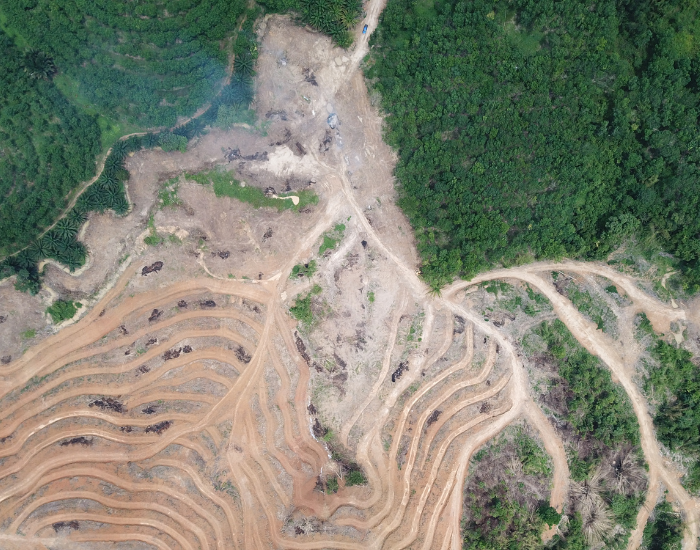
Habitat loss and fragmentation are significant threats to rhino populations. The destruction and degradation of their natural habitats due to human activities such as agriculture, urbanization, and infrastructure development have reduced the available space for rhinos to live and roam. This has led to the fragmentation of their habitats, making it difficult for rhinos to find food, water, and shelter. Additionally, habitat loss has also reduced the genetic diversity of rhino populations, making them more vulnerable to extinction.
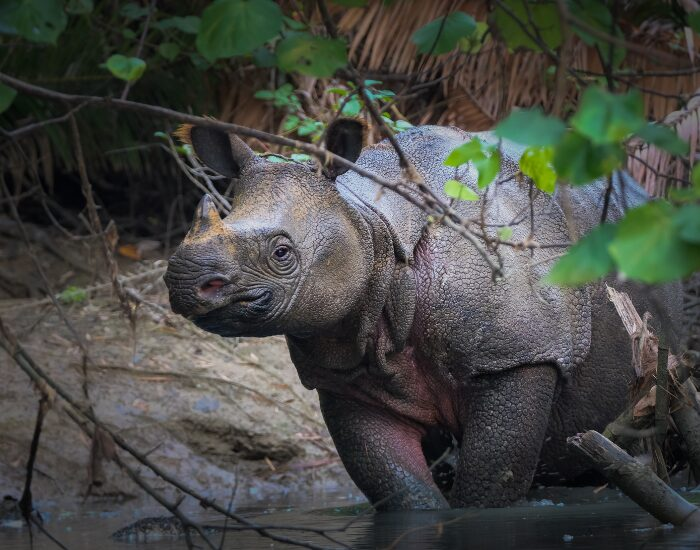
The Javan and Sumatran rhinos are particularly affected by habitat loss, as their habitats are limited to small areas in Indonesia. The loss of their habitats has reduced their populations to critically endangered levels. The black rhino is also affected by habitat loss, as its habitats are being converted into agricultural land and urban areas.
Conservation efforts are underway to protect and restore rhino habitats. National parks and protected areas have been established to provide a safe haven for rhinos. However, more needs to be done to address the scale of habitat loss and fragmentation.
Poaching and Illegal Wildlife Trade
Poaching and illegal wildlife trade are major threats to rhino populations. Rhino horns are highly valued on the black market, and poachers are willing to kill rhinos to obtain them. The demand for rhino horns is driven by the belief that they have medicinal properties, although there is no scientific evidence to support this claim.
The black market for rhino horns is lucrative, with prices reaching up to $27,000 per kilogram. This has led to a surge in poaching, particularly in South Africa, which is home to the largest population of black rhinos. The white rhino is also targeted by poachers, although to a lesser extent.
The illegal wildlife trade is a complex issue, involving organized crime syndicates and corrupt officials. It is difficult to track the movement of rhino horns, as they are often smuggled across borders and sold on the black market.
Conservation efforts are underway to combat poaching and illegal wildlife trade. Anti-poaching patrols have been established in national parks and protected areas, and law enforcement agencies are working to disrupt the illegal wildlife trade. However, more needs to be done to address the scale of the problem and to reduce the demand for rhino horns.
Conservation Strategies
Conservation efforts for rhinos involve a multi-faceted approach, combining habitat protection, anti-poaching patrols, and community engagement to safeguard them. The International Rhino Foundation (IRF) plays an important role in this endeavor, working closely with local communities, governments, and conservation organizations to develop and implement effective strategies.
One of the key strategies is the establishment of protected areas, such as national parks and wildlife reserves, which provide a safe haven for rhinos. These areas are crucial for maintaining viable rhino populations and ensuring they have access to the resources they need to thrive. Anti-poaching patrols are another critical component, as they help prevent poaching and protect rhino populations from the threat of illegal hunting.
Community engagement and education programs are essential in promoting coexistence with rhinos and reducing human-wildlife conflict. Involving local communities is always very important in conservation efforts. The IRF fosters a sense of ownership and responsibility towards rhino conservation. These programs also help raise awareness about the importance of protecting rhinos and the benefits of conservation.
The IRF supports research and monitoring programs to better understand rhino behavior, habitat needs, and population trends. This information is vital for developing effective conservation strategies and ensuring that efforts are targeted where they are most needed. Protecting rhino habitats from human activities such as agriculture, urbanization, and infrastructure development is also a priority. The IRF works with governments and local communities to develop sustainable land-use plans that balance human needs with rhino conservation.=
Conservation Success Stories: How Rhinos Bounced Back
1. Southern White Rhino Comeback
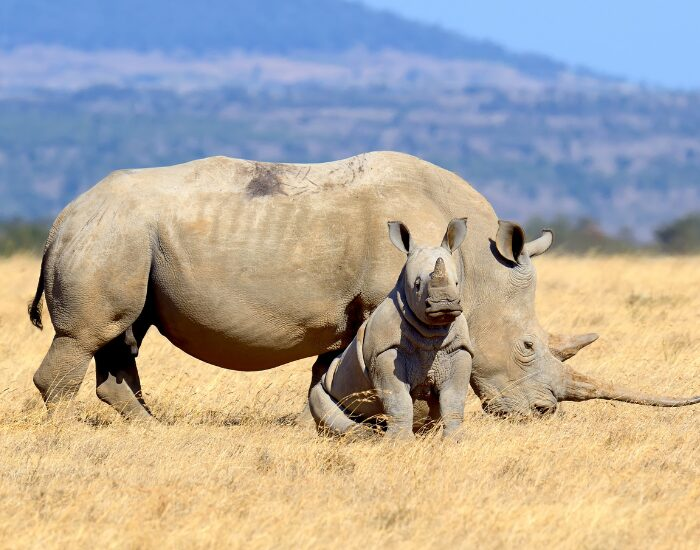
Perhaps the most incredible conservation comeback belongs to the Southern white rhino. In the early 1900s, they were down to just 20 individuals in South Africa’s Hluhluwe-iMfolozi Park. Thanks to strict protection and breeding programs, their population has soared to over 15,000.
2. Greater One-Horned Rhino in India and Nepal
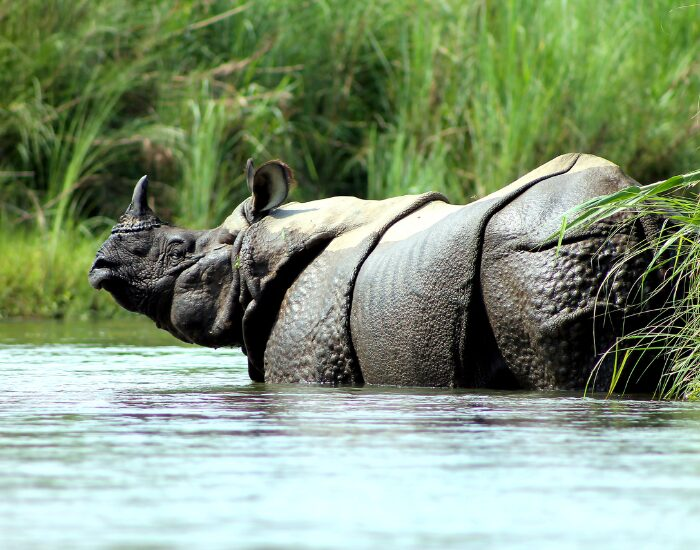
One of the most iconic animals of india, the Indian rhinoceros was once nearly extinct (getting them into the list of animals that went extinct recently). Conservation efforts in Kaziranga National Park (India) and Chitwan National Park (Nepal) helped their numbers recover from a few hundred to over 4,000 today. Anti-poaching patrols, habitat corridors, and community engagement were key.
3. Community-Led Rhino Conservation in Namibia
Namibia pioneered community conservancies and trained local people to protect rhinos. The country now holds the largest population of free-roaming black rhinos in the world.
4. Black Rhino Translocations
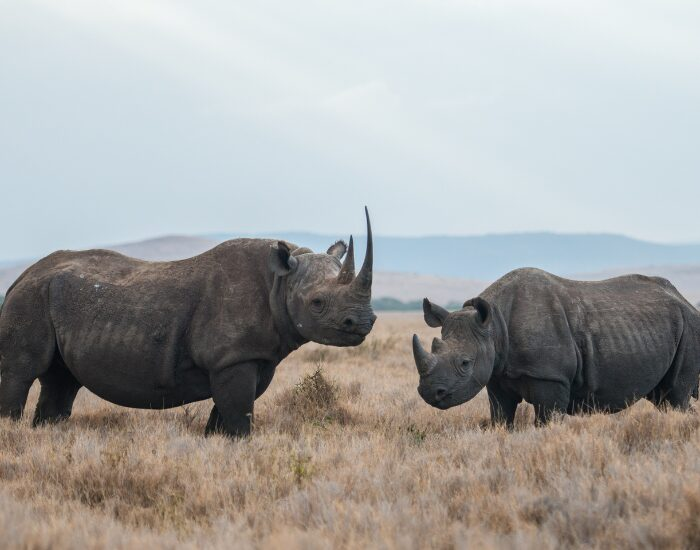
Kenya and South Africa have successfully translocated black rhinos to new habitats to boost genetic diversity and population resilience. Conservationists rely on these efforts to maintain and increase critically endangered black rhino populations. Some even use helicopters and military escorts for safety.
Conservation Programs Making a Difference
- Rhino 911: Emergency helicopter and vet teams respond to rhino poaching incidents in South Africa.
- Save the Rhino International: Supports anti-poaching and education in Africa and Asia.
- IRF (International Rhino Foundation): Funds fieldwork in India, Indonesia, and Zimbabwe, including efforts to protect and increase the population of greater one-horned rhinos in India and Nepal.
- Ol Pejeta Conservancy: Home to the last Northern white rhinos and a center for rhino IVF research.
- Black Rhino Range Expansion Project: Helps relocate rhinos to new reserves in South Africa.
Rhinos Conservation Status: A Quick Guide
Where Can You See Rhinos in the Wild?
Below are the top places in the world to see each species, with short notes on what makes them special and where you can naturally link recommended tours.
African Rhinos
1. Kruger National Park, South Africa
Species: Black Rhino, White Rhino
Kruger is one of Africa’s most important strongholds for both rhino species, particularly white rhinos. Visitors can explore vast savannas, follow riverine routes, and join guided drives where rhino sightings are common. The surrounding Greater Kruger region — including Sabi Sands, Timbavati, and Manyeleti — also offers high-quality safari experiences with excellent track records.
2. Hluhluwe–iMfolozi Park, South Africa
Species: Black Rhino, White Rhino
Hluhluwe–iMfolozi is historically significant — this is where white rhinos were brought back from the brink of extinction. The park’s rolling hills, open grasslands, and dense thickets provide ideal rhino habitat, making it one of South Africa’s most rewarding destinations for rhino lovers.
3. Maasai Mara & Lake Nakuru National Park, Kenya
Species: Black Rhino, White Rhino (Nakuru)
The Maasai Mara is known for strong black rhino sightings, especially in the Mara Triangle where intensive protection efforts are ongoing. Nearby Lake Nakuru is one of Kenya’s best places to see both black and white rhinos in a compact, easily accessible setting — ideal for travellers with limited time.
4. Ol Pejeta Conservancy, Kenya
Species: Black Rhino, White Rhino
Ol Pejeta is home to one of East Africa’s largest black rhino populations and is the only place on Earth where visitors can see the last two Northern White Rhinos (in a protected sanctuary). The conservancy offers strong conservation-focused tourism and excellent safari sightings.
5. Etosha National Park, Namibia
Species: Black Rhino
Etosha is one of the world’s best destinations for reliable black rhino sightings, particularly around waterholes at night. The park’s open salt pan landscape offers superb visibility, making it one of Namibia’s top wildlife experiences.
How You Can Help Rhinos
Even if you’re halfway around the world, there are ways to support rhino conservation:
- Donate to Reputable NGOs like Save the Rhino or IRF
- Adopt a Rhino through symbolic programs
- Support Ethical Tourism that funds conservation and community jobs
- Avoid Illegal Wildlife Products and spread awareness
- Volunteer or Fundraise for rhino causes in your community
- Read our article about how you can help endangered species
So, how many rhinoceroses are left in the world? Roughly 26,500, and counting. That number tells a story of devastation, but also of hope. From the brink of extinction to guarded comebacks, rhinos have shown incredible resilience.
But their survival is no accident. It’s the result of tireless conservation, community involvement, scientific innovation, and global support. If we continue on this path—with urgency, funding, and education—rhinos might not just survive. They might thrive.
Because a world with wild rhinos isn’t just more beautiful. It’s a symbol of what humanity can achieve when we choose protection over profit, and legacy over loss. This includes protecting all rhino species, especially the critically endangered Asian rhino species like the greater one-horned, Sumatran, and Javan rhinos
Further Reading
- The Truth About Hippopotamuses: Africa’s Most Dangerous Giants
- 12 Fascinating Facts About White Lions
- The Cost Of Ivory: The Deadly Price Behind A Beautiful Lie
This blog is reader-supported. When you buy experiences through links listed on this site, we may earn an affiliate commission.