Meet the Giant River Otter
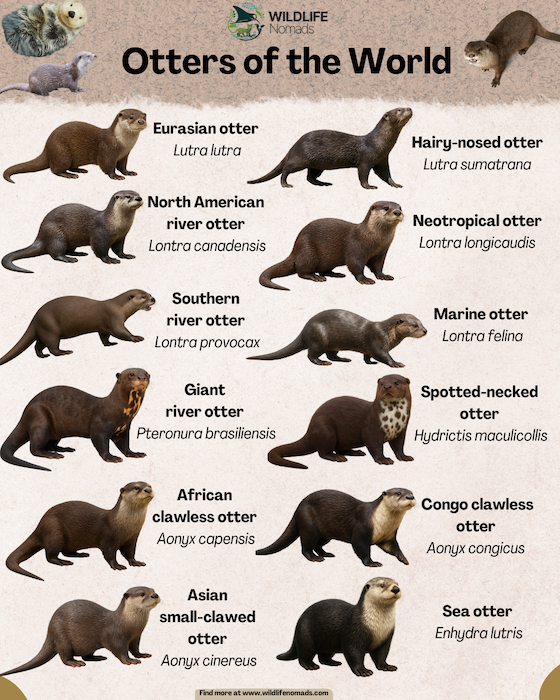
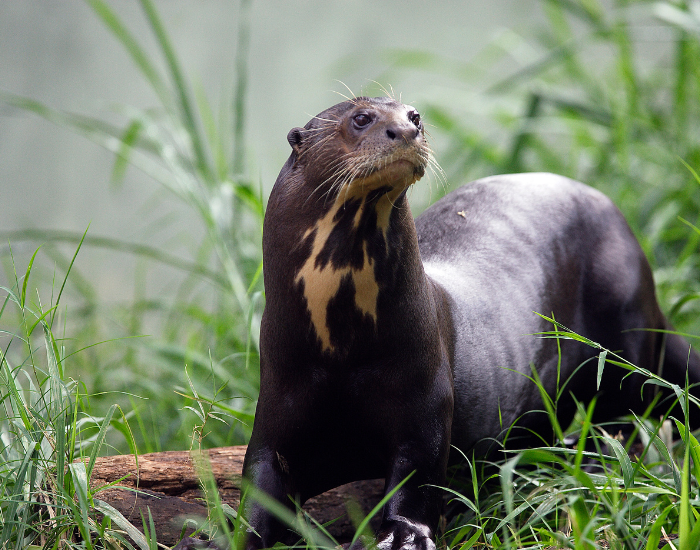
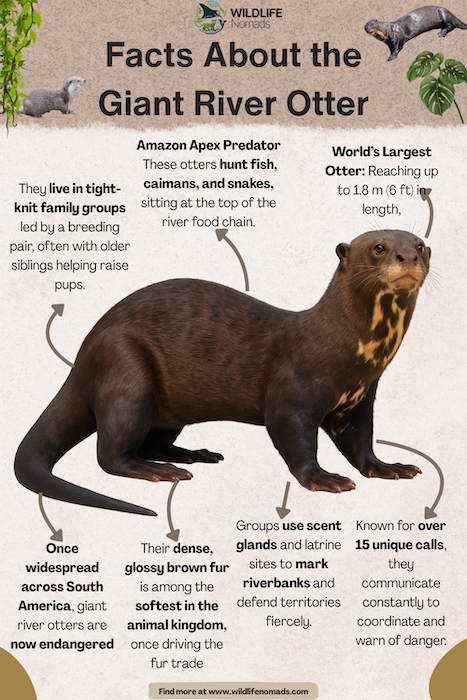
The giant river otter (Pteronura brasiliensis), also called the Amazonian otter or lobo de río (river wolf), is one of the most charismatic species of the Amazon Basin. As the largest member of the weasel family (Mustelidae), this species can reach lengths of up to 1.8 meters (6 feet). This makes it the world’s largest otter.
Unlike its smaller cousins, this neotropical river otter lives in extended family groups. It hunts cooperatively and communicates with an incredible range of distinct sounds. However, the giant river otter is also a symbol of fragility. Once widespread across South America, it is now listed as endangered on the IUCN Red List. Threats include habitat loss, gold mining, hunting, and human disturbance.
Let’s dive into the top 10 things you need to know about this remarkable species.
1. The Giant River Otter is the World’s Largest Otter
Adult giant river otters can grow between 1.5–1.8 m (5–6 ft) long. Some individuals reach over 2 meters including their tail. Their body weight ranges from 30–34 kg (66–75 lbs). This makes them much heavier than the North American river otter.
Their sleek, muscular build and long body make them perfectly adapted for life in water. These natural predators dominate South America’s freshwater rivers. Compared to other otter species, they are truly giants. If you’ve only seen otters in a zoo or coastal area, imagine something twice the size with a far bolder personality.
The giant otter is the largest member of the mustelid family. This includes weasels, ferrets, and other otters. Their size helps them hunt fish and defend territory against black caiman and other animals.
2. They Live in the Heart of the Amazon Rainforest
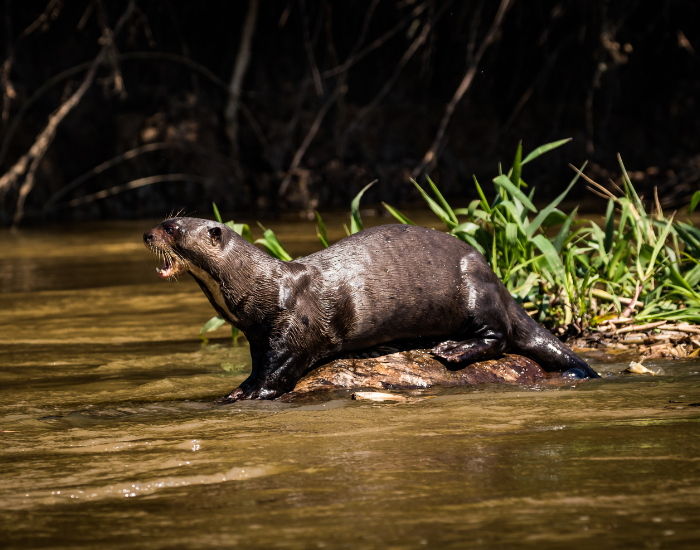
Understanding habitat and distribution is key to knowing the giant otters. These mammals inhabit the Amazon, Orinoco, and La Plata river systems. Their range spans Brazil, Peru, Colombia, Venezuela, French Guiana, and Bolivia. You can also find them in parts of the Pantanal wetlands.
Their preferred natural habitat includes slow-moving rivers and oxbow lakes with calm water. They also favor areas with dense riverbank vegetation where they can dig dens. Wetlands and pool areas with abundant fish are essential.
During my time in the Amazon rainforest, I noticed how much they rely on specific features. Fallen logs, overhanging branches, and deep pools where prey fish gather are critical. Unfortunately, their water habitat is under constant threat. Deforestation, gold mining, and human disturbance fragment their range. Habitat degradation remains one of the most serious challenges for wild populations.
In French Guiana, conservationists work to protect remaining natural habitat. Similarly, local people in Peru and Brazil collaborate to preserve rivers and ferrets. These efforts help ensure that giant otters live in safe, healthy ecosystems.
3. Giant River Otters Live in Large Family Groups
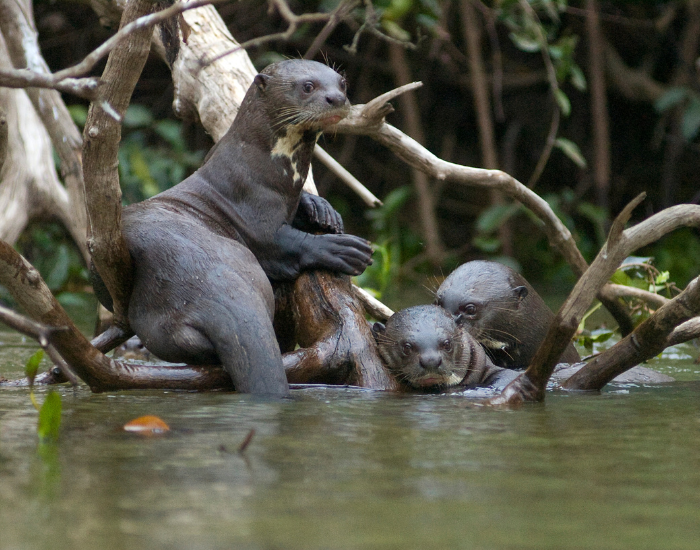
Unlike most other otters that are solitary, giant otters thrive in extended family groups. These groups can include up to 10 members. This social structure is rare among otter species.
Groups are usually led by a dominant breeding pair. Older siblings help raise pups by babysitting, feeding, and guarding them. These family groups cooperate to hunt fish and defend their territory. They use loud calls and aggressive displays to warn intruders.
Seeing a family of giant otters interact is remarkable. They play, groom, and rest together. This creates a sense of cohesion similar to wolf packs. In fact, their Spanish nickname is lobo de río, which means river wolf. The term reflects their pack-like behavior and fierce territorial nature.
Family members communicate constantly. They rely on group members for survival. This cooperation helps them locate prey and avoid predators like jaguars. Therefore, protecting family groups is essential for the species to survive.
4. Communication is Key: They Have Distinct Sounds
Giant river otters are among the most vocal of all animals. They use a complex system of communication with at least nine distinct sounds. This includes a low growl when threatened and whistles between family members. A high-pitched scream signals alarm.
Their calls echo across rivers. Often, these sounds are the first sign that a group is nearby. Researchers and ecotourists listen for these vocalizations. The variety of sounds helps coordinate hunting and warn of danger.
In addition to vocal communication, giant otters use body language. They raise their heads above water to survey surroundings. They slap their tails to create water pressure and alert others. This combination of auditory and visual signals makes them highly social mammals.
5. Skilled Hunters with Webbed Feet and Sensitive Whiskers
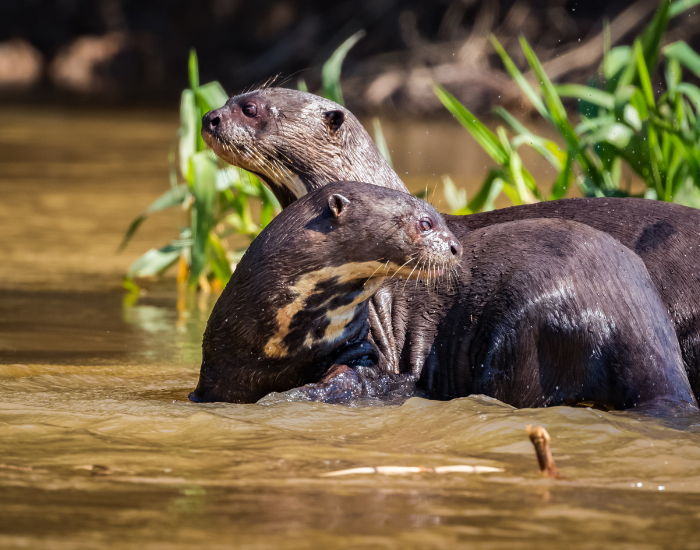
Giant otters are apex predators of the Amazon’s waterways. They hunt primarily fish, including species like catfish, perch, and even piranhas. Their webbed feet and powerful tails allow them to pursue prey underwater at impressive speed.
They use sensitive whiskers to detect vibrations in murky water. This helps them locate prey even in low visibility. Their diet also includes crustaceans, small anacondas, and other food sources. Occasionally, they eat land animals near riverbanks.
Watching them hunt in unison feels like watching dolphins. They coordinate movements, working together to corner fish. This cooperative hunting strategy is rare among otters. It demonstrates their intelligence and social bonds.
As natural predators, giant otters play a vital role in controlling fish populations. They prevent overpopulation of certain species. Therefore, their presence indicates a healthy river ecosystem.
6. The Giant River Otter is Endangered
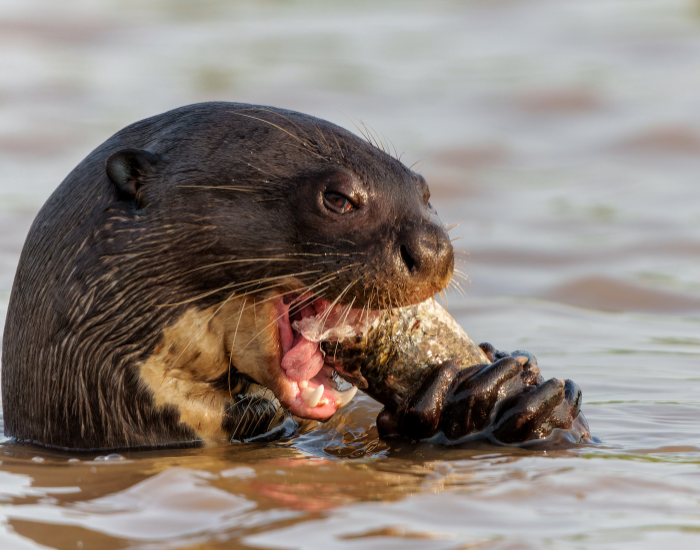
The giant Amazonian otter population has declined dramatically. Once present in nearly all major South American rivers, their numbers are now greatly reduced. Current estimates suggest fewer than 5,000 individuals remain in the wild.
Major threats include habitat loss from deforestation and damming of rivers. Gold mining contaminates water with mercury. Hunting for their luxurious fur was a major threat in the 20th century. However, hunting pressure has decreased in recent decades. Human disturbance, such as boat traffic and fishing competition, still poses problems.
In addition, climate change alters rainfall patterns. This affects river systems and prey availability. Diseases can spread quickly within small, fragmented populations. As a result, the IUCN Red List classifies them as endangered.
Conservation programs are working to protect wild populations. WWF initiatives in the Amazon and local community projects in Peru focus on habitat protection. However, recovery is slow. Continued research and conservation action are essential.
7. They Are Ecological Engineers of the Amazon Basin
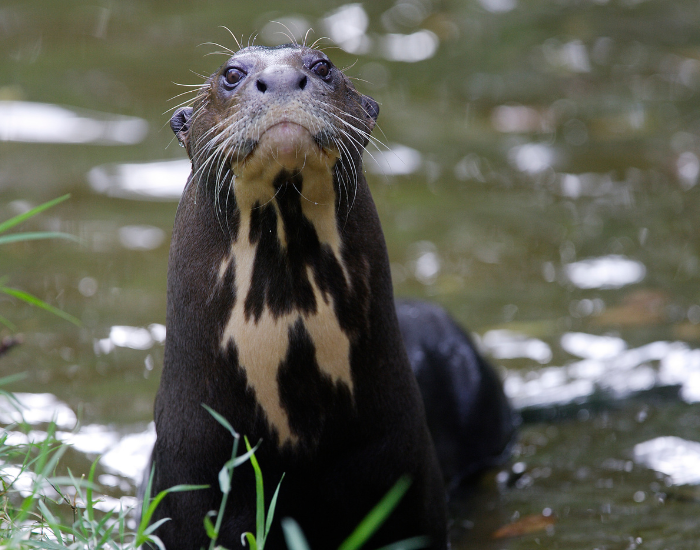
As a keystone species, giant river otters play a vital role in the Amazon Basin ecosystem. They regulate fish populations, preventing overpopulation of certain species. Their feeding habits influence the entire food web.
Very similar to beavers, giant otters also serve as indicators of environmental health. Their presence suggests clean water and abundant prey. Conversely, their absence signals habitat degradation or pollution. Therefore, monitoring otter populations helps assess overall ecosystem health.
These mammals are preyed upon by jaguars and black caiman. This links them into the wider food web. Without them, the delicate balance of Amazonian rivers would shift. Fish populations could explode, leading to overgrazing of aquatic plants. Birds and other animals that depend on healthy fisheries would also suffer.
In wetlands and rainforest areas, giant otters contribute to nutrient cycling. They transport nutrients from water to land through their waste. This supports vegetation growth along riverbanks. In turn, this vegetation provides habitat for countless other species.
8. Interactions with Local People: Conflict and Coexistence
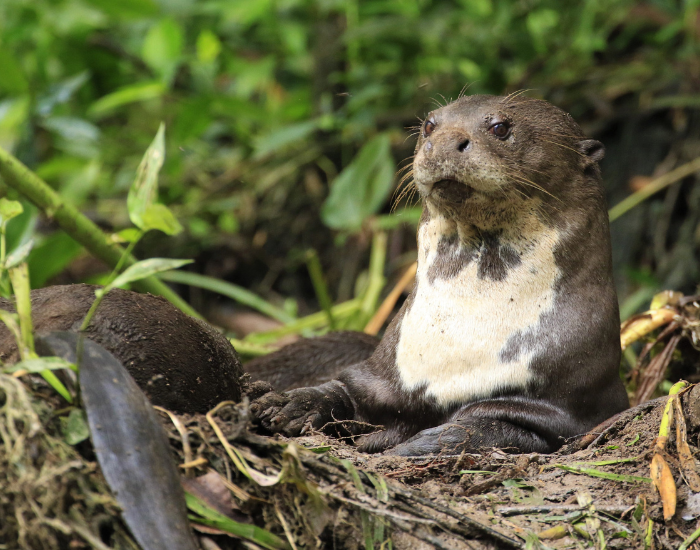
In some regions, local communities see giant otters as competition for fish. Historically, they were hunted extensively for fur and food. However, perspectives are shifting.
Ecotourism now provides an economic incentive to protect them. Tourists travel to the Amazon rainforest specifically to see giant otters live in their natural habitat. Education programs highlight their role in ecosystems. This helps local people understand their ecological importance.
Some Indigenous communities incorporate them into cultural narratives. They view otters as guardians of rivers. During one visit to a community in French Guiana, I learned how local fishers had shifted their views. They now recognize giant otters as partners in attracting wildlife tourism.
In Peru and Brazil, conservation groups work with local people to reduce conflict. They promote sustainable fishing practices and alternative livelihoods. These efforts help ensure that humans and otters can coexist. However, challenges remain in areas where economic pressures are high.
9. They Face Serious Conservation Challenges
The Amazonian giant otter faces multiple ongoing threats. Gold mining and mercury pollution poison rivers, affecting both otters and prey. Hydroelectric dams flood critical habitats and fragment populations. Climate change alters rainfall and river systems, reducing suitable habitat.
Habitat degradation continues across South America. Deforestation removes riverside vegetation needed for dens. Human disturbance from boat traffic and development disrupts breeding. In addition, diseases can spread quickly within small populations.
Conservationists are calling for stronger protection of wetlands and river habitats. Stricter enforcement of anti-poaching laws is essential. Collaboration with local communities ensures sustainable coexistence. Protected areas like Manu National Park in Peru and the Pantanal in Brazil remain strongholds.
However, these areas are not enough. Connecting fragmented habitats through wildlife corridors is necessary. This allows giant otters to move between populations. It also maintains genetic diversity, which is crucial for long-term survival.
10. Future of the Giant River Otter
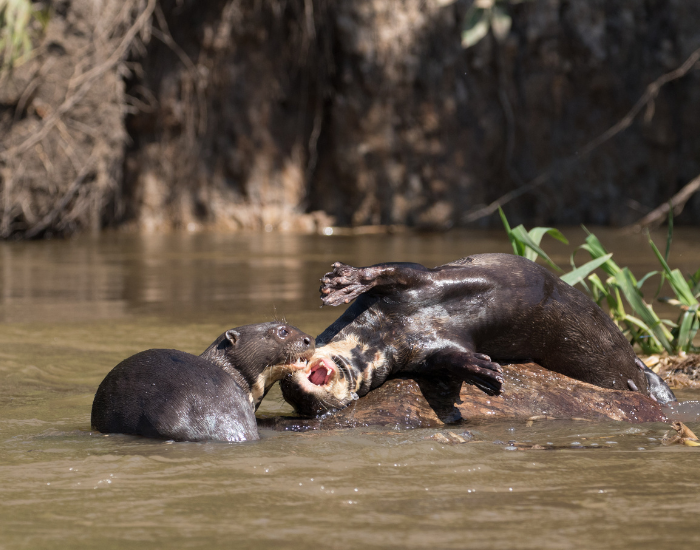
The future of the giant river otter depends on continued research and conservation action. Current estimates suggest fewer than 5,000 individuals remain in the wild. These are scattered across fragmented areas in South America.
Protected areas like Manu National Park and the Pantanal remain critical. However, more studies are needed on their behavior, genetics, and ecology. This information guides conservation strategies and helps identify priority areas.
Conservation groups continue to monitor wild populations. They track movements, breeding success, and threats. This data informs management decisions. In addition, captive breeding programs provide insurance populations. However, the focus remains on protecting wild populations in their natural habitat.
When I reflect on my own encounters with these remarkable creatures, I’m reminded of their vulnerability. These animals could vanish if we don’t act. Protecting them is not just about saving a species. It’s about preserving the rivers that sustain all life in the Amazon.
Efforts to combat gold mining and reduce mercury pollution are essential. Supporting sustainable ecotourism provides economic alternatives. Educating local people about the ecological role of giant otters builds support. Together, these actions can ensure that future generations experience the wonder of seeing giant otters live in the wild.
FAQ: Giant River Otters
Yes, they can be very aggressive when defending their territory or young. Their dominant breeding pair leads defense efforts. However, they generally avoid humans unless threatened.
They reach up to 1.8 meters (6 ft) in length and weigh 30–34 kg (66–75 lbs). This makes them the world’s largest otter and the largest member of the weasel family.
Size is the biggest difference. Giant river otters are nearly twice as large as other otter species. They also live in extended family groups, unlike most solitary otters.
Yes, jaguars and black caiman are natural predators. However, adult otters in groups can defend themselves effectively. Young and isolated individuals are most vulnerable.
Estimates suggest fewer than 5,000 individuals remain in the wild. Populations are fragmented across South America, with strongholds in protected areas.
Major threats include habitat loss, gold mining pollution, hunting, and human disturbance. Deforestation and dam construction fragment their range. Conservation efforts are underway but recovery is slow.
Guardians of the Amazon’s Waters
The giant Amazon river otter is one of the most extraordinary animals of South America. As an apex predator, a family-oriented mammal, and a symbol of biodiversity, it represents the Amazon’s ecological richness. However, this endangered species faces serious threats. Protecting it means protecting the rivers and rainforests it calls home.
If you’re lucky enough to visit the Amazon rainforest one day, listen carefully. A whistle or bark might just be your first clue that a giant otter family is nearby. These animals remind us of our responsibility to preserve wild populations and natural habitats. Their survival depends on our collective action and commitment to conservation.