Meeting Australia’s Happiest Animal
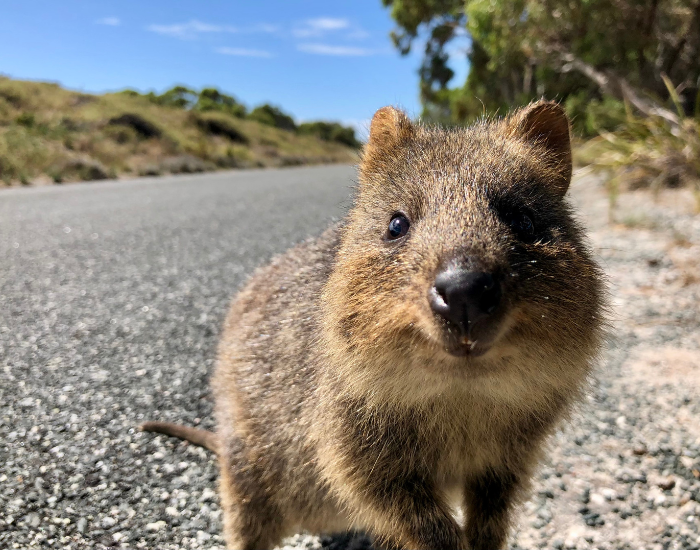
If you’ve ever seen a photo of a quokka, you’ve probably smiled back. These small marsupials have earned global fame for their cheerful expressions. Known as the “happiest animal in the world,” quokkas draw thousands of visitors to Western Australia each year.
For me, finally meeting quokkas in 2024 fulfilled a childhood dream. I flew from the east coast to Perth, stayed in Fremantle, and then caught the ferry to Rottnest Island. Locals often call it “Quokka Island.” We rented bikes and set out expecting a challenging search. However, when we spotted our first quokka, that initial sighting felt like we’d discovered treasure.
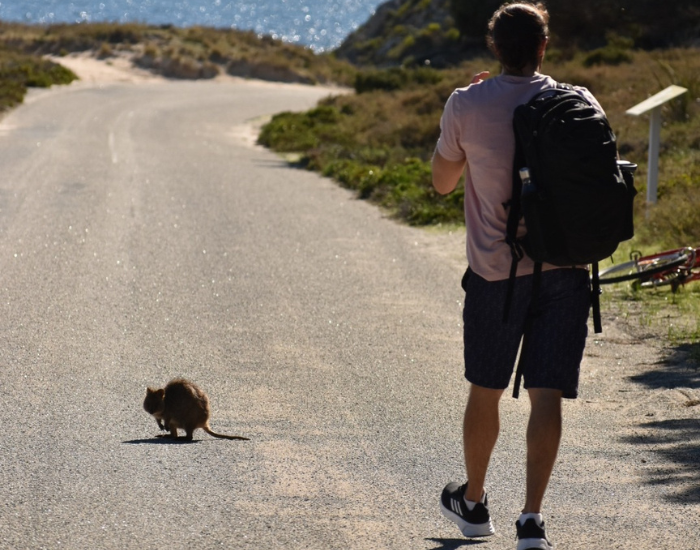
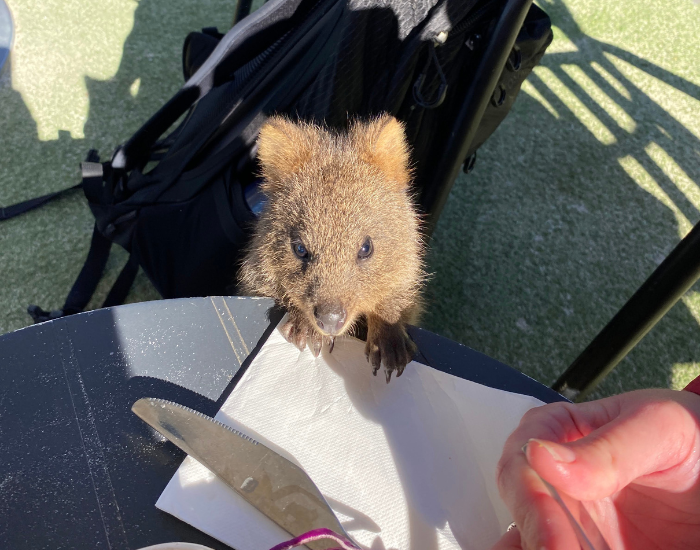
Little did we know, quokkas were everywhere. They gathered around restaurants, wandered near accommodations, and crossed walking paths. These animals share the island with humans effortlessly. Still, seeing such charming creatures in their natural habitat was unforgettable.
Let’s explore 12 fascinating facts about quokkas, their diet, habitat, and why conservation matters.
1. Quokkas Are Marsupials Native to Australia
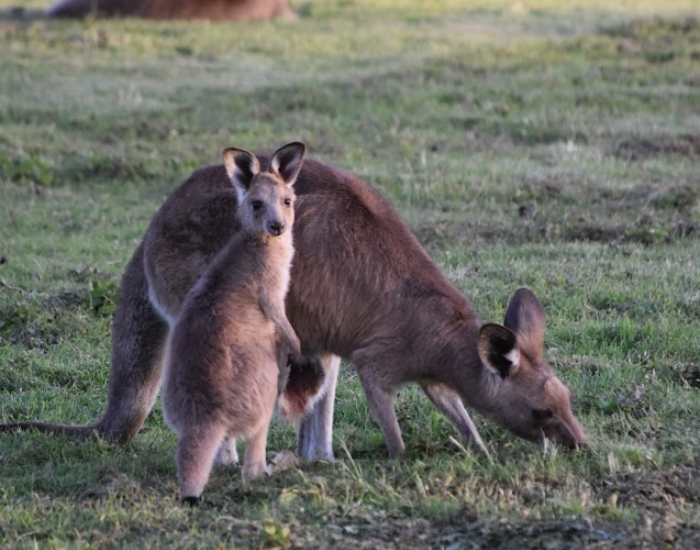
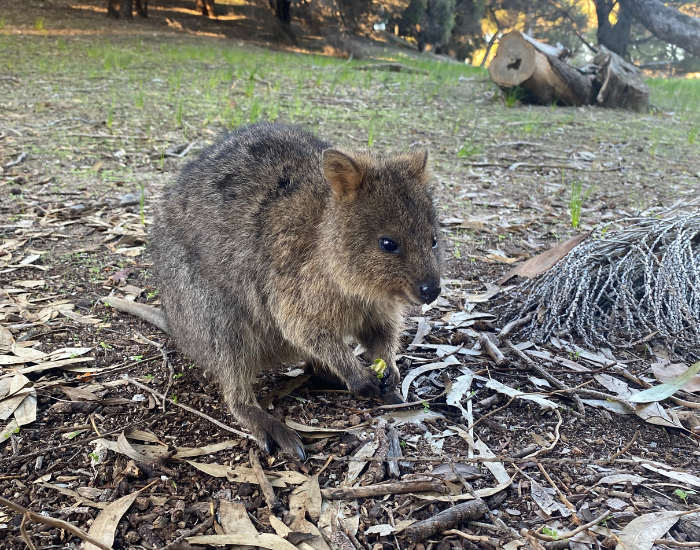
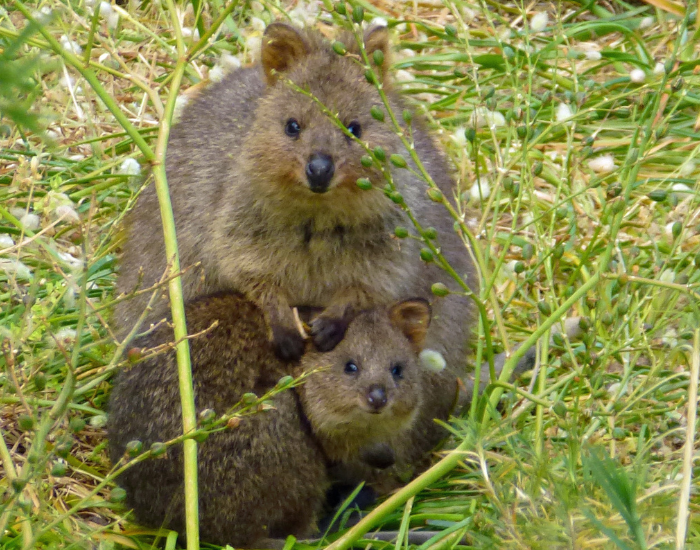
Quokkas belong to the marsupial family, just like kangaroos and wallabies and other australian animals. Female quokkas carry their young in pouches until joeys grow strong enough to venture out. A joey is a baby quokka, and during this stage, baby quokkas are especially vulnerable to threats in their environment. This makes them part of Australia’s unique lineage of pouched mammals.
These adorable animals are macropods, which means “big foot” in Greek. Therefore, they share characteristics with other hopping marsupials. Their stocky build and short tail distinguish them from their larger relatives.
2. Western Australia Is Their Only Home
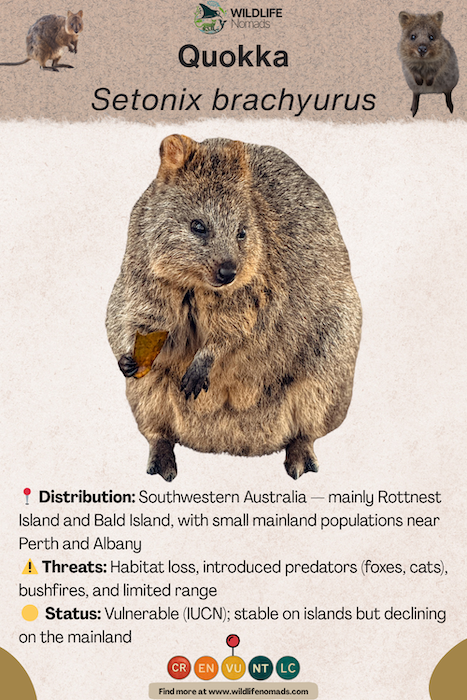
Quokkas are found only in a small region of Western Australia (WA). Historically, the extent of the quokka’s range was much greater, and they were once widespread across WA before significant habitat loss and environmental changes reduced their distribution. The largest quokka population thrives on Rottnest Island, located near Perth. Smaller colonies exist on Bald Island and in bushland surrounding Perth, where quokkas show a tendency to prefer dense vegetation and moist habitats within their current range.
Mainland populations face greater threats than their island cousins. In fact, predators like cats and foxes pose serious dangers. Urban development continues to reduce their natural habitat. Consequently, mainland quokkas are classified as vulnerable species.
The protected environment of Rottnest Island provides a safe haven. No predators threaten the quokka population there. As a result, visitors can observe these marsupials in stable numbers.
3. Rottnest Island: The Famous “Quokka Island”
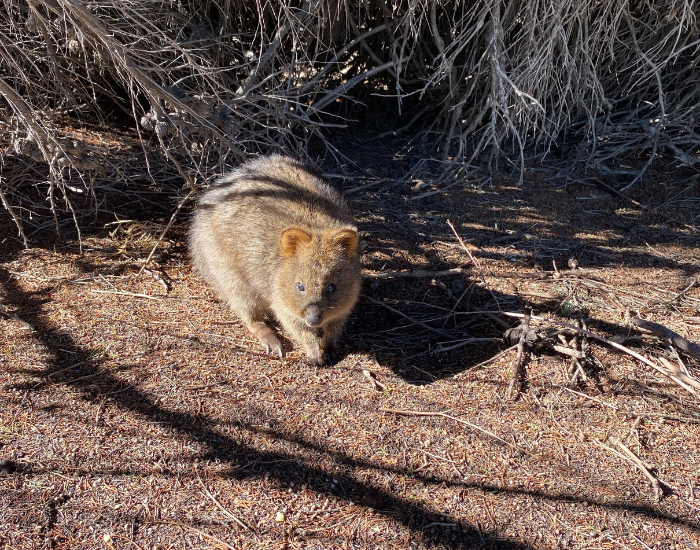
When Dutch explorer Willem de Vlamingh arrived in 1696, he made an amusing mistake. He described the quokka as “a kind of rat as big as a common cat” and thought quokkas were giant rats, naming the island “Rotte Nest.” This translates to “rat’s nest” in Dutch.
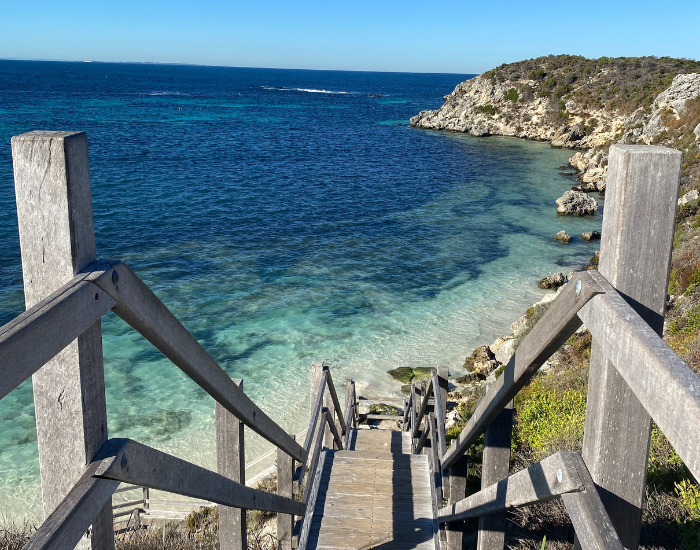
Today, Rottnest Island has fully embraced its reputation. The island draws nature lovers from around the world. In addition, it’s become synonymous with quokka sightings. Most tourists visit specifically to photograph these friendly marsupials.
The island offers easy access from Perth via ferry. Once there, you can explore by bike or on foot. Quokkas roam freely throughout the island, making encounters almost guaranteed.
4. Why Quokkas Look Like They’re Smiling
The quokka’s facial structure creates a permanent smile-like expression. This unique anatomy has earned them the title “world’s happiest animal.” However, scientists explain it’s simply how their mouth naturally curves.
Despite the scientific explanation, the effect on human hearts remains powerful. People worldwide find their appearance irresistibly cute. Moreover, their approachable behavior adds to their charm. They often show little fear of humans, though they remain wild animals.
Their friendly presence has made them social media stars. Nevertheless, it’s important to remember they’re not domesticated pets. Respecting their wild nature ensures their wellbeing.

5. Quokka Selfies: A Global Social Media Trend
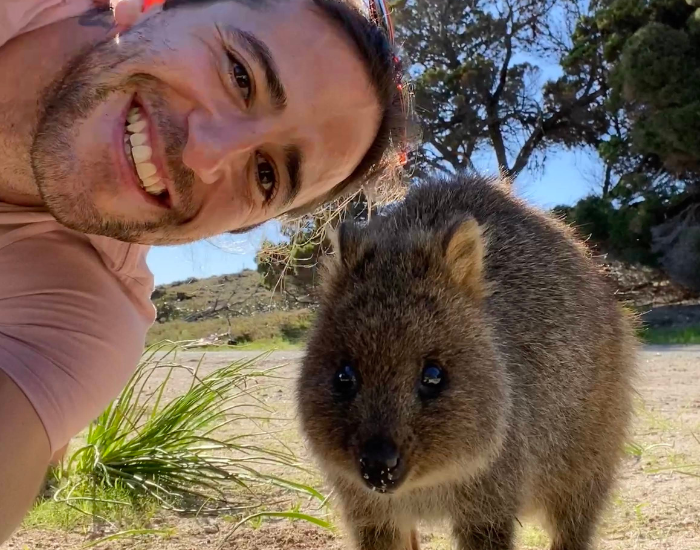
“Quokka selfies” have become a worldwide phenomenon on social media. Celebrities like Chris Hemsworth and Roger Federer have shared their quokka photos. These images regularly go viral on Instagram and other platforms.
The trend has boosted tourism to Rottnest Island significantly. However, it’s raised important conservation questions. While taking photos is permitted, touching or feeding quokkas is strictly prohibited.
Visitors must maintain respectful distances during photo opportunities. In fact, fines for touching quokkas can be substantial. The restricted approach protects both animals and humans from potential harm.
6. What Do Quokkas Eat? Understanding Their Diet
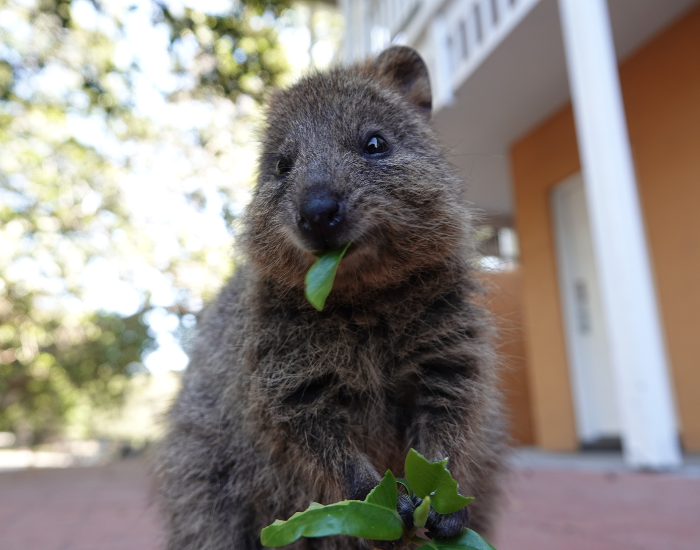
Quokkas are herbivores with a specialized diet. They consume various types of vegetation found in their environment. Their food sources include grasses, leaves, shrubs, bark, and succulent plants. Quokkas are able to reach and munch on leaves and other food just above their head height, using their head as a point of reference for accessing foliage.
These animals have adapted to survive on limited resources. In addition, they store fat in their tails for lean periods. This survival strategy helps them endure harsh conditions in the bushland.
Human food poses serious health risks to quokkas. Therefore, feeding them is prohibited throughout Rottnest Island. Signs remind visitors that human food can harm their digestive systems. Moreover, it can alter their natural eating behavior and cause dependency.
Fresh water isn’t always necessary for their survival. They extract most moisture from the plants they consume. This adaptation proves essential in Western Australia’s arid environment.
7. How Quokkas Survive Without Fresh Water
Adapted to dry conditions, quokkas can go long periods without drinking. They obtain most of their hydration from the vegetation they eat. This remarkable ability helps them thrive in areas where water is scarce.
Their bodies efficiently extract moisture from plants. Consequently, they’ve evolved to survive in the often arid bushland. This adaptation distinguishes them from many other marsupial species.
On Rottnest Island, water sources exist but aren’t always accessible. However, the island’s coastal environment provides some relief. The presence of succulent plants offers additional hydration opportunities.
8. Quokkas Live in Small Groups, Not Large Mobs
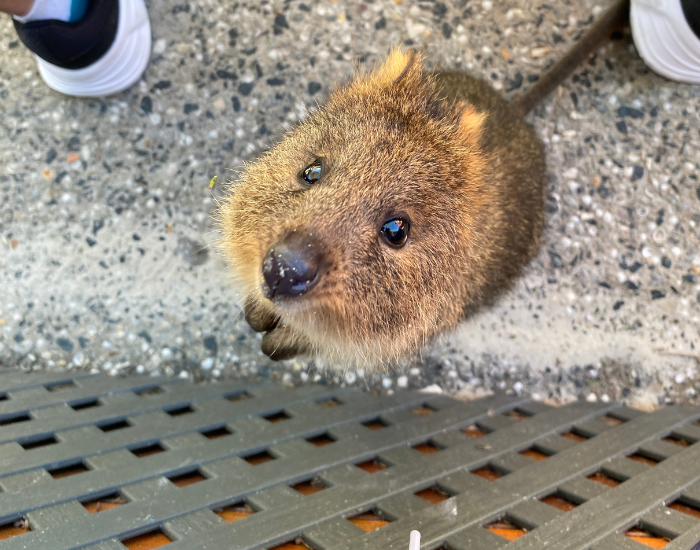
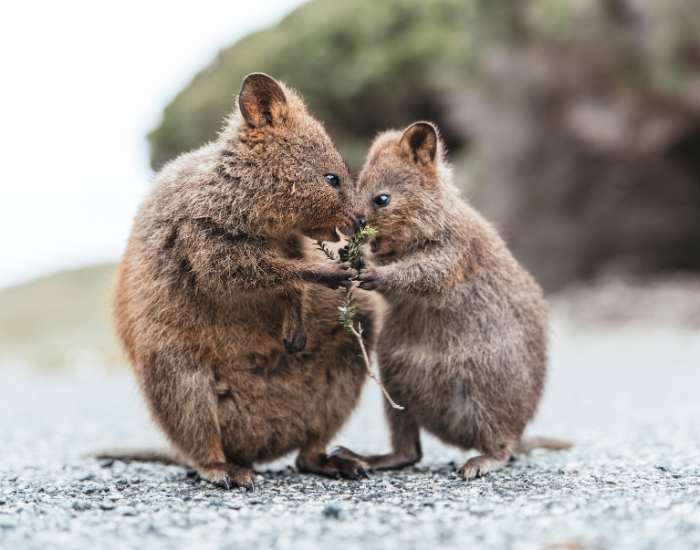
Unlike kangaroos that form large mobs, quokkas prefer smaller gatherings. They’re social animals but don’t establish strict territories. Instead, you’ll find them in loose family groups scattered across their habitat.
They often gather near food sources or shelter. In addition, they congregate in shaded areas during hot days. Their non-territorial nature allows multiple groups to coexist peacefully.
On Rottnest Island, you’ll spot them hopping along paths regularly. They rest under vegetation or near human structures. This comfortable presence around humans makes sightings easy for visitors.
9. Surprising Fact: Quokkas Can Climb Trees
Despite their stocky appearance, quokkas possess surprising agility. They can climb low trees and shrubs to reach food. This ability helps them access leaves and bark at various heights.
Climbing also provides an escape route from mainland predators. However, this behavior is more common in bushland populations. Island quokkas climb less frequently due to abundant ground-level food.
Their strong limbs support their weight during climbs. Moreover, their claws provide grip on bark and branches. This adaptation demonstrates their resourcefulness in diverse environments.
10. A Dark Survival Strategy: Sacrificing Joeys
Quokkas employ a harsh but effective survival tactic. When threatened by predators, mothers may eject joeys from their pouches. This distraction allows the adult to escape while the predator investigates.
While this sounds cruel, it’s a calculated survival strategy. The mother’s survival ensures she can reproduce again. In contrast, losing both mother and joey would be worse for the species.
This behavior occurs primarily in mainland populations where predators exist. On Rottnest Island, the absence of threats makes this unnecessary. Therefore, visitors rarely witness this distressing behavior.
11. Conservation Status: Quokkas Face Ongoing Threats
The quokka is classified as a vulnerable species by conservation authorities, and joins the list as one of Australia threatened animals. Mainland populations have experienced significant decline over recent decades. Several factors contribute to their threatened status.
Predation by introduced species like cats and foxes remains the primary threat. These predators were brought to Australia by European settlers. Consequently, native wildlife like quokkas suffered greatly from these efficient hunters.
Habitat loss from urban development continues to reduce their range. As Perth expands, bushland surrounding the city disappears. In addition, bushfires intensified by climate change destroy critical habitat areas.
On Rottnest Island, populations remain stable due to effective protection measures. The island’s predator-free environment provides ideal conditions. However, protecting mainland populations requires ongoing conservation efforts.
Organizations work to control feral cat and fox numbers. Habitat restoration projects aim to reconnect fragmented populations. Public education about not feeding wildlife also supports conservation goals.
12. Where to See Quokkas: Best Locations in Australia
Planning a trip to see quokkas requires knowing the right locations. Here are the best spots for quokka encounters:
Rottnest Island stands as the most famous and reliable destination. Located near Perth, it’s easily accessible by ferry from Fremantle. The island hosts the largest quokka population, with sightings virtually guaranteed. Most visitors spend a full day exploring by bike or on foot.
Bald Island offers a smaller, less touristy alternative. This offshore island south of Albany hosts a small colony. However, access is limited and requires special arrangements. Therefore, most tourists prefer Rottnest for convenience.
Bushland surrounding Perth occasionally provides mainland sightings. However, these encounters are extremely rare and unpredictable. The quokkas in these areas are more elusive than their island cousins.
Wildlife parks in Western Australia guarantee encounters in controlled settings. These facilities provide educational experiences about quokka conservation. Moreover, they support breeding programs for threatened populations.
While many call Rottnest “Quokka Island Perth,” remember their ecological importance. These marsupials represent more than just social media stars. They’re vital indicators of Western Australia’s environmental health.
Understanding Quokka Behavior and Birth Cycles
Quokkas are born after a short gestation period, and females reach sexual maturity and become capable of reproducing at around 18 months of age. Mating can occur year-round, with peak periods, and the timing of mating directly influences when joeys are born and begin their development in the pouch. Females typically produce one joey per year.
The joey remains in the pouch for approximately six months. After emerging, it continues nursing for several more weeks. This extended parental care ensures the young quokka’s survival.
Mothers show strong protective instincts toward their offspring. However, as mentioned earlier, extreme threats trigger different behaviors. The average lifespan in the wild reaches about ten years.
How Tourism Affects Quokka Populations
The surge in quokka tourism brings both benefits and challenges. Increased visitor numbers have raised awareness about conservation needs. In addition, tourism revenue supports island management and protection programs.
However, close human contact can stress quokkas despite their friendly appearance. Touching animals spreads diseases between species. Moreover, human food disrupts their natural diet and health.
Restricted feeding policies protect quokkas from harmful interactions. Education campaigns teach visitors proper wildlife etiquette. Therefore, responsible tourism ensures these animals thrive for future generations.
The Role of Offshore Islands in Quokka Survival
Offshore islands like Rottnest and Bald Island serve as crucial refuges. These locations lack the introduced predators that plague mainland areas. Consequently, quokka populations remain stable without constant threat.
The island environment also limits habitat destruction from development. Protected status prevents commercial expansion that would harm wildlife. This preservation allows natural behaviors to continue undisturbed.
However, islands face their own challenges from climate change. Rising sea levels and extreme weather events pose long-term threats. Conservation planning must address these emerging concerns.
FAQs About Quokkas
Quokkas aren’t aggressive and often approach humans out of curiosity. However, they remain wild animals that shouldn’t be touched. Their comfortable presence around people doesn’t mean they’re domesticated.
Physical contact stresses quokkas and can spread diseases between species. It’s also illegal on Rottnest Island, with hefty fines enforced. Respecting their space protects both animals and visitors.
No, they also inhabit Bald Island and small mainland colonies in Western Australia. However, Rottnest hosts the largest and most accessible population. Mainland sightings are rare due to habitat loss and predators.
They consume grasses, leaves, shrubs, bark, and other vegetation. Their herbivore diet requires no animal protein. Never feed them human food, as it harms their health.
Their facial structure naturally creates a smile-like expression. This anatomical feature doesn’t indicate emotional happiness. However, the effect delights humans worldwide.
Wild quokkas typically live around ten years. Protected populations may live slightly longer. Predators and habitat quality affect their average lifespan significantly.
Some Australian zoos house quokkas in captivity. However, most captive populations remain within Australia. International zoos rarely display them due to export restrictions.
Why Quokkas Matter for Australia’s Future
Meeting quokkas fulfilled a personal dream, but their significance extends beyond cute selfies. These vulnerable marsupials tell an important story about conservation and survival. They’ve captured global attention as ambassadors for Australian wildlife.
Western Australia’s biodiversity depends on protecting species like quokkas. Their declining mainland populations signal broader environmental challenges. However, successful island conservation demonstrates what’s possible with proper protection.
If you plan a trip to see quokkas, approach them responsibly. Keep your distance, never feed them, and respect their wild nature. Take photos without touching, and follow all posted guidelines on Rottnest Island.
Further Reading
- 12 Stunning Kingfishers of Australia
- Fascinating Facts About the Platypus
- Discover the World of the Seadragon in Australia
- 10 Things You Didn’t Know About the Rainbow Lorikeet
Find a Tour to See the Quokkas
This blog is reader-supported. When you buy experiences through links listed on this site, we may earn an affiliate commission.