
The Importance of Protecting Red Wolves in Their Natural Habitat
I’ve always had a fascination with wolves. Growing up, I learned about gray wolves in Yellowstone, Ethiopian wolves on the African highlands, and then, almost by accident, I stumbled across the story of the red wolf. That discovery surprised me, I hadn’t realized there were three species of wolves in the world. The red wolf, Canis rufus, instantly caught my attention because of its rarity, its struggles for survival, and its unique place in the wild history of North America.
Today, red wolves are critically endangered, with only a tiny population surviving in the wild. Their story is one of loss, recovery, and resilience, a conservation tale that reflects both our mistakes and our capacity to protect what’s left.
1. Meet Canis rufus: The Ghost of the American South
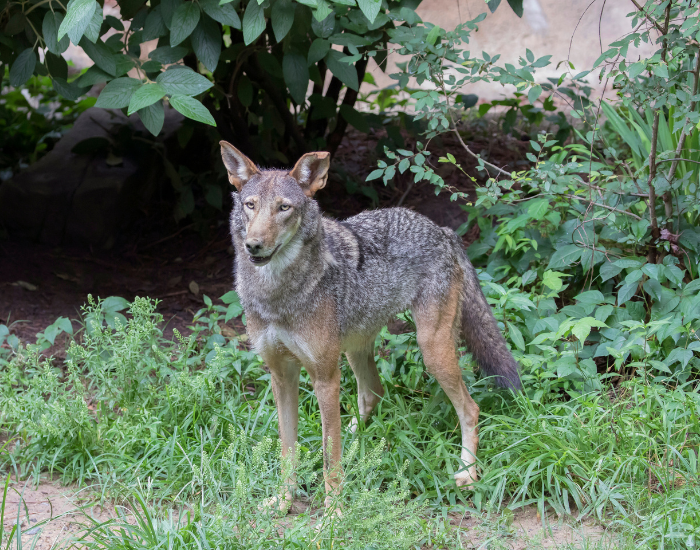
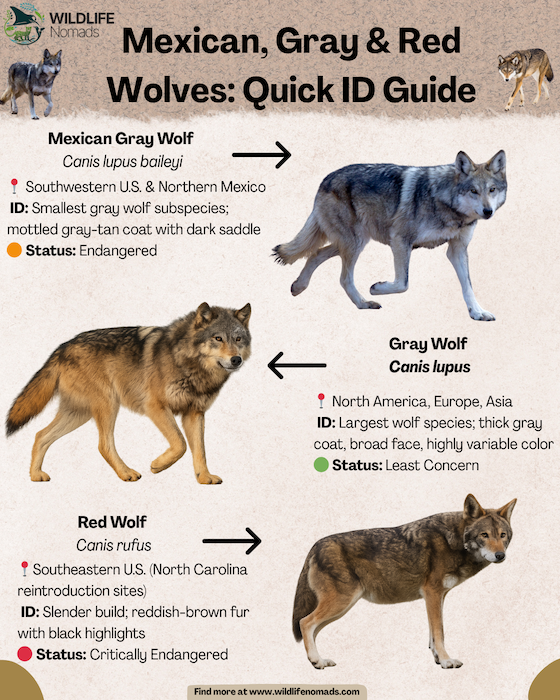
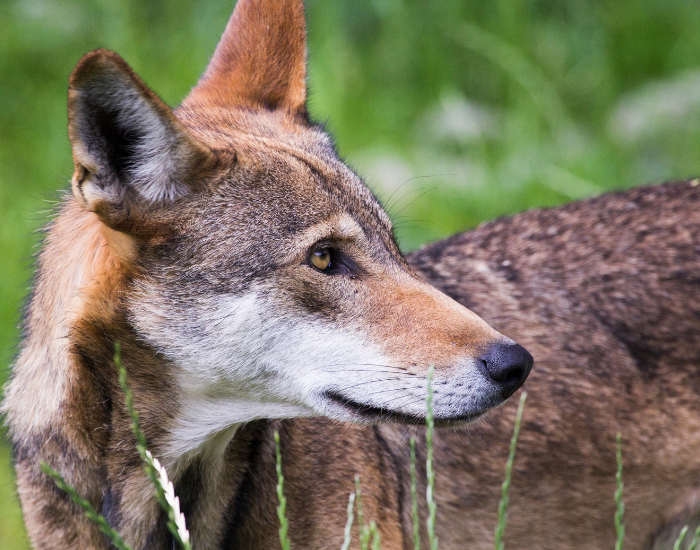
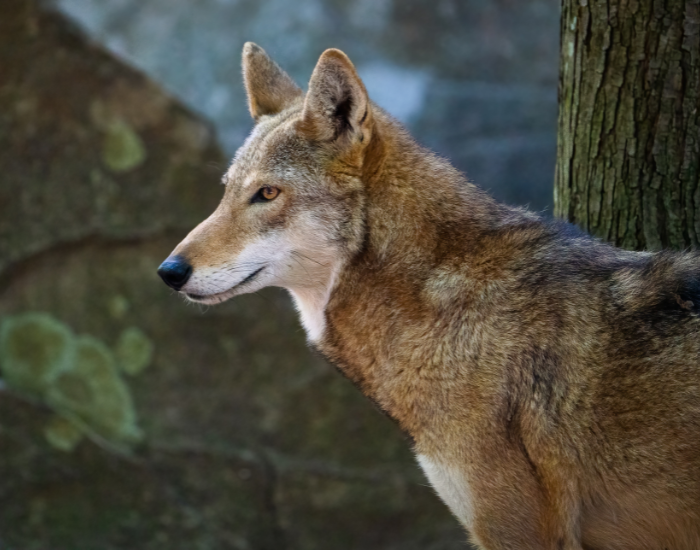
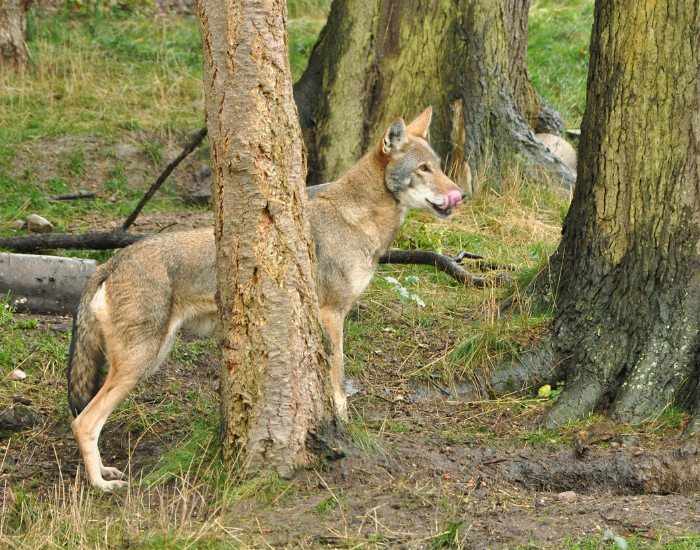
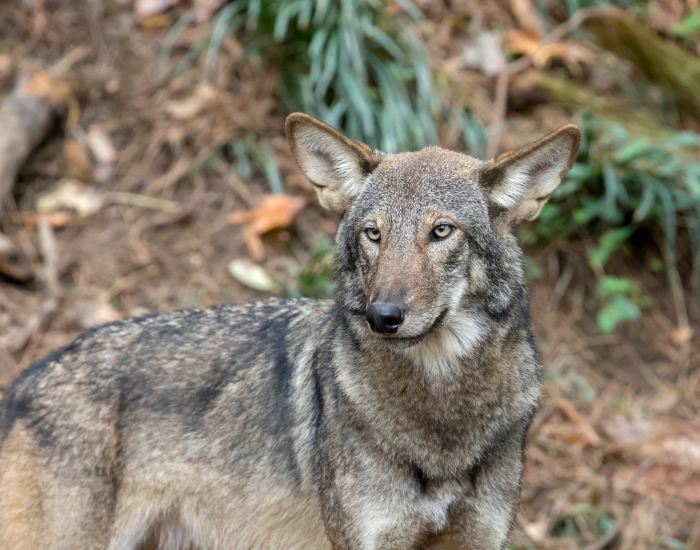
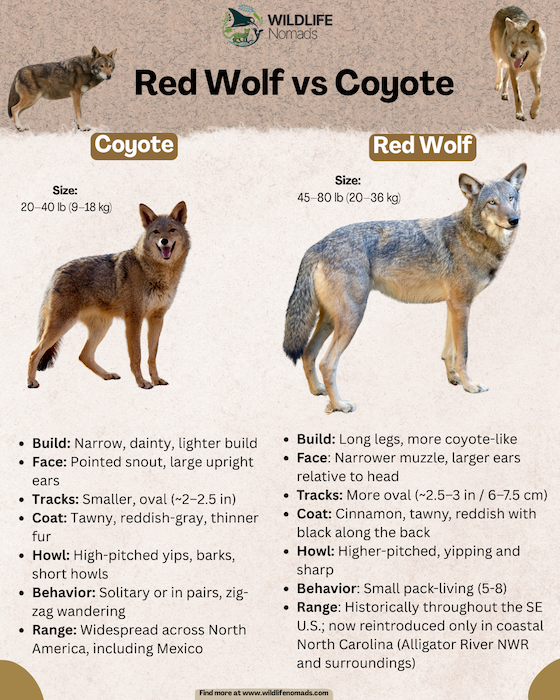
The red wolf (Canis rufus) is a medium-sized canid that sits somewhere between the coyote and the gray wolf in both appearance and size. Adults measure around 136–165 cm in length and weigh 20–39 kg. Their coat is often a grizzled mix of tawny brown and gray, with that signature reddish tint on their ears, muzzle, and legs that gave them their name.
Unlike their cousins, red wolves are among the rarest mammals in the world. Declared extinct in the wild in 1980, their story since has been a rollercoaster of conservation highs and heartbreaking setbacks.
2. Once Widespread, Now Pinned to a Single Stronghold
Historically, red wolves roamed a vast range across the southeastern United States, from the Atlantic coast through Texas and northward into the Ohio River Valley. They thrived in forests, wetlands, coastal prairies, and even stream banks where prey was abundant.
Today, the last wild population clings to survival in northeastern North Carolina, mainly within and around the Alligator River National Wildlife Refuge and Pocosin Lakes National Wildlife Refuge. This is the only place in the world where you can still see wild red wolves.
Sadly, habitat loss, fragmentation, and degradation have squeezed them into this single stronghold. As human settlements expand, the wolves lose the viable habitat they desperately need.
3. Wolves That Live Like Coyotes, Hunt Like Deer Stalkers
Red wolves are highly social animals that live in tight family groups led by a dominant breeding pair. These wolves usually mate for life, forming strong pair bonds, and raise their pups with the help of older offspring.
- Breeding season: Late winter.
- Litter size: Typically 4–6 pups, though larger litters of up to 8 have been recorded.
- Denning sites: Often hollow trees, stream banks, or dense thickets.
Their diet is varied and opportunistic. Red wolves feed primarily on white-tailed deer, raccoons, rodents, and rabbits, with occasional birds, reptiles, or even insects. By regulating prey populations, they play a vital ecological role in maintaining balance within their habitat.
Despite their fierce reputation, red wolves generally avoid humans. They are shy, elusive, and most often spotted at dusk or dawn.

4. Survival on the Edge: Why Red Wolves Keep Disappearing
Red wolves face an intimidating list of threats:
- Habitat degradation and loss due to agriculture, development, and roads.
- Hybridization with coyotes, which dilutes their genetic purity and complicates recovery.
- Human-caused mortality, including vehicle collisions, illegal shootings, and trapping.
- Disease outbreaks, like canine parvovirus.
- Climate change, which alters prey abundance and wetland habitats.
Even carefully managed wolves in the red wolf recovery area are not safe from these pressures. With such a small wild population, every death matters.
5. A Species Hanging by a Thread
The red wolf is listed as critically endangered on the IUCN Red List and protected under the Endangered Species Act.
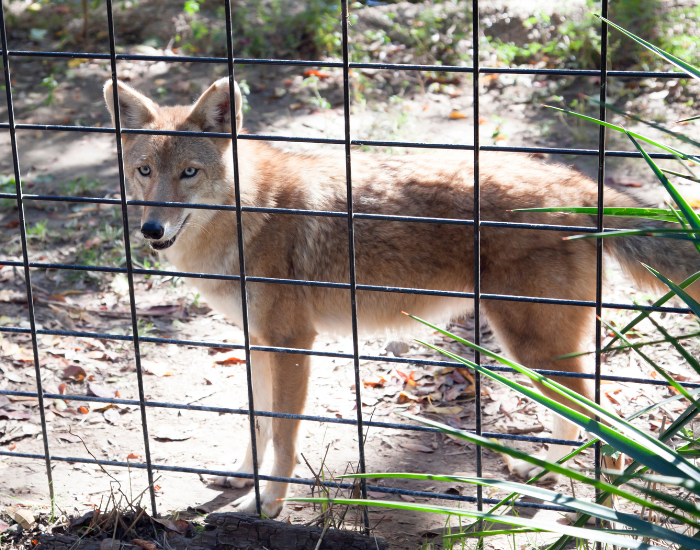
As of 2025, there are believed to be fewer than 25 wild red wolves left roaming the coastal plains of North Carolina. In captivity, around 250 individuals are maintained in zoo-based conservation programs across the United States, including the Wolf Conservation Center in New York and Point Defiance Zoo in Washington.
This fragile mix of wild and captive populations is the only thing standing between the species and total extinction.
6. Captive Breeding Programs
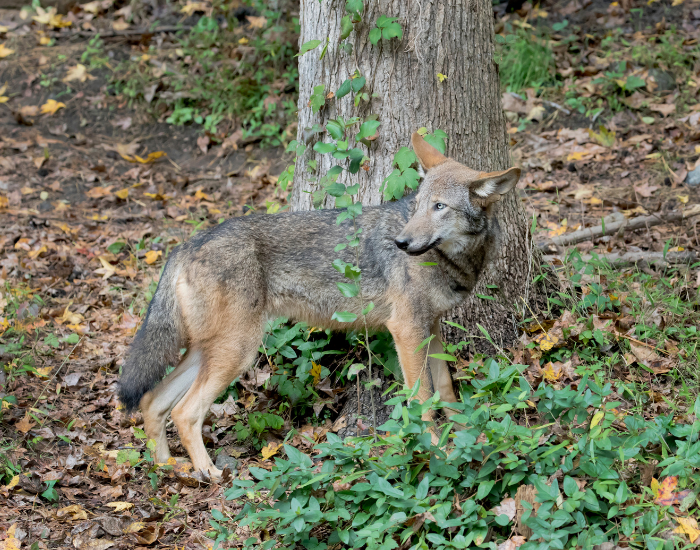
The captive breeding program for red wolves began in the 1970s when the last 17 known wolves were captured and placed under managed care. From this genetic bottleneck, every red wolf alive today descends.
These programs are carefully coordinated to maintain genetic diversity. Wolves are bred, tracked, and sometimes selected for reintroduction into the wild. Facilities like Point Defiance Zoo and several fish and wildlife service centers play a critical role in keeping the species alive.
But captive breeding comes with challenges. Red wolves are social animals, and not every pairing results in success. Managers must balance natural pack behaviors with the limitations of enclosures.
7. The Bold Experiment: Releasing Wolves Back Into the Wild
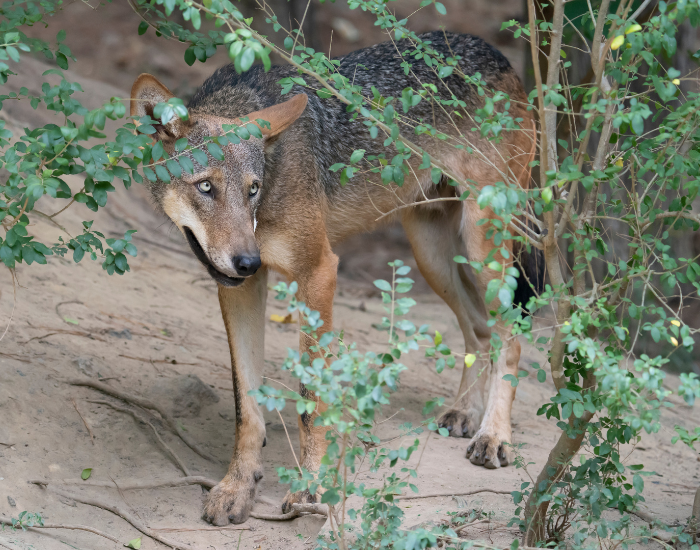
The first reintroduction took place in 1987 at the Alligator River National Wildlife Refuge. For a while, it was hailed as a conservation success story, the red wolf became the first carnivore declared extinct in the wild and then successfully reintroduced.
At its peak, over 150 wolves roamed northeastern North Carolina. However, conflicts with landowners, coyote hybridization, and reduced federal support have caused numbers to plummet again.
Conservationists are now debating whether to expand reintroduction sites to places like southern Missouri, coastal South Carolina, or Bulls Island in South Carolina, where suitable habitat still exists.
8. Guns, Highways, and Habitat: How Humans Shape Their Fate
Humans have shaped almost every part of the red wolf’s story:
- Predator control programs in the 20th century nearly wiped them out.
- Road construction and farming caused widespread habitat loss.
- Some wolves were shot due to mistaken identity, confused with coyotes.
- Ongoing legal battles over the nonessential experimental population have complicated management.
But humans are also the source of hope. The U.S. Fish and Wildlife Service and non-profits like the Southern Environmental Law Center continue to fight for protections, working alongside zoos, nature centers, and dedicated field biologists.
9. Nature’s Balancers: Why Ecosystems Need Red Wolves
Red wolves are not just survivors, they are ecosystem engineers.
- By hunting white-tailed deer and small mammals, they prevent overgrazing and crop damage.
- Their presence influences coyote populations, altering predator-prey dynamics.
- Their kills provide food for scavengers, recycling nutrients back into the ecosystem.
Losing red wolves means losing these benefits. Their decline is not just about a single species, but about the health of the entire southeastern landscape.
10. The Comeback Story That Isn’t Over Yet
Despite the challenges, there have been bright spots:
- The establishment of a remnant population in North Carolina.
- Captive breeding success stories, with new pups born each spring.
- Increasing public awareness through education and ecotourism.
The future of the red wolf will depend on:
- Expanding captive-born red wolf releases into the wild.
- Securing viable habitat across multiple states.
- Stronger enforcement of the Endangered Species Act.
- Continued collaboration between landowners, scientists, and the public.
If these steps succeed, the red wolf could once again roam parts of its historic range.
The Red Wolf Recovery Program: From Extinction to Hope
In 1980, the red wolf was officially declared extinct in the wild. At that point, only a small group survived in captivity. The U.S. Fish and Wildlife Service launched the red wolf recovery program as a last-ditch effort to save the species.
Seventeen wolves formed the foundation of this recovery program. From them, every single red wolf alive today descends. By 1987, the first releases into the Alligator River National Wildlife Refuge marked the beginning of a historic comeback. This effort also created a nonessential experimental population, a designation that allowed managers to reintroduce wolves while balancing local land-use concerns.
While numbers peaked at around 150 wolves in the wild, setbacks like coyote hybridization, habitat degradation, and reduced funding caused declines. Still, the program remains a landmark in U.S. conservation history, showing what’s possible when science and political will align.
Breeding Behavior and Pack Life
Red wolves are highly social animals that rely on cooperation to survive. Packs typically consist of a breeding pair and their offspring, often forming close-knit family groups. Unlike gray wolves, red wolf packs are usually smaller, around 5–8 individuals.
During winter, a wild female red wolf digs a den in hollow trees, along stream banks, or in dense vegetation. She gives birth to wild litters of 4–6 pups in spring. These red wolf pups rely on both parents and older siblings for food and protection.
Communication within the pack involves body language, howls, and scent marking to define territory. A breeding male plays an equal role in raising the young, often regurgitating food for growing pups. These behaviors not only ensure survival but also reinforce strong social bonds.
If you are interested about similar gray wolves, read the article about
Human Threats: Predator Control and Habitat Loss
Historically, intensive predator control programs in the southeastern United States devastated red wolf populations. Seen as a threat to livestock, they were relentlessly hunted, trapped, and poisoned.
Today, habitat fragmentation and habitat degradation remain major issues. Expanding roads, farms, and urban development continue to erode viable habitat, leaving wolves with smaller, disconnected patches of land.
Efforts to restore these landscapes, especially in eastern North Carolina, are critical for the survival of the remaining red wolves. Without large, connected wild spaces, the population will remain vulnerable.
Regional Reintroduction Sites: Beyond North Carolina
While northeastern North Carolina remains the only place with a wild red wolf population, conservationists are to invite about this oneexploring other potential release sites.
- Bulls Island, South Carolina – already tested as a temporary release site for captive-born red wolves.
- Southern Missouri – identified as having large tracts of suitable habitat.
- Coastal prairies of Texas – part of the species’ historic range.
These locations could one day host remnant populations, helping reduce the risks of having all wild wolves concentrated in one small region. To learn more, explore:
Research Insights on Red Wolves
Recent peer-reviewed research has revealed why red wolf recovery remains so fragile, despite decades of conservation efforts. A long-term study by Hinton et al. (2015) showed that intensive predator control programs in the 20th century, combined with modern shooting deaths, still threaten red wolf survival. In eastern North Carolina, where the only remnant population survives, human-caused mortality accounted for over 40% of breeding pair disbandments. The loss of a breeding male or female often leaves young pups vulnerable, and even opens the door for coyotes to form pair bonds with surviving wolves.
Another major review by Murray et al. (2014) assessed the fate of the red wolf recovery program. It found that even with captive breeding and strong conservation efforts, wolf numbers remained flat. Illegal shootings made up about 25% of deaths, showing that without stronger protection in southern Missouri, Bulls Island, and South Carolina — places once tested as release sites, recovery could stall. The authors even questioned whether red wolves should now be considered conservation-reliant, needing permanent human support to survive.
Looking forward, habitat modeling offers hope. Toivonen et al. (2022) developed a GIS-based habitat suitability analysis across the wolf’s historical range, from southeastern Texas to central Pennsylvania. Their research identified viable habitat in multiple large National Forests, far beyond coastal North Carolina. By pinpointing tracts of land over 1,000 km², this study suggests that future releases could establish secure populations in areas like the Gulf Coast and inland forests, reducing the risk of extinction if one region fails.

Common FAQs You May Have!
Red wolves are opportunistic hunters. Their diet includes white-tailed deer, rabbits, rodents, raccoons, and occasionally birds or insects. This varied diet helps keep ecosystems balanced.
The current wild population is fewer than 25 individuals, all in eastern North Carolina. Captive facilities, like the Wolf Conservation Center and Point Defiance Zoo, maintain around 250 wolves.
By the late 20th century, intensive predator control programs and widespread habitat loss wiped out natural populations. In 1980, the species was officially declared extinct in the wild.
This term under the Endangered Species Act allows wildlife managers to reintroduce species, like the red wolf, while providing more flexibility for landowners and local communities.
A wild female red wolf gives birth to 4–6 pups in spring. Both the mother and breeding male raise the litter, with help from older siblings. Pups are often born in hollow trees or dens dug along stream banks.
Hope for the Red Wolves
The red wolf (Canis rufus) is more than just a rare carnivore, it’s a symbol of both fragility and resilience. From near extinction to reintroduction, and now teetering on the edge once again, the species reflects the complicated relationship between humans and the natural world.
I may not have seen a red wolf in the wild, but knowing they still survive, thanks to tireless conservation efforts, gives me hope. Wolves have always been one of my favorite animals, and the red wolf’s story reminds me why: they are resilient, mysterious, and worth fighting for.
Protecting them means protecting an entire ecosystem. And perhaps, with enough effort, future generations will know red wolves not as a species that slipped away, but as one that came back stronger.