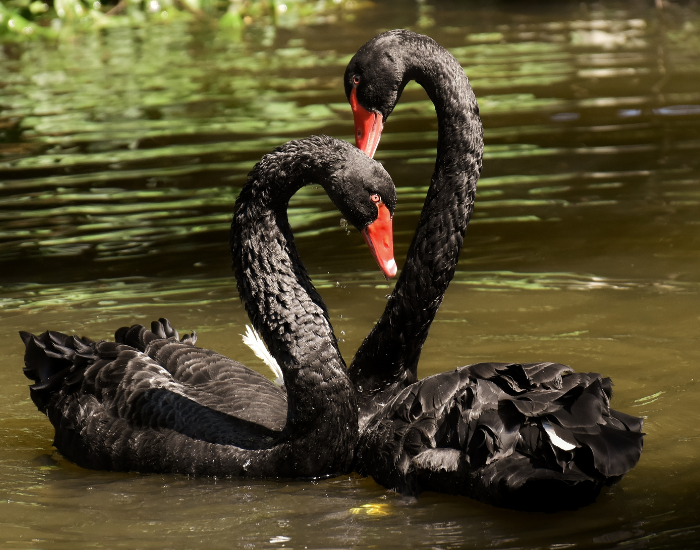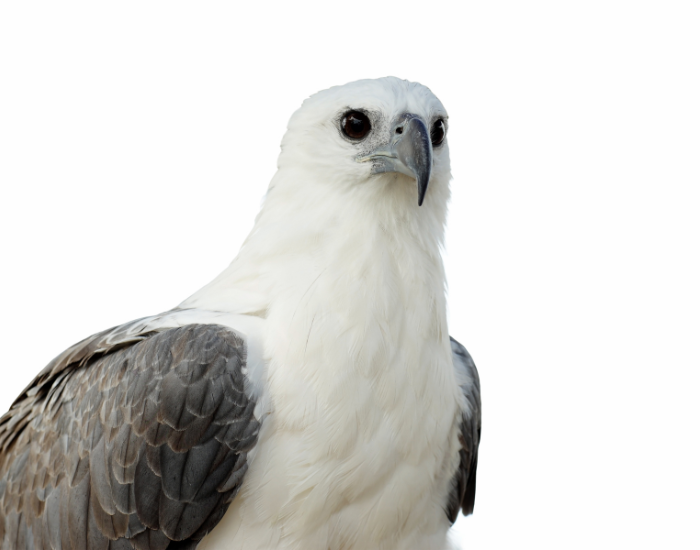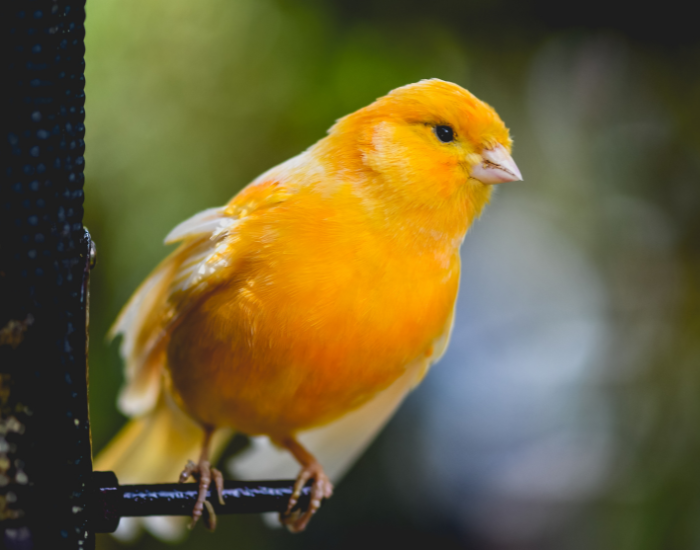

How often do you drink your morning coffee, gaze out at your backyard, when suddenly you see a colourful birds, and in that same moment, it disappears. Would you ratehr creat an environment to attract wildlife and different creatures?
If you’ve ever wondered how to invite nature’s beauty into your own backyard, you’re in the right place. Creating a nature friendly garden isn’t just about aesthetics; it’s about becoming an active participant in conservation right outside your door. Whether you’re working with a sprawling suburban lot or a tiny urban balcony, you can make a wildlife garden that makes a real difference for local species.

Gardening for Wildlife
Let’s start with the basics – what exactly does it mean to garden for wildlife? Simply put, wildlife-friendly gardening involves creating a natural habitat that provides four essential elements: food, water, shelter, and places for animals to raise their young. It’s like setting up a four-star resort for your local fauna, except instead of room service, you’re offering native berries and clean water sources.
The beautiful thing about creating a wildlife garden is that it can happen anywhere. I’ve seen incredible wildlife habitats thriving on apartment balconies, suburban patios, and yes, even rooftops. Size doesn’t dictate success – intention and proper planning do. According to the National Wildlife Federation, even small spaces can become certified wildlife habitats when they meet the basic requirements for supporting local species.
Making a wildlife garden serves a purpose far beyond personal enjoyment. As urban development continues to fragment natural habitats, our gardens become crucial stepping stones for wildlife movement and survival. Research from the Smithsonian Conservation Biology Institute shows that residential gardens can support up to 50% more bird species than conventional landscaping when designed with wildlife in mind.
The National Wildlife Federation’s Garden for Wildlife program has certified over 250,000 wildlife habitats since its inception, proving that individual actions collectively create significant conservation impact. When you commit to designing a wildlife garden, you’re joining a movement that’s actively protecting biodiversity in communities across the country.
Understanding What Animals Live in Gardens
Before diving into design principles, let’s address one of the most common questions: what kind of animals actually live in gardens? The answer might surprise you with its diversity. A typical wildlife in garden ecosystem can support dozens of species, from the obvious (birds and butterflies) to the unexpected (beneficial insects, small mammals, and even reptiles).
Birds are usually the most visible residents, and for good reason – they’re excellent indicators of habitat health. Cardinals, robins, chickadees, and wrens are common garden visitors, while native plant choices can attract specialized species like hummingbirds and various warblers. A single mature oak tree can support over 500 species of butterflies and moths, which in turn feed countless bird species.
But let’s talk about the night shift – those mysterious creatures that leave evidence of their visits by morning. If you’ve ever wondered “what animal is eating my garden at night,” you’re likely dealing with raccoons, opossums, deer, or various small mammals seeking food and water. Rather than viewing these as pests, wildlife-friendly gardeners learn to coexist by providing appropriate food sources away from vulnerable plants and securing compost bins.
Insects deserve special mention because they’re the foundation of most garden ecosystems. A single nature friendly garden can support hundreds of beneficial insect species, from native bees and butterflies to predatory beetles that control pest populations naturally. The key is understanding that not all insects are harmful – in fact, less than 2% of all insect species are considered agricultural pests.
Ground-dwelling creatures like toads, salamanders, and various arthropods also call gardens home, often hiding under logs, rocks, or in leaf litter during the day. These species are excellent natural pest controllers and indicators of soil health. Creating spaces for them to thrive eliminates the need for harmful pesticides while maintaining garden balance.

Designing a Wildlife Friendly Garden Space
Now comes the exciting part – actually designing a wildlife garden that works for both you and your animal neighbors. The most successful wildlife gardens follow nature’s blueprint by incorporating diverse layers and microhabitats that mirror natural ecosystems.
- Start by thinking in layers, just like a forest. The canopy layer consists of mature trees (if space allows), followed by the understory of smaller trees and large shrubs,
- then the shrub layer, herbaceous layer of perennials and wildflowers
- Finally the ground layer of mosses, ferns, and leaf litter. Even small spaces can incorporate this concept through careful plant selection and vertical gardening techniques.
Making a wild garden doesn’t mean letting everything grow chaotically. Successful wildlife gardens balance structure with natural elements. Consider creating defined spaces for different purposes: a sunny meadow area for butterflies, a shady woodland corner for ground-dwelling species, and transition zones that blend different habitat types.
Water features are absolutely crucial when creating a wildlife garden. They don’t need to be elaborate – a simple shallow dish refilled regularly can serve multiple species. However, if space allows, consider incorporating a small pond or rain garden. The sound of moving water attracts birds from impressive distances, while shallow edges provide safe drinking spots for small animals.
Natural features like rock walls, log piles, and brush heaps might look messy to some, but they’re five-star accommodations for wildlife. These structures provide shelter, overwintering sites, and nesting opportunities for various species. When making a wildlife garden, think of these elements as functional landscaping rather than clutter.
Connectivity is another crucial design principle. Wildlife gardens work best when they connect to other natural areas or wildlife-friendly neighbors. If you’re isolated, focus on creating the highest quality habitat possible – birds and other mobile species will find you, and your garden becomes a vital oasis in an urban desert.

Choosing the Right Plants for a Certified Wildlife Habitat
Plant selection is where the magic really happens in wildlife-friendly gardening. Native plants are absolutely essential because they’ve evolved alongside local wildlife species, providing exactly the right nutrients at the right times. This isn’t just gardening preference – it’s ecological science.
Here’s a sobering statistic from entomologist Doug Tallamy’s research: non-native plants support 29 times fewer insect species than native plants. Since insects form the base of most food webs, this difference cascades up through entire ecosystems. When you create a wild garden using native plants, you’re supporting biodiversity at every level.
Start with keystone species – native plants that support disproportionately large numbers of other species. In many regions, native oaks are champion wildlife supporters, hosting over 500 species of butterflies and moths. Other excellent choices include native willows, cherries, and birches, depending on your location.

Don’t overlook native shrubs when designing a wildlife garden. Elderberry, serviceberry, and native viburnums provide both food and shelter while requiring minimal maintenance once established. These mid-story plants create crucial habitat layers and often produce berries that feed birds well into winter.
Wildflowers and native grasses deserve equal attention. A patch of native wildflowers can support dozens of butterfly and bee species while providing seeds for birds. Native grasses offer nesting materials and overwintering sites for beneficial insects. The bonus? Many native plants require less water and maintenance than exotic alternatives once established.
Avoid invasive species at all costs. Plants like English ivy, purple loosestrife, and autumn olive might seem attractive, but they crowd out native species and provide little value to wildlife. The National Invasive Species Information Center maintains comprehensive lists of problematic plants by region – consult these resources before making plant purchases.
Timing matters when selecting plants for wildlife in garden success. Choose species that provide resources throughout the growing season, from early spring nectar sources for emerging bees to late-season seed heads that feed birds through winter. This approach ensures your garden supports wildlife year-round rather than just during peak summer months.
Providing Essential Elements for Wildlife
Creating a truly functional nature friendly garden requires more than just plant selection – you need to provide the four essential elements that wildlife require for survival: food, water, shelter, and places to reproduce.
Food sources should be diverse and available throughout the year. While native plants provide the foundation, you might supplement with bird feeders during harsh weather. However, be consistent – birds come to depend on reliable food sources, especially during winter months. Clean feeders regularly to prevent disease transmission, and choose high-quality seeds appropriate for your local bird species.
Water is perhaps the most critical and often overlooked element. Wildlife needs water for drinking, bathing, and reproduction. A simple birdbath serves multiple species, but remember to keep water fresh and clean. Position water sources at different heights – ground level for small mammals and amphibians, mid-level for most birds, and elevated sources for species that prefer to drink while maintaining vigilance.
If space allows, consider installing a small pond or water garden. Moving water is particularly attractive to wildlife, so a small solar fountain or dripper can dramatically increase your garden’s appeal. Shallow areas (1-2 inches deep) with sloping sides allow safe access for various species, while deeper sections (18+ inches) support aquatic life and provide winter refuge for frogs.
Shelter needs vary by species, but diversity is key when making a wildlife garden. Dense shrubs provide nesting sites and protection from predators and weather. Evergreen plants offer year-round shelter, particularly important in harsh climates. Dead trees (snags) support cavity-nesting birds and numerous insect species – if safety allows, consider leaving them standing.
Ground-level shelter is equally important. Brush piles, rock walls, and areas of tall grass provide refuge for small mammals, reptiles, and ground-nesting birds. Even a simple pile of logs can house countless beneficial insects and provide overwintering sites for garden allies like toads and salamanders.
Nesting sites complete the habitat equation. Different species have varying requirements – some need cavities, others prefer open cups in shrub forks, and still others nest on the ground in dense vegetation. Providing diverse nesting opportunities through plant selection and artificial nest boxes dramatically increases your garden’s wildlife hosting capacity.
Creating Microhabitats and Natural Features
The most successful wildlife-friendly gardening projects incorporate multiple microhabitats that replicate the diversity found in natural ecosystems. Think of your garden as a collection of mini-environments, each serving different species’ needs.
Woodland edges are incredibly productive wildlife areas, and you can recreate this effect even in small spaces. Transition gradually from tall plants to shorter ones, creating the layered effect that supports diverse species. This edge habitat is particularly valuable for birds, providing both foraging opportunities and escape cover.
Meadow areas, even small ones, attract a completely different suite of species than woody areas. Native grasses and wildflowers create habitat for ground-nesting birds, small mammals, and countless insects. Let some areas grow a bit wild – perfect lawn is sterile from a wildlife perspective.

Rock features serve multiple purposes in creating a wildlife garden. Rock gardens provide basking sites for reptiles, nest crevices for various species, and thermal mass that moderates temperature fluctuations. Use local stone when possible, as it fits naturally into your ecosystem and often costs less than imported materials.
Wetland features, even small ones, dramatically increase biodiversity. A rain garden that collects roof runoff can support moisture-loving plants and attract amphibians. These features also provide important ecosystem services by filtering stormwater and reducing runoff.
Dead wood is living habitat – a concept that challenges traditional gardening aesthetics but rewards wildlife abundance. Fallen logs support fungi, insects, and small vertebrates. Standing dead wood provides nest cavities and foraging sites for woodpeckers and other species. If whole trees aren’t feasible, even small branches and logs contribute to habitat diversity.
Managing Your Wildlife Garden Throughout the Seasons
Designing a wildlife garden is just the beginning – successful wildlife-friendly spaces require thoughtful year-round management that differs significantly from conventional gardening approaches.
Spring management focuses on preparing for the growing season while protecting overwintering wildlife. Resist the urge to clean up too early – many beneficial insects overwinter in plant stems and leaf litter. Wait until daytime temperatures consistently reach 50°F before major cleanup, and even then, leave some areas undisturbed.
This is the season to assess winter damage, plan new plantings, and maintain water features. Clean and refill bird baths, check nest boxes, and gradually reduce supplemental feeding as natural food sources become available. Spring is also ideal for major planting projects, as most native species establish better with a full growing season ahead.
Summer management emphasizes maintenance that supports peak wildlife activity. Keep water sources filled and clean, as this becomes critically important during hot weather. Avoid using pesticides or herbicides, which harm the very insects you’re trying to attract. Instead, embrace natural pest control through biodiversity – predatory insects, birds, and other natural enemies keep problem species in check.

Resist over-maintaining during summer months. Some plant diseases and insect damage are normal parts of ecosystem function. Unless problems threaten plant survival, let nature handle minor issues. This approach supports the complex web of relationships that make wildlife gardens function.
Fall preparation sets the stage for wildlife survival through harsh months. Leave seed heads on flowers and grasses – they provide food through winter and nesting materials in spring. Rake leaves onto garden beds rather than bagging them for disposal. This leaf layer insulates plant roots, suppresses weeds, and provides habitat for countless small creatures.
Winter management is mostly about restraint. Avoid major disturbances that might harm overwintering animals. This is the season when supplemental feeding becomes most important, as natural food sources dwindle. Keep bird feeders clean and consistently filled.
Use winter months for planning next year’s improvements. Research new plant species, plan habitat additions, and order seeds for spring sowing. Many native plant societies offer winter programs that can expand your knowledge and connect you with other wildlife gardeners.
Common Challenges and Solutions
Even the most well-intentioned wildlife in garden projects face challenges. Understanding common issues and practical solutions helps ensure long-term success.
The “pest” perception tops the list of challenges. Many gardeners worry that attracting wildlife means dealing with destructive species. The reality is more nuanced – healthy ecosystems include predator-prey relationships that naturally control populations. Encouraging hawks, owls, and snakes helps manage rodent populations, while supporting beneficial insects controls pest species.
When specific animals cause significant problems, focus on exclusion rather than elimination. Physical barriers, alternative food sources, and habitat modification usually solve conflicts more effectively than removal. For example, deer problems often resolve through strategic plant selection and physical barriers around vulnerable species.

Neighbor relations can challenge wildlife-friendly gardening efforts. Some neighbors view natural landscaping as “messy” or worry about property values. Education and gradual implementation often help. Start with small, obviously attractive wildlife features and expand over time. Share success stories and wildlife sightings to build support.
Maintenance concerns frequently arise – won’t a nature friendly garden require more work? Actually, the opposite is usually true. Native plants require less water, fertilizer, and pest control once established. Natural pest management reduces the need for chemical interventions. The key is patience during the establishment period, when plants are developing deep root systems and natural balances are forming.
Plant establishment challenges are common, especially in degraded soils or harsh conditions. Success rates improve dramatically with proper site preparation, appropriate species selection, and realistic expectations. Start small, learn from failures, and expand successful approaches.
Budget constraints limit many wildlife garden projects. Fortunately, many of the most effective strategies are inexpensive or free. Native plant swaps, seed collection, and gradual implementation spread costs over time. Many conservation organizations offer free or low-cost native plants to encourage wildlife gardening.
Advanced Wildlife Garden Features
Once basic habitat elements are established, advanced features can dramatically increase your garden’s wildlife capacity and year-round functionality.
Pollinator-specific gardens represent specialized wildlife-friendly gardening that focuses intensively on supporting bees, butterflies, and other pollinators. These gardens emphasize bloom succession, ensuring nectar and pollen sources throughout the growing season. Native plant societies often provide regional bloom calendars that help plan continuous flowering.
Hummingbird gardens require specific plant choices and garden design. These remarkable birds need both nectar sources and protein (small insects), plus suitable perching and nesting sites. Native plants with tubular red flowers are traditional favorites, but many other species attract hummingbirds effectively.
Night-blooming gardens serve nocturnal pollinators like moths and bats. White or pale flowers that open in evening hours create magical nighttime gardens while supporting often-overlooked wildlife species. Evening primrose, night-blooming cereus, and native moonflowers are excellent choices in appropriate climates.

Specialized habitat features can support specific wildlife groups. Butterfly gardens require both nectar sources and larval host plants – you can’t have butterflies without caterpillars, and caterpillars are often highly specific about their food plants. Research which butterflies are native to your area and include their required host plants.
Berry gardens provide concentrated food resources during critical seasons. Native berry-producing plants support dozens of bird species while offering human harvest opportunities. Elderberry, serviceberry, and native viburnums are excellent multi-purpose choices.
Rain gardens and bioswales manage stormwater while creating wetland habitat. These features filter runoff, reduce flooding, and support moisture-loving plants and amphibians. They’re particularly valuable in urban areas where natural water retention has been compromised by development.
Supporting the Local Community and Getting Involved
Creating a wildlife garden extends beyond individual property lines – the greatest impact comes from community-wide efforts that create connected habitat networks.
The National Wildlife Federation’s Garden for Wildlife program provides certification for qualifying habitats and connects wildlife gardeners with resources and community. Certification requires meeting specific criteria for food, water, cover, and nesting sites, plus sustainable gardening practices. While certification isn’t necessary for creating effective habitat, the program provides excellent guidelines and community connections.
Local native plant societies offer invaluable resources for designing a wildlife garden. These organizations typically provide plant sales, seed swaps, educational programs, and networking opportunities. Many maintain demonstration gardens and offer site consultations for new wildlife gardeners.

Master Gardener programs increasingly emphasize wildlife-friendly practices and often include specialized training in native plants and habitat creation. Participating in these programs provides education while connecting you with like-minded gardeners.
School and community garden partnerships multiply your impact by education and demonstration. Many wildlife gardeners find tremendous satisfaction in sharing knowledge with young people, creating the next generation of conservation-minded citizens.
Conservation organizations at local and regional levels offer programs, resources, and volunteer opportunities related to habitat creation. Audubon societies frequently maintain demonstration gardens and offer bird-focused educational programs.
Encouraging neighbors to adopt wildlife-friendly gardening practices creates habitat corridors that benefit entire ecosystems. Share success stories, offer plant divisions, and provide gentle education about the benefits of native plants and natural landscaping.
Measuring Success and Long-term Impacts
How do you know if your wildlife in garden efforts are working? Success metrics go beyond simple animal counts, though increased wildlife activity is certainly rewarding.
Species diversity often increases gradually as habitat matures. Keep informal records of birds, butterflies, and other wildlife observed in your garden. Many gardeners find this record-keeping becomes a treasured part of the gardening experience.
Ecosystem function indicators include reduced pest problems, improved soil health, and decreased need for external inputs like fertilizers and pesticides. These changes often develop over several seasons as natural systems establish balance.
Seasonal wildlife activity patterns reveal habitat quality. Year-round activity indicates you’re providing all four essential habitat elements effectively. Breeding activity – birds nesting, butterflies laying eggs, bees establishing colonies – represents the highest level of habitat success.
Plant establishment and health improve as soil biology develops and natural pest-predator relationships form. Native plants should require less maintenance over time, not more.
Community impacts include inspiring neighbors, contributing to regional habitat connectivity, and supporting local wildlife populations. Your individual garden becomes part of a larger conservation effort when successful.
Educational impacts multiply your influence when sharing knowledge and enthusiasm creates additional wildlife gardeners. Many gardeners find teaching others becomes as rewarding as the gardening itself.
Your Garden’s Role in Conservation
Making a wildlife garden represents one of the most accessible and impactful conservation actions available to individual citizens. Every native plant you add, every water source you provide, and every square foot of natural habitat you create contributes to biodiversity conservation at a time when wildlife faces unprecedented challenges.
The beauty of wildlife-friendly gardening lies in its scalability and adaptability. Whether you’re working with acres of suburban landscape or a small urban balcony, you can create meaningful habitat that supports local species. The principles remain constant while the application varies with space, climate, and resources.
Remember that creating effective wildlife in garden habitat is a journey, not a destination. Gardens evolve, mature, and improve over time. Initial efforts that seem small often yield surprising results as plants establish and wildlife discovers your offerings. Patience and persistence reward wildlife gardeners with experiences that conventional landscaping simply cannot provide.
The ripple effects of your wildlife garden extend far beyond your property boundaries. Every bird that finds shelter, every butterfly that completes its lifecycle, and every bee that finds nectar contributes to population stability and genetic diversity. Your garden becomes a node in a network of habitat that supports entire ecosystems.
As you embark on or continue your nature friendly garden journey, remember that you’re joining a growing movement of citizen conservationists who understand that individual actions, multiplied across communities, create significant positive change. Your wildlife garden is both a personal sanctuary and a contribution to the larger conservation effort our planet desperately needs.
Start where you are, with what you have, and take the first step toward creating a wildlife garden that will reward you with natural beauty, ecological function, and the deep satisfaction that comes from supporting the wild creatures that share our world. The wildlife is waiting – and your garden can provide exactly what they need to thrive.