The Best Wildlife Tours in South Africa
Find a Wildlife Tour in South Africa

There are few travel experiences that rival the thrill of a South African safari. Whether you’re tracking big cats at dawn or sipping sundowners while elephants stroll past, this is bucket-list travel at its finest.
South Africa offers some of the most accessible, affordable, and wildlife-rich safaris on the continent. From the Big Five to rare wild dogs and stunning birdlife, the country is a paradise for nature lovers, photographers, and first-time safari-goers. Additionally, the combination of a safari and a beach holiday makes South Africa an attractive destination, with its stunning coastline providing a seamless travel experience.
Find the Best Wildlife Experiences and Tours in South Africa
This website is reader-supported. When you book an experience through links listed on this site, we may earn an affiliate commission.
What Animals Can you see in South Africa?
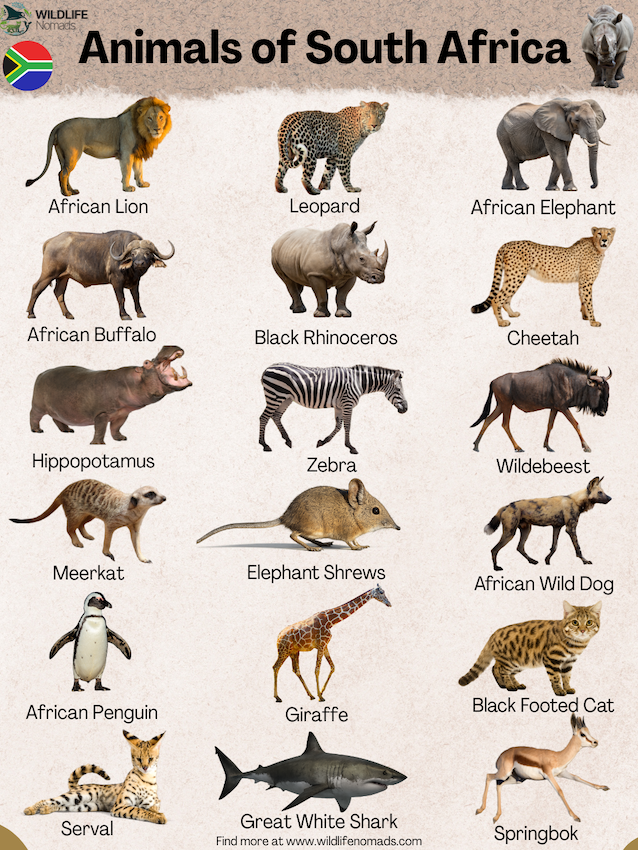
The “Big Five” of Africa


The Great Migration
Tanzania’s Serengeti hosts one of the most extraordinary natural events on Earth: the Great Migration. Each year, over 1.5 million wildebeests, alongside hundreds of thousands of zebras and gazelles, move en masse across vast plains in a quest for fresh grazing and water. This cyclical journey it’s a delicate ballet of predator-prey interactions, where hungry lions, hyenas, and crocodiles patiently await river crossings.
Scientists have noted that this migration sustains the savannah ecosystem, as herds trim older grasses and fertilize the soil, boosting the next growth cycle that benefits countless species, from raptors to dung beetles. But while this spectacle continues, it faces growing threats such as habitat fragmentation, proposed dams on migratory routes, and climate shifts that alter rainfall patterns.
Best Places to see Animals in South Africa

Kruger National Park
As one of Africa’s largest game reserves, Kruger offers exceptional wildlife viewing opportunities. Its vast expanse encompasses diverse ecosystems, providing habitats for a wide array of species.
Sabi Sands Game Reserve
Adjacent to Kruger, Sabi Sands is renowned for luxury lodges and frequent leopard sightings. The reserve’s private status allows for off-road driving, bringing you closer to the action.
Addo Elephant National Park
Located in the Eastern Cape, Addo is a sanctuary for over 600 elephants, as well as lions, buffaloes, and black rhinos. It’s an excellent choice for those exploring the Garden Route.
Madikwe Game Reserve
Near the Botswana border, Madikwe is malaria-free and boasts a rich diversity of wildlife, including the elusive African wild dog. Its family-friendly lodges make it ideal for travelers with children. Travelers can also explore Chobe National Park in Botswana for a combined safari experience.
Mammals of South Africa
South Africa is home to an extraordinary range of mammals, from the iconic Big Five to rare antelope and secretive nocturnal predators.
White Rhinoceros (Ceratotherium simum) – More numerous than their black counterparts, often seen grazing in open grasslands.
African Elephant (Loxodonta africana) – The largest land animal on Earth, best spotted in Kruger National Park, Addo Elephant Park, and Tembe Elephant Park.
Leopard (Panthera pardus) – Elusive and mostly nocturnal, these big cats thrive in Sabi Sands Game Reserve and the Waterberg Biosphere.
African Lion (Panthera leo) – Found in prides across Kruger, Kgalagadi, and private reserves.
Black Rhinoceros (Diceros bicornis) – Critically endangered but found in protected areas like Hluhluwe-iMfolozi and Pilanesberg.


Bird of South Africa
With over 850 recorded bird species, South Africa is a world-class destination for birdwatchers. Must-See Birds of South Africa
Southern Ground Hornbill (Bucorvus leadbeateri) – A striking black bird with vivid red facial skin, often seen walking the savannah in small family groups.
Blue Crane (Anthropoides paradiseus) – South Africa’s elegant national bird, best spotted in the grasslands of the Karoo and Eastern Cape.
Cape Sugarbird (Promerops cafer) – Endemic to the fynbos of the Western Cape, known for its long tail and association with protea flowers.
Reptiles of Tanzania
South Africa is home to more than 400 reptile species, making it a hotspot for herpetologists and nature lovers alike. Must-See Reptiles of South Africa
Nile Crocodile (Crocodylus niloticus) – Africa’s largest freshwater predator, commonly seen in Kruger National Park and along major rivers.
Cape Cobra (Naja nivea) – A highly venomous but beautiful snake found in the Western and Northern Cape.
Leopard Tortoise (Stigmochelys pardalis) – A large, slow-moving tortoise with a striking shell pattern, often seen in the bushveld.

Read More About South Africa’s Wildlife
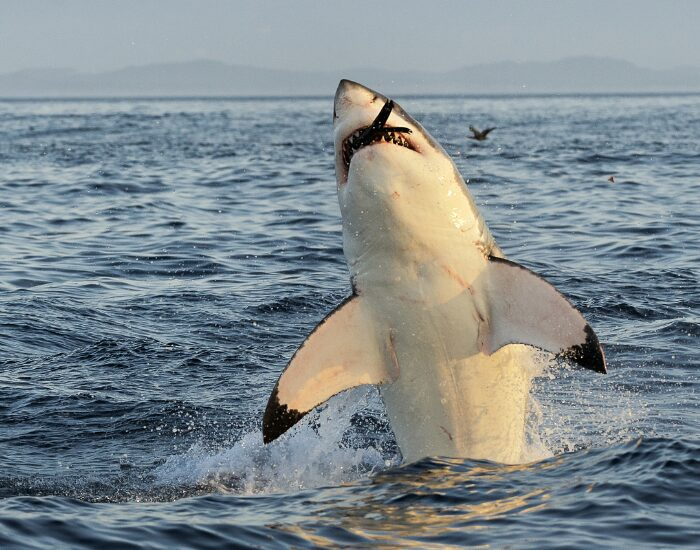
12 Surprising Great White Shark Fun Facts
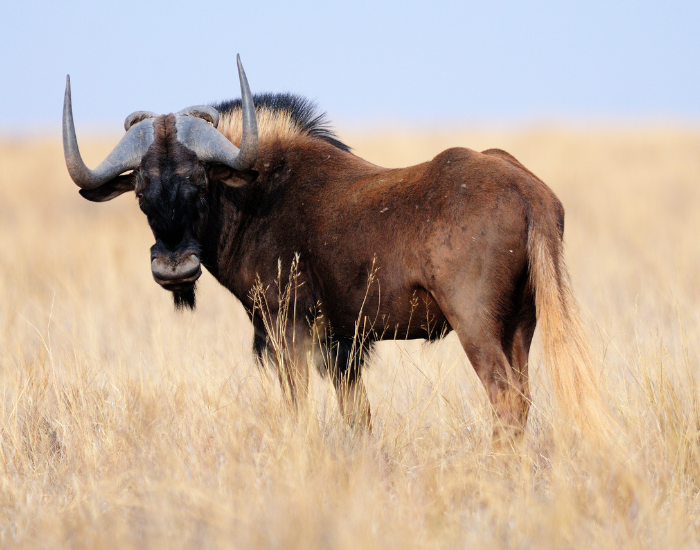
12 Great Things Nobody Tells You About the Wildebeest
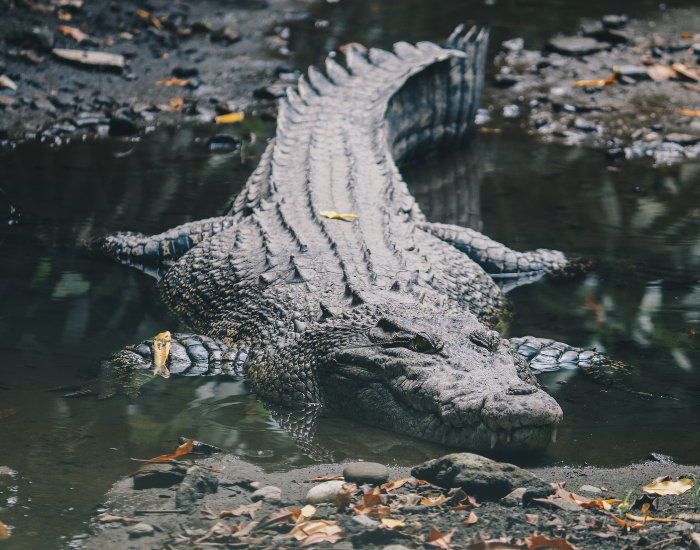
15 Types of Reptiles Explained Easy (You’ll Never Forget)
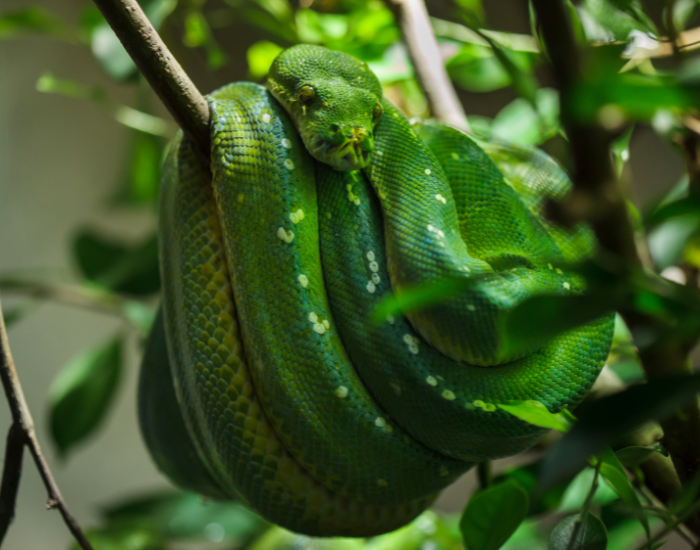
Types of Pythons: 15 Fascinating Species & Everything You Need to Know
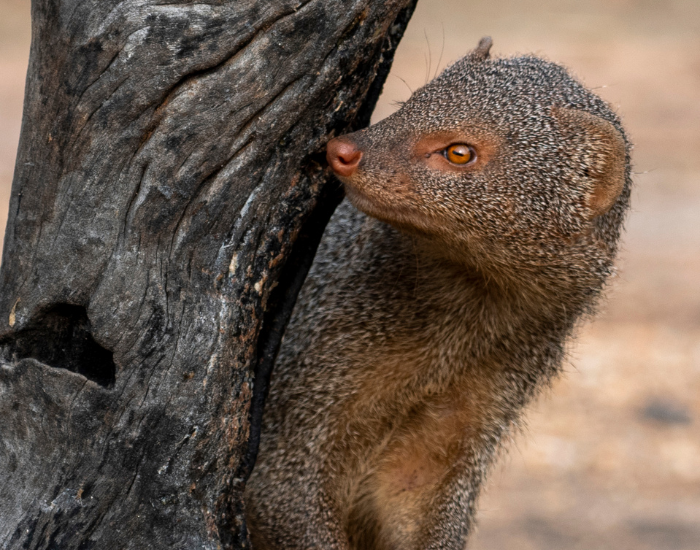
15 Iconic Types of Mongooses: The Fearless Creatures

12 Fascinating Things About Meerkats That Will Love
How Long Should I Plan for a Safari Tour in South Africa?
The ideal duration for a South Africa safari tour depends on various factors, including the type of safari, the specific locations you wish to visit, and the time of year. For a classic South Africa safari, a minimum of 5-7 days is recommended. This timeframe allows you to experience a good balance of game viewing, relaxation
Cost of a South African Safari
Safari costs in South Africa can vary widely based on factors such as accommodation type, duration, and included activities:
- Budget Safaris: Approximately $250 per person per day, typically featuring basic accommodations and group tours.
- Mid-Range Safaris: Around $275 per person per day, offering comfortable lodgings and a mix of group and private activities.
- Luxury Safaris: Starting at $450 per person per day, these provide premium accommodations, personalized services, and exclusive experiences.
It’s important to note that these estimates often include meals, game drives, and park entrance fees but exclude international flights and personal expenses.
Planning Your Safari: Tips and Considerations
- Health Precautions: Consult with a healthcare provider regarding vaccinations and malaria prophylaxis, especially if traveling during the wet season in malaria-prone areas.
- Travel Insurance: Ensure you have comprehensive travel insurance that covers medical emergencies, trip cancellations, and potential safari-related incidents.
- Booking in Advance: Popular lodges and tours can fill up quickly, particularly during peak seasons. Early booking secures your preferred options and may offer better rates.
- Local Guides: Engaging knowledgeable local guides enhances your experience, providing insights into animal behavior, ecology, and conservation efforts.
Is It Safe to Travel for a Safari in South Africa?
Yes—safari destinations in South Africa are generally very safe, especially within national parks and private reserves. These areas are well-managed and cater specifically to international tourists. However, it is always important to:
- Follow your guide’s instructions closely.
- Stay within designated safe areas.
- Use registered safari operators and accommodations.
- Take normal travel precautions in urban centers.