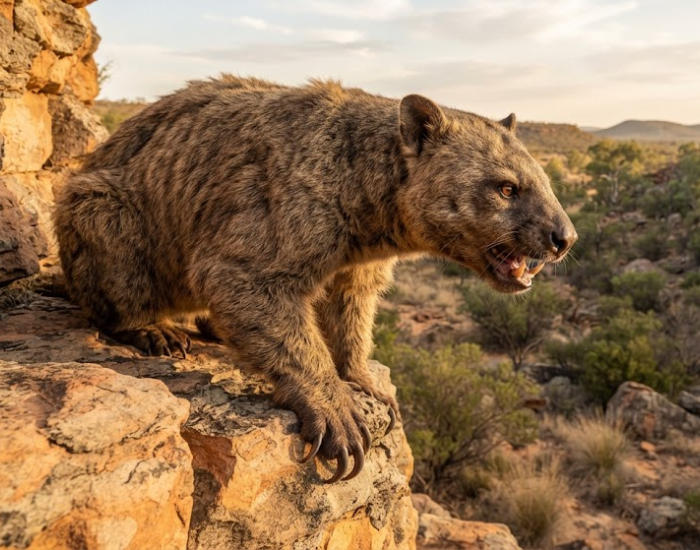
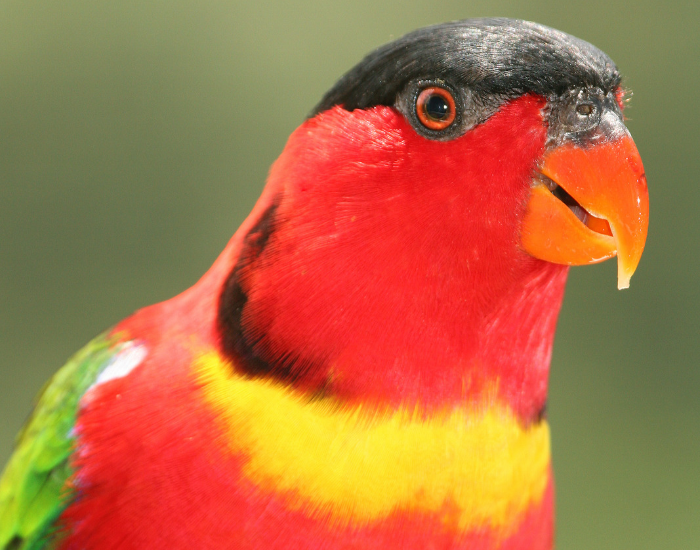
I learnt about keystone species during my undergraduate biology degree, a concept that changed the way I viewed nature. Later, reading Enric Sala’s book: The Nature of Nature deepened it just that fascination (A book highly recommended for those who want to understand mor ehow nature works). The idea that some species hold entire ecosystems together felt almost poetic, a reminder that balance in nature is both fragile and extraordinary.
For those who don’t know, Ecology is the scientific study of interactions between organisms and their environment, encompassing hierarchical levels such as ecosystems and the biosphere. Understanding ecology is essential for grasping the complex relationships and ecosystem health that keystone animals influence.
Keystone animals, though often small in number, are the pillars of ecological stability. Remove one, and entire ecosystems can collapse like a domino chain. Whether it’s a sea otter patrolling a kelp forest, a wolf regulating deer herds, or an ochre sea star clinging to a Pacific rock, these species maintain order in the natural world.
What Is a Keystone Species?
A keystone species is a single species that can have a disproportionately large impact on its ecosystem relative to its abundance. The term was coined in 1969 by ecologist Robert Paine, who conducted experiments along the rocky Pacific coastline of Washington State. When he removed ochre sea stars from intertidal zones, mussel populations exploded, crowding out other species until biodiversity plummeted. The absence of ochre sea stars affected many other species in the ecosystem, demonstrating the cascading effects a keystone species can have.
Paine likened the sea star’s role to the keystone in an arch: remove it, and the entire structure falls. Since then, scientists have identified keystone predators, ecosystem engineers, and even keystone mutualists that play similarly vital roles. Pollinators are also considered keystone species due to their crucial role in plant reproduction and maintaining ecosystem health.

Types of Keystone Species
There are three types of keystone species: predator, ecosystem engineer, and mutualist.
- Keystone Predators – Regulate prey populations and maintain ecological balance.
- Ecosystem Engineers – Modify habitats, creating opportunities for other organisms.
- Keystone Mutualists – Provide essential services like pollination or seed dispersal. Mutualists involve two or more species working together for mutual benefit, promoting ecosystem health and stability.
- Foundation Species – Structurally dominate an ecosystem (like corals or kelp) but differ from keystones by shaping environments through sheer abundance rather than influence.

10 Fascinating Examples of Keystone Animals
Below are ten examples from around the world, each showing how one species can define the fate of an entire ecosystem.
Each animal below serves as a primary example of a keystone species in its respective ecosystem.
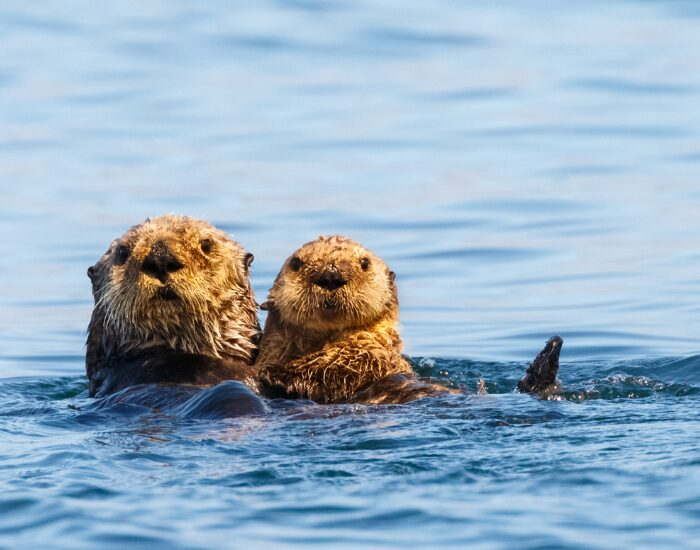
1. Sea Otters: Guardians of the Kelp Forest
Among the most iconic keystone species, sea otters maintain balance in kelp forests along the North Pacific. By preying on sea urchins, they prevent overgrazing of kelp, which prevents overgrazing and provides shelter for fish, invertebrates, and even harbor seals.
When sea otters decline, urchins devour kelp holdfasts, transforming lush underwater forests into barren “urchin barrens.” Studies in Nature have shown that the return of otters to Alaskan coasts has restored entire kelp ecosystems.
2. Ochre Sea Stars: The Original Keystone Animal
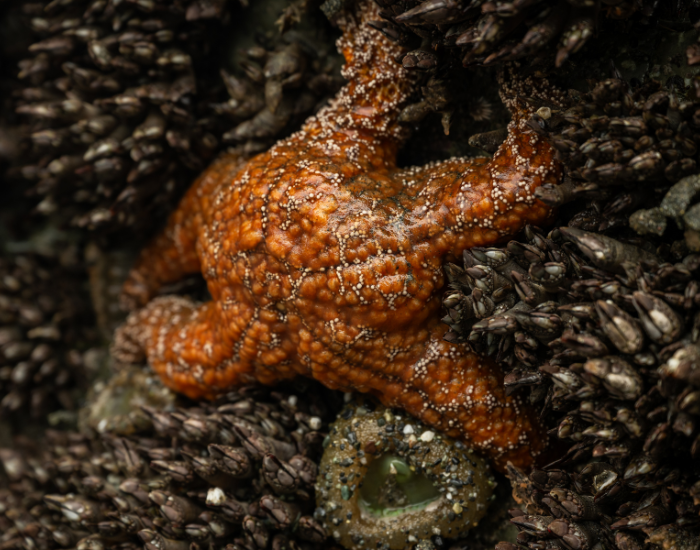
Ochre sea stars (Pisaster ochraceus) are the very species that inspired Robert Paine’s keystone concept. Their morphology features a prominent central disk from which five arms extend. The surface of ochre sea stars is covered with small spines that provide protection, and they use tube feet for movement, attachment to rocks, and feeding. Ochre sea stars pry open shells and then use digestive enzymes to liquefy and consume their prey.
Ochre sea stars are a kind of echinoderm that exhibit a life history that includes a reproductive strategy known as broadcast spawning, where females and males release eggs and sperm into the water column for external fertilization and larval development. They can adapt their morphology in response to environmental conditions such as wave exposure and water flow, enhancing their survival on rocky substrates.
Without them, mussels dominate the rocky substrate, reducing available habitat for other organisms like limpets, crabs, and anemones.
However, these sea stars face a major threat, sea star wasting disease, a condition that causes lesions, disintegration, and mass mortality. Conservation biology efforts now monitor their populations as indicators of coastal health.
3. Wolves: Restoring Balance in Yellowstone
Perhaps no story captures ecosystem restoration better than the reintroduction of wolves to Yellowstone National Park.
After wolves were exterminated by 1926, elk populations soared, heavily browsing young willow and aspen trees. The landscape changed significantly, and biodiversity declined. When wolves returned in 1995-1997, they began influencing the ecosystem. Elk populations decreased and changed their behavior, and vegetation recovery started in some areas.
However, ecosystem restoration has proven more complex than initially thought, with factors like climate, other predators, and the 1988 Yellowstone fires also playing significant roles. Still, wolves remain a textbook example of a keystone predator’s influence on ecosystem dynamics.”

4. Beavers: The Ecosystem Engineers
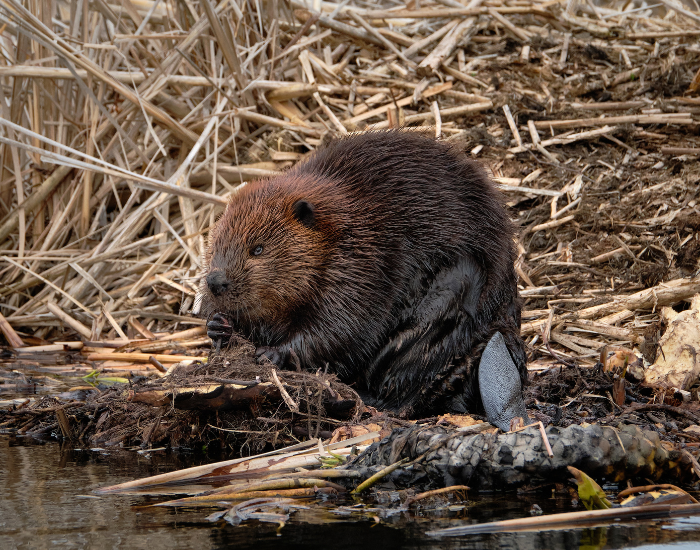
Beavers are classic ecosystem engineers, animals that physically alter their environments. They utilize dead trees and old or dead trees along riverbanks for constructing their dams. These dams alter the flow of rivers, creating wetlands that support biodiversity and provide habitat for birds, amphibians, and fish. Beaver activity also influences soils by improving soil composition and nutrient cycling, which benefits plant growth and overall ecosystem health.
Research shows that beaver ponds boost biodiversity and store carbon-rich soil. By building dams, beavers prevent overgrazing and maintain healthier trees, supporting complex relationships between plants, fish, and smaller animals.
5. Prairie Dogs: Architects of the Grasslands
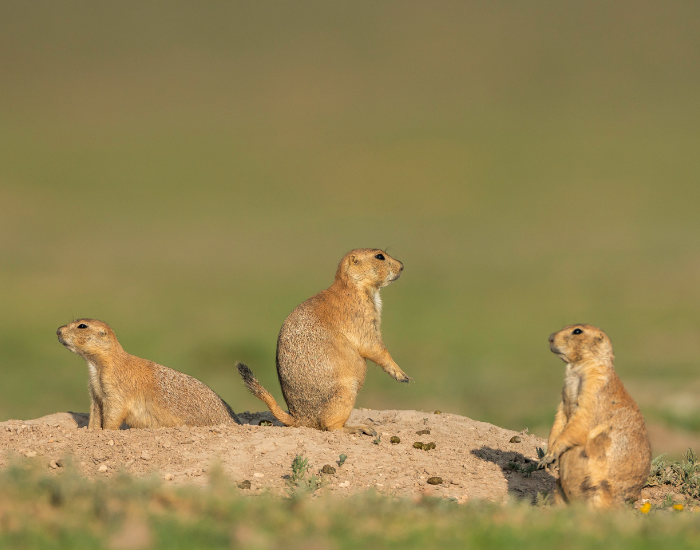
Often dismissed as pests, prairie dogs are actually keystone species of the North American plains. Their burrows provide shelter for owls, snakes, and insects.
By grazing selectively, prairie dogs encourage diverse plant communities and prevent overgrowth. When colonies are removed, grassland ecosystems collapse, affecting predators like black-footed ferrets, one of the rarest mammals in North America.
6. Elephants: Gardeners of the Savanna
In Africa and Asia, elephants shape ecosystems through sheer physical influence. They uproot trees, open grasslands, and create water holes used by countless other species.
By dispersing seeds across kilometers, they help maintain plant diversity and prevent forests from closing in on open habitats. Without elephants, landscapes become overgrown, reducing food sources for herbivores and predators alike.

7. Sharks: Balancers of the Ocean
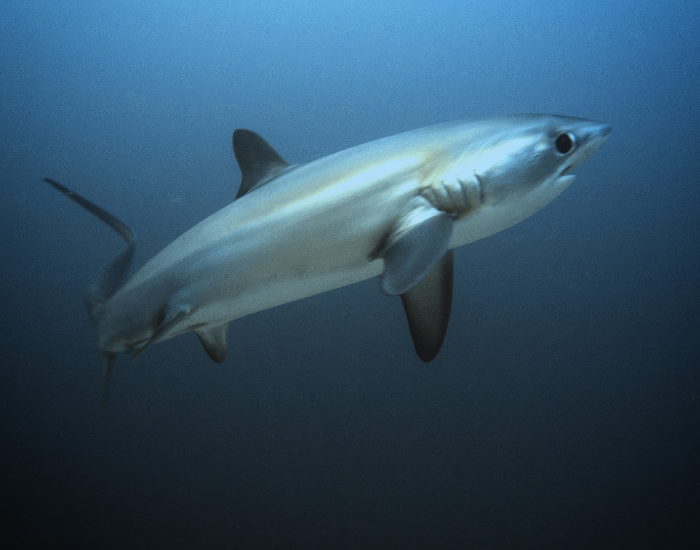
Apex predators like sharks regulate populations of smaller predators and herbivores, maintaining balance throughout the marine food chain.
Studies show that shark declines lead to explosions of rays and small fish, which overconsume shellfish populations, ultimately harming both ecosystems and fisheries.
Yes, sharks are keystone species, proving that fearsome doesn’t mean expendable.
8. African Termites: Underground Engineers
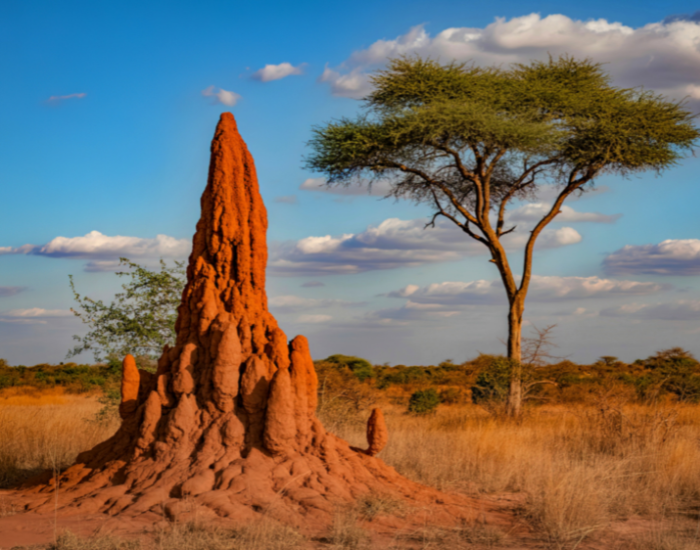
Tiny but mighty, termites build mounds that regulate soil nutrients and create microhabitats for plants and animals. Their activity increases soil fertility, supports wetlands, and maintains abundance in otherwise harsh savanna environments.
Research in Science reveals that during droughts, landscapes with termite mounds stay greener longer, demonstrating their critical role as ecosystem engineers.
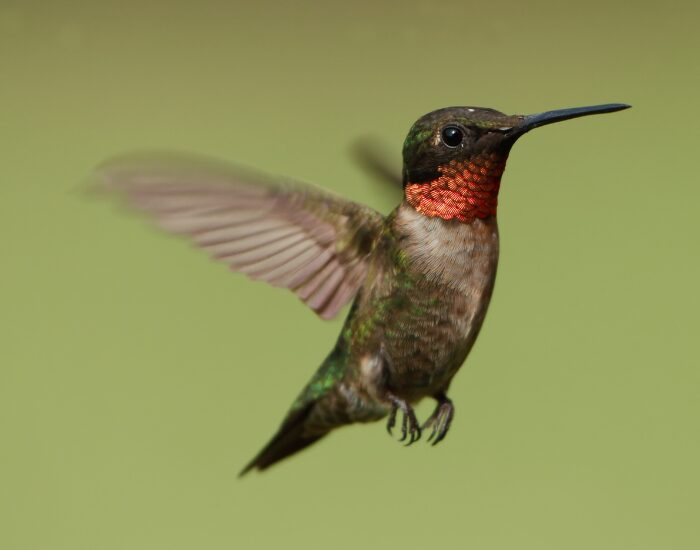
9. Hummingbirds: Keystone Mutualists of the Tropics
In tropical ecosystems, hummingbirds act as keystone mutualists, pollinating hundreds of plant species that depend solely on their visits.
Without these birds, forests would lose critical flora, altering food sources for insects, mammals, and even humans. Conservation programs across Latin America now protect habitats essential for migratory hummingbird routes.
10. Jaguars: The Silent Regulators
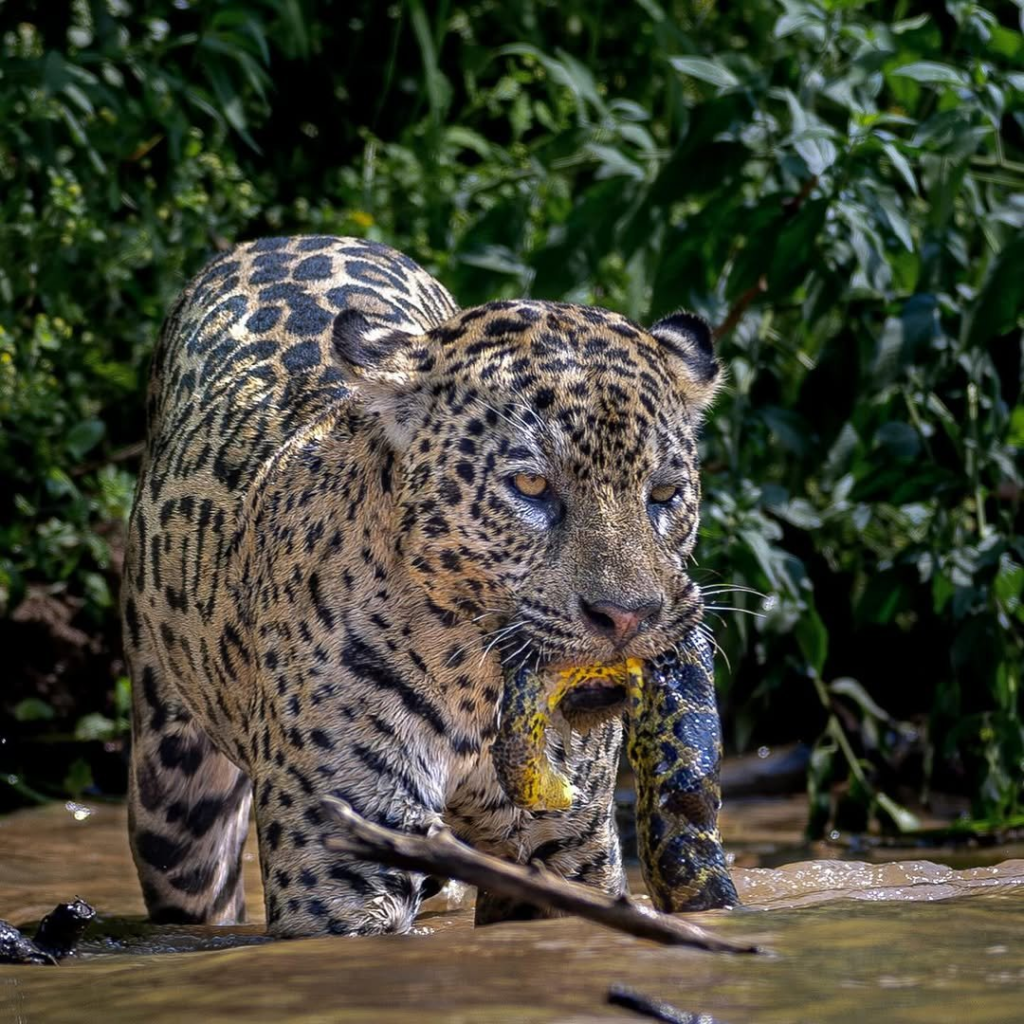
In Central and South America, jaguars serve as apex predators that keep prey populations like capybaras and peccaries in check.
When jaguars disappear due to habitat loss or hunting, herbivore numbers surge, leading to negative impacts on vegetation and smaller animals. Efforts by Panthera and local conservation groups help reconnect fragmented corridors to ensure their survival.
Why Keystone Animals Matter
Keystone species act as nature’s control systems. Their presence helps:
- Maintain biodiversity by preventing dominance of any one species.
- Regulate food chains and keep prey populations in check.
- Shape habitats, influencing nutrient cycles, soil health, and water flow.
- Support ecosystem resilience, helping systems recover from disturbance.
Keystone animals play an important role in maintaining ecosystem health, as their unique functions are often irreplaceable. Certain species in an ecosystem deserve the designation of keystone species because of their crucial ecological functions that help sustain balance and biodiversity.
When these species disappear, cascading effects ripple through ecosystems — a process ecologists call a trophic cascade.

Conservation and Threats to Keystone Species
Human Impacts
- Habitat destruction, pollution, and climate change threaten many keystone animals.
- Overfishing, deforestation, and development reduce critical habitats.
- Ocean acidification disrupts food chains and coral reefs, altering marine balance.
Sea Star Wasting Disease
A dramatic example of ecological vulnerability, this disease nearly wiped out ochre sea stars along the Pacific coast. Its causes are still under study, possibly linked to warming oceans and pathogenic viruses. The loss of these stars showed how quickly biodiversity can crash when keystone species vanish.
Conservation Biology Efforts
- Reintroduction programs (wolves, beavers) restore ecosystems.
- Protected areas like marine reserves safeguard predators and prey.
- Monitoring keystone indicators helps detect early ecosystem decline.
- Protecting umbrella species can help conserve many other species within the same habitat, complementing efforts to save keystone species.
Conservation biology teaches that saving keystone animals means saving entire worlds of interdependent species.
The Importance of Biodiversity
Healthy ecosystems rely on diversity, from microbes in the soil to top predators. Keystone animals sustain that diversity by creating balance and enabling coexistence among multiple species. The loss of keystone animals can disrupt the lives of other animals and the broader ecosystem, leading to cascading effects throughout the environment. In some cases, without keystone species, entire ecosystems might cease to exist altogether.
When biodiversity declines, ecosystems lose resilience, food webs collapse, and human communities suffer too. Protecting keystone species is therefore not just about wildlife, it’s about preserving life support systems for the planet.
FAQs about Keystone Animals
A keystone animal is one whose impact on the ecosystem is disproportionately large compared to its population size, examples include sea otters, wolves, and beavers.
The term comes from architecture: a keystone holds an arch together, just as these species hold ecosystems in balance.
Humans influence ecosystems globally, but unlike natural keystones, our impact often disrupts balance rather than stabilizing it.
Because it prevents mussel overgrowth along the rocky Pacific coastline, preserving biodiversity in intertidal ecosystems.
They can live up to 20 years and primarily feed on mussels, barnacles, and other shellfish — keeping mussel populations under control.
The Future Depends on the Keystone
From prairie dogs digging burrows to wolves hunting elk, keystone animals reveal the invisible threads connecting life. They are nature’s unsung heroes, species whose absence would make ecosystems unravel.
Conservation biology shows that saving keystone species means saving biodiversity itself. When we protect them, we protect balance, resilience, and the complex beauty that sustains all life on Earth.