Meet California’s Wolves
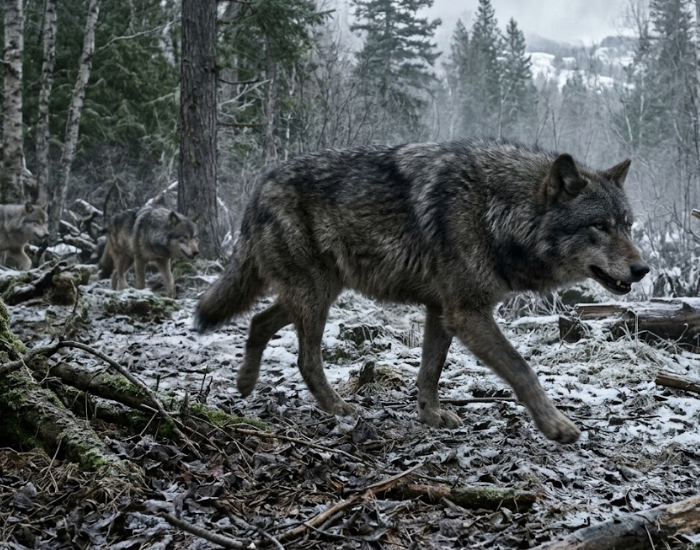
I am not gonna lie, the story of gray wolves in California is one of my favourites as it is one of resilience and return. The gray wolf (Canis lupus) once roamed the state’s wildlands as far back as the 1700s, but by the 1920s, these apex predators had vanished from California’s landscapes. Their disappearance was the result of decades of eradication efforts, leaving a void in the state’s natural heritage.
That all changed in 2011, when a GPS-collared gray wolf known as OR-7 made headlines by crossing into California from Oregon. This lone male’s journey marked the first confirmed wolf sighting in the state in nearly a century and signaled the beginning of a new era for wolf conservation. Since OR-7’s arrival, the California Department of Fish and Wildlife has taken an active role in monitoring and managing the growing wolf population. Today, there are ten confirmed wolf packs in California, each representing a step forward in the recovery of this iconic species.
Gray wolves are now protected under both the federal Endangered Species Act and California’s Endangered Species Act. These laws make it illegal to harass, harm, or kill wolves, even in cases where they prey on livestock. The California Department of Fish and Wildlife works closely with local communities, ranchers, and conservationists to ensure that wolf packs can thrive while addressing the challenges that come with their return.
A Century-Long Disappearance
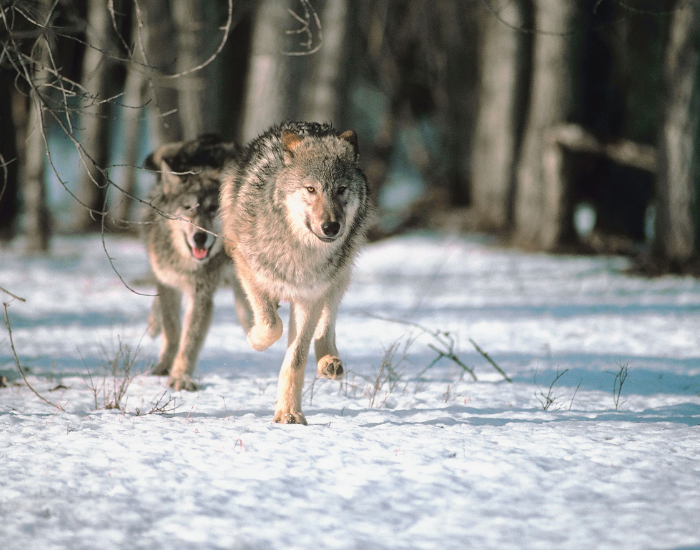
Gray wolves were once widespread across California, all the way from the Sierra Nevada foothills to Northern California valleys. But by the 1920s, decades of predator eradication campaigns, driven by livestock producers and government bounties, had wiped them out. This period marked more than a century of absence for these apex predators.
For nearly a century, the state was wolf-free. That changed in 2011 when OR-7, a GPS collared wolf from Oregon, crossed the border into northeastern California. Nicknamed “Journey,” OR-7 wandered thousands of miles and became the first confirmed wild wolf in California since 1924. His story captured headlines and reawakened a conservation conversation that had been dormant for generations.
Wolf Population in California Today
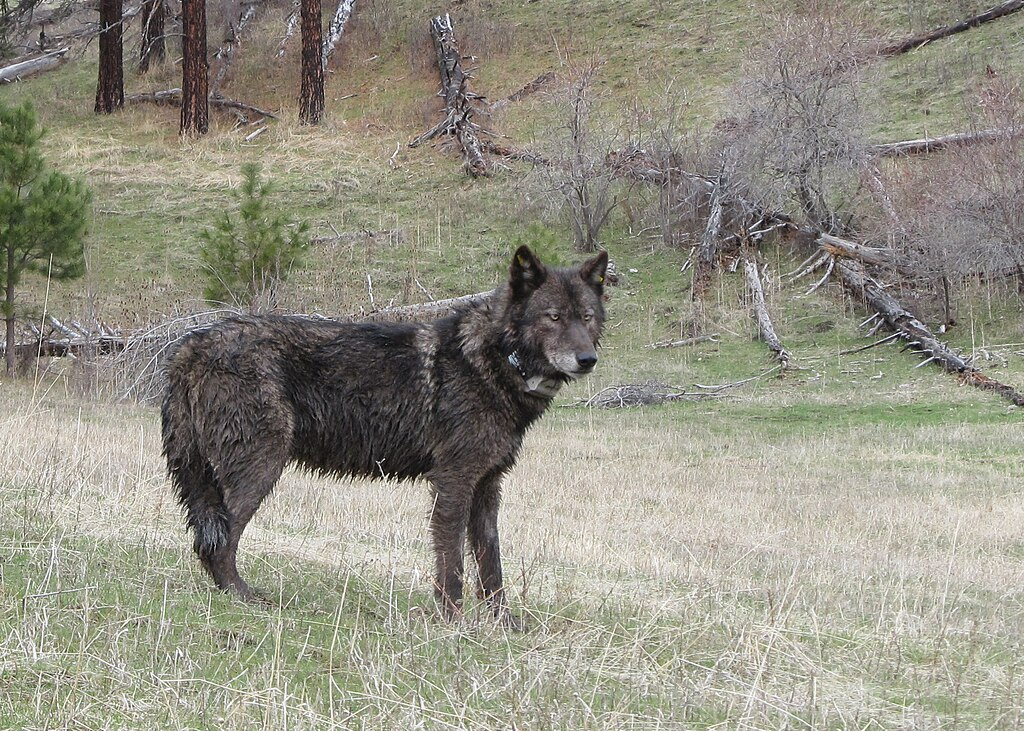
Fast forward to now: California is home to a small but growing wolf population. According to the California Department of Fish and Wildlife (CDFW), there are three new wolf packs as of 2024, bringing the total to ten established packs, including:
- Shasta Pack – the first confirmed in 2015, with Shasta pack pups documented over multiple years
- Lassen Pack – established in Lassen County
- Whaleback Pack – one of the most productive, with multiple litters
- Yowlumni Pack – found in Tulare County
- Harvey Pack – roaming Siskiyou County
- Ashpan Pack – one of the three new wolf packs recently confirmed, active in Eastern Shasta County
- Ishi Pack – another of the three new wolf packs, located in eastern Tehama County
- Tunnison Pack – the third of the three new wolf packs
- Beyem Seyo Pack – recently confirmed in Plumas County, significant for its genetic lineage and role in wolf recovery
- Seyo Pack – a confirmed pack in California, contributing to ongoing monitoring and conservation
- Diamond Pack – confirmed near Lake Tahoe through genetic testing and sightings, part of recent conservation efforts
- Ice Cave Pack – a confirmed wolf pack in California, notable for its location and significance in the state’s wolf population
Additionally, the Rogue Pack represents dispersing or independent wolf groups that contribute to the natural expansion of wolf populations by traveling long distances and establishing new packs in suitable habitats.
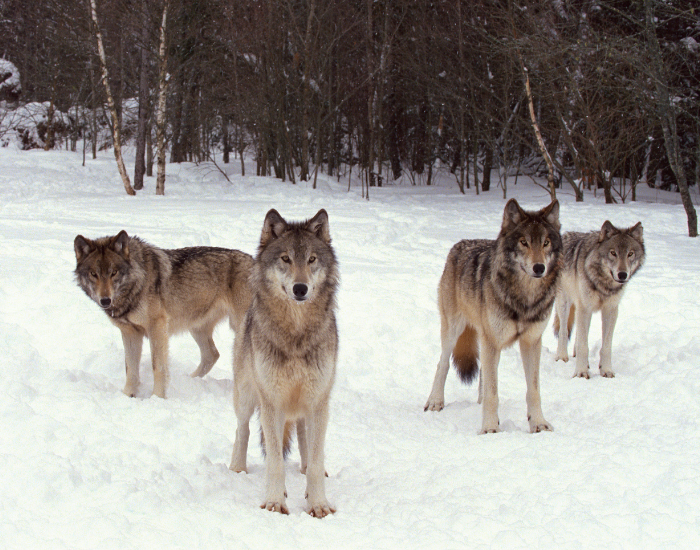
Altogether, California has around 70–80 wolves spread across the northern and northeastern counties. Most are concentrated in Siskiyou County, Lassen County, Tehama County, Shasta County, and key areas such as Plumas and Lassen counties, as well as Eastern Shasta County, though dispersers are turning up in surprising places throughout Northern California.
Tracking Wolves: How Science Meets Technology
One of the fascinating aspects of wolf conservation is the science behind it. The California Department of Fish and Wildlife uses a GPS collar to track individual wolves, monitoring dispersal, wolf pack territories, and hunting behavior.
GPS collared wolves in California have revealed:
- Long-distance movements across multiple counties
- Overlapping territories with mountain lions and black bears
- The role of wolves in regulating deer populations
- Wolf activity patterns in different seasons
- How GPS collars provide real-time tracking data, aiding in conflict mitigation and helping officials understand wolf behavior
This monitoring also helps ranchers prepare, as alerts from GPS collars can reduce wolf livestock conflict.
In addition to GPS collars, camera traps are playing an important role in tracking wolf dispersal across the West. A 2024 study reported the first documented camera trap detection of a gray wolf in Nevada since the 1920s, captured during a broad-scale survey in the northern Great Basin.This finding highlights how wolves are continuing to expand their range naturally from California and Oregon, and underscores the importance of combining technology like GPS collars and camera traps to monitor these movements.
Conflict and Coexistence
Of course, not everyone celebrates wolves. Since 2015, CDFW has confirmed over 20 cases of livestock depredation by wolves, mostly calves. The California Cattlemen’s Association, the California Wool Growers Association, and other livestock producers face real economic losses, and managing this tension is one of the biggest challenges for wolf conservation. The California Wool Growers Association is also a key stakeholder involved in wolf management, compensation programs, and policy discussions related to livestock protection.
Non-lethal deterrents have become essential tools to prevent wolf livestock conflict:
- Fladry (flagged fencing that scares wolves)
- Foxlights (flashing night lights that mimic human presence)
- Range riders (people who patrol pastures to protect livestock)
- Guard dogs trained to deter predators
The California Farm Bureau and other agricultural organizations work with wildlife officials to implement these measures. I’ve seen similar methods used in Kenya to protect livestock from lions, and while they’re not perfect, they build human tolerance between conservationists and ranchers.
Wolves in California are fully protect wolves under both the federal and state Endangered Species Act. Wolf depredation incidents are thoroughly investigated, and killing a wolf can result in heavy fines and even jail time. Yet, the bigger question is cultural: will Californians embrace wolves as part of their natural heritage, or will history repeat itself?
A similar story is happening in Colorado, if you are interested you can dive deeper in the article: Why Wolves in Colorado Are Sparking Hope and Conflict

Prey Species: What Wolves Eat and Why It Matters
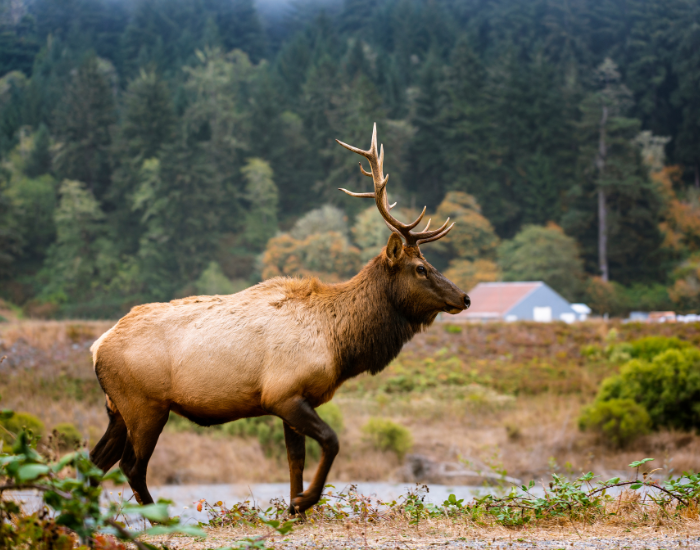
Gray wolves are essential architects of healthy ecosystems. In California, wolf packs rely primarily on wild prey species such as deer and elk to sustain themselves. These ungulates are abundant in northern California, providing a reliable food source that supports the survival and growth of wolf families across the region.
The relationship between wolves and their prey is a delicate balance. Healthy deer populations in northern California help ensure that wolves can hunt naturally, reducing the likelihood of wolf livestock conflicts. However, when wild prey becomes scarce, due to habitat loss, drought, or other factors, wolves may turn to livestock, leading to tensions with livestock producers. This is where the work of the California Department of Fish and Wildlife becomes crucial. By collaborating with ranchers and conservation groups, the department implements non-lethal deterrents and compensation programs to help prevent and address livestock predation.
Understanding the distribution and abundance of prey species is vital for effective wolf conservation and management. It allows wildlife managers to anticipate potential conflicts, support healthy wolf populations, and maintain the ecological benefits that wolves bring to California’s wild places.
Ecological Role of Wolves
Why does it matter if wolves return?
Wolves are keystone predators that ultimately benefits humans. Their wolf presence can:
- Regulate deer populations and elk populations, preventing overgrazing
- Support biological diversity, allowing plants, birds, and smaller mammals to thrive
- Reduce vehicle collisions, as deer populations become more balanced
- Maintain ecosystem health, influencing everything from streamside vegetation to soil quality
- Control prey species populations naturally
I remember trekking through Yellowstone years after wolves were reintroduced. The willow and aspen groves were recovering, beavers were back, and songbirds filled the air. Could we see similar transformations in California? The Center for Biological Diversity believes so, advocating for expanded wolf conservation efforts.
Where to Find Wolves in California
If you’re wondering where to spot wolves in California, the answer is: it’s complicated. Wolves are elusive, shy, and roam enormous territories. But CDFW publishes a wolves in California map that shows wolf packs territories and recent wolf sightings.
Key regions include:
- Northern California counties like Siskiyou County, Lassen County, Tehama County, and Shasta County
- Sierra Nevada foothills, where dispersers occasionally appear
- Eastern Tehama County, home to the Ishi Pack
- Central Lassen County, where multiple packs have established territories
Public sightings play a role too. If you think you’ve seen a wolf, CDFW encourages reports, which biologists verify through tracks, scat DNA, or camera traps. Wolf sightings help researchers track pack movements and wolf activity patterns.

Wolf Management and Protection
The California Wolf Project represents a collaborative approach to wolf management. The California Department of Fish and Wildlife has developed a formal conservation plan that guides wolf recovery, population monitoring, and conflict management with livestock, ensuring that management strategies are based on scientific research and stakeholder involvement. Unlike some states, California has not implemented any wolf howl surveys or active reintroduction programs, all current wolf families have arrived through natural dispersal from Oregon.
Wolf attacks on humans are extremely rare. In fact, there have been wolf attacks on humans documented in California since wolves returned. The California Department of Fish and Wildlife emphasizes that wolves are naturally wary of humans and pose minimal risk.
Current wolf management strategies include:
- Monitoring GPS collared wolves to track movements
- Investigating all reported livestock predation incidents
- Working with livestock producers to implement deterrents
- Educating the public about wolf presence and safety
- Coordinating with Oregon wildlife officials on cross-border movements
The Role of Conservation Organizations
Several organizations play crucial roles in wolf conservation:
- Center for Biological Diversity – advocates for wolf protection and habitat preservation
- California Wolf Project – conducts research and monitoring
- California Department of Fish and Wildlife – manages state wolf populations
- Local ranching associations – work on coexistence strategies
- A senior wolf advocate – serves as a key authority in shaping policy and public perception around wolf conservation and coexistence initiatives in California
These groups recognize that successful wolf conservation requires balancing ecological needs with human tolerance and economic concerns.
Wolf Pack Dynamics and Behavior
Understanding wolf packs behavior helps explain their ecological role. California wolf packs typically consist of an alpha pair and their offspring, ranging from two wolves to eight individuals. Wolf families maintain territories that can span hundreds of square miles.
The Yowlumni pack wolves, recently discovered in Tulare County in partnership with the Tule River Tribe, are notable for their unique composition and cultural significance to the region. Wolf pups are born in spring, with eight pups being a typical large litter size. The Whaleback Pack has been particularly successful in raising wolf pups to adulthood, contributing significantly to California’s growing wolf population.

Challenges and Future Outlook
Despite success stories, challenges remain for wolves in California:
- Limited suitable habitat due to development
- Ongoing wolf livestock conflict concerns
- Need for continued human tolerance
- Climate change impacts on prey species
- Genetic diversity concerns with small population size
The California Department of Fish and Wildlife continues monitoring efforts, while conservation groups push for expanded protection. Endangered species status provides legal protection, but long-term success depends on public support and effective wolf management.
The story of wolves in California is still unfolding, and how we respond to these challenges will shape their future in the Golden State. If you’re curious to learn more about wolves and other wildlife, check out some of our related articles:
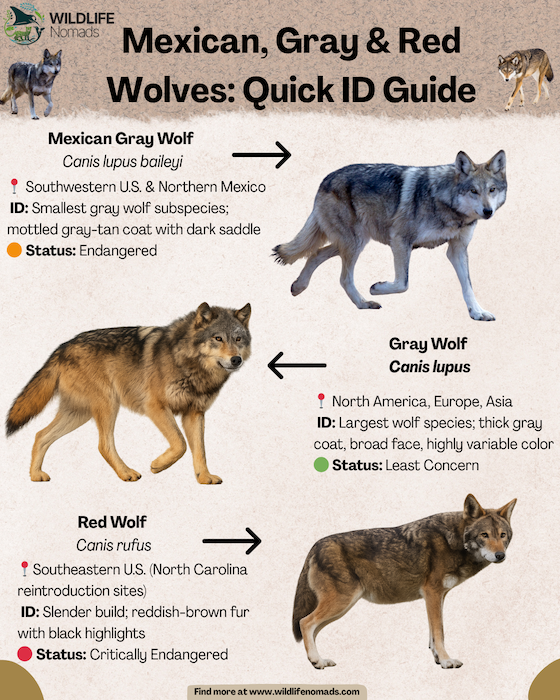
- 10 Fascinating Red Wolves Facts (and Why They’re So Rare)
- Mexican Gray Wolf: 12 Surprising Facts About Wolves in Mexico
- A Guide to The Animals of California You Should Know
FAQs About Wolves in California
Yes, approximately 70–80 gray wolves spread across 10 wolf packs confirmed by the California Department of Fish and Wildlife.
The last wolf was killed livestock in 1924 in Lassen County, marking the end of more than a century of wolf presence.
No. Wolves in California have returned naturally from Oregon through dispersal; there has been no formal reintroduction program like those in other states.
California wolf populations are fully protect wolves under both federal and state Endangered Species Act, penalties include heavy fines and possible jail time.
No. Coywolves (coyote-wolf hybrids) are found in the eastern U.S., not the West. California has pure gray wolves (Canis lupus).
Adult California wolf typically weigh 80–110 lbs, though males can reach up to 120 lbs—larger than most people expect.
Gray wolves are not aggressive toward humans; wolf attacks are exceedingly rare, with no documented attacks in California.
The Future of Wolves in California
The California Wolf Project and conservation groups like the Center for Biological Diversity continue studying wolves’ ecological role while working with livestock producers to reduce conflict. Success depends not only on science, but also on human tolerance and effective wolf management.
Wolf conservation in California could set an example for predator recovery worldwide. The state’s approach to balancing livestock predation concerns with species protection offers a model for other regions facing similar challenges.

The Road Ahead for Wolves in California
The story of wolves in California is far from over. From OR-7’s lonely journey to the thriving wolf packs in Lassen County and Siskiyou County, wolves are rewriting the ecological and cultural narrative of the Golden State. Their return is both a challenge and an opportunity, for wolf conservation, for ranchers, and for anyone who believes in the power of nature wild.
The presence of three new wolf packs, successful wolf pups recruitment, and growing wolf population demonstrates that with proper protection and human tolerance, apex predators can recover.
California’s wolves remind us that nature, when given a chance, has a way of coming home. Their wolf presence in the Sierra Nevada foothills and Northern California wilderness represents hope for biological diversity and ecosystem restoration. The future of wolves in California depends on continued wolf conservation efforts and our collective commitment to sharing the landscape with these magnificent predators.