What are the Marmosets?
Today I want to introduce you tho a very special kind of primate. When you think of the world’s tiniest primates, you may not know that these kind of monkeys exist. These captivating and cute South American primates belong to the Callitrichidae family and represent some of nature’s most remarkable adaptations to arboreal life. The Callitrichidae family is divided into four genera, which are groups of related species; in this context, ‘genera’ refers to the taxonomic classification that includes marmosets and their close relatives. With their expressive faces, long tails, and acrobatic abilities, marmoset monkeys have captured the attention of researchers, conservationists, and unfortunately, the exotic pet trade.
Marmoset monkeys are small, long-tailed primates that inhabit the dense forests of South America, particularly the Amazon basin. As members of the class Mammalia, marmosets are mammals, and their biology and behavior are well documented in authoritative guides to mammals.
As New World monkeys, they’ve evolved unique characteristics that set them apart from their Old World cousins. Alongside marmosets, other New World monkeys such as tamarins and Goeldi’s monkeys showcase the diversity within this fascinating group. These social creatures live in tight-knit family groups and display complex behaviors that continue to fascinate primatologists worldwide.
What makes marmoset monkeys truly special is their size, the pygmy marmoset holds the title as the world’s smallest monkey, weighing less than 5 ounces when fully grown. However, don’t let their diminutive stature fool you; these primates are incredibly adaptable, intelligent, and play crucial roles in their forest ecosystems.

Fun Facts About Marmosets
1. Tiny but Mighty
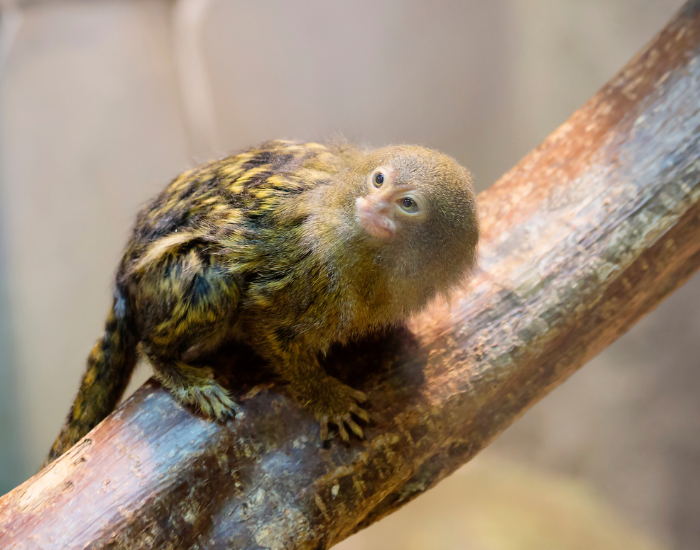
Marmosets are among the smallest primates in the world. The pygmy marmoset, in particular, is the tiniest monkey known to science, adults weigh as little as 100 grams, roughly the same as a deck of cards!

2. Twin Time, Every Time
Unlike most other primates, marmosets typically give birth to non-identical twins. Even more fascinating, it’s common for older siblings, dad, and even extended family members to help carry and care for the babies.

3. Tails for Balance, Not Grip
Although marmosets have long, expressive tails, they are not prehensile, meaning they can’t use them to grasp things. Instead, these tails act like a balancing pole as they bound through the treetops.

4. Bark Gougers Extraordinaire
Marmosets have evolved specialized teeth, including elongated lower incisors, which they use to gouge tree bark. This allows them to tap into a favorite food source: tree sap and gum.

5. Masters of Movement
These monkeys are incredibly agile and fast, darting through dense rainforest canopies with acrobatic finesse. Their lightweight bodies and strong limbs make them expert climbers and leapers.
6. Baby Boomers of the Rainforest
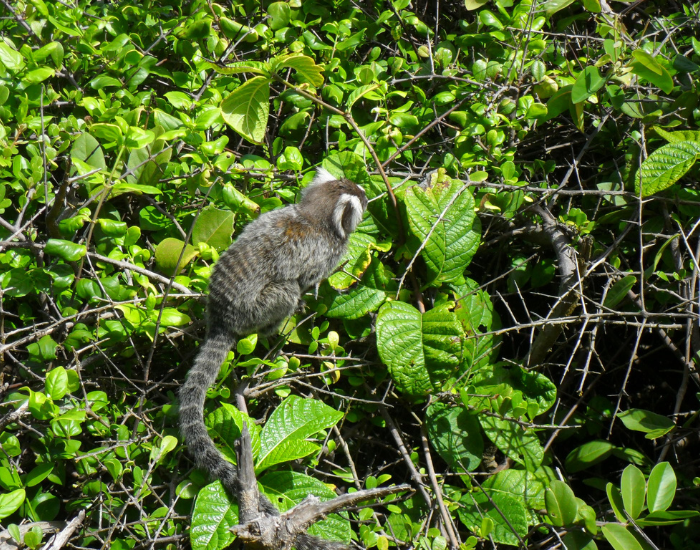
Thanks to a short gestation period and cooperative parenting, marmosets can reproduce multiple times a year. This makes them one of the most prolific breeders among small primates.
7. Endangered and Elusive
Some marmoset species, like the black-crowned dwarf marmoset and the buffy-tufted-ear marmoset, are extremely rare and endangered. Their limited range and habitat threats have made them a priority for conservation efforts.
8. Cousins with Tamarins
Marmosets are part of the Callitrichidae family, closely related to tamarins and lion tamarins. While they share some traits, each group has evolved unique behaviors, diets, and adaptations over time.

9. Forest Gardeners
Despite their tiny size, marmosets play an important ecological role. By gouging trees for sap, they create feeding sites for insects and other animals, and their foraging also helps disperse seeds throughout the forest.
10. Chatterboxes with Complex Calls
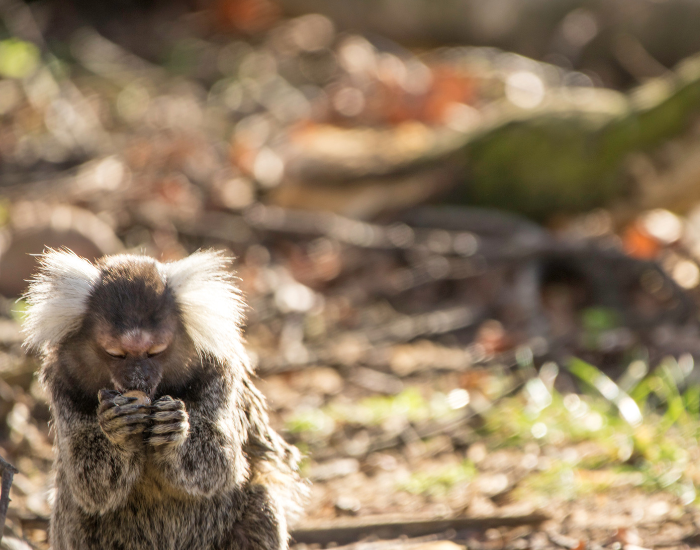
Marmosets use a wide range of vocalizations to communicate—trills, whistles, and chirps are just the beginning. They can even modify their calls depending on social context, almost like having different “tones” in a conversation.
11. Strong Social Bonds
Marmosets live in tight-knit family groups with complex social structures. They groom each other, share food, and use vocal and chemical signals to maintain group cohesion and defend their territory.

12. Thermal Regulation Through Ears
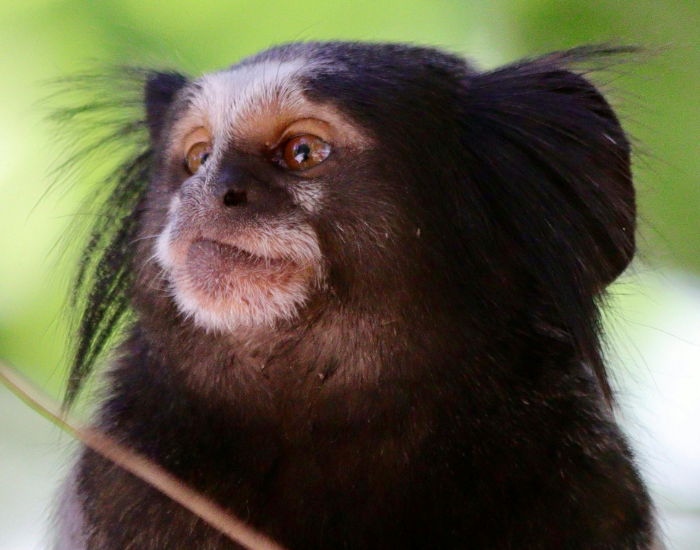
Those tufted ears aren’t just cute, they help regulate body temperature. In some species, the ears are covered in hair that protects from the sun or helps with heat dissipation in hot climates.
Understanding Marmoset Species
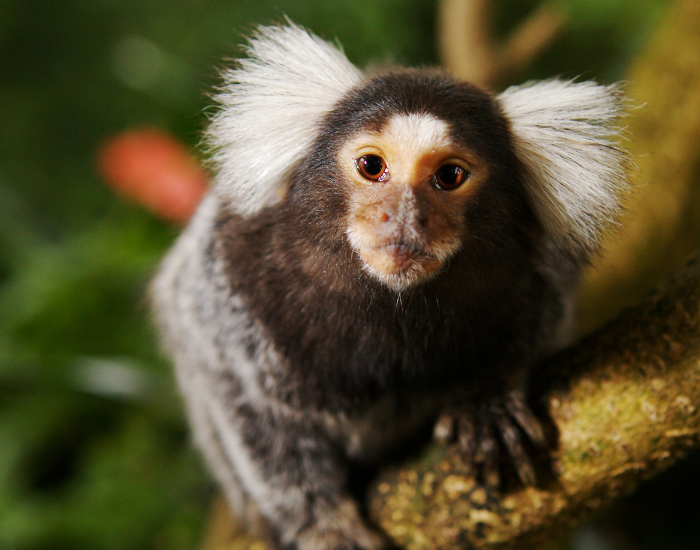
The marmoset family encompasses over 20 distinct species, each with unique characteristics and conservation challenges.
The most well-known species include
- The common marmoset (Callithrix jacchus)
- The pygmy marmoset (Cebuella pygmaea)
- Goeldi’s marmoset (Callimico goeldii).
Goeldi’s marmoset is notable for its vulnerable conservation status and distinguishing features, such as its solitary habits and unique dentition. Goeldi’s monkey, another name for this species, is a distinct primate endemic to the Amazon rainforest, recognized for its dark fur, small size, and differences from other marmosets and tamarins.
True marmosets differ from tamarins and lion tamarins, though all belong to the Callitrichidae family. The primary distinction lies in their feeding habits – marmosets are specialized gum feeders with specially adapted teeth for gouging tree bark to access nutritious sap and gum. A key physical feature of many marmoset species is the presence of white tufts on their ears, which helps distinguish them from related primates.
The pygmy marmoset deserves special attention as the world’s smallest primate. Native to the Amazon rainforests of Peru, Ecuador, Colombia, Brazil, and Bolivia, these tiny creatures measure just 4-6 inches in body length, with tails extending another 6-9 inches. Despite their size, pygmy marmosets are remarkably hardy and can live up to 12 years in the wild. There are two species of pygmy marmosets, highlighting the diversity within this group.

Habitat and Distribution
Their distribution spans various forest types, from dense primary rainforests to more open woodland areas. Marmosets prefer the forest canopy, typically living 15-40 feet above ground level where they can easily navigate between trees using their incredible agility and balance.
The Amazon River system plays a crucial role in marmoset distribution, with different species often separated by major waterways. This geographic isolation has contributed to the evolution of distinct marmoset species across different river basins.
Diet and Foraging Behavior
Marmoset monkeys are omnivores with highly specialized feeding habits that set them apart from other primates. Their diet consists of tree saps and gums (40-70% of their intake), insects (20-30%), fruits (10-25%), and occasionally small vertebrates like bird eggs or nestlings. Pygmy marmosets are often seen eating resin and insects directly from trees, which plays a crucial role in their survival and habitat preferences.
What makes marmosets unique is their ability to gouge holes in tree bark using their specially adapted lower incisors and canine teeth. They target specific tree species known for producing nutritious exudates, creating small wells that continuously produce sap. A single marmoset family may maintain hundreds of these feeding holes throughout their territory.
Insect hunting showcases their incredible agility and precision. Marmosets can snatch flying insects mid-air, probe bark crevices for larvae, and even use their long fingers to extract insects from narrow spaces. As part of their survival strategy in the rainforest, marmosets actively hunt insects, often competing with tamarins and birds for these protein-rich food sources. During insect-rich seasons, protein intake can significantly increase, supporting reproduction and growth.
Social Structure and Behavior
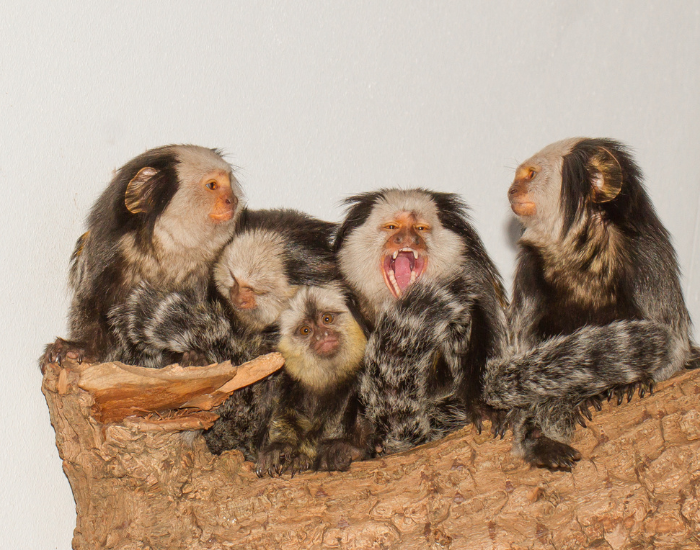
Marmoset monkeys live in highly organized family groups called troops, typically consisting of 4-15 individuals. These small groups usually include a breeding pair, their offspring of various ages, and occasionally related adults. The social structure is cooperative, with all group members participating in childcare, territory defense, and foraging activities.
Communication among marmosets is remarkably sophisticated. They use over 40 distinct vocalizations, including contact calls, alarm calls, and territorial songs. Each individual has a unique call signature that allows group members to identify them from distances up to 500 meters away.
Scent marking plays an equally important role in marmoset social behavior. They possess specialized scent glands and regularly mark territory boundaries, feeding sites, and travel routes. This chemical communication system helps coordinate group movements and warns neighboring troops of territorial boundaries.
Grooming behavior strengthens social bonds within troops. Marmosets spend considerable time each day grooming family members, which reduces stress, removes parasites, and reinforces social hierarchies. Interestingly, marmosets show clear preferences for grooming partners, often forming long-lasting partnerships.
Marmoset Adaptations
Marmosets are masters of adaptation, equipped with a suite of physical and behavioral traits that allow them to flourish in the treetops of South America. Their small size and lightweight bodies make it easy for them to dart through dense foliage and leap between branches, while their sharp claws and strong hands and feet provide a secure grip on tree trunks and branches. The long tails of marmosets act as a natural counterbalance, helping them maintain stability and make quick, agile turns as they navigate the forest canopy.
Vision is another key adaptation for marmosets. With large eyes and sensitive retinas, these primates can see well in low light conditions, allowing them to spot insects, predators, and other small animals even at dawn or dusk. This keen eyesight is essential for survival in the shadowy understory and tangled gallery forests where marmosets live.
Dietary flexibility is a hallmark of the marmoset family. The pygmy marmoset, for example, is specially adapted to feed on tree sap, using its long lower incisors to gouge little holes in tree bark and lap up the nutritious sap that flows out. Other marmoset species eat a mix of fruits, insects, leaves, and seeds, adjusting their diet based on what’s available in their home range. This ability to eat a wide variety of foods helps marmosets survive in changing environments and makes them one of the most resilient new world monkey species.

Reproduction and Offspring Care
Marmoset reproduction follows a fascinating cooperative breeding system where only the dominant female typically reproduces, while other group members help raise the young. Gestation lasts approximately 140-150 days (the gestation period can range from four to six months depending on the species), with twins being the norm rather than the exception. Single births are relatively rare among marmosets.
Twin births present unique challenges and advantages. While twins increase reproductive success, they also require intensive care from multiple group members. Adult males, particularly fathers, carry infants on their backs for the majority of the day, returning them to mothers only for nursing.
This cooperative child-rearing system, called “helpers at the nest,” significantly improves infant survival rates. Older siblings, aunts, and uncles all participate in carrying, protecting, and teaching young marmosets essential survival skills. This behavior is relatively rare among primates and highlights the sophisticated social evolution of marmoset societies.
Sexual maturity occurs between 12-18 months, but young marmosets typically remain with their family groups for 2-3 years before dispersing to form new territories or join other groups. Sexual development during this period is crucial, as it marks the process of reaching reproductive maturity and influences their future roles within the social structure. This extended family association allows young marmosets to develop complex social and survival skills essential for independent living.
Conservation Status and Current Threats
The conservation status of marmoset species varies dramatically, with some populations stable while others face imminent extinction. The International Union for Conservation of Nature lists the common marmoset as Least Concern, though the population is declining. However, many other species face more severe threats.
Both species of pygmy marmosets are listed as vulnerable on the IUCN Red List of Threatened Species due to habitat loss and the pet trade. The illegal pet trade has particularly impacted pygmy marmosets in Ecuador and other range countries, where their small size and cute appearance make them targets for wildlife traffickers.
Black-tailed marmosets are currently considered Near Threatened by the International Union for Conservation of Nature, based on a projected loss of tropical forest habitat of between 15–20%. This projection highlights how habitat destruction continues to be the primary threat facing most marmoset species.
Disease transmission from humans and domestic animals poses an emerging threat to wild marmoset populations. As human settlements encroach on marmoset habitats, exposure to novel pathogens increases, potentially causing population crashes in immunologically naive marmoset communities.
The Pet Trade Problem: Why Marmosets Don’t Make Good Pets
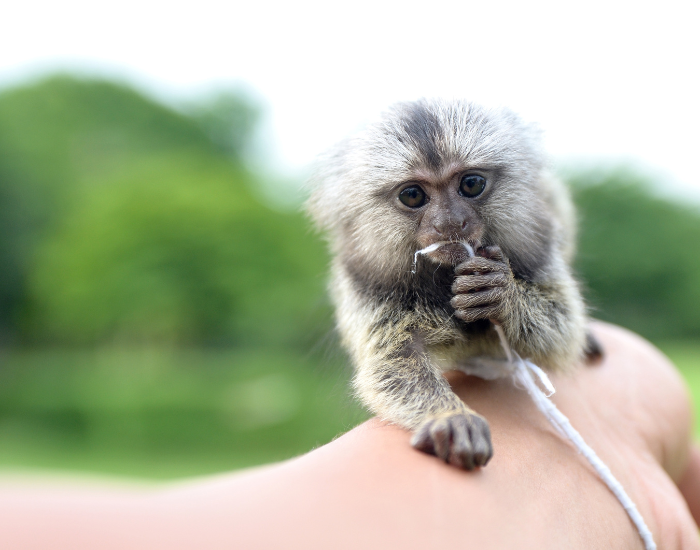
One of the most frequently asked questions about marmoset monkeys concerns their suitability as pets. Marmosets are sometimes kept as pets, but this practice is fraught with challenges and is discouraged by experts. The simple answer is that marmosets make extremely poor pets for multiple compelling reasons, and their ownership is heavily regulated or completely prohibited in most jurisdictions.
Legal restrictions vary significantly by location. Some states allow unregulated ownership of monkeys as pets, which fuels illegal pet trade of this specieis, others outright ban it, and a third category requires a permit. However, states like Alabama, Nebraska and South Carolina allow pocket monkey ownership without special permits, while other states have complete bans.
The reality of marmoset ownership extends far beyond legal considerations. These primates require specialized veterinary care that most vets cannot provide, complex diets costing thousands annually, and constant social interaction. Marmosets in captivity often develop severe behavioral problems including aggression, self-harm, and chronic stress-related illnesses.
Marmoset aggression becomes particularly problematic as they mature. While young marmosets may seem docile and playful, adults can inflict serious injuries with their sharp teeth and claws. They cannot be house-trained, mark territory with urine and feces, and require 12-16 hours daily of active engagement to prevent psychological distress.
The financial costs of proper marmoset care are staggering. Between specialized diets, veterinary care, enclosure requirements, and environmental enrichment needs, annual costs often exceed $10,000-15,000 per animal. Most people dramatically underestimate these expenses and cannot provide adequate care throughout a marmoset’s 12-16 year lifespan.
Ecological Importance and Environmental Role
Marmoset monkeys serve as crucial components of South American forest ecosystems, fulfilling multiple ecological roles that benefit entire forest communities. As seed dispersers, marmosets help maintain forest diversity by transporting seeds throughout their territories and depositing them in nutrient-rich waste materials.
Their insect consumption provides natural pest control services, helping maintain balanced insect populations that might otherwise damage forest vegetation. During peak insect seasons, a single marmoset troop can consume thousands of insects daily, including many species considered agricultural pests.
The holes marmosets create for accessing tree sap benefit numerous other species. These feeding wells are regularly used by hummingbirds, insects, and other small vertebrates that cannot create their own access points to nutritious tree exudates. This ecosystem engineering behavior creates microhabitats that support increased biodiversity.
Marmosets also serve as prey for various predators including raptors, snakes, and small carnivores. Their position in the food web makes them important for maintaining predator populations and overall ecosystem balance. The loss of marmoset populations can trigger cascading effects throughout forest food webs.

Marmosets are Important
Marmoset monkeys represent one of evolution’s most fascinating experiments in primate miniaturization and social cooperation. These remarkable creatures have adapted to thrive in South America’s diverse forest ecosystems while developing complex behaviors and social structures that continue to amaze researchers worldwide.
However, marmoset populations face unprecedented challenges from habitat destruction, climate change, and human interference. With species like the buffy tufted marmoset experiencing 50% population declines over just twenty years, the urgency for effective conservation action has never been greater.
The future of marmoset monkeys rests in our hands. Through supporting conservation organizations, making responsible consumer choices, and advocating for habitat protection, we can help ensure that future generations will continue to marvel at these tiny acrobats swinging through the rainforest canopy. The time for action is now – these remarkable primates cannot wait for tomorrow’s conservation efforts to begin today.