Meet the Rattlesnake Pygmy
Small, secretive, and often overlooked, the rattlesnake pygmy (Sistrurus miliarius) is a small species of venomous snake and one of North America’s most fascinating pit vipers. Also known as the ground rattler, this diminutive species thrives in the southeastern United States, especially Florida, Georgia, and the Carolinas, with its range extending west to states like Texas. Despite being just a couple feet long at most, its venomous bite and ecological role make it a snake worth knowing.
Unlike larger rattlesnakes, the pygmy rattlesnake relies on its ability to remain motionless in leaf litter, blending into its surroundings. When threatened, it produces a faint buzzing sound with its tiny rattle, a far cry from the iconic warning of its bigger cousins.
In this guide, we’ll explore 12 key facts about the rattlesnake pygmy, from its three subspecies to its venom, diet, habitats, and conservation status, and answer some of the most common questions people ask about this small but significant reptile.
1. A Small But Mighty Pit Viper
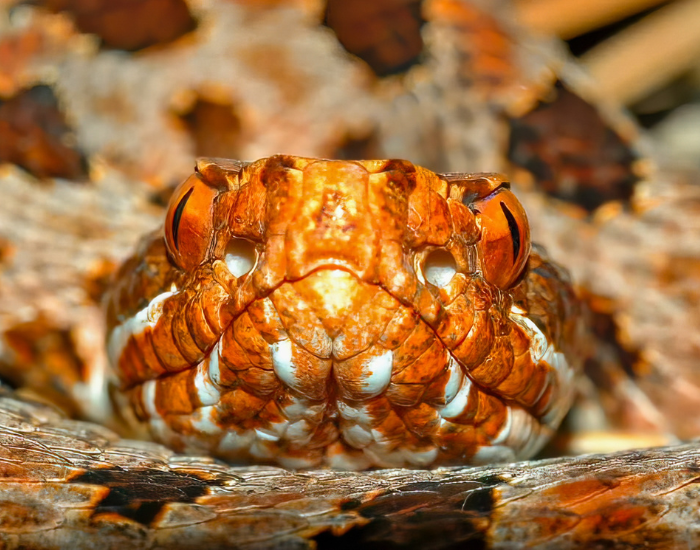
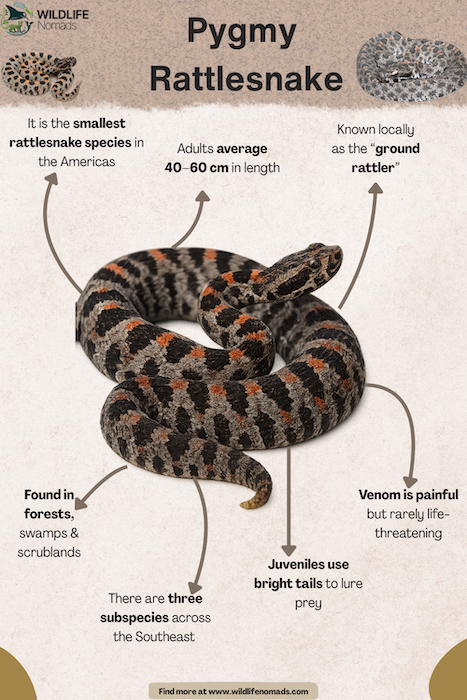
The rattlesnake pygmy is one of the smallest species of rattlesnake in North America, usually measuring 15 to 24 inches in total length, though the record length exceeds 30 inches. Despite its small size, it belongs to the same pit viper family as copperheads and diamondbacks.
Heat-sensing pits on its face allow it to detect warm-blooded prey, and its venom, though not typically fatal to humans, is designed to immobilize small animals quickly.
If you want to know about the largest snakes in the world, have a look at the blog “The Biggest Snakes in The World“.
2. Three Subspecies Across the Southeast
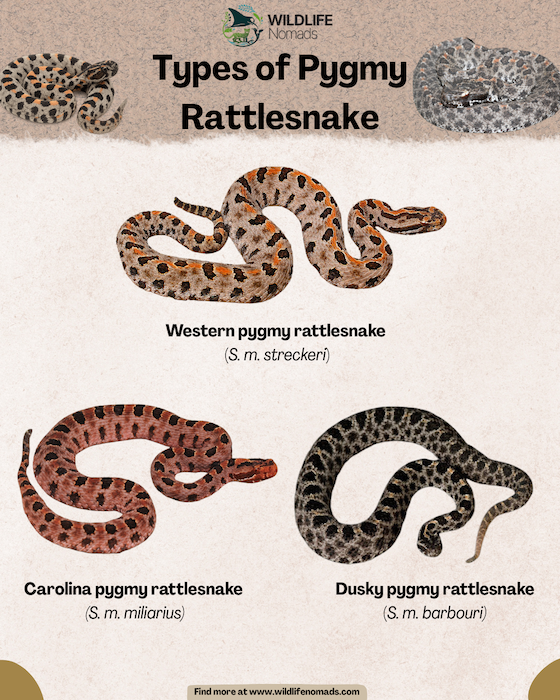
Biologists recognize three subspecies of pygmy rattlesnake:
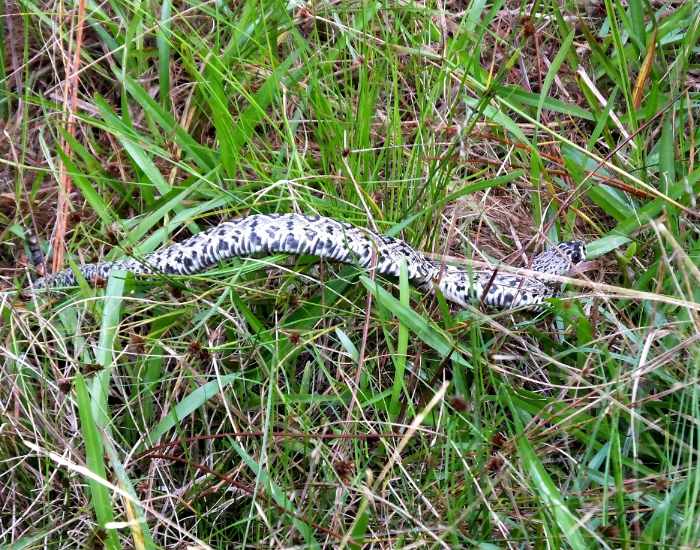
- Dusky Pygmy Rattlesnake – (Sistrurus miliarius barbouri) – Also known as the ‘dusky pigmy’, this subspecies is common in swamps, wetlands, and flatwoods across central Florida, extending into southern Georgia. Dusky pygmies are recognized for their darker coloration and habitat in the southern Coastal Plain. Dusky pygmy rattlesnakes are often found in Florida and can be confused with non-venomous snakes such as hognose snakes and black racers. This is the Florida pygmy rattlesnake most people encounter.
- Carolina Pygmy Rattlesnake – (S. m. miliarius) – Typically found in drier sandhills and pine forests of the Carolinas and central Georgia.
- Western Pygmy Rattlesnake – (S. m. streckeri) – The rarest and most isolated, occurring in parts of Arkansas, Louisiana, and southern Missouri, particularly in the Ozarks. Its range extends further west across the southeastern United States.
Each subspecies has subtle differences in color, markings, and preferred habitat — an important reminder of the species’ adaptability across diverse landscapes.
Note: The pygmy rattlesnake is not protected in Georgia. Georgia state law does not protect this species, unlike neighboring states.
3. Tiny Rattle, Big Identity Clues
How do you identify a rattlesnake pygmy? Look for these features:
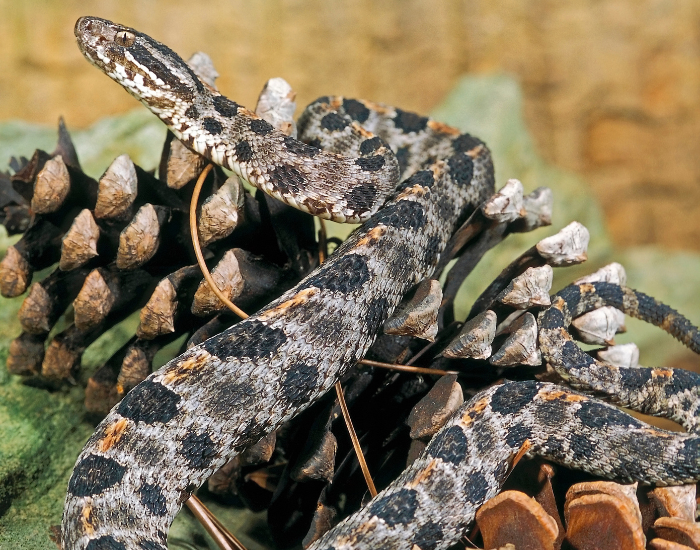
- Coloration: Typically dark gray or brown with 20–30 darker blotches along the back. These dark blotches are often arranged in alternating rows along the sides, and the body is marked with distinctive dark spots that help distinguish it from other snakes.
- Dorsal Stripe: Some individuals have a thin orange or reddish-brown stripe down the center of the back. There are also one or two rows of lateral spots along the sides of the body.
- Head Markings: A dark stripe runs from the eye to the corner of the mouth, typical of pit vipers.
- Tail & Rattle: The pygmy rattle is so small it often goes unnoticed. Unlike the loud warning of an eastern diamondback, the pygmy’s rattle produces only a faint buzzing sound, audible just a few feet away.
Juvenile pygmy rattlesnakes have a yellow-tipped tail used for caudal luring, wiggling it to attract frogs and lizards within striking distance.
4. Habitat: From Cypress Swamps to Sandhills
The rattlesnake pygmy thrives in a variety of habitats, from mixed forests and flatwoods to cypress swamps, marshes, and floodplains. They are often found in leaf litter, under logs, or near water sources. The pigmy rattler, as it is sometimes called, is frequently encountered in pine forests and near water sources, reflecting its habitat preferences.
- In central Florida, the dusky pygmy rattlesnake is fairly common in wetlands and pine flatwoods.
- In central Georgia and the Carolinas, populations are more scattered, often in dry pine uplands.
- Though not present in the Florida Keys, they are widespread across the peninsula and panhandle.
This flexibility helps explain their wide distribution across the Southeast.
5. Behavior: Motionless Ambush Hunters
The rattlesnake pygmy is a master of patience. These snakes often remain motionless in ambush, waiting for prey to come close. When hunting, they coil tightly into a coiled position, striking with precision.
They are most active during warm months and may be seen crossing roads at dusk or on summer nights.
6. Diet: Small Animals With a Big Impact
Despite their size, rattlesnake pygmies are opportunistic feeders. Their diet includes:
- Lizards
- Frogs
- Small mammals such as mice and shrews
- Insects and centipedes, especially for young snakes
This broad diet helps regulate populations of small prey animals, making them an important component of their ecosystems.
7. Venom: Dangerous but Not Usually Fatal
The pygmy rattlesnake venom is cytotoxic, meaning it damages tissue and causes significant swelling and pain. While rarely considered life-threatening to humans, bites should always be taken seriously. A pygmy rattlesnake bite is rarely fatal but can be very painful and requires prompt medical attention. Compared to other venomous snakes, the pygmy rattlesnake’s bite is less dangerous but still poses a significant health risk.
- Most bites occur when someone accidentally steps on one hidden in leaf litter.
- Dogs are frequent victims, and while many survive with treatment, bites can be severe without veterinary care.
- Medical studies have used rattlesnake pygmy venom to develop drugs like eptifibatide, which helps prevent blood clots.
8. Are They Aggressive?
The reputation of rattlesnakes often leads people to assume aggression. In reality, pygmy rattlesnakes are not aggressive. They rely on camouflage, and will usually avoid detection by staying still. Strikes generally occur only when they are stepped on or handled.

9. Baby Pygmies Use Bright Tails to Trick Their Prey
- Breeding season occurs in late spring and summer.
- Females give birth to live young, usually 6–9 babies, in late summer or early fall.
- Young snakes are born fully venomous and capable hunters.
- Their use of caudal luring with bright tails is particularly effective for catching frogs and insects.
10. The “Ground Rattler”: A Cultural Name
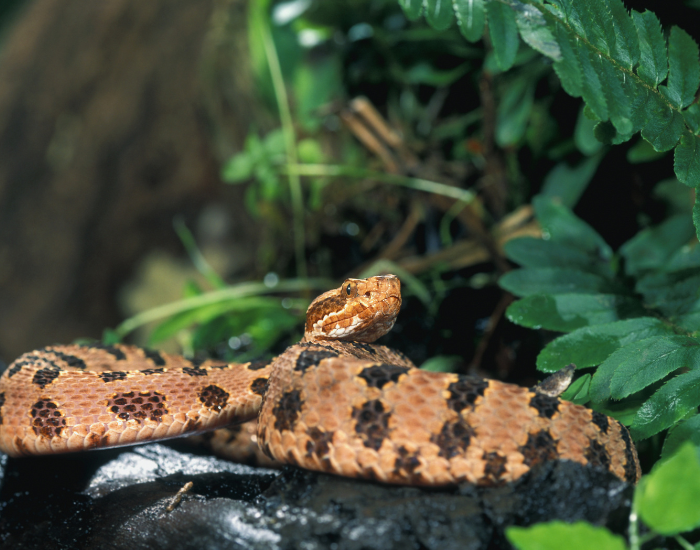
Locals across the South often call this snake the ground rattler, a name passed down in rural communities. The term reflects the snake’s preference for staying close to the ground, hiding under leaves and debris rather than climbing.
This nickname adds to the folklore around the species and can sometimes cause confusion with other small snakes that resemble rattlesnakes.
11. Conservation Status: Common in Florida, Rare Elsewhere
Currently, the rattlesnake pygmy is classified as Least Concern by the IUCN. However, their conservation status varies locally:
- Not protected in Georgia and South Carolina.
- Protected in North Carolina and Tennessee.
Key threats include:
- Habitat loss from development and agriculture.
- Snake fungal disease, which reduces survival and reproduction.
- Human persecution, since many people kill rattlesnakes on sight.
While still fairly common in parts of Florida, some populations elsewhere are rarely encountered.
12. Why This Rarely Encountered Snake Is Ecologically Vital
Like all snakes, the rattlesnake pygmy plays an essential role in maintaining balance. By controlling populations of frogs, lizards, insects, and small mammals, it prevents overpopulation and supports healthy ecosystems.
Their presence is also an indicator of environmental health: where they thrive, so too do many other reptiles and amphibians.
Mistaken Identity: Snakes That Look Like the Rattlesnake Pygmy
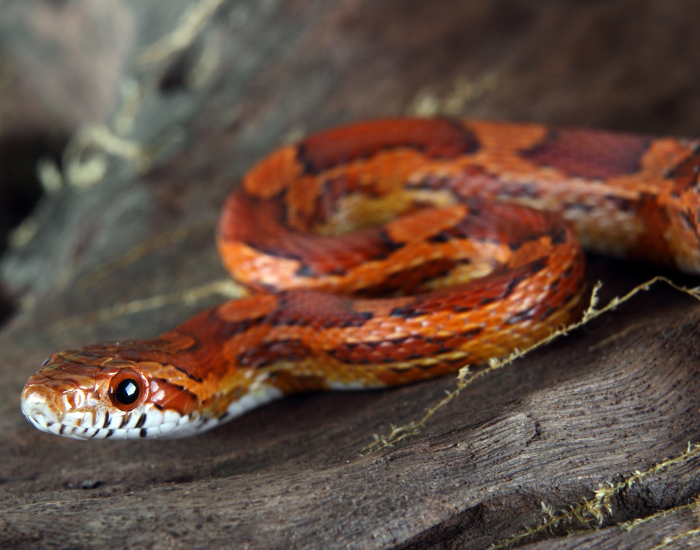
The rattlesnake pygmy is sometimes confused with other small snakes in the Southeast. Juvenile rat snakes and corn snakes, for example, also have blotched patterns that can mimic the pygmy’s dark gray body with alternating rows of spots. In central Florida and central Georgia, people often mistake them for young cottonmouths.
Knowing how to identify the tiny rattle and the distinctive eye stripe helps prevent confusion, and unnecessary killing of harmless species.
Protected in Some States, Ignored in Others
The pygmy rattlesnake is a native of the southeastern United States, part of the broader group of North American reptiles. While it is common in Florida and present in South Carolina and Georgia, laws protecting it vary. For instance, there is currently no Georgia state law that specifically protects this snake, though conservationists advocate for monitoring due to regional population declines.
FAQs About the Rattlesnake Pygmy
Its venom is painful and medically significant but rarely fatal to humans.
Most reach 15–24 inches, though the record length is over 30 inches.
Yes, but the tiny rattle produces only a faint buzzing sound.
They range across Florida, Georgia, the Carolinas, Alabama, Mississippi, and Missouri.
Seek immediate medical care. While bites are rarely fatal, they can cause severe pain, swelling, and tissue damage.
A Small Snake With a Big Story
The rattlesnake pygmy may not be as famous as its larger rattlesnake cousins, but it deserves recognition. From the dusky pygmy rattlesnake of Florida to the elusive western pygmy rattlesnake, this species shows how much diversity can exist within a single group of reptiles.
Understanding their behavior, respecting their role, and protecting their habitats ensures that these snakes continue to thrive in the wild. So next time you’re walking through leaf litter in the pine forests of central Florida or the sandhills of central Georgia, listen carefully, you might just hear the faint buzzing sound of one of nature’s smallest rattlers.