
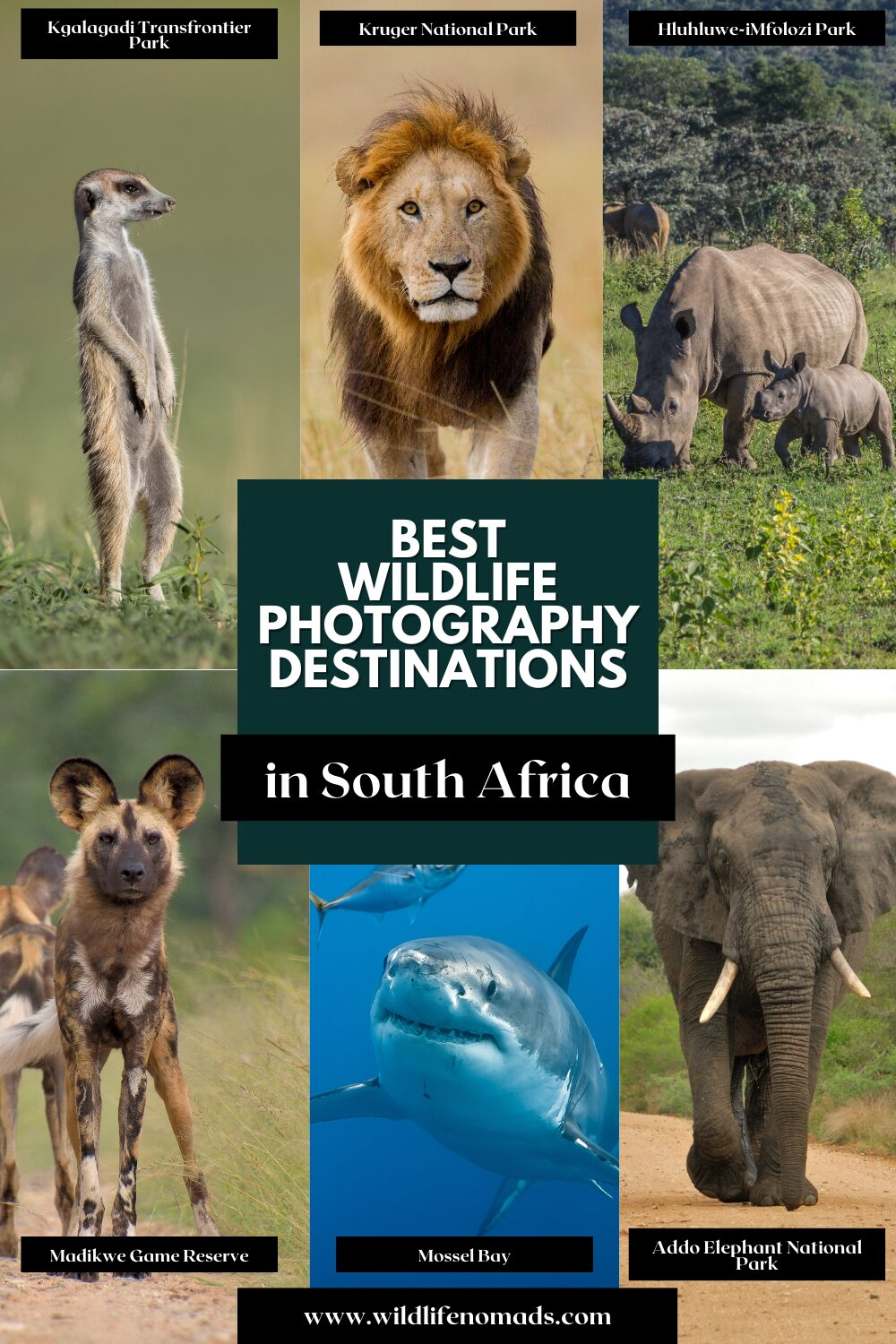
South Africa is home to some of the most iconic and biologically rich national parks on the continent, with a great diversity of animals, making it one of the best countries to experience a safari in africa and an amazing destination for wildlife photographers. From vast savannahs teeming with elephants and lions to mountain ranges where elusive leopards roam, these parks offer a front-row seat to Africa’s wildest spectacles.
What sets South Africa apart is not just the incredible diversity of species—including the famed Big Five—but also the accessibility and quality of its wildlife tourism infrastructure. Whether you’re on a self-drive adventure or staying at a luxury eco-lodge, the country’s parks cater to every type of traveler.
Even more importantly, tourism plays a crucial role in conservation. Entrance fees, guided tours, and sustainable lodges help fund anti-poaching units. Moreover, these funds support wildlife monitoring programs. In addition, they assist community development projects. These projects create long-term incentives to protect wild spaces. In short, when you visit a national park in South Africa, you are not just having a bucket-list experience. Instead, you are directly contributing to the future of conservation.
1. Kruger National Park
Kruger National Park is probably the most iconic wildlife place not only in South Africa, but maybe in the whole african continent (thus it can be highly debatable). It sprawls across nearly 20,000 square kilometers in South Africa’s northeast, is the gold standard for wildlife in South Africa, a massive reserve teeming with the Big Five (lion, leopard, rhino, elephant, buffalo), plus cheetahs, wild dogs, and over 500 bird species, all thriving in its vast savanna.
What makes it special is its sheer scale and accessibility; a 2022 SANParks study logged over 1,600 lion sightings in a single year, and self-drive safaris let you explore at your own pace, putting you in the driver’s seat of your adventure. Visit the South African National Parks Official Site for accommodation and up-to-date conservation efforts, including anti-poaching initiatives to protect rhinos.
Best time to visit: May to September, when the dry season thins out vegetation and herds gather at waterholes, offering prime viewing, July and August are especially hot for predator action. Here’s a pro tip: book a guided night drive through SANParks to spot nocturnal gems like aardvarks and leopards under the stars.
Recommended Safaris in Kruger:
2. Addo Elephant National Park
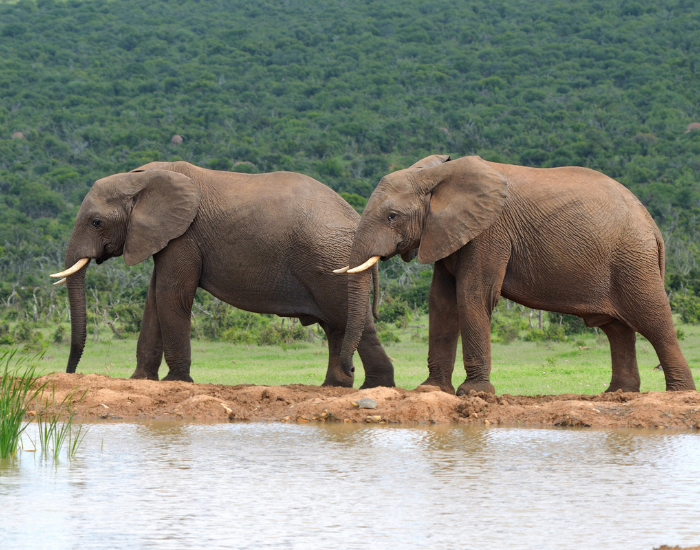
Located near Port Elizabeth in the Eastern Cape, Addo Elephant National Park was established to protect a dwindling population of just 11 elephants in 1931, today, it is full with hundreds. Alongside these gentle giants, you might spot black rhinos, zebras, and an array of birds like the African hoopoe.
The dry months (May to September) concentrate elephants around watering holes, making sightings nearly guaranteed. Meanwhile, the park also encompasses a marine section, spotlighting how efforts to blend terrestrial and coastal conservation can yield unique safari experiences
Best Time to Visit: June to August (winter) is ideal. Cooler weather brings animals out in droves, and the park’s smaller size means you won’t miss a thing.
Recommended Safaris in Addo Elephant National Park:
3. Madikwe Game Reserve
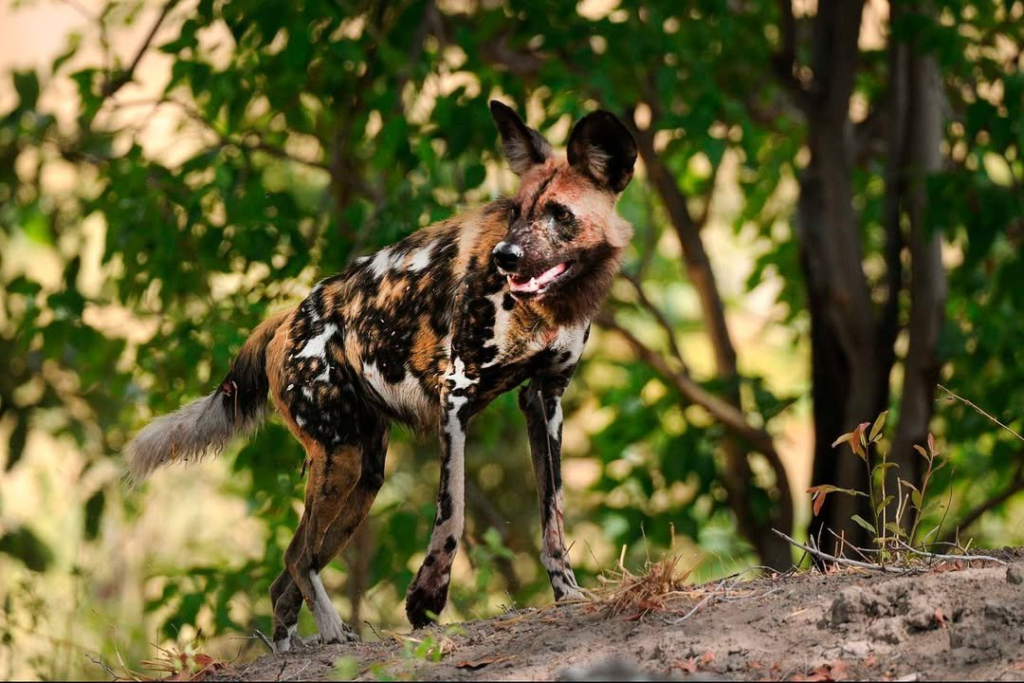
Madikwe sits along the Botswana border. It is a malaria-free haven with well-managed conservation programs. It boasts a strong African wild dog population, a critically endangered species. Over 100 pups were born here recently thanks to stellar conservation efforts. Madikwe also emphasizes community engagement. Comprising 750 square kilometers of bushveld, it features the Big Five and rare species like cheetahs and brown hyenas.
Its exclusivity is a major draw. As a private reserve, it avoids the self-drive crowds. Guests enjoy plush lodges and expert guides. The best time to visit is May to October. Dry season skies and sparse foliage make sightings crystal clear then. If you hire a private guide to track wild dogs, they are worth the cost. Madikwe is a standout gem for its high-end experience and rare species. It offers a luxe twist on the classic safari experience.
Recommended Safaris in Madikwe Game Reserve
4. Hluhluwe-iMfolozi Park: Rhino Central
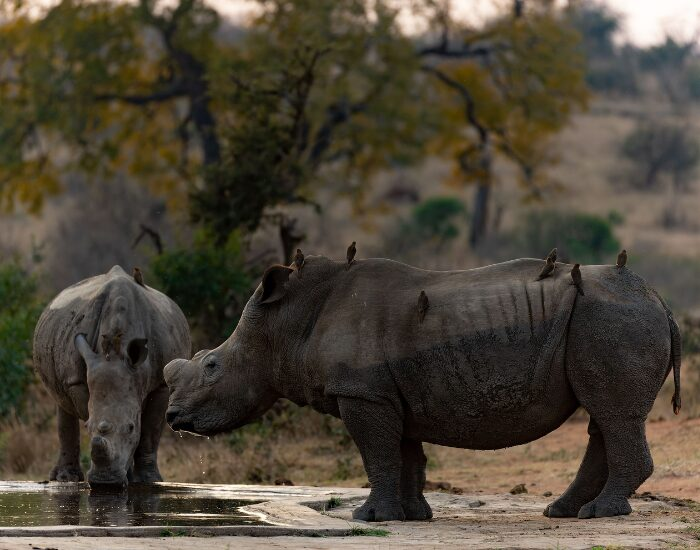
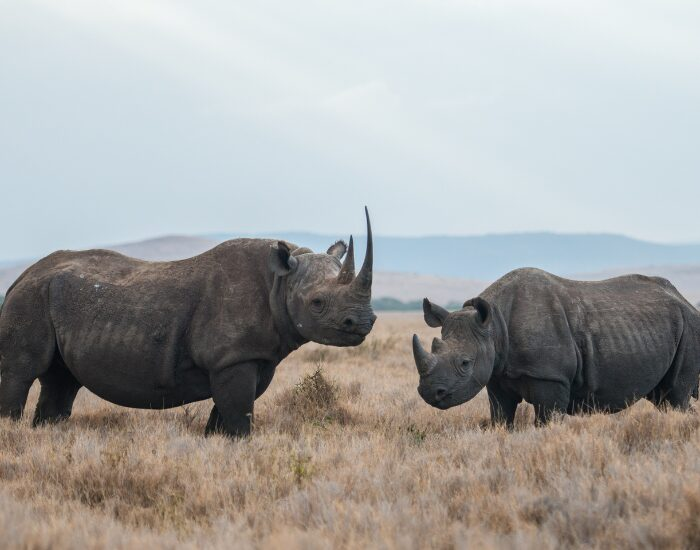
In KwaZulu-Natal, Hluhluwe–iMfolozi Park is very well known for its pioneering work in saving the southern white rhino from the brink of extinction. Renowned as the world’s rhino capital with over 1,800 white rhinos and a thriving black rhino population, its conservation legacy even saved the southern white rhino from extinction in the 20th century. Rolling hills and river valleys host not just rhinos but also lions, elephants, and African wild dogs.
Best Time to visit: Peak game-viewing occurs in the dry season (June to September), when vegetation is thinner. A morning guided walk can offer a more intimate experience, letting you witness wild rhinos at a respectful distance while contributing to community-led conservation. Check Ezemvelo KZN Wildlife for lodging options and park regulations.
Recommended Safaris in at Hluhluwe-iMfolozi Park
5. Kgalagadi Transfrontier Park
Straddling the border of South Africa and Botswana, Kgalagadi Transfrontier Park offers a distinct safari environment of red dunes, big skies, and dramatic wildlife encounters. The black-maned lions of the Kalahari roam here, alongside leopards, cheetahs, and resilient desert herbivores like springbok.
While Kgalagadi can be a year-round destination, many travelers prefer May to August (the winter months) for milder temperatures and reduced vegetation, making it simpler to spot wildlife around waterholes and riverbeds. During these cooler months, black-maned lions, leopards, and other predators often congregate near water sources, increasing your chances of a memorable sighting. Summer (November to February), by contrast, brings scorching temperatures that can soar above 40°C, though dramatic thunderstorms and the resulting greenery can add a unique photographic dimension.
Recommended Safaris in Kgalagadi Transfrontier Park

Seasonal Tips: When to See Wildlife in South Africa
Dry Season (May–September)
- Vegetation dies back, bringing more direct line-of-sight for big game.
- Cool mornings, warm afternoons, fewer mosquitos.
- Predators find hunting easier around sparse waterholes, leading to prime viewing moments.
Green/Wet Season (October–April)
- Lush scenery, newborn animals, and dramatic thunderstorms in the Lowveld.
- Birding enthusiasts find a greater variety of species, but thick foliage can hide animals more effectively.
Answering Your Wildlife Questions
Kruger’s the all-star, Addo’s elephant heaven, and Hluhluwe-iMfolozi’s rhino central—pick based on your dream species!
May to September wins across the board—dry season magic brings animals into view.
Kruger’s global fame and Big Five cred take the title.