
The Best Wildlife Tours in Ecuador
Find a Wildlife Tour in Ecuador

If you’re searching for the best wildlife tours in Ecuador, you’re already on the right track to one of the most thrilling, biodiverse experiences on Earth. Ecuador may be small by South American standards, but it packs a staggering array of ecosystems into its borders, from the Amazon Rainforest and Andean Highlands to the Chocó cloud forest and the one-and-only Galápagos Islands.
Whether you’re tracking rare monkeys in Yasuni, snorkeling with sea lions in the Galápagos, or birdwatching in the Mindo Valley, wildlife tours in Ecuador offer world-class biodiversity, jaw-dropping landscapes, and a deep sense of connection to nature. This is travel that transforms.
Find the Best Wildlife Experiences and Tours in Ecuador
This website is reader-supported. When you book an experience through links listed on this site, we may earn an affiliate commission.
Best Time to Go on Wildlife Tours in Ecuador
The best time to explore Ecuador’s diverse wildlife depends on the region and the type of experience you’re after:
Amazon & Rainforest (August to December): This drier window is ideal for wildlife tours in the Ecuadorian Amazon, including Yasuni and Cuyabeno. Trails are more accessible, river levels drop (making wildlife easier to spot), and the chance of sunny days increases. Wildlife tends to gather near water sources, offering great viewing opportunities.
Galápagos Islands (December to May): Warmer seas and calmer conditions make this the best time for snorkeling and seeing marine life like sea turtles and reef sharks. On land, animals are more active, and landscapes are lush and green. This is also mating season for many species, making it a fascinating time for wildlife photography.
Andean Highlands & Cloud Forests (June to August): Drier and cooler months offer excellent conditions for birdwatching in regions like Mindo. Clear skies and crisp air create perfect hiking and photography conditions.
Coastal Ecuador (June to September): Humpback whale watching is at its peak along the Pacific coast, especially around Machalilla National Park. This cooler, drier season is also great for visiting Isla de la Plata and exploring marine ecosystems.
Animals of Ecuador

Darwins Galapagos Finch
Position orA group of 15+ species unique to the Galápagos, Darwin’s finches are famous for their beak diversity and role in shaping evolutionary theory through natural selection. title

Galapagos Sea Lion
Position oEndemic to the Galápagos Islands, these playful and curious marine mammals are commonly seen lounging on beaches or swimming alongside snorkelers across the archipelago.r title

Galapagos Penguin
Position or titleThe only penguin species found north of the equator, Galápagos penguins inhabit the cooler western islands like Isabela and Fernandina, adapting uniquely to a tropical environment.

Magnificent Frigatebird
Position orKnown for their massive wingspan and the male’s red throat pouch, frigatebirds are a common sight soaring above the Galápagos Islands’ coastlines, especially around nesting colonies on North Seymour and Genovesa. title
What Animals Can you see in Ecuador?

Best Places To See Animals in Ecuador


Marine Life of Ecuador
Ecuador’s marine ecosystems – from the Pacific coast to the Galápagos Islands – are home to an exceptional variety of sea life. These waters are part of the Eastern Pacific Marine Corridor, one of the most biodiverse marine regions in the world.
Highlights of Ecuador’s Marine Fauna
- Galápagos Sea Lion (Zalophus wollebaeki): Playful and unafraid, often found lounging on docks or swimming with snorkelers.
- Hammerhead Shark (Sphyrna lewini): Schools of these striking sharks can be seen around Darwin and Wolf Islands.
Birds of Ecuador
With over 1,600 recorded bird species, Ecuador is a global birdwatching hotspot. Despite its compact size, the country is home to nearly one-sixth of the world’s bird species, thanks to its rich mix of Amazon rainforest, Andean highlands, Pacific coast, and cloud forests.
Must-See Birds of Ecuador
Andean Cock-of-the-rock (Rupicola peruvianus) – Known for its vivid red-orange plumage and dramatic lekking dances, found in cloud forests on both slopes of the Andes.
Blue-footed Booby (Sula nebouxii) – Famous for its bright feet and mating display, commonly seen in coastal areas and the Galápagos.
Sword-billed Hummingbird (Ensifera ensifera) – The only bird with a bill longer than its body, perfectly adapted for feeding on long-tubed flowers.


Mammals of Ecuador
Ecuador’s mammal diversity is just as rich, with over 400 species roaming its jungles, mountains, and coastlines. Key habitats like the Yasuni Biosphere Reserve and the Andean slopes are particularly rewarding for those seeking once-in-a-lifetime encounters.
- Spectacled Bear (Tremarctos ornatus): South America’s only bear species, rarely seen but found in the Andean cloud forests.
- Mantled Howler Monkey (Alouatta palliata): Known for their eerie, roaring calls echoing through the rainforest canopy.
Reptiles of Ecuador
With over 350 species of reptiles, Ecuador offers some of the most fascinating herpetological experiences in the Americas. The Galápagos, of course, is home to iconic reptiles found nowhere else, but the mainland forests and highlands are equally teeming with snakes, lizards, and turtles.
Must See Reptiles in Ecuador:
Giant Tortoise (Chelonoidis spp.): These gentle giants are a conservation success story, living symbols of island evolution.
Galápagos Marine Iguana (Amblyrhynchus cristatus): The only sea-swimming lizard on Earth, famous for its algae diet and dinosaur-like appearance.

Read More About Ecuador’s Wildlife
Orcas: 12 Fascinating Facts About the Ocean’s Apex Predator

Andean Condor: 11 Staggering Facts About the Largest Flier

Hercules Beetle: 10 Things You Need to Know
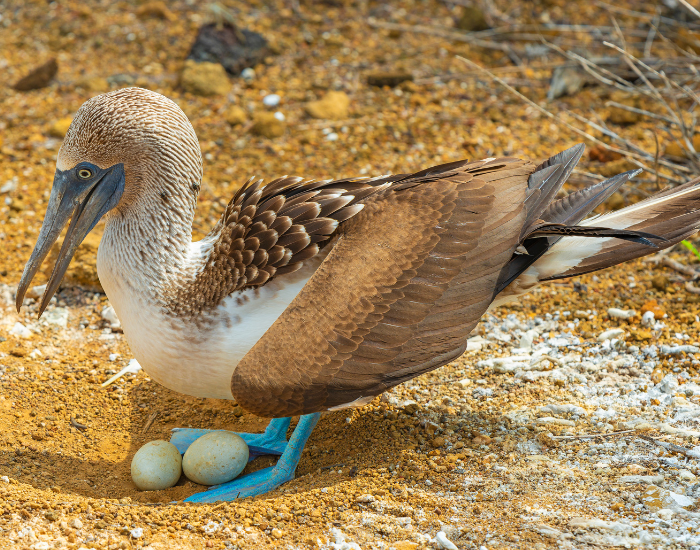
Booby Birds: 12 Things That Will Make you Love Them

15 Types of Voles That Will Surprise You: A Field Biologist’s Guide

12 Reasons to Love Blue Footed Booby Birds
How Long Should I Plan for a Wildlife Tour in Ecuador?
The ideal length of a wildlife tour in Ecuador depends on your regions of interest and how immersive you want your experience to be. If you’re planning to visit just one major region—like the Amazon or the Galápagos—5 to 7 days is a great starting point. For multi-region trips that combine the Andes, Amazon, and Galápagos, 10 to 14 days allows enough time to explore without feeling rushed.
- Amazon only: 4–6 days, including river transport time.
- Galápagos only: 5–8 days via island-hopping or a cruise.
- Amazon + Andes: 7–10 days to explore biodiversity and culture.
- Full Ecuador wildlife circuit: 12–14 days across multiple ecosystems.
Cost of a Wildlife Tour in Ecuador
Tour costs in Ecuador vary based on the destination, travel style, and level of comfort. Here’s a rough breakdown:
- Budget Tours: ~$150–$250 USD per person per day. Includes basic lodging, group excursions, and meals. Great for backpackers or adventure travelers.
- Mid-Range Tours: ~$250–$400 USD per person per day. Expect quality accommodations, expert guides, and small group experiences.
- Luxury Wildlife Tours: Starting at ~$450 USD per person per day. Includes private guides, luxury eco-lodges, chartered transfers, and exclusive access to wildlife hotspots.
Note: Galápagos cruises and internal flights (to the islands or Amazon lodges) are often additional and can significantly impact the total cost.
Planning Your Ecuador Wildlife Tour: Tips and Essentials
- Health Precautions: If visiting the Amazon, speak to your doctor about yellow fever vaccination and malaria prophylaxis. Carry insect repellent and long sleeves for dusk and dawn hours.
- Travel Insurance: Choose a policy that covers medical emergencies, cancellations, and remote excursions, especially in rainforest or marine environments.
- Packing Essentials: Bring binoculars, a headlamp, eco-friendly toiletries, hiking shoes, and a waterproof dry bag for river and coastal activities.
- Book in Advance: Galápagos cruises and Amazon eco-lodges often fill up months ahead—especially during high season (June–August and December–January).
- Use Local Guides: Not only do they elevate your experience with insider knowledge, but hiring local experts supports conservation through community engagement.
- Go local: Choose local guides and operators who know the terrain and contribute to the economy.
- Don’t feed or touch animals: This harms their behavior and health.

Ecuador Travel FAQs
The best time to visit Ecuador depends on the region you plan to explore. The Galápagos Islands are warm and sunny year-round, making them perfect for marine activities. The Andean highlands are best visited during the dry season from June to August, while the Amazon rainforest is most accessible from August to December when trails are drier.
Visitors from most countries do not need a visa to visit Ecuador. However, you will need a valid passport with at least six months’ validity from the date of entry.
The local currency in Ecuador is the US dollar, making it convenient for travelers from the United States.
Yes, credit cards are widely accepted in Ecuador, particularly in tourist areas. However, it’s always a good idea to carry some cash, especially when traveling to remote areas.
Yes, Ecuador is generally a safe country to visit. As with any destination, it’s important to take common-sense precautions to protect yourself and your belongings, especially in urban areas.
The best Ecuador tours depend on your interests. Popular options include exploring the Galápagos Islands, venturing into the Amazon rainforest, and hiking in the Andean highlands. Each offers unique experiences and opportunities to see Ecuador’s incredible wildlife and landscapes.
The easiest way to get to Ecuador is by flying into Quito or Guayaquil. From there, you can take buses, taxis, or domestic flights to other parts of the country.
Packing for Ecuador depends on the regions you plan to visit. For the Andean highlands, bring layers for cooler weather. In the Amazon rainforest and Galápagos Islands, pack lightweight clothing, sunscreen, insect repellent, and waterproof gear. Don’t forget essentials like binoculars and a refillable water bottle for your wildlife adventures.



