
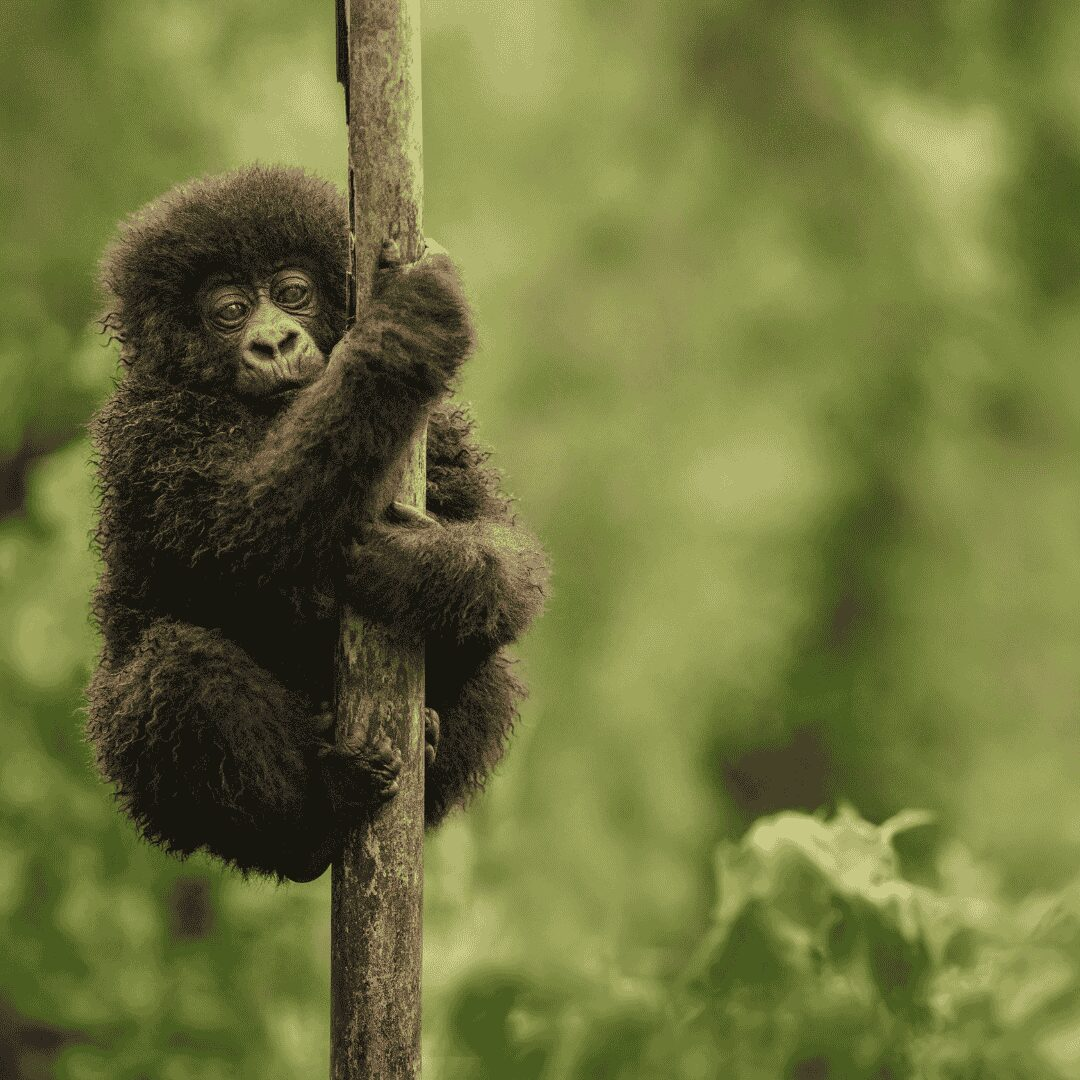
When I first read about Mountain gorillas conservation story, I did not believe it. Ecotourism has emerged as a powerful tool for conservation, offering a win-win solution for protecting biodiversity while supporting local communities. What could be better than that? Nowhere is this more evident than in Rwanda, where the mountain gorilla, a species that once was on the brink of extinction, has become a symbol of conservation success. This blog dives into the intricate relationship between ecotourism and conservation, highlighting how sustainable tourism efforts in Rwanda have safeguarded these majestic creatures while uplifting local communities.
The Power of Tourism Conservation
Tourism has long been a double-edged sword. On one hand, poorly managed tourism can harm fragile ecosystems; on the other, ecotourism, when done right, can play a pivotal role in preserving nature. This is where tourism conservation comes into focus: a sustainable model where travelers contribute directly to the protection of wildlife and ecosystems while ensuring local communities benefit economically.
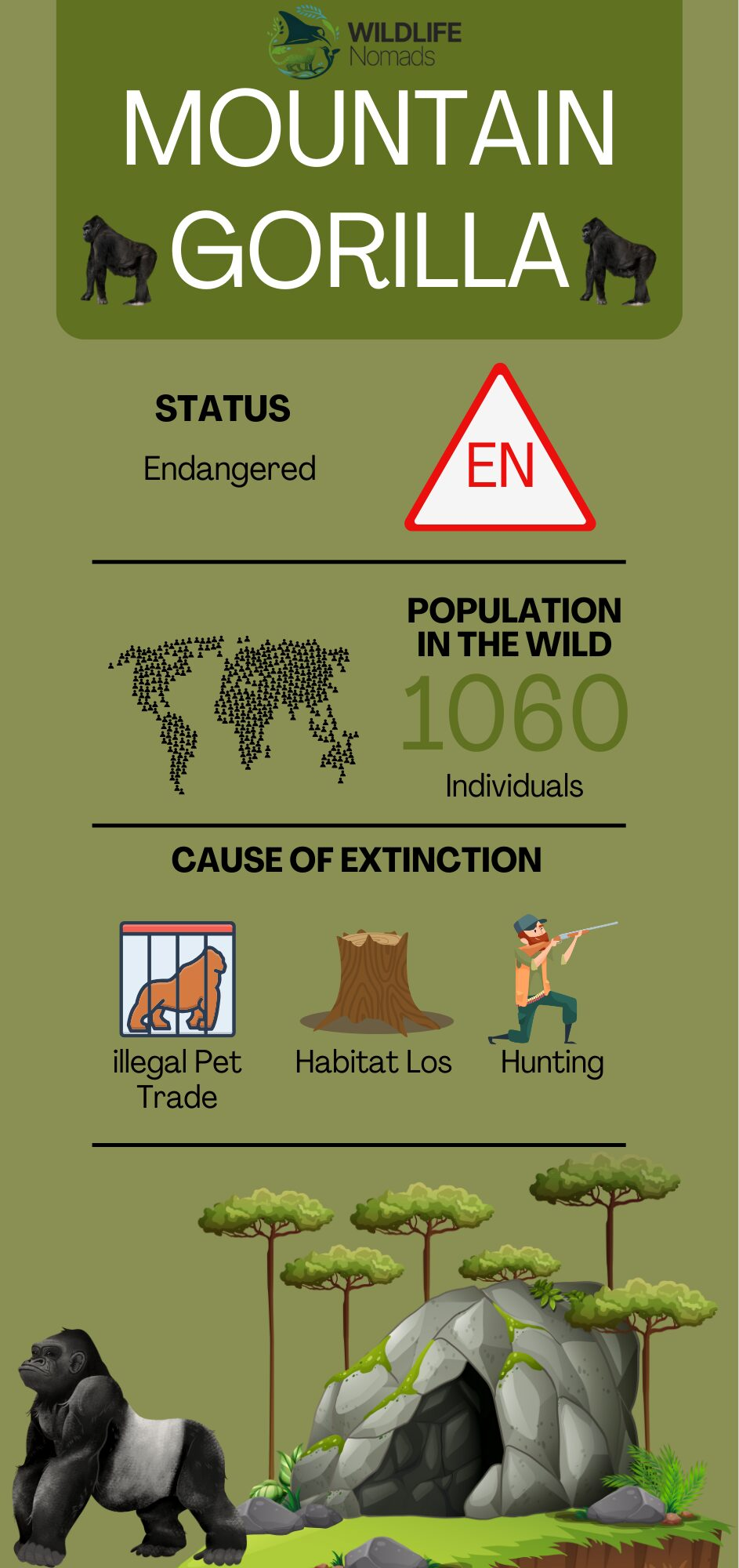
A perfect example happened in Rwanda, where ecotourism has transformed the narrative around mountain gorilla conservation. Once critically endangered, with fewer than 250 individuals in the 1980s, mountain gorillas now number over 1,000 globally. Rwanda’s Volcanoes National Park is home to around 600 of these great apes, largely thanks to conservation funding generated by tourism.
Recommended Tours:
The Mountain Gorilla
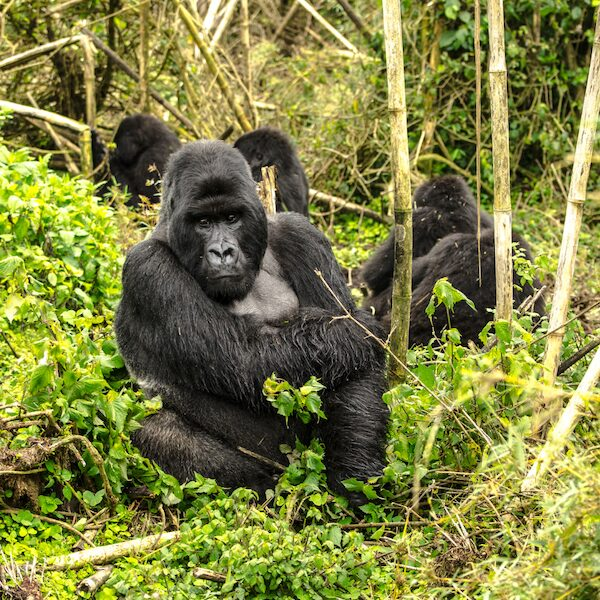
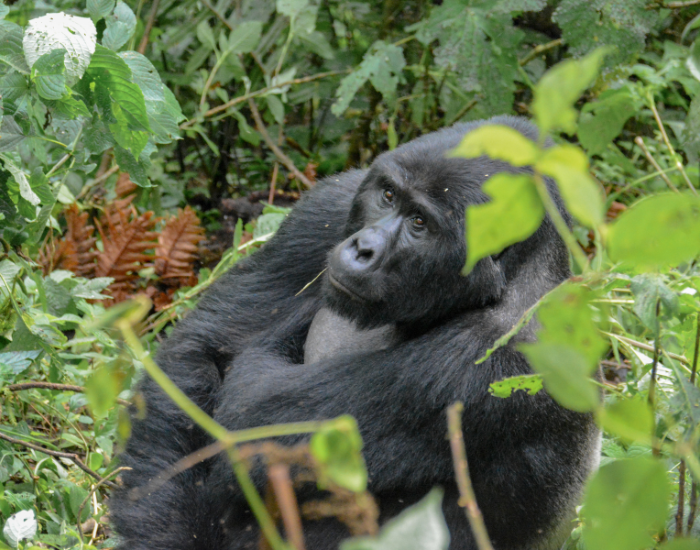
Mountain gorillas (Gorilla beringei beringei) are found only in the misty mountain ranges of Uganda, Rwanda, and the Democratic Republic of Congo. These Great Apes are one of the strongest animals in the world, and some of the most intelligent animals, but not only that, they are a keystone species, meaning their presence helps maintain the health of their entire ecosystem.
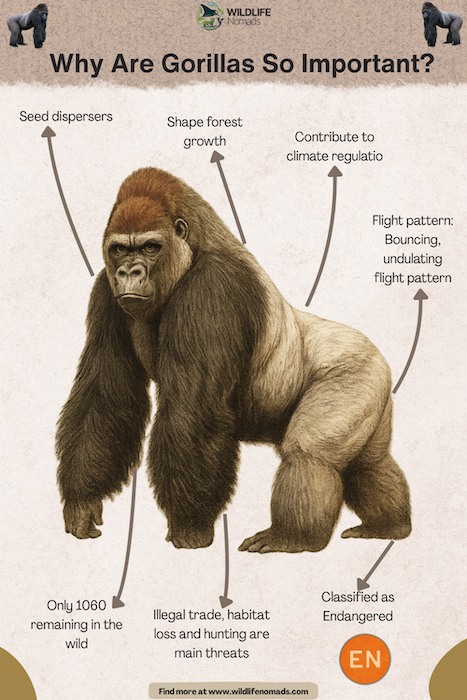
Why Are Gorillas So Important?
Seed Dispersers: Gorillas play a crucial role in seed dispersal by consuming a diverse diet of fruits, leaves, stems, and shoots. As they travel through the forest, they spread seeds, helping to regenerate vegetation and support biodiversity.
Shaping Forest Growth: Their movement through the forest creates natural gaps in the canopy, allowing sunlight to reach the ground. This process encourages the growth of sun-loving plants and enhances the forest’s overall diversity.
Climate Champions: By maintaining the health of the forest, gorillas indirectly contribute to climate regulation. Healthy forests stabilize local rainfall patterns and act as carbon sinks, playing a vital role in mitigating climate change.
How Ecotourism Saved Rwanda’s Gorillas
Economic Impact
Nowadays, Rwanda’s gorilla tourism industry generates over $200 million annually, making it one of the country’s largest sources of revenue. Each gorilla is valued at bringing more wealth to the region than the average business professional.
But the benefits don’t stop there. A portion of the tourism revenue is reinvested into local communities through initiatives like:
- Infrastructure development: Roads, schools, and clinics.
- Employment opportunities: The park is the largest employer in the region.
- Revenue sharing: A percentage of park entry fees goes directly to local villages.
This economic model has created a strong incentive for communities to protect gorillas and their habitat.
Conservation Measures
Gorilla trekking permits in Rwanda are limited, with prices set at $1,500 per person for a single trek. While expensive, this exclusivity reduces environmental pressure while ensuring funds are channeled into conservation.
Key conservation strategies include:
- Anti-poaching patrols to safeguard gorillas from illegal hunting.
- Veterinary care provided by organizations like Gorilla Doctors to monitor and treat gorilla health.
- Reforestation projects to expand gorilla habitats.
The Role of Local Communities
Local people play a crucial role in the success of Rwanda’s conservation efforts. Through partnerships with organizations like the Dian Fossey Gorilla Fund, farmers have been educated on sustainable agriculture techniques that reduce human-wildlife conflicts. Additionally, the construction of stone walls around park boundaries prevents gorillas from raiding crops, fostering coexistence between wildlife and humans.
Rwanda’s Conservation Model: Lessons for the World
Rwanda’s approach to gorilla conservation is a blueprint for how tourism can drive positive change. Key takeaways include:
High-value, low-impact tourism: By capping visitor numbers and charging premium prices, Rwanda balances conservation with economic gain.
Community involvement: Sharing tourism revenue builds local support for conservation efforts.
Government commitment: Strong political will and international collaboration are essential for success.
Importance of Conservation Through Tourism
Tourism conservation isn’t just about protecting a single species, it’s about preserving ecosystems and empowering communities. Rwanda’s mountain gorillas are more than a tourist attraction, they’re a testament to what’s possible when humanity prioritizes both nature and people.
Moreover, the intact forests within Volcanoes National Park provide vital ecosystem services, such as:
Water retention: Preventing floods and droughts by stabilizing rainfall.
Carbon sequestration: Helping combat climate change by absorbing CO2.
The recovery of Rwanda’s mountain gorillas is a shining example of how tourism conservation can create lasting change. It’s a story of resilience, innovation, and collaboration that proves saving species is possible when humanity comes together with a shared purpose.
As travelers, we have the power to support such initiatives by making conscious choices. Whether it’s trekking through Rwanda’s misty mountains or sharing this story, every action counts in the fight to protect our planet’s incredible biodiversity.