Ever wondered how scientists peek into the future to see what’s coming for our planet? It’s a bit like being a weather forecaster, but instead of predicting rain, they’re looking for the next big “wave” that could change everything for wildlife and nature.
Every year, a team of experts gets together for a “Horizon Scan.” They sift through nearly 100 emerging trends to find the 15 most important issues that aren’t quite “news” yet, but will be soon. Think of it as an early warning system for nature, spotting the trends before they become headlines.
This year’s list is packed with everything from tiny AI chips that could revolutionize how we monitor wildlife, to appetite-suppressing drugs that might accidentally reshape entire landscapes. Yeah, you read that right. Let’s dive into the coolest (and sometimes weirdest) findings.
The Rise of “Tiny” Brains and Light-Speed Chips
Here’s the cool part: AI is getting a massive makeover. Usually, AI needs huge computers and tons of electricity, but two new trends are changing the game:
- TinyML: Imagine a tiny, low-cost sensor that can “listen” for poachers or “see” a rare bird without needing an internet connection or a giant battery. It does all the thinking right there on the device!
- Light-Speed Chips: Scientists are developing chips that use light instead of electricity to process data. This means we could monitor remote rainforests in real-time without the massive energy footprint of traditional tech.
The “Darkening” Oceans and Salty Surprises
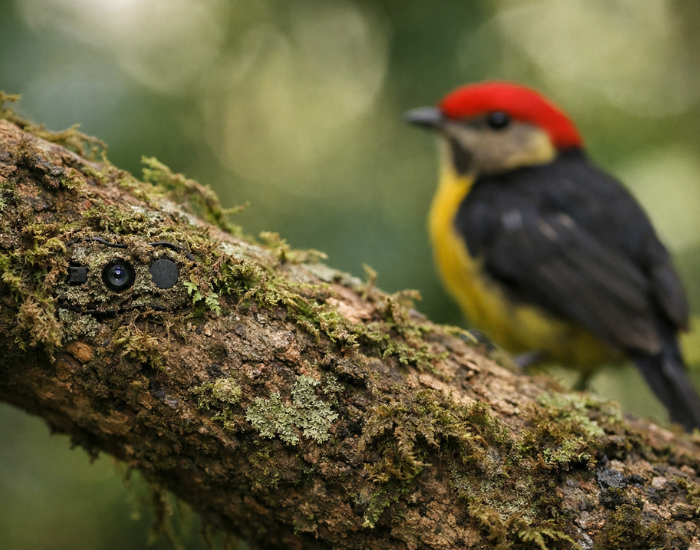
If you’ve ever gone diving, you know that light fades the deeper you go. But scientists have noticed something strange: about 21% of the world’s oceans are getting darker. Between runoff from the land and changes in the water, light isn’t reaching as deep as it used to. Think of it like a smoggy day, but underwater. This matters because if the plants at the bottom can’t get “sunlight,” the whole food web—from tiny shrimp to giant whales—could feel the pinch.
Meanwhile, down in the Southern Ocean near Antarctica, the water is suddenly getting saltier after decades of getting fresher. It’s a bit of a curveball that might speed up how fast sea ice disappears.
Can Weight-Loss Meds Save the Rainforest?
This is one of those “wait, really?” findings. As new appetite-suppressing drugs (like GLP-1s) become more common globally, people are starting to eat less beef and processed food.
Because cattle farming uses vast amounts of land, a global shift in what we eat could reduce the pressure to clear forests for pasture. It’s a fascinating example of how a tiny pill in a city could potentially lead to more space for “rewilding” the countryside.
The Hidden Danger of “Invisible” Drones
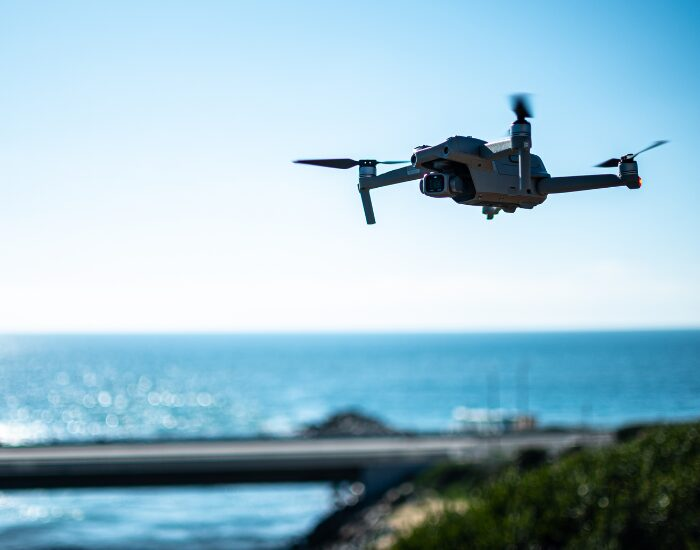
In modern conflicts, drones are now being flown using long fiber-optic cables to prevent signal jamming. Here’s the problem: when a mission is over, miles of high-strength plastic “fishing line” are left behind in the woods and fields.
In some areas, there’s enough abandoned cable to create a deadly web for birds and mammals. This brand-new form of pollution can persist for centuries, long after the drones disappear.
Science Fiction vs. Science Fact
Here are a few more “cool bits” from the report:
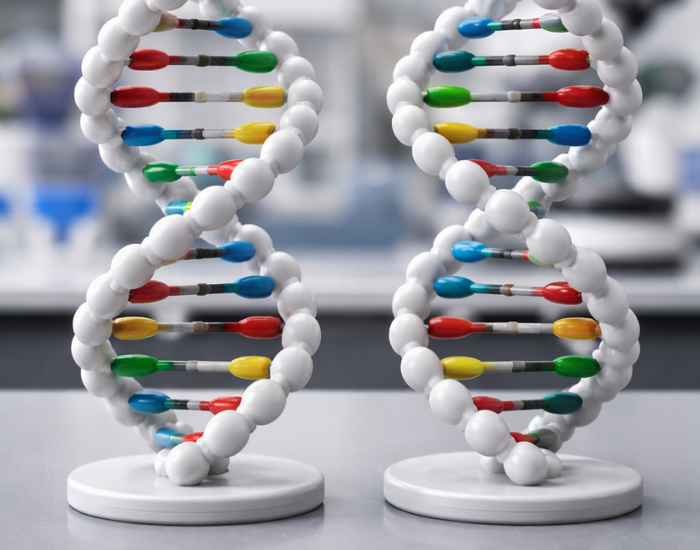
- Mirror Life: Scientists are learning how to make “mirror” molecules—versions of DNA or protein that are flipped, like a left hand vs. a right hand. While useful for medicine, if a “mirror cell” ever escaped into the wild, our natural immune systems might not even recognize it. Don’t worry though, this is still theoretical and far-future science, with major technical hurdles to overcome before it becomes reality. But it’s worth keeping on the radar now so we can develop safeguards early.
- Plastic into Protein: Believe it or not, we’re finding ways to let bacteria “eat” plastic waste and turn it into a high-protein powder that could feed animals or even people. Talk about the ultimate recycling!
- Plant “Snooze Buttons”: New chemicals can actually delay when a flower blooms. This could be a lifesaver for rare plants that wake up too early during a “fake spring” only to get hit by a late frost.
- Thirsty Soil, Magic Microbes: Climate change is causing more frequent droughts and soil moisture loss in many regions. To combat this, companies are now selling commercial soil inoculants, basically packets of beneficial bacteria and fungi that help soil retain water and help plants survive dry spells. This could be a game-changer for rewilding projects and habitat restoration.
Why Should We Care?
The world is changing fast, and while some of these items sound like they belong in a sci-fi movie, they have real-world stakes for the animals and ecosystems we love. By spotting these trends now, conservationists can get a head start on protecting the “lungs” of our planet.