
The Best Types of Crabs: A Complete Guide to Crab Species Around the World
You’ve seen crabs your whole life, scuttling at the beach, hiding in rocks, or on a plate. But once you look closer, they’re way more diverse than they seem.
From jaguars and monarch butterflies to whale sharks and coatis, Mexico’s wildlife reflects its vast landscapes. Explore the animals of Mexico, conservation initiatives, and ecosystems ranging from deserts to tropical coasts.
You’ve seen crabs your whole life, scuttling at the beach, hiding in rocks, or on a plate. But once you look closer, they’re way more diverse than they seem.

What's killing Dungeness crabs in Monterey Bay? Uncover 10 shocking facts about the Pacific's sweetest crab, climate change impacts, and why male-only fishing saves the species.

Think donkeys are just small horses with a bad attitude? Nope. These ancient, intelligent animals have remarkable memories, strong social bonds, and survival skills shaped by some of the harshest landscapes on Earth.
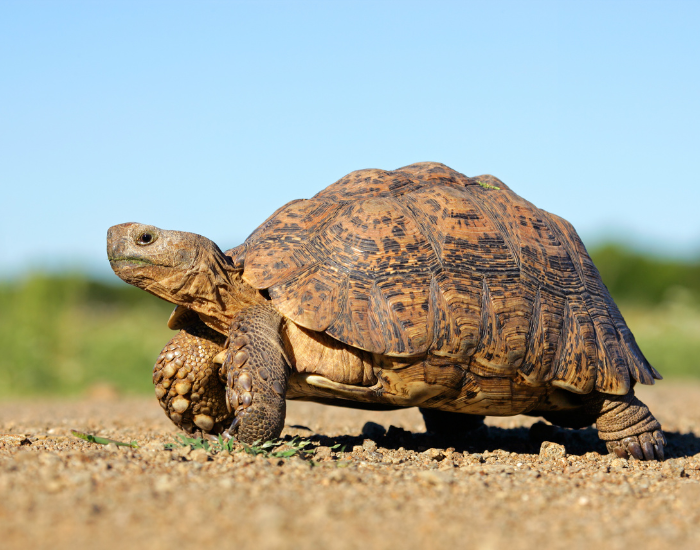
Ever looked a tortoise in the eye and felt time slow down a little? From giant Galapagos legends to desert survivors and tiny tropical species, this guide breaks down how tortoises live, what they eat, where they’re found, and why these ancient reptiles matter more than most people realise.

The quetzal doesn’t look real. With shimmering green feathers and tail plumes longer than its body, it feels like a bird pulled straight out of a myth, and somehow, it’s still flying through Central America’s cloud forests today.
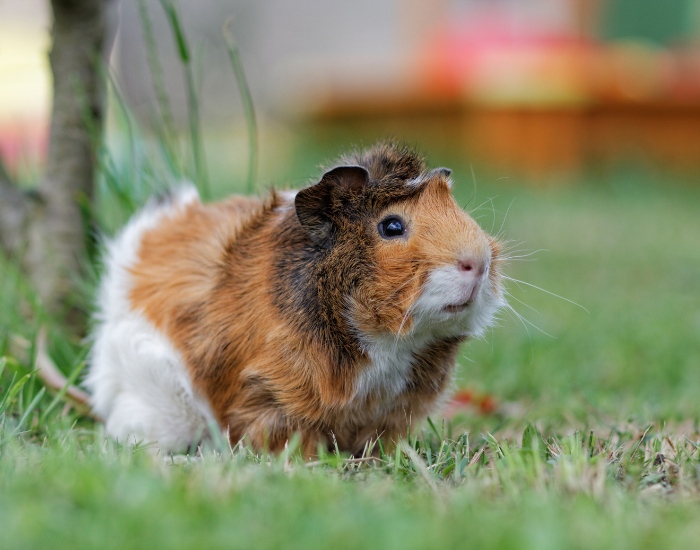
Guinea pigs aren't pigs, they're not from Guinea, and in Switzerland, it's actually illegal to own just one. These chatty little rodents from the Andes have been surprising humans for 7,000 years
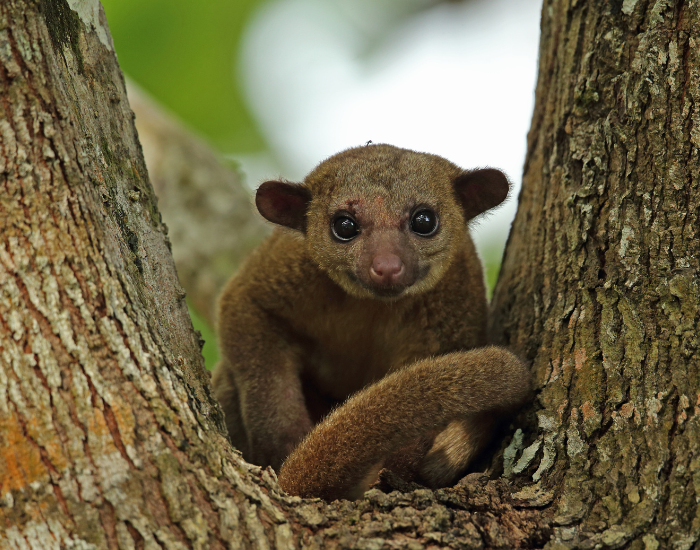
Ever heard of a kinkajou? Most people haven't, or they think they're monkeys. These golden 'honey bears' are actually raccoon relatives that live in Central American rainforests.
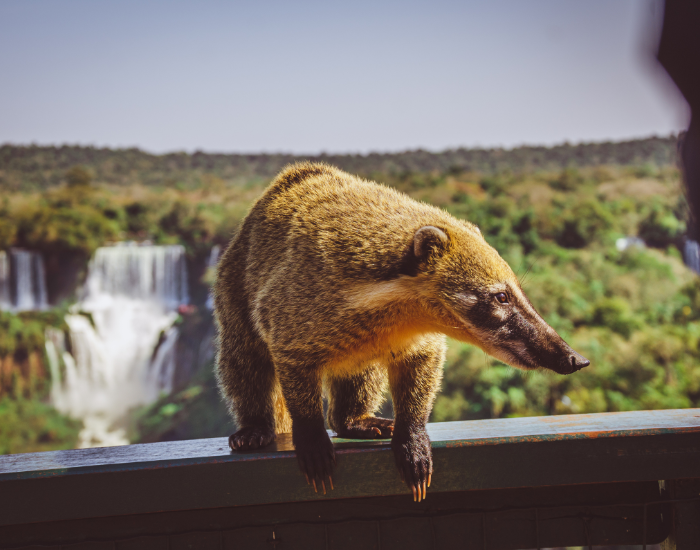
At first glance, coatimundis look like raccoons with extra confidence. But once you learn how they live, move, and think, they become seriously hard not to love.
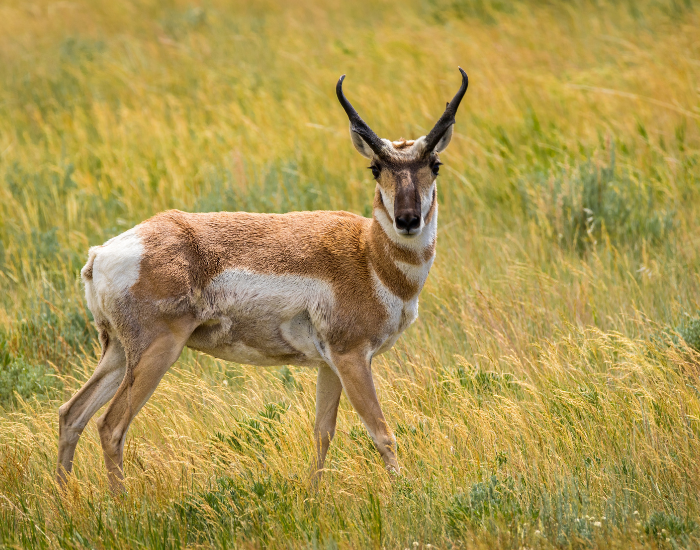
Forget the "American antelope" label. These 60mph speed goats aren't actually antelope at all. They're prehistoric relics outrunning ghost predators across the West. Dive into the real story of the Pronghorn.

Ever see a duck perch 50 feet up a tree or watch newborns survive a "leap of faith" plunge? Meet the Wood Duck: a hand-painted miracle of nature with a comeback story you won’t believe.

Pikas might be small, but they play a big role in mountain ecosystems. Living on rocky slopes above the tree line, they’re incredibly sensitive to heat — which makes climate change a serious problem for their survival.

Foxes are some of the most adaptable mammals on Earth, thriving everywhere from frozen tundra to scorching deserts. From the tiny fennec fox with its oversized ears to the Arctic fox built for life below zero, each species tells a story of evolution, survival, and clever adaptation.

"Ever jumped into a pitch-black ocean and seen neon sparks fly off your hands? That’s the magic of the dinoflagellate. From glowing lagoons in the Philippines to the 'red tides' that shut down beaches, I’m diving into the science of these tiny, whirling liquid stars."

Herons are the unsung predators of wetlands. Some use tools to fish, others turn into umbrellas. Here are 15 species that prove these birds are anything but boring.

The giant Pacific octopus is the largest octopus species in the world, with the biggest specimen ever recorded weighing 600 pounds (272 kg) and measuring 30 feet (9 meters) across. These intelligent creatures inhabit the cold waters of the Pacific Ocean and are known for their problem-solving abilities and remarkable camouflage skills.